Review · MATCHA EXPERIENCES
Matcha Green Tea Plantation and Matcha Factory Visit
Uji is to Japanese matcha what Scotland is to Scotch: a place where the product, the land, and the craft belong together. This tour takes you from Kyoto Station to an old tea plantation and factory, then puts several kinds of matcha in your cup, including a very high-end sample served with Japanese sweets.
I like the small maximum of six people, which should make questions and conversation easier. I also like that the tour includes train transportation, entrance fees, a guided tasting, and sweets, rather than leaving you to piece together Uji’s tea sights on your own. The main consideration is price: at $154.84 per person, this is a specialized half-day outing, not a cheap sightseeing add-on.
Key points to know
- Uji is the focus: Visit one of Kyoto’s oldest matcha-growing areas and connect the drink with its place of origin.
- From Kyoto Station by train: Meet at Hotel Granvia Kyoto inside JR Kyoto Station, then travel south to Uji with your guide.
- Factory access: See how tea leaves are handled and milled into matcha, not just how the finished drink is served.
- Tasting with sweets: Sample multiple matcha varieties, including an expensive grade, in a traditional tea hut.
- Small group format: The maximum is six people, with morning and afternoon departures available.
- Shopping opportunity: Look for green tea and tea utensils that can be harder to find elsewhere in Japan.
Why Uji gives this tea tour its meaning
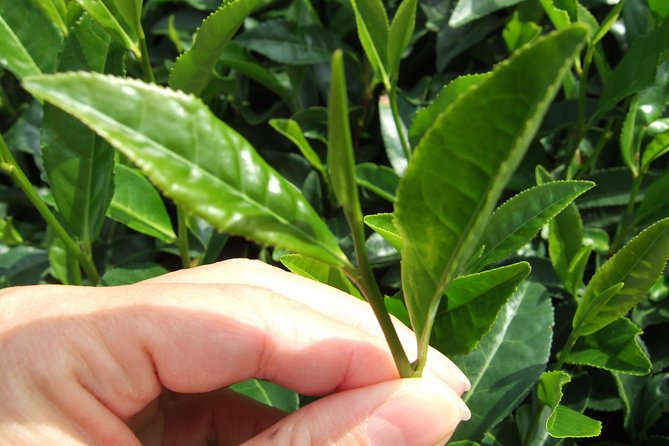
You can drink matcha all over Kyoto. Uji gives you the missing piece: the growing region behind the powder.
The name Uji is closely tied to quality matcha, and the tour uses that setting well. Instead of treating green tea as a quick café stop, it shows you the chain from plantation to factory to cup. That matters because matcha can look simple once it reaches a bowl, but its character begins in the field and depends on how the leaves are handled.
The experience also places Japanese tea in a useful cultural frame. Matcha was introduced to Japan by a Zen monk in the 12th century, and it later became part of formal tea practice as well as everyday drinking. You will hear about that background while seeing a working tea operation rather than only a museum display.
For me, the strongest part is the connection between ordinary habit and formal ceremony. You are not simply told that matcha has health benefits. You also learn how to make drinking green tea part of your daily routine at home, which gives the visit a practical finish.
More Green Tea Tours in Japan
- Scenic Green Tea Fields of Hidden Kyoto & Local Tea Exp (Private)
★ 5.0 · 32 reviews - Kyoto Matcha Green Tea Tour
★ 4.7 · 28 reviews - Sencha-do the Japanese Tea Ceremony Workshop in Kyoto
★ 5.0 · 21 reviews
Meeting at Kyoto Station and riding south
The meeting point is the central entrance of Hotel Granvia Kyoto, located in the JR Kyoto Station building. This is a sensible place to start. Kyoto Station is a major transport hub, and meeting there avoids the confusion of searching for a small street address in the city center.
From the station, you transfer by train to the Uji area in southern Kyoto. The transportation fee is included, so you do not need to budget separately for the rail ride. Your guide travels with you, which is useful if you are unfamiliar with the station system or want to ask questions before the plantation visit begins.
This is also a good choice for anyone who wants to see more than Kyoto’s central temples without arranging a full day trip. Uji is close enough to fit into a morning or afternoon, yet distinct enough to give the outing a clear purpose.
The advertised duration is about three hours and thirty minutes. The Uji portion is described as about three hours, so you should allow a little flexibility for the train journey and the pace of the group. Morning and afternoon departures make it easier to fit the tour around other Kyoto plans.
Walking into one of Kyoto’s old tea plantations
In Uji, you visit one of Kyoto’s oldest matcha plantations. The important point here is scale. This is not presented as a grand agricultural attraction with a long list of exhibits. It is a closer look at a tea-growing operation, where the plants and the work behind them take center stage.
You will learn how the tea is grown and hear about different varieties of tea plants. That information helps explain why matcha from different sources can taste and cost different amounts. The plantation visit gives you something concrete to look at while the guide explains the process.
The crop itself is described as a small tea plantation, so expectations matter. You are not signing up for miles of manicured tea fields or a full agricultural tour. You are going to see a focused working site and understand how the crop fits into the production of matcha.
A family with five generations of matcha-growing experience is connected with the visit. That detail gives the stop a personal quality that a standard factory tour can lack. Instead of hearing only broad facts about Japanese tea, you get a sense of a craft passed through a family over time.
Weather can affect the experience. The activity requires good weather, and a cancellation for poor conditions brings the choice of another date or a full refund. Keep that in mind if you are building a tight schedule around the tour.
Seeing the tea mill and matcha factory
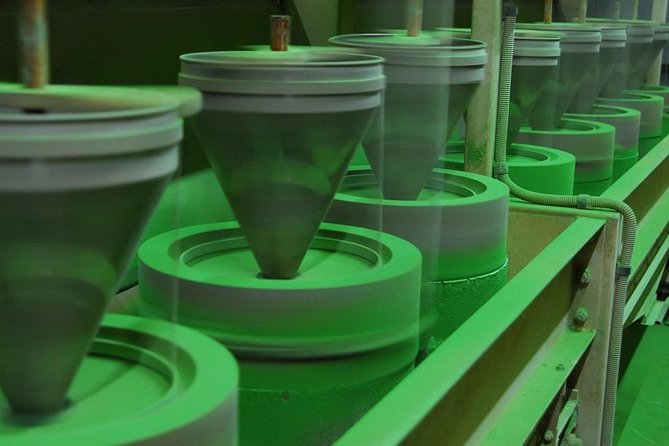
The factory visit is where the outing moves from fieldwork to production. You will see how green tea is handled and how it is milled into matcha. This makes the visit useful even if you already know the basic story of shaded tea leaves and powdered green tea.
The factory is not just a backdrop for photographs. The handling of the tea mill helps show why matcha is different from ordinary brewed green tea. With brewed tea, you steep leaves and then remove them. With matcha, the powdered leaf becomes part of what you drink, so the condition and treatment of that leaf matter.
The guide will explain the manufacturing process as you move through the visit. That is especially helpful for first-time matcha drinkers, who may know the bright green powder but not how it reaches that form.
I would expect the factory section to be more educational than polished. That is part of its appeal. You are seeing the work behind a familiar drink, not visiting a themed attraction designed only for quick photos.
The tour’s English-speaking guide is important here. Guides named Mia and Mie are associated with this experience, and the written feedback highlights their warmth, local perspective, and ability to explain Japanese culture. Since the exact guide may vary by departure, treat the names as possible rather than guaranteed. The key benefit is having an English-speaking person connect the machinery, farming, history, and everyday use.
More Matcha Experiences in Kyoto
- Kyoto: Tea Ceremony Meditation – Make Matcha with Tea Master
★ 4.8 · 406 reviews - Kyoto: Kimono Tea Ceremony with Matcha and Sweet
★ 4.9 · 249 reviews - Kyoto: Arashiyama Bamboo, Temple, Matcha, Monkeys & secret spots
★ 5.0 · 219 reviews - Kyoto: Traditional Tea Ceremony with Matcha & Sweets in Gion
★ 4.9 · 27 reviews
Tasting several grades in a traditional tea hut
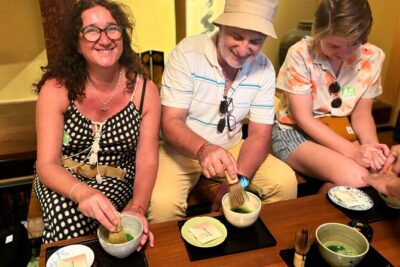
The tasting is the part many people will remember most. You sample multiple types of matcha and try one of the most expensive grades with Japanese sweets in a traditional tea hut.
That comparison matters. Matcha is often treated as one single flavor, but different grades can show different levels of bitterness, sweetness, smoothness, and intensity. Tasting more than one variety gives you a better basis for deciding what you actually like, rather than assuming that the most expensive powder is automatically the best match for your taste.
The Japanese sweets provide a traditional partner for the tea. Their sweetness helps balance matcha’s stronger notes and makes the tasting feel more like a complete tea service than a series of tiny samples.
You should also expect a lesson in tea ceremony customs. The setting is traditional, but the experience is not described as a long formal ceremony. It is better understood as a guided introduction that combines tasting, manners, and context.
This part may appeal even to people who are not serious tea drinkers. You do not need to know the names of tea schools or understand every ceremony rule to appreciate the contrast between an everyday cup and a carefully prepared serving.
Learning how to use matcha at home
A useful feature is the discussion of how to make green tea part of your daily life back home. That gives the tour a practical edge.
You may learn about simple ways to keep drinking Japanese green tea after the trip, rather than treating the visit as a one-time cultural demonstration. The focus is not only on rare tea, formal tools, or expensive preparation. It also connects the drink to regular habits.
The tour discusses the world-famous health benefits associated with Japanese green tea. Keep your expectations sensible: this is a cultural and production tour, not a medical consultation. The value is in learning how tea fits into Japanese life and understanding the product before you decide how to use it yourself.
The lesson is particularly helpful if you are considering buying matcha in Japan. After tasting several varieties, you will have more information than you would get from picking a bright green tin at random.
Shopping for tea and utensils in Uji
After learning about the tea, you have time to shop for green tea and tea utensils. This is a good moment to buy, since you can ask about what you have just seen and tasted.
Tea tools can be difficult to find elsewhere in Japan, especially if you want something connected to matcha preparation rather than a generic souvenir. The tour does not promise a particular shop or a fixed list of products, so you should think of the shopping as an opportunity rather than a guaranteed retail stop.
I would avoid buying the most expensive item simply because it is expensive. Ask the guide about the differences between matcha grades, storage, and the tools that suit your intended use. If you want to prepare matcha casually at home, you may need less equipment than a formal tea setting requires.
The shopping also helps support the local tea economy. You are buying close to the growing and manufacturing region, after seeing how the product is made. That feels more meaningful than picking up a random package at the airport.
What the $154.84 price includes
At $154.84 per person, this is a premium small-group activity. The price includes an English-speaking professional guide, entrance fees, train transportation, matcha tastings, and Japanese sweets.
That bundle has real value if you want a guided introduction to Uji and would otherwise need to arrange the train ride, find the plantation, locate the factory, and organize a tasting yourself. The group maximum of six is another reason the price is higher than a large coach excursion. You are paying for access, explanation, and a more personal pace.
The price is harder to justify if you mainly want a cup of matcha or a quick look at tea fields. You could spend far less on tea in Kyoto. This outing makes sense when the production process, family craft, and comparison tasting are central interests.
Food and drink beyond the included matcha and sweets are not covered. Hotel pickup and drop-off are also excluded, so you need to reach Kyoto Station on your own and return there at the end.
The activity ends back at the meeting point, which is convenient for continuing your day in Kyoto. You can move on to another station-based plan without arranging a separate return transfer.
Who will get the most from this visit
This tour suits matcha fans, curious food lovers, and anyone who prefers meeting local producers to simply photographing famous sights. It is also a good fit if you have already seen Kyoto’s major temples and want a more focused half-day outside the city center.
I would recommend it to first-time visitors who want a structured introduction to Japanese tea. The guide brings together the history, growing, milling, tasting, and daily use in a short period.
Families and older visitors may appreciate the simple transport plan and limited group size. Most people can take part, and the meeting point is near public transportation. Still, you should be comfortable moving through a station, riding a train, and visiting a plantation and factory setting.
Tea experts may find the basic history familiar. The value for you would come from seeing the Uji production setting and tasting several varieties, especially the high-end matcha served with sweets.
The tour is less suitable for anyone seeking a full-day cultural itinerary, a strenuous farm activity, or a broad tour of Uji’s temples. Its subject is narrow by design: matcha from field to cup.
Should you book this Uji matcha experience?
Book it if you want to understand why Uji matters, see how matcha is produced, and taste several grades with a guide who can answer questions in English. The small group, included train fare, plantation visit, factory access, tea hut tasting, and shopping time make it more than a simple café stop.
Think twice if $154.84 feels high for a three-and-a-half-hour activity or if you are not especially interested in tea. For matcha lovers, though, this is one of the better ways to connect the powder in your bowl with the people, plants, and machinery behind it.
Free cancellation is available if you cancel at least 24 hours before the start time. Changes or cancellations inside that window are not refunded, and poor weather may lead to a new date or full refund.
FAQ
Where does the tour begin?
It begins at the central entrance of Hotel Granvia Kyoto, inside the JR Kyoto Station building in Kyoto.
Where does the tour end?
The activity ends back at the meeting point at Hotel Granvia Kyoto.
How long does the tour last?
The experience lasts approximately three hours and thirty minutes. The visit in Uji is described as about three hours.
How do you reach Uji?
You travel by train from Kyoto Station to the Uji region with the tour guide. Transportation fees are included.
What is included in the price?
The price includes a professional English-speaking guide, entrance fees, transportation fees, matcha tasting, and Japanese sweets.
Is hotel pickup included?
No. Hotel pickup and drop-off are not included. You must reach the Kyoto Station meeting point yourself.
How many people can join the tour?
The maximum group size is six people.
Are morning and afternoon departures available?
Yes. You can choose from flexible morning or afternoon departure times.
Can I cancel for a refund?
You can cancel at least 24 hours before the experience starts for a full refund. Cancellations or changes made less than 24 hours before the start time are not refunded. If poor weather causes the activity to be canceled, you will be offered another date or a full refund.
More Tea Plantation Tours in Kyoto
- From Taipei: Thousand Island Lake and Pinglin Tea Plantation
★ 4.7 · 519 reviews - Active Volcano, Rice Field, Hot Spring, Fruit market, Tea Plantation with Lunch
★ 5.0 · 513 reviews - Furnas: Tea Plantations, Lake and Volcano Guided Tour
★ 4.8 · 511 reviews - São Miguel: Furnas Volcano & Tea Plantation Tour with Lunch
★ 4.9 · 375 reviews
More Green Tea Tours in Kyoto
- Cycling Tour at Uji’s Matcha Green Tea Fields and Heritage
★ 5.0 · 10 reviews - Family Mitsui House Museum with green tea admission ticket
★ 4.0 · 5 reviews - Experience all of Japanese culture and Japanese food experience classes “origami, udon, Japanese food, green tea, calligraphy” in 4 hours
★ 5.0 · 105 reviews - Uji: Green Tea Tour with Byodoin and Koshoji Temple Visits
★ 4.8 · 72 reviews
Fresh tea listings around Kyoto
- Traditional Tea Ceremony in Kyoto★ 4.5 · 3 reviews
- Kyoto: Authentic Tea Ceremony in a Small Group★ 5.0 · 7 reviews
- Uji Walking Tour – Byodo-in temple and Tea Ceremony from Kyoto★ 3.5 · 3 reviews
- Tea Ceremony Experience in Traditional Kyoto Townhouse★ 5.0 · 19 reviews
- Tea Ceremony in 150 Years Old Townhouse with Tables and Chairs★ 5.0 · 22 reviews
- Tea ceremony at Kyoto’s Zen Temple Teahouse★ 5.0 · 2 reviews
- Sencha-do the Japanese Tea Ceremony Workshop in Kyoto★ 5.0 · 21 reviews
- Silent Beauty of Kyoto Zen Walk and Tea Experience★ 5.0 · 2 reviews
Matcha Experiences, compared.
World Heritage Kyoto & Nara Uji Authentic Matcha Experience
Read our review →
Matcha Making Class in Tokyo with Authentic Japanese Sweets Set
Read our review →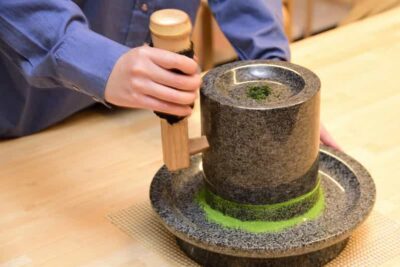
Kyoto: Tea Museum Tickets and Matcha Grinding Experience
Read our review →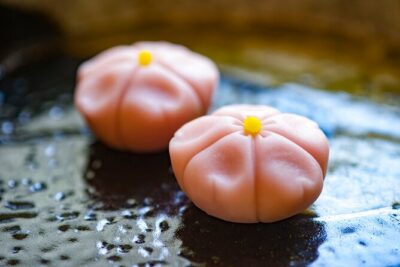
Matcha Making Class in Osaka with Authentic Japanese Sweets Set
Read our review →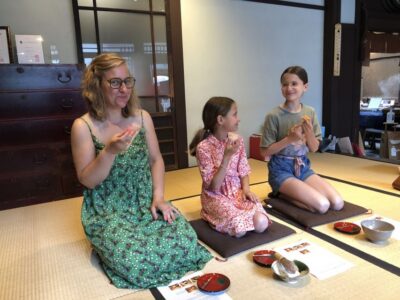
Kyoto: Tea Ceremony Meditation – Make Matcha with Tea Master
Read our review →
Tokyo: Matcha Making Experience with Mochi Sweets in Asakusa
Read our review →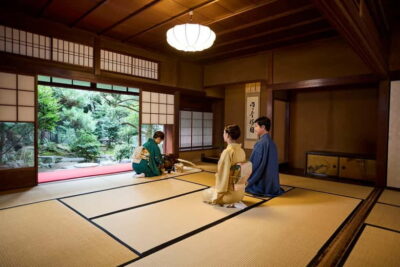
Kyoto: Kimono Tea Ceremony with Matcha and Sweet
Read our review →