
Review · MATCHA EXPERIENCES
Kyoto Hidden Riverside Zen Mediation and Uji Matcha Experience
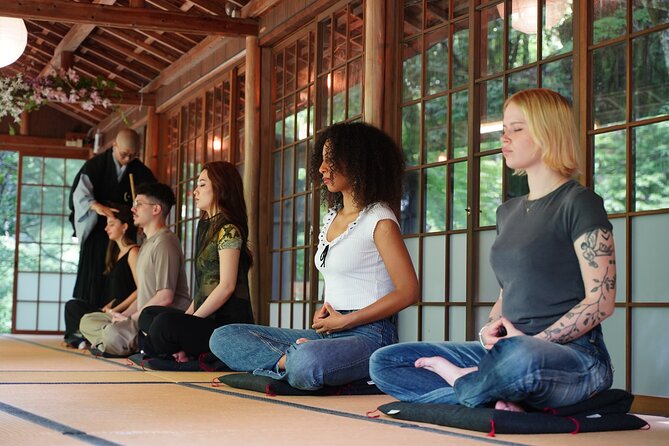
Kyoto’s most unusual meditation session takes place not inside a temple, but on an open-air riverside deck in the trees. You’ll sit with the sound of flowing water, learn the basics of zazen from a seasoned Zen instructor, and finish with freshly whisked Uji matcha and seasonal sweets.
I like two things here: the practice is explained in plain language, and the setting gives you a real sense of calm without requiring religious knowledge. I also like the small group, capped at 10 people. The main consideration is the price, $105 per person, and the fact that the experience depends on good weather.
Key points to know before booking
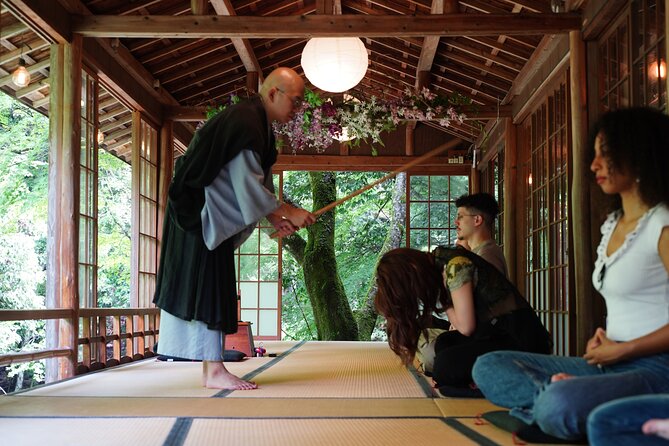
- Riverside zazen instead of temple-hall meditation: You practice outdoors with water, trees, breeze, and seasonal scenery around you.
- A beginner-friendly Zen workshop: The instructor covers posture, breathing, awareness, and ways to bring the practice into ordinary life.
- English support throughout: An English-speaking cultural guide provides interpretation and context as the session unfolds.
- Premium Uji matcha at the finish: You’ll have freshly whisked matcha with seasonal wagashi in a quiet closing tea break.
- Small group size: No more than 10 people take part, which suits anyone who wants room for questions and personal attention.
- Good-weather planning matters: Poor weather can lead to a new date or a full refund, so keep some flexibility in your Kyoto schedule.
Why a riverside deck changes the meditation experience
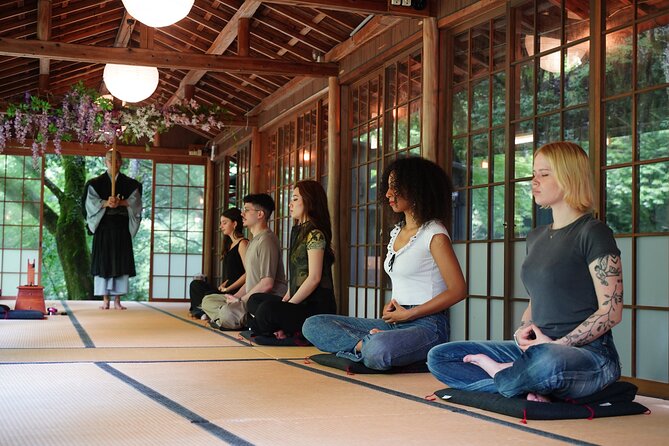
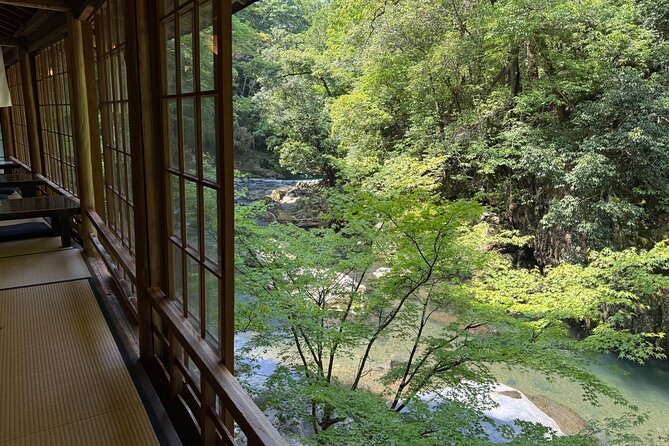
Many visitors picture Zen meditation in a quiet temple room, with polished floors, incense, and formal rules. This session takes a different route. You practice outside, surrounded by trees and fresh air, with the river supplying a steady natural sound.
That setting matters because it makes the practice feel connected to daily life. You are not being asked to enter a special world for an hour and then leave it behind. You are learning how to notice your breath, posture, and thoughts in a place that is already part of the living world.
I like that practical approach. The experience treats zazen as something you can use beyond Kyoto, not as a performance reserved for monks or experienced meditators. You do not need to arrive with a background in Buddhism, temple customs, or meditation.
The open-air setting also has a trade-off. Nature is part of the appeal, but outdoor conditions are less predictable than a temple room. The activity requires good weather, and the provider may offer a different date or a full refund if conditions make the session impossible.
More Matcha Experiences in Kyoto
- Kyoto: Tea Ceremony Meditation – Make Matcha with Tea Master
★ 4.8 · 406 reviews - Kyoto: Kimono Tea Ceremony with Matcha and Sweet
★ 4.9 · 249 reviews - Kyoto: Arashiyama Bamboo, Temple, Matcha, Monkeys & secret spots
★ 5.0 · 219 reviews
Meeting the Zen instructor and cultural guide
The workshop is led by a Zen instructor with decades of experience guiding practitioners at historic temples and shrines in Kyoto. The supplied information does not give the instructor’s name, so you should not expect to choose a particular teacher when booking.
The instruction is structured as a workshop rather than a silent session where you are simply told to sit. You’ll be guided through the basics of zazen step by step. That should help if you have never meditated before or are unsure about posture, breathing, or what to do when your mind wanders.
An English-speaking cultural guide stays with the group and offers real-time interpretation. This is important. Meditation instruction can lose its meaning when translated only through a printed handout or a few memorized phrases. Here, you can follow the explanations as they happen and ask for cultural context when something is unfamiliar.
The guide also helps connect the practice to Japanese life without turning the session into a lecture. You can expect attention to the everyday side of Zen, including how calm awareness can carry into ordinary moments after you leave the riverside.
The two-hour flow, from arrival to first breath
The activity begins at 35 Umegahata Tonohatachō in Kyoto’s Ukyo Ward. The exact meeting details beyond the listed address are not provided, so allow time to reach the meeting point and confirm your directions before setting out.
Private transportation is not included. The meeting point is near public transportation, but the experience does not specify which train or bus route to use. You will need to arrange your own way there and back. Since the activity ends at the same location, your return journey begins where you arrived.
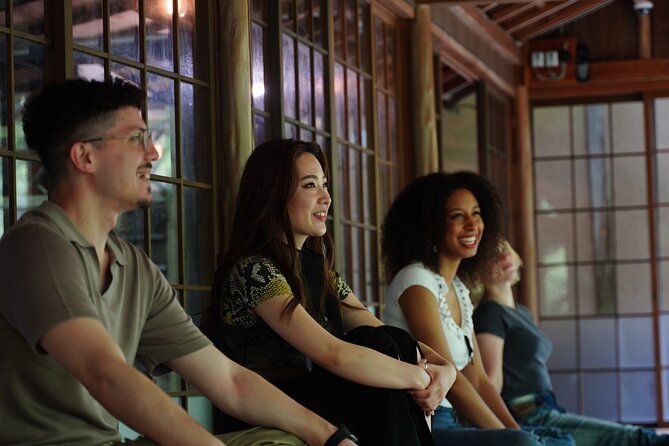
Once the session starts, the emphasis shifts from sightseeing to attention. The instructor introduces zazen in an approachable way, helping you understand the physical and mental basics before you settle into the practice.
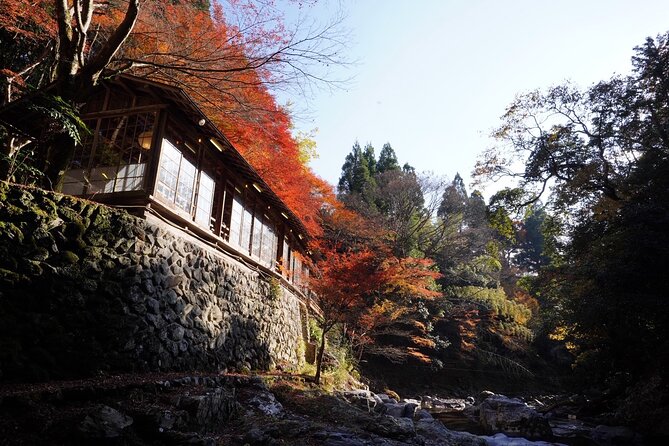
The riverside setting becomes part of the session. You may notice the breeze, water, trees, or changing seasonal details around you. These are not distractions to be ignored at all costs. They give you something real to notice, while the instruction encourages you to return to the present moment.
The information does not provide a minute-by-minute schedule, so the length of the meditation portion and the exact timing of the tea break may vary. The total experience lasts about two hours, which is long enough to feel meaningful but short enough to fit into a sightseeing day.
What makes this useful for first-time meditators
A first meditation session can feel awkward. You may wonder if you are sitting correctly, breathing correctly, or failing because your thoughts keep appearing. This workshop is designed to reduce that pressure.
The instruction focuses on the foundations of zazen and avoids making the practice feel like a test. You are introduced to meditation as a skill of attention, not as a contest to empty your mind.
That distinction is valuable. If you already meditate, you may appreciate the chance to practice in a new setting and hear a Kyoto-based instructor’s perspective. If you are new to it, you can ask questions and learn without needing to understand formal temple etiquette first.
The session also avoids presenting Zen as something separate from ordinary life. The stated aim is to help you carry the mindset of calm and awareness back home. That makes the workshop more useful than a one-time photo opportunity, especially if you want an experience that continues to influence your trip after the two hours are over.
Still, you should know what this is not. It is not described as a full temple ceremony, a religious initiation, or an advanced retreat. The emphasis is on an accessible introduction and practical reflection.
More Tea and Calligraphy Workshops in Japan
- Whisk Your Own Matcha: A Zen Matcha Experience at Temple
★ 3.6 · 7 reviews - Kyoto: Nighttime Zen Meditation and Matcha Tea Experience
★ 5.0 · 7 reviews - Osaka: Tea Ceremony, Calligraphy, and Kimono Experience
★ 4.9 · 130 reviews - Tokyo: Practicing Zen with a Japanese Tea Ceremony
★ 4.7 · 105 reviews
The matcha and wagashi closing
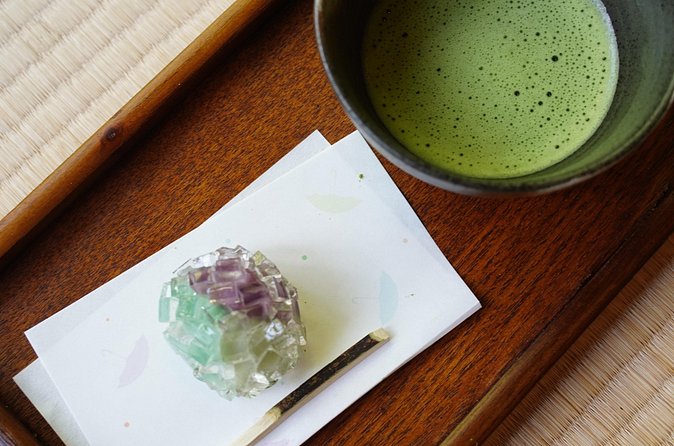
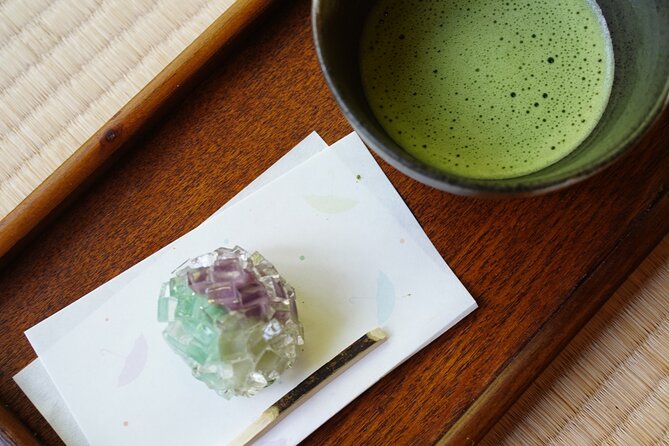
After the meditation, the experience moves into a quiet tea break with premium Uji matcha and seasonal wagashi. Uji, just south of Kyoto, is one of Japan’s best-known tea-producing areas, so the matcha gives the closing portion a clear local connection.
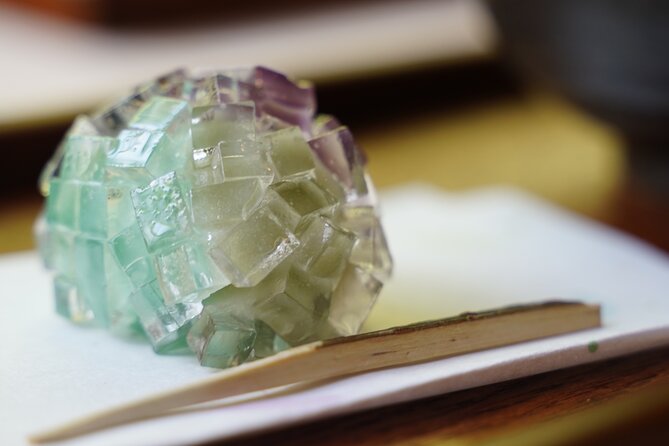
The tea is freshly whisked and served with a seasonal Japanese sweet. Wagashi are often made to reflect the time of year, and here the sweet provides a gentle transition from stillness back into conversation and daily activity.
This is not a formal tea ceremony. That is worth noting if you are hoping to see the full set of ritual movements and rules associated with chanoyu. Instead, the tea is used as a calm, mindful way to close the workshop.
I think that choice fits the experience well. A formal ceremony could add another layer of cultural learning, but it might also shift attention away from the meditation. Here, the tea feels like a natural final step: sit quietly, enjoy the matcha, taste the seasonal sweet, and let your attention return gradually.
Coffee and tea are included, with premium Uji matcha and seasonal wagashi specifically provided. No separate food or drink purchase is needed for this part.
Group size, language, and the feel of the session
The maximum group size is 10 people. That is small enough to keep the riverside setting quiet and give the instructor a manageable group. It also makes it easier for the English-speaking guide to interpret and respond to questions.
A small group does not guarantee complete silence or solitude. You will still be sharing the session with other participants. If your idea of meditation requires being entirely alone, this may not be the right format.
For most visitors, though, the group size should provide a good middle ground. You get a shared cultural experience without the feel of a large bus tour. The English interpretation is another practical strength, since the workshop depends on understanding subtle ideas about attention and daily practice.
Service animals are allowed. The activity is near public transportation, and a mobile ticket is available. No private transportation is included, so you should check the route to the meeting point before booking your time.
Is $105 a fair price?
At $105 per person, this is not a casual, low-cost activity. You are paying for a two-hour guided workshop, an experienced Zen instructor, English interpretation, a small group capped at 10, and premium matcha with seasonal wagashi.
The value depends on what you want from Kyoto. If you are mainly looking for sightseeing stops, you may find the price hard to justify. A riverside meditation session does not replace a temple visit, a garden, or a full tea ceremony.
I see better value if you want personal guidance and a quieter cultural experience. The instructor’s long background in Kyoto temple and shrine settings adds depth, while the guide makes the material accessible in English. You are also paying for the chance to practice in a setting that is difficult to recreate on your own.
The five-star rating attached to the experience and the especially strong praise for it being a trip highlight suggest that its appeal is emotional as much as educational. Still, I would judge the value by your interests rather than by the score. This is a focused experience for people who want calm, reflection, and a direct introduction to Zen practice.
Who should book this Kyoto experience?
I would recommend it to first-time meditators, couples seeking a quiet break from busy sightseeing, and solo visitors who want a thoughtful activity with a small group. It also suits anyone curious about Japanese culture but less interested in a formal ceremony.
You should be comfortable spending part of the session sitting quietly outdoors. The activity is not presented as strenuous, but the description does not provide specific seating details or physical accessibility information. If you have concerns about sitting for the session, contact the provider before booking.
This is also a good choice for visitors staying in Kyoto long enough to keep some schedule flexibility. Since poor weather can cause a cancellation or date change, it is wise not to place the activity immediately before an important departure.
You may prefer another activity if you want a highly formal religious setting, a detailed tea ceremony, or a broad sightseeing tour. This workshop is intentionally narrow in focus. Its strength is the calm, guided attention it gives to one practice.
Booking, cancellation, and weather planning
Confirmation is provided at the time of booking, and the activity accepts mobile tickets. You can cancel for a full refund if you do so at least 24 hours before the start time.
Cancellations made less than 24 hours before the experience are not refunded, and changes inside that same period are not accepted. The cut-off follows local Kyoto time.
Weather deserves special attention. The activity requires good conditions, and poor weather may lead to a different date or a full refund. The same choice of a new date, a different experience, or a full refund applies if the minimum number of participants is not reached.
For the smoothest plan, book this experience early in your Kyoto stay rather than on your final morning. It is typically booked about 14 days ahead, so advance planning is sensible if your dates are fixed.
Should you book it?
Book this if you want a quiet, personal introduction to zazen in a natural Kyoto setting, with clear English support and a refined matcha finish. The riverside location, small group, and practical teaching give it more substance than a quick meditation demonstration.
Think twice if $105 feels high for two hours, if you want a formal temple ritual, or if your schedule cannot handle a weather-related change. For the right visitor, though, this can become the calm center of a busy Kyoto itinerary, and the lesson may stay with you long after the matcha cup is empty.
FAQ
How long does the experience last?
The experience lasts approximately two hours.
Where does the activity begin?
It begins at 35 Umegahata Tonohatachō, Ukyo Ward, Kyoto, 616-8293, Japan.
Where does the activity end?
It ends back at the meeting point.
Is transportation included?
No. Private transportation is not included. The meeting point is near public transportation.
What is included in the price?
The experience includes the Zen workshop, premium Uji matcha, and seasonal wagashi.
Is the activity conducted in English?
An English-speaking cultural guide accompanies the group and provides real-time interpretation and cultural insight.
How many people can join?
The activity has a maximum of 10 participants.
What happens if the weather is poor?
If the experience is canceled because of poor weather, you will be offered a different date or a full refund.
Can I cancel for a full refund?
Yes. You can receive a full refund if you cancel at least 24 hours before the experience starts. Cancellations made less than 24 hours before the start time are not refunded.
More Tea and Calligraphy Workshops in Kyoto
- Tokyo: Practicing Zen with a Japanese Tea Ceremony
★ 4.7 · 105 reviews - An Amazing set of Cultural experience: Kimono, Tea Ceremony and Calligraphy
★ 5.0 · 69 reviews - Beijing Culture: Tea Ceremony, Heritage Instrument & Calligraphy
★ 5.0 · 57 reviews - Osaka: Private Tea Ceremony and Calligraphy Experience
★ 5.0 · 50 reviews
Fresh tea listings around Kyoto
- Whisk Your Own Matcha: A Zen Matcha Experience at Temple★ 3.6 · 7 reviews
- Kyoto: Nighttime Zen Meditation and Matcha Tea Experience★ 5.0 · 7 reviews
- Kyoto Fushimiinari:Wagashi Making & Small Group Tea Ceremony★ 5.0 · 14 reviews
- 2 Types of Japanese Sweets making and Tea Ceremony★ 4.6 · 17 reviews
- Matcha Grinding Experience and Walking Tour in Uji Kyoto★ 5.0 · 26 reviews
- Kyoto Matcha Green Tea Tour★ 4.7 · 28 reviews
- Kyoto: Traditional Tea Ceremony with Matcha & Sweets in Gion★ 4.9 · 27 reviews
- Stunning Private Tea Ceremony: Camellia Garden Teahouse★ 5.0 · 28 reviews
Matcha Experiences, compared.
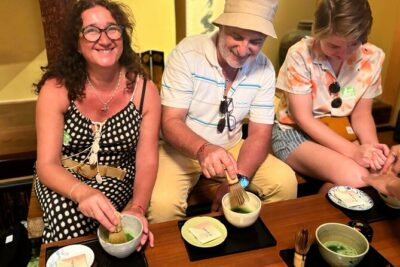
World Heritage Kyoto & Nara Uji Authentic Matcha Experience
Read our review →
Matcha Making Class in Tokyo with Authentic Japanese Sweets Set
Read our review →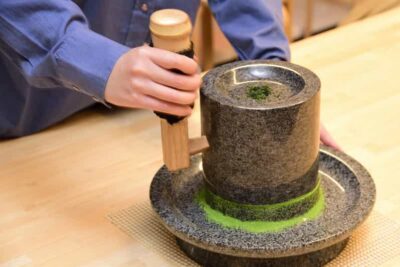
Kyoto: Tea Museum Tickets and Matcha Grinding Experience
Read our review →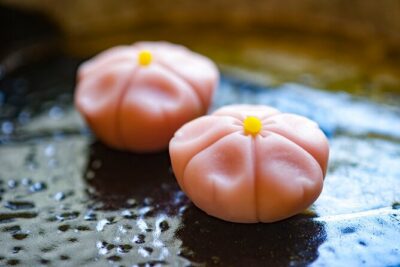
Matcha Making Class in Osaka with Authentic Japanese Sweets Set
Read our review →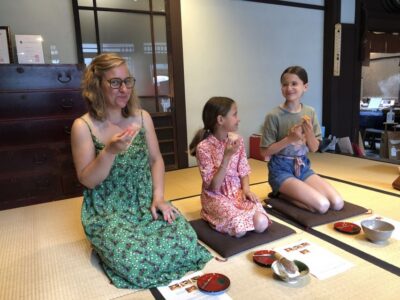
Kyoto: Tea Ceremony Meditation – Make Matcha with Tea Master
Read our review →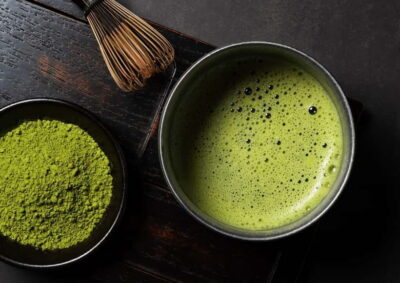
Tokyo: Matcha Making Experience with Mochi Sweets in Asakusa
Read our review →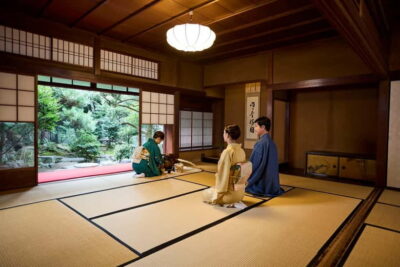
Kyoto: Kimono Tea Ceremony with Matcha and Sweet
Read our review →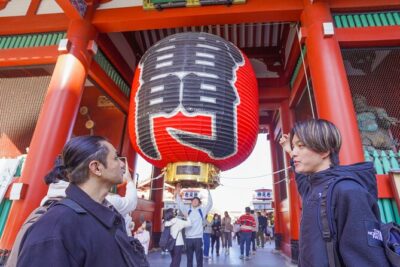
Browse the lists this tour appears in