
Review · MATCHA EXPERIENCES
Kyoto: Traditional Tea Ceremony with Matcha & Sweets in Gion
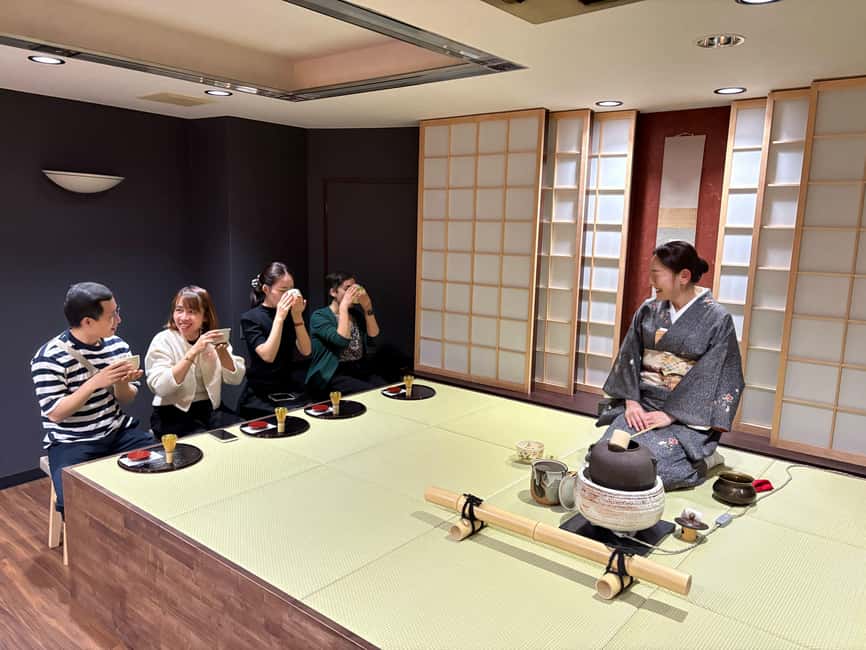
Kyoto’s tea ceremony can look solemn from the outside, but this Gion experience keeps the tradition friendly and approachable. You watch a tea master work, hear why each step matters, then whisk your own bowl of matcha and eat traditional sweets. The chair seating is a practical touch, especially if sitting on tatami is not for you.
I like the clear look at tea’s history and Zen influence, and I like that you get to make the drink rather than simply watch. The main consideration is timing: the experience can run from one hour to 150 minutes, depending on the option, and the kimono package has fixed ceremony times.
Key points at a glance
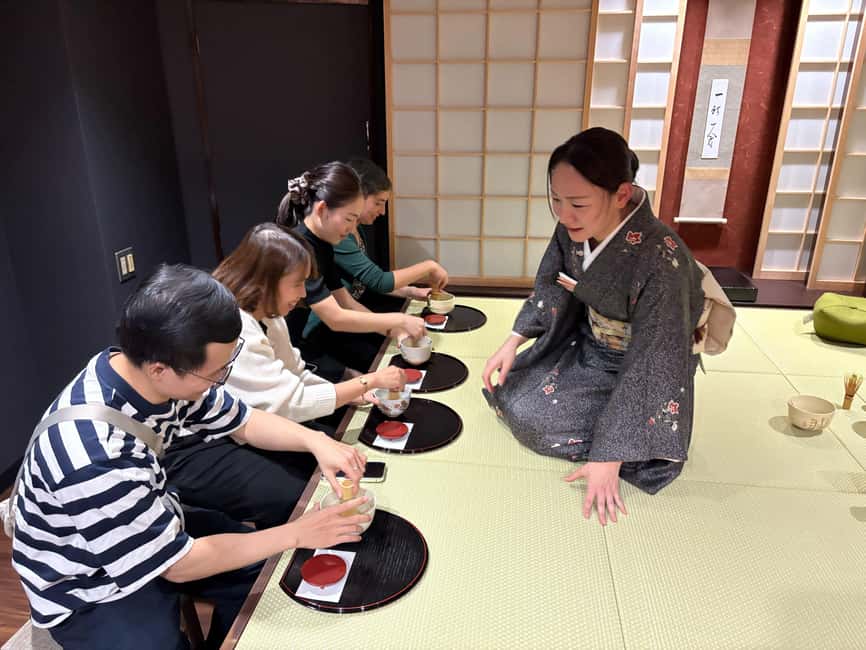
- Watch the ceremony up close: See refined tea-making techniques performed by a tea master before trying them yourself.
- Whisk matcha from a family farm: Make your own bowl with locally sourced powder and learn a simple recipe for home.
- Sit in a chair, not on the floor: The setting keeps this traditional activity comfortable and accessible.
- Taste selected Japanese sweets: The tea master chooses sweets from long-established confectioners to pair with the matcha.
- Ask questions in English: A Q&A gives you time to ask about tea, ceremony customs, and the meaning behind the gestures.
- Add a kimono option if desired: The rental and ceremony use a strict schedule, so read the timing carefully before booking.
A calm introduction to Kyoto tea in Gion
This activity takes place in Gion, Kyoto’s famous historic district. That location gives the experience a strong sense of place, but the ceremony itself is designed to be calm rather than theatrical. You enter a quiet room, settle into a chair, and let the tea master explain what you are seeing.
The host speaks English, and the session is aimed at people who are curious about Japanese tea but do not already know the rules. You do not need to arrive with special knowledge of matcha, Zen, or tea etiquette. The explanations are meant to help you notice the small details without making you feel as if you are taking an exam.
The atmosphere is intentionally less strict than a full formal tea gathering. That matters for first-time visitors. You can pay attention to the graceful movements and traditional ideas while still feeling comfortable enough to ask a question or enjoy the sweets.
More Matcha Experiences in Kyoto
- Kyoto: Tea Ceremony Meditation – Make Matcha with Tea Master
★ 4.8 · 406 reviews - Kyoto: Kimono Tea Ceremony with Matcha and Sweet
★ 4.9 · 249 reviews - Kyoto: Arashiyama Bamboo, Temple, Matcha, Monkeys & secret spots
★ 5.0 · 219 reviews
What happens during the tea ceremony
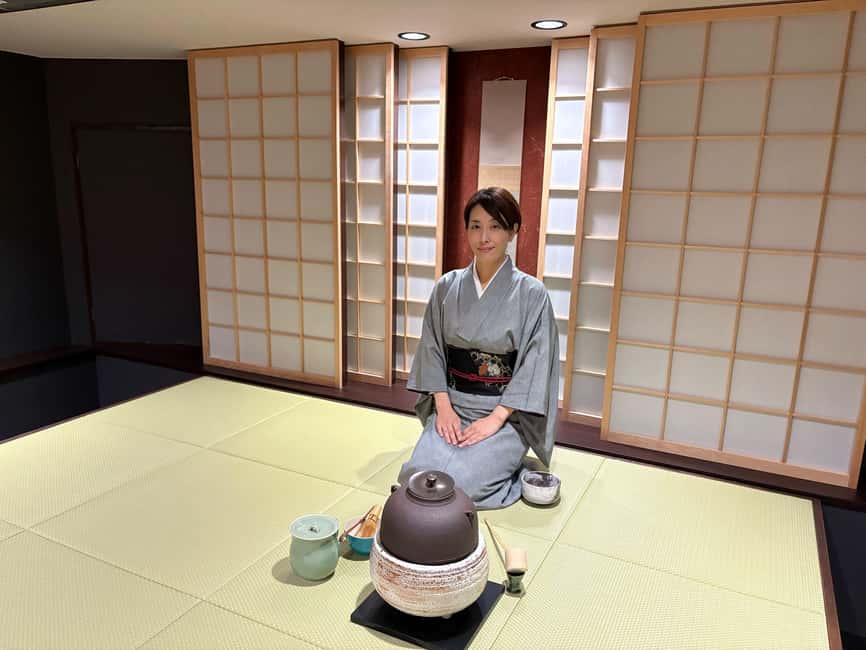
The first part focuses on the ceremony itself. The tea master demonstrates the method, with attention to the order of the movements and the care given to the bowl, whisk, and tea. You get to watch these techniques from close range rather than trying to follow them from across a large room.
The session also explains tea’s place in Japanese culture. You learn about the history of tea and the Zen philosophy that shaped the ceremony. The point is not just to show you how to stir green powder into water. It is to explain why the process values focus, simplicity, hospitality, and the moment shared by host and visitor.
I find this context useful because matcha can otherwise become a quick photo stop. Once you know that each movement has a purpose, the ceremony feels less like a performance and more like a form of careful hosting. You also gain a better sense of why the room is quiet and why the preparation is not rushed.
The ceremony is not presented as a rigid test of etiquette. You are introduced to the beauty of the practice without being expected to master every custom. That balance suits visitors who want a real cultural experience but may not be ready for a highly formal tea school setting.
Making your own bowl of matcha
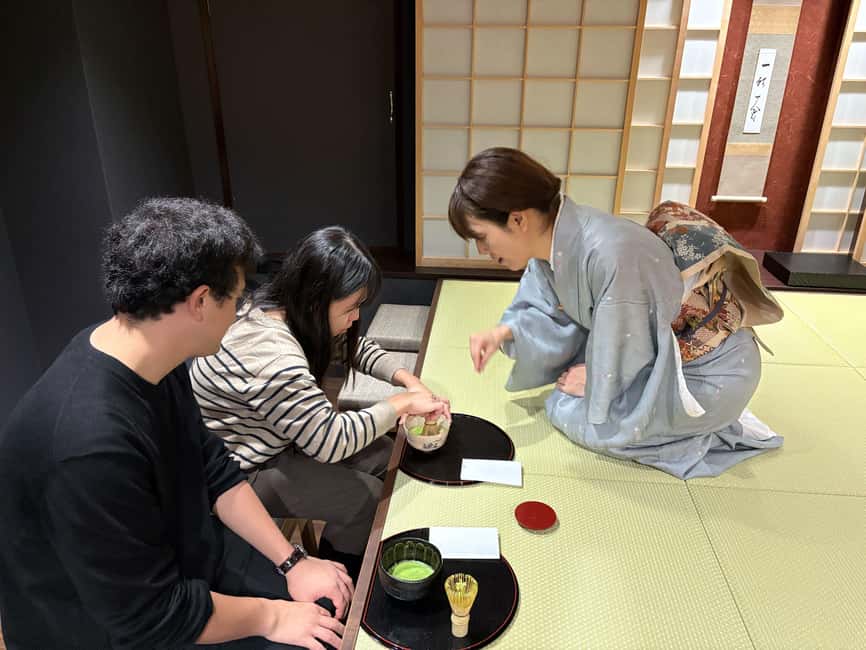
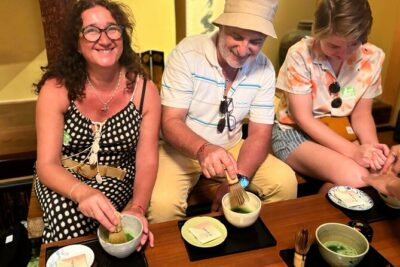
The hands-on portion comes after the demonstration. You receive guidance as you prepare your own matcha using powder sourced directly from a family-run tea farm. This is the moment when the experience shifts from watching to doing.
You learn how to mix the tea into a smooth, foamy drink. One useful detail from the activity is that you receive a simple recipe to take home, so the lesson does not end when you leave Gion. You can use it to recreate matcha in everyday life after your trip.
Do not expect the drink to taste like a sweet café latte. Matcha has a strong, grassy flavor, and its caffeine content is worth remembering. Children under five are not advised to drink it, and infants and toddlers who want to try the tea ceremony must share a parent or guardian’s cup rather than receive their own matcha.
The practical lesson gives you a better appreciation for good matcha. You notice the texture, the bubbles, and the difference between a carefully prepared bowl and a powder simply stirred into water. If you already enjoy matcha, you will likely appreciate learning a proper method. If you are new to it, the friendly instruction helps take away some of the mystery.
Traditional sweets with a purpose
Japanese sweets are served with the tea, and they are selected by the tea master from long-established confectioners. These sweets are not merely an extra snack. Their sweetness helps balance matcha’s bitter edge and shows how tea service considers the whole tasting experience.
The exact sweets can vary, so you should not book this expecting a specific pastry or flavor. What you can count on is a traditional Japanese confection chosen for the ceremony. This gives you a small taste of the craft that surrounds tea, without adding another stop to your Kyoto schedule.
For many people, the sweets will be the easiest way into matcha. The tea can be intense on its own, while the confection gives your palate a gentler contrast. Pay attention to the order in which you eat and drink, since the combination is part of the lesson.
More Tea and Sweets Making in Kyoto
- Kyoto: Japanese Traditional Sweets Making and Tea Ceremony
★ 4.4 · 314 reviews - 2 Types of Japanese Sweets making and Tea Ceremony
★ 4.6 · 17 reviews - Kyoto Fushimiinari:Wagashi Making & Small Group Tea Ceremony
★ 5.0 · 14 reviews
Why chair seating matters
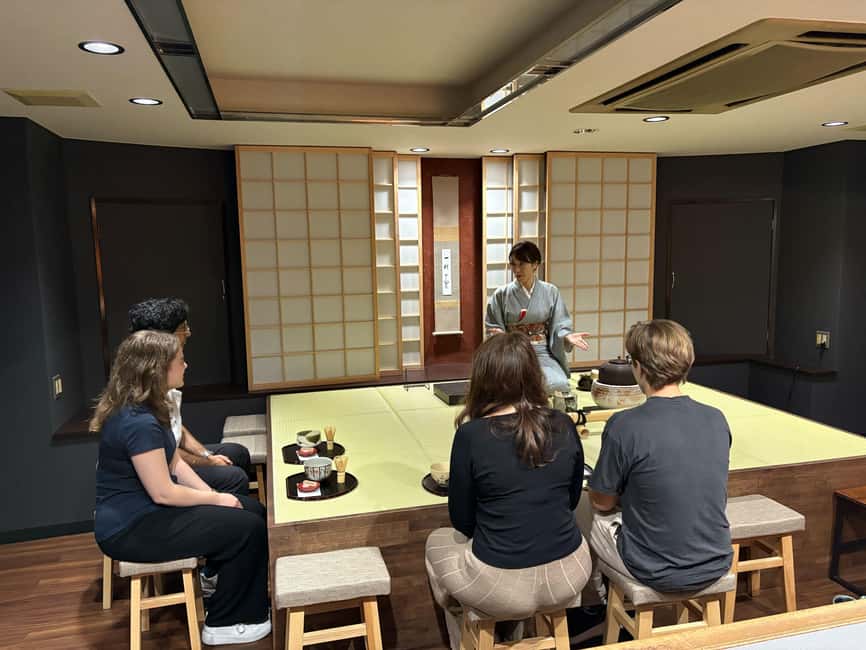
Traditional tea ceremonies are often associated with sitting on tatami flooring. That can be uncomfortable for anyone with limited mobility, stiff knees, or simply a low tolerance for floor seating. Here, the ceremony is held with chairs, so you can focus on the host and the tea instead of worrying about getting up gracefully.
This choice does not remove the traditional parts that matter most. You still watch the preparation, hear the cultural background, taste the sweets, and make your own matcha. It does, however, make the activity easier for a wider range of people.
Chair seating is also helpful if you are fitting this into a busy day of sightseeing. A relaxed posture can make it easier to listen during the history lesson and Q&A. The tradeoff is that the setting may feel less like the most formal version of a tea ceremony, but that is clearly part of the design here.
Meeting the tea master and asking questions
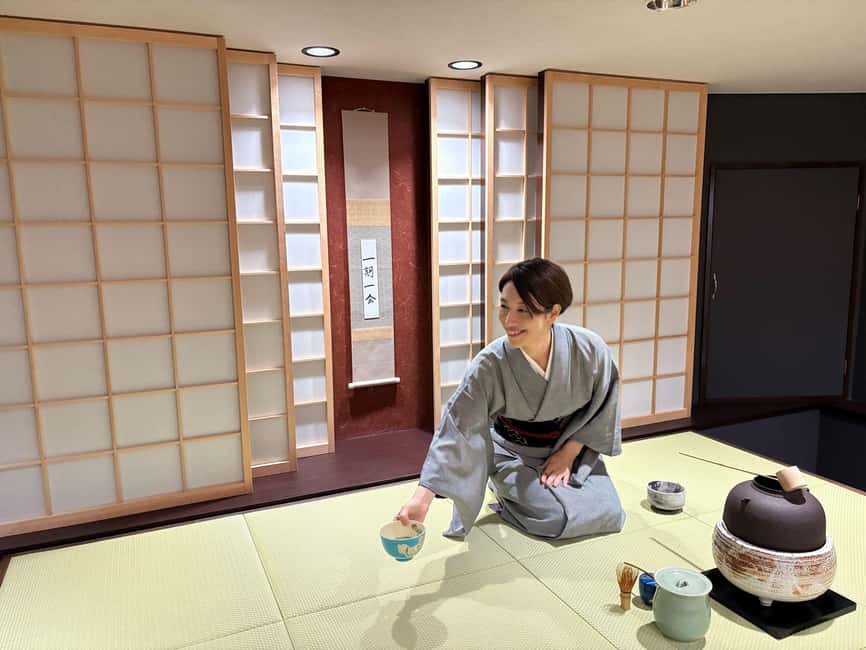
The experience ends with time for questions. This is a useful feature because tea ceremony customs can raise practical questions that a prepared talk may not cover. You can ask about the tea, the meaning of the ceremony, or details you noticed during the demonstration.
The English-language instruction makes the session accessible to international visitors. One host named Mai is specifically noted for her warm, clear explanations, and the activity is built around a friendly teaching style rather than a distant presentation. You should still check the option details when booking, since the meeting point can vary.
The Q&A also gives the session a personal finish. Instead of leaving with only a few photographs and a taste of matcha, you leave with a clearer idea of how tea fits into Japanese life. That is a better souvenir than another hurried stop on a sightseeing list.
The kimono option and its strict timing
Some versions include kimono rental. If you choose that option, you first go to the Kimono Rental Wargo Gion store, located on the fifth floor. After changing, you walk to the tea ceremony meeting point on your own and arrive 10 minutes before the ceremony begins.
The kimono start time controls the tea ceremony time. An 11:00 rental start connects to the 12:30 ceremony, a 12:00 start connects to the 14:00 ceremony, and a 14:00 start connects to the 15:30 ceremony. Afterward, the kimono must be returned by 5:30 p.m.
This schedule is important because the kimono package is not a loose add-on. You cannot simply choose any ceremony time after dressing. Build in enough time to change and walk to the meeting point, and do not plan another fixed activity too close afterward.
The kimono can add visual appeal to the experience, especially in Gion, but it also adds more logistics and a deadline. If your priority is learning about matcha, the standard tea ceremony is simpler. If dressing in traditional clothing is part of your Kyoto plan, the combination may be worth the extra planning.
Price, length, and overall value
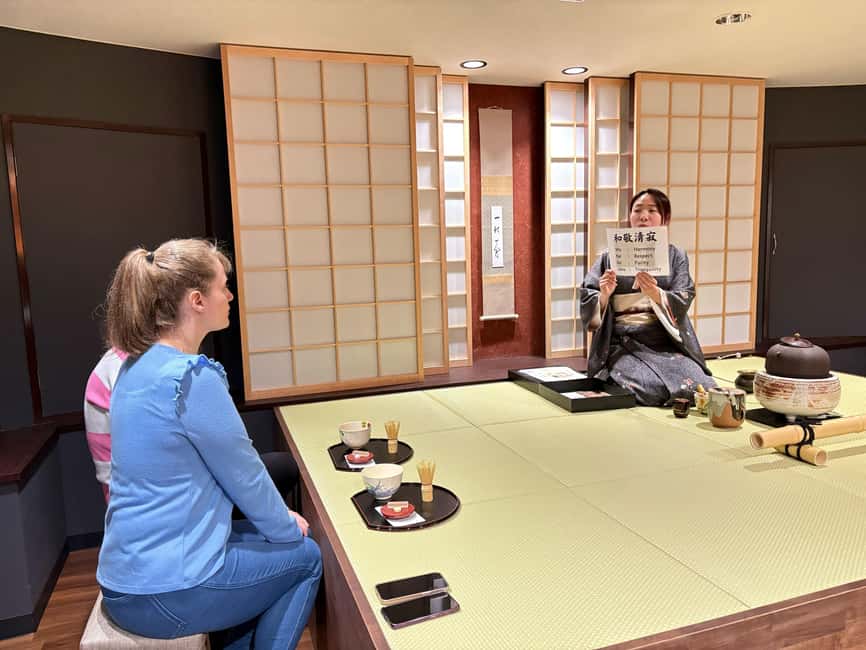
At $22 per person, this is a modestly priced cultural activity for Kyoto. The cost includes the guided tea lesson, the tea master’s demonstration, your own bowl of matcha, traditional sweets, and the recipe for making matcha at home.
The value comes from participation and instruction, not from a long sightseeing route. You are paying for access to a cultural practice and for someone to explain what you are seeing. Compared with a short tea tasting with no context, this offers more substance. Compared with a formal tea school lesson, it is designed to be more relaxed and accessible.
The duration ranges from one hour to 150 minutes. Check the exact option and start time before paying, since that difference can affect the rest of your day. A one-hour version suits a tight sightseeing plan, while the longer format gives you more time for explanation, tasting, preparation, and questions.
Small-group availability is another plus. A smaller setting generally gives you a better chance to see the tea master’s hand movements and ask something during the Q&A. The exact group size is not specified, so do not assume it is a private lesson.
Free cancellation is available up to 24 hours in advance for a full refund, and some bookings let you reserve now and pay later. Those terms are useful when Kyoto plans are still shifting, though you should confirm the rules for your exact option.
Who should book this Gion tea ceremony
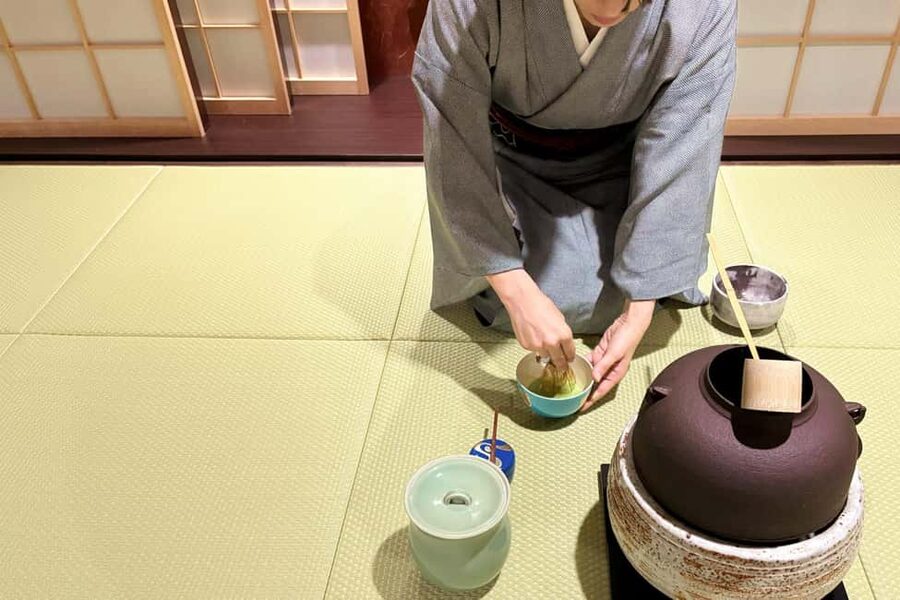
I would recommend this experience to first-time visitors who want a clear introduction to Japanese tea without committing to a highly formal ceremony. It is also a good fit if you want a hands-on activity rather than another temple visit.
The chair seating makes it especially practical for people who find floor seating difficult. Families should note the matcha guidance for young children, and anyone sensitive to caffeine should keep the drink’s strength in mind.
This activity suits curious adults, couples, small groups, and visitors who want a quiet break in the middle of Kyoto sightseeing. It also works well for anyone who wants to bring home a usable skill. The recipe may be simple, but it gives the experience a life beyond the hour you spend in Gion.
You may want something else if your main goal is a full ceremonial performance with strict etiquette, historical costumes, or an extended school-style lesson. This experience values comfort and conversation. That is its strength, but it also means it is not meant to reproduce the most formal possible tea gathering.
My verdict on the Gion matcha experience
I like this activity because it gives you three things in a sensible order: watch the ceremony, understand its meaning, then try the tea yourself. The sweets, chair seating, English instruction, and open Q&A make the experience easy to approach without stripping away the central traditions.
Book it if you want a quiet cultural lesson in Gion, especially at $22, and if making your own matcha sounds more appealing than simply sipping one. Check the duration and meeting point, and be careful with the fixed schedule if you add a kimono.
Skip it only if you are seeking a very formal, silent ceremony with little explanation. For most visitors, this is a warm and practical introduction to Kyoto’s tea culture, with enough tradition to feel authentic and enough comfort to keep the hour enjoyable.
FAQ
Where does the tea ceremony take place?
It takes place in Kyoto’s Gion district on Honshu. The exact meeting point can vary depending on the option you book.
How long does the experience last?
The duration ranges from one hour to 150 minutes. Check the available start times and the exact duration for your selected option.
Is the tea ceremony conducted in English?
Yes. The instructor and guidance are provided in English.
Do I have to sit on the floor?
No. The tea ceremony uses chairs rather than floor seating, making it easier for people who are uncomfortable sitting on tatami or have limited mobility.
Is matcha included?
Yes. You receive matcha made with powder sourced from a local family-run tea farm, along with guidance for preparing your own bowl.
Can children participate?
Infants and toddlers are free, but they must use a parent or guardian’s matcha cup if they want to try making tea. They do not receive their own matcha. Because matcha contains caffeine, it is not recommended for children under five.
More Tea Ceremonies in Kyoto
- Kyoto: Tea Ceremony in a Traditional Tea House in Kiyomizu
★ 4.9 · 3,519 reviews - Kyoto: Tea Ceremony Ju-An at Jotokuji Temple
★ 4.9 · 3,207 reviews - Kyoto: 45-Minute Tea Ceremony Lesson Experience
★ 4.3 · 2,378 reviews - Kyoto: Table-Style Tea Ceremony at a Kyo-Machiya
★ 4.9 · 1,211 reviews
Fresh tea listings around Kyoto
- Cycling Tour at Uji’s Matcha Green Tea Fields and Heritage★ 5.0 · 10 reviews
- Authentic Tea Ceremony & Sushi in The Museum of Kyoto★ 5.0 · 3 reviews
- Kyoto: Nighttime Zen Meditation and Matcha Tea Experience★ 5.0 · 7 reviews
- Kyoto Fushimiinari:Wagashi Making & Small Group Tea Ceremony★ 5.0 · 14 reviews
- 2 Types of Japanese Sweets making and Tea Ceremony★ 4.6 · 17 reviews
- Kyoto Hidden Riverside Zen Mediation and Uji Matcha Experience★ 5.0 · 9 reviews
- Whisk Your Own Matcha: A Zen Matcha Experience at Temple★ 3.6 · 7 reviews
- Matcha Grinding Experience and Walking Tour in Uji Kyoto★ 5.0 · 26 reviews
Matcha Experiences, compared.
World Heritage Kyoto & Nara Uji Authentic Matcha Experience
Read our review →
Matcha Making Class in Tokyo with Authentic Japanese Sweets Set
Read our review →
Kyoto: Tea Museum Tickets and Matcha Grinding Experience
Read our review →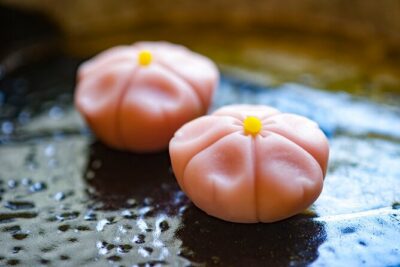
Matcha Making Class in Osaka with Authentic Japanese Sweets Set
Read our review →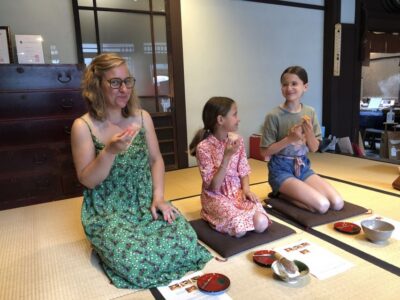
Kyoto: Tea Ceremony Meditation – Make Matcha with Tea Master
Read our review →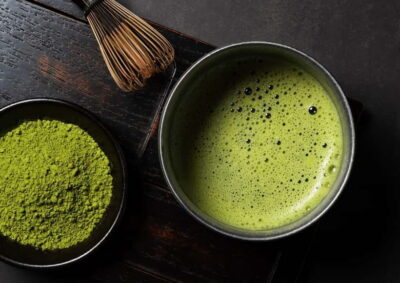
Tokyo: Matcha Making Experience with Mochi Sweets in Asakusa
Read our review →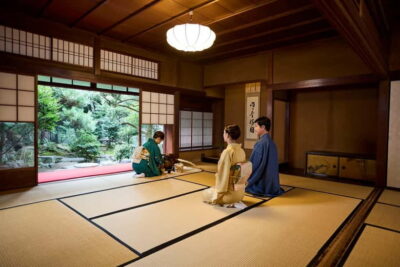
Kyoto: Kimono Tea Ceremony with Matcha and Sweet
Read our review →
Browse the lists this tour appears in