
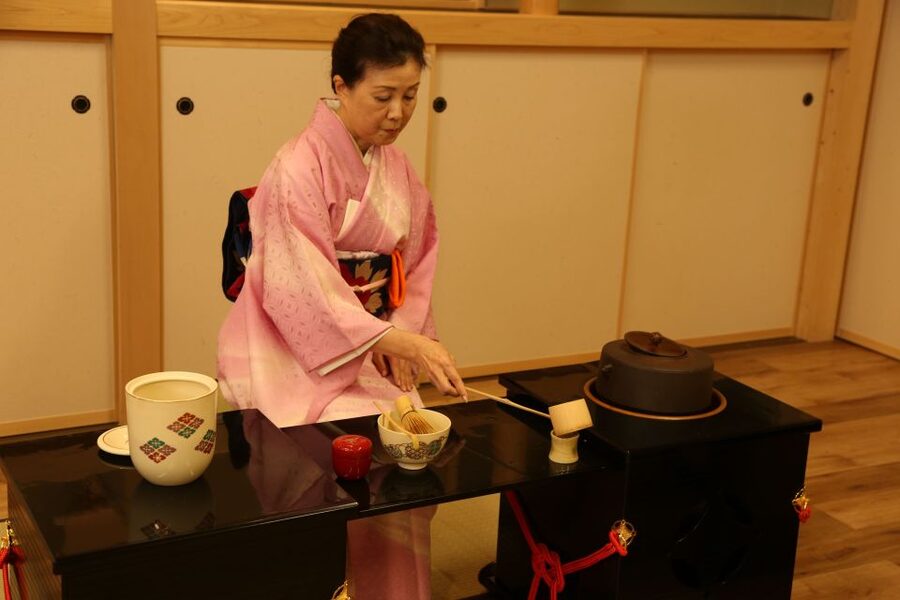
Review · TEA CEREMONY EXPERIENCES
Tokyo: Practicing Zen with a Japanese Tea Ceremony
The most memorable part of this 75-minute tea ceremony is that you do not only watch. Your instructor first demonstrates the movements and explains their meaning, then guides you through preparing matcha yourself. That turns a formal cultural display into a hands-on lesson.
I like the calm link between tea, Zen, art, and architecture. I also like the small group size, which makes it easier to see the utensils and ask questions. The main consideration is the setting: it is inside a building near Tokyo Tower, not a secluded traditional tea house, and outside noise may occasionally interrupt the quiet mood.
Key points
- You prepare the tea yourself: After watching the instructor, you conduct a second ceremony with expert guidance.
- Matcha comes with a traditional sweet: The confection is selected to pair with the green tea and balance its bitter edge.
- Zen is explained, not simply presented: You learn how the ceremony connects with Zen Buddhism and Japanese daily life.
- The class is limited to 10 people: A small group gives you a better view of the utensils and demonstrations.
- Floor sitting is optional: Chairs are available, making the experience suitable for people who cannot sit comfortably on the floor.
- Tokyo Tower is your landmark: Meet at the main entrance of Kikai Shinko Kaikan, directly opposite the tower.
A Tea Ceremony You Actually Take Part In
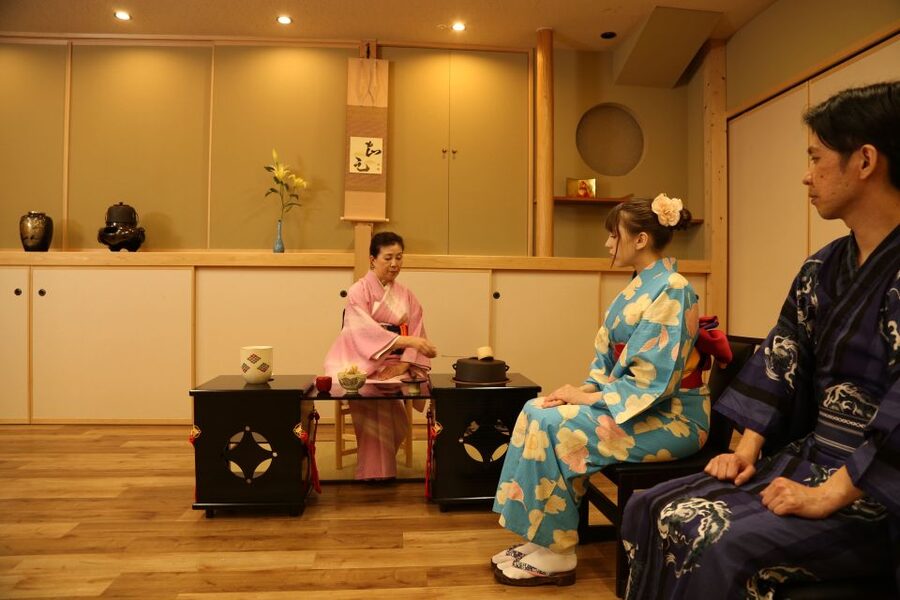
Many cultural demonstrations ask you to sit quietly while an expert performs everything. This experience gives you a more useful role. You begin by watching a complete preparation of matcha, then repeat parts of the process yourself during a second ceremony.
That format works well because the ceremony has many small details. The way the utensils are handled, the order of the movements, and the quiet attention given to each step can be hard to understand from a simple performance. Seeing it first gives you a clear pattern to follow.
Your English-speaking instructor explains the purpose behind the actions rather than asking you to copy them blindly. You learn about the utensils, the structure of the ceremony, and the ideas that connect it with Zen Buddhism. The point is not to become a tea master in 75 minutes. It is to leave with a sense of why the ritual is carried out with such care.
The pace should suit most people. You have time to listen, taste the tea and sweet, watch the demonstration, and make your own attempt without turning the session into a rushed photo stop.
More Tea and Calligraphy Workshops in Japan
- Experience all of Japanese culture and Japanese food experience classes “origami, udon, Japanese food, green tea, calligraphy” in 4 hours
★ 5.0 · 105 reviews - Kyoto: Tea Ceremony Meditation – Make Matcha with Tea Master
★ 4.8 · 406 reviews - Osaka: Tea Ceremony, Calligraphy, and Kimono Experience
★ 4.9 · 130 reviews
Matcha, Sweets, and the Taste of the Ritual
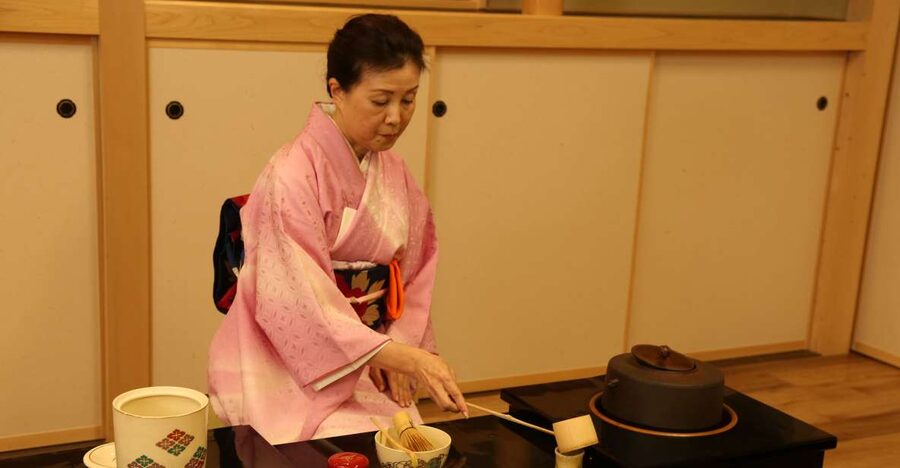
The food is simple but important. You receive a traditional Japanese confection before or alongside the matcha, with the sweet chosen to work with the tea. Japanese sweets can soften the strong, grassy bitterness of matcha, helping you notice the tea in a more balanced way.
You should not expect a large snack or a meal. This is a small tasting that supports the ceremony rather than a food tour. Still, it gives the session a pleasing rhythm: first you learn, then you taste, then you take part.
The matcha is prepared in the traditional way, and the instructor shows you the utensils used in the process. This is one of the better reasons to choose a guided class instead of simply ordering matcha at a café. At a café, you taste the finished drink. Here, you learn how the drink becomes part of a carefully ordered practice.
If you are new to matcha, the flavor may surprise you. It is not sweet like a typical tea drink, and the paired confection helps make sense of its place in the ceremony.
Why Zen Matters Here
The Zen connection is not treated as a decorative theme. Your instructor explains how the tea ceremony expresses ideas linked with peace of mind, attention, and respect for the present moment.
The value of this part depends on your instructor, but past sessions have included warm and clear teachers such as Junko, Ken, and Midori. The teaching style described by participants has been personal and easy to follow, with explanations of both what to do and why the actions matter.
You will also hear about the role of the tea ceremony in Japanese society. That context helps prevent the experience from feeling like a set of mysterious rules. Instead, the gestures begin to make sense as part of a wider approach to art, architecture, hospitality, and daily practice.
I appreciate that the session leaves room for calm without pretending that 75 minutes will transform your life. One past participant felt the Zen exercise was too short, and that is a fair point. The main focus is the tea ceremony, so anyone seeking a long meditation session should choose something else.
Watching the Instructor Before Your Turn
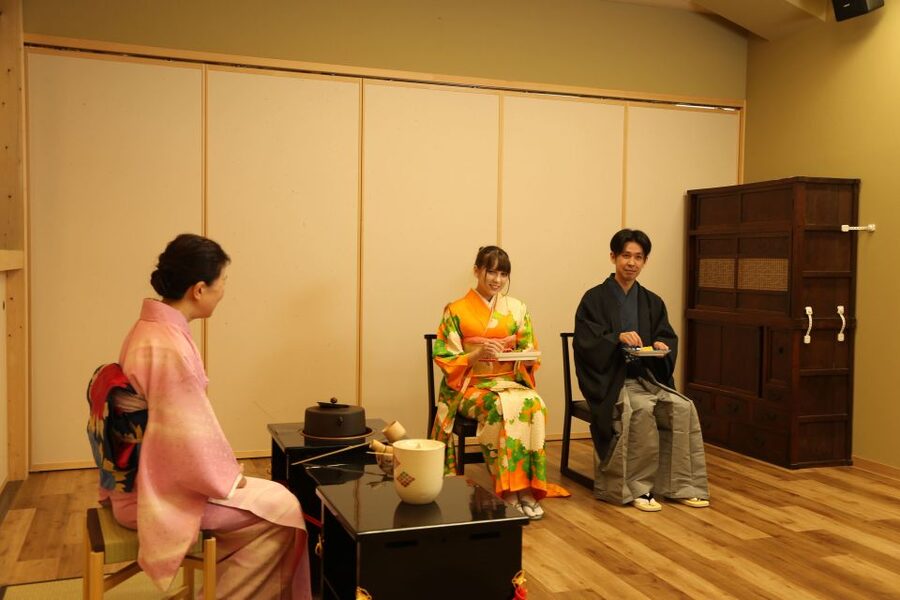
The first ceremony is your visual guide. Pay attention to the order of events and to how the instructor handles each item. The movements may look simple, but their careful pace is part of the lesson.
You are introduced to the utensils and the different elements of the ceremony. The instructor explains what each object is used for and how it fits into the sequence. This detail is especially helpful if you want to repeat the practice later or understand a tea ceremony you see elsewhere in Japan.
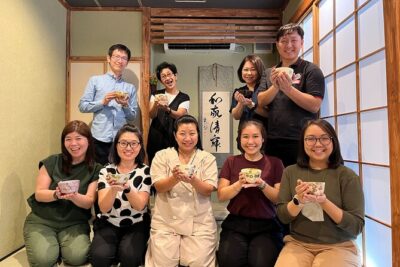
A small group matters here. With no more than 10 participants, you should have a reasonable view of the preparation. You also have a better chance of hearing the English explanation clearly and receiving direct help when it is your turn.
The atmosphere is intended to be quiet. Making noise is not allowed, so this is not a good fit for anyone looking for a lively, social class. Children under four cannot join, and the calm format may suit older children better than very young ones.
More Tea Ceremonies in Tokyo
- Kimono Tea Ceremony at Tokyo, Asakusa Maikoya
★ 5.0 · 638 reviews - Tokyo: Traditional Tea Ceremony with a Tea Master
★ 5.0 · 528 reviews - Tea Ceremony Workshop in Tokyo by the Experienced Instrucor
★ 5.0 · 189 reviews - Asakusa: Kimono Tea Ceremony with Matcha and Sweet
★ 4.9 · 153 reviews
Your Turn to Conduct the Ceremony
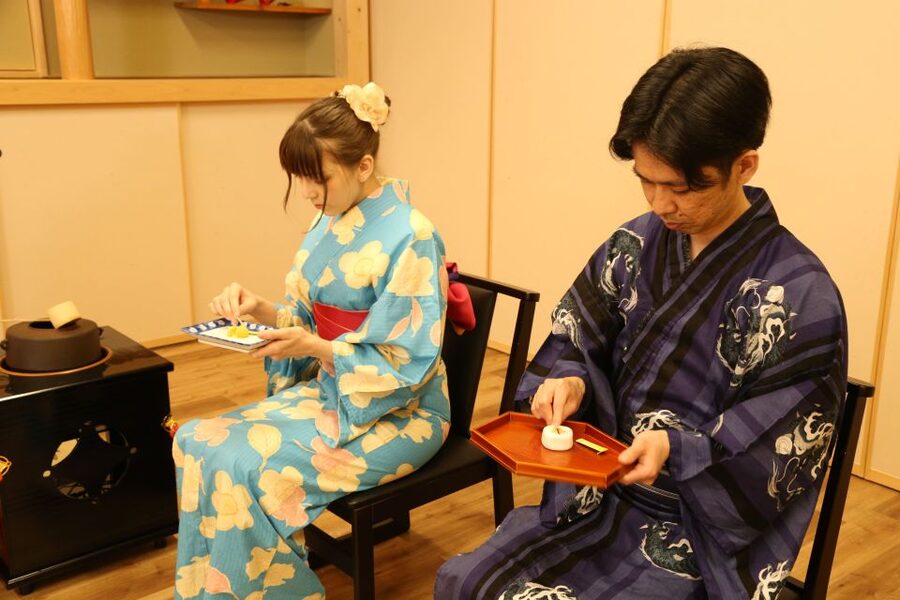
The second ceremony is the heart of the experience. After the demonstration, you try the process yourself, with the instructor walking you through the movements.
You do not need prior knowledge. The class is designed for beginners, and the guidance helps you manage the sequence one step at a time. You may feel slightly awkward at first, which is part of the fun. The instructor can correct your handling of the utensils and explain any detail that is unclear.
This practical section gives the experience more value than a performance alone. You remember the process because you have done it. You also gain a better sense of the concentration required to prepare and serve the tea with care.
The class is not meant to train you for a formal Japanese tea school. It offers a brief, accessible introduction. I would treat your attempt as cultural practice, not as a test of perfect form.
The Setting Opposite Tokyo Tower
The meeting point is easy to identify if you use Tokyo Tower as your landmark. Go to the first-floor main entrance of the Kikai Shinko Kaikan building, directly opposite the tower.
If you cannot locate the instructor, the backup point is True Japan Tour in room B109 on the basement level of the same building. Transportation is not included, so you need to make your own way there and allow enough time to find the entrance.
The venue is arranged to feel like a tea room, but it is still part of a city building. That gives you convenience and a clear meeting point, though it may not provide the atmosphere of a historic temple or a private traditional house.
One practical issue is sound. A previous session was affected by noise from another activity next door. This may not happen every time, but it is worth knowing if perfect silence is central to your plans. The prohibition on making noise applies to participants, yet the wider building may not be completely silent.
Comfort, Accessibility, and Group Size
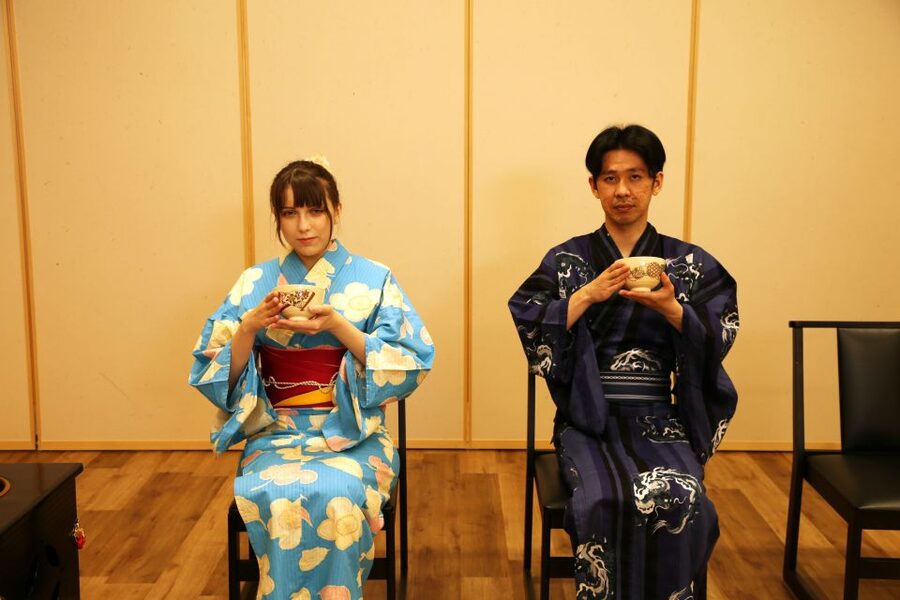
You do not have to sit on the floor. Seats are available for people who prefer a chair or cannot sit comfortably in the traditional position. That is an important practical advantage because floor sitting can become painful during a formal demonstration.
The experience is wheelchair accessible, and the small room can accommodate participants with different mobility needs. If comfort is a concern, tell the provider when booking so the available seating arrangement works for you.
The maximum group size is 10. That is small enough to keep the demonstration personal without requiring the higher price of a private class. Some sessions may feel especially intimate when fewer people attend, but the advertised format is a small group rather than a guaranteed private lesson.
Is $63 a Fair Price?
At $63 per person, this is not the cheapest way to drink matcha in Tokyo. You can find tea for far less in a café. The price makes more sense when you consider what is included: an English-led explanation of Zen and the ceremony, traditional sweets, matcha, a full demonstration, and your own guided attempt.
The second ceremony is the key value. You are paying for instruction and participation, not just a cup of tea. If you want a quick taste and a photograph, this may feel expensive. If you want to understand the ritual and perform it yourself, the cost is easier to justify.
The 75-minute length also helps. It is long enough to cover the basics but short enough to fit into a busy Tokyo day, especially if you are already visiting Tokyo Tower or the nearby area.
I would compare this with other cultural activities based on what you want to remember. A museum gives you objects and displays. This class gives you a physical action to repeat and a better sense of how a traditional practice works from inside.
Who Will Enjoy This Most
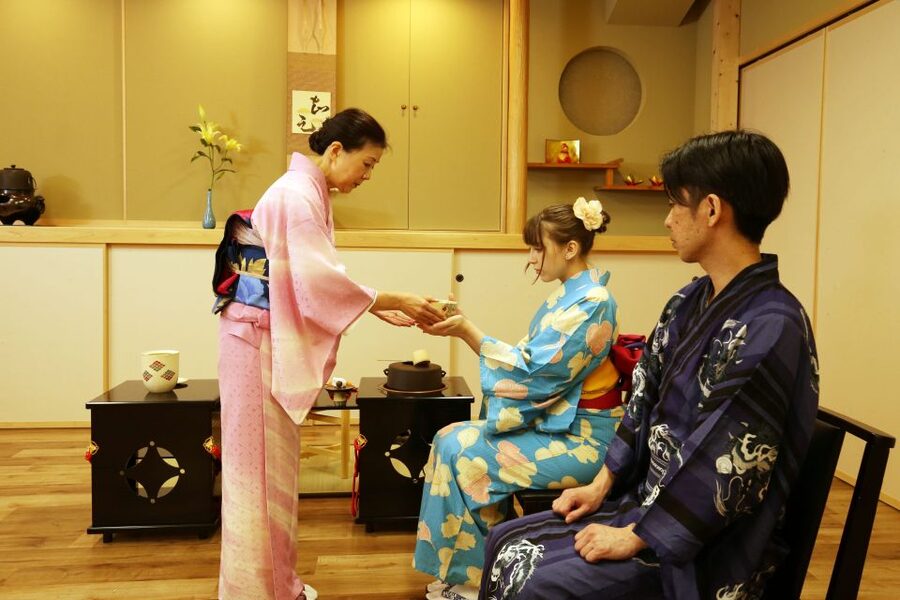
I would recommend the class to first-time visitors who want a gentle introduction to Japanese culture without committing to a full-day program. It also suits anyone interested in Zen, ritual, design, architecture, or the meaning behind everyday customs.
It is a good choice for couples, solo visitors, and small groups. The personal instruction makes it easy for a beginner to participate, and the English explanations remove much of the uncertainty that can make a formal ceremony intimidating.
People with limited mobility should find the seating arrangement helpful, since floor sitting is optional and the activity is wheelchair accessible. Anyone who dislikes quiet settings, careful rules, or structured demonstrations may find it too restrained.
I would also avoid booking it for very young children. Children under four are not permitted, and the no-noise rule means this is better for people who can sit, listen, and follow instructions calmly.
Practical Details Before You Go
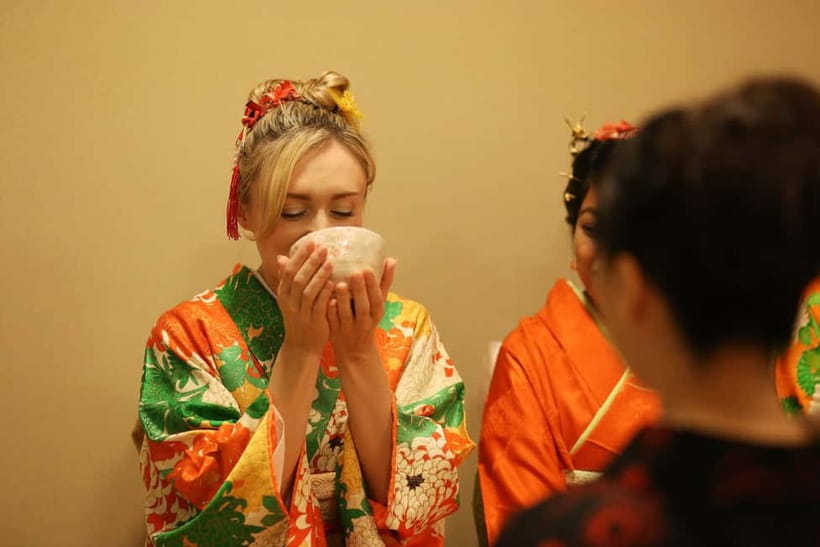
Plan to meet at Kikai Shinko Kaikan rather than simply heading to Tokyo Tower. The building is directly opposite the tower, but the activity does not take place inside the tower itself.
The instructor speaks English, and the small group format keeps the lesson manageable. You should not need previous knowledge of matcha or Zen. The purpose is to explain the ceremony from the ground up and let you practice it.
Wear something that allows you to sit or move comfortably, even though chairs are available. Keep your phone quiet and be ready for a peaceful setting where attention to small movements matters.
The activity offers free cancellation up to 24 hours before the start time, and you can reserve now while paying later. Those options are useful if your Tokyo schedule is still changing.
Should You Book This Tea Ceremony?
Book it if you want more than a prepared cup of matcha. The strongest feature is the chance to perform the ceremony yourself after watching an instructor, with the Zen connection and cultural meaning explained along the way.
The drawbacks are clear: the session is short, the venue is in a city building rather than a secluded tea house, and outside noise may occasionally disturb the mood. Still, the $63 price is reasonable for a small English-speaking class that includes tea, sweets, instruction, and hands-on practice.
For a calm, focused cultural activity near Tokyo Tower, I would choose this. It gives you something to do, something to taste, and a better understanding of why the tea ceremony continues to matter.
FAQ
How long does the Japanese tea ceremony experience last?
The experience lasts 75 minutes.
Where is the meeting point?
Meet at the main entrance of the Kikai Shinko Kaikan building on the first floor. The building is directly opposite Tokyo Tower.
What should I do if I cannot find the instructor?
Go to True Japan Tour in room B109 on the basement level of the same building.
Is the experience conducted in English?
Yes. The instructor speaks English.
Is transportation included?
No. Transportation to and from the meeting point is not included.
Do I have to sit on the floor?
No. Seats are available for participants who prefer not to sit on the floor.
What is included in the price?
The price includes the tea ceremony, traditional sweets, matcha green tea, and a second ceremony that you perform yourself with guidance.
Can I cancel my booking?
Yes. You can cancel up to 24 hours in advance for a full refund. You can also reserve now and pay later.
More Tea and Calligraphy Workshops in Tokyo
- An Amazing set of Cultural experience: Kimono, Tea Ceremony and Calligraphy
★ 5.0 · 69 reviews - Beijing Culture: Tea Ceremony, Heritage Instrument & Calligraphy
★ 5.0 · 57 reviews - Osaka: Private Tea Ceremony and Calligraphy Experience
★ 5.0 · 50 reviews - Cultural Activities :Kimono, tea ceremony, Calligraphy and Amulet
★ 5.0 · 44 reviews
Fresh tea listings around Tokyo
- Authentic Japanese tea tasting: sencha, matcha and gyokuro★ 5.0 · 12 reviews
- At an Antique Shop, Tea Ceremony and Japanese Sweets Forming★ 5.0 · 5 reviews
- Mochi Matcha Gluten Free Japanese Sweets Class near Shibuya area★ 5.0 · 26 reviews
- Tokyo: Two Types of Japanese Sweets Making and Tea Ceremony★ 4.6 · 26 reviews
- Japanese Matcha Tea Ceremony and Kimono Experience in Hanayaka★ 5.0 · 26 reviews
- Matcha Experience with of Japanese Tea Tasting in Tokyo★ 5.0 · 31 reviews
- Tokyo:Genuine Tea Ceremony, Kimono Dressing, and Photography★ 5.0 · 33 reviews
- EDOCCO Tea House–A Quick Dive into Japanese Traditional Culture★ 5.0 · 34 reviews
Tea Ceremony Experiences, compared.
Kyoto: Tea Ceremony in a Traditional Tea House in Kiyomizu
Read our review →
Kyoto: 45-Minute Tea Ceremony Lesson Experience
Read our review →
Kyoto: Table-Style Tea Ceremony at a Kyo-Machiya
Read our review →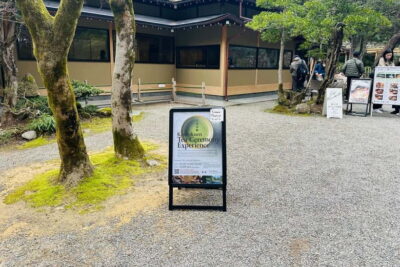
Browse the lists this tour appears in