
Review · MATCHA EXPERIENCES
Kyoto: Uji Matcha Tea Museum Entry Ticket
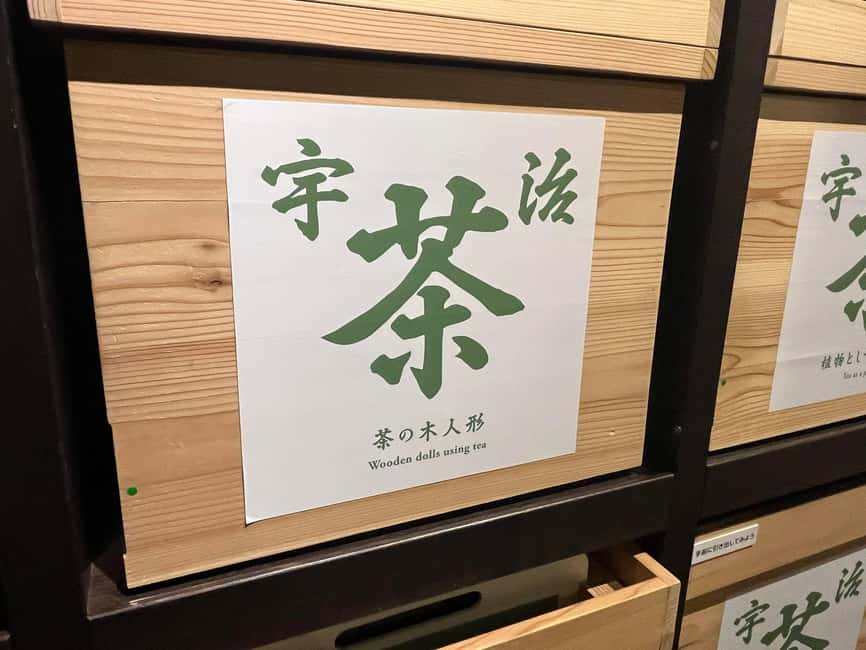
Uji’s tea story comes alive through touchable digital exhibits, not just wall panels. You can learn how Uji tea began, how it is produced, and why Gyokuro differs from Sencha, then move into a history room with a huge 10-yen coin featuring Byodoin Phoenix Hall.
I like the hands-on format, which gives children something to do while adults pick up useful tea details. I also like the price: at $3.87 per person, this is an easy add-on to a day in Uji.
The main consideration is that this is a museum ticket, not a tea-tasting tour or guided lesson. If you want to drink freshly prepared matcha or watch a tea master work, this may feel limited.
Key Points
- Touchscreen tea exhibits: Explore how Uji tea is grown, made, and prepared through digital displays you can interact with.
- Gyokuro and Sencha explained: Learn the basic differences between two important Japanese tea styles.
- A giant Byodoin coin: The history room opens with a large 10-yen coin showing Byodoin Phoenix Hall.
- Uji through time: See how the town and Uji River changed through digital townscape drawings.
- Family-friendly format: The exhibits are designed to work for both children and adults.
- Photo finish: Save time for the tea-themed photo spot in the final corner.
What the Uji Tea Museum Actually Offers
The Uji Matcha Tea Museum is a compact cultural stop focused on two subjects: Uji tea and the story of Uji itself. Your ticket gives you access to the museum for one day, with no separate tour guide named in the available information.
That distinction matters. You are not signing up for a long tea ceremony, a farm visit, or a tasting class. Instead, you are getting an interactive museum visit built around digital displays, visual explanations, and touchable exhibits.
For $3.87, I see this as a low-risk activity. It costs less than many major attractions, and it gives you a break from walking while still adding local context to your time in Uji.
More Matcha Experiences in Kyoto
- Kyoto: Tea Ceremony Meditation – Make Matcha with Tea Master
★ 4.8 · 406 reviews - Kyoto: Kimono Tea Ceremony with Matcha and Sweet
★ 4.9 · 249 reviews - Kyoto: Arashiyama Bamboo, Temple, Matcha, Monkeys & secret spots
★ 5.0 · 219 reviews
Starting in the Uji Tea Room
The first major area is the Uji Tea Room, also called Uji-cha no Ma. This section answers the questions most people have when they begin learning about Japanese tea.
You can find out how tea is made, how Uji became known for tea, and what separates Gyokuro from Sencha. The displays also cover ways to prepare better-tasting tea, which gives the visit a practical side rather than treating tea as a purely historical subject.
The touch-based format is useful here. Tea production can sound abstract when it is explained only through text. Digital displays let you interact with the material, making it easier to follow the process and keep younger visitors interested.
I would give this section your full attention if you already enjoy Japanese tea. Even basic facts about shade-grown tea, tea leaves, and preparation can change how you order or drink tea later in your trip.
At the same time, the information provided does not promise a tasting. You should not arrive expecting a cup of matcha with the admission ticket. The value is in understanding the drink, not consuming it on site.
Comparing Gyokuro and Sencha
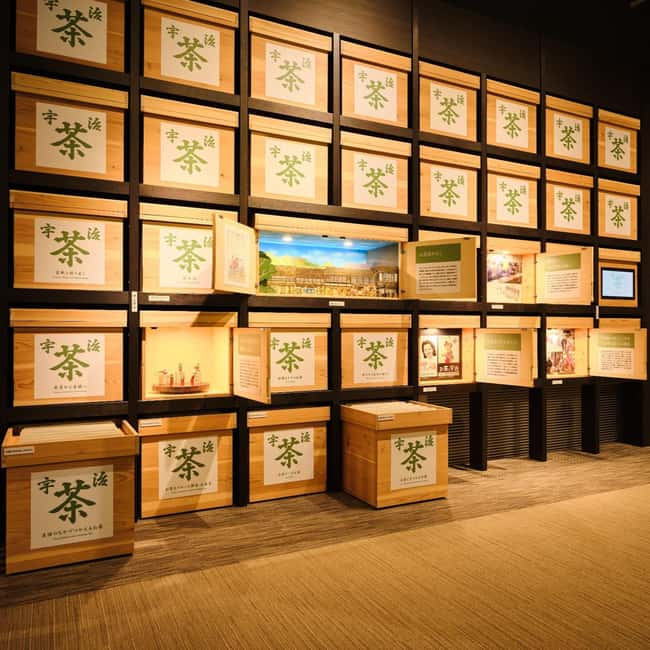
The comparison between Gyokuro and Sencha is one of the most useful parts of the museum for first-time tea buyers. Both are Japanese green teas, but they are not simply two names for the same drink.
The museum introduces their differences through digital exhibits. You can use this section to build a basic vocabulary before visiting tea shops in Kyoto or elsewhere in Japan.
That is a small but worthwhile benefit. Without some background, tea labels can blur together. After the exhibit, you will at least know that different production methods lead to different kinds of tea and different drinking experiences.
The museum does not present this as a formal tasting session, so your understanding will come from the displays. If you want to judge flavor for yourself, plan a separate tea stop after the museum.
The Birth Story of Uji Tea
The Uji Tea Room also looks at the origins of Uji tea. The exhibit asks how Uji tea began and how its production developed into the form known today.
This local focus gives the museum a clear purpose. You are not getting a broad survey of all Japanese tea. You are learning why Uji matters within Japan’s tea culture and how the product connects to the town.
I like that the museum joins production with place. Tea is not presented as an isolated food item. Its story is tied to Uji, its people, and the wider area around the Uji River.
The supplied details do not give a full list of exhibit panels or historical dates, so you should expect an accessible introduction rather than an academic research center. That makes it approachable, but serious tea scholars may want more depth.
Same city, a very different cup:
- Kyoto: Tea Ceremony in a Traditional Tea House in Kiyomizu
★ 4.9 · 3,519 reviews - Kyoto: Tea Ceremony Ju-An at Jotokuji Temple
★ 4.9 · 3,207 reviews - Kyoto: 45-Minute Tea Ceremony Lesson Experience
★ 4.3 · 2,378 reviews - Kyoto: Table-Style Tea Ceremony at a Kyo-Machiya
★ 4.9 · 1,211 reviews
Entering the History Room
After the tea displays, the History Room shifts your attention from the drink to the town. A giant 10-yen coin with the Byodoin Phoenix Hall welcomes you into the space.
It is an effective visual opening. The coin is familiar to anyone who has handled Japanese money, but its oversized scale turns an everyday object into a clear reference to Uji’s cultural identity.
The room explores changes in Uji and along the Uji River over time. You can use the displays to understand how the town developed and how the river fits into its story.
This part will appeal to you if you want more than a tea lesson. It connects your museum visit to the places you may see around Uji, especially if your day includes the town and river area.
The Large 4K Screen and Town Drawings
The main visual feature in the history area is a large 4K HDTV screen showing townscape drawings known as Meisho-zue. The screen presents Uji through detailed visual scenes rather than only through written explanation.
This is likely to be the most memorable display for many visitors. A large screen can show change across a town more clearly than a small map, and the drawn views give the exhibit a sense of place.
I would pause here instead of treating it as a quick walk-through. Look at how the town and river are represented, then connect those images with what you see outside the museum.
The exhibit is also a practical choice for mixed-age groups. Adults can focus on historical details, while children can follow the large images and changing scenes. That shared format is one reason the museum works well for families.
A Museum for Children and Adults
The experience is designed so children and adults can learn together. The touchable digital exhibits give younger visitors an active role, while the tea and history subjects offer enough substance for adults.
That does not mean every family will spend the same amount of time inside. Children may move quickly from screen to screen, while adults may want to read and compare details about tea production.
If you are visiting Uji with children, the museum can provide a useful change of pace. It is more engaging than a room made entirely of printed text, and the interactive elements give kids a reason to stay involved.
If you are traveling without children, the format should not feel childish by default. The subjects are serious, and the sections on tea production, Gyokuro, Sencha, and Uji’s past give the visit clear educational value.
The Tea-Themed Photo Spot
The final corner includes a tea-themed photo spot. It is a simple feature, but it gives the visit a clear ending and a chance to take a few playful pictures.
Save this for the end rather than rushing past it. The exhibit sequence moves from tea production to local history, and the photo area gives you a light finish after the more informational displays.
This will matter most if you are visiting with family or friends. Solo visitors can still use the area, but the attraction is mainly visual and social rather than educational.
Is $3.87 Good Value?
At $3.87 per person, the admission price is the strongest practical reason to consider this activity. You are paying a small amount for access to two connected exhibit areas, digital learning tools, a large 4K display, and a photo feature.
The ticket is valid for one day, but that does not mean the museum takes an entire day to visit. The available information does not give a precise visit length or a scheduled start time. Check the available times before booking and treat the one-day validity as flexibility for your plans.
The value is especially good if you are already spending time in Uji and want an indoor cultural stop. It can also help you make sense of the tea shops and local sights you encounter afterward.
The value is weaker if your main goal is tasting tea. Admission includes the museum ticket only. There is no listed tea tasting, tea ceremony, guide, or hands-on preparation class included.
Access, Booking, and Flexibility
The museum is wheelchair accessible, which makes it a practical choice for visitors who need an accessible attraction. The supplied information does not specify details such as restroom design, entrance layout, or exhibit controls, so contact the provider if you need a particular accommodation.
Booking is flexible. You can cancel up to 24 hours in advance for a full refund, and the reserve-now, pay-later option lets you hold a place without paying immediately.
Those terms are useful when your Kyoto schedule may change. Uji often fits around other sightseeing plans, so the ability to adjust the booking reduces the risk of committing too early.
The experience provider is Chazuna. No guide names or guided commentary are listed, so plan for a self-guided museum visit.
Who Should Book This Experience?
I would recommend this museum to you if you want a short, affordable introduction to Uji tea and local history. It is particularly suitable for families, first-time visitors to Uji, and anyone who prefers interactive displays to long blocks of text.
Tea fans will appreciate the sections on production methods and the differences between Gyokuro and Sencha. The museum is also useful before visiting tea shops because it gives you a little context for what you are seeing and buying.
You may want to skip it if you are looking specifically for a tea ceremony, a tasting, a farm visit, or a live demonstration. None of those are included in the stated ticket.
Should You Book the Uji Matcha Tea Museum?
Book it if you want a low-cost, wheelchair-accessible museum with hands-on digital exhibits, local history, and a family-friendly design. The giant coin, 4K town drawings, and final photo spot give the visit more variety than a basic tea display.
Skip it if drinking tea is the main point of your outing. This is an educational museum ticket, not a tasting experience. For $3.87, though, it is an easy addition to a day in Uji, especially when you want a little context before exploring the town and river.
FAQ
Where is the Uji Matcha Tea Museum located?
The experience is located in Uji, on Honshu in Japan.
What does the admission ticket include?
The ticket includes entry to the museum.
How long is the ticket valid?
The ticket is valid for one day.
Does the museum explain how Uji tea is made?
Yes. The Uji Tea Room presents information about tea production, the origins of Uji tea, and ways to prepare tea.
Can I learn the difference between Gyokuro and Sencha?
Yes. The digital exhibits explain the difference between Gyokuro and Sencha tea.
Is the museum suitable for children?
Yes. The experience is designed so children and adults can enjoy learning about tea.
Is the museum wheelchair accessible?
Yes. The activity is wheelchair accessible.
More Museums in Kyoto
- Family Mitsui House Museum with green tea admission ticket
★ 4.0 · 5 reviews - Authentic Tea Ceremony & Sushi in The Museum of Kyoto
★ 5.0 · 3 reviews - Afternoon Tea at the British Museum
★ 4.2 · 511 reviews - Private Abu Dhabi Sheikh zayed mosque with Louver Museum & Emirates Place Tea
★ 5.0 · 173 reviews
More Tea Factory Tours in Kyoto
- Matcha Green Tea Plantation and Matcha Factory Visit
★ 5.0 · 6 reviews - Kyoto: Tea Museum Tickets and Matcha Grinding Experience
★ 4.9 · 739 reviews - Uva Halpewatte Tea Factory Tour in Ella Sri Lanka
★ 5.0 · 653 reviews - Nuwara Eliya: Tea Factory and Pickle Waterfalls Tuk Tuk Tour
★ 4.7 · 113 reviews
Fresh tea listings around Kyoto
- Kyoto: Authentic Tea Ceremony in a Small Group★ 5.0 · 7 reviews
- Uji Walking Tour – Byodo-in temple and Tea Ceremony from Kyoto★ 3.5 · 3 reviews
- Traditional Tea Ceremony in Kyoto★ 4.5 · 3 reviews
- Tea Ceremony Experience in Traditional Kyoto Townhouse★ 5.0 · 19 reviews
- Tea Ceremony in 150 Years Old Townhouse with Tables and Chairs★ 5.0 · 22 reviews
- Tea ceremony at Kyoto’s Zen Temple Teahouse★ 5.0 · 2 reviews
- Sencha-do the Japanese Tea Ceremony Workshop in Kyoto★ 5.0 · 21 reviews
- Silent Beauty of Kyoto Zen Walk and Tea Experience★ 5.0 · 2 reviews
Matcha Experiences, compared.
World Heritage Kyoto & Nara Uji Authentic Matcha Experience
Read our review →
Matcha Making Class in Tokyo with Authentic Japanese Sweets Set
Read our review →
Kyoto: Tea Museum Tickets and Matcha Grinding Experience
Read our review →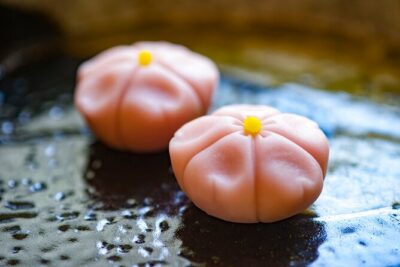
Matcha Making Class in Osaka with Authentic Japanese Sweets Set
Read our review →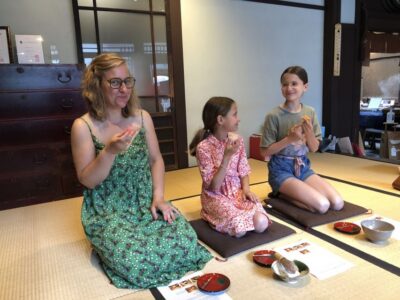
Kyoto: Tea Ceremony Meditation – Make Matcha with Tea Master
Read our review →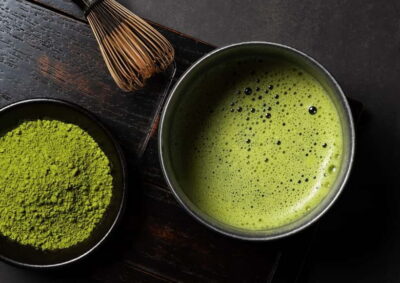
Tokyo: Matcha Making Experience with Mochi Sweets in Asakusa
Read our review →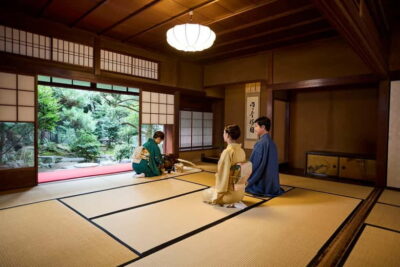
Kyoto: Kimono Tea Ceremony with Matcha and Sweet
Read our review →
Browse the lists this tour appears in