
Review · TEA CEREMONY EXPERIENCES
Osaka : Exclusive Tea Ceremony & Wagashi Cooking
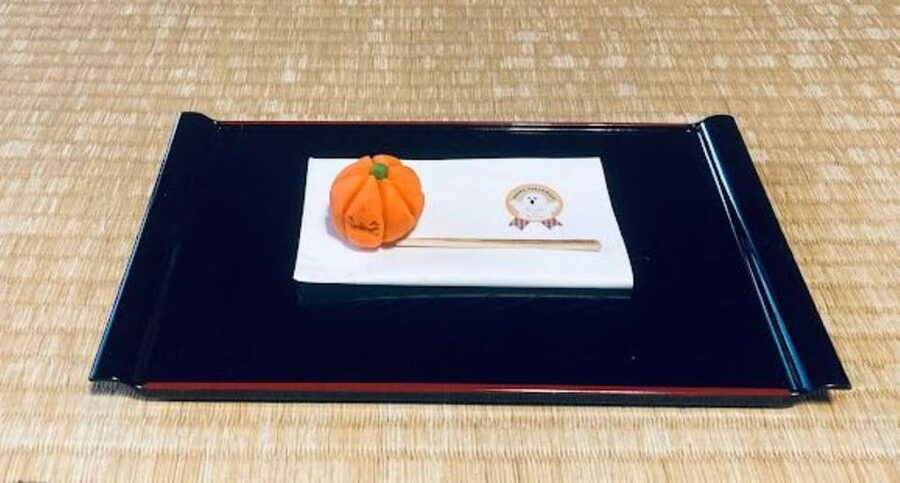
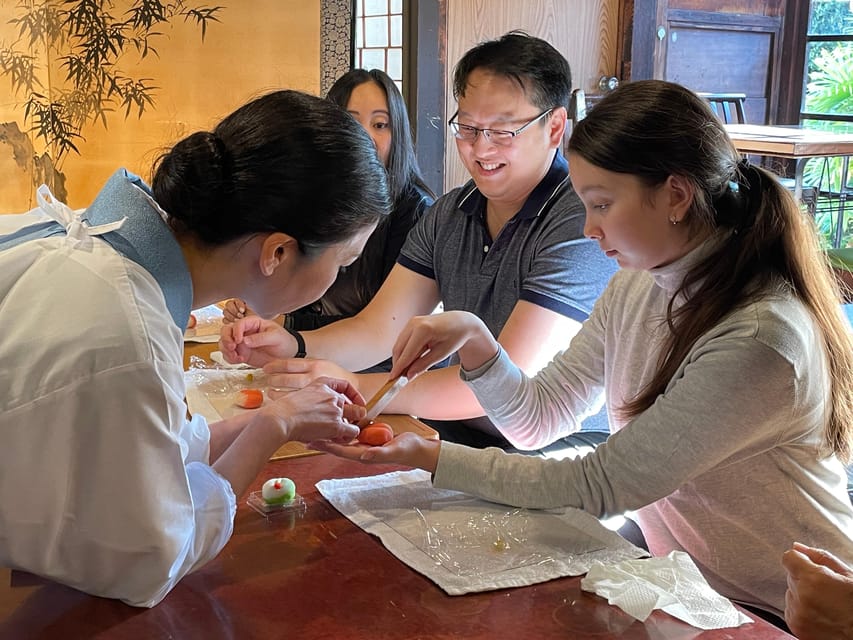
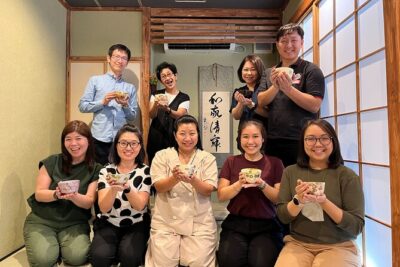
The most memorable part of this Izumisano experience is making your own wagashi, then serving it with green tea in a traditional tea ceremony. You are not just watching someone whisk tea. You learn the rules, the spirit, and the quiet rhythm behind the ritual.
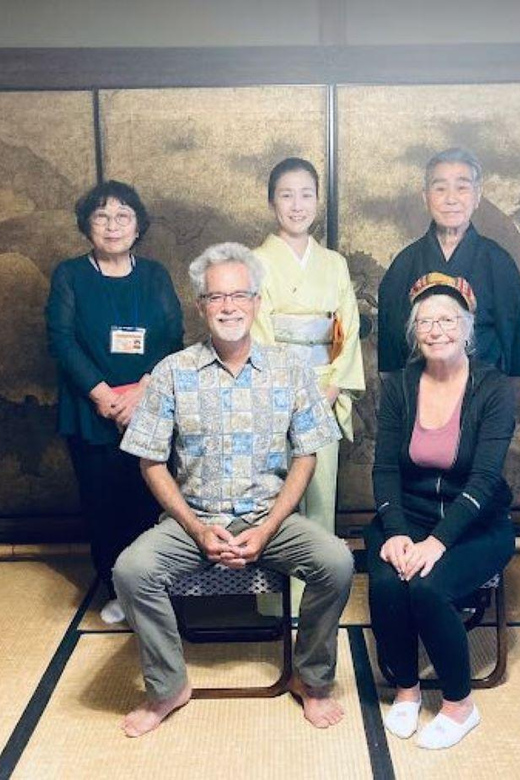
I like the three-generation family setting, connected with a business that has operated for more than a century. I also like the small museum area, where you can look at local artifacts and see examples of Kyoto Nishijin textiles and kimono after the ceremony. The main consideration is location: Izumisano is outside central Osaka, so you will need to allow time for the train ride and the walk from the station.
Key points to know
- Make and eat your own wagashi: Prepare a Japanese confectionery, then enjoy it with the tea you make.
- A family-run setting: The host family has worked in this business for more than a century and includes three generations.
- Small groups only: The class is limited to six people, which allows room for questions and hands-on instruction.
- English support is available: An English guide accompanies the experience when that option is booked.
- Kimono photos are optional: You can add kimono rental and take photos with the woven textiles and displays.
- Good for many diets: Vegetarian and vegan participants are welcome if dietary needs are shared in advance.
Why this tea ceremony feels more personal
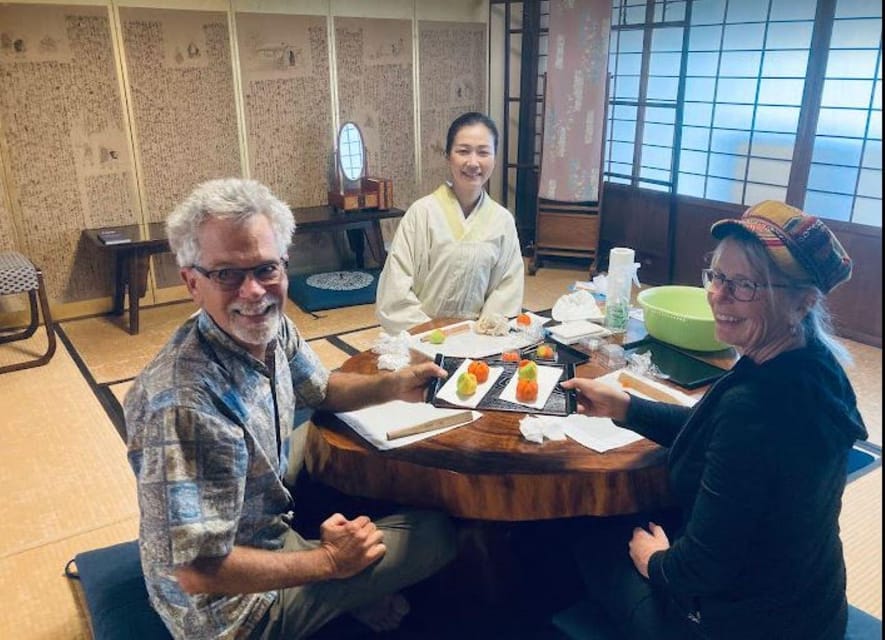
Many visitors to Japan see tea ceremony as a formal performance. This class offers something more useful: you take part in the process. You learn how tea is prepared according to ceremony rules, then sit down to enjoy it with the sweet you made yourself.
That hands-on approach matters. Wagashi is often admired for its careful shapes and seasonal appearance, but it can feel mysterious when you only see it in a shop window. Here, you get to handle the ingredients and understand how the confectionery comes together. The class connects food, craft, and ceremony in one short visit.
The setting also adds weight to the experience. You meet at Furusato Machiya-Kan, the former Shinkawa family residence, a traditional house in Izumisano. The activity then finishes at Kurafutoya, with the experience returning to the meeting point. You are not being placed in a generic studio designed only for tourists. The use of an old residence and a long-running family business gives the afternoon a stronger local character.
The tea ceremony itself is quiet and deliberate. You hear about its history and spiritual role, then learn how to make green tea within the ceremony’s rules. Do not expect a fast cooking demonstration followed by a quick cup. The value comes from slowing down and paying attention to each step.
More Tea Ceremonies in Osaka
- Osaka: Tea Ceremony Experience
★ 4.9 · 1,426 reviews - Tea Ceremony Experience in Osaka Doutonbori
★ 5.0 · 754 reviews - Osaka: Tea Ceremony, Calligraphy, and Kimono Experience
★ 4.9 · 130 reviews
Meeting the family at Furusato Machiya-Kan
Your starting point is near Nankai Izumisano Station. After leaving the station, head right toward Tsubasadouri shopping district. Turn left at Uniform Noguchi, then right at the next corner. Furusato Machiya-Kan is where you will be picked up.
This route is short enough to follow with clear directions, but it is worth arriving with a little time to spare. Izumisano is not the kind of place where you want to rush out of the station, check your phone at every corner, and arrive flustered for a quiet tea ritual.
The old Shinkawa family residence provides an appropriate first setting. You can expect a traditional Japanese home rather than a large attraction with crowds and fixed viewing lanes. That makes the class feel more intimate, though it also means the experience is best suited to people who appreciate a calm, compact activity.
An English guide is available, and you should select the English interpreter option if you need language help throughout the class. The activity is limited to six participants, a useful size for a lesson involving cooking, utensils, and ceremony movements. You can ask questions without having to call across a crowded room.
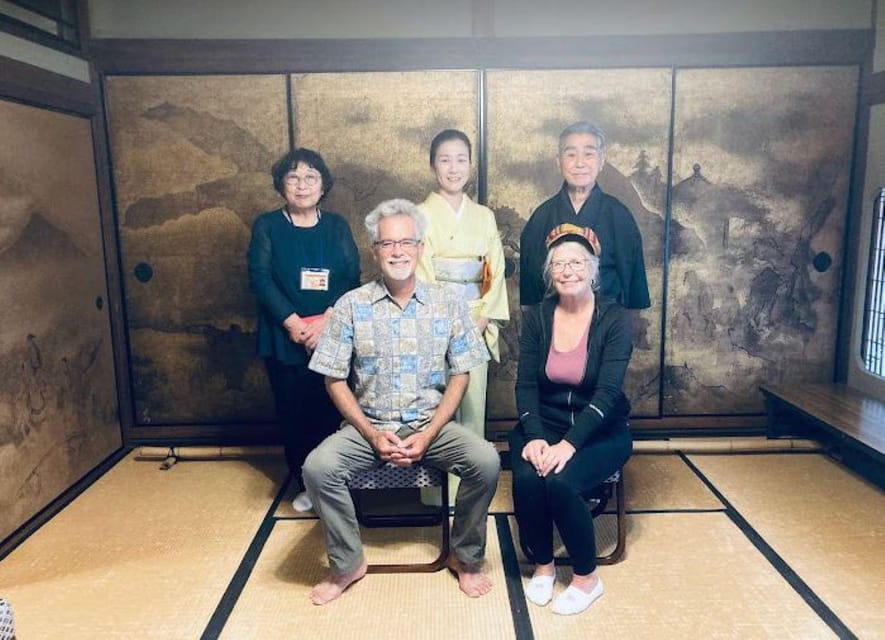
The family connection is one of the strongest reasons to choose this experience. A three-generation family hosts the tea ceremony, and the business has been operating for more than 100 years. That does not turn the class into a full historical lecture, but it gives the welcome a sense of continuity that a short hotel-based demonstration may not provide.
Making wagashi instead of simply buying it
The cooking portion focuses on wagashi, traditional Japanese confectionery. You make the sweet yourself, using the supplied ingredients and seasonings. Once it is ready, you bring it into the tea ceremony and enjoy the two together.
That pairing is central to Japanese tea culture. The sweet gives you something to eat before or alongside the slightly bitter green tea, while its shape and appearance form part of the experience. Making it yourself helps you notice the care that goes into a small confectionery item.
The class is not described as a professional pastry course, so keep your expectations sensible. You are learning a traditional preparation and taking part in a cultural activity, not training for work in a Japanese sweets shop. The fun is in trying the method, seeing the result, and then using it during the ceremony.
All cooking ingredients and seasonings are included. Vegetarian participants are welcome, and the activity is vegan friendly. Tell the provider about dietary restrictions in advance. That small step is important because Japanese sweets can contain ingredients that are not obvious from appearance alone, and advance notice gives the host a chance to prepare appropriately.
I would especially recommend this part of the experience to families, couples, and anyone who likes food classes with a cultural setting. You have a clear result at the end of the lesson, and the class gives you something to talk about beyond simply taking photographs.
Learning the rules of the tea ceremony
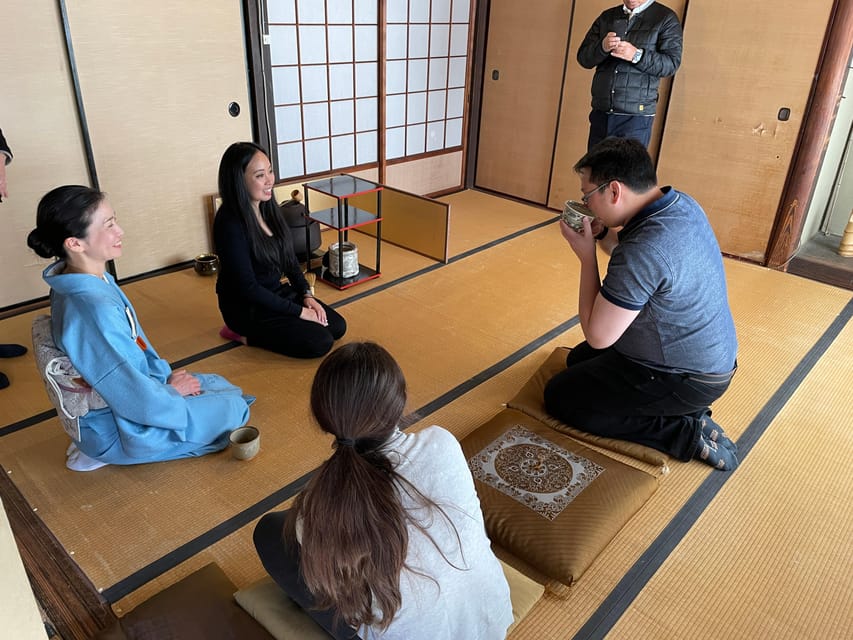
After the wagashi preparation, you learn how to make green tea according to the rules of the tea ceremony. The class also explains the ceremony’s history and spiritual role, so you are given some context before taking part.
The word rules can sound stiff, but that structure is what gives the ceremony its character. Movements, preparation, and manners are handled with care. You do not need prior experience, and the class is designed to introduce you to the process rather than test you on it.
Expect the experience to reward patience. A tea ceremony is not a noisy group activity, and the two-hour format leaves room for instruction, preparation, and the ceremony itself. The small group helps here. With no more than six participants, you have a better chance of following the details and seeing what you are meant to do.
The ceremony is also a good way to understand why Japanese tea culture is about more than a drink. The setting, the sweet, the preparation, and the act of serving all work together. You may leave with a better sense of how hospitality can be expressed through careful gestures rather than long conversation.
The provider lists English as the tour language. If clear explanations are especially important to you, book the option that includes an English interpreter. The listed guide fee is included, along with all fees and taxes, so there should not be a surprise charge for the instruction itself.
Same city, a very different cup:
- Matcha Making Class in Osaka with Authentic Japanese Sweets Set
★ 5.0 · 509 reviews - Osaka: Matcha Making Experience with Japanese Sweets
★ 5.0 · 146 reviews - Osaka: Japanese Traditional Sweets Making and Tea Ceremony
★ 4.7 · 118 reviews - Osaka Temple Cool Foot Bath & Matcha Experience〈45min〉
★ 4.9 · 82 reviews
The small museum and the kimono option
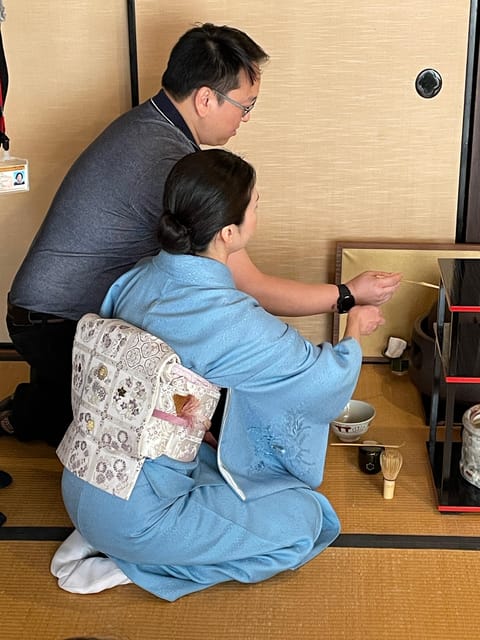
When the ceremony ends, you have time to take photographs and look at examples of kimono and beautiful woven textiles from Kyoto’s Nishijin district. There is also a small museum area with different artifacts around the shop, available to view without an additional admission charge.
This part is brief but worthwhile. It gives the visit a visual finish and lets you connect tea ceremony with other Japanese crafts. Nishijin weaving is closely associated with Kyoto textile work, so the displays add another layer to the experience without requiring a separate trip across the region.
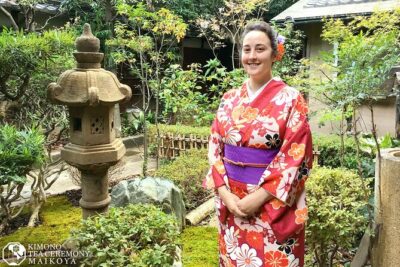
You can also add kimono wear during booking. The supplied information does not specify the full dressing process or how long you wear the kimono, so treat this as a photo option rather than a separate kimono tour. If you want a keepsake image from the day, it may be a sensible extra.
The kimono add-on will appeal most to people who want the visual side of the experience. If you are more interested in food and tea, you can skip it and still receive the main class. That choice keeps the base activity focused and avoids paying for something you do not value.
What the two-hour schedule means
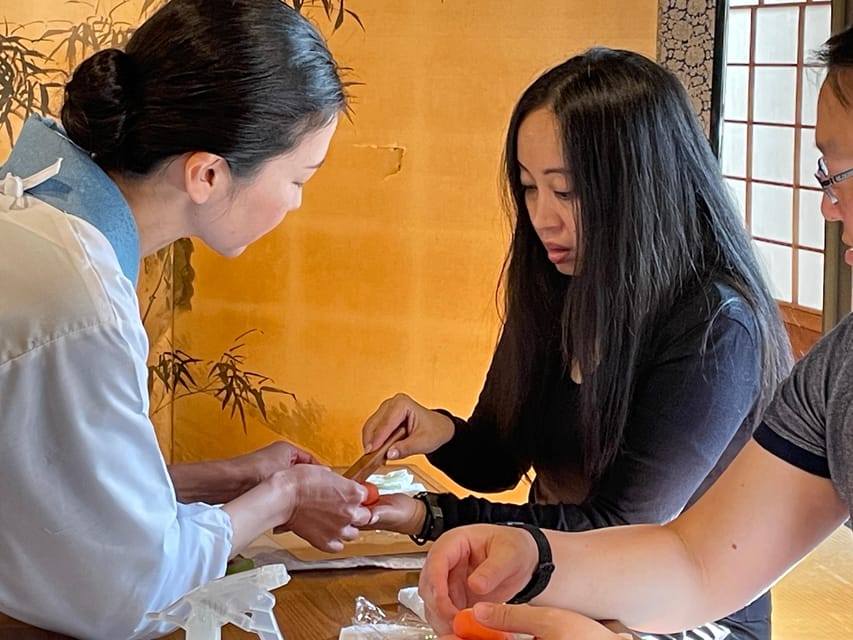
Two hours is a good length for this activity. It is long enough to cover the wagashi class, the tea preparation, the ceremony, and the displays afterward, but short enough to fit into a busy Osaka or Kansai itinerary.
You should not expect the experience to fill an entire day. That is an advantage if you are combining it with sightseeing around Osaka, Kansai Airport, or Izumisano. It also means the class depends on a steady pace. Arriving late could cut into the cooking or ceremony, so plan your train connection carefully.
The experience begins and ends at the meeting point. After the class and museum viewing, you return to the starting area rather than being dropped at another Osaka sight. That makes onward planning simple, but you need to arrange your own transport after the activity.
The tour is wheelchair accessible, which is useful information for visitors who need step-free access or other mobility support. The activity is listed as unsuitable for people with altitude sickness, although Izumisano is not presented as a high-altitude destination. If that warning applies to you, confirm the details with the provider before booking.
Alcohol and drugs are not allowed. Insurance is not included, so arrange your own coverage if that matters for your trip.
Is $98 a fair price?
At $98 per person, this is not the cheapest way to drink green tea in Japan. You are paying for more than the ingredients. The fee covers the two-hour class, cooking supplies, the tea ceremony instruction, guide service, and all taxes and fees.
The price makes better sense if you value personal instruction and a small group. A class limited to six people gives you more opportunity to make the wagashi yourself, ask questions, and follow the ceremony without being lost in a crowd. The family setting and museum viewing are also part of what separates this from a simple tea tasting.
It is less compelling if you only want a quick cup of matcha or a brief photo stop. You will get better value if you take part fully, listen to the explanation, and appreciate the craft behind the sweet and tea. The optional kimono add-on is extra, so include that in your budget if photographs are a priority.
The reserve-now-and-pay-later option can help if your plans around Osaka are still shifting. You can reserve a place without paying immediately, and cancellation is free up to 24 hours before the activity for a full refund. Check the available starting times before building the rest of your day around it.
Who should book this Izumisano experience?
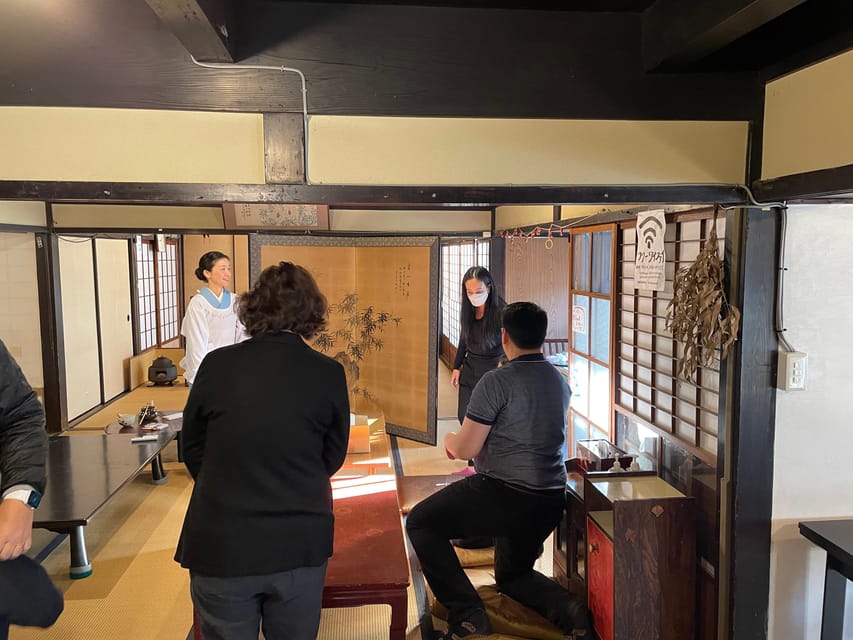
I would choose this class if you want a slower cultural activity with a clear hands-on element. It suits first-time visitors who want an introduction to tea ceremony without committing to a long formal program.
Food lovers will appreciate making wagashi rather than only sampling it. Craft-minded visitors will like the kimono and Nishijin textile displays. Families can also find the format manageable because the activity lasts two hours and produces something you can enjoy at the end.
The small group is a strong fit for anyone who dislikes large demonstrations. The three-generation family setting adds a human connection, and the long history of the business gives the activity a sense of place.
You might choose another experience if your schedule is based entirely in central Osaka and you have no interest in traveling to Izumisano. You should also be aware that this is not a broad sightseeing tour. The focus is tea, wagashi, family tradition, and Japanese craft.
Practical details before you go
The base price is $98 per person. The activity lasts two hours and uses a live English-speaking guide. It is limited to six participants and is wheelchair accessible.
Vegetarian and vegan participants are welcome, but share dietary restrictions in advance. Ingredients, seasonings, guide fees, taxes, and other listed activity fees are included. Insurance is not included.
The English interpreter option is worth selecting if you want the most detailed explanations. If you want to wear a kimono, choose that add-on while booking rather than assuming it is part of the standard price.
Give yourself enough time to find the meeting point from Nankai Izumisano Station. Follow the route toward Tsubasadouri shopping district, use Uniform Noguchi as the landmark, and look for Furusato Machiya-Kan at the next turns.
Should you book it?
Book this experience if you want to make something, learn the meaning behind a formal Japanese tradition, and meet a family connected with the craft for more than a century. The wagashi preparation and small tea ceremony give you real participation, while the museum and textile displays add a pleasant final touch.
Skip it if you only want a fast tea tasting or if getting to Izumisano would make your day awkward. For the right schedule, though, $98 buys a focused cultural lesson rather than a quick tourist photo. The optional kimono makes it more visual, but the core experience is strongest when you come for the tea, the sweet, and the careful family setting.
FAQ
Where does the tea ceremony and wagashi class begin?
It begins at Furusato Machiya-Kan, the former Shinkawa family residence, near Nankai Izumisano Station.
How do I reach the meeting point from Izumisano Station?
Exit Nankai Izumisano Station and go right toward Tsubasadouri shopping district. Turn left at Uniform Noguchi, then right at the next corner. Furusato Machiya-Kan is there for pickup.
How long does the experience last?
The activity lasts two hours. Check the available starting times when booking.
Is the activity offered in English?
Yes. English is listed as the activity language. An English interpreter can accompany you if you book that option.
How many people can join the class?
It is a small-group activity limited to six participants.
Is the experience suitable for vegetarians and vegans?
Yes. Vegetarians are welcome, and the activity is vegan friendly. Share dietary restrictions in advance.
Is kimono rental included?
No. Kimono wear is an optional add-on selected during booking.
What is included in the $98 price?
The price includes cooking ingredients and seasonings, all listed fees and taxes, and the guide fee. Insurance is not included.
Can I cancel for a full refund?
Yes. You can cancel up to 24 hours in advance for a full refund. You can also reserve now and pay later, keeping your plans flexible.
More Cooking Classes in Osaka
- Osaka Japanese Cooking And Matcha Class near Osaka Castle
★ 5.0 · 22 reviews - Osaka: Japanese Cooking Class with Matcha Experience
★ 5.0 · 4 reviews - Cultural Cooking Class Featuring Ramen Sushi and Tea Ceremony
★ 5.0 · 2 reviews - Xiao Long Bao, Beef Noodles & Boba Tea Cooking Class in Taipei
★ 5.0 · 159 reviews
More Tea and Sweets Making in Osaka
- Matcha Making Class in Tokyo with Authentic Japanese Sweets Set
★ 5.0 · 744 reviews - Tokyo: Matcha Making Experience with Mochi Sweets in Asakusa
★ 4.9 · 388 reviews - Kyoto: Japanese Traditional Sweets Making and Tea Ceremony
★ 4.4 · 314 reviews - Make Traditional Nerikiri Sweets & Matcha experience in Shibuya
★ 5.0 · 130 reviews
Fresh tea listings around Osaka
- Osaka:Zen Tea Ceremony and Foot Bath Experience<45min>★ 5.0 · 7 reviews
- Nara Deer Park, Uji Matcha, & Hot Spring Full-Day Tour from Osaka★ 4.0 · 21 reviews
- Osaka: Tea Ceremony, Calligraphy, and Kimono Experience★ 5.0 · 6 reviews
- Osaka: Nara, Todaiji, Uji Matcha, and Hot Spring Tour★ 4.0 · 7 reviews
- Discover Japanese Tea Blending Techniques in Osaka★ 5.0 · 19 reviews
- Osaka Japanese Cooking And Matcha Class near Osaka Castle★ 5.0 · 22 reviews
- Craft Sushi and Matcha Ice Cream in Central Osaka (3-Course Meal)★ 5.0 · 2 reviews
- Tea and Calligraphy Session at a Table in Osaka★ 5.0 · 4 reviews
Tea Ceremony Experiences, compared.
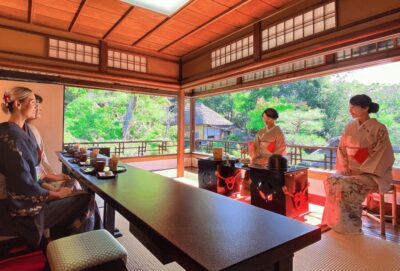
Kyoto: Tea Ceremony in a Traditional Tea House in Kiyomizu
Read our review →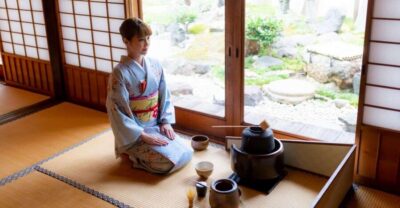
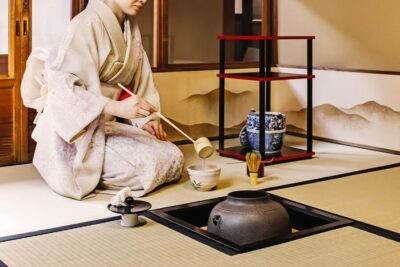
Kyoto: 45-Minute Tea Ceremony Lesson Experience
Read our review →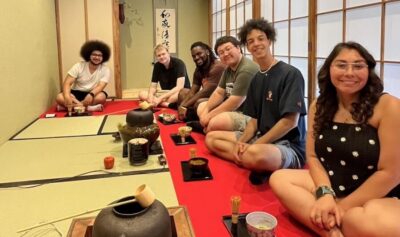
Kyoto: Table-Style Tea Ceremony at a Kyo-Machiya
Read our review →
Browse the lists this tour appears in