
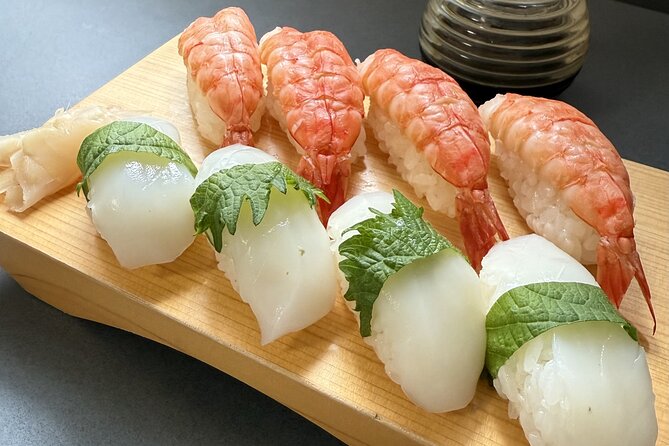
Review · MATCHA EXPERIENCES
Tokyo Sushi Making Class : Sake Ceremony & Matcha Experience
The big draw here is the mix of hands-on sushi making and Japanese ceremony. You begin by opening a sake barrel with a group chant, learn to shape nigiri, torch a salmon mayo gunkan, and finish by whisking your own matcha. It packs several distinctly Japanese experiences into a short session in Asakusa.
I like the friendly, beginner-first teaching and the chance to make six to twelve pieces rather than simply watch a demonstration. I also like the balance between classic nigiri technique and the playful modern Tokyo-style salmon topping. The main consideration is time: at about 90 minutes, this is a brisk introduction, not a full culinary course.
Key points to know before booking
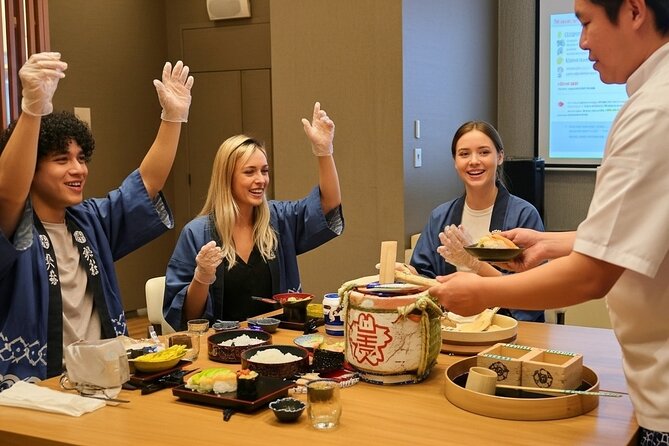
- Kagami-biraki starts the class: Help open a sake barrel and join the Yoisho chant for a traditional group toast.
- You make six to twelve pieces: The session includes nigiri and rolls, with clear guidance on rice shape, toppings, and placement.
- The torched salmon mayo gunkan is the playful highlight: Add salmon and mayonnaise, then use a quick torch finish for smoky flavor.
- Matcha closes the experience: Whisk your own bowl and learn how to create a smooth, foamy drink.
- The class is beginner-friendly: You do not need prior sushi-making experience to take part.
- The format is compact and social: The session lasts about 90 minutes and allows up to 20 people.
A short Asakusa class with a lot packed in
This experience takes place at Sushi Meets Matcha at 1-chōme-10-16 Hanakawado, in Taito City. The activity begins and ends at the same location, which keeps the logistics simple for a busy day in Tokyo.
The setting in Asakusa matters. This part of Tokyo is a natural fit for a class built around Japanese food and ceremony, and you can pair the session with other sightseeing in the area. Since the activity is near public transportation, you do not need to build a complicated transfer plan around it.
The group can include up to 20 people. That is large enough to create some cheerful energy during the chants, but small enough for a structured workshop rather than a stage show. If you prefer one-on-one culinary coaching, this may feel social rather than private. If you enjoy meeting people while learning, the group format adds to the fun.
At $45.77 per person, the price is fair for what you receive. You are not paying only for ingredients. The fee also covers instruction, a cultural opening ritual, the matcha activity, and a finished set of sushi to eat. Compared with booking separate food and cultural activities in Tokyo, this gives you a useful amount of variety in one short appointment.
More Matcha Experiences in Tokyo
- Matcha Making Class in Tokyo with Authentic Japanese Sweets Set
★ 5.0 · 744 reviews - Tokyo: Matcha Making Experience with Mochi Sweets in Asakusa
★ 4.9 · 388 reviews - Asakusa Cultural Walk & Matcha Making Tour
★ 5.0 · 245 reviews
Kagami-biraki begins with a group toast
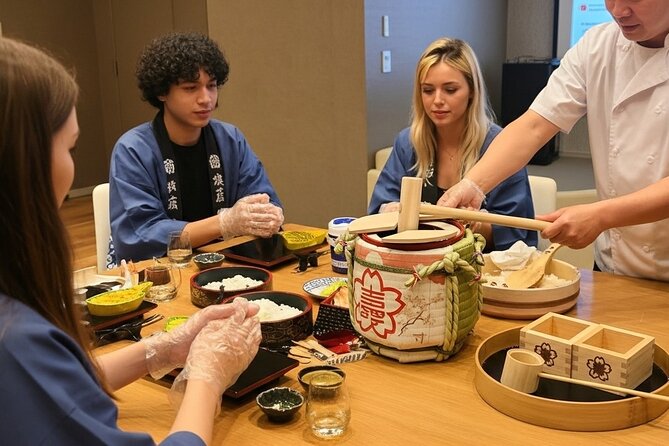
The session opens with kagami-biraki, the ceremonial opening of a sake barrel. Rather than starting with a long explanation, you take part in the ritual. The group helps open the barrel, then raises a toast while chanting Yoisho, yoisho, yoisho!
This is a small but meaningful touch. Kagami-biraki is associated with new beginnings and celebrations, so it gives the class a sense of occasion from the start. You are not just sitting at a table waiting for ingredients. You are joining a shared Japanese custom, complete with a simple phrase that everyone can follow.
You do not have to drink alcohol. The non-alcohol option is water or warm Japanese tea. That makes the opening more flexible for children, nondrinkers, and anyone who wants to stay sharp for the sushi work.
The ceremony is also one reason this class feels different from a standard cooking lesson. The sushi instruction is the main practical activity, but the opening gives you a cultural moment that requires no specialist knowledge. You simply listen, join the chant, and raise your cup with the group.
Nigiri lessons focus on the details that matter
After the toast, the class turns to nigiri. This is where the session becomes a useful introduction to sushi technique. You learn how to shape the rice with the right pressure, handle the toppings, and place each piece cleanly.
Rice is the foundation of nigiri, and the amount of pressure matters. Press too hard and the rice becomes dense. Press too lightly and the piece may fall apart. The instructor’s step-by-step approach helps you understand that sushi is not simply a matter of putting fish on rice.
You also get practical guidance on handling the toppings. The goal is not perfect restaurant-level speed. It is to help you assemble pieces with enough control that they look like sushi and hold together when you pick them up.
You can expect to make a combination of nigiri and rolls, with about six to twelve pieces in total. The exact number depends on the pace of the class and your progress. That range is enough to give you practice without turning the session into repetitive production work.
I especially like this part for first-time sushi makers. You leave with a basic idea of how a nigiri piece is built, which is more useful than watching a professional move quickly behind a counter. You also get a finished result to eat, so the lesson has an immediate reward.
The class is not presented as advanced knife training or professional sushi apprenticeship. The supplied details focus on rice shaping, toppings, and assembly, so you should book it for a friendly introduction rather than a technical course in fish cutting.
Torched salmon mayo gunkan adds a modern Tokyo twist
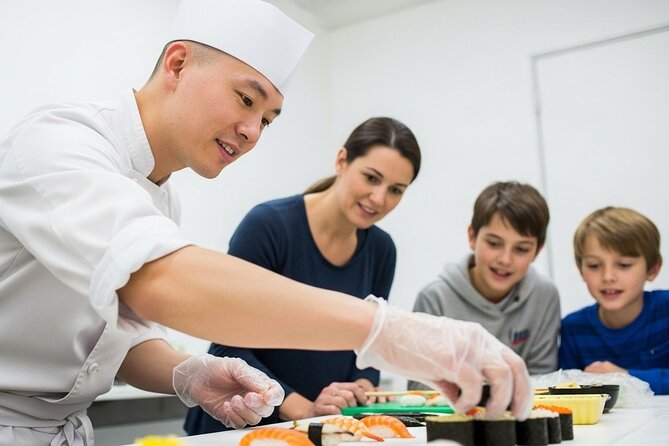
The most theatrical food moment comes with the torched salmon mayo gunkan. Gunkan sushi has a seaweed wrap around the rice, creating a small cup for a topping. Here, you pile on salmon, add a zigzag of mayonnaise, and finish it with a quick torch.
This is deliberately different from classic Edomae technique. The class includes traditional nigiri skills, then shifts to a modern flavor combination that you might find at a contemporary sushi spot in Tokyo. The salmon, mayonnaise, and torching create a smoky, creamy bite with a strong savory flavor.
You also get a group chant for this stage: Wasshoi! three times. The instructors aim to capture the best moment for photos, so this part is both a cooking task and a shared bit of theater.
The torch makes this more memorable than simply assembling another piece of sushi. You see the topping change as the heat hits it, and the final bite has a different character from the cleaner, more restrained nigiri.
That contrast is useful. It shows you two sides of sushi in one sitting: the careful shaping of rice and toppings, followed by a bold, modern topping with a bit of showmanship. Purists looking only for traditional Edomae sushi may find the salmon mayo gunkan less serious. Most first-time participants will probably appreciate the change of pace.
If you want photos from the class, this is likely the moment to keep your phone ready. The activity specifically includes a photo opportunity during the Wasshoi finish, though you should still follow the instructor’s directions while the torch is in use.
Same city, a very different cup:
- Kimono Tea Ceremony at Tokyo, Asakusa Maikoya
★ 5.0 · 638 reviews - Tokyo: Traditional Tea Ceremony with a Tea Master
★ 5.0 · 528 reviews - Dynamic Tokyo: Tokyo Tower, Tea Experience, Bay Cruise Day Tour
★ 4.5 · 521 reviews - Tokyo: Matcha and Kimono Experience
★ 4.7 · 219 reviews
Matcha gives the class a calmer finish
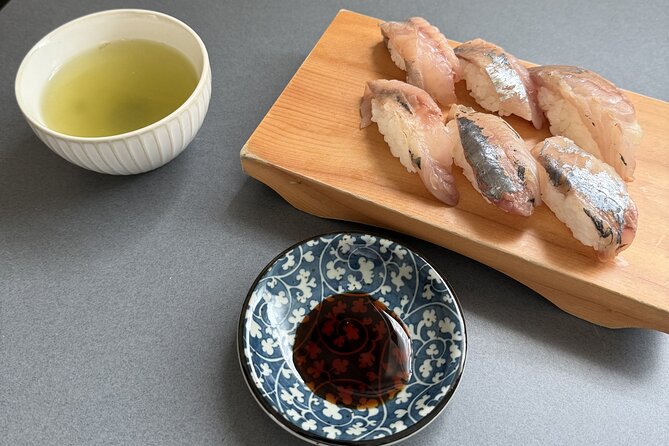
The final stage is matcha. You make your own bowl and learn how to whisk the powder until it becomes smooth and foamy.
This is a good ending after the lively chants and torching. Sushi making asks you to concentrate on your hands, while the matcha preparation slows the pace. You get a simple introduction to the whisking motion and then drink the bowl you prepared.
The matcha portion is not described as a long tea ceremony, so set your expectations accordingly. It is a hands-on matcha lesson and tasting, not a formal performance with an extended explanation of every tea custom. That shorter format works well within a 90-minute activity.
I like that the class does not stop once the food is made. Finishing with matcha gives the experience a clear arc: celebration first, practical cooking in the middle, and a quiet drink at the end.
For anyone who has already done a formal tea ceremony in Japan, this may feel quite simple. For a first introduction to matcha, though, whisking your own bowl is more engaging than receiving a prepared cup.
What the 90-minute schedule means for you
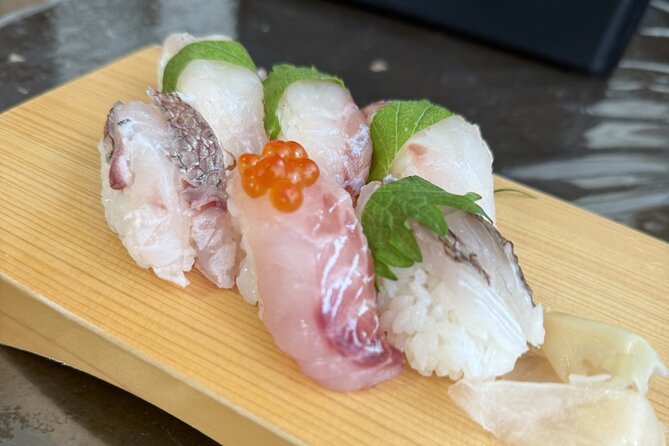
An hour and a half is enough time to try several activities, but it also means the pace will be steady. You will move from ceremony to instruction, then to sushi assembly, torching, photos, and matcha without long pauses.
That makes this a good choice on a packed Tokyo itinerary. You can fit it between other plans without giving up half a day. It also works well when you want a cultural activity that does not require a full afternoon.
The tradeoff is depth. You will learn the essential movements, but you will not have much time for extended practice or repeated attempts at every technique. If your first rice shape is uneven, the class keeps moving. That is part of the format.
I would arrive ready to listen and work rather than expecting a slow, relaxed cooking retreat. The experience is described as lively and interactive, and the chants and torching reinforce that tone.
The mobile ticket is useful for keeping the booking on your phone. Confirmation is provided at booking, and the activity returns to the starting point, so there is no separate end location to find.
Who will get the most from this experience
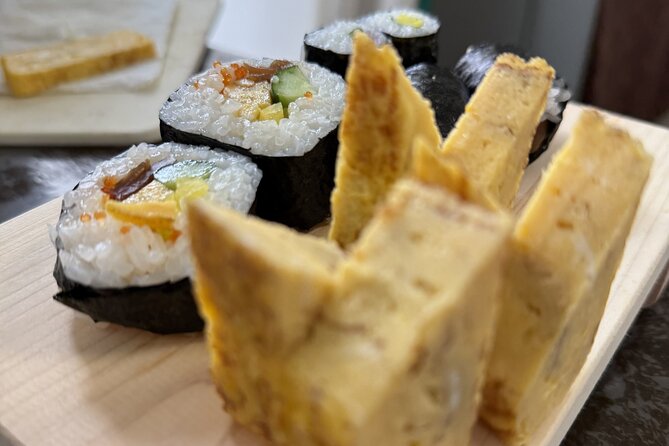
This class suits first-time sushi makers, couples, families, and solo visitors who like a social activity. You do not need prior skill, and the instructor provides friendly, step-by-step help.
It is also a practical choice for anyone who wants more than a food tasting. You make the food yourself, take part in a sake-barrel ritual, and prepare matcha. The range of activities gives you several ways to connect with Japanese food culture.
The experience may be especially appealing if you want a souvenir that is not something bought in a shop. You leave with new sushi-making skills, photos from the torching moment, and a better sense of how sushi is assembled.
It is less suitable if you want an intimate private lesson, a long sit-down meal, or advanced culinary instruction. The group may include as many as 20 people, and the 90-minute schedule favors variety over extended practice.
Children and nondrinkers can also take part in the opening because the toast can be made with water or warm Japanese tea. The provided information does not specify an age limit, so families should confirm any age requirements before booking.
Planning the location and timing
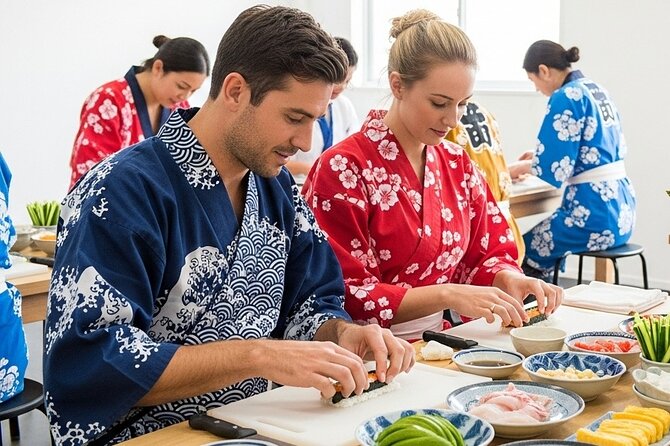
The meeting point is Sushi Meets Matcha, 1-chōme-10-16 Hanakawado, Taito City, Tokyo 111-0033, Japan. Since the activity ends at the same address, you can plan your next stop without arranging a return transfer.
The location is near public transportation. That helps when you are using the class as one stop in a larger Asakusa day. Keep the address handy on your mobile ticket, especially if you are navigating unfamiliar Tokyo streets.
The activity has free cancellation up to 24 hours before the start time. For a full refund, you need to cancel at least 24 hours in advance using the local start time as the cutoff. Changes or cancellations inside that window are not accepted for a refund, so check your Tokyo schedule before making a last-minute adjustment.
The maximum group size is 20 people. That is worth noting if you are comparing this with a private cooking class. You will have a shared experience, with the group chants and photos forming part of the atmosphere.
Is $45.77 good value?
I consider the price sensible for the amount of activity packed into the session. You receive instruction in nigiri and rolls, make roughly six to twelve pieces, try the torched salmon mayo gunkan, take part in kagami-biraki, and whisk matcha.
The value is strongest if you would otherwise book separate activities for food and culture. Here, the ceremonial opening and tea preparation are built around the sushi lesson, so you spend your time actively taking part instead of moving between venues.
The price is less compelling if you mainly want a large meal. This is a workshop, not an all-you-can-eat sushi sitting. The food you make is part of the lesson, and the purpose is to learn and participate.
A top rating and full recommendation are attached to the experience, with 48 reviews and a 5 out of 5 score. The most praised qualities are the fun, welcoming instruction and the sense that the activity feels special rather than routine. That matches the structure: the class gives you clear tasks, but it also makes room for celebration and photos.
Should you book Tokyo Sushi Making Class?
Book it if you want a short, social Asakusa activity that combines food preparation with Japanese customs. The strongest reasons are the beginner-friendly nigiri lesson, the lively Yoisho and Wasshoi moments, and the chance to make your own matcha at the end.
The class is also a good fit if your schedule is tight. Ninety minutes gives you a useful taste of sushi making without taking over your day.
Skip it if you are seeking advanced technique, a private chef-led lesson, or a long formal tea ceremony. Those are not the focus here. This is a cheerful introduction with real hands-on work, a few cultural touches, and enough food to make the session feel worthwhile.
For most visitors who want to do something rather than simply look at Tokyo, I would book it. You will leave with practical sushi basics, a few memorable photos, and a better understanding of how ceremony, cooking, and shared celebration can fit around one table.
FAQ
Where does the sushi and matcha class take place?
The class takes place at Sushi Meets Matcha, 1-chōme-10-16 Hanakawado, Taito City, Tokyo 111-0033, Japan.
How long does the activity last?
The experience lasts approximately 1 hour and 30 minutes.
Does the class include alcohol?
The opening includes a traditional sake-barrel ceremony and group toast. If you do not want alcohol, you can choose water or warm Japanese tea.
How many sushi pieces will I make?
You will make approximately 6 to 12 pieces, including nigiri and rolls.
Is the class suitable for beginners?
Yes. The activity provides friendly, step-by-step guidance on shaping rice, handling toppings, and assembling sushi.
Can I cancel for a full refund?
Yes. You can cancel up to 24 hours before the experience for a full refund. Cancellations or changes made less than 24 hours before the start time are not accepted for a refund.
More Food and Drink Tours in Tokyo
- Experience all of Japanese culture and Japanese food experience classes “origami, udon, Japanese food, green tea, calligraphy” in 4 hours
★ 5.0 · 105 reviews - Matcha Experience with of Japanese Tea Tasting in Tokyo
★ 5.0 · 31 reviews - Authentic Japanese tea tasting: sencha, matcha and gyokuro
★ 5.0 · 12 reviews - Jakarta: Volcano, Tea/Rice Fields, Hot Spring, Local Food
★ 4.9 · 515 reviews
More Drinks Tours in Tokyo
- Private Tea Ceremony and Sake Tasting in Kyoto Samurai House
★ 5.0 · 163 reviews
Fresh tea listings around Tokyo
- Authentic Japanese tea tasting: sencha, matcha and gyokuro★ 5.0 · 12 reviews
- At an Antique Shop, Tea Ceremony and Japanese Sweets Forming★ 5.0 · 5 reviews
- Mochi Matcha Gluten Free Japanese Sweets Class near Shibuya area★ 5.0 · 26 reviews
- Japanese Matcha Tea Ceremony and Kimono Experience in Hanayaka★ 5.0 · 26 reviews
- Tokyo: Two Types of Japanese Sweets Making and Tea Ceremony★ 4.6 · 26 reviews
- Matcha Experience with of Japanese Tea Tasting in Tokyo★ 5.0 · 31 reviews
- Tokyo:Genuine Tea Ceremony, Kimono Dressing, and Photography★ 5.0 · 33 reviews
- EDOCCO Tea House–A Quick Dive into Japanese Traditional Culture★ 5.0 · 34 reviews
Matcha Experiences, compared.
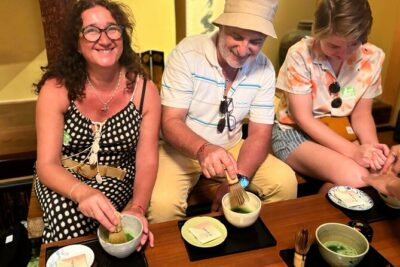
World Heritage Kyoto & Nara Uji Authentic Matcha Experience
Read our review →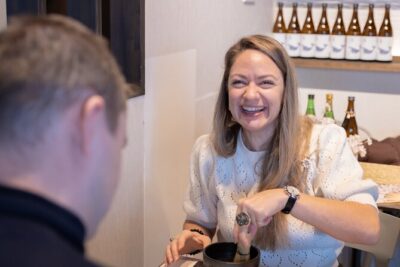
Matcha Making Class in Tokyo with Authentic Japanese Sweets Set
Read our review →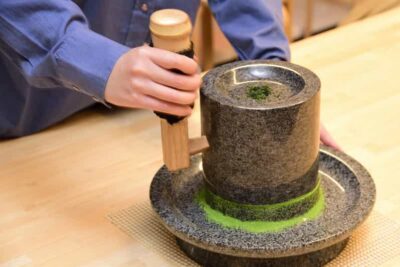
Kyoto: Tea Museum Tickets and Matcha Grinding Experience
Read our review →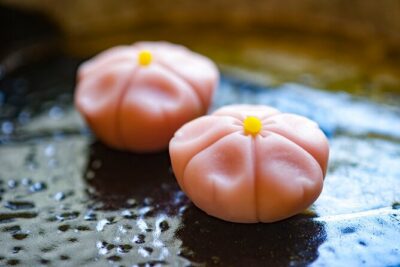
Matcha Making Class in Osaka with Authentic Japanese Sweets Set
Read our review →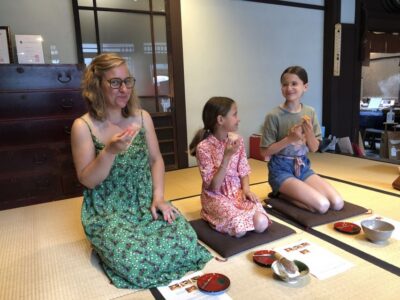
Kyoto: Tea Ceremony Meditation – Make Matcha with Tea Master
Read our review →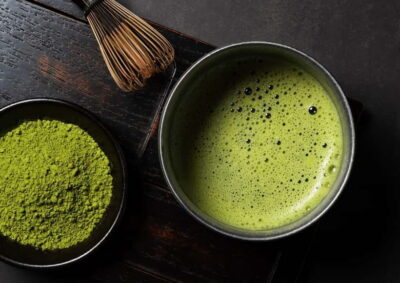
Tokyo: Matcha Making Experience with Mochi Sweets in Asakusa
Read our review →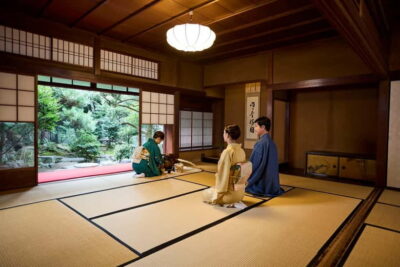
Kyoto: Kimono Tea Ceremony with Matcha and Sweet
Read our review →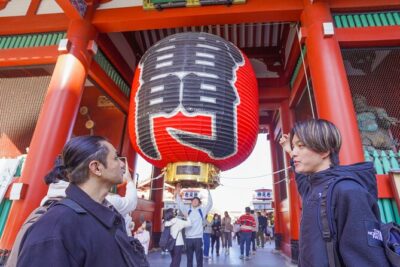
Browse the lists this tour appears in