
Review · DRINKING TOURS
Shanghai Mahjong Experience in Local Tea Bar
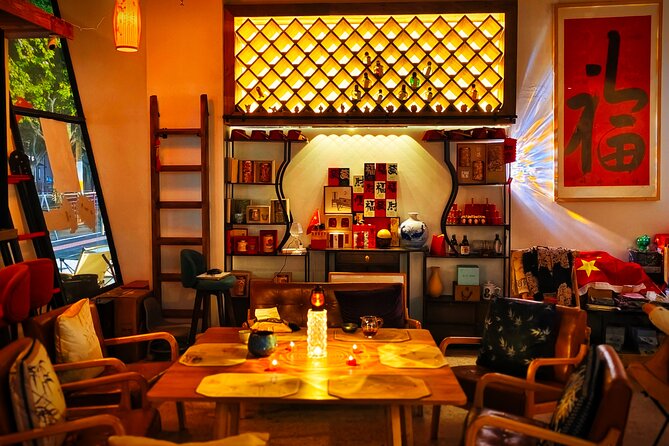
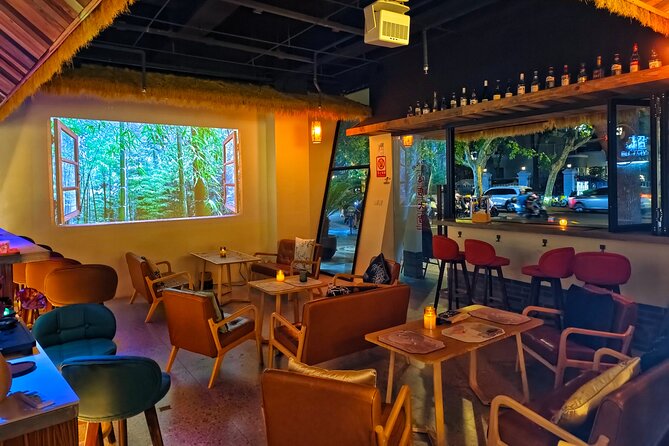
Shanghai Mahjong is best understood across a table, not behind a museum display. At a local tea bar near the Former French Concession, Jenny and her friends teach you the game, explain its place in Chinese life, and let you play on the automatic tables used in modern Mahjong rooms. The setting is the main attraction. You are seeing an everyday leisure activity in a real neighborhood, not a staged cultural show.
I like the patient English instruction and the fact that you get a handout to help sort out the rules. I also like the balance between explanation and actual play, especially the chance to handle an automatic Mahjong table. The main consideration is price: at $95 per person, this is not a cheap way to fill an afternoon, particularly if you only want a quick introduction.
Key points to know
- Meet at a local tea bar: The starting point is 327 Shan Xi Nan Lu in Huangpu District, within Shanghai’s Former French Concession.
- Learn from Jenny and local players: English translation helps complete beginners follow the rules, strategies, and cultural background.
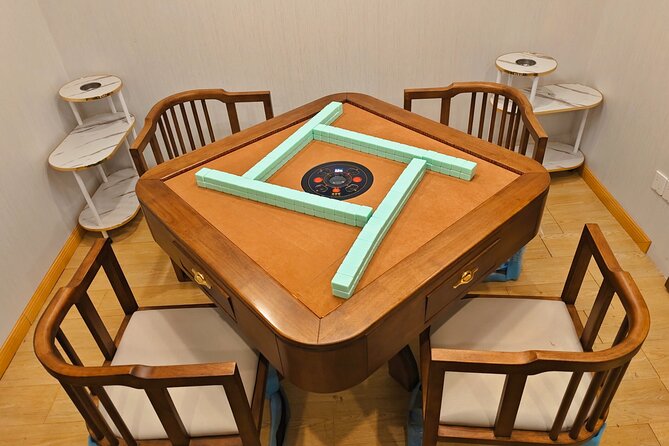
- Use an automatic Mahjong table: You will see the electronic tables common in casual and competitive Chinese play.
- Plan for about three hours: The time allows for teaching, practice, conversation, and several hands of Mahjong.
- Tea is not included: Coffee, tea, other drinks, and alcohol cost extra.
- Add a neighborhood walk: After the class, you can explore nearby Former French Concession streets and Tianzifang on your own.
A tea bar lesson in the Former French Concession
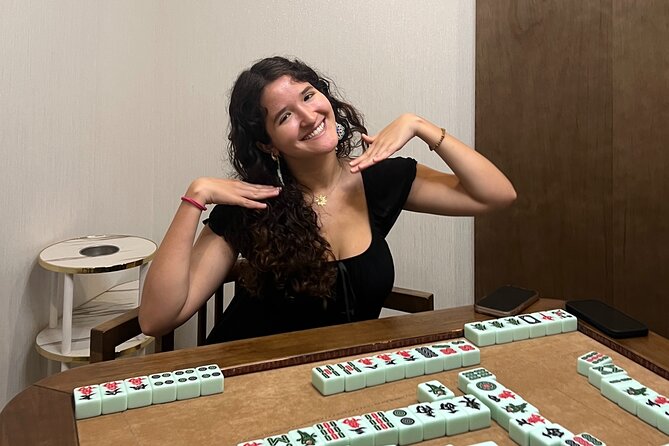
The meeting point is 327 Shan Xi Nan Lu, Huangpu District, Shanghai. The experience ends at the same place, which keeps the plan simple and makes it easy to continue with your own sightseeing afterward.
This area is a good match for the activity. The Former French Concession is known for its older streets, local shops, and mix of daily life and historic architecture. The Mahjong lesson gives you a reason to step inside a neighborhood tea bar rather than spending the whole afternoon moving between major sights.
The tea bar setting also changes the mood. Mahjong is not presented as a formal lecture. You sit around a table, handle the tiles, ask questions, and gradually see how the game works. That social format matters because Mahjong is learned by watching other people as much as by memorizing rules.
The venue is described as a local Chinese tea bar rather than a purpose-built tourist attraction. That means the experience may feel more personal and informal, but you should not expect a polished entertainment venue with a long list of included refreshments. Tea and other drinks are not part of the $95 price.
More Drinks Tours in China:
- Private Tea Ceremony and Sake Tasting in Kyoto Samurai House
★ 5.0 · 163 reviews - Tokyo Sushi Making Class : Sake Ceremony & Matcha Experience
★ 5.0 · 44 reviews - Kyoto Local Gourmet Night Experience: Kaiseki & Izakaya & Matcha
★ 5.0 · 22 reviews
What happens during the three-hour class
The session begins with instruction for beginners. You do not need prior Mahjong experience, and the class is designed to cover the basic rules before you are expected to play.
Mahjong can look confusing at first. There are many tiles, several ways to build a hand, and local variations in rules. A patient teacher makes a real difference here. Jenny provides an English explanation, and an English translator helps you keep up with both the mechanics and the cultural background.
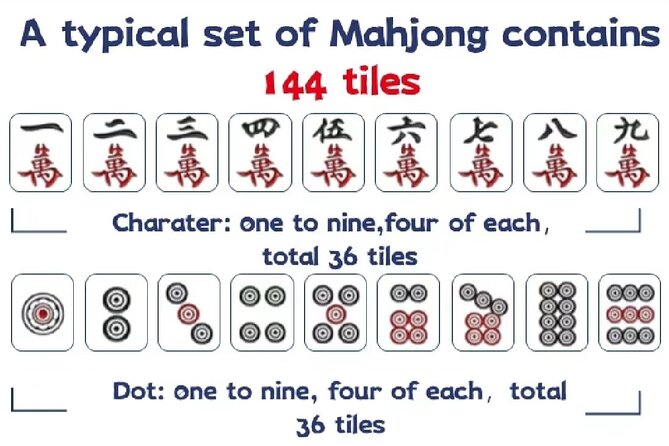
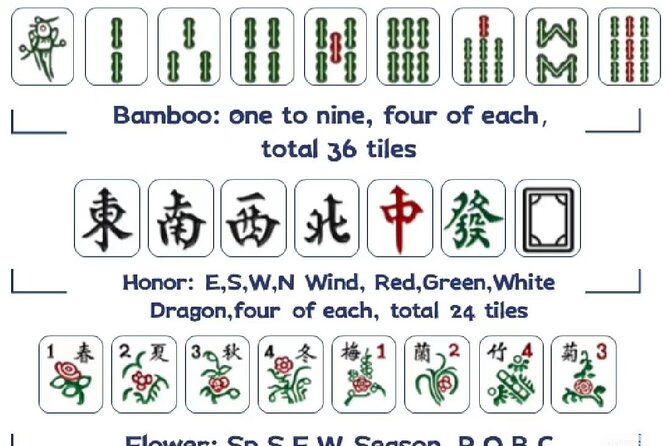
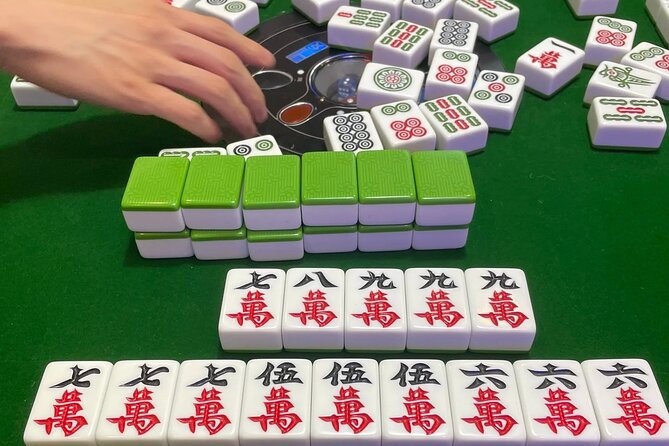
You should expect the first part to focus on the essentials: identifying tiles, understanding how a hand is formed, and learning what actions are available during play. Strategy comes after the basic structure makes sense. The supplied instruction sheet is useful because it gives you something to check when the table gets busy.
I like the fact that the teaching is paired with practice. A Mahjong class can become dry if it stays at the level of diagrams and vocabulary. Here, you move from explanation to hands-on play with a professional Mahjong master and local friends.
The exact pace will depend on your group. A private booking means only your party participates, so the instructor can respond to your questions instead of keeping to a fixed public class. That is helpful if one person in your group learns quickly while another needs more time.
Why the automatic table matters
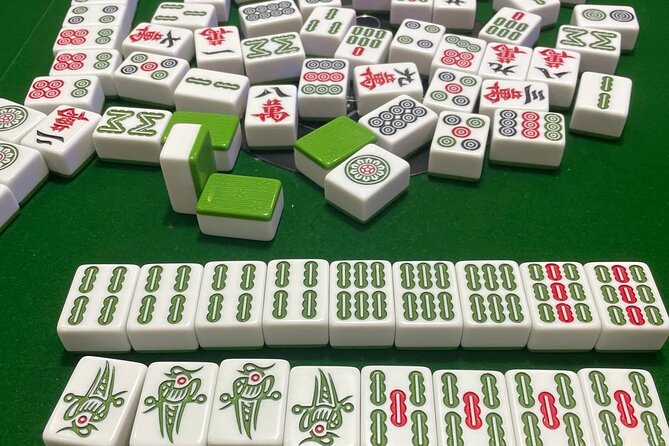
One of the more interesting parts is using an electronic Mahjong table. If you have only seen Mahjong played by hand, the table gives you a glimpse of how the game is handled in many modern Chinese settings.
Automatic tables do much of the tile preparation for you. They are used in casual and competitive play, so this is not merely a novelty added for visitors. It connects the lesson to the way people may actually play in contemporary China.
For a beginner, the machine also lets you focus on the game rather than spending all your energy arranging tiles. You can watch the table work, then pay attention to the choices being made around you.
There is a small tradeoff. The automatic table may make the session feel less old-fashioned than a hand-arranged game. If your main interest is traditional craft or the physical ritual of stacking tiles, this may not be the exact experience you imagined. If you want to understand how Mahjong is played today, it is a useful feature.
Mahjong as part of Chinese social life
The class is not only about winning a hand. You also hear how Mahjong fits into Chinese leisure and social life.
That context is important because Mahjong is more than a board game imported into a classroom. It is a way for people to spend time together, talk, compete, and maintain social ties. The tea bar setting helps make that point without requiring a formal cultural lecture.
The instructor explains the game’s development and its place in modern Chinese society. The focus is practical, but you also get a sense of why Mahjong remains widely played.
I find this cultural layer more useful than a quick list of historical dates. Once you understand that the game is a social activity, the table makes more sense. The sounds, pauses, tile choices, and friendly competition are part of a shared routine, not just steps in a puzzle.
The English translation is especially valuable here. Rules can be translated word for word, but social meaning is harder to catch. Having an instructor and translator explain both helps you understand what you are doing and why the game matters.
More tea experiences around China if you are still choosing
- One-Day Hangzhou Dragon Well Tea Culture & West Lake Private Tour
★ 5.0 · 98 reviews - Traditional Chinese Tea Ceremony Experience
★ 4.7 · 74 reviews - Beijing Culture: Tea Ceremony, Heritage Instrument & Calligraphy
★ 5.0 · 57 reviews - Tea Tasting and Pairing Concept Workshop
★ 5.0 · 57 reviews
The people make the lesson work
Jenny is the named host connected with the experience, and the session includes local friends who help create a relaxed table. The supplied feedback describes her instruction as patient and easy to follow, with no serious language barrier.
That is exactly what you want from a beginner class. Mahjong has enough new terms and decisions to make without adding worry about whether your question will be understood.
You should still expect to participate actively. This is not a performance where you sit back and watch an expert play. You will handle tiles, make choices, and learn through mistakes. That can feel slightly awkward in the first hands, but it is also how the game starts to make sense.
The private format is another plus. Only your own group takes part, which makes this a better fit for couples, families, friends, or a small group of colleagues than for someone hoping to meet a large international crowd.
The available information does not specify the maximum group size, so you should not assume the table will be arranged for one particular number of people. If the size of your party matters, confirm it before booking.
What the $95 price includes
The cost is $95 per person. Included are the Mahjong workshop, professional English guidance and translation, and use of the electronic Mahjong table.
The price makes more sense if you value personal instruction and cultural context. You are paying for about three hours, a private group format, a teacher, translation, and access to equipment that may be unfamiliar to you. It is not simply a drop-in game at a tea shop.
Still, the value depends on your interests. If you already know Mahjong well, the basic teaching may not justify the cost unless you specifically want to play with local people and learn about Shanghai’s style of leisure. If you are a complete beginner, the guided format saves you from trying to decode the game alone.
Drinks are not included. Tea, coffee, alcohol, and other beverages must be paid for separately. That is easy to overlook because the activity takes place in a tea bar, so budget a little extra if you want something to drink during the session.
Group discounts are available. For a family or larger private party, check the final price because the discount could improve the value.
Pair the class with Tianzifang
The activity ends back at the meeting point, giving you a useful base for more exploring. Tianzifang is nearby, and you can walk around the Former French Concession after the class.
This works well as an afternoon plan. The Mahjong session supplies a focused cultural activity, while the later walk lets you see the surrounding streets at your own speed. You are not being hurried from one attraction to the next.
I would avoid packing the rest of your day too tightly. The experience lasts about three hours, and the timing of instruction and play may feel more relaxed than a standard sightseeing stop. Leave room for a drink, a wander, or a meal afterward.
Because the endpoint is the same as the starting point, you can also plan your transportation more easily. The meeting point is near public transportation, though the available details do not name a specific station or line. Check the address in your map app before leaving and allow time to find the tea bar.
Who will enjoy this Shanghai experience
This is a strong choice for you if you want something social and local rather than another landmark visit. It suits first-time Mahjong players, couples, small private groups, and people who enjoy learning through conversation.
It is also a good fit during a business trip. One supplied account came from a couple in Shanghai for a conference who wanted an activity different from the usual sightseeing plan. The three-hour format gives you a distinct afternoon without requiring a full-day commitment.
Families and friend groups may appreciate the private setup and group discounts. Since the class is aimed at all levels, a mixed group can take part together.
You may want to skip it if you dislike table games, feel uncomfortable learning through trial and error, or want an activity with a lot of movement. Most of the time is spent at the Mahjong table. This is a seated social experience, not a walking tour.
The class is also less suitable if your only goal is to see the Former French Concession. You will be near the area, but the main event is Mahjong. Treat the neighborhood walk as an optional addition, not the core of the booking.
Practical details before you book
You receive confirmation at booking, and mobile tickets are supported. The experience is near public transportation, and most people can participate.
Free cancellation is available until 24 hours before the local start time. Cancel at least a day ahead for a full refund. Changes or cancellations inside that 24-hour window are not accepted for a refund.
Wear whatever is comfortable for a seated class. The supplied details do not identify a dress code or special equipment, and Mahjong materials are provided as part of the activity.
English translation is provided, but it is still worth bringing patience. Mahjong has a lot of small rules, and the first hand may move slowly while you get used to the tiles and terms. Keep the instruction sheet nearby and ask questions early.
Should you book the Mahjong tea-bar experience?
I would book this if you want a personal introduction to Chinese culture that feels social, practical, and different from standard Shanghai sightseeing. The local tea bar, English instruction, automatic table, and time with Jenny and local players give the experience a clear purpose.
At $95 per person, it is best seen as a private class and cultural activity, not a cheap game of Mahjong. The value is strongest for complete beginners and small groups who want a guided afternoon and plan to continue around Tianzifang afterward.
Skip it if you already play Mahjong confidently or if the price feels high for a seated activity. For everyone else, especially couples, friends, and conference visitors, this offers a memorable way to spend three hours in Shanghai while learning a game people actually play.
FAQ
Where does the Shanghai Mahjong experience begin?
It begins at 327 Shan Xi Nan Lu, Huangpu District, Shanghai, China, 200031. The activity also ends at the same meeting point.
How long does the Mahjong experience last?
The experience lasts approximately three hours.
Do I need to know how to play Mahjong beforehand?
No. The class is designed for complete beginners as well as people with prior experience.
Is English translation provided?
Yes. A professional English guide and translator explain the rules, strategies, techniques, and cultural background.
Are tea and other drinks included?
No. Tea, coffee, alcohol, and other drinks are not included in the price.
Can I cancel for a full refund?
Yes, if you cancel at least 24 hours before the local start time. Cancellations or changes made less than 24 hours before the experience are not refunded.
Fresh tea listings around China
- Full-day Tour: Spectacular Sunrise, Tea Plantation & Sunset★ 5.0 · 3 reviews
- Unlock Chinese Tea: Culture, Science, Tasting & Hands-on Brewing★ 5.0 · 12 reviews
- Chinese Tea Ceremony Experience★ 5.0 · 3 reviews
- Half-Day Hangzhou Jiuxi Stream and Tea Plantation Experience★ 5.0 · 2 reviews
- Private Hangzhou Day Tour to West Lake, Lingyin Temple, Tea Village, Old Pagoda★ 5.0 · 17 reviews
- Private Tour Hangzhou West Lake and Tea Fields Discovery★ 5.0 · 3 reviews
- Half-Day Hangzhou Private Tour with Green Tea Village and Lingyin Temple★ 5.0 · 3 reviews
- Half-Day Hangzhou Tianzhu Buddhist Mountain Hiking Tour with Green Tea Village★ 5.0 · 2 reviews
Drinking Tours, compared.

Private Tea Ceremony and Sake Tasting in Kyoto Samurai House
Read our review →
Tokyo Sushi Making Class : Sake Ceremony & Matcha Experience
Read our review →
Kyoto Local Gourmet Night Experience: Kaiseki & Izakaya & Matcha
Read our review →
Making Japanese desserts Nerikiri & drinking matcha in Tokyo
Read our review →Browse the lists this tour appears in