
Review · TEA CEREMONY EXPERIENCES
Traditional Chinese Tea Ceremony Experience
China’s tea culture is best understood with a cup in front of you. This Beijing ceremony turns tea from a quick drink into a careful ritual, with warming the pot, smelling the leaves, choosing water temperature, and timing each pour. I like the hands-on tasting and the chance to meet English-speaking hosts such as Richard Li or Feye. The $9 price is hard to beat for a cultural activity.
The main thing to watch is the broad duration, from 30 minutes to three hours, and the fact that your meeting point depends on the option you choose. This is not a sightseeing tour with a vehicle or a full-time guide. You make your own way there, and tea purchases are extra.
Key points to know before booking
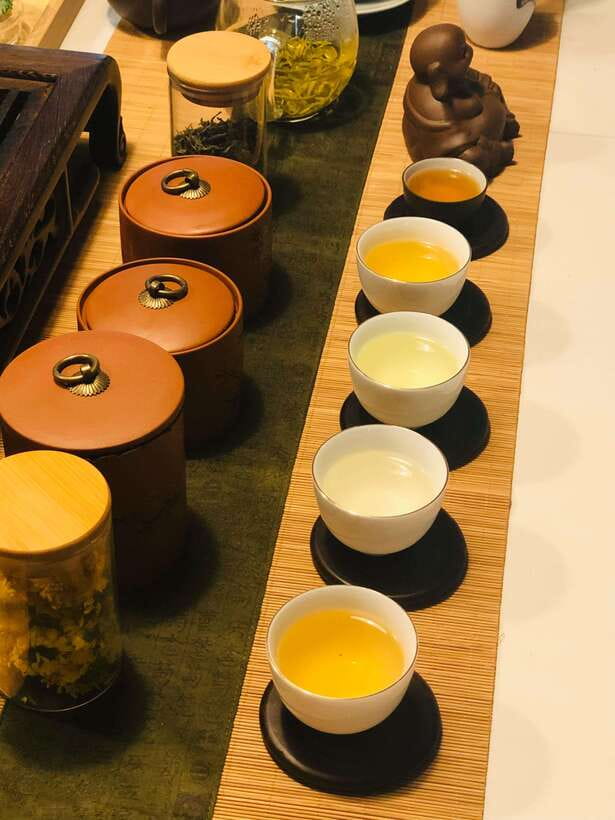
- Five mini cups are included, with tastings drawn from teas such as Oolong, Pu-erh, green, jasmine, and flower tea.
- The ceremony is about technique, including water temperature, steeping time, pouring, and the sensory qualities of the leaves.
- English support is available, with hosts including Richard Li and Feye on some bookings, and Russian-speaking Kostya on another.
- The activity can suit older children, but children under seven and pregnant women should not book it.
- Optional tea shopping follows the ceremony, so you can buy tea and porcelain at your own expense, but you are not required to purchase anything.
- You need to provide a WhatsApp number, and transportation is not included.
Why a Beijing tea ceremony is worth your time
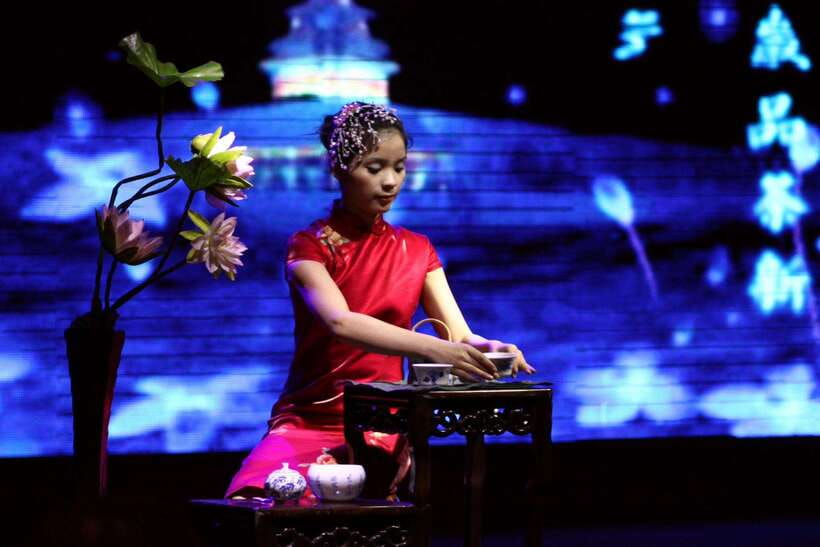
Tea is not a side note in Chinese culture. China is the birthplace of tea, and the ceremony gives you a close look at the manners and care attached to it. You are not simply handed a mug and told that a certain tea is famous. You watch the tea master handle the leaves, heat the vessel, and control the pour.
I like this kind of activity early in a Beijing visit because it gives you a useful cultural key. Afterward, you may notice tea shops, teahouses, and serving customs with a more informed eye. It also offers a calm break after a major sight such as the Forbidden City.
The ceremony centers on respect, harmony, and mindfulness. Those ideas can sound grand on paper, but the practical details make them clear. Waiting for the right water temperature shows respect for the tea. Serving small portions encourages attention. Taking time to smell the leaves before drinking turns a routine action into a shared moment.
This is also a good choice if your Beijing schedule is full of palaces, walls, temples, and city traffic. The activity is indoors and focused. You get a chance to sit, listen, and use your senses rather than rushing from one landmark to the next.
More Chinese Tea Ceremonies in China
- One-Day Hangzhou Dragon Well Tea Culture & West Lake Private Tour
★ 5.0 · 98 reviews - Authentic Hangzhou Longjing Tea Culture Experience Tour
★ 5.0 · 32 reviews - Chinese Tea ceremony in Beijing Hutong courtyard
★ 4.7 · 26 reviews
Meeting the tea master in Beijing
Your host or greeter speaks English, and the language support is one of the strongest reasons to book this activity. Richard Li has led sessions with clear English and practical help, including assistance with directions to and from the tea venue. Feye has also hosted ceremonies in English, bringing humor and detailed explanations to the session.
The exact person depends on the booking. A Russian-speaking tea master named Kostya has also led a ceremony, so check the language details if Russian support matters to you. The supplied information lists English as the activity language, but the names and staff can vary.
Do not confuse the host with a conventional Beijing guide. No tour guide or transportation is included. The host or greeter helps with the ceremony and may direct you from the meeting point, but you should read your confirmation carefully for the exact location.
One useful instruction is easy to miss: leave your WhatsApp number when booking. This helps the operator contact you with meeting details. Since the meeting point may change according to the option selected, keep your phone available on the day.
The opening ritual: warming the pot and meeting the leaves
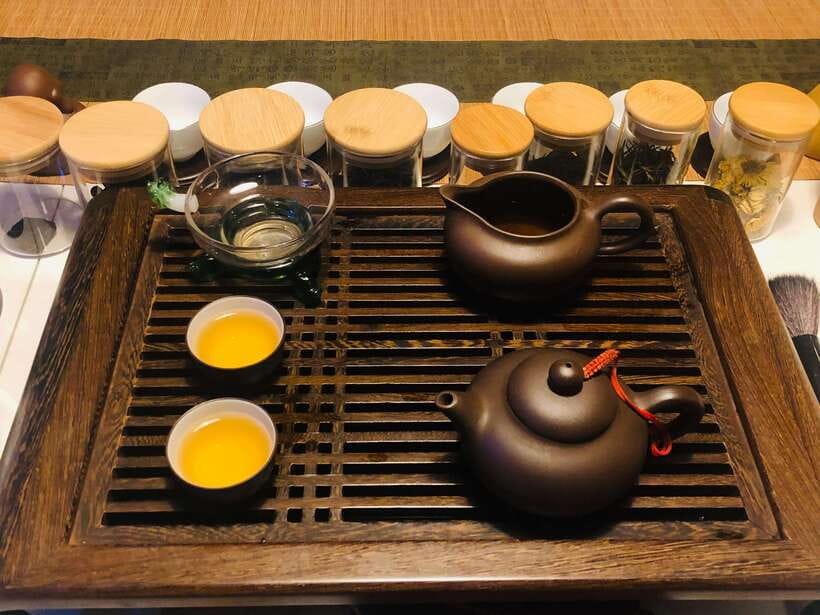
The ceremony begins with preparation, not drinking. The tea master warms the teapot or serving vessel, introduces the leaves, and explains what you are about to taste. This opening matters because it slows down the session and gives you a way to compare each tea.
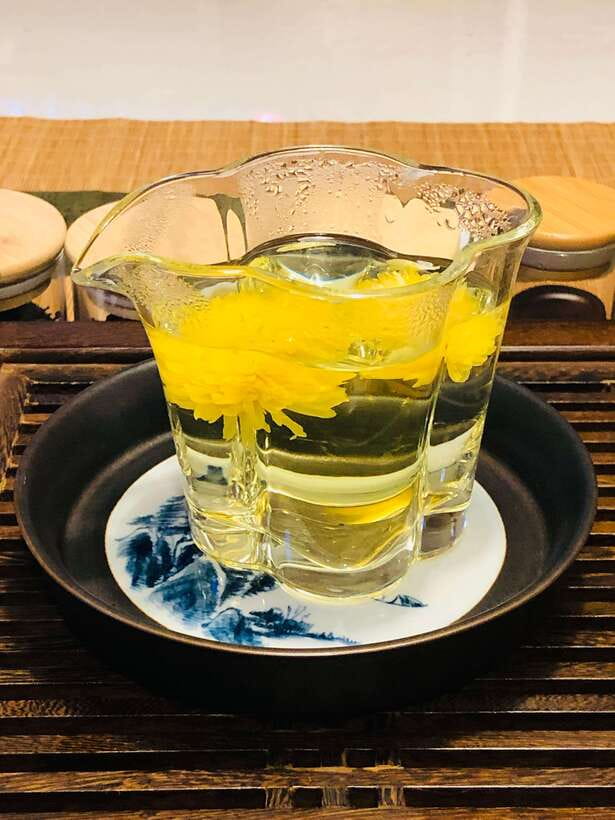
You may handle or smell high-quality leaves before they are brewed. That step is more useful than it might sound. Dry leaves can have a very different scent from brewed tea, and the shape, color, and aroma help explain why teas behave differently in hot water.
The range can include Oolong, Pu-erh, green tea, jasmine tea, and flower tea. You should expect at least five mini cups as part of the included ceremony. One session included six different teas, but the exact selection depends on the tea master and the day.
The small portions are a strength. You get variety without having to drink large cups of tea or commit to one flavor. If you are new to Chinese tea, five small servings let you compare fragrant jasmine with a more earthy Pu-erh or a lighter green tea.
Water temperature and steeping time
This is where the ceremony becomes a lesson rather than a tasting flight. The tea master explains that different teas need different treatment. Water that is too hot or steeping that lasts too long can overpower delicate leaves, while a stronger tea may need more time to show its character.
You will watch the host control the timing and pouring. Each step is deliberate, from warming the pot to filling the small cups. The point is not to memorize a strict rulebook. It is to understand that tea changes with heat, water, and time.
I find this part especially useful for anyone who buys tea to take home. Without guidance, it is easy to use boiling water for everything and leave the leaves steeping too long. Even a short ceremony can give you a better starting point for brewing later.
The teaching is also accessible to children old enough to follow instructions. Children aged 10 and 13 enjoyed the activity on one booking, while the minimum age is seven. The small cups, scents, and repeated steps can hold a child’s attention better than a long museum explanation.
More Tea Ceremonies in China
- Beijing Culture: Tea Ceremony, Heritage Instrument & Calligraphy
★ 5.0 · 57 reviews - Beijing Culture Event: Tradition Music, Tea Ceremony, Calligraphy
★ 5.0 · 11 reviews - Beijing: Temple Of Heaven+Tai Chi Class+Tea Ceremony
★ 5.0 · 8 reviews - Beijing: Chinese Culture Tea Ceremony Reservation Service
★ 4.8 · 4 reviews
Tasting five mini cups, one careful pour at a time
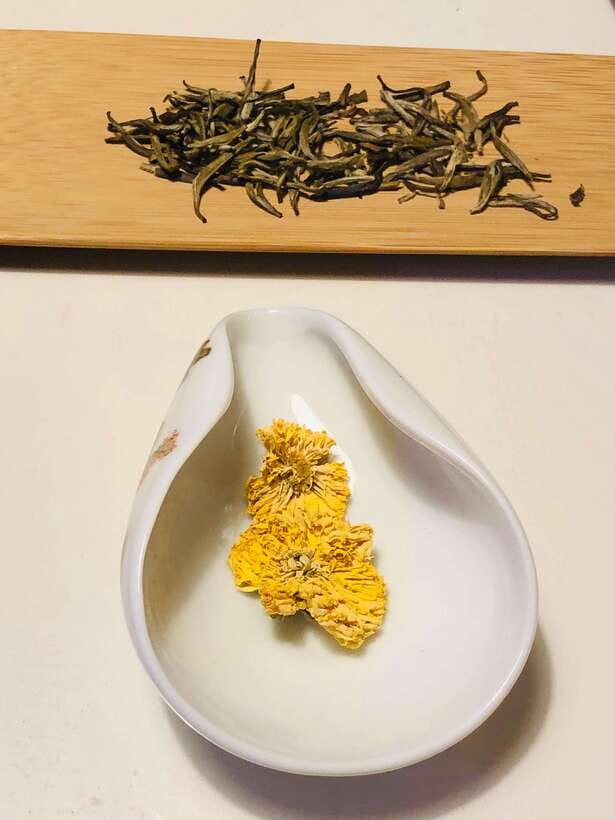
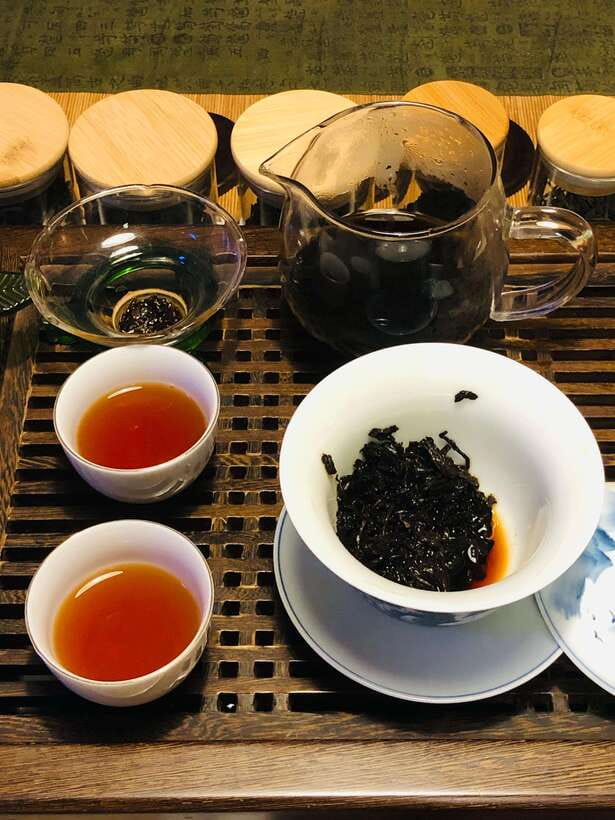
The tasting is the heart of the activity. You will receive five mini cups of tea, though the exact types are not guaranteed. The ceremony may include the tea families listed above, and you can expect the tea master to explain how they differ in color, aroma, taste, and preparation.
Do not expect a Western-style tea service with a large pot and one chosen blend. The Chinese approach here is more measured. You taste smaller servings and pay attention to the changes between pours.
Look, smell, then taste. The process uses sight, scent, and flavor, which is why the ceremony feels more active than a simple refreshment stop. If you are unsure what to notice, ask the tea master to compare two teas directly. English-speaking hosts are there to explain the process, not just to serve the cups.
The ceremony can work well for couples and small family groups. It also makes a pleasant afternoon activity after the Forbidden City, as one booking did. At $9 per person, the price is low enough to fit into a sightseeing day without taking money away from major attractions.
Optional shopping for tea and porcelain
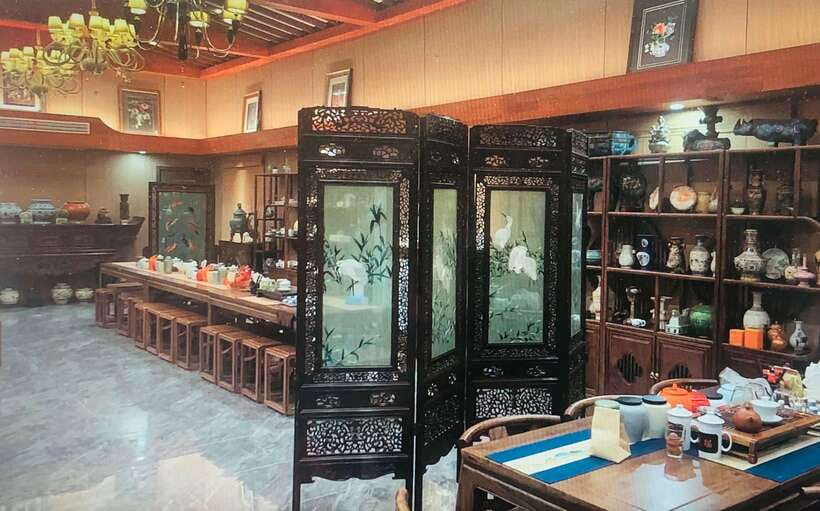
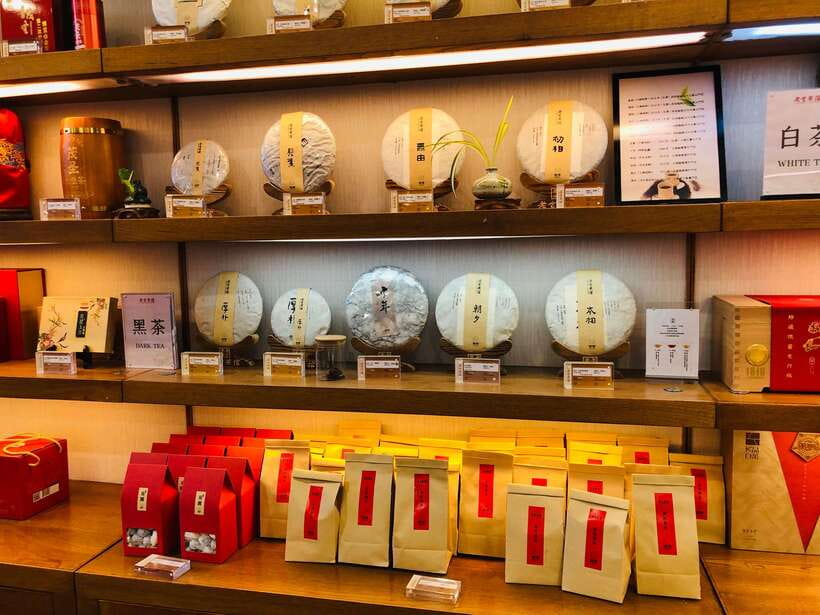
After the ceremony, you may have the chance to buy tea to take home. Some sessions also include a shop with Chinese porcelain and higher-end teas. Shopping is optional and is not included in the $9 price.
This is the point where you should keep your budget in mind. The tasting lets you try products before buying, which can be helpful if you want a souvenir with a genuine connection to your time in Beijing. You can ask the tea master which tea you just tasted and how to prepare it at home.
At the same time, do not assume the low booking price covers a tea purchase. Any tea, porcelain, or other item costs extra. I would decide before arriving whether you want to shop, and set a spending limit if you are traveling on a tight budget.
A tea purchase can be more useful than a generic souvenir, but only if you know what you are buying. Ask about the tea type, brewing temperature, steeping time, and storage. The ceremony gives you a better basis for that conversation, but you should still buy only what you actually want.
Calligraphy, food, and extra activities
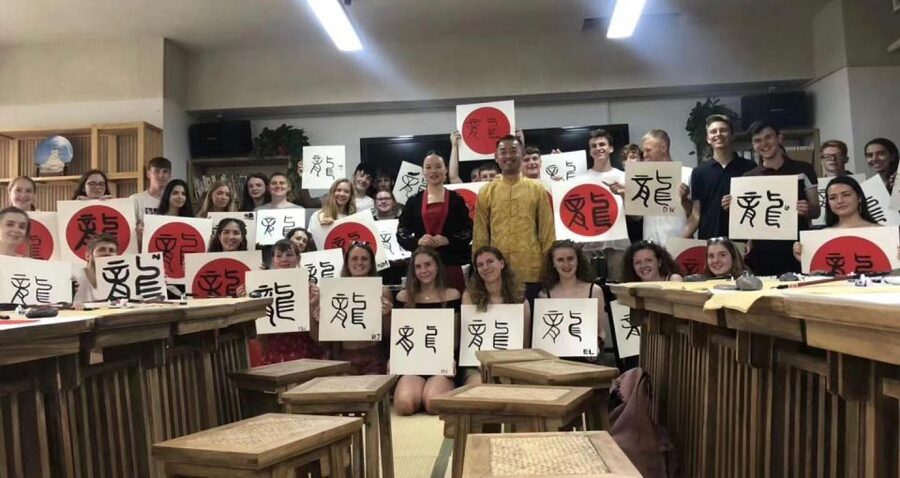
Some comments about this experience also refer to calligraphy and a Beijing food activity, including dumplings. Those appear to be additional experiences connected with the host or venue, not guaranteed parts of the basic tea ceremony.
The listed inclusions are the tea ceremony and five mini cups of tea. If calligraphy or a meal is important to you, check the exact option before paying. A booking that includes only tea should not be expected to include a dumpling lunch, calligraphy lesson, welcome gift, or souvenir.
That said, the connection makes sense. Tea, calligraphy, food, and porcelain all fit into a wider picture of Chinese arts and daily life. If your chosen package includes extras, they may turn a short tasting into a longer cultural session. Just confirm the duration and inclusions so the schedule matches your plans.
How long the ceremony takes
The advertised duration ranges from 30 minutes to three hours. That is a wide spread, so availability and the option you select matter. A short booking can suit you if you have a packed day. A longer one may allow more tea varieties, slower explanations, shopping, or related activities.
For a quick introduction, 30 minutes should be enough to see the basic preparation and taste the included tea. If you want time for questions, shopping, or calligraphy, choose a longer option if available.
Do not place this activity between two fixed appointments without checking the starting time. The tea ceremony itself may be short, but meeting arrangements and additional activities can affect your total time. Availability shows the starting times, so check before booking.
The meeting point may vary. Transportation is not included, although some hosts have helped people from a subway meeting point or walked them back afterward. Treat that as host assistance rather than included transport, and plan to reach the designated meeting place yourself.
Who should book this experience
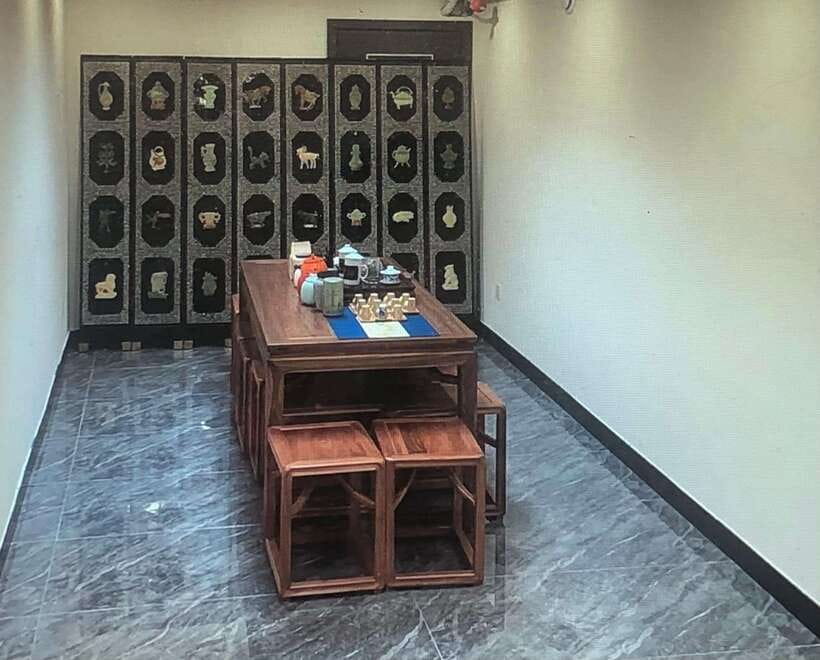
I would recommend this activity to first-time visitors who want a manageable introduction to Chinese tea culture. It suits people who enjoy food tastings, craft demonstrations, and small cultural lessons more than large guided tours.
It is also a good fit for:
- Couples looking for a quiet Beijing activity
- Families with children aged seven and older
- Tea drinkers who want practical brewing advice
- Visitors needing an indoor break after sightseeing
- People who want to buy tea but prefer to taste first
- Anyone with only a short free window, provided the chosen duration fits
Children under seven should not book, and the activity is listed as unsuitable for pregnant women. If either point applies to someone in your group, choose another Beijing activity.
You should skip this if you want a full city tour, hotel pickup, or transportation between attractions. The ceremony has a narrow focus. That is its strength, but it also means you should not expect a guide to explain the Forbidden City, Beijing neighborhoods, or other sights.
Is $9 good value?
At $9 per person, the value is strong if you want more than a drink. You receive a traditional ceremony and five mini cups, plus instruction on leaves, temperature, steeping, and pouring. An English-speaking host adds practical value because the customs are easier to understand when you can ask questions.
The price does not include transportation, a tour guide, shopping, or other unlisted costs. That keeps the base price low, but you need to budget for getting to the meeting point. Tea purchases can also raise the final cost.
I would view this as a low-cost cultural introduction, not a luxury tea tasting. The setting may be attractive, and one booking took place in a beautiful tea house, but the package does not promise a particular venue or premium tea collection. Its value comes from the demonstration and access to several teas rather than from a long formal lesson.
Free cancellation is available up to 24 hours before the activity for a full refund. You can also reserve now and pay later, which helps if your Beijing schedule is still changing.
Should you book the Beijing tea ceremony?
Book it if you want a short, affordable way to understand how Chinese tea is prepared and served. The strongest parts are the careful brewing demonstration, the range of tea styles, and the chance to ask an English-speaking tea master direct questions.
I would be especially happy to recommend it after a morning at the Forbidden City, before an evening meal, or on a day when you need a quieter activity. Richard Li and Feye have provided friendly English support, and the ceremony has also worked well for older children.
Keep your expectations clear. You arrange your own transportation, the meeting point varies, shopping is extra, and the duration depends on the option you choose. If you accept those limits, $9 buys a pleasant cultural lesson with real practical value. If you want a broad Beijing tour, choose something else.
FAQ
How much does the tea ceremony cost?
The listed price is $9 per person.
How long does the activity last?
The duration ranges from 30 minutes to three hours. Check the available option and starting time when booking.
What is included?
The tea ceremony and five mini cups of tea are included.
What types of tea might I taste?
The ceremony may include Oolong, Pu-erh, green tea, jasmine tea, and flower tea. The exact selection can vary.
Is transportation included?
No. Transportation is not included, and you must make your own way to the meeting point.
Is a tour guide included?
No full tour guide is included. The activity provides a host or greeter, with English listed as an available language.
Where do I meet the host?
The meeting point may vary depending on the option you book. Check your booking details for the exact location.
Can I buy tea after the ceremony?
Yes. You may purchase tea afterward at your own expense. Shopping is optional and is not included in the activity price.
Can children join?
Children under seven are not suitable for this activity. Older children can join, and children aged 10 and 13 have taken part.
What should I provide when booking?
You should provide a WhatsApp number so the operator can contact you with activity details.
Fresh tea listings around China
- Chongqing 1941 theatre: Tea Art Performance with Folk Art★ 3.8 · 8 reviews
- Beijing:Learn Calligraphy & Enjoy Kung Fu Tea Ceremony★ 5.0 · 2 reviews
- Beijing: Temple Of Heaven+Tai Chi Class+Tea Ceremony★ 5.0 · 8 reviews
- Beijing Hands-On Culture Tour: Tea, Instrument, Calligraphy★ 5.0 · 6 reviews
- Beijing: Chinese Culture Tea Ceremony Reservation Service★ 4.8 · 4 reviews
- Qixianfeng Tea Plantation Tour in Yangshuo★ 4.6 · 4 reviews
- 3 hours Xi’an Mahjong Class with Local Tea★ 5.0 · 2 reviews
- Xi’an Calligraphy & Tea Ceremony – Dive into Ink & Brush Artistry★ 5.0 · 4 reviews
Tea Ceremony Experiences, compared.
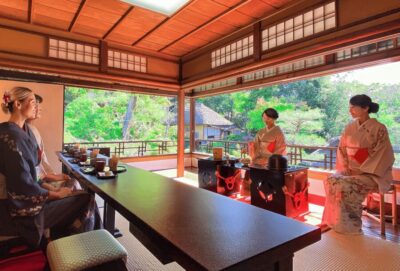
Kyoto: Tea Ceremony in a Traditional Tea House in Kiyomizu
Read our review →
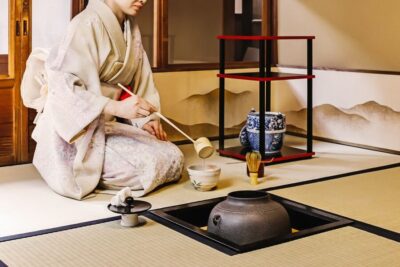
Kyoto: 45-Minute Tea Ceremony Lesson Experience
Read our review →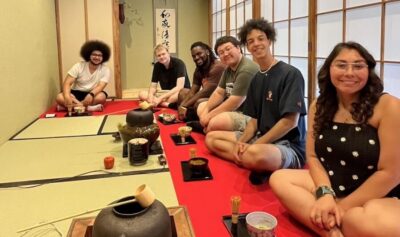
Kyoto: Table-Style Tea Ceremony at a Kyo-Machiya
Read our review →
Browse the lists this tour appears in