
Review · CHINESE TEA CEREMONY TOURS
Tainan Culture Trip: Chinese Tea Ceremony_Oolong Tea
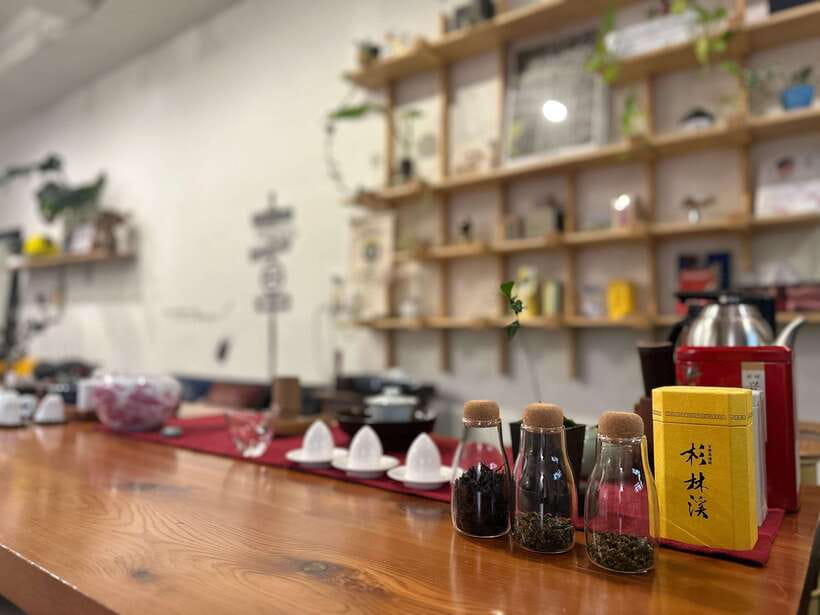
At the Tainan TOT House, tea is not rushed down as a drink. King guides you through at least four Taiwanese Oolong teas, showing how aroma, color, texture, and flavor shift from one infusion to the next. You also learn why the pot, tray, Gaiwan, and cup are part of the experience, not just tableware.
I like the private format for two people, which gives you room to ask questions and compare impressions without a large group around you. I also like the mix of tasting and cultural explanation, from tea etiquette to its place in daily Taiwanese life. The main consideration is the setting: the meeting point looks like an ordinary home, so you need to press the bell and arrive prepared rather than expecting a shopfront.
Key points to know before booking
- At least four Oolong teas: Compare floral, fruity, roasted, woody, and other changing notes across several brews.
- King leads the ceremony in English: He explains tea production, Taiwanese customs, Tainan, and the meaning behind the steps.
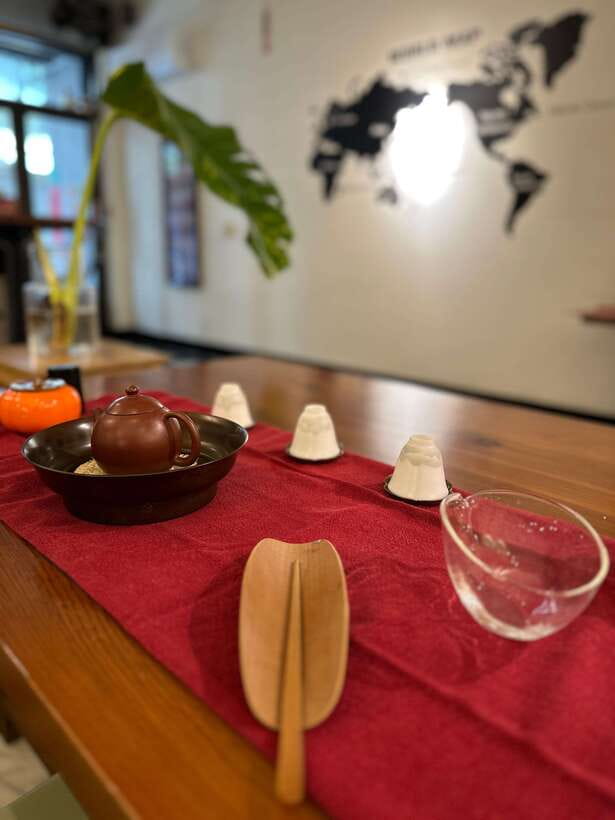
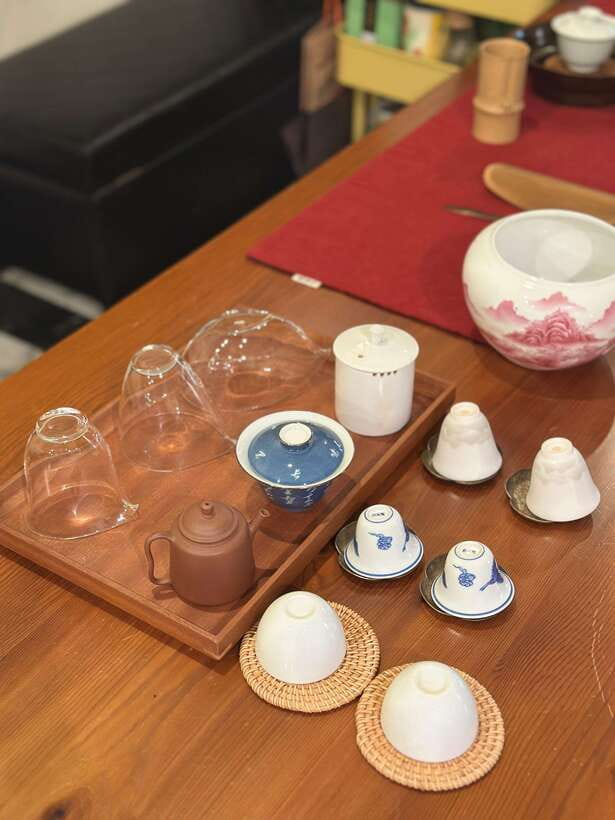
- Traditional equipment matters: You will use both a Gaiwan and terracotta teapots, along with at least three cup shapes and textures.
- Private group of up to two: The $50 price covers the group, not each person, making it good value for a couple or two friends.
- A quiet, hands-on experience: You learn how to accept a cup, show thanks, and handle the ceremony with proper courtesy.
- Plan for a calm 90 minutes: No meal or transportation is included, and smoking and video recording are not allowed.
Why an Oolong tasting works well in Tainan
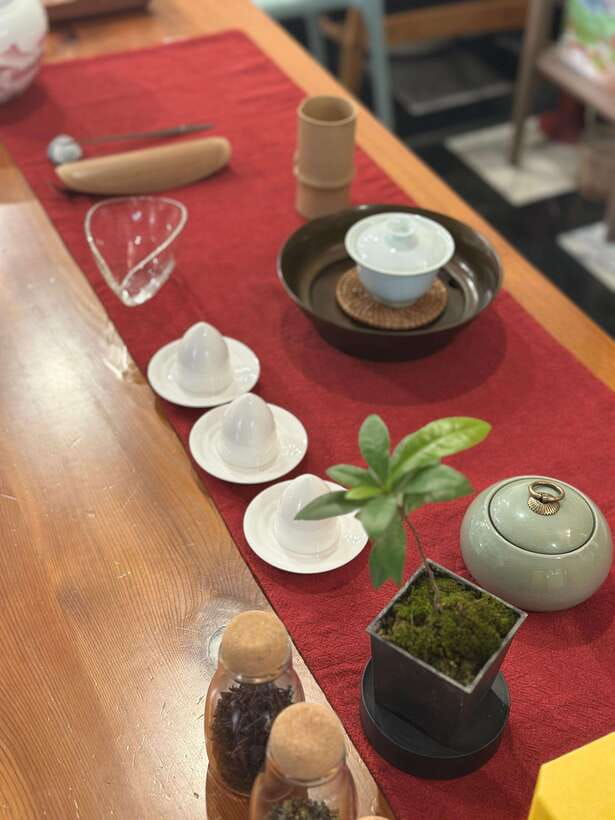
Tainan is known for food, temples, old streets, and a slower rhythm than Taiwan’s biggest cities. A tea ceremony gives you a different way to understand the city. Instead of moving from sight to sight, you sit down and pay attention to a small set of details: the scent of dry leaves, the color of the first pour, the shape of a cup, and the changing taste of a second or third infusion.
Oolong is especially useful for this kind of lesson because it sits between green and fully oxidized black tea. Its character can shift widely. One tea may suggest flowers or fruit, while another carries toasted, woody, or roasted notes. The point is not to guess the exact flavor like a wine professional. King helps you notice how the tea feels and changes.
I like that this is not presented as a lesson only for serious tea collectors. The experience is meant for beginners, but it also gives experienced tea drinkers enough range to compare several Taiwanese Oolongs and brewing methods. You can ask basic questions without feeling out of place, or focus on subtle differences if you already know your way around a tea shop.
More Chinese Tea Ceremonies in Taiwan:
- Taiwanese Baking Class with Oolong Tea Tasting in Taipei
★ 5.0 · 4 reviews - Pineapple Pastry with Egg Yolk, Longan Cake, High Mountain Oolong Tea. Taiwan Traditional Dessert Experience-D (Taipei Cooking Class)
★ 5.0 · 2 reviews - One-Day Hangzhou Dragon Well Tea Culture & West Lake Private Tour
★ 5.0 · 98 reviews
Arriving at the Tainan TOT House
The meeting point is the TOT, or Taiwan Oolong Tea, House. Its front door looks like a normal household entrance. That detail matters, since you could easily walk past while searching for a commercial tea room. Press the bell when you arrive.
You should contact King by WhatsApp or email at [email protected] after placing your booking. That gives you a direct way to confirm the appointment and avoid confusion at the door. Transportation is not included, so you need to make your own way to the venue.
The setting appears designed for conversation rather than a large public demonstration. The private group limit is two people, which suits a couple, two friends, or a solo visitor who wants plenty of time to ask questions. It also means the ceremony can feel personal and unhurried.
One practical point needs clarification before you book. The activity information says the venue is wheelchair accessible, but it also says the experience is not suitable for people with mobility impairments. Those statements do not fully match. If access is important to you, contact King first and confirm the entrance, seating, and facilities.
The first part of the ceremony: tea, China, and Taiwan
The session begins with an explanation of tea’s origins in China and its place in Chinese culture. You learn about the main tea categories and what makes Oolong different from other types.
This opening gives the tasting a useful frame. You are not simply handed several cups and told to choose a favorite. You learn why processing affects the final character and why the same broad category can produce very different results.
The discussion also reaches beyond flavor. Tea has a place in traditional Chinese medicine, social customs, rituals, and ordinary daily life. That context helps explain why the ceremony pays close attention to manners and movement. Tea is both a beverage and a way of welcoming, sharing time, and showing respect.
King also talks about Taiwan and Tainan. Several sessions have included practical conversation about the city, local food, nearby temples, and places to visit. That makes the experience useful on two levels: you learn about tea, and you get a more personal introduction to the city around you.
Learning the etiquette without feeling awkward
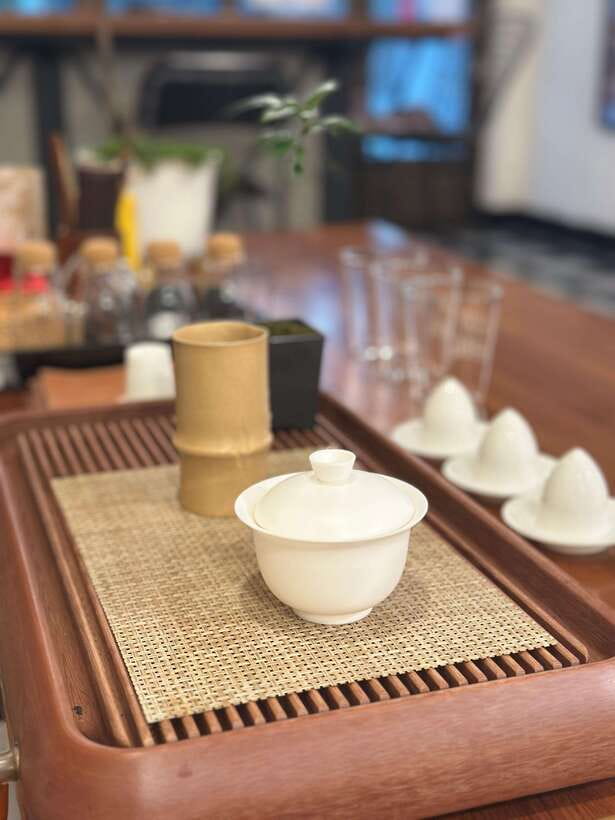
Tea ceremony etiquette can seem formal if you only see it from a distance. Here, it is broken into simple actions. You learn how to accept a cup, how to receive tea politely, and how to show gratitude.
The manners are not there to test you. They help create a calm exchange between the person preparing the tea and the person drinking it. Once you understand the reason behind each gesture, the ceremony feels less like a performance and more like a shared custom.
This is one of the strongest reasons to choose a guided session instead of tasting tea alone. You can buy excellent tea in Taiwan, but you may not know how a particular vessel or pouring style changes the experience. King can explain what he is doing as he works, then let you try basic techniques yourself.
You should also follow the house rules. Do not wear strong perfume, since fragrance can cover the tea’s aroma. Cellphones and video recording are not allowed during the ceremony, and smoking is prohibited. These limits may feel strict to some people, but they protect the quiet focus that makes the tasting worthwhile.
More tea experiences around Taiwan if you are still choosing
- From Taipei: Thousand Island Lake and Pinglin Tea Plantation
★ 4.7 · 519 reviews - Thousand Island Lake and Pinglin Tea Plantation from Taipei
★ 4.5 · 172 reviews - Xiao Long Bao, Beef Noodles & Boba Tea Cooking Class in Taipei
★ 5.0 · 159 reviews - From Taipei: Pinglin Tea Culture and Maokong Guided Day Tour
★ 4.8 · 104 reviews
Gaiwan, terracotta pots, and the art of the table
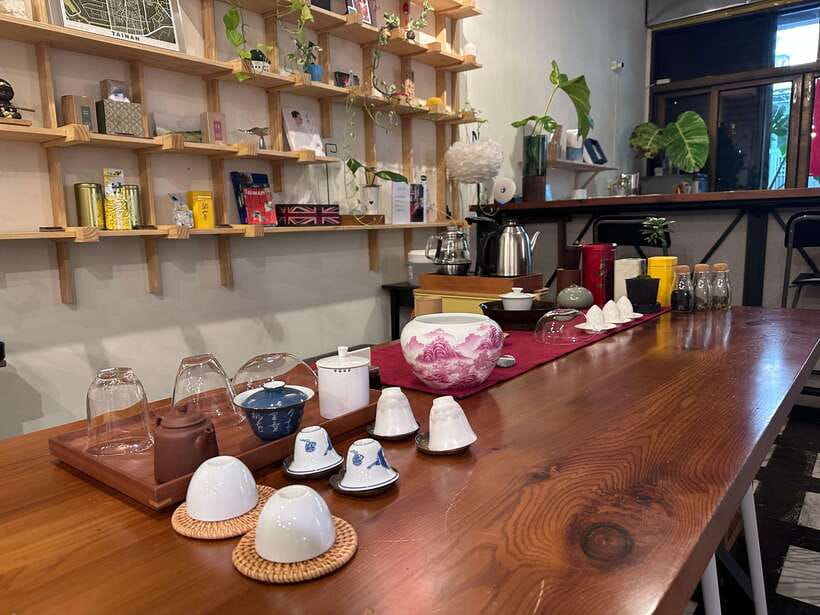
The utensils are not decoration added after the fact. The Gaiwan, terracotta teapots, tea cups, tray, and other tools shape how you see, smell, hold, and taste the tea.
A Gaiwan is a lidded bowl used to brew and pour tea. It lets you observe the leaves closely and control the infusion with care. Terracotta pots offer another approach, with a different feel in the hand and a different visual character on the table.
You will appreciate at least two brewing utensils, including a Gaiwan and terracotta teapots. King also uses a minimum of three kinds of tea cups, with different shapes and textures. This is a small but important detail. A narrow cup can direct aroma toward your nose, while another shape may feel better for holding and sipping. The contrast helps you understand why tea service pays attention to the vessel.
I particularly like this part for visitors who enjoy ceramics, craft, or design. You are not only tasting what is in the cup. You are noticing the relationship between leaf, water, pot, cup, and hand. The ceremony turns ordinary objects into part of the lesson.
Tasting at least four Taiwanese Oolongs
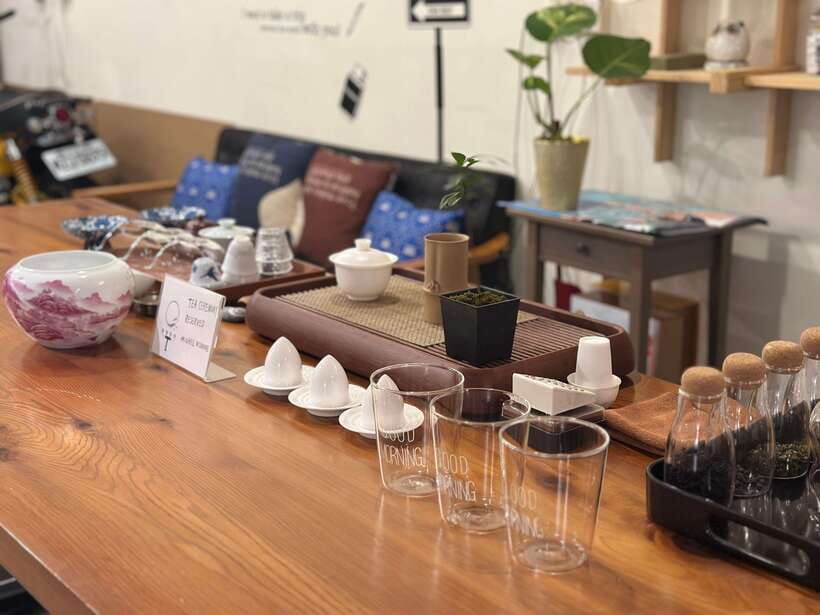
The main event is the tasting. You receive at least four Oolong teas, and some sessions include five. Each tea is brewed in a way that allows you to compare aroma, flavor, body, and aftertaste.
Start with the dry leaves if King offers them for inspection. Notice their shape and scent before water changes them. After brewing, pay attention to the color and fragrance, then take a small sip. The first impression may be light or restrained, while later infusions can reveal more sweetness, toast, fruit, flowers, or wood.
Do not worry if you cannot name every note. A useful question is simply: What changed? Did the tea become softer, stronger, sweeter, or more roasted? Did the aroma remain in your mouth after you swallowed? Those observations are enough to build a better sense of taste.
The number of teas matters because comparison teaches faster than a single cup. You may discover that you prefer a floral style to a roasted one, or that a tea you first find mild develops more character after another infusion. This is also a good chance to ask how tea is produced and how Taiwanese growing regions affect the finished drink, as far as the session covers those topics.
The ceremony does not include a meal. That is worth remembering if you are hungry. Tea can be filling enough for some people, but you should plan food separately before or after the 90-minute appointment.
A relaxed session with room for questions
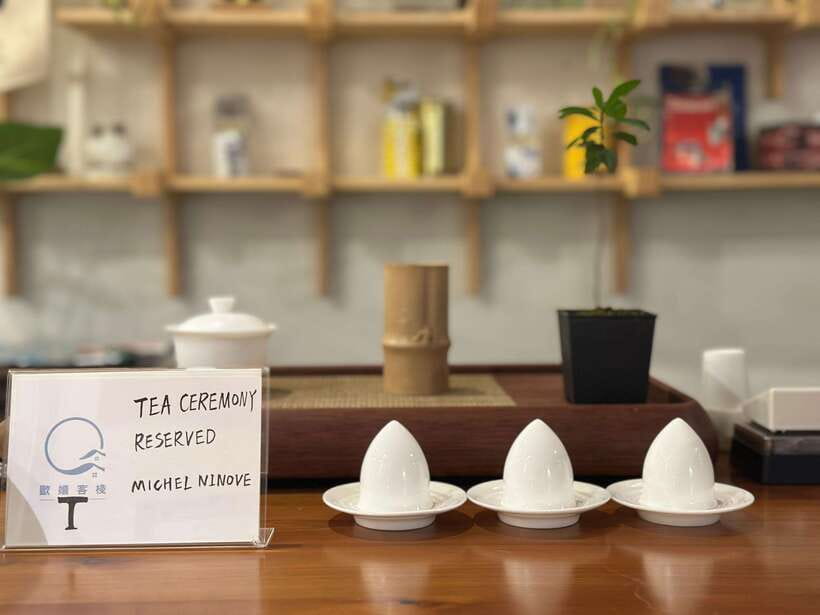
King’s role is more than pouring tea. He explains the process, answers questions, and adjusts the conversation for different levels of experience. English is the working language, and the activity is designed for international visitors.
The tone is friendly and personal rather than stiff. You can ask about tea flavor, production, Taiwanese culture, or Tainan itself. Previous sessions have also included discussion of calligraphy, pottery, nearby temples, local restaurants, and useful places to visit.
That flexibility is valuable if you are spending only a short time in the city. One visitor booked the ceremony during a day trip and received help adjusting the session around a train departure. Do not assume every schedule change is possible, but it is sensible to contact King early if your timing is tight.
The private setup also helps if you are shy about asking beginner questions. You do not have to keep pace with a tour group or pretend to understand tea language. At the same time, a serious tea drinker can ask more detailed questions and compare the effect of different pots and cups.
Price, length, and overall value
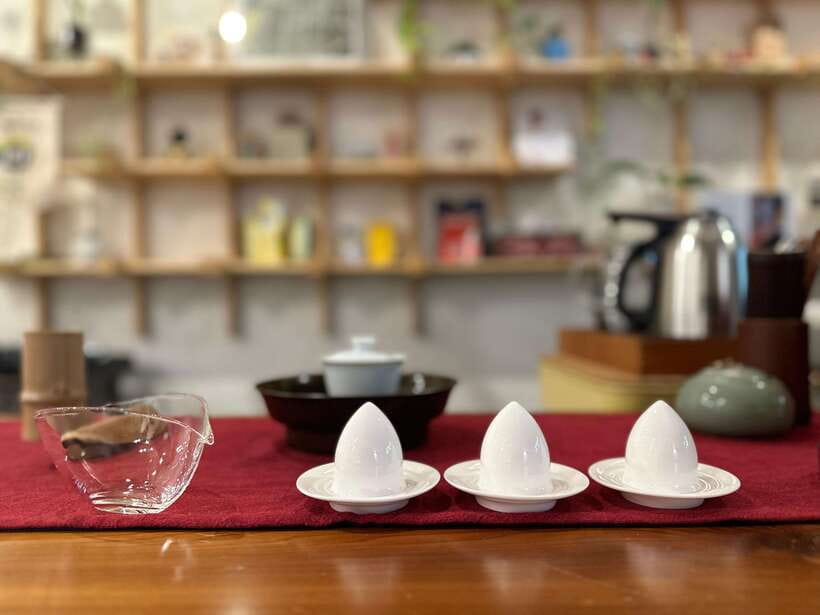
The price is $50 per group of up to two people for 90 minutes. That works out to $25 each when two people attend, with the advantage of a private appointment rather than a shared group session.
For the price, you receive guided instruction, at least four Oolong tastings, several cup styles, and the use of both Gaiwan and terracotta brewing equipment. You are also paying for time with King, whose role combines tea service, cultural explanation, and local conversation.
I consider this good value if you are curious about Taiwanese tea and want more than a quick retail tasting. It is less suitable if you only want to drink a cup casually, need a full meal, or prefer to record the session for social media. The no-video rule is clear, and the experience depends on paying attention in the moment.
Free cancellation is available up to 24 hours before the activity for a full refund. You can also reserve and pay later, which helps if your Tainan schedule is still shifting. Check the available start times when booking, since the duration is fixed at 90 minutes.
Who should book this tea ceremony
I would recommend it to couples and friends who want a quiet cultural activity between temples, meals, and shopping. It is also a strong choice for solo visitors who enjoy conversation and want a more personal introduction to Taiwan.
Tea beginners are welcome. You do not need special knowledge, and the ceremony teaches the basic customs as it goes. Experienced tea drinkers may appreciate the chance to compare several Taiwanese Oolongs and see how King matches teas with different pots and cups.
The experience is not suitable for children under five. It may not work for people with mobility impairments, despite the separate note about wheelchair access, so ask for a clear accessibility answer before committing. Anyone sensitive to fragrance should also take the perfume request seriously.
Should you book the Tainan Oolong tea ceremony?
Book it if you want to slow down, taste several teas carefully, and learn how tea fits into Taiwanese culture. The best reasons are the private two-person format, the range of Oolongs, the hands-on look at Gaiwan and terracotta pots, and King’s ability to connect tea with Tainan.
Skip it if you want a fast sightseeing stop, a food-focused activity, or a casual café drink. You should also be comfortable leaving your phone away and avoiding video during the ceremony.
For tea lovers, this is an easy choice. For everyone else, it depends on your curiosity. If you can spare 90 quiet minutes, the session offers a thoughtful change of pace and a practical way to understand why Taiwanese tea deserves more attention than a quick sip between attractions.
FAQ
How long does the Chinese tea ceremony last?
The activity lasts 90 minutes.
How much does the experience cost?
The price is $50 per private group of up to two people.
How many teas will I taste?
The experience includes at least four different Oolong teas. Some sessions may include five.
Is the ceremony conducted in English?
Yes. The instructor conducts the ceremony in English.
Where do I meet the host?
You meet at the TOT, or Taiwan Oolong Tea, House. The front door looks like a normal household entrance, so press the bell when you arrive.
What equipment will I use?
You will learn about and use at least two brewing utensils, including a Gaiwan and terracotta teapots. You will also try at least three tea cups with different shapes and textures.
Can I record the ceremony?
No. Video recording and cellphone use during the ceremony are not allowed.
Are transportation and meals included?
No. You are responsible for transportation to and from the venue, and meals are not included.
Can I cancel for a refund?
Yes. You can cancel up to 24 hours in advance for a full refund. Reserve now and pay later is also available.
Fresh tea listings around Taiwan
- Xiao long bao, Pork thick soup, Bubble milk tea. (Taiwan Cooking Class)-B★ 5.0 · 18 reviews
- Xiao Long Bao, Chicken vermicelli with mushroom and sesame oil, Tofu strips salad, Bubble milk tea. Taiwan Traditional Delicacies Experience-A (Taipei Cooking Class)★ 5.0 · 8 reviews
- Taiwan Traditional Delicacies Experience, Xiao Long Bao, Chicken vermicelli with mushroom and sesame oil, Tofu strips salad, Bubble milk tea.★ 5.0 · 6 reviews
- Xiao Long Bao, Chicken vermicelli with mushroom and sesame oil, Tofu strips salad, Bubble milk tea. Taiwan Traditional Delicacies Experience-A (Taipei Cooking Class)★ 5.0 · 5 reviews
- Taiwanese Baking Class with Oolong Tea Tasting in Taipei★ 5.0 · 4 reviews
- Taipei Fresh Market Tour and Colorful Bubble Tea Making★ 5.0 · 6 reviews
- Pineapple Pastry with Egg Yolk, Longan Cake, High Mountain Oolong Tea. Taiwan Traditional Dessert Experience-D (Taipei Cooking Class)★ 5.0 · 2 reviews
- Street Food Cooking Class in Taipei : Gua Bao/Lu Rou Fan/Boba Tea★ 5.0 · 22 reviews
Chinese Tea Ceremony Tours, compared.

One-Day Hangzhou Dragon Well Tea Culture & West Lake Private Tour
Read our review →
Chinese Tea ceremony in Beijing Hutong courtyard
Read our review →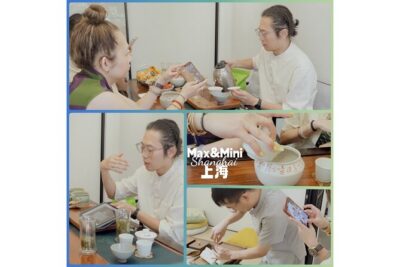
Unlock Chinese Tea: Culture, Science, Tasting & Hands-on Brewing
Read our review →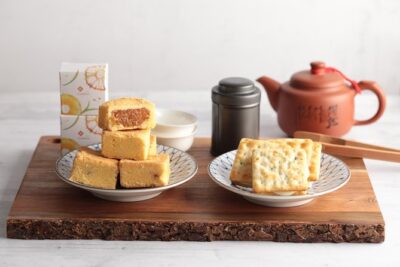
Taiwanese Baking Class with Oolong Tea Tasting in Taipei
Read our review →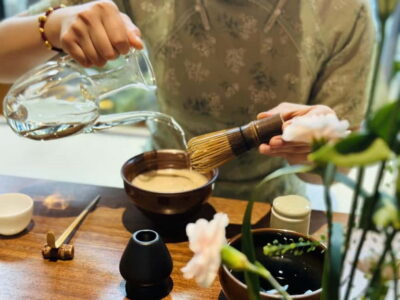
Browse the lists this tour appears in