
Review · TEA CEREMONY EXPERIENCES
Shanghai: Chinese Tea Ceremony Experience
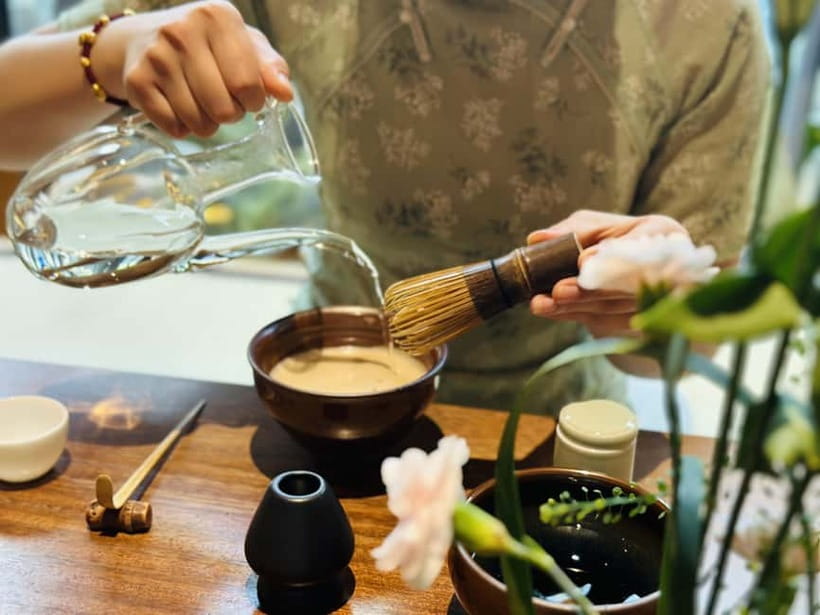
The most unusual part of this Shanghai experience is the chance to learn Song Dynasty tea whisking, an old preparation method that turns tea making into a careful, graceful ritual. You will also take part in a blind tasting, using scent, flavor, and texture to tell the teas apart before learning more about them.
I like the small group of eight or fewer, since tea is best learned up close, not from the back of a crowded room. I also like the relaxed mix of tasting, history, hands-on practice, and snacks. The main drawback is practical: the meeting point is confirmed only after booking, transport is not included, and the experience is not suitable for wheelchair users or people with food allergies.
Key points to know before you book
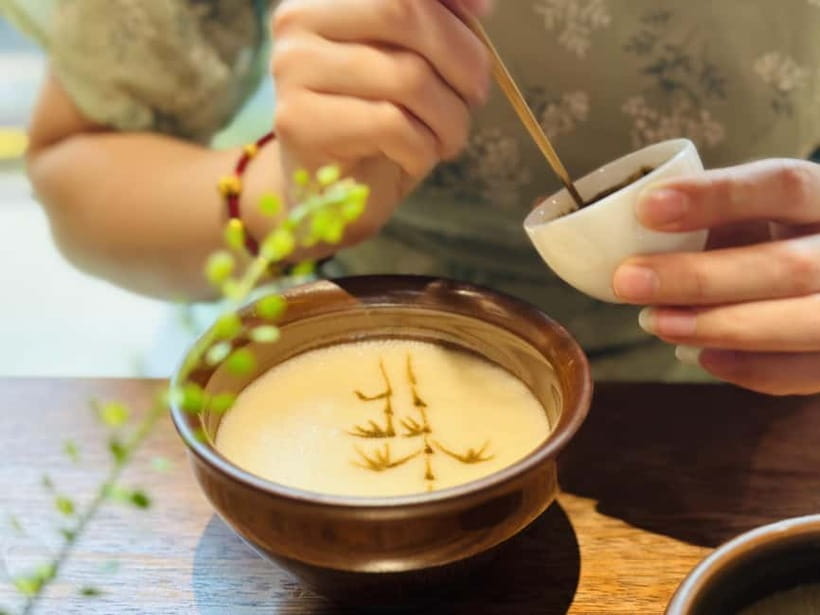
- Song Dynasty whisking: Learn an old Chinese tea method through a hands-on session rather than simply watching a demonstration.
- Blind tasting: Compare teas by aroma, flavor, and texture before labels and explanations shape your opinion.
- Three tea classes: Sample three broad groups of Chinese tea and notice how each sip differs.
- Small-group setting: With no more than eight participants, you should have room to ask questions and handle the tools.
- A calm three-hour pace: The program leaves time for tasting, conversation, snacks, and photos without feeling like a quick stop.
- Useful preparation: Wear comfortable shoes and clothes, avoid strong perfume, and tell the provider about food restrictions before arrival.
Starting with a blind tasting of Chinese tea
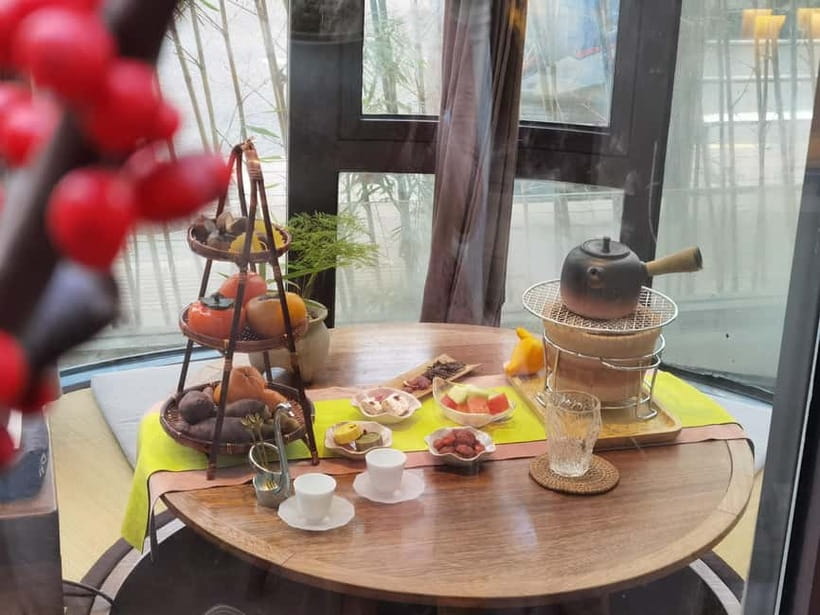
The experience begins with your senses, not a lecture. A blind tasting asks you to consider what is in the cup before you are told what it is. Look at the color, smell the leaves and liquor, take a sip, and notice how the taste changes as it sits on your tongue.
That small change in approach makes the tasting more useful. If you already know a tea’s name, you may expect a certain flavor. Without that label, you can pay closer attention to aroma, texture, strength, and finish. You might notice that one tea feels light and fragrant while another has a fuller or more lasting taste.
Your tea expert guides this process and explains what to look for. The teaching is offered in English or Chinese, which makes the activity workable for international visitors as well as Chinese-speaking participants. Since the group is capped at eight, you should be able to ask why two teas taste different or how brewing changes the result.
The blind tasting is also a good fit for beginners. You do not need a trained palate or a cupboard full of expensive tea at home. You only need curiosity and a willingness to slow down. Experienced tea drinkers can use the same session to test their instincts and compare familiar flavors in a new setting.
One practical tip matters here: do not wear strong perfume. Tea aromas can be delicate, and perfume may make it harder for you and others to judge what is in the cup. Comfortable clothing is also wise, since the program includes walking and hands-on activity.
More Chinese Tea Ceremonies in China
- One-Day Hangzhou Dragon Well Tea Culture & West Lake Private Tour
★ 5.0 · 98 reviews - Traditional Chinese Tea Ceremony Experience
★ 4.7 · 74 reviews - Authentic Hangzhou Longjing Tea Culture Experience Tour
★ 5.0 · 32 reviews
Comparing China’s three tea classes
The tasting then broadens into an introduction to three major classes of Chinese tea. The supplied details do not name the three classes, so you should expect a guided comparison rather than a fixed lesson built around specific varieties.
That format has an advantage. You are not asked to memorize a long list of tea names. Instead, you learn how different classes can vary in aroma, body, texture, and aftertaste. The tea expert helps connect those sensory differences with the way tea is prepared and enjoyed.
For you, the value is practical. A tea menu or shop in China can feel confusing when every label is unfamiliar. After this session, you should have a better vocabulary for describing what you like. You may also find that your favorite tea is not the one you expected to prefer.
The tasting is not just about flavor. Chinese tea culture gives importance to pace, attention, hospitality, and the way a cup creates a shared moment. The ceremony presents tea as a living cultural practice, not simply a drink served after a meal.
Snacks are included, adding a useful pause between tastings. They give you something to enjoy alongside the tea and help break up three hours of concentrated sipping. Since food is part of the activity, tell the provider about allergies or dietary restrictions before the session. People with food allergies are listed as unsuitable for this experience, so this is not a detail to leave until the last minute.
You are also advised to bring snacks, although snacks are included. That may be useful if you need food beyond the small offerings provided or have specific dietary needs. It is worth clarifying your requirements before booking rather than assuming the included snacks will suit you.
Learning the Song Dynasty art of whisking
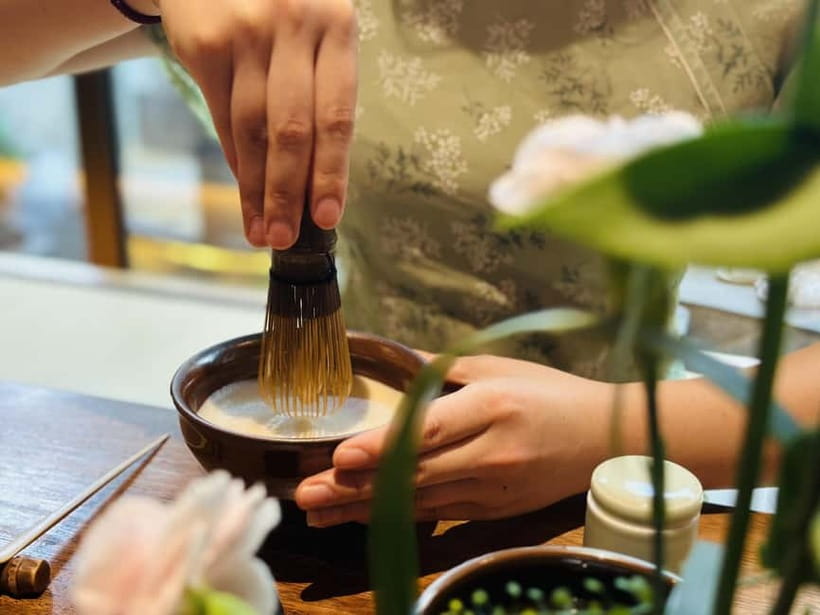
The hands-on Song Dynasty tea whisking session is the feature that gives this experience its strongest sense of place. Rather than only sampling finished tea, you learn one of the historical methods used to prepare it.
The process is careful and deliberate. Your guide introduces the technique, shows you how the whisking works, and gives you a chance to practice. The point is not speed. It is control, attention, and an appreciation for the ritual involved in preparing tea.
This is especially useful for visitors who want more than a standard tasting. A tasting tells you what a tea tastes like. Whisking shows you how preparation can shape the experience and why tea has played such an important role in Chinese culture.
You should not expect a full historical course on the Song Dynasty. The available information describes a focused activity within a three-hour ceremony. That is a good balance for most people, but anyone seeking a detailed academic account may find the session introductory.
The small group helps here. With up to eight participants, you should have a better chance to see the technique clearly and receive personal help while practicing. It also keeps the tone more intimate than a large demonstration where you simply watch from a distance.
An optional dress-up opportunity for photos may be offered, according to one participant’s experience. Treat this as an extra rather than a central part of the booking, since the main program is tea education and tasting. If photos appeal to you, the traditional setting and clothing can add a memorable visual record without taking over the experience.
A three-hour ceremony with room to slow down
Three hours is a generous amount of time for a tea activity. You are not being rushed through one cup, a short explanation, and a gift shop. The longer format allows the tasting, cultural context, whisking practice, and snacks to work together.
I like this pace for Shanghai because it gives you a quiet break from the city. The experience asks you to sit, smell, taste, listen, and notice. That slower rhythm may be just what you need after busy sightseeing.
The length can also be a drawback if tea is only a mild interest. Three hours is too long for someone who wants a quick introduction. Before you book, ask yourself if you enjoy guided tastings and hands-on cultural activities. If you do, the time should feel well used. If you prefer constant movement, this may test your patience.
The ceremony is designed for both beginners and more seasoned tea drinkers. Beginners receive structure and explanations. More experienced participants can focus on small differences in aroma, texture, brewing, and whisking technique.
The tone is intended to be refined and traditional, but you should not confuse that with stiffness. The program includes snacks and conversation, and the limited group size makes it easier to ask questions. You can approach it as a cultural lesson, a sensory activity, or a peaceful afternoon indoors.
More Tea Ceremonies in China
- Beijing Culture: Tea Ceremony, Heritage Instrument & Calligraphy
★ 5.0 · 57 reviews - Chinese Tea ceremony in Beijing Hutong courtyard
★ 4.7 · 26 reviews - Beijing Culture Event: Tradition Music, Tea Ceremony, Calligraphy
★ 5.0 · 11 reviews - Shanghai: Song Dynasty Tea Ceremony Experience
★ 5.0 · 10 reviews
What the $143 price means
At $143 per person, this is not a bargain cup of tea. You are paying for a three-hour guided experience, an assortment of Chinese teas, snacks, a tea expert, a small group, and hands-on instruction in a traditional method.
The price makes the most sense if you value personal attention. A group of no more than eight is a real benefit here. Tea ceremony depends on seeing details, asking questions, and practicing technique, so a small class can offer more than a large public demonstration.
The cost is harder to justify if you only want to sample Chinese tea. You may find cheaper tea tastings elsewhere, and this activity does not include transportation or personal expenses. The exact meeting point is provided after booking and is near the marked location, so plan for your own way there and back.
For someone interested in Chinese culture, food traditions, or thoughtful hands-on activities, the price can be fair. You are buying time, instruction, and access to a focused cultural setting rather than just a beverage. For a casual tea drinker on a tight budget, it is a specialty experience and should be judged that way.
The full refund policy also reduces some booking risk. You can cancel up to 24 hours in advance, and the reserve-now, pay-later option lets you hold a place without paying immediately. Check the available start times before building the ceremony into a tight Shanghai schedule.
Who will enjoy this Shanghai tea experience
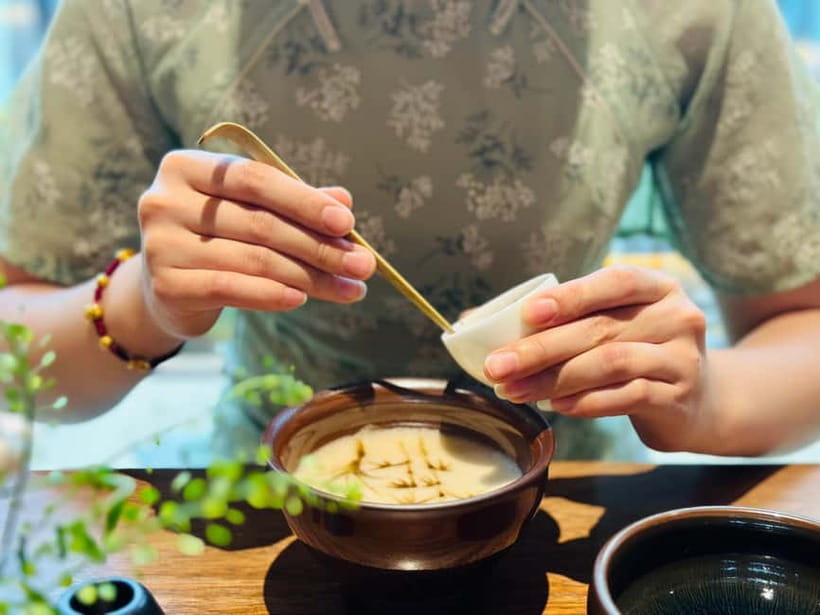
I would recommend this activity to you if you want a calm, culturally focused break from sightseeing. It suits solo visitors, couples, and small groups who enjoy food, drink, craft, and tradition.
It is particularly good for:
- First-time tea drinkers who want a clear introduction.
- Tea fans who enjoy comparing aroma, flavor, and texture.
- Visitors curious about historical preparation methods.
- People who prefer small classes over large group tours.
- Anyone looking for an indoor activity with a slower pace.
- Photographers who like the optional dress-up element.
It may not suit you if you dislike sitting for long periods, want a fast attraction, or have serious food allergies. Wheelchair users should also choose another activity, since this experience is not listed as suitable for wheelchair access.
Bring a camera if you like recording the ceremony, but keep it secondary to the tasting. Strong scents can interfere with the group, so leave heavy perfume behind. Wear shoes and clothing you can comfortably use for walking and practice.
Smoking is not allowed. Alcoholic drinks are not allowed in the vehicle, though transportation to and from the activity is not included.
Practical details that affect your day
The exact meeting point is supplied after booking and will be near the marked location. Since no transport is included, leave enough time to reach it and avoid scheduling another activity immediately afterward.
The session is available in English or Chinese. The listing does not name the tea expert, so you should not book expecting a particular instructor. What is clear is the teaching format: a tea expert leads the ceremony, explains the teas, and guides the whisking practice.
The group limit is eight people. That number matters more here than it would on a standard sightseeing walk. A tea ceremony works best when you can see the preparation and hear the explanation without a crowd around you.
The activity receives a five-star rating from three verified bookings, including especially strong praise for the tea instruction, personal attention, variety of teas, snacks, and the optional dress-up photos. Those points match the design of the experience: it is meant to be hands-on, personal, and more thoughtful than a quick tasting.
Still, keep your expectations sensible. This is a three-hour introduction, not professional tea training. You will gain a feel for Chinese tea culture and Song Dynasty whisking, but the supplied details do not promise advanced brewing certification, a meal, transport, or a specific tea shop visit.
Should you book the Chinese Tea Ceremony Experience?
Book it if you want to understand Chinese tea through your senses and your hands, not just through a short explanation. The blind tasting, three tea classes, Song Dynasty whisking, snacks, and small group make a well-rounded three-hour activity.
I would skip it if you are mainly looking for a cheap drink, need wheelchair access, have food allergies, or prefer an active tour. At $143, it is a considered purchase, but the small class and hands-on instruction give the price a clear purpose.
For the best experience, wear comfortable clothes, avoid perfume, report dietary restrictions before booking, and allow time to reach the meeting point. If that sounds like your kind of afternoon, this is a thoughtful way to spend part of your Shanghai visit.
FAQ
How long does the Chinese Tea Ceremony Experience last?
The activity lasts three hours.
How much does the experience cost?
The price is $143 per person.
What is included in the price?
A tea expert guide, an assortment of Chinese teas, and snacks are included.
Is transportation included?
No. Transportation to and from the activity is not included.
How many people are in the group?
The group is limited to eight participants.
What languages are available?
The instructor can conduct the experience in English or Chinese.
What will I learn during the ceremony?
You will take part in a blind tasting, explore three classes of Chinese tea, and learn Song Dynasty tea whisking and brewing.
Where is the meeting point?
The exact meeting point is provided after booking and will be near the marked location.
What should I wear or bring?
Wear comfortable clothes and shoes suitable for walking. You may also bring a camera and snacks. Avoid strong perfume so you can better notice the tea aromas.
Can I cancel for a refund?
Yes. You can cancel up to 24 hours in advance for a full refund. You can also reserve now and pay later.
Fresh tea listings around China
- Full-day Tour: Spectacular Sunrise, Tea Plantation & Sunset★ 5.0 · 3 reviews
- Unlock Chinese Tea: Culture, Science, Tasting & Hands-on Brewing★ 5.0 · 12 reviews
- Shanghai Mahjong Experience in Local Tea Bar★ 5.0 · 4 reviews
- Chinese Tea Ceremony Experience★ 5.0 · 3 reviews
- Half-Day Hangzhou Jiuxi Stream and Tea Plantation Experience★ 5.0 · 2 reviews
- Private Hangzhou Day Tour to West Lake, Lingyin Temple, Tea Village, Old Pagoda★ 5.0 · 17 reviews
- Private Tour Hangzhou West Lake and Tea Fields Discovery★ 5.0 · 3 reviews
- Half-Day Hangzhou Private Tour with Green Tea Village and Lingyin Temple★ 5.0 · 3 reviews
Tea Ceremony Experiences, compared.
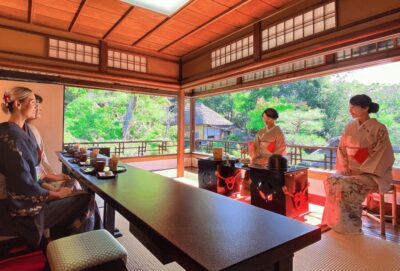
Kyoto: Tea Ceremony in a Traditional Tea House in Kiyomizu
Read our review →
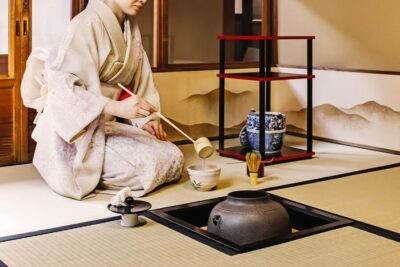
Kyoto: 45-Minute Tea Ceremony Lesson Experience
Read our review →
Kyoto: Table-Style Tea Ceremony at a Kyo-Machiya
Read our review →
Browse the lists this tour appears in