
Review · TEA CEREMONY EXPERIENCES
Chinese Tea Ceremony Experience
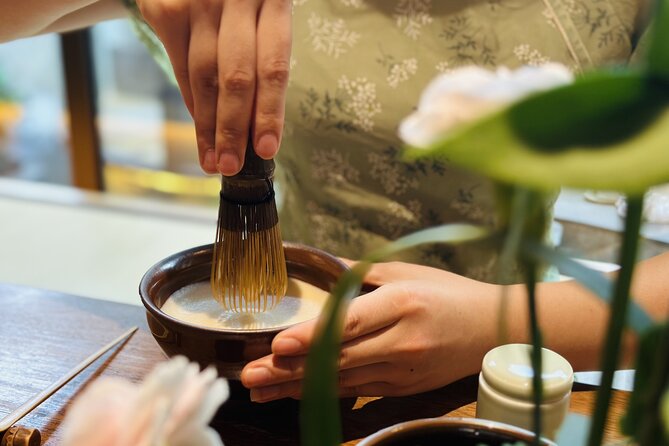
The most unusual part of this Shanghai tea experience is Dian Cha, the Song Dynasty art of whisking tea into a foamy drink. It predates modern matcha preparation and gives you something to do, not just something to sip.
I like the hands-on brewing and the clear look at how different teas are made and enjoyed. I also like the traditional room, tea tools, and optional Hanfu clothing, which add a sense of place without requiring a full day of sightseeing.
The main drawback is the price: at $159 per person, this is a serious splurge for three hours. It makes the most sense if you care about Chinese tea, want a private activity, or value a polished cultural setting more than a quick tasting.
Key Points at a Glance
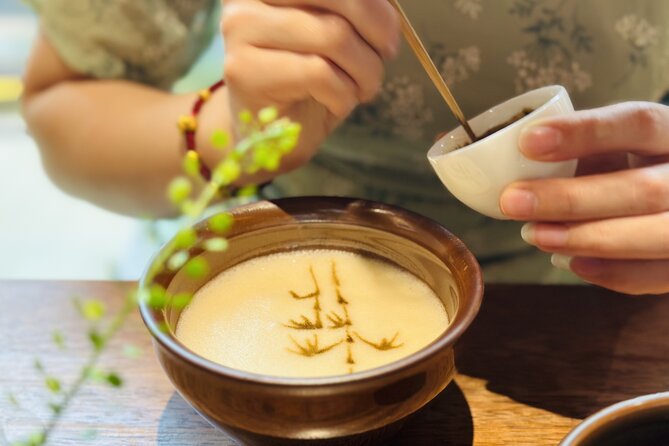
- Song Dynasty Dian Cha: Learn a whisking method that came before modern matcha-making.
- Several Chinese tea styles: Taste and brew teas ranging from delicate green tea to bold pu’er.
- Private format: Only your own group takes part, which makes it easier to ask questions and work at your own pace.
- Traditional Shanghai setting: Baoqing Road provides the meeting point, with classic furnishings and tea utensils inside.
- Optional Hanfu: Put on traditional Chinese clothing for photographs and a fuller period-style setting.
- Three-hour schedule: The activity returns to Baoqing Road, with no private transportation included.
Why Dian Cha Makes This More Than a Tea Tasting
Many tea outings are built around sitting quietly while someone else prepares the pot. This one puts you closer to the work. Under the guidance of a tea master, you learn Dian Cha, a whisking style associated with the Song Dynasty.
The method matters because it shows an earlier form of Chinese powdered tea preparation. You are not simply sampling an old drink. You are learning how whisking, texture, and presentation shaped tea culture before modern matcha became familiar around the world.
The technique also gives the session a calm rhythm. You watch the tea master first, then try the whisking yourself. The movement is precise and meditative, but you do not need to arrive with special skill. The point is to understand the process and feel the difference between making tea and having tea made for you.
I would pay close attention to the tea master’s explanation of the whisk, the surface of the tea, and the way the drink is served. Those small details help connect the demonstration to the larger story of Chinese tea drinking.
One limitation is that the exact lesson plan may depend on the pace of your group. A private session gives you room to ask questions, but it also means the quality of the visit depends on how much interaction you want. If you prefer a fast, casual tasting, three hours may feel long. If you enjoy learning by doing, the time should feel useful.
More Chinese Tea Ceremonies in China
- One-Day Hangzhou Dragon Well Tea Culture & West Lake Private Tour
★ 5.0 · 98 reviews - Traditional Chinese Tea Ceremony Experience
★ 4.7 · 74 reviews - Authentic Hangzhou Longjing Tea Culture Experience Tour
★ 5.0 · 32 reviews
Tasting Green Tea, Pu’er, and Other Chinese Styles
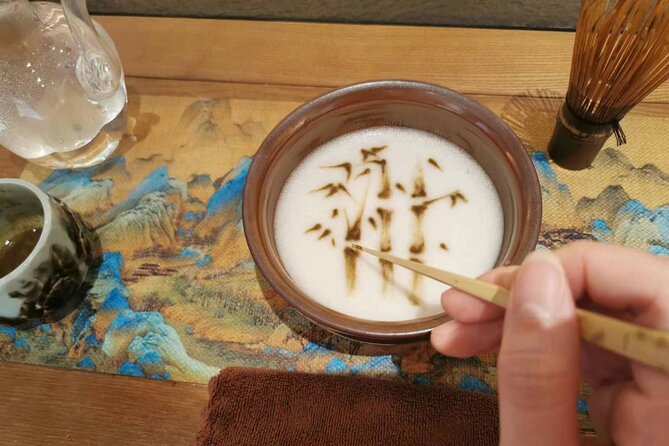
After the whisking lesson, you explore several categories of traditional Chinese tea. The experience specifically includes delicate green tea and bold pu’er, giving you a useful contrast between a lighter style and a deeper, more forceful one.
You will not only taste the leaves. You will also learn how to brew them. That distinction is important. Water, timing, quantity, and handling can change the same tea in the cup, so the brewing lesson gives you a better way to judge tea after you leave Shanghai.
Green tea can be a good starting point because it often presents a lighter, fresher profile. Pu’er offers a strong counterpoint, with more weight and a different character. The experience is not presented as a complete survey of every tea made in China, so you should not expect an exhaustive tasting. Instead, you get a guided introduction to several distinct approaches.
The available details do not list every tea served or the number of pours. That is worth keeping in mind if you have a specific tea in mind. You can ask the tea master what is being served and how each tea was processed. A past explanation of tea production and drinking methods was a strong part of the session, so this is a good place to use your questions.
I like this practical side of the activity. You leave with more than a list of names. You have seen how tea is prepared and how different styles are meant to be approached. For a first visit to China, that can add useful context to tea shops and restaurant service later in your trip.
A Traditional Room on Baoqing Road
The meeting point is on Baoqing Road in Xuhui District, at Bao Qing Lu, Xu Hui Qu, Shanghai 200031. The session ends at the same meeting point, which keeps the logistics simple.
Inside, the setting uses traditional furnishings and tea utensils. That atmosphere is part of the appeal. Tea culture is tied to quiet attention, careful objects, and the act of serving, so the room helps the lesson feel different from an ordinary café stop.
You should think of the setting as a cultural studio rather than a sightseeing stop. You are not being led through several Shanghai landmarks. You are spending the full three hours in one place, focused on tea, conversation, and preparation.
That focus will suit you if you want a break from Shanghai’s busy streets. It may not suit you if you need constant movement or want to combine the activity with several major sights. The location is near public transportation, but private transportation is not included, so you need to make your own way to Baoqing Road.
A mobile ticket is available, and confirmation is received when you book. The activity is usually booked about five days in advance, so I would avoid leaving it until the last day of your Shanghai stay if the timing matters.
Hanfu Adds a Visual Touch
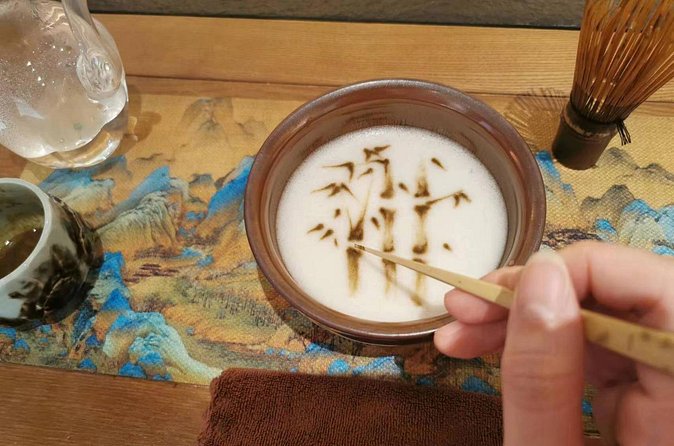
Traditional Hanfu clothing is available as an optional part of the experience. You can choose it if you want photographs in a period-style outfit and setting.
This is not essential to the tea lesson. If your main goal is learning how to brew tea, you can enjoy the activity without it. But the clothing can make the session more memorable, especially if you like photographs with a clear cultural theme.
I appreciate that Hanfu is optional rather than built into every booking. It lets you decide how much ceremony and visual presentation you want. Some people will enjoy the extra detail, while others may prefer to keep the focus on tea.
The supplied information does not specify the available designs, sizes, fitting process, or any extra charge. Ask about those points when booking if Hanfu is important to you. Do not assume a particular color, style, or amount of time for photographs.
More Tea Ceremonies in China
- Beijing Culture: Tea Ceremony, Heritage Instrument & Calligraphy
★ 5.0 · 57 reviews - Chinese Tea ceremony in Beijing Hutong courtyard
★ 4.7 · 26 reviews - Beijing Culture Event: Tradition Music, Tea Ceremony, Calligraphy
★ 5.0 · 11 reviews - Shanghai: Song Dynasty Tea Ceremony Experience
★ 5.0 · 10 reviews
What the Private Format Changes
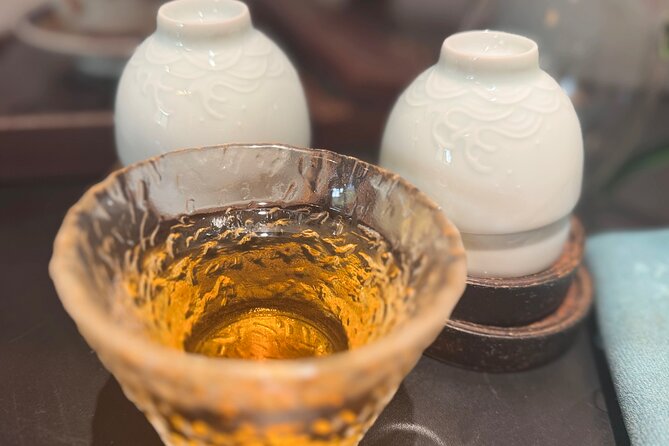
This is a private activity, so only your own group takes part. That is a meaningful advantage at this price. You do not have to share the tea master’s attention with a large room of strangers, and you can ask about tea production, brewing, or drinking customs as they come up.
A private format also lets you set the tone. You can focus on the history of tea, take more time with the whisking, or compare the teas in greater detail. If your group includes children or people with different levels of interest, you have more flexibility than you would in a fixed public class.
The tradeoff is cost. The $159 price is per person, and the three-hour session may be expensive for anyone who only wants to sample a few cups. Group discounts are available, which could make the booking more sensible for a family or a small party.
The price is easier to defend if you value all parts of the package: an individual tea lesson, hands-on brewing, several tea styles, a traditional room, and private attention. If you only want a drink and a brief explanation, a tea shop will likely offer a cheaper option, though it will not provide the same structured activity.
How the Three Hours Are Likely to Flow
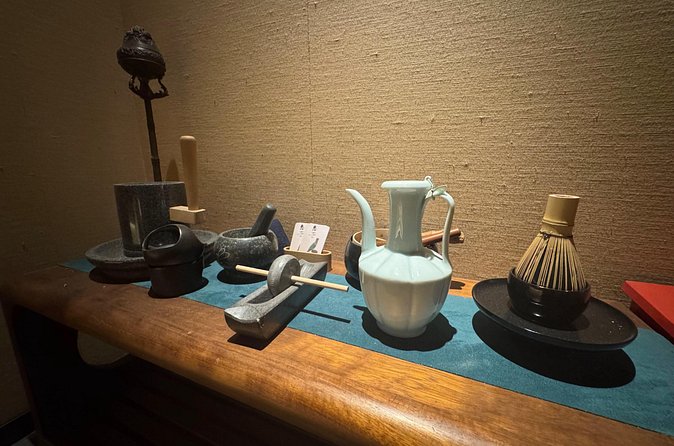
The experience begins at Baoqing Road, where you meet the tea master and settle into the traditional setting. The opening portion introduces Chinese tea drinking and the purpose of the utensils before moving into the Song Dynasty whisking lesson.
Next comes Dian Cha. You watch the technique, learn the basic movements, and try it yourself. This is the part that gives the experience its strongest historical identity and separates it from a standard tasting.
The session then moves through several traditional teas. You taste and brew different styles, including green tea and pu’er, while learning about production methods and ways of drinking each type. The exact order and tea selection are not specified, so your tea master will shape the presentation.
Hanfu may be added for photographs during the session. Since it is optional, you can decide whether the clothing fits your interests and schedule.
At the end, you return to the original meeting point. No private transport is included, and there is no separate sightseeing route. Plan the activity as a focused three-hour appointment rather than a moving tour of Shanghai.
Who Will Get the Most From This Experience
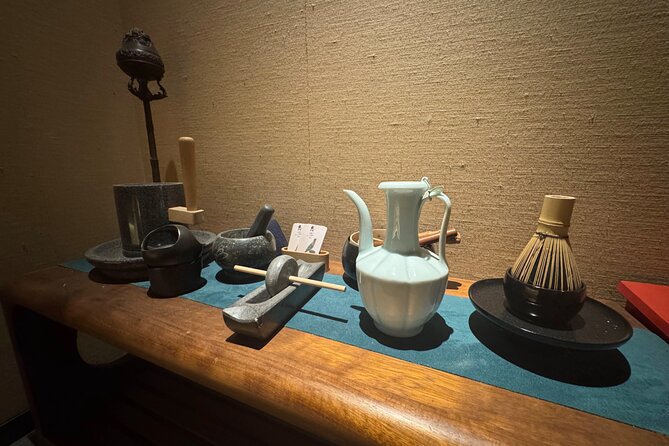
I would recommend this activity to you if tea is already part of your travel interests, or if you want a quieter cultural stop between Shanghai’s larger attractions. It also suits anyone who likes learning with their hands rather than listening to a long lecture.
The private format is useful for couples, families, and small groups who want to control the pace. Group discounts may help with the cost, especially when several people are sharing the booking.
It is also a good fit for visitors curious about the connection between Chinese tea and Japanese matcha. Dian Cha gives you a way to see an earlier whisking tradition without treating the two practices as identical.
I would be more cautious if your main goal is sightseeing, shopping, or a quick introduction lasting less than an hour. The session requires time and attention, and the $159 price is not casual spending. The limited number of published reviews means I would also keep expectations sensible, even though the available rating is 5 out of 5.
Practical Details Before You Book
The activity lasts about three hours and starts and finishes at Baoqing Road. It is near public transportation, but transport to and from the meeting point is your responsibility.
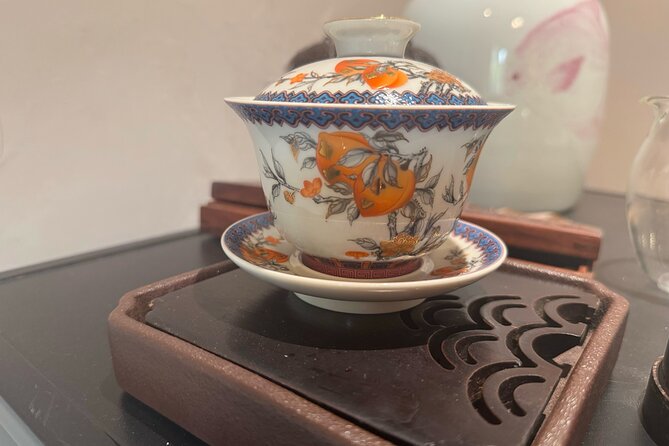
Tea and a tea set are included. The inclusions also list coffee and/or tea, though the central focus is clearly the Chinese tea lesson and tasting. Service animals are allowed.
You receive confirmation at booking, and a mobile ticket is available. Free cancellation applies if you cancel at least 24 hours before the local start time. Cancellations or changes made within 24 hours are not refunded or accepted.
The activity requires a minimum number of participants. If the provider cancels because that minimum is not reached, you can choose another date or experience, or receive a full refund.
Should You Book the Shanghai Chinese Tea Ceremony?
Book it if you want a private, hands-on look at Chinese tea culture and you value the special focus on Song Dynasty Dian Cha. The brewing practice, comparison of green tea and pu’er, traditional room, and optional Hanfu give the three hours a clear purpose.
Skip it if you want a low-cost tasting, a short stop, or a tour that covers several parts of Shanghai. At $159 per person, the experience earns its price only when you take part fully and make use of the tea master’s guidance.
For the right visitor, this is a thoughtful cultural activity rather than just another cup of tea. Ask about the tea selection and Hanfu details before booking, arrive ready to try the whisking yourself, and treat the session as a calm break from the city.
FAQ
Where does the Chinese Tea Ceremony Experience begin?
It begins on Baoqing Road, Bao Qing Lu, Xuhui District, Shanghai, China, 200031.
Where does the activity end?
The activity ends back at the meeting point on Baoqing Road.
How long does the experience last?
The experience lasts approximately three hours.
Is transportation included?
No. Private transportation is not included, though the meeting point is near public transportation.
Is this a private activity?
Yes. Only your own group participates.
What teas will I taste?
The experience includes different categories of traditional Chinese tea, including green tea and pu’er. The full tea selection is not specified.
Can I wear Hanfu?
Yes. Hanfu, traditional Chinese clothing, is available as an optional part of the experience for photographs and a more traditional setting.
What is the cancellation policy?
You can cancel for a full refund up to 24 hours before the local start time. Cancellations or changes made less than 24 hours before the start time are not refunded or accepted.
Fresh tea listings around China
- Full-day Tour: Spectacular Sunrise, Tea Plantation & Sunset★ 5.0 · 3 reviews
- Unlock Chinese Tea: Culture, Science, Tasting & Hands-on Brewing★ 5.0 · 12 reviews
- Shanghai Mahjong Experience in Local Tea Bar★ 5.0 · 4 reviews
- Half-Day Hangzhou Jiuxi Stream and Tea Plantation Experience★ 5.0 · 2 reviews
- Private Hangzhou Day Tour to West Lake, Lingyin Temple, Tea Village, Old Pagoda★ 5.0 · 17 reviews
- Private Tour Hangzhou West Lake and Tea Fields Discovery★ 5.0 · 3 reviews
- Hangzhou West Lake and Tea Plantation Half Day Tour★ 5.0 · 4 reviews
- Half-Day Hangzhou Private Tour with Green Tea Village and Lingyin Temple★ 5.0 · 3 reviews
Tea Ceremony Experiences, compared.
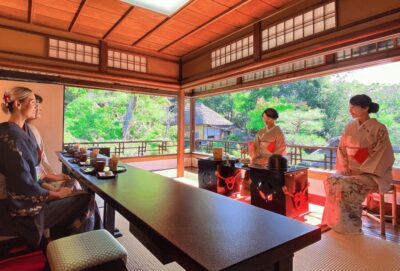
Kyoto: Tea Ceremony in a Traditional Tea House in Kiyomizu
Read our review →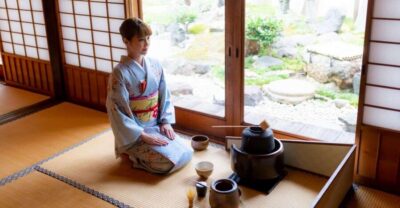
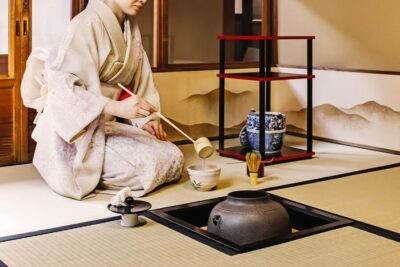
Kyoto: 45-Minute Tea Ceremony Lesson Experience
Read our review →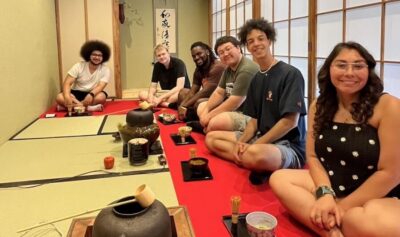
Kyoto: Table-Style Tea Ceremony at a Kyo-Machiya
Read our review →
Browse the lists this tour appears in