
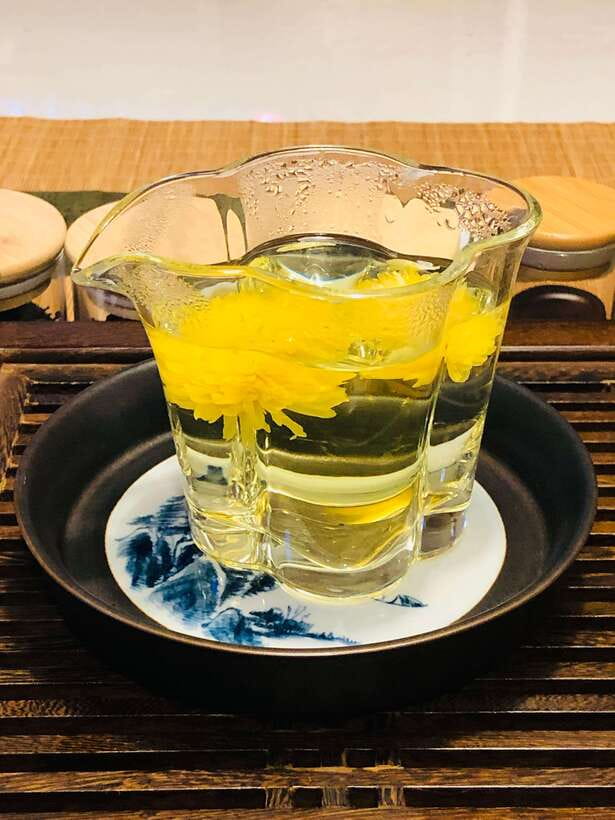
Review · TEA CEREMONY EXPERIENCES
Traditional Chinese Tea Ceremony Experience
China’s tea culture comes alive here through a short, hands-on ceremony rather than a long lecture. You’ll watch the tea master warm the pot, measure the leaves, pour with care, and guide you through several styles at Chang An Grand Theater in Beijing.
I like the chance to taste five different teas in only 30 minutes, and I like the friendly welcome associated with Richard and the tea master. The $9.90 price also makes this an easy cultural add-on, especially for families and anyone with a tight Beijing schedule.
The main limitation is its size and scope. This is a brief tasting, not a full-day tea lesson, and there is no tour guide for wider Beijing history or sightseeing. Tea purchases are optional and cost extra, so keep the focus on the ceremony itself.
Key points to know before booking
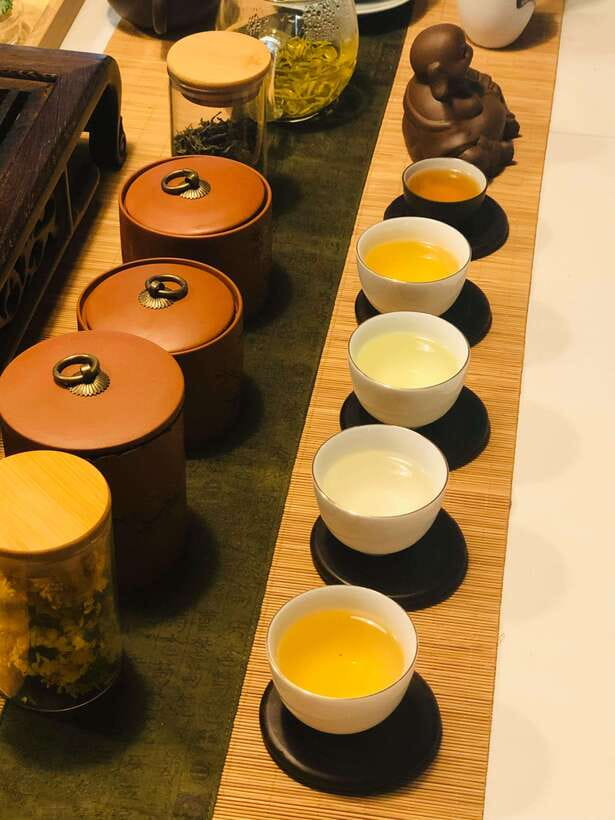
- Five mini cups are included: Expect Oolong, Pu-erh, green tea, jasmine tea, and flower tea, although the exact tasting order may vary.
- The ceremony lasts about 30 minutes: It fits neatly between major Beijing sights, meals, or subway trips.
- The tea master demonstrates every step: Warming the teapot, pouring, and tasting are treated as part of the ritual.
- Chang An Grand Theater is the main stop: The listed meeting point is on Jian Nei Avenue in Dongcheng District.
- No general sightseeing guide is included: The focus stays on tea, brewing, and cultural meaning.
- The group can reach up to 15 people: That keeps the activity small enough for a personal introduction, though it is not a private lesson.
Why this short Beijing tea ceremony works
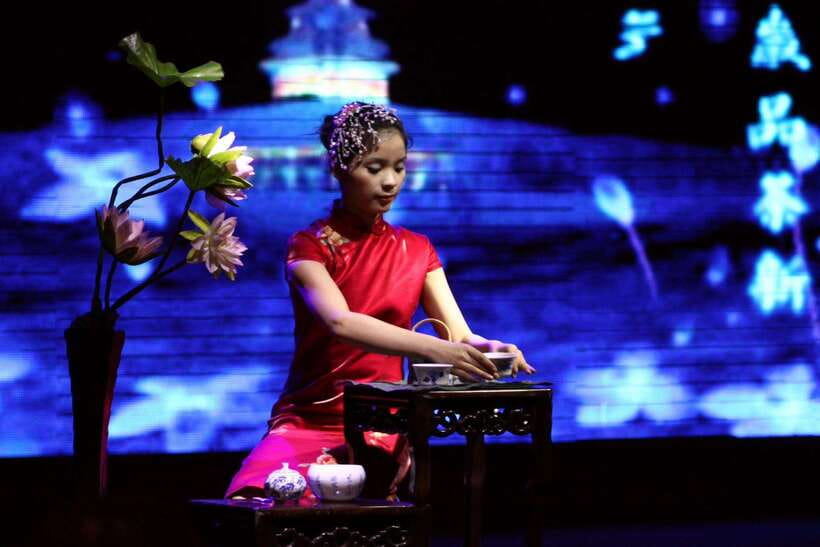
Tea is not just a drink in China. It can express respect, calm, hospitality, and attention to detail. This experience gives you a compact look at that idea without asking you to set aside half a day.
The tea master’s work is the heart of the activity. You’ll see the pot warmed before brewing, then watch the tea poured in measured steps. The point is not simply to fill a cup. The movements create a slower rhythm, giving you time to notice the color, scent, and taste of each tea.
That makes this a useful first introduction to Chinese tea customs. If your Beijing schedule already includes palaces, temples, markets, and long walks, 30 quiet minutes can provide a welcome change of pace.
I also like that the tasting covers several very different styles. Oolong, Pu-erh, green tea, jasmine tea, and flower tea can have distinct aromas, colors, and textures. Five small servings let you compare rather than commit to one large cup of something unfamiliar.
The format is friendly to beginners. You do not need to know tea vocabulary before arriving, and the ceremony is designed to explain the proper way to enjoy the tea as you go.
More Chinese Tea Ceremonies in China
- Traditional Chinese Tea Ceremony Experience
★ 4.7 · 74 reviews - Chinese Tea ceremony in Beijing Hutong courtyard
★ 4.7 · 26 reviews - Beijing:Learn Calligraphy & Enjoy Kung Fu Tea Ceremony
★ 5.0 · 2 reviews
Arriving at Chang An Grand Theater
The activity is listed at Chang An Grand Theater, with the starting meeting point on Jian Nei Avenue, Jian Nei Da Jie, in Beijing’s Dongcheng District. It is near public transportation, which matters in a city where crossing town can take much longer than the map suggests.
Use the mobile ticket and allow enough time to find the meeting point. The information gives both the theater as the stop and Jian Nei Avenue as the meeting location, so check the exact meeting instructions before setting out. If you are using a translation app or asking for directions, having the Chinese place names available can help.
The setting gives the ceremony a cultural feel without requiring an excursion far from central Beijing. Still, this is not presented as a walking tour of the theater or the surrounding district. You are coming for tea, not a building tour.
A friendly tea master greets you on arrival. Richard is also associated with the experience, and the welcome is intended to feel personal rather than formal or rushed. That warm start matters because tea etiquette can seem unfamiliar at first. A clear introduction helps you relax and pay attention to the small details.
Watching the ritual, one careful step at a time
The ceremony emphasizes preparation as much as drinking. The tea master demonstrates the process, beginning with details such as warming the teapot. Tea is then brewed and poured with precise movements.
You’ll want to watch the hands as closely as you watch the liquid. The ceremony is visual, aromatic, and tactile. The color of the tea changes from one style to the next. The smell reaches you before the taste. Even the small cups encourage you to sip slowly rather than drink without thinking.
The ritual also carries a social message. Respect and harmony are part of the experience, expressed through the care taken with the pot, cups, water, and serving process. You do not need to adopt every custom perfectly. Simply slowing down and following the tea master’s lead is enough.
This is where the activity offers more than a basic tasting. You are not just handed five samples with a list of names. The brewing technique becomes part of the lesson, showing why tea culture places value on patience and presentation.
The ceremony is also suitable for children, provided they can sit and pay attention for a short period. The different colors and scents can keep younger participants interested, while the simple tasting format avoids the commitment of a much longer class.
Five teas, five chances to compare
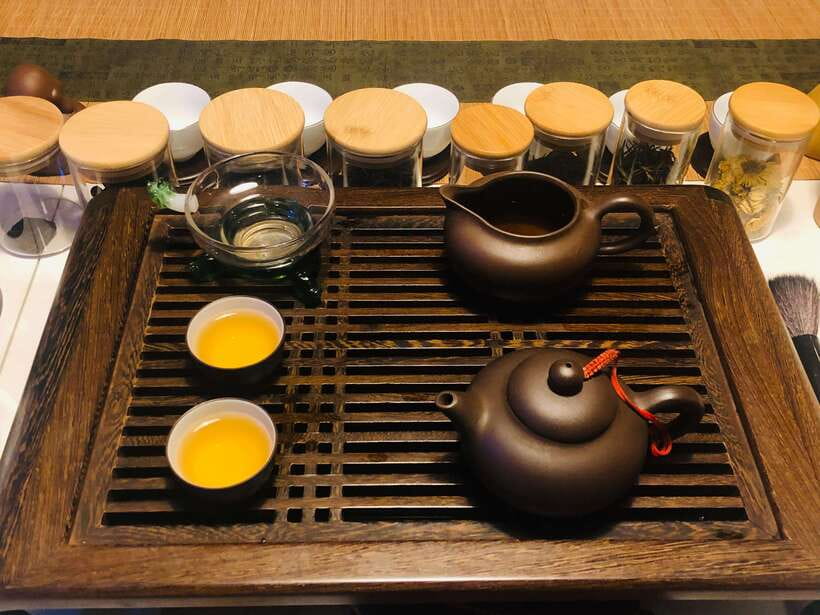
The included tasting consists of five mini cups. The listed varieties are:
- Oolong tea
- Pu-erh tea
- Green tea
- Jasmine tea
- Flower tea
The small portions are a good choice for comparison. You can try several styles without feeling obligated to finish a large serving of something you do not enjoy.
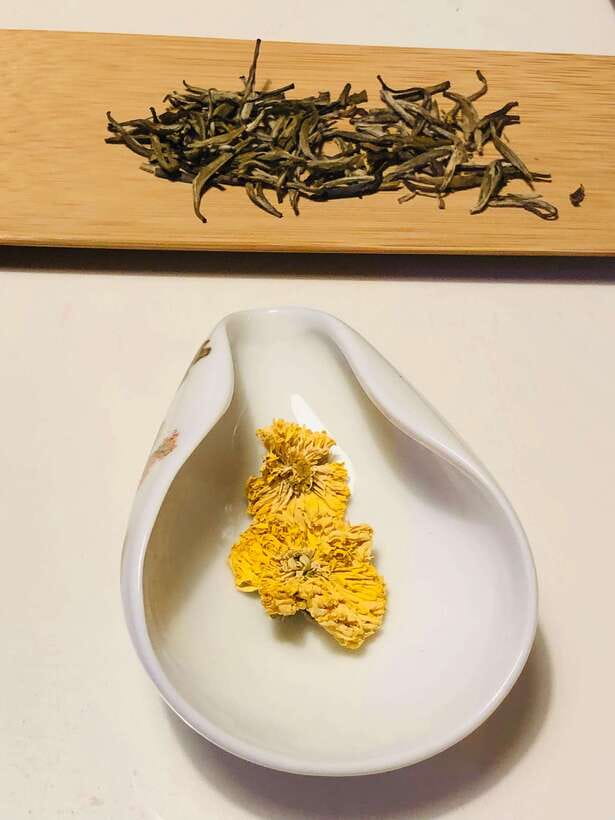
Green tea gives you a familiar starting point if you have tasted Chinese tea before. Jasmine tea brings fragrance into the experience, while flower tea adds a visual element as well as aroma. Oolong and Pu-erh show other sides of tea culture and give the tasting more range.
The activity does not promise a particular brand, harvest, or detailed tasting sheet. You should see it as an introductory sampler, not a specialist education in regional tea production.
That distinction helps set fair expectations. A serious tea enthusiast may want a longer session with more brewing rounds and detailed discussion of growing areas, processing, and aging. For a first encounter, the range is useful and the price is modest.
Pay attention to how your preferences change during the tasting. You may like the bright, clean character of one tea and prefer the deeper flavor of another. If you find a favorite, you can ask about buying tea afterward.
More Tea Ceremonies in China
- Beijing Culture: Tea Ceremony, Heritage Instrument & Calligraphy
★ 5.0 · 57 reviews - Beijing Culture Event: Tradition Music, Tea Ceremony, Calligraphy
★ 5.0 · 11 reviews - Beijing: Temple Of Heaven+Tai Chi Class+Tea Ceremony
★ 5.0 · 8 reviews - Beijing Tai Chi and Tea Ceremony Experience
★ 5.0 · 4 reviews
Optional tea shopping after the ceremony
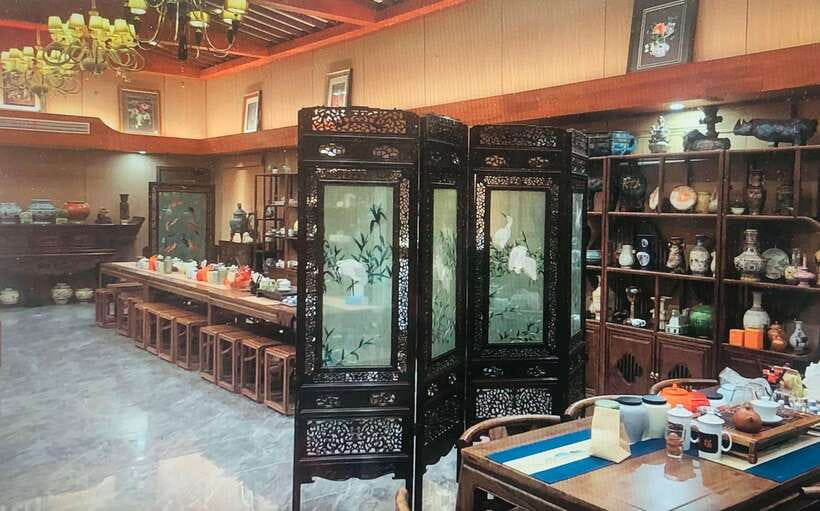
After the tasting, you have the option to purchase tea to take home. This is not included in the $9.90 price, and there is no requirement to buy anything.
That arrangement is helpful for you if you want a souvenir with a direct link to the experience. Tea is also easier to pack and share than many Beijing purchases. You can choose to leave with only the memory and the knowledge of what you tasted.
Keep your budget clear before shopping. The activity price covers the ceremony and five mini cups, not any tea you take away. If you are interested in buying, ask about the tea, the quantity, and the cost before agreeing.
The shopping portion should not be the reason to book. The strongest part is the guided tasting and demonstration. Treat any purchase as an optional extra, not as part of the lesson’s basic value.
What the 30-minute schedule really means
Thirty minutes is long enough for a welcome, demonstration, several tastings, and a short explanation of tea culture. It is short enough to fit around Beijing’s major attractions.
I see this duration as both an advantage and a limit. You will not lose an entire morning, and you can book it on a day already packed with sightseeing. On the other hand, the tea master cannot spend much time on every variety or answer extended questions about production and history.
The activity works best when you arrive ready to focus. A rushed arrival, constant photography, or a group that wanders in late can eat into a short session. Since the ceremony is built around careful movements, give yourself time to be present.
Afterward, the tea master manager can walk you back to the meeting point or to Jianguomen Subway Station. The information describes the activity as ending back at the meeting point, with the subway station offered as a walk-back option. This is useful if you are continuing to another part of Beijing, but the experience does not include broader transportation or a city tour.
Group size, guide support, and family fit
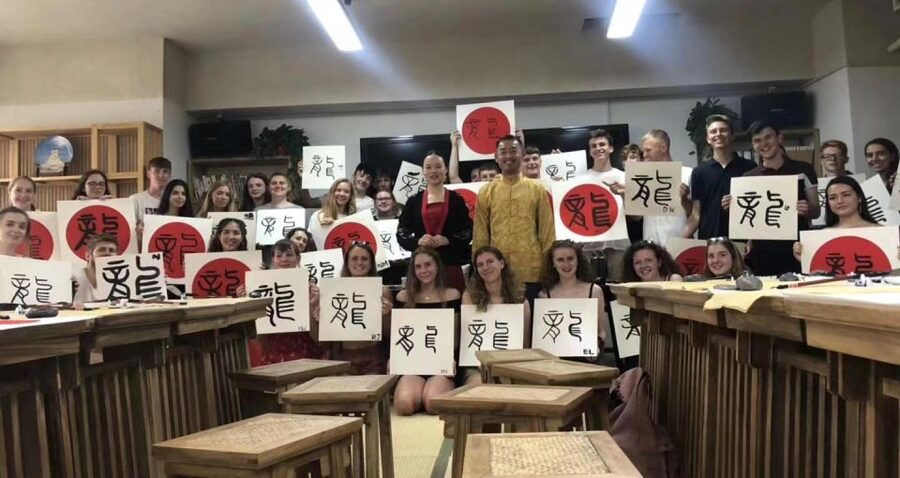
The maximum group size is 15 people. That is small enough for the tea master to demonstrate the process clearly, though it is not the same as a private appointment.
The experience includes the tea ceremony, but no tour guide. This point is important. You should expect tea instruction and cultural explanation, not a guided visit through Beijing or a detailed account of the theater and surrounding area.
For couples and solo visitors, the short format makes an easy cultural stop. Families may also appreciate the simple structure and short duration. Children can taste the tea or simply watch the brewing, although the activity still asks them to stay engaged during the demonstration.
Most people can participate, and the activity is near public transportation. The supplied information does not provide specific details about wheelchair access, seating, or accommodations for particular needs, so contact the provider if those points matter to you.
The provider is Hutong Calligraphy Class, which suggests a wider interest in traditional Chinese arts, though this booking itself is focused on tea. Keep that distinction in mind when deciding what kind of cultural experience you want.
Is $9.90 a fair price?
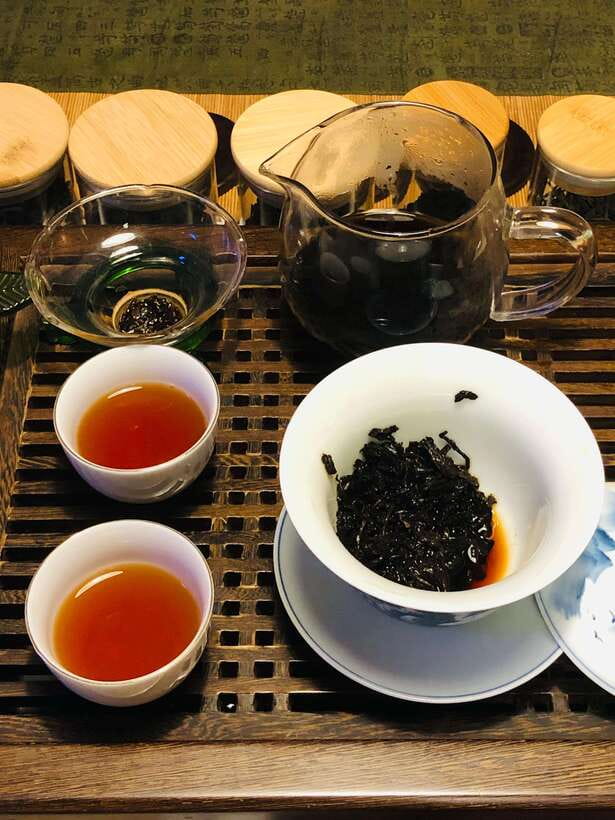
At $9.90 per person, this is inexpensive for a hosted cultural activity in Beijing. The price includes the ceremony and five mini cups, so you are paying for instruction, presentation, and tasting rather than just a beverage.
The value is strongest if you are curious about Chinese tea but do not want to commit to a long class. You receive a guided introduction, several examples to compare, and a chance to ask about tea afterward.
The value is weaker if you expect a private master class, a full meal, extensive transportation, or a large quantity of tea to take home. None of those are included.
The activity is often booked about 33 days in advance, which suggests planning ahead may be sensible. It can have up to 15 participants, and popular time slots may not remain open close to your travel dates.
Free cancellation is available if you cancel at least 24 hours before the start time. A cancellation within 24 hours is not refunded, and changes made within that window are not accepted. That is a reasonable policy, but it means you should avoid booking a slot you may need to change at the last minute.
Who should book this experience?
I would choose this ceremony if you want a low-cost, low-commitment way to connect with Chinese culture. It suits first-time tea drinkers, families, couples, solo visitors, and anyone building a busy Beijing day around central sights.
It is especially useful for you if you have wondered why tea preparation receives so much attention in China. The ceremony makes the answer visible through movement, scent, taste, and manners.
You may want something else if you already have advanced tea knowledge or want a long conversation about farming regions, processing methods, and brewing variables. This experience is an introduction, not an in-depth specialist course.
It is also not the right choice if your main goal is sightseeing. You will not receive a city guide, and the theater is a setting for the tea ceremony rather than the main attraction.
Should you book this Beijing tea ceremony?
Book it if you want a friendly 30-minute cultural pause, five tea samples, and a simple explanation of proper tea appreciation for $9.90. The combination of Oolong, Pu-erh, green, jasmine, and flower tea gives beginners plenty to compare, while the tea master’s careful demonstration adds meaning to each cup.
Skip it if you need a private lesson, extensive Beijing history, or all expenses included. For most visitors with a little room in their schedule, the low price and short duration make this a sensible add-on. Just confirm the Jian Nei Avenue meeting details, arrive on time, and remember that any tea you buy afterward is extra.
FAQ
How long does the tea ceremony last?
The experience lasts approximately 30 minutes.
Where does the experience start?
It starts at the listed meeting point on Jian Nei Avenue, Jian Nei Da Jie, in Beijing’s Dongcheng District. Chang An Grand Theater is listed as the activity stop.
What teas will I taste?
The tasting includes Oolong, Pu-erh, green tea, jasmine tea, and flower tea.
How many tea servings are included?
The booking includes five mini cups of tea.
Is a general tour guide included?
No. The experience includes a tea ceremony but does not include a general tour guide.
How many people can join the activity?
The maximum group size is 15 participants.
Can I cancel for a refund?
Yes. You can receive a full refund by cancelling at least 24 hours before the start time. Cancellations or changes made within 24 hours are not accepted, and the amount paid is not refunded.
More Chinese Tea Ceremonies in Beijing
- One-Day Hangzhou Dragon Well Tea Culture & West Lake Private Tour
★ 5.0 · 98 reviews - Authentic Hangzhou Longjing Tea Culture Experience Tour
★ 5.0 · 32 reviews - Tainan Culture Trip: Chinese Tea Ceremony_Oolong Tea
★ 5.0 · 29 reviews - Unlock Chinese Tea: Culture, Science, Tasting & Hands-on Brewing
★ 5.0 · 12 reviews
More Tea Ceremonies in Beijing
- Beijing: Chinese Culture Tea Ceremony Reservation Service
★ 4.8 · 4 reviews - Private Beijing Spiritual Tour with Lunch and Tea Ceremony
★ 5.0 · 2 reviews - Kyoto: Tea Ceremony in a Traditional Tea House in Kiyomizu
★ 4.9 · 3,519 reviews - Kyoto: Tea Ceremony Ju-An at Jotokuji Temple
★ 4.9 · 3,207 reviews
Fresh tea listings around Beijing
- Temple of Heaven Private Tour and Tea Tasting at Maliandao Tea Street★ 5.0 · 2 reviews
- Private Beijing Spiritual Tour with Lunch and Tea Ceremony★ 5.0 · 2 reviews
- Private Tour to the Temple of Heaven and Tea tasting at the Maliandao Tea city★ 5.0 · 3 reviews
- 3-Hour Private Hutong Walking Tour with Drum Show at Drum Tower and Tea Tasting★ 5.0 · 3 reviews
- Beijing Tai Chi and Tea Ceremony Experience★ 5.0 · 4 reviews
- 3-hour Morning/Afternoon Tea Tasting on Maliandao Street & Dimsum★ 5.0 · 7 reviews
- Beijing:Learn Calligraphy & Enjoy Kung Fu Tea Ceremony★ 5.0 · 2 reviews
- Beijing: Temple Of Heaven+Tai Chi Class+Tea Ceremony★ 5.0 · 8 reviews
Tea Ceremony Experiences, compared.
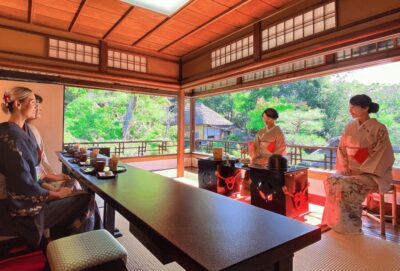
Kyoto: Tea Ceremony in a Traditional Tea House in Kiyomizu
Read our review →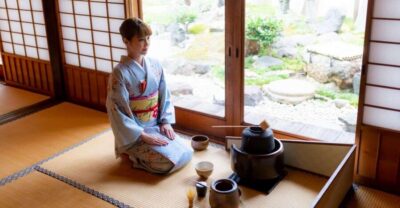
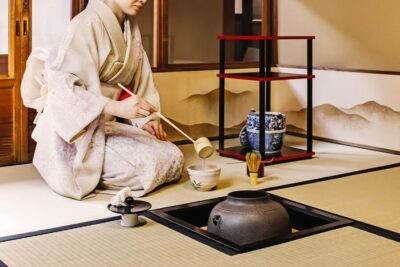
Kyoto: 45-Minute Tea Ceremony Lesson Experience
Read our review →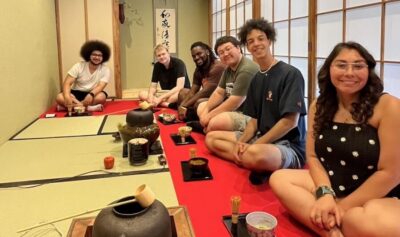
Kyoto: Table-Style Tea Ceremony at a Kyo-Machiya
Read our review →
Browse the lists this tour appears in