
Review · MATCHA EXPERIENCES
Making Japanese desserts Nerikiri & drinking matcha in Tokyo
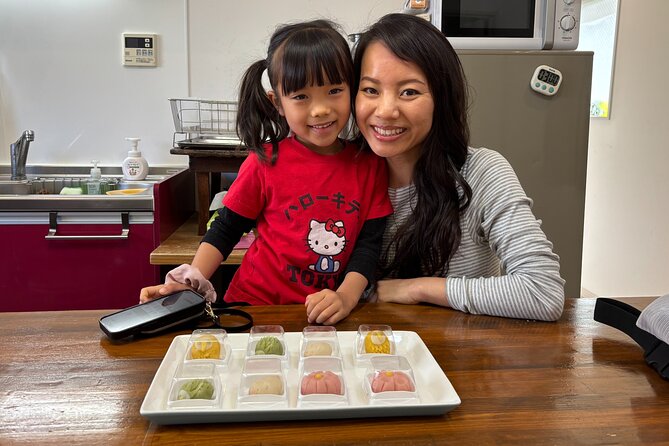
Nerikiri looks like edible artwork, but this Tokyo class lets you handle the soft dough yourself. You’ll shape three seasonal Japanese sweets, learn why their designs change through the year, and eat them with freshly prepared matcha.
I like the small class size, which allows plenty of help, and the fact that all tools and ingredients are supplied. The take-home packets are another smart touch. You can enjoy your sweets later instead of rushing through all three at the table.
The main thing to watch is the meeting location. The class usually takes place in Shimokitazawa, but it may move to Toritsudaigaku Station if the rental kitchen is unavailable. Check the instructor’s email before setting out.
Key points to know
- Three seasonal nerikiri sweets: You shape kneaded dough by hand, with designs based on the time of year.
- Matcha served after the class: Your sweets are paired with powdered green tea prepared by the instructor.
- Small groups of up to eight: You get a more personal lesson than in a large cooking workshop.
- A beginner-friendly cultural activity: The process is hands-on, but the class provides the ingredients and tools.
- Choice of eating or taking them home: Takeaway packets are supplied, which helps if you are already full.
- A flexible location: Shimokitazawa is the usual setting, but Toritsudaigaku Station may be used instead.
Shaping seasonal nerikiri in a Tokyo kitchen
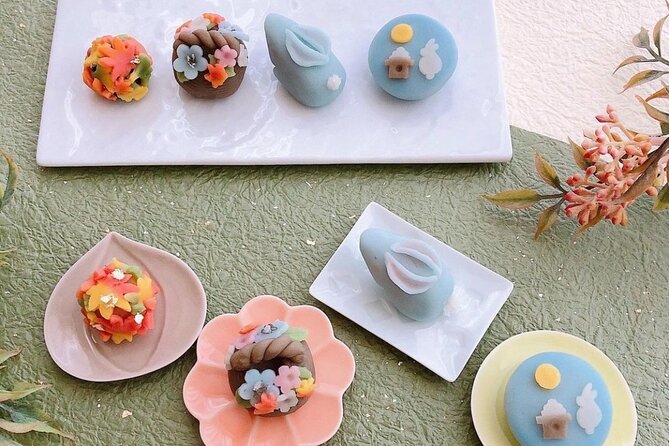
This is a short, focused class rather than a full Japanese cooking course. In about 90 minutes, you learn the basics of nerikiri, a traditional Japanese confectionery made from kneaded dough and shaped into seasonal designs.
The appeal is partly visual. Nerikiri can resemble flowers, leaves, animals, or other images connected with the season. Here, you do not just watch an instructor make perfect sweets. You work the dough with your own hands and form three different pieces.
That hands-on work matters. A demonstration can make Japanese confectionery look effortless, but shaping soft dough takes care and patience. The class gives you a chance to see how the forms are made and to produce your own version without needing previous experience.
The exact designs depend on the season. You should expect seasonal kneaded sweets rather than one fixed menu throughout the year. That gives the activity a sense of place and time, but it also means you cannot assume you will make a particular design.
There is one special request mentioned for an owl and a needle mouse. If those are important to you, contact the instructor by email when you send your booking details. The request may not be possible, depending on when you apply, so treat it as a preference rather than a promise.
More Matcha Experiences in Tokyo
- Matcha Making Class in Tokyo with Authentic Japanese Sweets Set
★ 5.0 · 744 reviews - Tokyo: Matcha Making Experience with Mochi Sweets in Asakusa
★ 4.9 · 388 reviews - Asakusa Cultural Walk & Matcha Making Tour
★ 5.0 · 245 reviews
Why the small group size matters
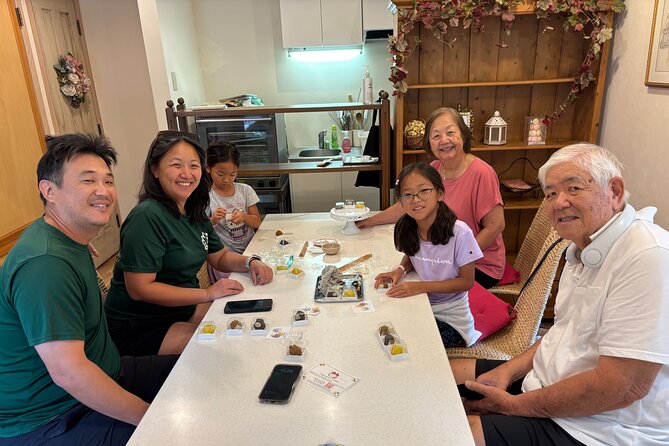
The class has a maximum of eight people. That is a useful limit for an activity involving delicate dough, small tools, and detailed shapes.
You can work at your own pace and ask for help when the dough does not behave as expected. In a large class, a teacher might demonstrate once and move on. Here, the format is better suited to beginners who want to understand each stage rather than simply copy a finished example.
The activity has been described as especially friendly for first-time learners, and that fits the format. You do not need to bring equipment or source unusual ingredients. The class supplies what you need, letting you concentrate on the technique and the meaning behind the sweets.
It is also a good choice for families and friends who want to do something together. The work is quiet and creative, not physically demanding. Everyone can make the same general seasonal sweets while producing slightly different results.
Do not expect a private lesson unless your booking creates a very small group. The class is small, but it is still a shared activity with a maximum of eight people.
The lesson begins with the story behind the sweets
Before you shape the dough, the instructor explains nerikiri and its place in Japanese food culture. This gives the class more substance than a simple make-and-eat workshop.
Nerikiri is closely tied to seasonal awareness. The appearance of the confectionery changes with the time of year, which reflects a broader Japanese habit of noticing flowers, weather, festivals, and other seasonal markers through food. The lesson helps connect the design in your hands with that larger idea.
You also sample a range of treats as part of the introduction to nerikiri confectionery. This is useful because it gives you a point of comparison before you make your own. You can see different shapes and styles instead of treating the three sweets as isolated craft projects.
The class also promises facts about Japanese cuisine that you may not find in a standard sightseeing guide. That is one of the better reasons to choose it. You are not simply adding another snack to your Tokyo schedule. You are learning how a small, carefully shaped sweet carries cultural meaning.
The information is presented within a practical lesson, so the class should suit you if you prefer a short explanation followed by action. It is not designed as a long lecture on Japanese food history.
Making three different seasonal sweets by hand
The central part of the experience is the preparation of three types of seasonal kneaded dough. The instructor explains the process, then you make the sweets yourself.
Expect the activity to focus on touch, shape, and detail. You will handle the dough, form it into the intended design, and work through the stages with guidance. The class is not about producing large quantities. Three pieces give you enough practice to learn the method without turning the session into repetitive work.
Your results may not look exactly like the instructor’s. That is part of the point. These sweets are delicate, and small differences in pressure or shaping can change the final appearance. The class lets you try the technique in a supportive setting rather than judging you on presentation.
For children, the main challenge may be patience. For adults, the challenge may be resisting the urge to rush. The shapes reward careful hands. If you enjoy craft activities, this food lesson offers a pleasant change from standard restaurant meals and market visits.
The seasonal menu is both a strength and a limitation. It keeps the class connected to the calendar, but the description does not specify the designs for every booking date. If you have a strong preference, ask in advance rather than assuming the examples shown elsewhere will be available.
Same city, a very different cup:
- Kimono Tea Ceremony at Tokyo, Asakusa Maikoya
★ 5.0 · 638 reviews - Tokyo: Traditional Tea Ceremony with a Tea Master
★ 5.0 · 528 reviews - Dynamic Tokyo: Tokyo Tower, Tea Experience, Bay Cruise Day Tour
★ 4.5 · 521 reviews - Tokyo: Matcha and Kimono Experience
★ 4.7 · 219 reviews
Matcha and the best moment to taste your work
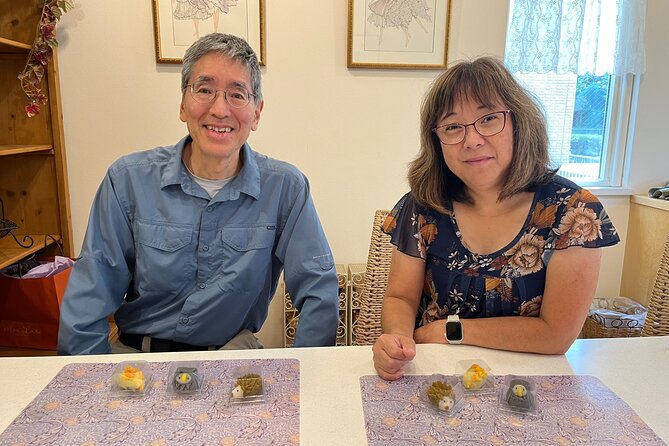
After you finish making the sweets, the instructor prepares matcha. You then eat the nerikiri at the class or pack them to take away.
The pairing is important. Nerikiri is sweet, while matcha has a strong, earthy bitterness. Together, they show how Japanese tea sweets are meant to be enjoyed with tea rather than considered in isolation.
You can eat your creations immediately if you want the full experience while the lesson is fresh. If you are not hungry, or if you want to show them to someone else, takeaway packets are provided. That small option makes the activity more practical during a busy day in Tokyo.
Keep in mind that these are handmade sweets, not durable souvenirs. The takeaway option is best viewed as a convenient way to enjoy the result later, not as a replacement for a packaged gift from a shop.
The matcha portion also gives the class a calm ending. After the concentration of shaping the dough, you have a chance to sit with the finished sweets and appreciate the contrast between the colorful confectionery and the green tea.
Shimokitazawa gives you more to do afterward
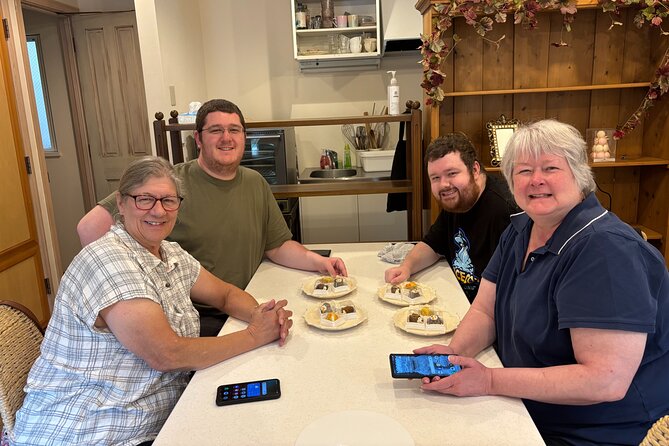
The usual meeting point is at 3-chōme-20-4 Kitazawa in Setagaya City, near the Shimokitazawa area. The class itself ends back at the meeting point, so you can plan the rest of your day from there.
One practical advantage is the chance to explore nearby Setagaya-ku after the lesson. The activity does not include a wider district tour, so you will need to make your own plans, but the location works well for combining the class with independent sightseeing.
The setting may change to Toritsudaigaku Station if the Shimokitazawa kitchen is unavailable. This is the most important logistical detail. The instructor sends location information by email after booking, so read that message carefully before you leave for the class.
Do not rely only on the general meeting address shown when planning your day. Check the final instructions, especially if you have arranged another reservation nearby. A location change can affect your travel time, even though both places are in Tokyo.
The class is near public transportation, which helps, but the exact route depends on which kitchen is being used. Build in enough time to find the correct location without arriving flustered. A hands-on food activity is more enjoyable when you are not watching the clock.
Is $65.69 a fair price?
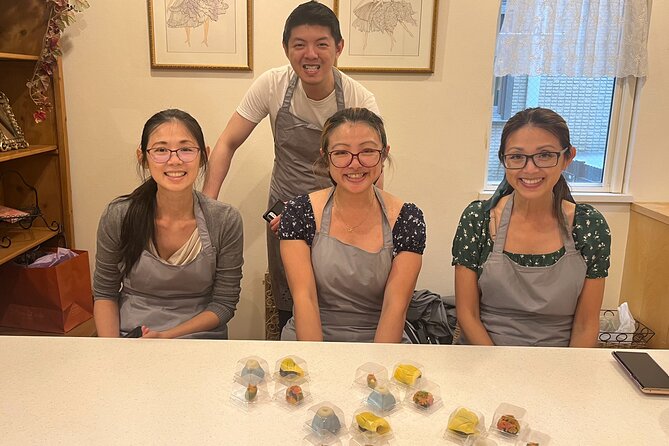
At $65.69 per person, this is not a cheap snack stop. You are paying for a 90-minute guided class, instruction, ingredients, equipment, three handmade sweets, matcha, and takeaway packaging.
The value depends on what you want from a Tokyo food experience. If you only want to taste Japanese confectionery, a shop or tea counter will cost less and give you more choice. If you want to learn how nerikiri is made and handle the process yourself, the class offers more than a simple purchase.
The small group improves the value. With no more than eight people, the fee covers a more personal format instead of a crowded demonstration. The supplied tools and ingredients also save you from buying items that would be difficult to use during a short visit.
I would compare this price with the cost of another structured activity, not with the price of a single sweet. You receive instruction, cultural context, a tasting, and something you have made yourself. That makes the cost reasonable for visitors who value participation and not just sightseeing from the outside.
Group discounts are available, so the per-person cost may work better for friends or family booking together. The experience is also short enough to fit around other Tokyo plans, which adds practical value.
Who will enjoy this class most?
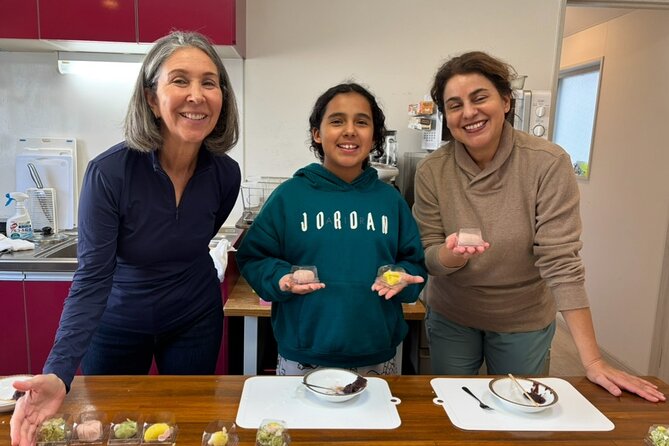
I would recommend it to you if you enjoy food, craft, and cultural activities in equal measure. It suits people who want a quiet, creative break from major sights and who like learning by doing.
Families can also consider it, especially if everyone is comfortable following instructions and working carefully. The class is beginner-friendly, and no special cooking background is required by the information provided.
It is a good fit for couples and friends because you can compare your finished shapes and share the matcha afterward. The small group makes it more personal than a large commercial workshop.
You may want to skip it if you want a full meal, a long food tour, or a class built around several savory Japanese dishes. This is a focused confectionery lesson. You will make three seasonal sweets, not a broad menu.
You should also think twice if your schedule is very tight. The activity lasts about 90 minutes, but the meeting location may vary. Allow time for transport and for reading the instructor’s final email.
Booking details worth checking before you go
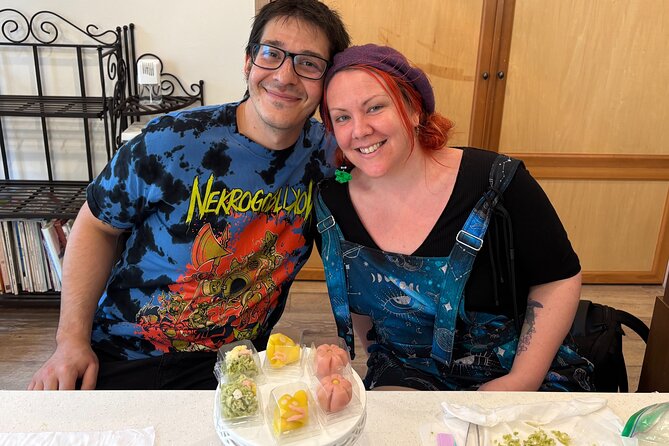
Confirmation is sent within 48 hours of booking, subject to availability. The activity is commonly booked about 34 days ahead, so leaving it until the last minute may reduce your choice of dates.
The exact location is communicated by the instructor after reservation. The usual kitchen is in Shimokitazawa, while Toritsudaigaku Station may be used when the main space is unavailable.
If you want the owl or needle mouse design, make that request by email at the time requested by the instructor. It may not be possible depending on when you apply, and seasonal sweets are the default when no request is made.
Free cancellation is available until 24 hours before the local start time. Changes or cancellations inside that 24-hour window are not accepted for a refund, so keep the cut-off in mind when planning your Tokyo days.
The provider is Shuminavi Inc. The activity has a maximum of eight people, includes a mobile ticket, and offers group discounts.
My verdict on the nerikiri and matcha class
I would book this experience if you want a small, hands-on introduction to Japanese confectionery rather than another passive sightseeing stop. The strongest features are the seasonal designs, the personal help made possible by the eight-person limit, and the chance to eat or take home what you make.
The price is fair for a 90-minute class with materials, matcha, instruction, and takeaway packaging, though it is more than you would pay simply to buy nerikiri. The location change is the one point that requires attention.
Book it for a creative morning or afternoon near Shimokitazawa, and check the final meeting instructions before you leave. If you like food with a story and do not mind working slowly with your hands, this is a worthwhile addition to a Tokyo itinerary.
FAQ
How long does the nerikiri and matcha class last?
The class takes about 1 hour and 30 minutes.
Where does the class take place?
It is generally held at a kitchen in Shimokitazawa at 3-chōme-20-4 Kitazawa, Setagaya City, Tokyo. If that kitchen is unavailable, the class may take place near Toritsudaigaku Station.
Can the location change after booking?
Yes. The instructor will email you the location details after your reservation, so check your email before going to the class.
How many people can join the class?
The maximum group size is eight people.
What will I make?
You will make three types of seasonal kneaded dough used to create nerikiri sweets.
Can I request a specific design?
You may request an owl and a needle mouse by email, but the request may not be possible depending on when you apply. If you make no request, the class will use seasonal designs.
Is matcha included?
Yes. After making the sweets, the instructor prepares matcha for you to drink with them.
Can I take the sweets home?
Yes. You may eat the nerikiri at the class or take them home, and takeaway packets are provided.
What happens if I need to cancel?
You can receive a full refund if you cancel at least 24 hours before the local start time. Cancellations or changes made less than 24 hours before the start are not accepted for a refund.
More Drinks Tours in Tokyo
- Tokyo Sushi Making Class : Sake Ceremony & Matcha Experience
★ 5.0 · 44 reviews - Private Tea Ceremony and Sake Tasting in Kyoto Samurai House
★ 5.0 · 163 reviews - Kyoto Local Gourmet Night Experience: Kaiseki & Izakaya & Matcha
★ 5.0 · 22 reviews - Shanghai Mahjong Experience in Local Tea Bar
★ 5.0 · 4 reviews
Fresh tea listings around Tokyo
- Yokohama : Tea Ceremony with Sweets and Souvenir★ 5.0 · 5 reviews
- Walking Tour: Yanaka,Nezu& Sendagi: Tea Ceremony & Old Tokyo★ 5.0 · 3 reviews
- Private Mochi・Matcha sweets Making Class Near Shibuya Area★ 5.0 · 22 reviews
- 2 Hours Mochi &Nerikiri Making & Matcha Class in Bunkyo★ 5.0 · 21 reviews
- Private Kimono and tea ceremony at local home near Tokyo Disney★ 5.0 · 6 reviews
- Kimono and Tea Ceremony in Asakusa Private Food Tour With Guide★ 5.0 · 4 reviews
- Tokyo: Tea Ceremony & Japanese Sweets Making★ 5.0 · 10 reviews
- Tokyo Sweets Tour: Hidden Gems & Matcha at an Old Tea House★ 5.0 · 6 reviews
Matcha Experiences, compared.
World Heritage Kyoto & Nara Uji Authentic Matcha Experience
Read our review →
Matcha Making Class in Tokyo with Authentic Japanese Sweets Set
Read our review →
Kyoto: Tea Museum Tickets and Matcha Grinding Experience
Read our review →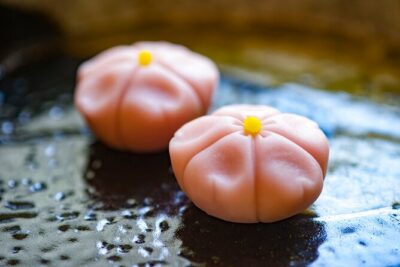
Matcha Making Class in Osaka with Authentic Japanese Sweets Set
Read our review →
Kyoto: Tea Ceremony Meditation – Make Matcha with Tea Master
Read our review →
Tokyo: Matcha Making Experience with Mochi Sweets in Asakusa
Read our review →
Kyoto: Kimono Tea Ceremony with Matcha and Sweet
Read our review →
Browse the lists this tour appears in