
Review · MATCHA EXPERIENCES
Matcha Grinding Experience and Walking Tour in Uji Kyoto
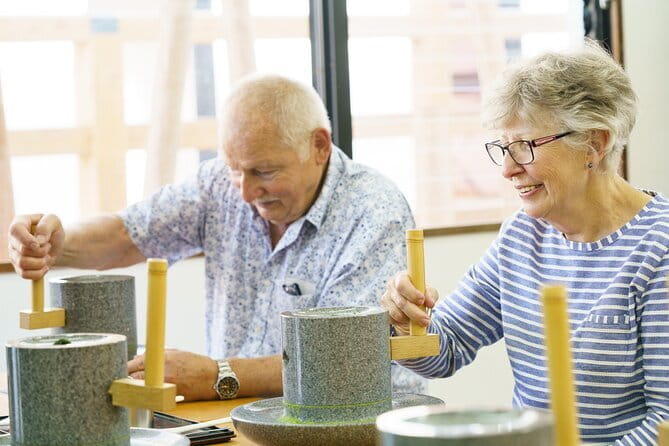
Uji’s best lesson is hands-on: you grind tea leaves yourself, watch them turn into fine matcha, then drink the tea you made. That simple act gives you a better feel for Uji than a quick stop at a tea shop. The visit to Byodo-in Temple, the graceful building shown on Japan’s 10-yen coin, adds a strong cultural anchor.
I like the small group limit of six, which makes it easier to ask questions and keep the walk relaxed. I also like the mix of temple, shrine, local tea culture, and a snack, rather than a tour built around shopping alone. The main drawback is the price: at $130.46 per person, you are paying for a guided half-day outing, not just a tea lesson, and transport from Kyoto is not included.
Key points to know before booking
- You grind your own matcha: Use a traditional stone mill, then drink the powder you have made.
- Byodo-in is the main cultural stop: Admission is included, and the temple is famous for its image on the 10-yen coin.
- The walk includes three distinct stops: Byodo-in Temple, Uji Shrine, and Fukujuen Ujicha Kobo.
- The group can be very small: A maximum of six people allows for a more personal pace.
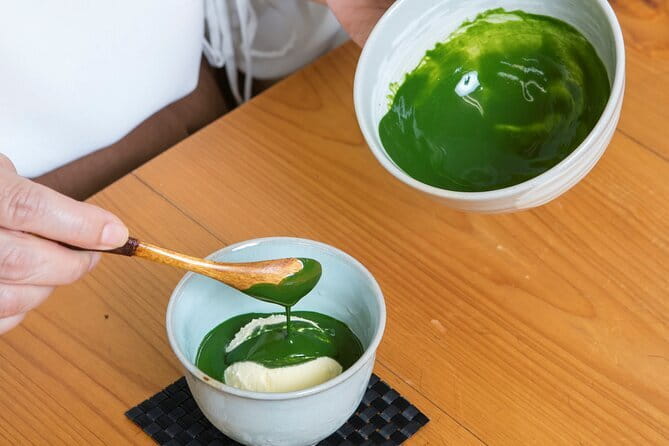
- Japanese sweets or matcha ice cream are included: You choose one to enjoy with your freshly prepared tea.
- Plan for WhatsApp and a mask: The guide uses WhatsApp for contact, and a mask is required during the matcha workshop.
Why Uji makes a good half-day from Kyoto
Uji gives you a clear change of pace from central Kyoto. It is closely tied to high-quality green tea, and this tour uses that identity as its main thread. Instead of simply looking at tea products in a shop, you learn through a small practical task, then connect the tea to the town’s temples and shrines.
The tour begins at 9:30 am at Shinshindo near the central bus ticket center at JR Kyoto Station. That location is useful if you are staying in Kyoto and want a clear meeting point, but the tour does not include hotel pickup. You need to reach the station on your own and meet the guide there.
From Kyoto Station, the outing takes about four hours in total. That is enough time for a structured visit without taking up the entire day. I would pair it with an afternoon back in Kyoto rather than trying to fit another major full-day attraction around it.
The maximum group size is six. That matters here because the tea-making session works better when the guide can explain the process and answer questions without rushing from person to person. The small format also helped make one scheduled outing feel like a private tour when fewer people booked, giving the guide room to adjust the pace.
More Matcha Experiences in Kyoto
- Kyoto: Tea Ceremony Meditation – Make Matcha with Tea Master
★ 4.8 · 406 reviews - Kyoto: Kimono Tea Ceremony with Matcha and Sweet
★ 4.9 · 249 reviews - Kyoto: Arashiyama Bamboo, Temple, Matcha, Monkeys & secret spots
★ 5.0 · 219 reviews
Byodo-in Temple and the 10-yen coin
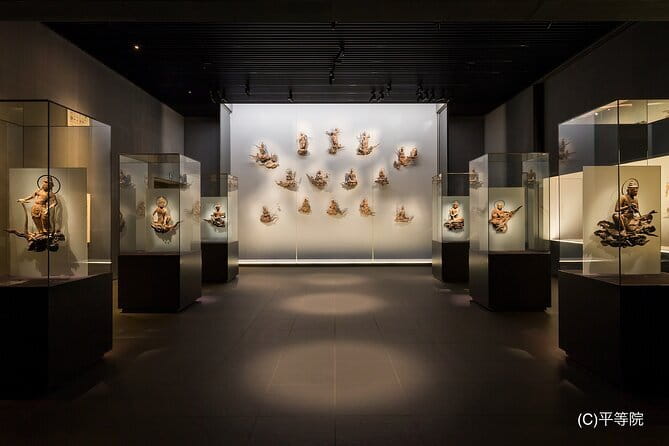
Byodo-in is the tour’s headline sight. The temple is a UNESCO World Heritage Site, and its Phoenix Hall is familiar to anyone who has looked closely at a Japanese 10-yen coin. Seeing the real building after recognizing it from everyday currency gives the visit an immediate sense of place.
The temple stop also keeps the tea experience from feeling narrow. You are not spending four hours only on preparation and tasting. You get a major cultural site first, then continue through Uji with a better understanding of why this town matters.
Admission to Byodo-in is included in the tour price. That makes the cost easier to assess, since you are not paying for a guide and then adding the temple ticket separately. Still, you should be clear about what is not included: there is no hotel pickup, and the published inclusions do not list other food, drinks, or transport costs.
Give the temple your attention rather than treating it as a quick photo stop. The architecture is the visual high point, while the guide can help explain the connection between the site, Uji, and the wider cultural setting. Vincent, one of the guides associated with this experience, has been praised for explaining the places along the route and for making the visit easy to follow.
Uji Shrine adds a quieter local stop
After Byodo-in, the route continues to Uji Shrine. The appeal here is different. Byodo-in is the famous, highly recognizable monument, while a shrine visit gives you another side of local religious culture.
The tour does not promise a long lecture or a special ceremony at Uji Shrine, so keep your expectations sensible. You are visiting as part of a walking route, not taking a dedicated shrine study tour. That is still useful because it breaks up the temple visit and lets you see more than one important site in Uji.
I like this pairing. If the tour only included the temple and the tea workshop, it might feel like a single-attraction outing. Adding a shrine gives the morning more variety and helps you understand that Uji is not only a tea destination.
The exact amount of time at each stop can vary. A small group may allow some flexibility, but the overall activity remains about four hours. If you have a strict schedule for the afternoon, ask the guide about timing at the start.
Grinding matcha with a traditional stone mill
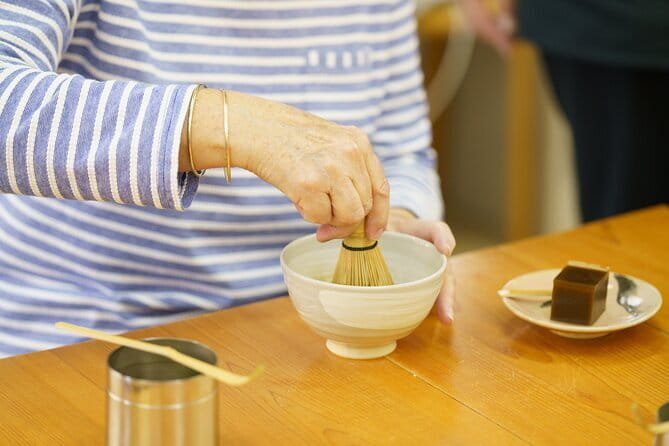
The matcha workshop is the part that makes this more than a standard sightseeing walk. You grind tea leaves into powder with a traditional stone mill, then prepare and drink your own matcha.
This is a slow, physical process. That is part of its value. You see that matcha is not simply green tea poured from a pot. The leaves must be ground into a very fine powder, and the method gives you a direct connection to the drink in your cup.
The workshop takes place at Fukujuen Ujicha Kobo, one of the named stops on the route. The setting gives the activity a strong connection to Uji tea rather than making it feel like a generic cooking class in Kyoto.
Your tea comes with a choice of Japanese snacks or matcha ice cream. The snack option fits the traditional side of the experience, while matcha ice cream may be the easier choice if you prefer a familiar, cool treat. Either way, the food is included, so you do not have to budget separately for this final part.
You must wear a mask during the matcha-making workshop. That is a practical requirement, not a minor suggestion, so bring one with you. The tour also asks you to have WhatsApp available before the outing because the guide uses it for communication.
Same city, a very different cup:
- Kyoto: Tea Ceremony in a Traditional Tea House in Kiyomizu
★ 4.9 · 3,519 reviews - Kyoto: Tea Ceremony Ju-An at Jotokuji Temple
★ 4.9 · 3,207 reviews - Kyoto: 45-Minute Tea Ceremony Lesson Experience
★ 4.3 · 2,378 reviews - Kyoto: Table-Style Tea Ceremony at a Kyo-Machiya
★ 4.9 · 1,211 reviews
What the guide adds to the walk
A tea workshop can be enjoyable on its own, but the guide is important here because the activity combines several subjects. You are moving between temple architecture, shrine customs, Uji’s tea reputation, and a hands-on preparation method.
Vincent has received especially strong praise for his friendly manner and for explaining the places along the route. His approach appears to suit people who want context without turning the outing into a formal classroom. He has also guided groups through several temples and shrines, then talked them through the matcha-making process.
That matters if you are new to Japanese tea. Without explanation, grinding leaves can become a pleasant but disconnected task. With a guide, you can place it within Uji’s identity and understand why the area is linked with high-grade green tea.
The experience is conducted in English. The group cap of six gives you a better chance to speak directly with the guide than you would have on a large coach tour. If you enjoy asking questions about food, customs, or the sites you are seeing, this format should suit you.
Is $130.46 good value?
The price is high for a four-hour activity, so I would not book it simply because you want a cheap way to see Uji. The value comes from the package: Byodo-in admission, an English-guided walk, the matcha workshop, and Japanese sweets or ice cream are included.
You are also paying for convenience and interpretation. Someone else is organizing the route between the main stops, explaining the tea process, and keeping the morning moving. A group of no more than six can feel much more personal than a large scheduled tour.
On the other hand, transport from Kyoto is not included, and there is no hotel pickup. You should add the cost and time of getting to the meeting point at JR Kyoto Station. If you are already planning to visit Uji independently, you could save money by arranging your own temple visit and buying tea locally.
I would see this as a good value for a first Uji visit if you want structure and personal guidance. It is less appealing for repeat visitors who already know Byodo-in and only want to drink matcha. The small group and included workshop are the strongest reasons to choose it over a simple self-guided day.
Who will enjoy this Uji experience most?
This outing suits matcha fans, first-time visitors to Uji, and anyone who prefers learning by doing. The stone mill gives the morning a clear activity, while the temple and shrine keep it varied.
It also works well for couples, friends, and families who want a manageable half-day outside central Kyoto. The group size may be especially appealing if you dislike large tours or want a chance to speak with the guide.
You may want a different plan if your priority is a long, slow temple visit, extensive free time, or a full tea ceremony. The published experience focuses on walking, sightseeing, grinding matcha, and having a snack. It does not promise a lengthy formal ceremony or an open-ended afternoon in Uji.
The tour is also not ideal if you cannot use WhatsApp for pre-tour communication or if you do not want to wear a mask during the workshop. Those requirements are easy to handle for most people, but they are worth noting before you pay.
Practical details for a smoother morning
Arrive ready for a walking tour, with comfortable shoes and enough room in your schedule for the full four hours. The route includes several stops, and the experience ends back at the original meeting point in Kyoto.
Have WhatsApp available before the tour so the guide can contact you. Bring a mask for the workshop. Since hotel pickup is not provided, confirm your route to Shinshindo at the central bus ticket center near JR Kyoto Station.
The tour requires a minimum number of participants. If that minimum is not met, you may be offered another date or experience, or receive a full refund. You can cancel for a full refund if you do so at least 24 hours before the start time. Cancellations or changes made later are not accepted for a refund.
The confirmation is issued within 48 hours of booking, subject to availability. That timing is worth keeping in mind if you are building a tightly packed Kyoto itinerary.
Should you book it?
I would book this tour if you want a small, guided introduction to Uji that joins its best-known temple with a real tea activity. Grinding your own matcha gives the outing a memorable center, and Byodo-in supplies the major cultural sight. Vincent’s friendly guiding style is another reason to choose it when he is leading your departure.
I would skip it if you only want the lowest-cost route to Uji or if you prefer to explore independently. The $130.46 price is justified by the small group, temple admission, guide, workshop, and included treat, but it is not a bargain tour.
For most first-time visitors who love Japanese tea and want a well-organized half-day from Kyoto, this is a solid choice. Just budget for your own transport to the meeting point, bring a mask, and keep WhatsApp ready.
FAQ
How long does the Matcha Grinding Experience and Walking Tour last?
The activity lasts approximately four hours. It begins at 9:30 am and ends back at the meeting point near JR Kyoto Station.
Where does the tour start?
It starts at Shinshindo inside the bus ticket center near the central exit of JR Kyoto Station, at 902 Higashishiokoji-cho, Shimogyo Ward, Kyoto.
Is hotel pickup included?
No. Hotel pickup is not included, so you need to reach the meeting point at Kyoto Station on your own.
What is included in the price?
The price includes admission to Byodo-in Temple, the matcha-making class, and either Japanese snacks or matcha ice cream.
What places does the walking tour visit?
The route includes Byodo-in Temple, Uji Shrine, and Fukujuen Ujicha Kobo.
What is the cancellation policy?
You can cancel at least 24 hours before the start time for a full refund. Cancellations or changes made less than 24 hours before the start time are not accepted for a refund.
More Walking Tours in Kyoto
- Kyoto Tea Ceremony & Kiyomizu-dera Temple Walking Tour
★ 5.0 · 115 reviews - The Way of Tea: Kyoto Crafts, Hidden Temples & Wabi-Sabi Walk
★ 5.0 · 41 reviews - London: Kensington Palace Afternoon Tea & Guided Walk
★ 4.6 · 341 reviews - Notting Hill Walking Tour with Cream Tea
★ 5.0 · 319 reviews
Fresh tea listings around Kyoto
- Cycling Tour at Uji’s Matcha Green Tea Fields and Heritage★ 5.0 · 10 reviews
- Authentic Tea Ceremony & Sushi in The Museum of Kyoto★ 5.0 · 3 reviews
- Kyoto Fushimiinari:Wagashi Making & Small Group Tea Ceremony★ 5.0 · 14 reviews
- 2 Types of Japanese Sweets making and Tea Ceremony★ 4.6 · 17 reviews
- Whisk Your Own Matcha: A Zen Matcha Experience at Temple★ 3.6 · 7 reviews
- Kyoto Hidden Riverside Zen Mediation and Uji Matcha Experience★ 5.0 · 9 reviews
- Kyoto: Nighttime Zen Meditation and Matcha Tea Experience★ 5.0 · 7 reviews
- Stunning Private Tea Ceremony: Camellia Garden Teahouse★ 5.0 · 28 reviews
Matcha Experiences, compared.
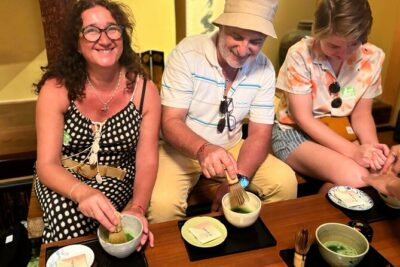
World Heritage Kyoto & Nara Uji Authentic Matcha Experience
Read our review →
Matcha Making Class in Tokyo with Authentic Japanese Sweets Set
Read our review →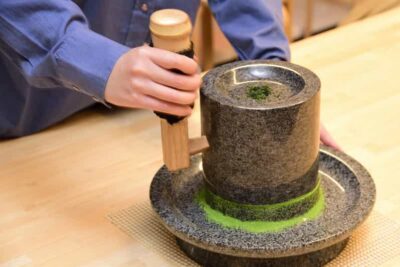
Kyoto: Tea Museum Tickets and Matcha Grinding Experience
Read our review →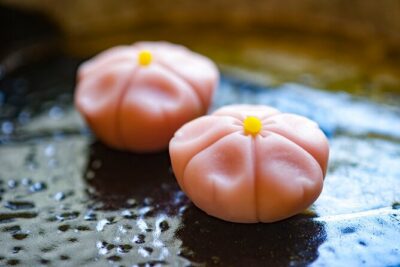
Matcha Making Class in Osaka with Authentic Japanese Sweets Set
Read our review →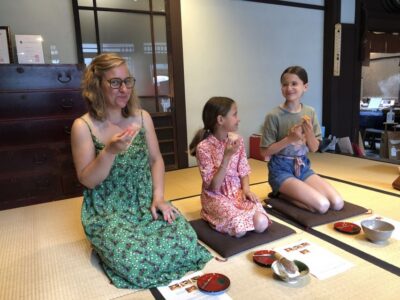
Kyoto: Tea Ceremony Meditation – Make Matcha with Tea Master
Read our review →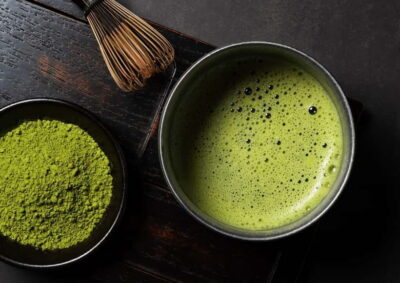
Tokyo: Matcha Making Experience with Mochi Sweets in Asakusa
Read our review →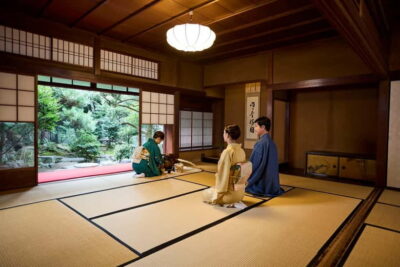
Kyoto: Kimono Tea Ceremony with Matcha and Sweet
Read our review →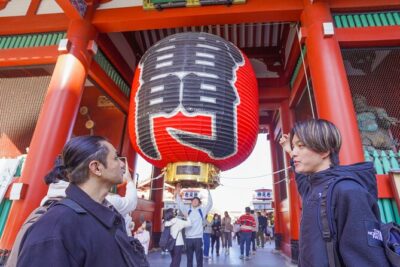
Browse the lists this tour appears in