
Review · KIMONO & TEA CEREMONY
Kyoto Tea Ceremony and Samurai Photo Session
Kyoto’s tea culture becomes much more memorable when you stop watching and make the tea yourself. In this compact session, you learn the basics of matcha, taste seasonal wagashi, prepare a Kyoto-style matcha latte, and finish in samurai armor for photos inside a 100-year-old machiya.
I like the hands-on format and the warm teaching style of Maya, whose clear English, humor, and patience make the ceremony easy for beginners. I also like the balance between an old tradition and a modern drink you can recreate at home.
The main consideration is time. The tea portion is described as about 50 minutes, while the full experience lasts roughly 1 hour 20 minutes, so this is an introduction rather than a long, formal tea-school lesson.
Key Points at a Glance
- A 100-year-old machiya: Learn in a traditional Kyoto townhouse rather than a generic classroom.
- Maya’s friendly instruction: Expect clear English explanations, history, humor, and patient guidance.
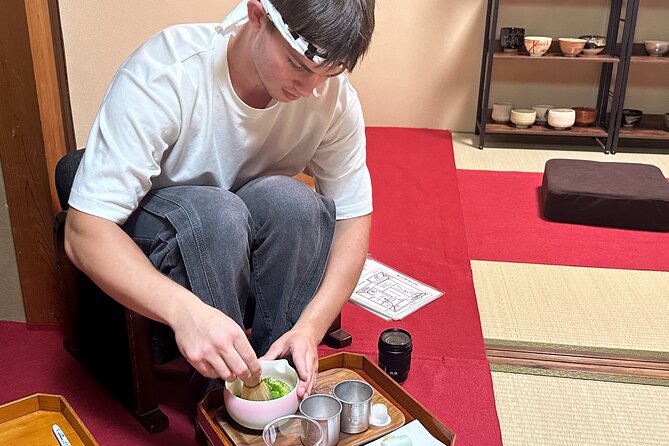
- You make the matcha: Watch a demonstration, then prepare your own traditional bowl.
- Two ways to enjoy matcha: Taste the tea traditionally and make a creamy Kyoto-style latte.
- Seasonal wagashi included: Traditional sweets provide the classic pairing for the tea.
- Samurai armor photos: Put on armor at the end for a playful, memorable finish.
A Short Tea Lesson in an Old Kyoto Townhouse
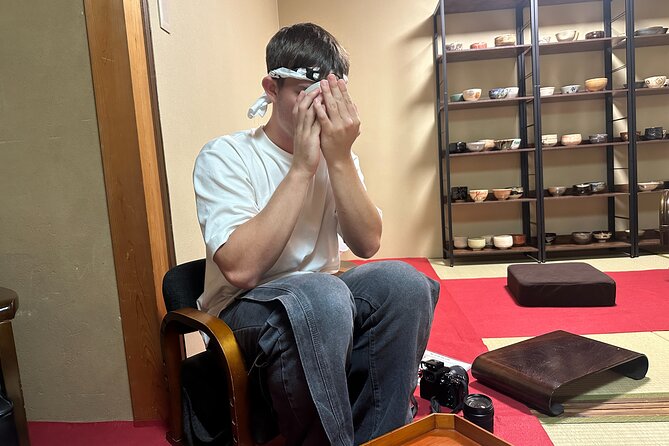
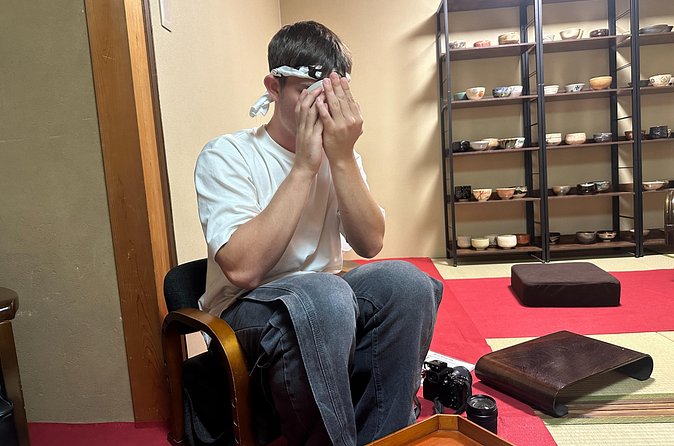
The setting does much of the work here. A 100-year-old machiya gives the activity a sense of place that a modern café cannot match. These traditional townhouses are closely tied to Kyoto’s old urban neighborhoods, so entering one helps you shift gears from sightseeing to a quieter cultural activity.
The space is described as charming and tucked away, with the session held at Samurai Gyoza Factory Kyoto, 230-1 Kamimyōkakujichō in Nakagyo Ward. It is near public transportation, which matters in Kyoto, where a short walk from a station or bus stop can save you from wasting half a day on complicated connections.
The activity itself is small, with a maximum of 10 people. That number is large enough to keep the mood social, but small enough for the instructor to demonstrate the movements and watch you try them. If you dislike large demonstrations where you can barely see the guide, this format should feel more personal.
The meeting point and the end point are the same. That is handy when you are fitting the ceremony between other plans in central Kyoto. You do not need to arrange a second pickup point or figure out where the activity leaves you.
More Kimono and Tea Ceremonies in Kyoto
- Kimono Tea Ceremony at Kyoto Maikoya, NISHIKI
★ 5.0 · 911 reviews - Kyoto: Kimono Tea Ceremony at Orizuruya Gion
★ 4.9 · 618 reviews - KYOTO Tea Ceremony with kimono near by Imamiya Jinjya Shrine
★ 5.0 · 343 reviews
Learning the Meaning Behind Matcha
The session begins with an explanation of Japanese tea ceremony customs and history. This context is important because matcha preparation can otherwise look like a series of careful gestures with no obvious reason behind them.
Maya explains the ceremony in English and uses a light, friendly teaching style. The information provided describes her as funny, patient, encouraging, and easy to understand. That combination matters. A formal subject can become stiff if the guide treats every mistake as a serious offense. Here, you are encouraged to try, ask questions, and take part.
You also hear about mindfulness and the idea of valuing the moment. That is one of the most useful parts of the lesson because it gives the ceremony meaning beyond the tools and technique. You are not simply learning how to whisk green tea. You are being introduced to a slower way of paying attention.
Do not expect an advanced study of tea schools, regional production, or the fine distinctions between every ceremonial style. The available time is short, and the experience is built for first-time participants. Think of it as a clear and welcoming introduction rather than professional training.
Watching the Ceremony Before You Try It
A demonstration comes before your own preparation. This is the right order for beginners. You get to see how the instructor handles the matcha and explains the process before you pick up the tools yourself.
The demonstration also lets you notice the calm rhythm of the ceremony. The atmosphere is quieter than a standard cooking class, and the machiya setting helps reinforce that mood. Even if you have no prior interest in tea, this part gives you a brief look at how a traditional Japanese practice is performed.
The teaching style appears intentionally practical. You are not expected to know how to sit, hold the equipment, or prepare the tea in advance. The instructor guides you through the process and encourages you to try.
That makes this a good choice for families, friends, couples, and solo visitors who want participation without the pressure of getting everything perfect. Matcha can be messy for a beginner, and the relaxed approach is useful if your first bowl is not café quality.
Making Your Own Traditional Matcha
The heart of the activity is your chance to prepare matcha yourself. You do not simply receive a cup and listen to a lecture. You take part in the preparation, which gives you a better feel for the care involved.
The tea is described as high quality, and you taste it in its traditional form before moving on to the latte. Matcha has a stronger, more direct flavor than many people expect. It can be earthy, grassy, and slightly bitter, especially when served without milk or sweetener.
That makes the wagashi an important part of the experience. These traditional Japanese sweets are served with the tea and provide a sweet counterpoint to matcha’s sharper flavor. Seasonal wagashi also adds a small connection to the time of year, rather than treating the food as a generic snack.
The ceremony is not only about flavor. You learn how the tea is prepared and why the process is handled with care. For someone who has bought matcha drinks in cafés but never understood the traditional version, this is the point where the drink becomes part of a larger cultural practice.
More Tea Ceremonies in Kyoto
- Kyoto: Tea Ceremony in a Traditional Tea House in Kiyomizu
★ 4.9 · 3,519 reviews - Kyoto: Tea Ceremony Ju-An at Jotokuji Temple
★ 4.9 · 3,207 reviews - Kyoto: 45-Minute Tea Ceremony Lesson Experience
★ 4.3 · 2,378 reviews - Kyoto: Table-Style Tea Ceremony at a Kyo-Machiya
★ 4.9 · 1,211 reviews
Making a Kyoto-Style Matcha Latte
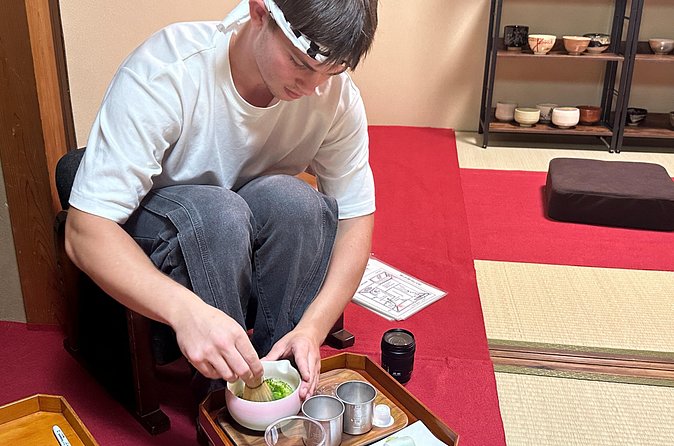
The modern turn comes with the matcha latte. After trying the traditional preparation, you make a creamy version yourself.
I like this part because it gives the experience a practical afterlife. A formal ceremony can be beautiful but difficult to repeat at home. A matcha latte is more approachable, and the class includes a recipe that you can take away and use in your own kitchen.
The latte also works as a bridge between old and new Kyoto. You first learn the traditional method, then see how the same tea can be adapted into a drink familiar to people around the world. That contrast keeps the session from feeling like a museum demonstration.
The information provided does not specify every ingredient, equipment detail, or the exact recipe. You should therefore expect instruction in the basic method rather than a full professional barista course. Still, if you are a tea lover, this is one of the most useful parts to remember after your holiday.
You may also find the latte easier to enjoy if straight matcha is too intense. The two preparations let you compare flavors instead of deciding that you simply do not like matcha after one strong cup.
Seasonal Wagashi and the Small Details
Wagashi can seem like a minor extra, but it helps complete the tea experience. The sweet is traditionally paired with the bitter tea, and eating it as part of the ceremony gives you a better sense of how the flavors are meant to work together.
The seasonal element is especially appealing. Kyoto’s food culture often pays attention to the calendar, and a sweet that reflects the season feels more connected to the place than a packaged dessert would.
The portions are not presented as a full meal. Plan to arrive having eaten if you need substantial food, especially since the activity lasts only about an hour and twenty minutes. Treat the wagashi as a tasting and a traditional accompaniment, not lunch.
This is also a useful activity for people who want some food built into a cultural experience but do not want to book a long cooking class. You get something to taste, something to prepare, and a little historical context without committing an entire afternoon.
Samurai Armor and the Final Photos
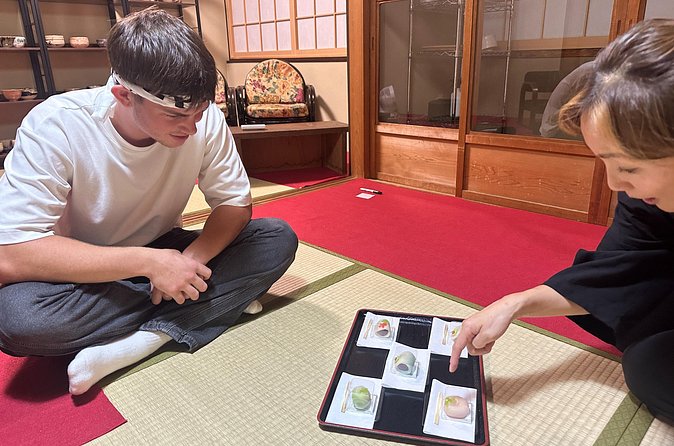
The final section shifts the mood from calm tea practice to playful costume photography. You get the chance to wear real samurai armor and take photos that capture a very different side of Japanese culture.
This is not a second historical lecture or a full martial arts lesson. The appeal is visual and personal. After sitting through the ceremony and preparing tea, you leave with photos that show you taking part rather than simply standing outside a temple.
The combination may sound unusual, but it gives the activity a memorable ending. Tea ceremony and samurai armor belong to different sides of the popular image of old Japan, yet both help you connect with the country’s traditional past.
Keep your expectations sensible. The provided details do not promise a professional photo shoot, a large costume collection, or a long period in armor. The useful question is whether you want a fun souvenir photo after the tea lesson. If so, this extra gives the experience more personality than a standard matcha workshop.
It is particularly well suited to friends and families who enjoy taking pictures together. It also gives children or less tea-focused companions something to look forward to if the quiet ceremony feels formal at first.
How Maya Shapes the Experience
The instructor makes a major difference in an activity like this. Tea ceremony has rules, history, and a careful pace, but a stern presentation could make beginners uncomfortable.
Maya is described as fluent in English, funny, kind, patient, and encouraging. Those qualities are repeated across the available feedback, and they point to a guide who can explain the customs without making you feel foolish for asking basic questions.
Her humor appears to be part of the appeal. That does not mean the ceremony becomes a comedy show. It means the atmosphere stays light enough for you to participate without worrying about every movement.
If English instruction is important to you, this is a strong practical reason to consider the experience. The explanations cover the history of tea ceremony, the preparation process, and the mindfulness behind it. Clear language matters more here than it would on a simple photo stop.
Is the $71.74 Price Good Value?
At $71.74 per person, this is not the cheapest way to drink matcha in Kyoto. You can buy a tea or latte for far less. The price needs to be judged as a cultural activity, not as a beverage purchase.
You are paying for a small-group lesson in a 100-year-old machiya, instruction from an English-speaking guide, high-quality matcha, seasonal wagashi, two preparation styles, and the samurai armor photos. The experience also lasts about 1 hour 20 minutes, which makes it a manageable addition to a busy sightseeing day.
I see the value most clearly if you want participation. A cup of tea at a café gives you flavor, but this activity gives you a basic understanding of how matcha is made and why the ceremony matters. The included latte recipe adds something you can use after returning home.
The value is weaker if you already know Japanese tea ceremony well or want a long, highly formal session. You may find the lesson too brief and introductory. It is designed for curiosity and first contact, not for serious study.
The fact that it is often booked about 72 days ahead suggests that planning early is sensible, especially if your Kyoto dates are fixed. That does not guarantee every date will sell out, but it is a useful warning not to leave this kind of small-group activity until the last minute.
Who Should Book This Kyoto Experience?
I would recommend it to first-time visitors who want more than temple photographs and souvenir shopping. It gives you a direct way to participate in Japanese culture, and it does so without requiring specialist knowledge.
It also suits:
- People who want an English-language cultural activity
- First-time matcha drinkers
- Tea lovers who want a recipe to use at home
- Friends and families looking for fun group photos
- Visitors with only a short block of free time
- Anyone who prefers small groups to large demonstrations
I would be more cautious if you dislike green tea, sweets, costumes, or interactive activities. You will be asked to take part, not simply sit back and watch. The atmosphere is friendly, but the experience is still centered on tea.
The session may also feel too short if your main goal is a highly detailed study of tea ceremony etiquette. You will get the history and basic practice, but not an extended course.
Practical Details Before You Go
The meeting point is Samurai Gyoza Factory Kyoto, at 230-1 Kamimyōkakujichō, Nakagyo Ward, Kyoto, 604-0025, Japan. The activity ends at the same location, and the site is near public transportation.
A mobile ticket is provided, and confirmation arrives at booking. The maximum group size is 10 people. Those details make the activity easy to add to a day of sightseeing, but leave enough time to find the address without rushing.
You can cancel for a full refund if you do so at least 24 hours before the start time. Cancellations or changes made inside that window are not accepted for a refund, and the cut-off uses Kyoto local time.
Wear something you can sit and move comfortably in, since you will be taking part in tea preparation and later putting on armor for photos. The supplied details do not specify footwear rules, seating style, or accessibility arrangements, so contact the provider if any of those points affect your plans.
Should You Book It?
Book this experience if you want a friendly, hands-on introduction to Kyoto tea culture with a playful photo opportunity at the end. The best features are the old machiya setting, Maya’s clear and warm instruction, the chance to make both traditional matcha and a latte, and the small group size.
Skip it if you want a long formal ceremony, advanced tea instruction, or a full meal. At $71.74, the value comes from the teaching, setting, participation, and photos, not from the amount of tea or food served.
For most first-time visitors, it is a well-balanced cultural stop. You learn something real, taste good matcha and wagashi, leave with a recipe, and get a samurai photo that is far more personal than another picture in front of a shrine.
FAQ
How long does the Kyoto tea ceremony and samurai photo session last?
The overall experience lasts approximately 1 hour 20 minutes. The tea portion is described as taking about 50 minutes, with the remaining time covering the rest of the activity, including the samurai armor photos.
Where does the experience begin?
It begins at Samurai Gyoza Factory Kyoto, located at 230-1 Kamimyōkakujichō, Nakagyo Ward, Kyoto, 604-0025, Japan.
Where does the activity end?
The activity ends back at the same meeting point.
How many people can join the session?
The maximum group size is 10 people.
Is the experience suitable for beginners?
Yes. The session is designed for beginners and curious participants, with instruction on tea ceremony history, traditional matcha preparation, and matcha latte making.
Is the activity available in English?
The instructor Maya is described as speaking English very well, and the explanations cover the history and process of the tea ceremony in clear English.
What is the cancellation policy?
You can cancel at least 24 hours before the start time for a full refund. Cancellations or changes made less than 24 hours before the start time are not accepted for a refund.
More Photo Sessions in Kyoto
- Kyoto: Tea Ceremony with Kimono and Photoshoot
★ 4.9 · 90 reviews - Tea Ceremony with Kimono and Professional Photoshoot in Kyoto
★ 5.0 · 44 reviews - Tokyo:Genuine Tea Ceremony, Kimono Dressing, and Photography
★ 5.0 · 33 reviews
Fresh tea listings around Kyoto
- Cycling Tour at Uji’s Matcha Green Tea Fields and Heritage★ 5.0 · 10 reviews
- Authentic Tea Ceremony & Sushi in The Museum of Kyoto★ 5.0 · 3 reviews
- Whisk Your Own Matcha: A Zen Matcha Experience at Temple★ 3.6 · 7 reviews
- Kyoto Hidden Riverside Zen Mediation and Uji Matcha Experience★ 5.0 · 9 reviews
- Kyoto: Nighttime Zen Meditation and Matcha Tea Experience★ 5.0 · 7 reviews
- Kyoto Fushimiinari:Wagashi Making & Small Group Tea Ceremony★ 5.0 · 14 reviews
- 2 Types of Japanese Sweets making and Tea Ceremony★ 4.6 · 17 reviews
- Matcha Grinding Experience and Walking Tour in Uji Kyoto★ 5.0 · 26 reviews
Kimono & Tea Ceremony, compared.
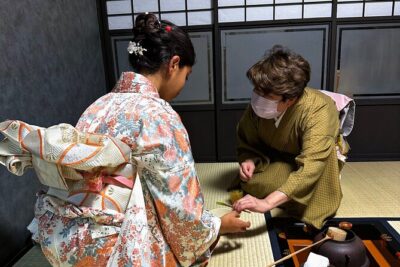
KYOTO Tea Ceremony with kimono near by Imamiya Jinjya Shrine
Read our review →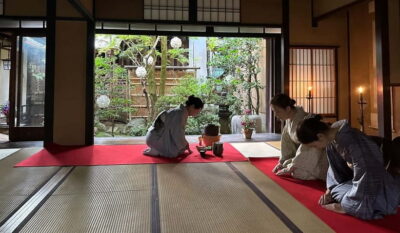
Kyoto: Kimono and Tea Ceremony Experience at Cultural Asset
Read our review →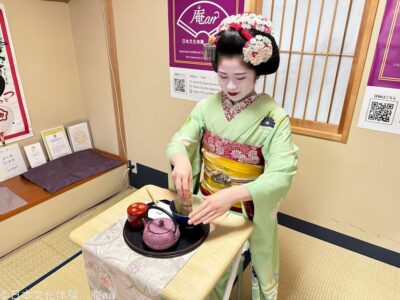
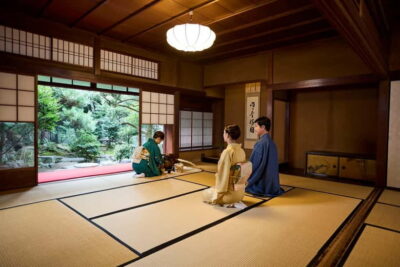
Kyoto: Kimono Tea Ceremony with Matcha and Sweet
Read our review →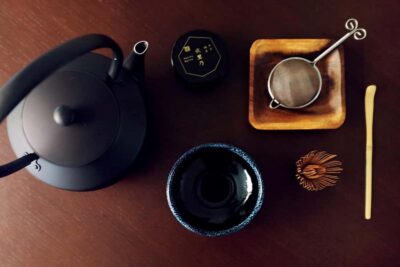
Browse the lists this tour appears in