
Review · KIMONO & TEA CEREMONY
Tokyo:Genuine Tea Ceremony, Kimono Dressing, and Photography
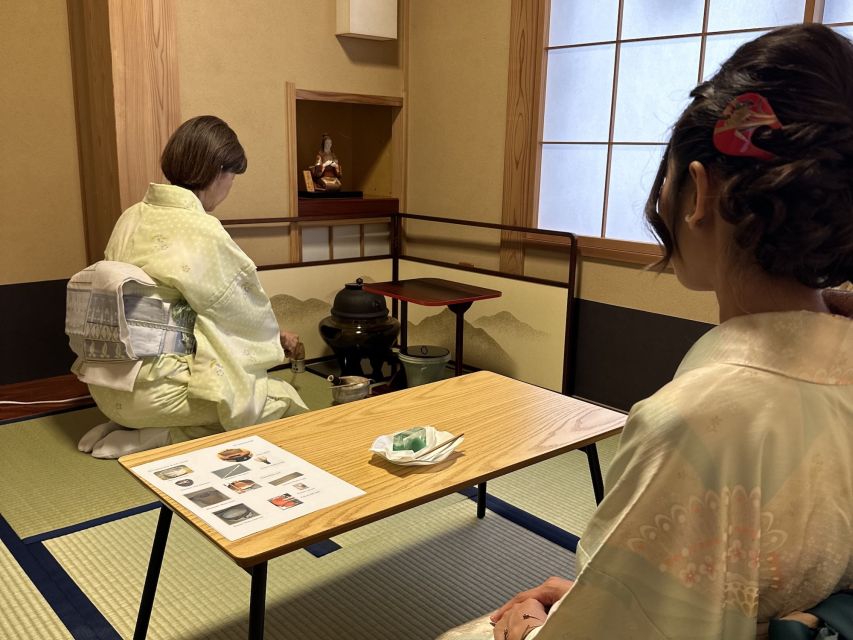
Tokyo’s tea ceremony becomes more meaningful when you are not simply watching from the edge of the room. Here, you dress in a traditional kimono, learn the quiet movements of the ritual, and make your own matcha under the guidance of an experienced tea teacher. Sayoko then takes you to a nearby shrine for photos and a lesson in proper Shinto etiquette.
I like the small three-person limit, which keeps the experience personal and gives you time to ask questions. I also like the practical cultural lessons: how to sit, walk, pray, and behave in a kimono. The main consideration is that the kimono must be chosen by the day before, so you need to respond promptly to Sayoko’s message after booking.
Key points to know before booking
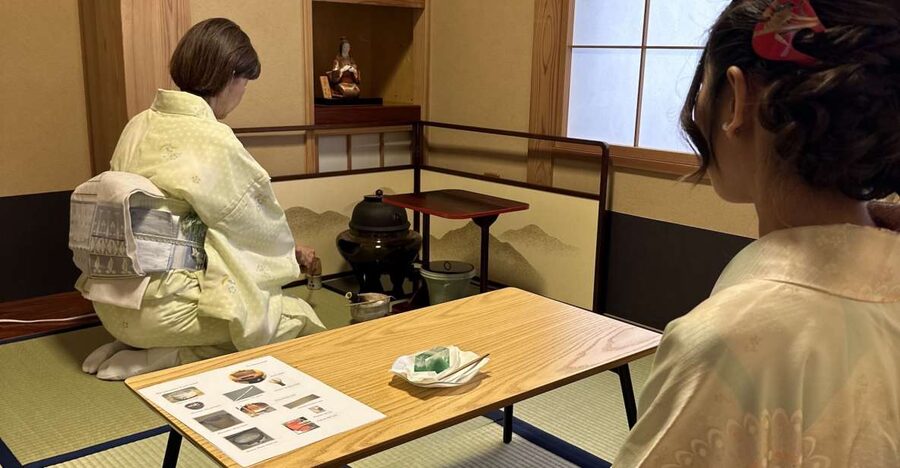
- Choose from more than 50 kimonos or yukata: You select your outfit before the experience, with silk kimono generally used in winter and cotton yukata in summer.
- Make your own matcha: You first watch the tea instructor prepare it, then prepare your own bowl and taste both versions.
- Visit a local shrine: Sayoko explains how to pray respectfully and takes commemorative photos there.
- Photos are included: Sayoko usually photographs you with an iPhone 14 Pro at the shrine and in the tea room.
- Small groups keep it calm: Only three participants are accepted, making this a good fit for couples, families, and solo visitors.
- Rain will not cancel the outing: A plastic umbrella is provided, along with an AKIZAKURA kimono upcycling umbrella for the walk.
Why this Tokyo tea ceremony feels different
Many cultural activities let you watch. This one asks you to take part.
The tea ceremony is the heart of the experience, but the kimono, shrine visit, walking lesson, and photographs give it a wider shape. You are not only shown how matcha is made. You learn why small movements matter, how to handle yourself in formal clothing, and how to show respect at a Shinto shrine.
That makes the experience useful for first-time visitors who want more than a quick costume photograph. The tone is educational, but it is not stiff. The small group and personal attention create room for questions and gentle correction.
Sayoko is the main contact before and during the experience. She helps you choose an outfit, explains the day’s plan, teaches shrine manners, and takes the photos. The tea ceremony itself is led by an experienced instructor, so you receive guidance from someone familiar with the formal movements of the ritual.
English and Japanese are available. The experience has received a perfect rating from 33 reviews, with particular praise for the hosts’ kindness, careful preparation, and ability to explain customs clearly.
More Kimono and Tea Ceremonies in Tokyo
- Kimono Tea Ceremony at Tokyo, Asakusa Maikoya
★ 5.0 · 638 reviews - Tokyo: Matcha and Kimono Experience
★ 4.7 · 219 reviews - Tokyo: Asakusa Kimono Dressing and Matcha Experience
★ 4.9 · 173 reviews
Choosing your kimono before the day
The clothing is not a minor extra. It shapes much of the experience.
You can choose from more than 50 kimono and yukata options. In summer, you wear a yukata, the lighter cotton garment commonly associated with warm weather. In winter, the experience uses traditional kimono, including authentic silk pieces made in the traditional manner.
Your kimono comes with an obi and the accessories needed to wear it. After booking, Sayoko contacts you through GetYourGuide or WhatsApp, usually within 12 hours, to help you make your choice. You must reply and settle on your outfit by the day before the activity.
This deadline matters. If you book at the last minute or do not check your messages, you may lose the chance to choose carefully. I recommend looking through the options as soon as Sayoko contacts you and thinking about colors that will photograph well against the tea room and shrine setting.
Professional hair and makeup are not included, but they can be arranged for an extra fee. One participant arranged a hairstyle to match her kimono and found it a memorable addition. If you want a polished portrait session rather than simple travel photos, ask about this before the day.
The dressing process also teaches you something. A kimono changes how you move. Long sleeves, layered fabric, and the obi encourage shorter steps and more controlled gestures. That is why the walking and sitting lessons are valuable. You are learning how to wear the clothing respectfully, not merely putting it on for a picture.
Walking in a kimono, with a practical lesson
After dressing, Sayoko takes you for a walk wearing your kimono or yukata. She shows you how to walk, sit down, and behave in the outfit.
This may sound like a small detail, but it helps you feel less awkward. A kimono is designed around a different rhythm of movement from Western clothing. You cannot simply stride along or drop into a chair without thinking about the fabric.
The experience includes an AKIZAKURA kimono upcycling umbrella for the walk. If it rains, a plastic umbrella is also supplied. The activity runs rain or shine, so you should plan for weather rather than expecting a cancellation because of a shower.
There is no promise of a long sightseeing walk, and the focus remains on the cultural activity rather than Tokyo landmarks. Think of the walk as a lesson and photo opportunity. It is a useful bridge between getting dressed and appearing at the shrine.
At the local shrine, learn the right way to pray
The shrine visit adds an important layer to the morning or afternoon.
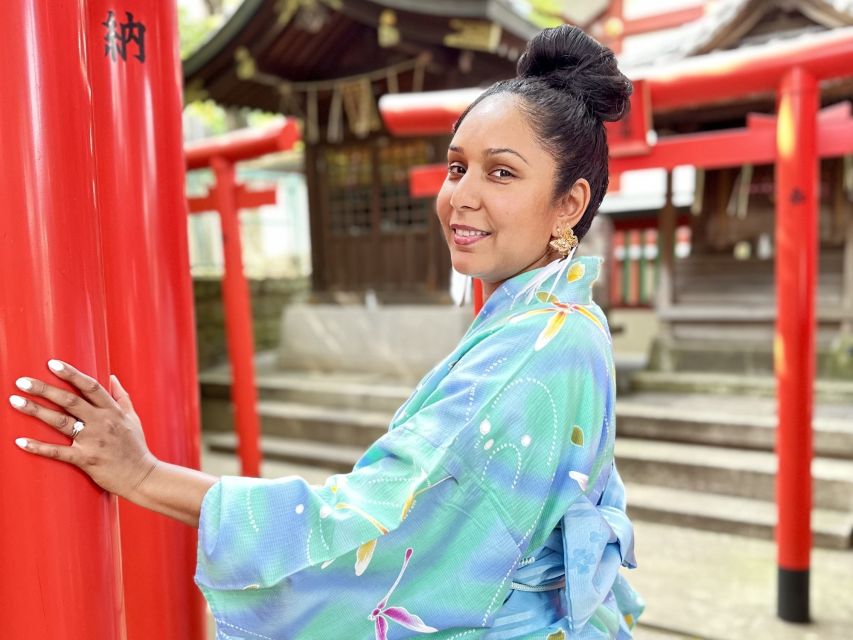
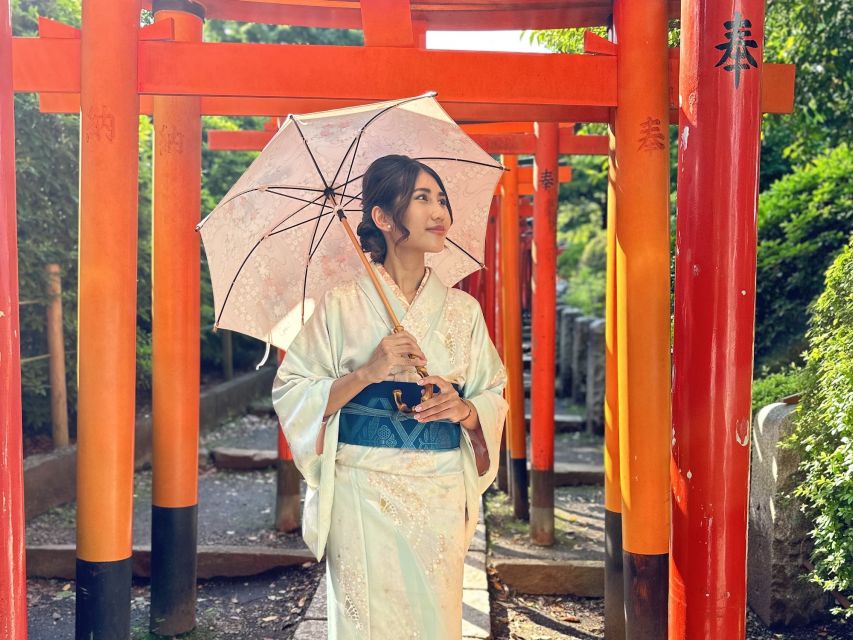
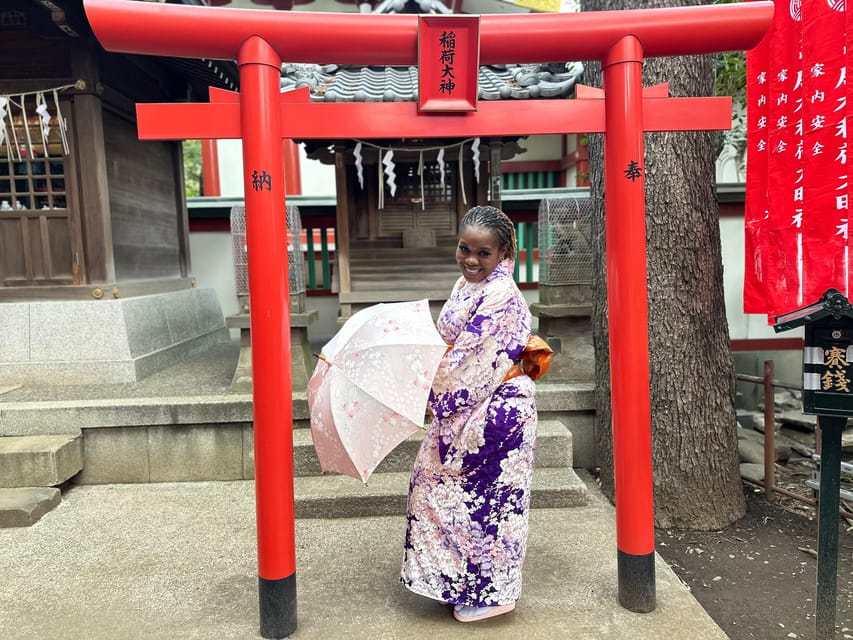
Sayoko explains the proper way to behave and pray at a Shinto shrine, then takes photographs of you in your kimono. This is more useful than simply posing in front of a gate. Many first-time visitors know that a shrine visit involves respectful gestures, but are unsure about the sequence and conduct.
You will have a chance to practice those customs with someone who can explain them in English or Japanese. The setting also gives your photographs a stronger connection to Japan than a studio backdrop would.
The shrine is described as a local shrine, not a major Tokyo sightseeing site. That is worth keeping in mind. You are coming for the cultural lesson and portraits, not for a guided tour of a famous monument or a long historical explanation.
Sayoko takes the included photographs with an iPhone 14 Pro. The photos are a practical keepsake of the day, and the small group means you should receive personal attention rather than being lost in a large photo party. A professional photographer can be added for an extra fee if image quality is a major priority.
More Tea Ceremonies in Tokyo
- Tokyo: Traditional Tea Ceremony with a Tea Master
★ 5.0 · 528 reviews - Tea Ceremony Workshop in Tokyo by the Experienced Instrucor
★ 5.0 · 189 reviews - Asakusa: Kimono Tea Ceremony with Matcha and Sweet
★ 4.9 · 153 reviews - Tea Ceremony Experience in a Private Tea Room in Shibuya
★ 4.9 · 125 reviews
Watching the tea ceremony up close
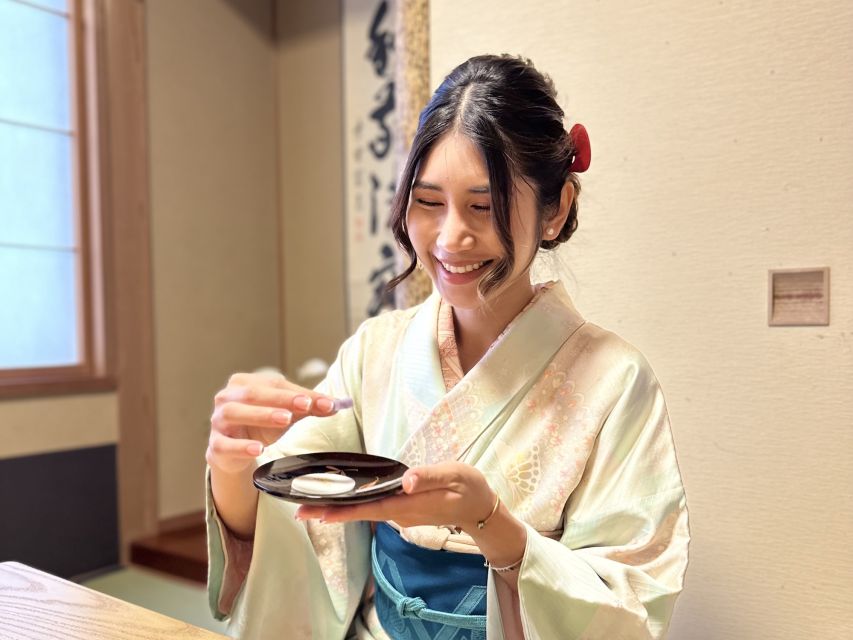
The formal tea ceremony is led by an experienced tea instructor. You watch the preparation at close range, seeing the careful handling of the bowl, whisk, matcha, and other equipment.
The point is not speed. Tea ceremony values controlled movement, attention, and respect. The ritual turns a simple bowl of powdered tea into a lesson in hospitality and mindfulness. You may not understand every rule at first, but seeing the sequence performed slowly makes the customs easier to follow.
You receive professionally prepared matcha and tea sweets during the ceremony. The sweets balance the bitter, grassy flavor of matcha and give the tasting a traditional setting.
The instructor also explains what is happening, so you are not left to guess why each movement matters. The experience is praised for its calmness and dignity, but it is not presented as a performance for passive spectators. You are treated as a participant being welcomed into the process.
Making your own bowl of matcha
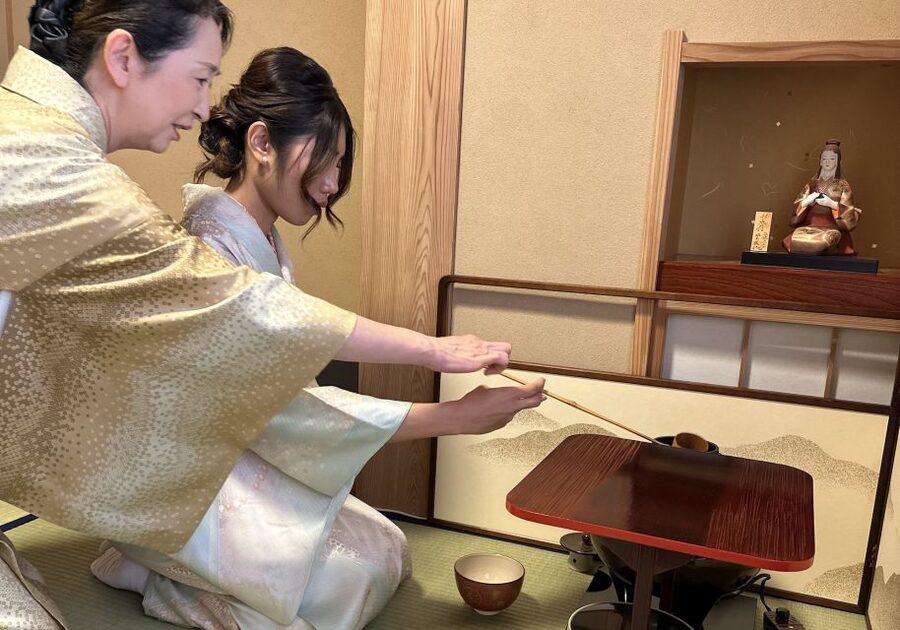
The most hands-on part comes when you prepare matcha yourself.
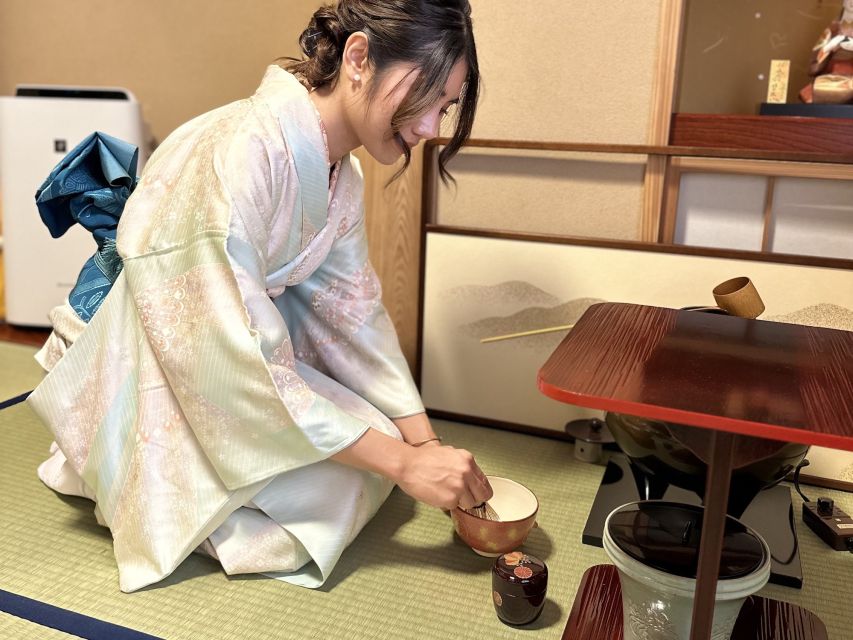
After watching the instructor, you have the chance to make your own tea. This gives you a better sense of the concentration and coordination involved. Even a simple bowl requires attention to the powder, water, whisk, and motion.
Your tea may not look exactly like the instructor’s, and that is part of the value. You can compare your bowl with the professionally prepared matcha and taste both. The lesson becomes easier to remember when your own hands have made the tea.
The atmosphere is supportive rather than competitive. The instructors are there to guide you through the movements and help you understand the purpose behind them. One of the strongest features of the experience is that you can ask questions without feeling rushed.
If sitting on the floor is uncomfortable, tell the host. A table, chairs, and other equipment can be provided to reduce leg strain. This is especially useful because formal tea settings often involve kneeling or sitting low for extended periods. The activity is not limited to people who are comfortable on tatami-style flooring.
The pace and group size
The total experience lasts about 2.5 hours. That is long enough to cover dressing, walking, shrine etiquette, photography, tea preparation, and your own attempt at matcha without turning the outing into an all-day commitment.
The group is limited to three participants. This matters more here than it would on a standard sightseeing tour. Dressing needs individual attention, the tea ceremony includes hands-on instruction, and shrine photos work better when the host is not managing a crowd.
A couple can expect a personal session. A solo visitor should also feel comfortable, since the activity is designed around direct instruction rather than a large social group. Families should remember that every person present is charged, even if someone does not dress in a kimono.
That rule is easy to overlook. If a companion plans to attend only to watch or take personal photos, that person still needs to be included in the booking. Confirm the total number of people before reserving.
Starting times vary, so you must check availability for the date you want. The date and time may also be customized by contacting the provider. This can help if you are planning the experience around other Tokyo activities, though you should arrange any change in advance.
What the $115 price includes
At $115 per person, this is not a low-cost photo stop. The price covers a 2.5-hour private-feeling cultural activity with clothing, dressing accessories, tea, sweets, instruction, a shrine visit, and photography.
You are also paying for the time involved in selecting and preparing the kimono, dressing each participant, guiding the walking lesson, explaining shrine behavior, and conducting the tea ceremony. The small group limit adds value because you receive attention that would be difficult in a large class.
The included iPhone photography is useful for most people who want personal memories from the experience. You do not need to arrange a separate photographer, and Sayoko can take photos in both the tea room and at the shrine.
Still, the price can rise if you add professional hair and makeup or a professional photographer. Those extras make sense if you are planning a formal portrait session, celebrating a special occasion, or want images suitable for printing. For a casual travel record, the included photography should be enough.
I see the best value here for people who want several connected experiences in one booking. You get dressed, learn how to move in the clothing, visit a shrine, and make tea. If you only want to wear a kimono for ten minutes and take a few pictures, a simpler rental service may cost less.
Rain, comfort, and practical planning
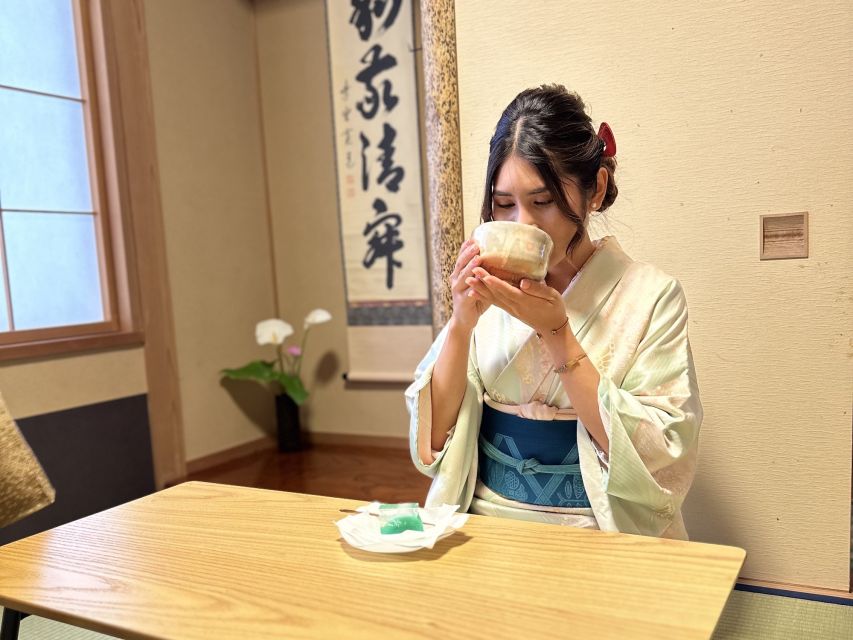
The activity takes place rain or shine. The included plastic umbrella removes one worry, and the AKIZAKURA umbrella adds a more distinctive part of the walk, but wet weather can still affect your comfort and the feel of shrine photos.
Wear or bring something that works under a kimono and expect to spend part of the experience in traditional clothing. You should also allow extra care when walking and sitting, since the host will be teaching those movements rather than treating the clothing like an ordinary outfit.
If your knees or legs tire easily, request the table and chairs. The hosts can provide equipment to avoid prolonged floor sitting, so you should not assume that a formal tea ceremony automatically requires you to sit in one position for the entire session.
Book only for the people who will attend. Every accompanying person is charged, dressed or not. After booking, watch for Sayoko’s message and respond about the kimono before the deadline.
Free cancellation is available up to 24 hours before the experience for a full refund. You can also reserve now and pay later, which helps if your Tokyo schedule is still shifting.
Who will enjoy this experience most
I would recommend this to first-time visitors who want a respectful introduction to Japanese customs without committing to a full cultural course. It also suits couples looking for a shared activity with photographs, solo visitors who want expert guidance, and anyone interested in clothing, tea, or shrine etiquette.
It is a particularly good choice if you value conversation and personal instruction. The hosts are described as patient and attentive, and the experience leaves room for questions about religion, tea, clothing, and behavior.
You may want to choose something else if your priority is a famous shrine, a major sightseeing route, or a professional fashion shoot included in the base price. The shrine is local, the photography uses an iPhone, and the focus is on participation rather than polished commercial images.
Should you book the AKIZAKURA tea ceremony?
Book it if you want to do more than watch a tea ceremony. The strongest parts are the chance to make your own matcha, learn how to behave in a kimono, receive shrine guidance, and work with a very small group.
The key preparation is simple: choose your kimono by the day before, reply quickly to Sayoko, and book every person who will attend. If you need professional hair, makeup, or photography, arrange those paid additions ahead of time.
For a calm, personal introduction to tea ceremony and kimono culture, the $115 cost is fair. It gives you a complete 2.5-hour experience and a set of photographs, while keeping the group small enough for real instruction. If that sounds more appealing than a quick costume rental, this is a strong choice for your Tokyo plans.
FAQ
How long does the tea ceremony and kimono experience last?
The experience lasts 2.5 hours. Starting times vary, so check availability for your preferred date.
How many people can join the activity?
The group is limited to three participants.
What languages are available?
The instructor and host offer the experience in English and Japanese.
Can I choose my kimono?
Yes. You can choose from more than 50 kimono or yukata options, depending on the season. You must choose your outfit by the day before the activity.
When will I be contacted about choosing the kimono?
Sayoko will contact you through GetYourGuide or WhatsApp, usually within 12 hours after booking. You should reply after reviewing the choices.
Is matcha included?
Yes. Matcha green tea and tea sweets are included. You will taste professionally prepared matcha and have the opportunity to make your own.
Are photographs included?
Yes. Photography with an iPhone 14 Pro is included, with photos taken at the tea room and local shrine. A professional photographer can be arranged for an additional fee.
What happens if it rains?
The activity takes place rain or shine. A plastic umbrella is provided, and an AKIZAKURA kimono upcycling umbrella is included for the walk.
More Photo Sessions in Tokyo
- Kyoto: Tea Ceremony with Kimono and Photoshoot
★ 4.9 · 90 reviews - Kyoto Tea Ceremony and Samurai Photo Session
★ 5.0 · 70 reviews - Tea Ceremony with Kimono and Professional Photoshoot in Kyoto
★ 5.0 · 44 reviews
Fresh tea listings around Tokyo
- Authentic Japanese tea tasting: sencha, matcha and gyokuro★ 5.0 · 12 reviews
- At an Antique Shop, Tea Ceremony and Japanese Sweets Forming★ 5.0 · 5 reviews
- Mochi Matcha Gluten Free Japanese Sweets Class near Shibuya area★ 5.0 · 26 reviews
- Tokyo: Two Types of Japanese Sweets Making and Tea Ceremony★ 4.6 · 26 reviews
- Japanese Matcha Tea Ceremony and Kimono Experience in Hanayaka★ 5.0 · 26 reviews
- Matcha Experience with of Japanese Tea Tasting in Tokyo★ 5.0 · 31 reviews
- Tokyo: Tea Ceremony Experience in Asakusa★ 5.0 · 36 reviews
- EDOCCO Tea House–A Quick Dive into Japanese Traditional Culture★ 5.0 · 34 reviews
Kimono & Tea Ceremony, compared.
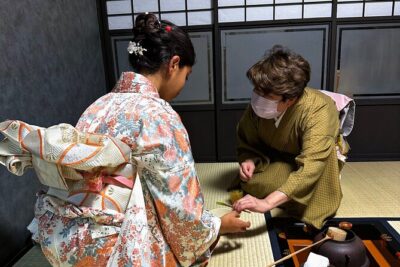
KYOTO Tea Ceremony with kimono near by Imamiya Jinjya Shrine
Read our review →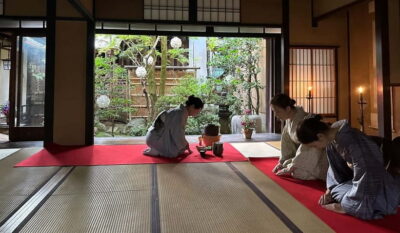
Kyoto: Kimono and Tea Ceremony Experience at Cultural Asset
Read our review →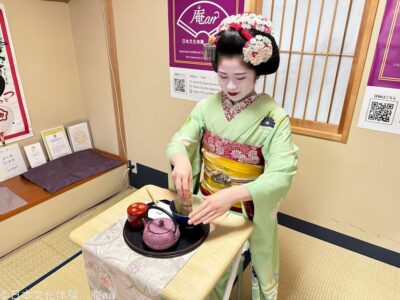
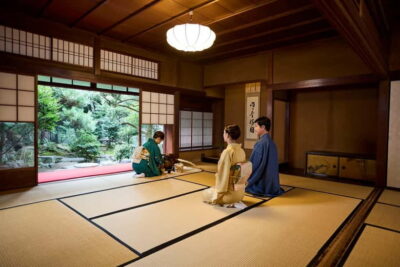
Kyoto: Kimono Tea Ceremony with Matcha and Sweet
Read our review →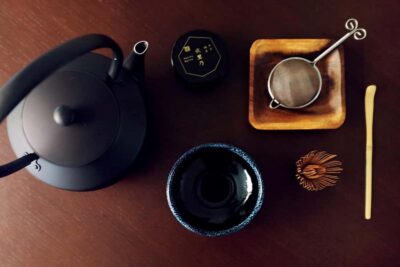
Browse the lists this tour appears in