
Review · KIMONO & TEA CEREMONY
Tea Ceremony with Kimono and Professional Photoshoot in Kyoto
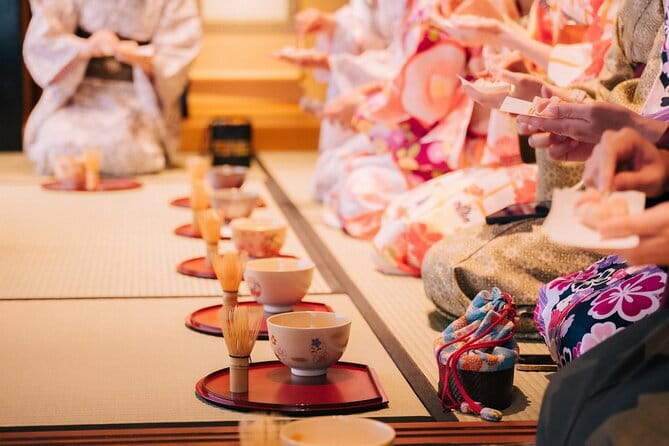
The best part of this Kyoto experience is the combination of kimono dressing, tea making, and professional photographs in one compact visit. You choose an outfit, watch an English-speaking tea master perform the ceremony, then prepare matcha yourself and enjoy it with Japanese sweets.
I like the clear cultural focus and the useful souvenir: three digital photos sent by email. I also like the small group size, capped at 10, which should make the demonstration easier to follow. The main drawback is the formal floor seating. You may need to kneel, and that can be hard on older knees. Chairs and tables are available, but tell the staff if you need them.
Key points at a glance
- Three activities in 90 minutes: Choose a kimono, learn the tea ritual, and take part in a professional photoshoot.
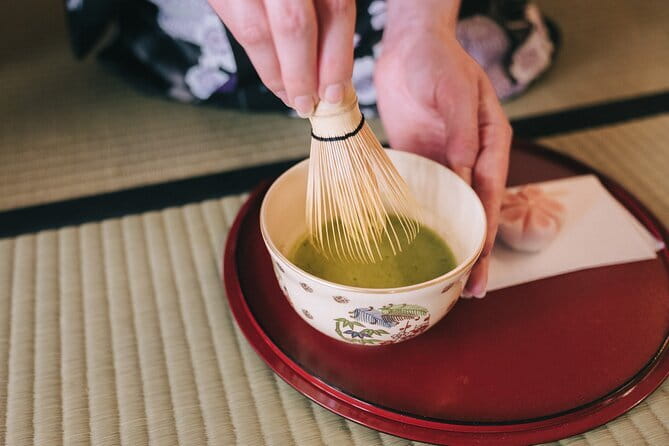
- Hands-on matcha: You do not only watch. You make your own green tea and drink it with Japanese sweets.
- Three digital photographs: The photos are sent by email, so check that you can receive them before booking.
- Central Kyoto meeting point: The experience begins and ends at Nishiki Orizuruya, near public transportation.
- Small group format: The maximum group size is 10 people, a practical limit for a demonstration and photos.
- Strict late-arrival rule: Arriving more than 30 minutes late means you cannot join and will not receive a refund.
Choosing a Kimono at Nishiki Orizuruya
Your visit begins at Nishiki Orizuruya, at 452 Jūmonjichō in Nakagyo Ward. You should arrive 10 minutes before the start time and check in at the reception desk. The venue is near public transportation, and the activity returns to this same spot when finished.
After check-in, you are escorted to the dressing room. You choose a kimono from the available selection, with the staff preparing an outfit based on the height and gender information supplied in advance. This is not a minor detail. The operator needs those measurements to set aside a suitable garment, so provide accurate information for everyone in your party.
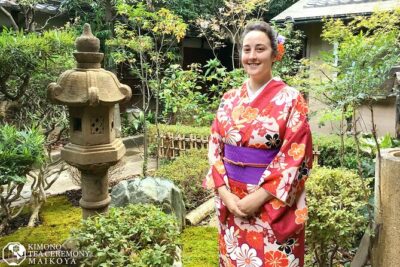
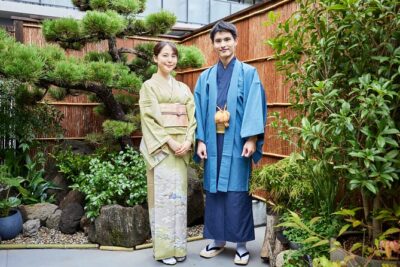
The kimono is one of the strongest reasons to book this experience. Kyoto has many cultural attractions, but a formal tea room can feel distant if you only watch from the side. Here, the clothing puts you into the setting right away. It also gives the photographer something more meaningful to record than a quick snapshot outside a shrine.
Still, keep your expectations in check. This is a short cultural activity, not a full-day study of kimono or Japanese dress. You will select an outfit for the session, wear it during the ceremony, and have photographs taken. If you are mainly looking for a polished portrait in traditional clothing, the package makes good sense. If you want a long, highly formal dressing appointment, this may feel brief.
The supplied information does not name the tea master or photographer, so you should not expect to request a particular person. What is clear is that the tea instruction is given in English, which helps you follow the customs without relying on guesswork.
More Kimono and Tea Ceremonies in Kyoto
- Kimono Tea Ceremony at Kyoto Maikoya, NISHIKI
★ 5.0 · 911 reviews - Kyoto: Kimono Tea Ceremony at Orizuruya Gion
★ 4.9 · 618 reviews - KYOTO Tea Ceremony with kimono near by Imamiya Jinjya Shrine
★ 5.0 · 343 reviews
Watching the Tea Ceremony Demonstration
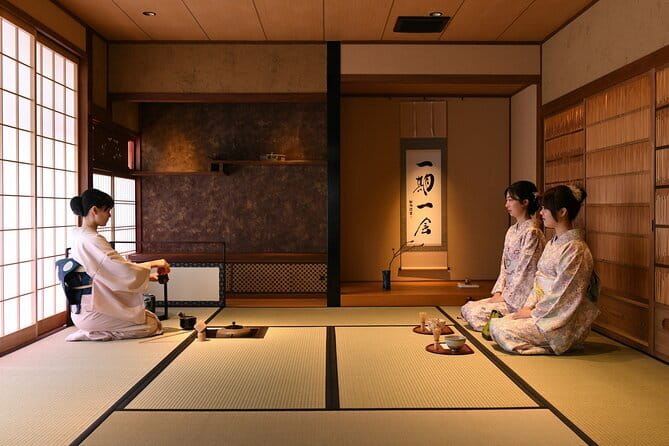
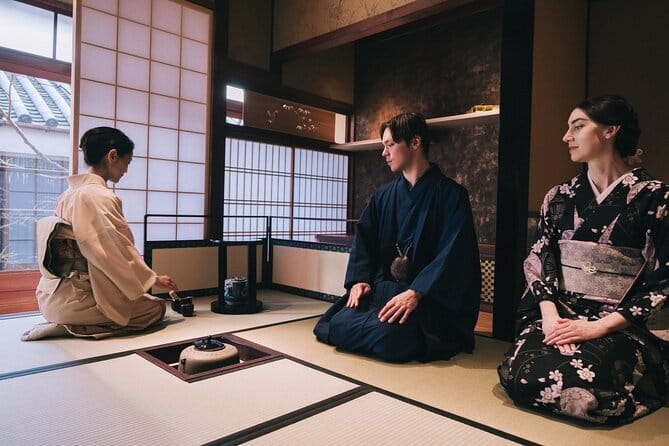
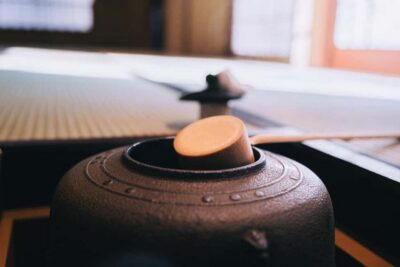
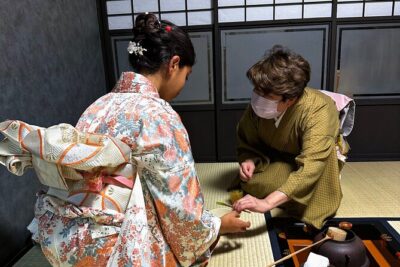
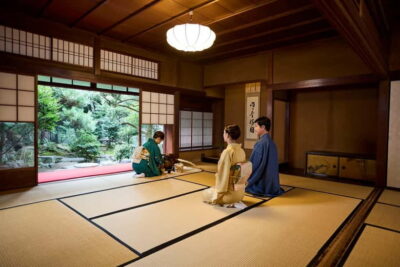
Once dressed, you watch a demonstration by an English-speaking tea master in a traditional house. This part gives the experience its cultural backbone. The tea ceremony is not simply a method for making a hot drink. The movements, order, presentation, and behavior around the tea all matter.
A demonstration is especially useful before you take your own turn. You can first watch the rhythm of the ceremony, then try to copy the key steps with some idea of what your hands should do. The English explanation also lets you understand the purpose behind the actions rather than treating them as a photo prop.
The experience is designed as an introduction, not as advanced tea training. In roughly 90 minutes, the staff must fit in changing clothes, instruction, tea preparation, sweets, and photography. That is enough time for a focused first look at the ceremony, but not enough for a long lesson in every school, rule, or historical period.
That distinction matters when you judge the word traditional. The setting and ceremony provide genuine cultural content, but the package also has a clear entertainment and portrait element. I would describe it as a guided introduction with dressing and photography, rather than a deeply formal tea-school session.
Making Matcha and Eating Japanese Sweets
After the demonstration, you learn how to make your own matcha. This hands-on step is more satisfying than simply watching the tea master. You get a chance to handle the process, follow the instructions, and taste the result.
Matcha has a firm, grassy flavor that may surprise you if you usually drink sweetened tea. The Japanese sweets provide a traditional partner and help balance the bitterness. The activity specifically includes tea and sweets, but additional food and drink are not included, so do not treat this as a meal.
The practical value of making the tea yourself is that you leave with a better sense of the ceremony’s pace. Even a simple preparation requires attention. You are not just consuming a drink; you are taking part in a sequence that asks you to slow down and notice small actions.
Food allergies should be reported in advance. The operator specifically asks for this information, and it is wise to share it before the day of the activity rather than trying to explain it at the last moment.
A Photoshoot During the Ceremony
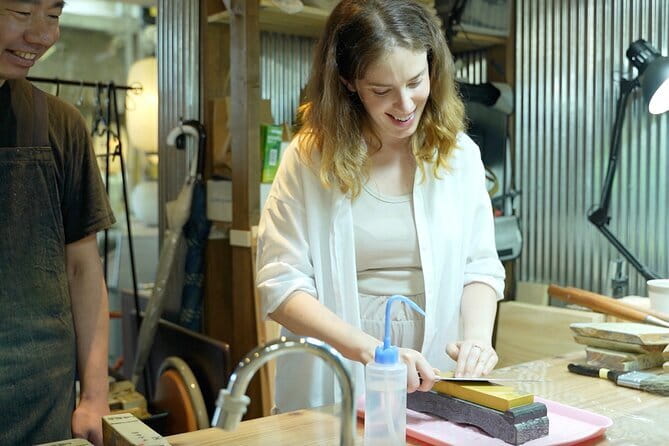
A professional photographer takes pictures during the experience. This is a major part of the package, not an afterthought. You can concentrate on the tea lesson while someone else records the kimono, the ceremony, and the matcha-making.
Three photos are sent digitally by email as your souvenir. That is convenient for a phone, social media, or a printed album later. It also means you do not need to carry a paper envelope or collect a physical print before leaving.
The email delivery creates one small task for you. Make sure the address used at booking is correct and that you can receive messages from the operator. If you have limited data access in Japan or an overfull inbox, sort that out before the appointment. The photo delivery is part of the value of the experience, so do not overlook it.
You should also understand what three photos means. It is a modest set, not a full portrait package with dozens of edited images. The photos add lasting value, but they should not be the only reason you book. The tea demonstration and hands-on preparation are the core experience.
The combination works well for couples, friends, and solo participants who want a visual memory of a Kyoto cultural activity. It may be less appealing if you dislike being photographed or want complete control over every pose. The available details do not specify the exact number of shots taken or the editing style, so book for three finished images rather than expecting a large gallery.
More Tea Ceremonies in Kyoto
- Kyoto: Tea Ceremony in a Traditional Tea House in Kiyomizu
★ 4.9 · 3,519 reviews - Kyoto: Tea Ceremony Ju-An at Jotokuji Temple
★ 4.9 · 3,207 reviews - Kyoto: 45-Minute Tea Ceremony Lesson Experience
★ 4.3 · 2,378 reviews - Kyoto: Table-Style Tea Ceremony at a Kyo-Machiya
★ 4.9 · 1,211 reviews
Floor Seating and Comfort
The traditional style of the ceremony can mean kneeling on the floor. One important practical detail is that women may be asked to kneel rather than sit cross-legged. Kneeling can become uncomfortable, especially for older participants or anyone with knee, hip, or ankle problems.
Two chairs and tables are available, which is helpful, but the seating arrangement may not suit everyone. If you need a chair, ask at the venue rather than trying to endure the floor position. This is one area where a little advance planning can make the experience much more pleasant.
Kimono clothing can also feel restrictive compared with ordinary sightseeing clothes. That is part of the point, but you should avoid scheduling this immediately before a long walk if comfort is a concern. The activity itself lasts about 1 hour 45 minutes, while the listed tea and photography portion is described as about 90 minutes. The extra time allows for arrival, check-in, and dressing.
Children under five cannot join. No other age restriction is provided, so families with older children should consider the sitting position and the need to remain attentive during the ceremony.
How Much Value Do You Get for $130.78?
At $130.78 per person, this is not a cheap way to drink matcha. You are paying for several elements at once: kimono use, dressing assistance, an English-speaking tea lesson, Japanese sweets, a professional photographer, and three digital photos.
The value is strongest if you would otherwise pay separately for a kimono rental and a portrait session. Combining the pieces saves you from arranging different appointments and moving between locations. It also puts the photographs in a setting that has more cultural meaning than a standard studio backdrop.
The value is weaker if you mainly want a drink and a quick explanation of tea ceremony customs. In that case, the clothing and photography may feel like extras you do not need. Some people will see the activity as a lovely cultural introduction, while others may see it as a polished dress-up session built around a short ceremony. Both readings are fair.
The small maximum of 10 people helps support the price. A large room full of people would make the demonstration harder to see and the photographs less personal. With a capped group, the tea master can keep the session organized, though the experience is still shared with other participants rather than private.
The 95 percent recommendation rate and 4.8 rating from 44 reviews suggest strong overall satisfaction, but the mixed comments point to the right expectation. The tea master’s explanations and kindness receive the warmest praise, as do the kimono choices and hair styling. The criticism centers on the ceremony feeling less special or authentic than expected and on practical matters such as floor seating and photo delivery.
Timing, Location, and Booking Details
Plan to arrive at least 10 minutes early at Nishiki Orizuruya. The late-arrival policy is strict: if you are more than 30 minutes late, you cannot join and you will not receive a refund. Kyoto sightseeing can involve crowded streets and confusing lanes, so do not cut this one close.
The venue is near public transportation, but transportation to and from attractions is not included. Hotel pickup and drop-off are also not included. You are responsible for getting to the meeting point and returning to your next stop.
The mobile ticket makes entry simple. Confirmation is provided at booking, and the activity ends back at the meeting point. That makes it easy to pair with other central Kyoto plans, but leave enough time on both sides for walking, transit, and possible delays.
You can cancel for a full refund up to 24 hours before the local start time. Cancellations or changes made within 24 hours are not refunded or accepted. This is worth noting before you reserve, particularly if your Kyoto schedule is still shifting.
Who Will Enjoy This Kyoto Tea Experience?
I would recommend it most to you if you want a first, approachable introduction to tea ceremony customs and like the idea of wearing traditional clothing. It also suits anyone who wants professional photos without arranging a separate portrait appointment.
Couples and friends get a shared activity with a clear souvenir. Solo participants can still enjoy the ceremony and photos, though the experience may feel more naturally social when you attend with someone you know.
It is less suitable for anyone seeking a long, highly formal tea ceremony with extensive historical instruction. It is also not the best choice if you have serious trouble kneeling, dislike being photographed, or want a meal rather than sweets.
The experience has a useful middle ground. It offers more participation than a simple cultural demonstration, but it does not ask you to commit half a day to formal study. For a busy Kyoto schedule, that balance is practical.
Should You Book It?
Book this experience if you want a kimono, a hands-on matcha lesson, and three professional photos in one central Kyoto visit. The English instruction, small group limit, and clear schedule make it an easy introduction, especially for a first visit to Japan.
Think twice if authenticity means a long, quiet ceremony with no portrait element. Also consider your knees, your ability to receive email photos, and the strict late-arrival rule. At $130.78, the package earns its price when you value the clothing and photographs as much as the tea lesson. If you do, it is a well-rounded cultural stop. If you only want to taste matcha, spend less on a simpler tea visit.
FAQ
Where does the tea ceremony take place?
The experience begins and ends at Nishiki Orizuruya, 452 Jūmonjichō, Nakagyo Ward, Kyoto, 604-8121, Japan.
How long does the activity last?
The total duration is approximately 1 hour 45 minutes. The tea ceremony, kimono, and photoshoot portion is described as about 90 minutes, with additional time for check-in and dressing.
Is the tea instruction provided in English?
Yes. An English-speaking tea master demonstrates the ceremony and teaches you how to make your own matcha.
Are kimono included?
Yes. You choose a kimono at the dressing room and wear it during the experience. Heights and genders for all participants must be provided in advance so the staff can prepare the clothing.
How many photos do I receive?
You receive three digital photos by email after the activity. Make sure you can receive email from the operator.
Can children join?
Children under five years old are not allowed to participate.
What happens if I arrive late or need to cancel?
If you arrive more than 30 minutes after the start time, you cannot join and no refund is available. You can cancel for a full refund up to 24 hours before the local start time. Cancellations and changes made within 24 hours are not accepted or refunded.
More Photo Sessions in Kyoto
- Kyoto: Tea Ceremony with Kimono and Photoshoot
★ 4.9 · 90 reviews - Kyoto Tea Ceremony and Samurai Photo Session
★ 5.0 · 70 reviews - Tokyo:Genuine Tea Ceremony, Kimono Dressing, and Photography
★ 5.0 · 33 reviews
Fresh tea listings around Kyoto
- Cycling Tour at Uji’s Matcha Green Tea Fields and Heritage★ 5.0 · 10 reviews
- Authentic Tea Ceremony & Sushi in The Museum of Kyoto★ 5.0 · 3 reviews
- 2 Types of Japanese Sweets making and Tea Ceremony★ 4.6 · 17 reviews
- Whisk Your Own Matcha: A Zen Matcha Experience at Temple★ 3.6 · 7 reviews
- Kyoto Hidden Riverside Zen Mediation and Uji Matcha Experience★ 5.0 · 9 reviews
- Kyoto: Nighttime Zen Meditation and Matcha Tea Experience★ 5.0 · 7 reviews
- Kyoto Fushimiinari:Wagashi Making & Small Group Tea Ceremony★ 5.0 · 14 reviews
- Matcha Grinding Experience and Walking Tour in Uji Kyoto★ 5.0 · 26 reviews
Kimono & Tea Ceremony, compared.
KYOTO Tea Ceremony with kimono near by Imamiya Jinjya Shrine
Read our review →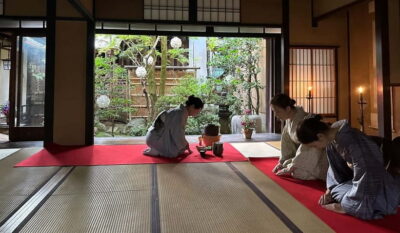
Kyoto: Kimono and Tea Ceremony Experience at Cultural Asset
Read our review →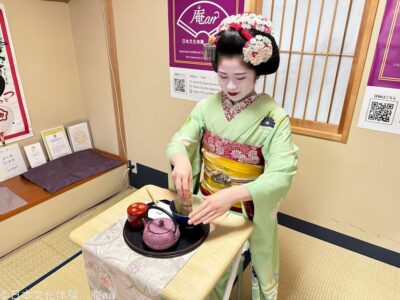
Kyoto: Kimono Tea Ceremony with Matcha and Sweet
Read our review →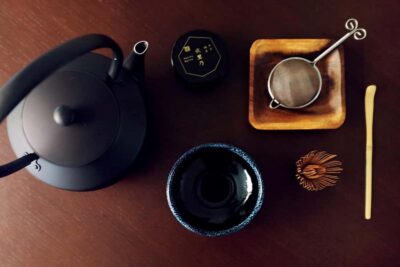
Browse the lists this tour appears in