
Review · KIMONO & TEA CEREMONY
Kyoto: Tea Ceremony with Kimono and Photoshoot
Kyoto’s tea ceremony is easier to appreciate when you first put on the clothes, sit in the tea room, and learn what each small movement means. I like that this experience combines kimono dressing and a real tea lesson, rather than stopping at a costume photo. I also like the chance to make your own matcha, taste it with Japanese sweets, and leave with three professional photographs.
The main drawback is timing. One person arrived five minutes early for a 2:00 PM booking but waited until 3:00 PM for the ceremony to begin. Arrive on time, but allow some patience if the shop is busy. You must choose the correct location, since the Nishiki Market and Gion shops are separate.
Key points to know before booking
- Two Kyoto locations: Choose either Nishiki Market or Gion when booking, and double-check the address before setting out.
- A complete 90-minute experience: Kimono dressing, tea ceremony instruction, matcha, sweets, and a professional photo session are included together.
- English instruction: The tea ceremony demonstration and explanations are given in English.
- Three professional photos: Your finished photographs are sent as a memento, with additional time to take your own pictures.
- Small groups of up to 10: This keeps the activity fairly personal, though the dressing process can still take time.
- Kimono rental after the ceremony: You may stroll outside in your kimono, but return it by 6:00 PM at Nishiki Market or 5:00 PM in Gion.
What this Kyoto tea ceremony really offers
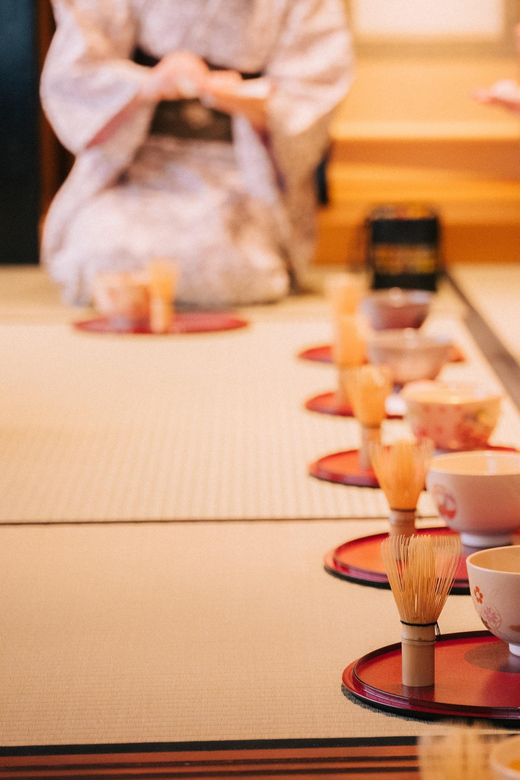
This is not simply a kimono rental with a quick photo stop. The experience gives you a short introduction to the manners, tools, and meaning behind Japanese tea ceremony, then lets you prepare matcha yourself.
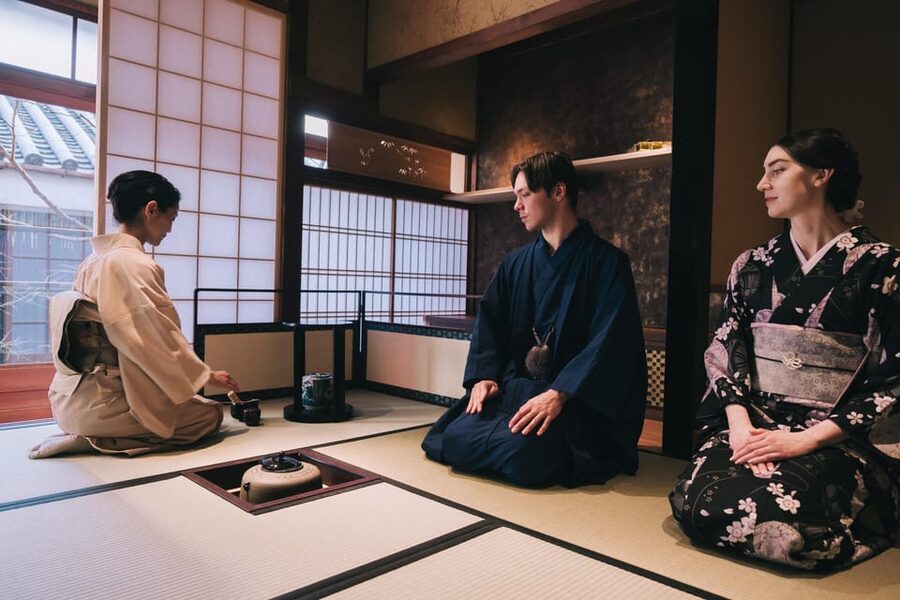
That difference matters. A costume shop can give you attractive clothes and a few photographs, but this activity gives the clothing a setting. You enter the tea room dressed for the occasion, watch an English-speaking tea master prepare the tea, and learn why the steps are performed in a careful order.
The format is friendly and relaxed rather than formal in a way that might make first-time visitors nervous. The small group limit of 10 helps, although the process still involves several stages and may not move at exactly the advertised minute.
You have two locations to choose from. The Nishiki Market shop suits a day built around central Kyoto’s shopping streets and food stalls. The Gion shop works well if you are spending time near traditional streets and tea houses. The locations are not interchangeable, so check your confirmation before leaving.
More Kimono and Tea Ceremonies in Kyoto
- Kimono Tea Ceremony at Kyoto Maikoya, NISHIKI
★ 5.0 · 911 reviews - Kyoto: Kimono Tea Ceremony at Orizuruya Gion
★ 4.9 · 618 reviews - KYOTO Tea Ceremony with kimono near by Imamiya Jinjya Shrine
★ 5.0 · 343 reviews
Choosing and wearing your kimono
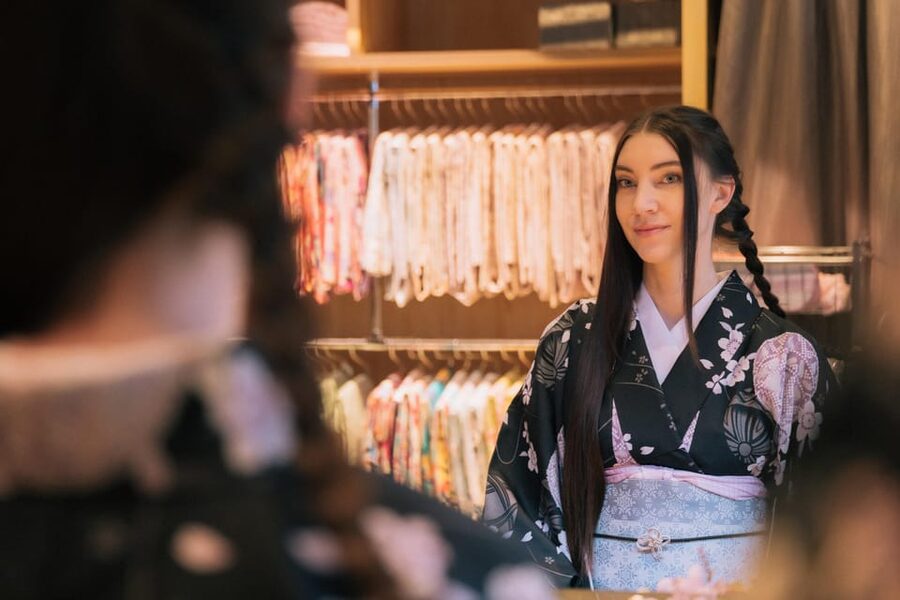
Your visit begins at the selected shop, where you change into a kimono. Staff prepare the garments in advance, so you need to provide each participant’s height and gender when booking.
The clothing is not an afterthought. You select the kimono color, and one detailed account also noted a choice of hair accessories. Dressing takes care and several layers, so the first part of the visit may feel more like preparation than sightseeing. That is part of the appeal, but it also explains why you should not arrive late.
Once dressed, you return to a waiting area before entering the tea room. This creates a useful pause for your own pictures. You can get comfortable in the kimono, check your appearance, and take photographs before the ceremony begins.
Shoes are not allowed indoors. Wear footwear that you can remove easily, and expect to spend much of the session in traditional indoor surroundings. The activity is not suitable for wheelchair users, and children under five cannot take part.
Learning the tea ceremony in English
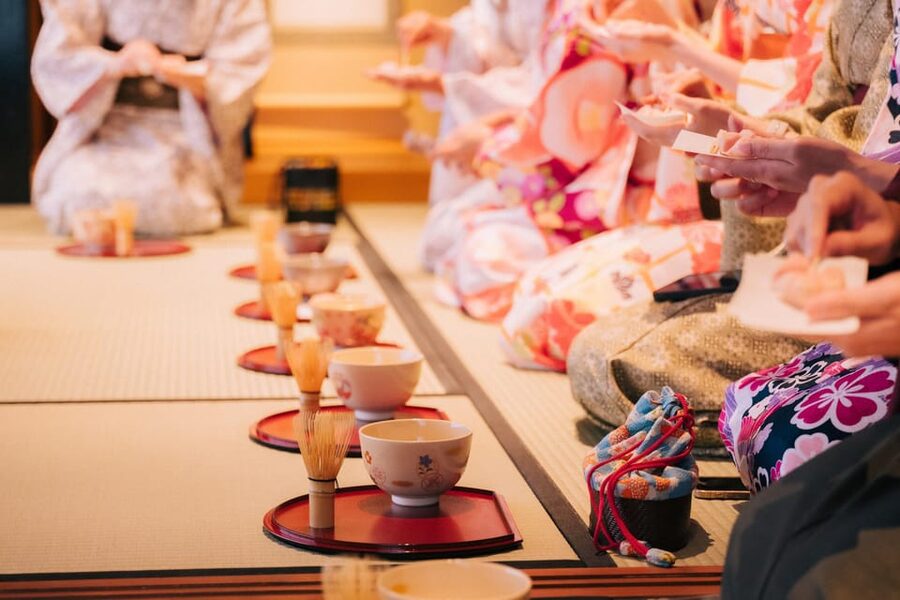
The tea lesson is the heart of the experience. An English-speaking tea master demonstrates the ceremony and explains the actions in a relaxed way.
You learn about cleansing and blessing the tea, along with the order and purpose of the movements. The point is not to memorize every rule. It is to understand why the ceremony values care, cleanliness, attention, and respect.
The demonstration gives you a chance to watch before taking your turn. That helps because matcha preparation is more enjoyable when you already know the basic sequence. The explanations also give the kimono and tea room a cultural purpose, rather than making them props for a picture.
Mami was singled out by name for being kind and well informed, and other comments praised the staff for their polite, careful approach. The people leading and organizing the session appear to be an important part of its success. They guide you through the clothing, ceremony, and photographs without expecting you to know Japanese customs beforehand.
One practical point: do not plan a tightly timed museum visit immediately afterward. A 2:00 PM booking has, at least once, involved a long wait before the ceremony began. The stated duration is 90 minutes, but you should leave room around it for changing, possible delays, and returning the kimono.
Making your own matcha with Japanese sweets
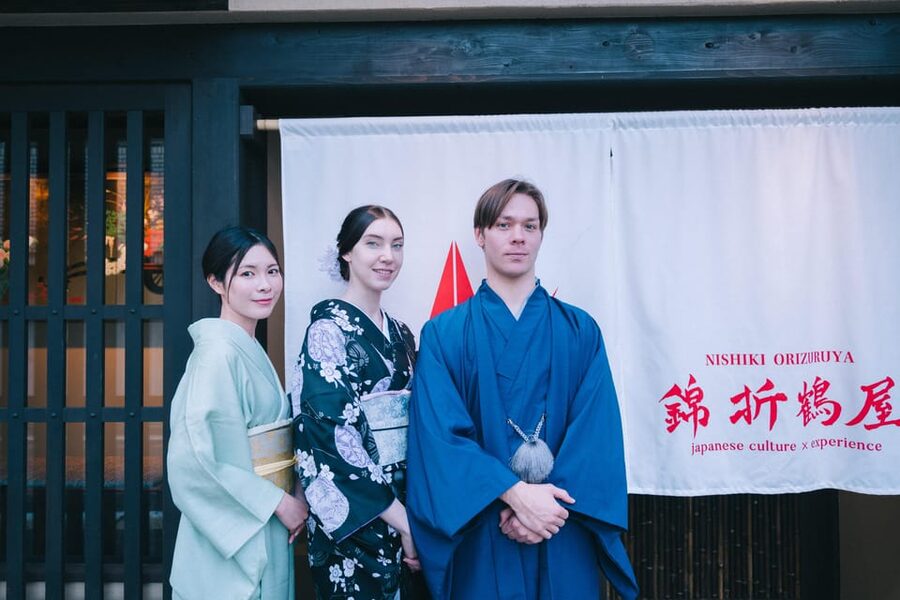
After watching the demonstration, you make your own matcha green tea. You then enjoy it with Japanese sweets.
This hands-on part is valuable because it turns the lesson into something you remember physically. You are not just watching a tea master move a whisk. You are handling the tea yourself and tasting the balance between the sweet and the earthy matcha.
The tea may be unfamiliar if you normally drink western-style green tea. Matcha has a stronger flavor and a different texture, so the sweet served with it helps make the pairing easier to appreciate.
Food allergies should be reported in advance. The supplied details do not identify the specific sweets or list alternative ingredients, so do not wait until you arrive if you have an allergy.
The activity is fixed as a combined experience. You cannot book tea ceremony only or kimono dressing only. That is helpful if you want the full package, but less useful if you already have a kimono appointment or only want a short tea lesson.
More Tea Ceremonies in Kyoto
- Kyoto: Tea Ceremony in a Traditional Tea House in Kiyomizu
★ 4.9 · 3,519 reviews - Kyoto: Tea Ceremony Ju-An at Jotokuji Temple
★ 4.9 · 3,207 reviews - Kyoto: 45-Minute Tea Ceremony Lesson Experience
★ 4.3 · 2,378 reviews - Kyoto: Table-Style Tea Ceremony at a Kyo-Machiya
★ 4.9 · 1,211 reviews
Getting the three professional photos
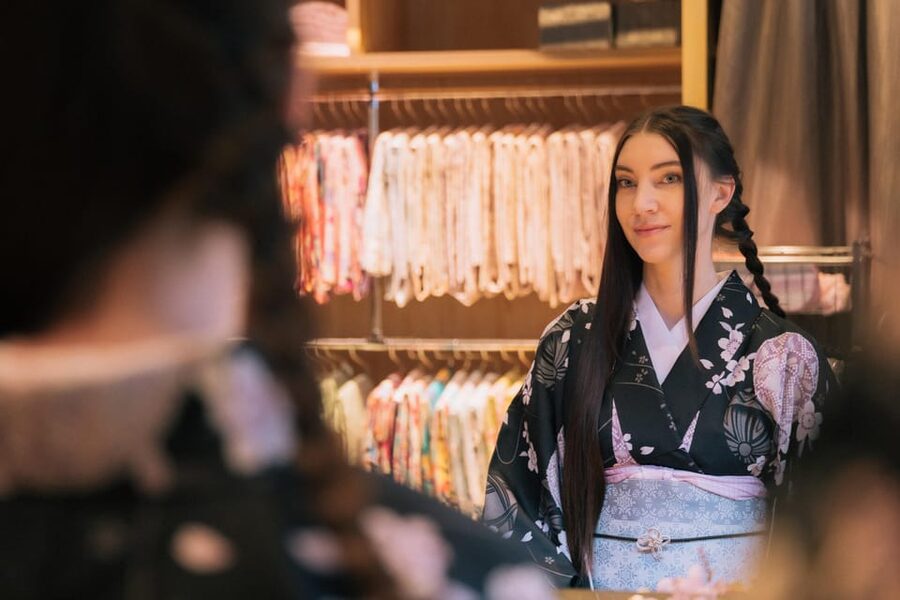
A photographer takes pictures during the experience, and you receive three professional photos as a memento. The photographs are sent by email a few hours later, according to one detailed account.
You also have time to take your own pictures. That combination is better than relying only on a staged portrait. Your personal photos can capture the small moments in the waiting area or outside, while the professional images give you a more polished record of the kimono and tea room.
The photographs are a meaningful part of the price. You are paying for clothing, dressing help, instruction, matcha, sweets, staff time, and a professional photo session, not just admission to a tea room.
The photo session does not appear to be a long portrait appointment. It is one element within a 90-minute program. If professional photography is your only priority, a dedicated photo shoot may offer more time and more images. If you want a cultural activity with a few good keepsakes, three photographs are a useful finish.
Strolling outside in your kimono
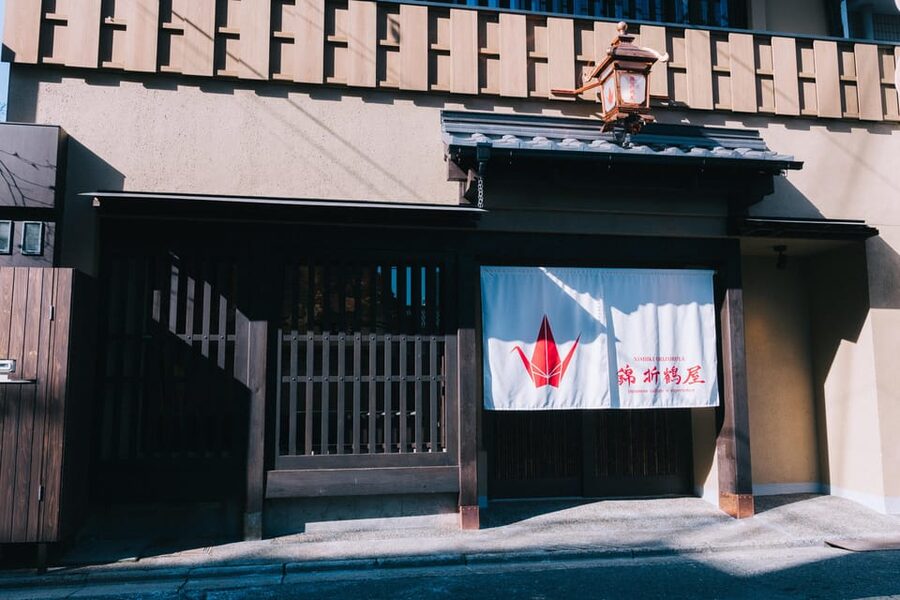
After the tea ceremony, you may stroll outside in the kimono and enjoy Kyoto’s atmosphere. This gives you extra time to take your own photos and makes the clothing rental feel less rushed.
Pay close attention to the return deadline. At the Nishiki Market location, the kimono must be returned by 6:00 PM. At the Gion location, the deadline is 5:00 PM. These times are especially important if you book late in the day.
The return privilege also affects which start time makes sense. A late appointment may leave little time for outdoor photographs, particularly at Gion. If walking outside in the kimono is a major reason for booking, choose an earlier start and confirm the correct shop.
You should also remember that a kimono is not ordinary sightseeing clothing. Walking and moving may feel different, and shoes must be removed indoors. The experience is best treated as a cultural outing with a short photo walk, not as an all-day rental.
Nishiki Market or Gion?
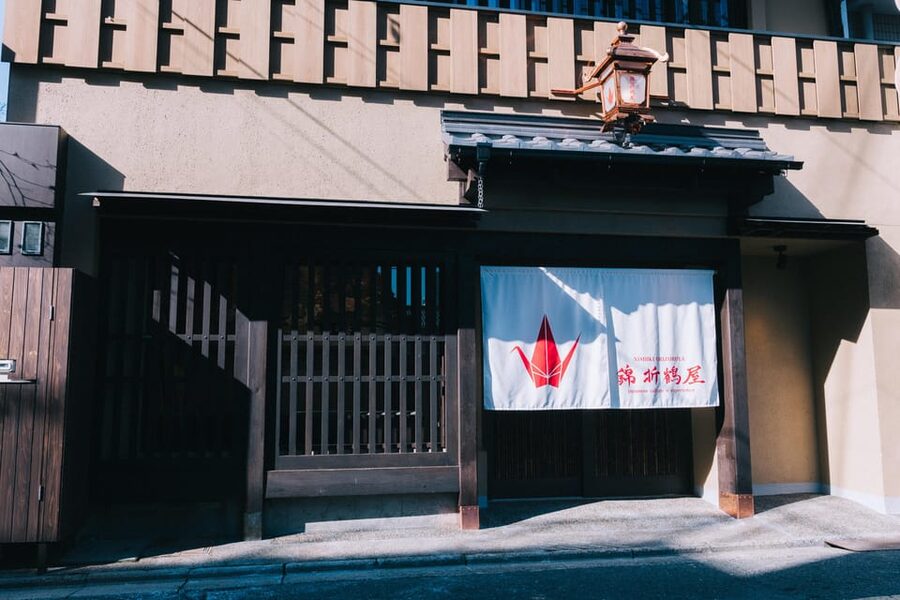
The choice between the two locations is practical rather than a matter of which one is better.
Nishiki Market is a useful pick if your plans include central Kyoto. You can combine the appointment with food shopping and nearby streets, then return the kimono by 6:00 PM.
Gion is the natural choice if your day centers on Kyoto’s traditional district. Its earlier 5:00 PM return deadline requires more care with scheduling. You must arrive at the location selected during booking. Turning up at the other shop means you may not be allowed to join.
Since the meeting point varies by option, save the exact shop details before heading out. A wrong turn is not a small inconvenience here. Late arrivals of more than 10 minutes cannot join and do not receive a refund.
Is the $127 price good value?
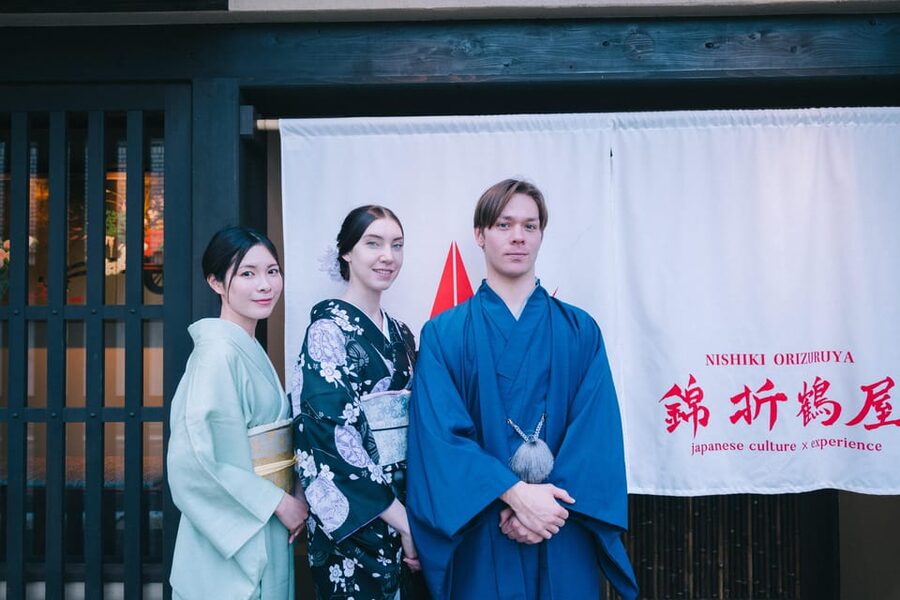
At $127 per person, this is not a budget activity. The price makes more sense when you want several Kyoto experiences in one short appointment: traditional clothing, guided cultural instruction, matcha, sweets, and three professional photos.
I think the value is strongest for first-time visitors who want a clear introduction without arranging separate bookings. You do not need to find a kimono rental shop, tea instructor, and photographer on your own. The staff coordinate the main pieces in one place.
The value is weaker if you only want to wear a kimono for a few casual photos, or if you already have access to a tea ceremony. The fixed format also means you pay for the complete experience even if you would prefer only one part.
The small group limit of 10 helps justify the cost. You are not entering a large show with no chance to participate. Still, the group size and dressing process mean the activity has a shared schedule, not a private appointment.
Free cancellation up to 24 hours before the start and the option to reserve now and pay later make the booking less rigid. Those policies do not remove the need to arrive on time, since a late arrival of more than 10 minutes means no participation and no refund.
Who will enjoy this most?
I would recommend this for adults, couples, friends, and older children who want more than a standard dress-up session. It suits anyone curious about Japanese customs but unsure how to approach a formal tea ceremony alone.
It is also a good choice for people who value photographs. You receive three professional images and still have time to take your own, which makes the appointment useful for a special trip, birthday, or shared family memory.
The experience may not suit you if you dislike scheduled group activities, have limited mobility, or need a wheelchair-accessible venue. It is also a poor fit if you want a long kimono walk, since the rental must be returned the same day by a fixed time.
Food allergies require advance notice. Children under five are not accepted, and smoking is not allowed.
What to bring and how to prepare
You do not need to bring tea equipment or special clothing. The kimono dressing and tea supplies are included.
Before booking, provide the height and gender of everyone in your party. If you have a food allergy, tell the operator ahead of time. Then check the shop address and the return deadline for your chosen location.
Arrive early enough to find the shop and settle in. The no-late-entry rule is strict, and the location mistake rule is equally important. Keep the booking details available on your phone, especially if your day includes both Nishiki Market and Gion.
Plan your day with a buffer after the 90-minute appointment. The ceremony may run smoothly, but one recorded visit involved a long wait before the tea portion began. A little breathing room keeps the experience pleasant instead of turning it into a race across Kyoto.
Should you book this Kyoto experience?
Book it if you want a well-organized introduction to kimono, tea ceremony, and matcha in one visit. The strongest parts are the English explanation, the chance to prepare your own tea, the careful dressing process, and the three professional photographs. Staff members such as Mami have been praised for their kindness, and the attention to detail appears to carry through the whole appointment.
Think twice if your main goal is a long independent kimono rental, a private ceremony, or a large number of photographs. The 90-minute schedule, shared group, fixed return time, and $127 price are real limits.
For most first-time visitors who want cultural context with their Kyoto photos, this is a sensible splurge. Choose the location carefully, arrive early, and leave room in your schedule. That is the difference between a rushed costume appointment and a memorable tea experience.
FAQ
How long does the Kyoto tea ceremony and kimono experience last?
The scheduled experience lasts 90 minutes. You should still allow extra time in your day because changing and possible waiting may affect your schedule.
Which locations are available?
You can choose between a Nishiki Market location and a Gion location. The meeting point depends on the option you book, and you cannot join at the wrong shop.
Is the tea ceremony conducted in English?
Yes. The demonstration and instruction are provided in English.
What is included in the price?
The experience includes kimono dressing, an English tea ceremony demonstration, matcha green tea, Japanese sweets, and three photos taken by a professional photographer.
Can I wear the kimono outside after the ceremony?
Yes. You may stroll outside and take your own photographs, but you must return the kimono by 6:00 PM at Nishiki Market or 5:00 PM at Gion.
Do I need to provide information before booking?
Yes. The operator needs the height and gender of all participants in advance to prepare the kimono set. You should also report any food allergies before the activity.
What happens if I arrive late?
If you arrive more than 10 minutes after the starting time, you cannot join and no refund is available. Children under five and wheelchair users are not suitable for this activity.
More Photo Sessions in Kyoto
- Kyoto Tea Ceremony and Samurai Photo Session
★ 5.0 · 70 reviews - Tea Ceremony with Kimono and Professional Photoshoot in Kyoto
★ 5.0 · 44 reviews - Tokyo:Genuine Tea Ceremony, Kimono Dressing, and Photography
★ 5.0 · 33 reviews
Fresh tea listings around Kyoto
- Cycling Tour at Uji’s Matcha Green Tea Fields and Heritage★ 5.0 · 10 reviews
- Authentic Tea Ceremony & Sushi in The Museum of Kyoto★ 5.0 · 3 reviews
- Kyoto Fushimiinari:Wagashi Making & Small Group Tea Ceremony★ 5.0 · 14 reviews
- 2 Types of Japanese Sweets making and Tea Ceremony★ 4.6 · 17 reviews
- Kyoto Hidden Riverside Zen Mediation and Uji Matcha Experience★ 5.0 · 9 reviews
- Whisk Your Own Matcha: A Zen Matcha Experience at Temple★ 3.6 · 7 reviews
- Kyoto: Nighttime Zen Meditation and Matcha Tea Experience★ 5.0 · 7 reviews
- Matcha Grinding Experience and Walking Tour in Uji Kyoto★ 5.0 · 26 reviews
Kimono & Tea Ceremony, compared.
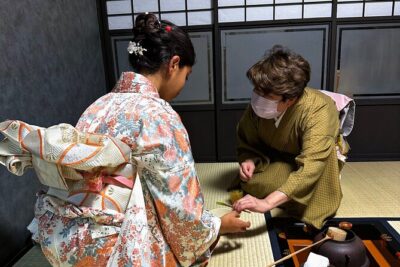
KYOTO Tea Ceremony with kimono near by Imamiya Jinjya Shrine
Read our review →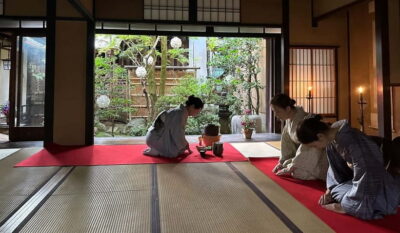
Kyoto: Kimono and Tea Ceremony Experience at Cultural Asset
Read our review →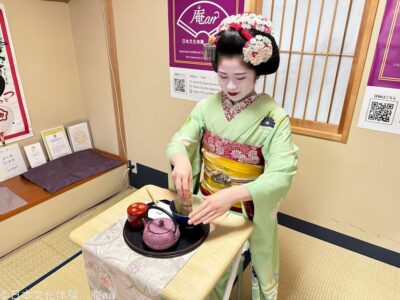
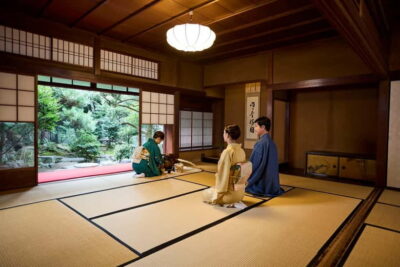
Kyoto: Kimono Tea Ceremony with Matcha and Sweet
Read our review →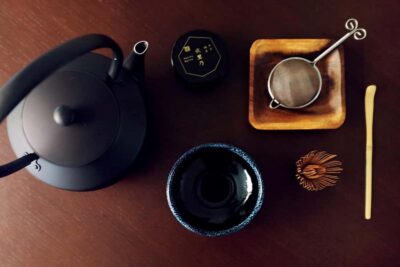
Browse the lists this tour appears in