
Review · KIMONO & TEA CEREMONY
An Amazing set of Cultural experience: Kimono, Tea Ceremony and Calligraphy
Miyajima is famous for its shrine and sea views, but this experience takes you into a quieter side of the island: a Zen temple setting where you learn by doing. You choose a kimono, have it properly arranged, whisk matcha, watch and take part in a tea ceremony, then try calligraphy.
I like the personal attention of a group capped at eight, and I like that the staff take many photographs as you move through the activities. The main thing to consider is price: at $132.14 per person, this is not a quick budget activity, and you will need to make the ferry trip to Miyajima before the session begins.
Key points to know before you book
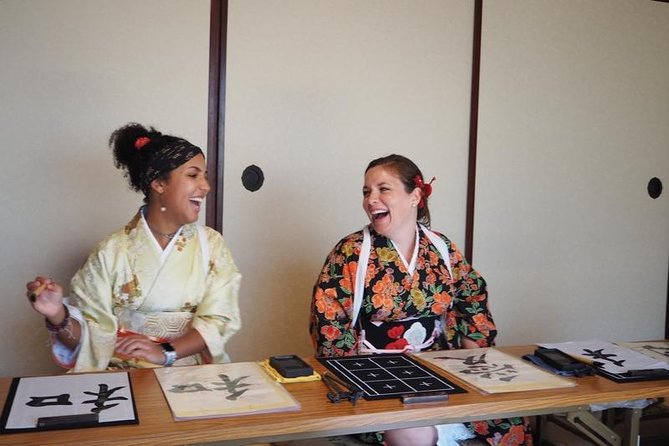
- Kimono dressing comes first: Staff help you choose clothing, accessories, socks, sandals, obi, and decorative pieces in your size.
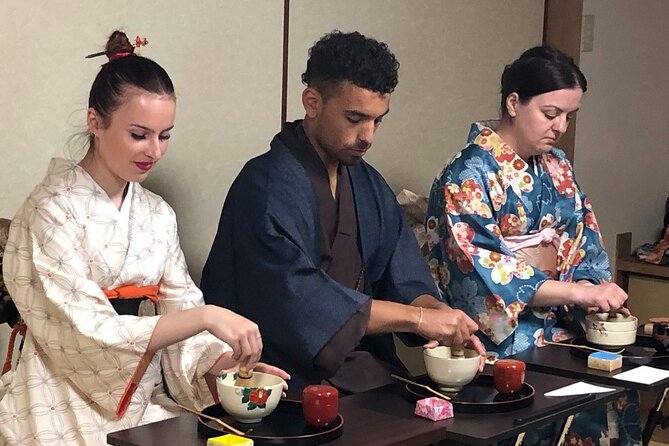
- You make your own matcha: The tea portion is not just a demonstration. You learn the manners, then whisk the tea yourself.
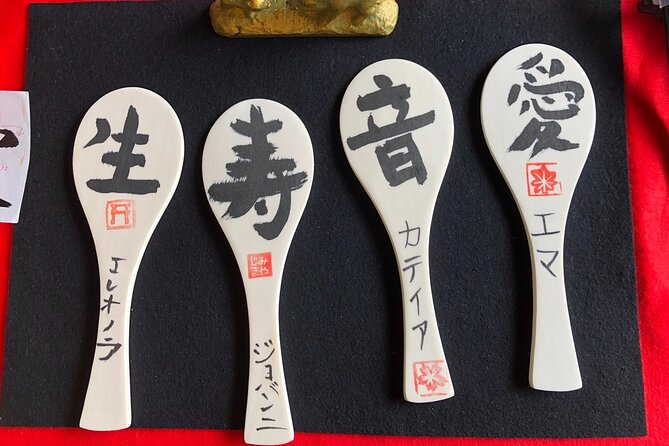
- Calligraphy is hands-on: You practice Japanese characters and names, with some finished work prepared as a keepsake.
- Tokujuji Temple adds a calm setting: The activity takes place about a five-minute walk from the Miyajima ferry port.
- Small groups keep it personal: The maximum is eight people, with most participants able to join from age six.
- Photos are part of the memory: Staff take pictures during the session, although the sharing method may vary.
A quiet cultural stop five minutes from the Miyajima ferry
The meeting point is Okeiko Japan Miyajima, at 741-1 Miyajimachō in Hatsukaichi, Hiroshima. From the ferry port, walk for about five minutes in the direction of Tokujuji Temple. That short walk matters because you can fit the activity into a larger Miyajima day without needing a taxi or a long transfer.
The setting is Tokujuji, a historic Zen temple. You are not being taken to a theatrical stage built only for tourists. Instead, the surroundings give the clothing, tea, and brushwork a sensible setting. The temple gardens also provide the backdrop for photographs, which helps the kimono portion feel connected to Miyajima rather than like a studio dress-up session.
The experience is listed at about one hour and 30 minutes, while the itinerary allows roughly two hours. I would plan on the longer window. Dressing several people, taking photographs, and allowing time for each activity can make the pace vary. You will want enough space before your next Miyajima plan, especially if you are trying to catch a particular ferry.
Morning and afternoon starting times are available. That gives you useful choice. An early session can leave the rest of the day for the shrine and walking trails, while an afternoon booking can work after you have explored the island. Check your exact start time carefully and arrive at the stated meeting point rather than waiting near the ferry terminal.
More Tea and Calligraphy Workshops in Japan
- Kyoto: Tea Ceremony Meditation – Make Matcha with Tea Master
★ 4.8 · 406 reviews - Osaka: Tea Ceremony, Calligraphy, and Kimono Experience
★ 4.9 · 130 reviews - Experience all of Japanese culture and Japanese food experience classes “origami, udon, Japanese food, green tea, calligraphy” in 4 hours
★ 5.0 · 105 reviews
Choosing a kimono and getting properly dressed
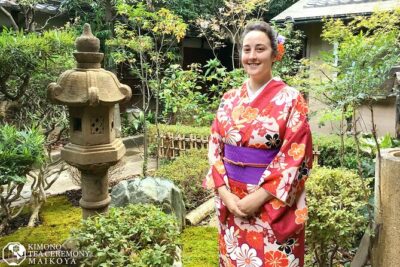
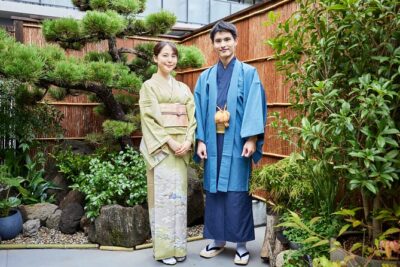
The first major part of the experience is choosing a kimono. Staff help you select from the available clothing and accessories, then dress you rather than simply handing over a robe and sending you off. The full effect includes the kimono, obi, cords, socks, sandals, and a decorative flower or similar accessory.
That help is important. A kimono is not a loose coat that you throw on over your clothes. The layers and belt need to sit correctly, and the staff make the process manageable for first-time participants. The dressing also gives you a chance to ask questions and see how the separate parts create the finished outfit.
The available selection depends on size and stock, but the experience has accommodated different body sizes. If you have concerns about fit, bring them up when choosing your clothing. The minimum age is six, so children can take part, provided they can manage the pace and stay comfortable in the outfit.
Men and women can enjoy this part. One particularly useful detail is that the activity is not limited to people who already love traditional clothing or photography. Groups with men, women, parents, and children can all take part, and the cultural lessons give the session more substance than a simple costume rental.
Expect to spend a meaningful portion of the visit getting dressed and having photographs taken. That is not wasted time. For many people, the kimono is the part they will remember most clearly, and the staff make a point of capturing family and group pictures throughout the visit.
The tea ceremony: watch first, then whisk your own matcha
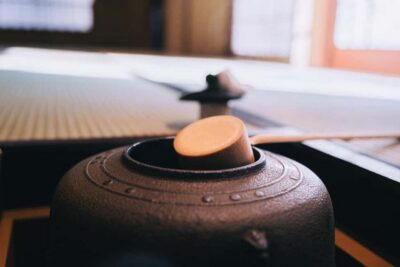
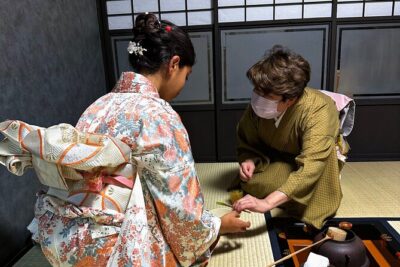
The tea portion begins with an explanation and demonstration of the ceremony’s manners. You then make your own matcha. This two-step approach works well because you see the movements before trying them, rather than being expected to know what to do in a formal setting.
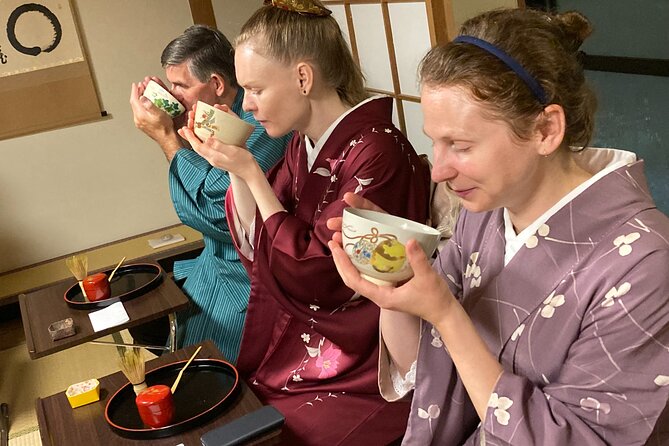
You will learn that a tea ceremony is about more than drinking powdered green tea. The handling of the bowl, the order of movements, and the quiet attention to the moment all matter. English explanations are provided, which makes the details easier to follow for visitors who do not know Japanese customs.
The practical part is the best feature. You whisk the matcha yourself and drink what you prepare. That small task gives you a better sense of the skill involved. The tea bowls used in the session are made by local artisans, adding a useful connection between the ceremony and Japanese craft.
Do not expect a long formal ceremony with a master speaking at length. This is a short cultural lesson designed to be accessible and interactive. It gives you a respectful introduction without requiring prior knowledge or special clothing etiquette.
The tea room may feel serious at first, but the experience is also friendly and relaxed. That balance is useful for families and first-time visitors. You can appreciate the quiet rules while still asking questions and enjoying the novelty of making matcha.
Calligraphy turns a short lesson into a keepsake
After tea, you move to the calligraphy portion. You practice Japanese characters and can also work on writing your name. The brushwork looks simple until you try it, and the lesson gives you a quick feel for the care needed to control each stroke.
This is another hands-on activity rather than a talk. You hold the brush, attempt the characters, and see how pressure and direction affect the result. Some participants find the writing harder than expected, which is exactly why the exercise is worthwhile. You gain respect for a skill that can look effortless when performed by an expert.
A particularly nice touch is the souvenir element. Finished efforts on wooden spoons can be beautifully wrapped for you to take home. That gives the calligraphy lesson a clear purpose beyond filling time between the kimono and tea ceremony.
Your result does not need to be perfect. The point is to try a traditional art with guidance and leave with something linked to your own visit. For children, this may be the most engaging part of the session. For adults, writing your name in Japanese can make the activity feel personal without turning it into a language class.
More Tea Ceremonies in Japan:
- Kyoto: Tea Ceremony in a Traditional Tea House in Kiyomizu
★ 4.9 · 3,519 reviews - Kyoto: Tea Ceremony Ju-An at Jotokuji Temple
★ 4.9 · 3,207 reviews - Kyoto: 45-Minute Tea Ceremony Lesson Experience
★ 4.3 · 2,378 reviews - Osaka: Tea Ceremony Experience
★ 4.9 · 1,426 reviews
Photos, gardens, and the value of a small group
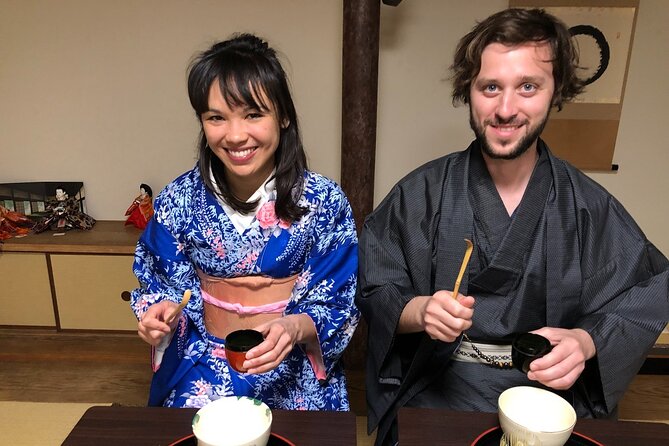
Staff take photographs during the experience, including while you are dressed, practicing tea, and working on calligraphy. They also take people into the beautiful temple gardens for pictures. This saves you from having to ask another visitor to take a rushed group shot.
The photographs are a real part of the value here, especially if you are visiting as a family or couple. You can concentrate on the activities instead of managing a phone or camera. The sharing process may involve an app, and there has been some concern about that method, so keep your expectations practical and check how the images will be delivered.
A group limit of eight helps. Staff can help with kimono selection, adjust the clothing, explain the tea steps, and take individual or family photographs without handling a large crowd. The small size also makes it easier to ask questions during the ceremony and calligraphy lesson.
The friendly service is one of the strongest reasons to choose this experience. The hosts are described as warm, kind, and eager to spend time with participants. That does not mean the session is completely informal. The tea ceremony retains its manners and structure, while the staff make the atmosphere comfortable for people who are new to Japanese customs.
Is $132.14 a fair price?
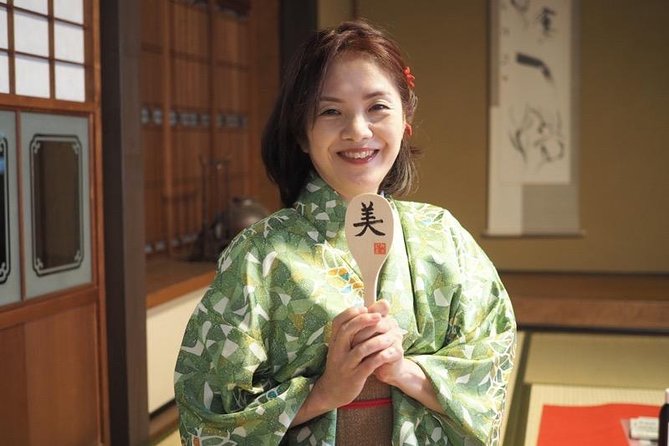
At $132.14 per person, this is a premium cultural activity. You are paying for more than 90 minutes of entertainment. The price covers instruction in several traditions, kimono dressing, accessories, tea preparation, calligraphy practice, use of a temple setting, and photographs.
The value is strongest if you would otherwise pay separately for kimono rental and photographs. It is also good for a special occasion, a family memory, or a first visit to Japan when you want guided contact with traditions that can be difficult to understand on your own.
The value is weaker if you mainly want to wear a kimono for ten minutes and take a few pictures. Miyajima has plenty to see for free once you arrive, so budget-minded visitors may prefer to spend their money on the island’s temples, walking routes, and food instead.
The small maximum group and the staff involvement help justify the cost. You are not simply collecting a costume at a counter. Someone helps you dress, explains the activities, photographs the process, and guides you through each stage. Still, the price is high enough that you should choose it for the complete cultural experience, not just the clothing.
How to fit the session into a Miyajima day
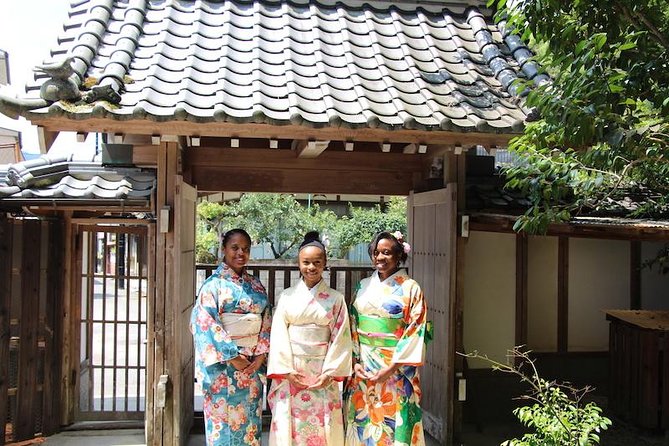
The activity begins and ends at Okeiko Japan Miyajima. Since it is close to the ferry port, you can combine it with a day on the island, but you need to allow time for the ferry journey from Hiroshima and for walking to the temple.
A morning start leaves the rest of your day open. You could use the session as your first planned stop, then continue to other Miyajima sights. An afternoon start lets you explore first and finish with a quieter cultural activity. Both options work, but the best choice depends on your wider schedule and ferry timing.
Build in a cushion before the appointment. The stated duration is approximate, and the separate itinerary information gives the stop a two-hour allowance. You do not want to rush through the kimono photographs or leave before the calligraphy piece is finished.
The experience is near public transportation, and the meeting point is easy to identify by its address and proximity to the port. Confirmation is provided at booking. The activity ends where it starts, so you can continue exploring Miyajima without arranging a separate return transfer.
Who will enjoy this experience most?
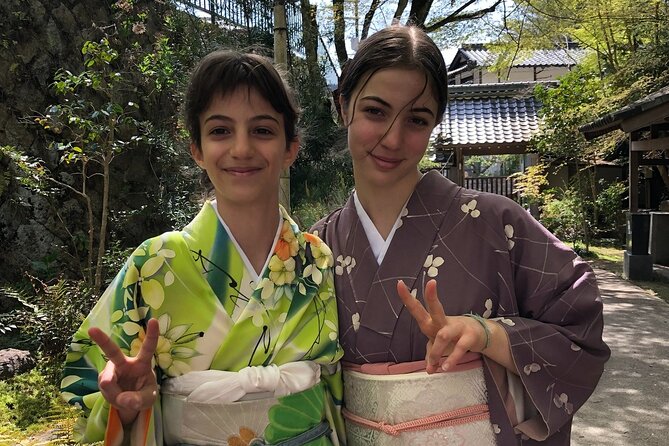
I would recommend it to you if you want a guided introduction to Japanese customs rather than a passive sightseeing stop. It suits first-time visitors who want clear English explanations, families with children aged six or older, couples looking for photographs, and small groups who enjoy trying traditional arts.
It is also a good choice after a busy day of sightseeing. The temple setting and measured tea ritual offer a change from crowded streets and major attractions. One useful feature is that you can take part even if you know little about Japan beforehand.
The activity may not suit you if you dislike posed photographs, formal manners, or wearing layered clothing. The tea ceremony has rules, and the kimono is not designed for unrestricted movement. You should also think twice if your schedule on Miyajima is already packed, since the session can take up to about two hours.
The experience is accessible to most people according to the booking information, but no detailed mobility information is provided. If you need specific assistance, contact Okeiko Japan before booking rather than assuming the temple setting will meet your needs.
Booking, cancellation, and practical details
You can cancel for a full refund if you do so at least 24 hours before the local start time. Changes or cancellations inside that 24-hour window are not accepted for a refund.
The activity is booked, on average, 38 days ahead. That suggests you should reserve early if your Miyajima dates are fixed, especially because the group limit is eight and the two daily time periods may not match your ferry plans.
The minimum age is six. Most people can participate, and the activity is near public transportation. Confirmation arrives at booking, so save the meeting address and exact start time before heading to Miyajima.
Should you book this Miyajima cultural experience?
Book it if you want your Miyajima visit to include participation, not just sightseeing. The combination of kimono dressing, matcha preparation, tea ceremony, calligraphy, temple gardens, and photographs gives you a clear sequence of activities in a small group.
I especially like the fact that you make the tea and practice the brushwork yourself. Those details turn the session from a photo opportunity into a short lesson in Japanese traditions. The staff’s help with clothing and the many photographs add practical value.
Skip it if $132.14 feels too high for a 90-minute to two-hour activity, or if your main goal is simply to see Miyajima’s famous sights. But if you have room in the budget and want a personal memory that you can carry home, this is one of the stronger cultural choices near Hiroshima.
FAQ
Where does the experience take place?
It takes place at Okeiko Japan Miyajima, at 741-1 Miyajimachō, Hatsukaichi, Hiroshima 739-0588, Japan, at the historic Tokujuji Temple.
How far is the meeting point from the Miyajima ferry port?
The meeting point is about a five-minute walk from the ferry port in the direction of Tokujuji Temple.
How long does the activity last?
The experience is listed as approximately one hour and 30 minutes. The itinerary allows about two hours, so you should leave room for the longer timeframe.
What activities are included?
You learn to wear a kimono, take part in a tea ceremony, make your own matcha, and practice Japanese calligraphy.
Are photographs included?
Staff take photographs during the experience, including in the temple gardens. The information provided notes that the method used to share the pictures may vary.
What is the minimum age?
The minimum age is six.
How large is the group?
The activity has a maximum of eight participants.
More Kimono and Tea Ceremonies in Japan
- Kimono Tea Ceremony at Kyoto Maikoya, NISHIKI
★ 5.0 · 911 reviews - Kimono Tea Ceremony at Tokyo, Asakusa Maikoya
★ 5.0 · 638 reviews - Kyoto: Kimono Tea Ceremony at Orizuruya Gion
★ 4.9 · 618 reviews - KYOTO Tea Ceremony with kimono near by Imamiya Jinjya Shrine
★ 5.0 · 343 reviews
Fresh tea listings around Japan
- Cycling Tour at Uji’s Matcha Green Tea Fields and Heritage★ 5.0 · 10 reviews
- Authentic Japanese tea tasting: sencha, matcha and gyokuro★ 5.0 · 12 reviews
- Asakusa Cultural Walk & Matcha Making Tour★ 4.5 · 7 reviews
- Authentic Tea Ceremony & Sushi in The Museum of Kyoto★ 5.0 · 3 reviews
- At an Antique Shop, Tea Ceremony and Japanese Sweets Forming★ 5.0 · 5 reviews
- Authentic Japanese Tea Ceremony Experience in Kamakura★ 4.5 · 8 reviews
- Matcha tasting for all five senses at Hotel Yokohama★ 5.0 · 7 reviews
- Yokohama: Sushi & Gyoza Cooking with Matcha Experience★ 5.0 · 4 reviews
Kimono & Tea Ceremony, compared.
KYOTO Tea Ceremony with kimono near by Imamiya Jinjya Shrine
Read our review →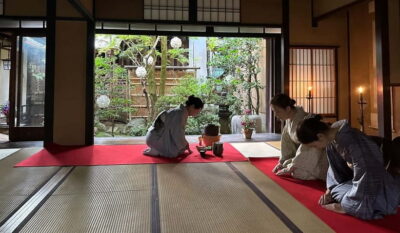
Kyoto: Kimono and Tea Ceremony Experience at Cultural Asset
Read our review →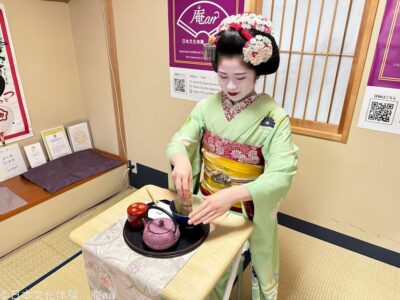
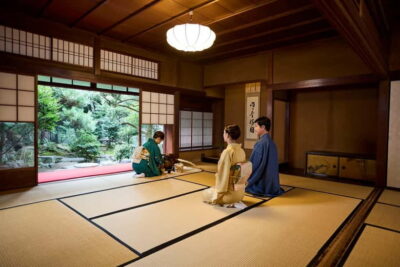
Kyoto: Kimono Tea Ceremony with Matcha and Sweet
Read our review →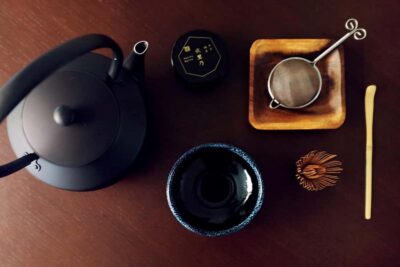
Browse the lists this tour appears in