
Review · TEA CEREMONY EXPERIENCES
Tokyo: Tea Ceremony & Japanese Traditional Sweets
The best part of this Tokyo experience is that you do not just watch a tea ceremony. You learn the gestures, whisk your own matcha, and shape nerikiri, a seasonal sweet made to look like a flower or other natural motif. It gives you a hands-on look at a Japanese art that can otherwise seem formal and difficult to enter.
I like the small group of up to 10 people, which should make it easier to follow the demonstration and ask questions. I also like the calm one-hour format, a useful pause from Tokyo’s busy streets. The main consideration is that this is English only, with no Japanese-language support, so it may not suit you if you want a bilingual lesson.
Key points
- Make your own matcha: Learn the basic whisking technique, then taste the tea you prepare yourself.
- Watch an otemae demonstration: See the careful movements of a licensed tea master with more than 10 years of experience.
- Shape seasonal nerikiri: Craft a traditional Japanese sweet with colors and forms linked to the season.
- Enjoy tea and sweets together: Pair your handmade confection with freshly prepared matcha.
- Keep the schedule simple: The complete activity lasts one hour and costs $27 per person.
- Meet near Hakusan Station: The venue is about a five-minute walk from the Toei Mita Line station and is wheelchair accessible.
What the one-hour tea experience actually includes
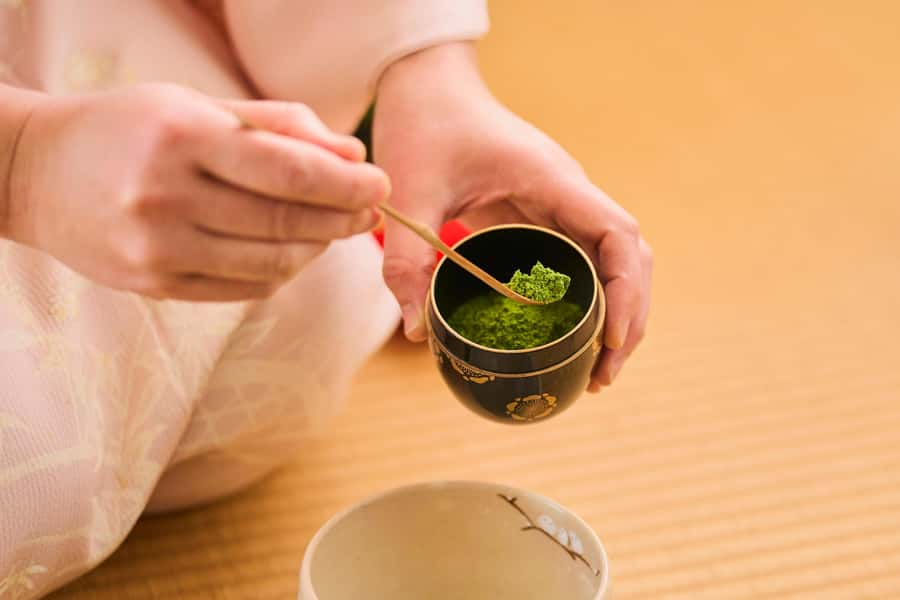
This is a compact cultural lesson rather than a long formal ceremony. In one hour, you receive an introduction to tea preparation, watch the tea master perform otemae, make matcha yourself, and craft a traditional sweet.
That structure matters. You get enough explanation to understand what you are doing, but the activity does not take half a day from your Tokyo plans. If you have a packed sightseeing schedule, you can fit it between visits in Bunkyo-ku or use it as a quiet break after a morning in the city.
The tea master has more than 10 years of experience, and an English-speaking host explains the process. You should be able to follow along even if this is your first encounter with matcha or a Japanese tea ceremony. The focus is participation, not prior knowledge.
More Tea Ceremonies in Japan:
- Kyoto: Tea Ceremony in a Traditional Tea House in Kiyomizu
★ 4.9 · 3,519 reviews - Kyoto: Tea Ceremony Ju-An at Jotokuji Temple
★ 4.9 · 3,207 reviews - Kyoto: 45-Minute Tea Ceremony Lesson Experience
★ 4.3 · 2,378 reviews
Watching the otemae demonstration
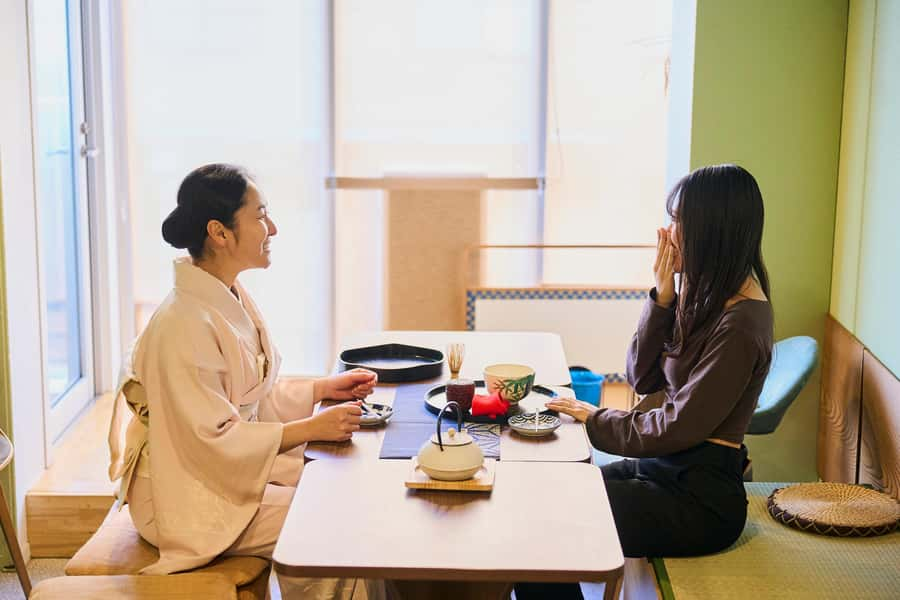
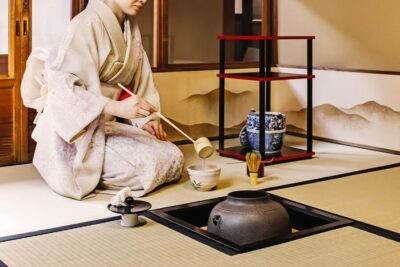
The session begins with the formal side of the experience: the otemae demonstration. This is the tea preparation sequence performed by the tea master, with attention to each movement and the order in which the utensils are handled.
The value of watching first is simple. Matcha preparation has its own rhythm, and the demonstration gives you a clear model before you pick up the whisk. Rather than guessing how quickly to move or how to hold the tools, you can see the method and then copy it during your turn.
The ceremony also offers a glimpse of the thought behind Japanese tea culture. The movements are deliberate, and the process asks you to slow down and notice small details. You are not simply being served a drink. You are seeing how preparation, presentation, and hospitality work together.
Do not expect a large theatrical show. The appeal is quieter and more focused. If you want a fast sightseeing attraction with lots of action, this may feel restrained. If you enjoy learning through close observation, the demonstration is likely to be the heart of the hour.
Whisking your own bowl of matcha
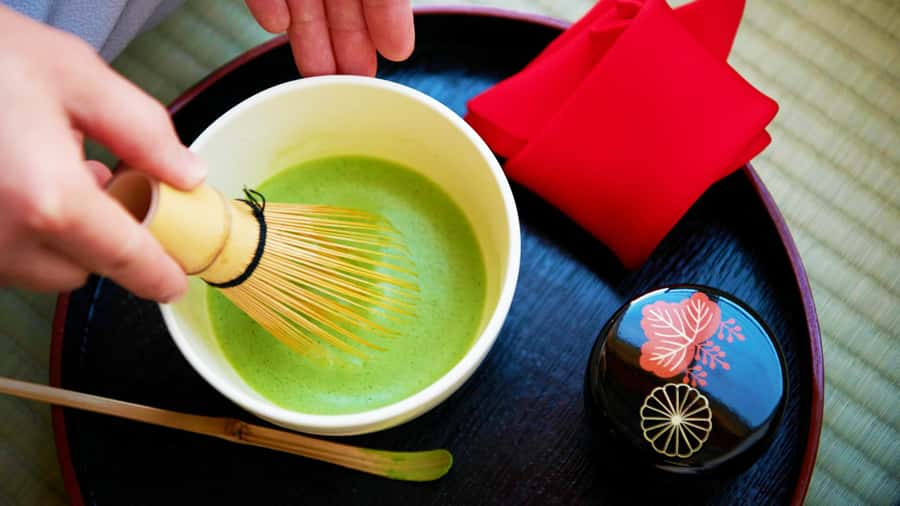
After watching the tea master, you prepare your own matcha. You will whisk the powdered tea and taste the result, including its characteristic strong, slightly bitter flavor.
This hands-on step makes the experience more useful than a ceremony where you remain a passive observer. You can feel how the whisk moves, see how the tea changes as you prepare it, and understand why technique affects the final cup. Even a small difference in whisking can change the texture and foam.
Matcha is not usually a mild, sweet drink. Its flavor can be intense, especially if you are used to ordinary green tea. The accompanying sweet helps balance it, which is part of the pleasure of the pairing. Your handmade nerikiri offers a gentle contrast to the tea’s sharper taste.
The tea master and English-speaking host can guide you through the process. That support should be especially helpful if you have never handled a bamboo whisk or are unsure about the correct movements. The group size, limited to 10 people, gives the lesson a more personal feel than a large workshop.
Making seasonal nerikiri by hand
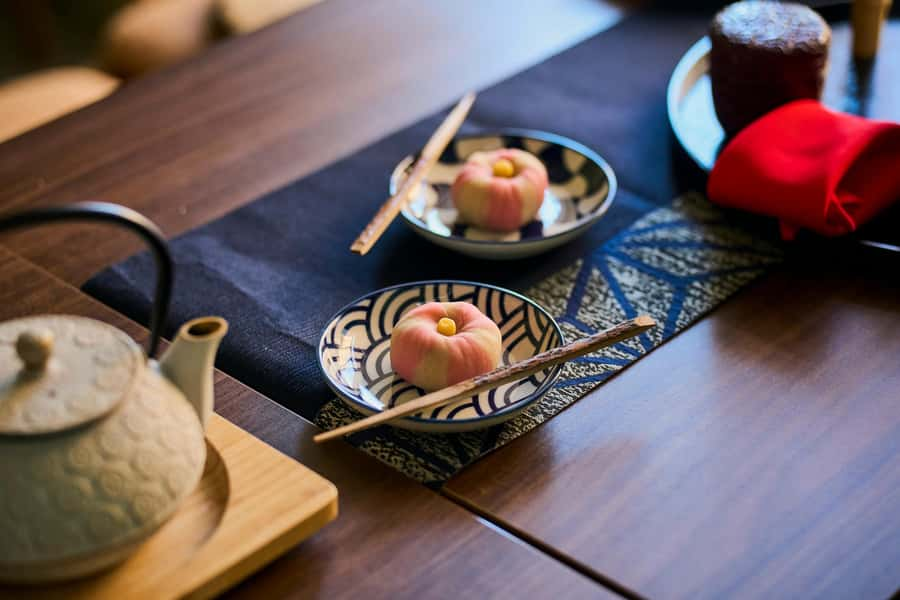
The most unusual part of the activity is the chance to make nerikiri. This is a traditional Japanese confection shaped into delicate forms, often based on seasonal flowers and other natural subjects.
You will work with color and form to create your own sweet. The finished shape is meant to reflect the season, which gives the exercise a cultural meaning beyond simple food preparation. Japanese sweets are often designed to look as carefully considered as they taste, and nerikiri makes that idea easy to see.
The description does not specify the exact flower or design used during each session. That is sensible, since seasonal themes can change. You might find that the design varies according to the time of year, giving repeat visitors a different project on another visit.
Do not expect professional pastry results on your first attempt. The point is to learn the basic craft and enjoy the process. Small imperfections are part of making it yourself, and the finished sweet still becomes part of the tea service.
More Tea and Sweets Making in Japan:
- Matcha Making Class in Tokyo with Authentic Japanese Sweets Set
★ 5.0 · 744 reviews - Matcha Making Class in Osaka with Authentic Japanese Sweets Set
★ 5.0 · 509 reviews - Tokyo: Matcha Making Experience with Mochi Sweets in Asakusa
★ 4.9 · 388 reviews - Kyoto: Japanese Traditional Sweets Making and Tea Ceremony
★ 4.4 · 314 reviews
Matcha and nerikiri, a useful cultural pairing
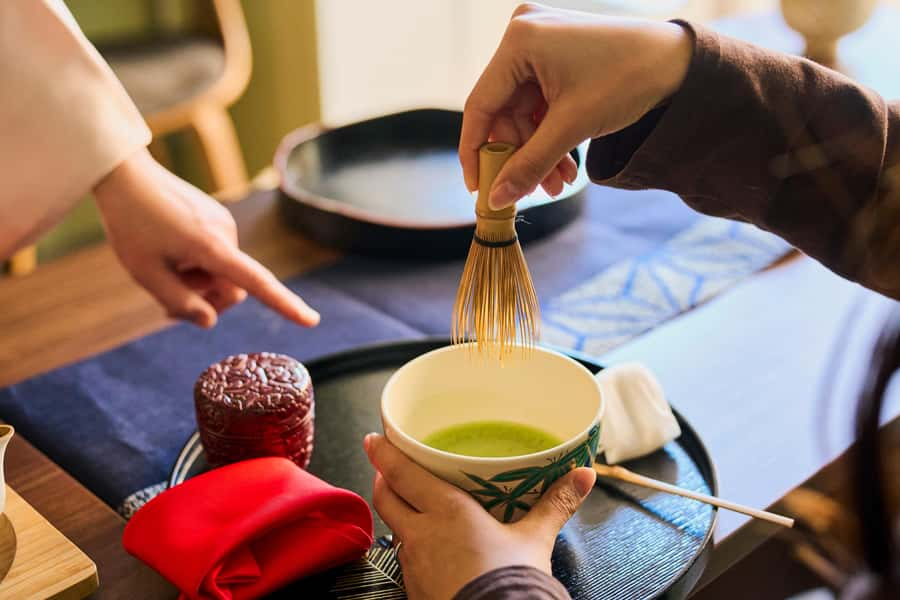
Once you have prepared the tea and shaped the sweet, you enjoy them together. This pairing is more than a convenient snack. The sweet softens the strong taste of matcha, while the tea keeps the confection from becoming overly sugary.
I like this part because it brings the separate lessons into one simple experience. You have watched the ceremony, practiced the tea preparation, and made the confection. Then you can sit with the result and understand how the two foods are meant to complement each other.
The experience also gives you a better sense of seasonal awareness in Japanese culture. The shape and color of nerikiri can point to flowers or other signs of the season, so the sweet becomes part of the setting rather than an afterthought.
A calm break from Tokyo’s crowded pace
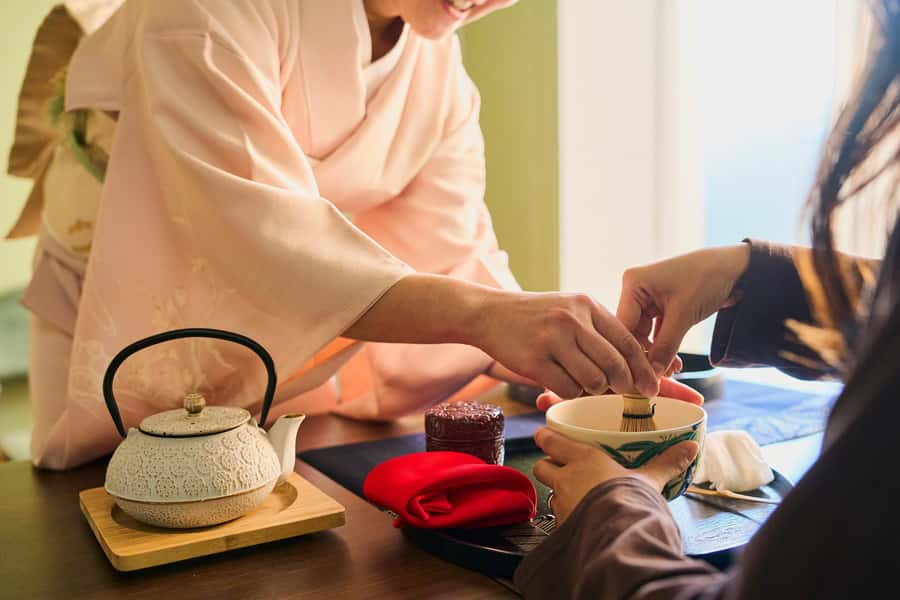
Tokyo is easy to love, but it can wear you out. Train stations, bright shopping streets, long walks, and constant choices fill many days. This tea ceremony offers a slower hour without asking you to leave the city.
The calm atmosphere was a major point of praise in the available feedback. One participant described it as a lovely pause from the busy pace of the rest of a Tokyo visit. That is a useful way to think about the activity: it is both a cultural lesson and a reset.
The one-hour duration keeps the pause manageable. You do not need to give up a full afternoon, and you can plan other activities before or after it. At the same time, the short format means the experience cannot cover every aspect of Japanese tea culture. Think of it as a focused introduction, not an advanced course.
Why the $27 price can be good value
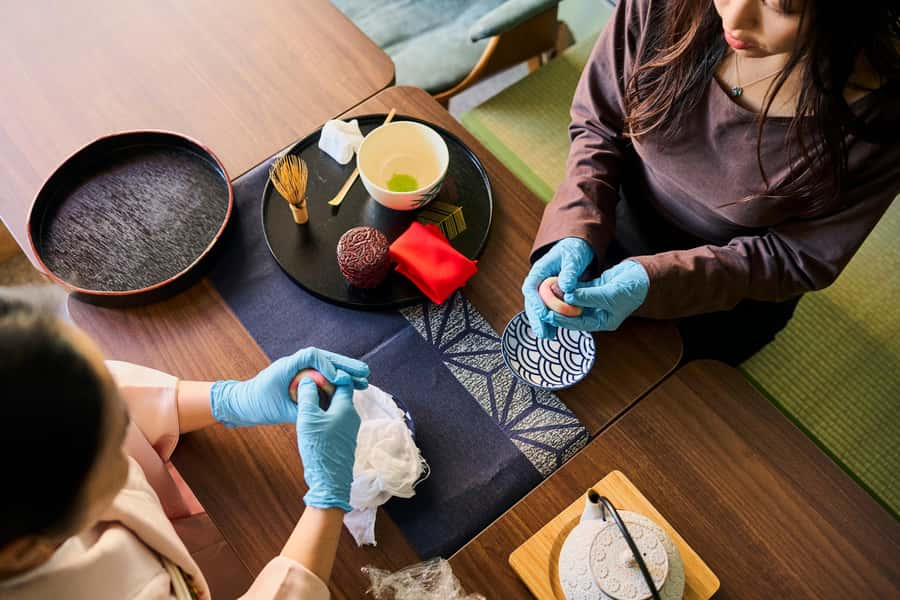
At $27 per person, this experience offers several elements in one booking: an English-guided tea ceremony, a demonstration by an experienced tea master, hands-on matcha preparation, and a seasonal Japanese sweet-making activity.
The value comes from participation. You are not paying only to sit in a room and watch someone prepare tea. You get to make the drink and confection yourself, then taste both together. For a first introduction to matcha, that combination gives you a practical understanding of the process.
The price is also easier to justify if you care about small-group instruction. With no more than 10 participants, the setting should feel more manageable than a crowded class. You can see the demonstration clearly and receive help if your whisking or sweet shaping needs correction.
Still, you should choose it for the cultural activity rather than the amount of food. This is not a meal or a long cooking class. If you want a substantial tasting menu or a full-day workshop, $27 would be better spent elsewhere. For a one-hour introduction with guided practice, it is a fair price.
Finding the venue near Hakusan Station
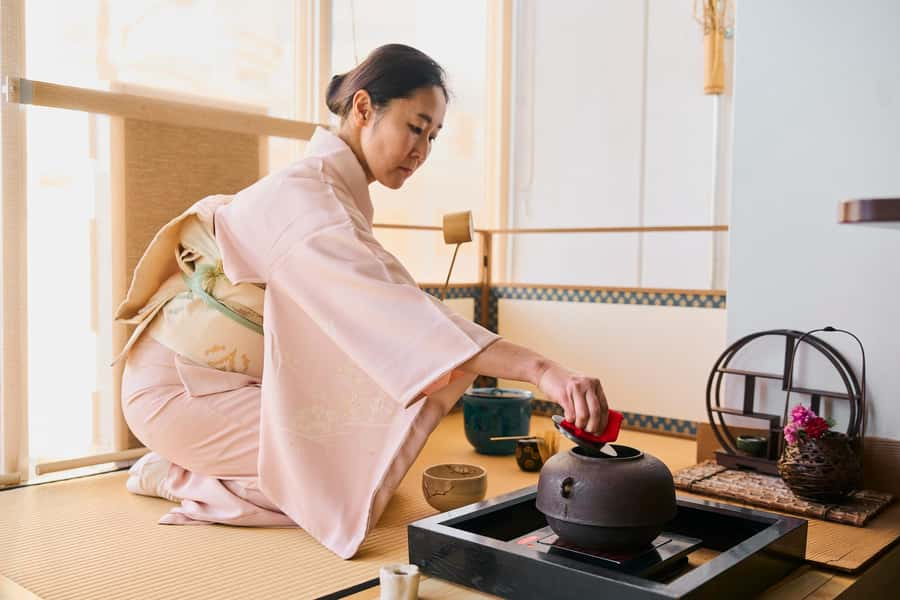
The meeting point is about a five-minute walk from Hakusan Station on the Toei Mita Line. The address is on the second floor of Phil Park Hakusan Hills, at 1-26-17 Hakusan in Bunkyo-ku.
Use the supplied Google Maps location and look for the second-floor venue. The instructions specifically tell you to come to the second floor, so do not stop at street level and assume you have arrived. Allow a few extra minutes to find the entrance, particularly if you are unfamiliar with Tokyo addresses and building layouts.
Hakusan is not presented as a major sightseeing stop within this activity, so you should plan your nearby sightseeing separately. The short walk from the station keeps access straightforward, and the central Tokyo location makes the class practical as part of a wider day.
Comfortable clothes are recommended. You are handling tea equipment and shaping sweets, so easy movement is more useful than formal travel clothes.
English guidance and group size
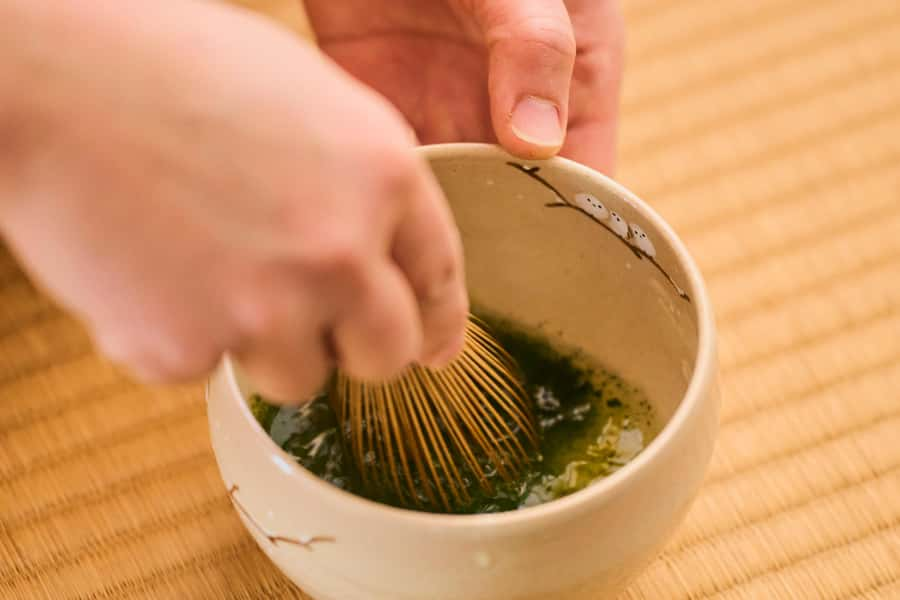
The activity is conducted in English only. The host provides explanations in English, and the tea master leads the practical parts of the session. There is no Japanese-language support.
That clear language policy helps you decide quickly if the activity fits. English-speaking visitors can follow the instructions without needing to guess what happens next. If you are hoping to practice Japanese through the ceremony, this is not the right setting.
The group is limited to 10 people. That is small enough to keep the session from feeling anonymous, while still giving it a social element. The size also matters during the hands-on sections. You may need individual help with matcha whisking or the shape of your nerikiri, and a smaller class gives the host more room to assist.
The available feedback places strong emphasis on the instructor’s kind and informative manner. One participant also valued the way the guide answered questions and offered help when needed. That is exactly what you want in a first tea lesson: clear direction without making you feel clumsy for asking basic questions.
Who should book this experience
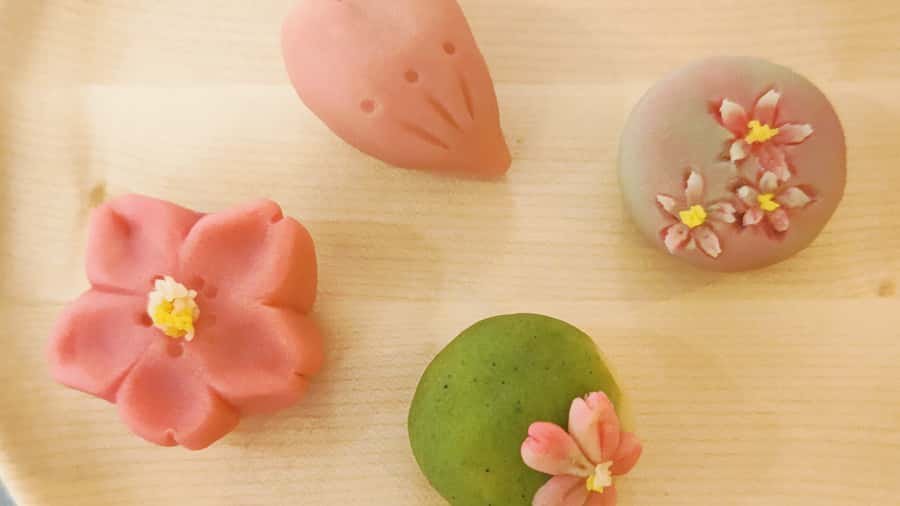
I would recommend this activity to you if you want a short, low-pressure introduction to Japanese culture. It suits first-time matcha drinkers, couples, solo visitors, and families with an interest in making something by hand.
It is especially useful for:
- You want a quieter activity between major Tokyo sights.
- You are curious about tea ceremony but do not want a long formal session.
- You enjoy food workshops and creative crafts.
- You value clear English explanations.
- You want a small group rather than a large class.
- You have only one hour available.
The experience may be less suitable if you dislike strong tea, want extensive historical instruction, or prefer an activity conducted in Japanese. The provided information does not specify an age limit, so you should check the booking details if you are arranging the session for children.
The venue is wheelchair accessible, which removes one common practical concern. Still, you may want to confirm any personal access needs before booking if you require specific assistance beyond wheelchair access.
Booking flexibility and practical planning
You can cancel up to 24 hours in advance for a full refund. The reserve-now, pay-later option also lets you hold a place without paying immediately, which is useful when your Tokyo schedule is still changing.
Starting times depend on availability, so check the date and time before you finalize your plans. Since the activity lasts exactly one hour, it is easy to fit into a day, but you should still allow time to reach Hakusan Station and locate the second-floor venue.
Arrive ready to participate, not just observe. Comfortable clothing is the only listed item to bring, and the tea ceremony, English guide, and traditional sweets are included.
Should you book the Hakusan tea ceremony?
Book it if you want a hands-on cultural hour rather than another sightseeing stop. The combination of otemae, matcha preparation, and seasonal nerikiri gives you three connected ways to experience Japanese tea culture, all for $27.
I would be less likely to recommend it to you if you want a long ceremony, a substantial meal, or Japanese-language instruction. For everyone else, the small group, experienced tea master, patient English guidance, and calm pace make this a sensible choice for a first taste of tea ceremony in Tokyo.
FAQ
How long does the Tokyo tea ceremony experience last?
The activity lasts one hour.
How much does the experience cost?
The price is $27 per person.
Is the tea ceremony conducted in English?
Yes. The instructor and host provide the experience in English only. Japanese-language support is not available.
Will I make my own matcha?
Yes. You will learn how to prepare and whisk your own bowl of matcha after watching the tea master’s demonstration.
Do I make Japanese sweets during the activity?
Yes. You will make nerikiri, a traditional Japanese confection designed with seasonal colors and shapes.
How many people can join the group?
The group is limited to 10 participants.
Is the venue wheelchair accessible?
Yes. The activity is listed as wheelchair accessible.
Where does the activity meet?
The meeting point is on the second floor of Phil Park Hakusan Hills, 1-26-17 Hakusan, Bunkyo-ku, Tokyo. It is about a five-minute walk from Hakusan Station on the Toei Mita Line.
Fresh tea listings around Japan
- Yokohama : Tea Ceremony with Sweets and Souvenir★ 5.0 · 5 reviews
- Walking Tour: Yanaka,Nezu& Sendagi: Tea Ceremony & Old Tokyo★ 5.0 · 3 reviews
- Visit local home for music and tea ceremony near Disney★ 4.9 · 13 reviews
- Yokohama: Sushi & Gyoza Cooking with Matcha & GreenTea Experience★ 5.0 · 3 reviews
- Trip to Kamakura & Enoshima: Shrines, Seaside, Temples &Tea★ 5.0 · 11 reviews
- Uji: Private immersion into Kyoto’s tea and reglious culture★ 5.0 · 17 reviews
- Uji Tea Ceremony and UNESCO Heritage Walking Tour★ 5.0 · 20 reviews
- Kyoto tea town for matcha lovers★ 5.0 · 16 reviews
Tea Ceremony Experiences, compared.
Kyoto: Tea Ceremony in a Traditional Tea House in Kiyomizu
Read our review →
Kyoto: 45-Minute Tea Ceremony Lesson Experience
Read our review →
Kyoto: Table-Style Tea Ceremony at a Kyo-Machiya
Read our review →
Browse the lists this tour appears in