
Review · TEA CEREMONY EXPERIENCES
Tokyo: Tea Ceremony Experience in Asakusa
Tokyo’s tea ceremony tradition becomes much easier to appreciate when you can ask questions, hold the whisk yourself, and skip the stiff formalities. This one-hour Asakusa session explains each gesture in plain English, then lets you prepare your own bowl of matcha.
I especially like the chance to make the tea yourself and the small group size, capped at eight people. The main consideration is time: this is a friendly introduction, not a long, formal ceremony or a kimono photo session. Kimono rental costs extra and is not included.
Key points
- You prepare your own matcha: Learn how to whisk powdered green tea, then drink the bowl you make.
- The meaning is explained: Your host covers the purpose behind pouring, whisking, presenting, and receiving the tea.
- A relaxed format: Beginners can ask questions and take photos during the session.
- Small group setting: The group is limited to eight participants, which leaves room for guidance.
- Traditional sweets included: A Japanese sweet is served alongside freshly prepared matcha.
- Easy Asakusa location: Meet at Tokyo Tourist Lounge Asakusa on the fifth floor of the building.
A gentle introduction to tea ceremony in Asakusa
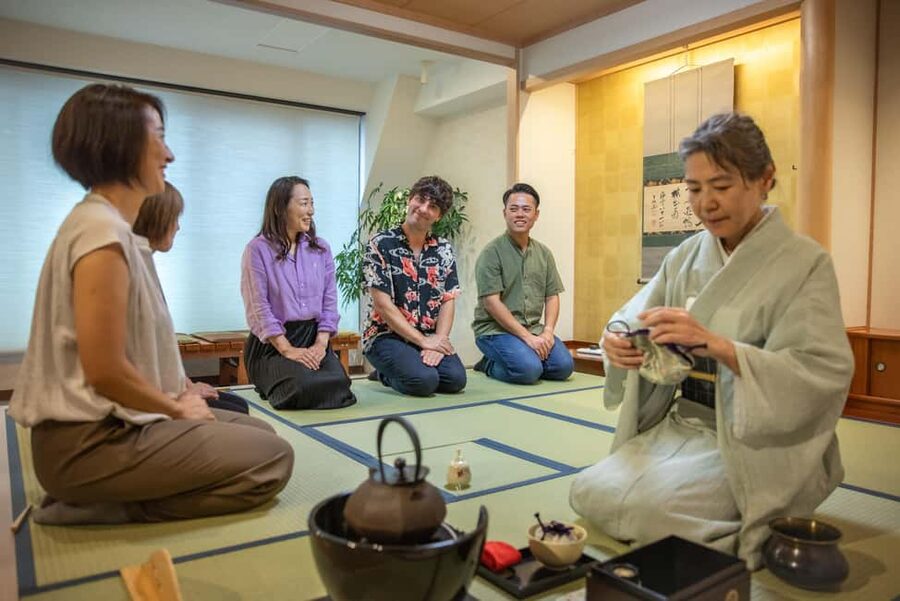
For many people, a tea ceremony sounds solemn and difficult to follow. This experience takes a more welcoming approach. You sit comfortably while an English-speaking host explains what is happening, why each movement matters, and how tea fits into Japanese ideas of harmony and hospitality.
I like this format because you do not need prior knowledge. You are not expected to memorize rules or perform perfectly. Instead, you learn by watching, listening, and then trying the movements yourself.
The setting is in Asakusa, one of Tokyo’s best-known areas for traditional culture. The activity itself takes place at Tokyo Tourist Lounge Asakusa, on the fifth floor. Use the exact name in Google Maps rather than searching generally for a tea house, since the meeting point is inside a building.
The address information gives coordinates of 35.7103757, 139.796744. I would save both the name and coordinates before setting out. Tokyo buildings can contain several businesses, and finding the correct entrance is less stressful when you already know you are heading for the fifth floor.
More Tea Ceremonies in Tokyo
- Kimono Tea Ceremony at Tokyo, Asakusa Maikoya
★ 5.0 · 638 reviews - Tokyo: Traditional Tea Ceremony with a Tea Master
★ 5.0 · 528 reviews - Tea Ceremony Workshop in Tokyo by the Experienced Instrucor
★ 5.0 · 189 reviews
What happens during the one-hour session
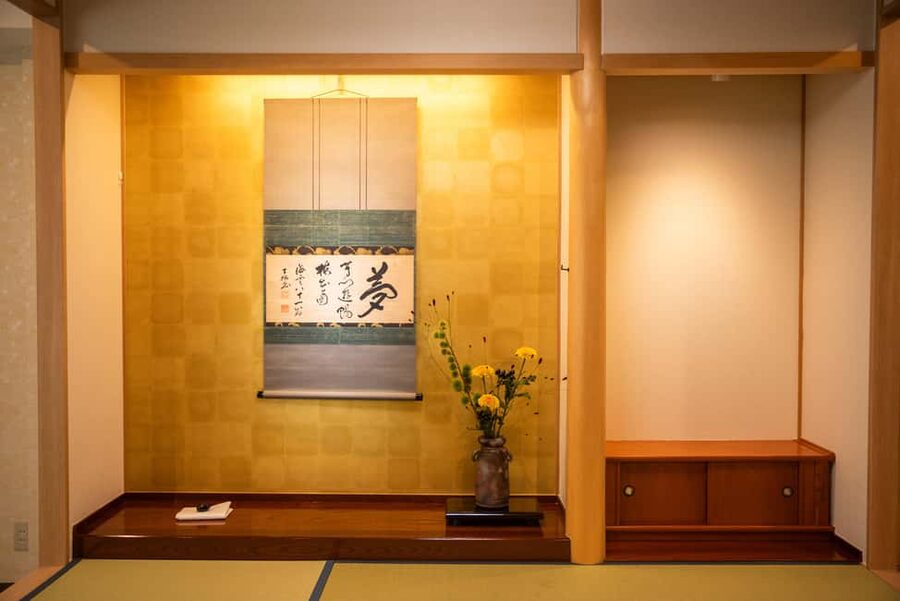
The experience begins with an explanation of matcha and the tea ceremony. Your host introduces the powdered green tea, describes its place in Japanese culture, and sets out the basic order of the ceremony.
The lesson then moves through the main actions. You learn about pouring the hot water, whisking the tea, presenting it, and receiving it. These movements can look simple, but each one carries a social meaning. The explanation helps you see the ceremony as more than a way to prepare a drink.
The exact pace depends on the group and the host. The experience is designed for beginners, so I would expect time for questions rather than a rapid demonstration. Hosts identified for this activity include Midori, Madori, and Kaz. The supplied comments describe them as kind, friendly, and clear in their explanations, with particular attention to the meaning of each gesture.
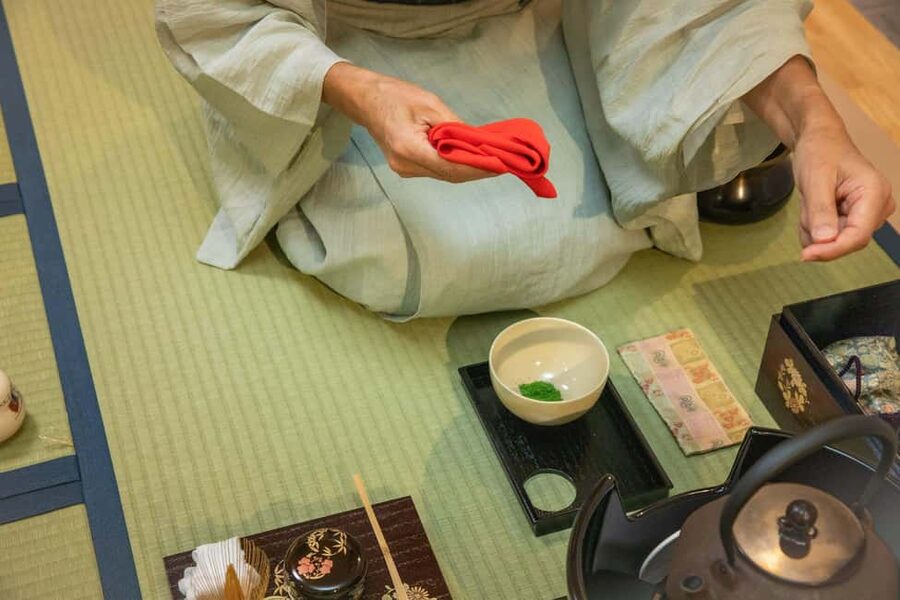
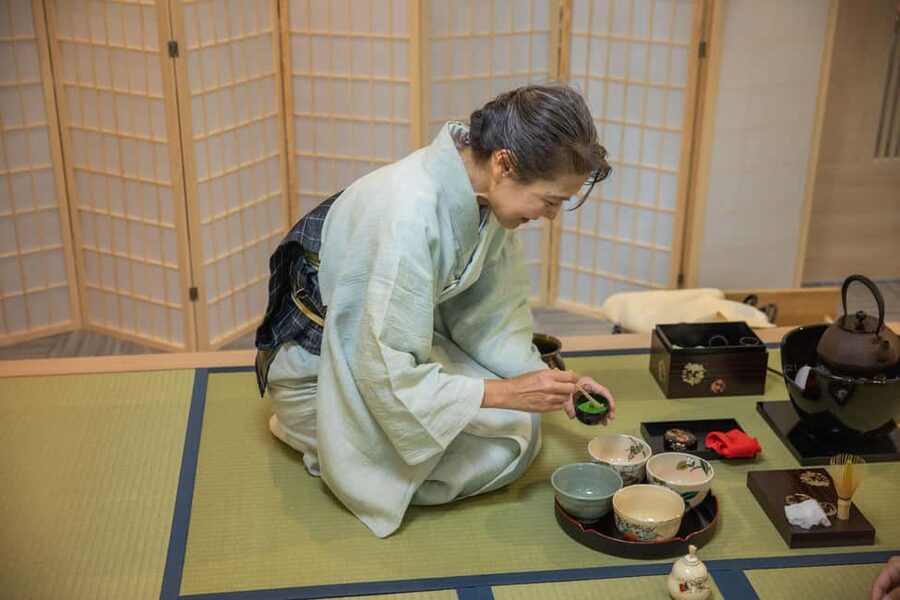
After watching the demonstration, you prepare your own bowl of matcha. This is the most hands-on part of the session. You handle the whisk, combine the tea and water, and work toward the fine foam that gives matcha its familiar look.
Do not worry about producing a perfect bowl on your first try. The point is to understand the process and feel the rhythm of whisking. You can then taste the matcha at your own pace rather than rushing through the ceremony.
A traditional Japanese sweet is served with the tea. Its sweetness provides a useful contrast to matcha’s stronger, sometimes bitter flavor. This pairing is not just a snack. It helps you understand why sweets are part of the tea experience.
Why making your own matcha matters
Watching a ceremony gives you a sense of its structure. Making the tea gives you a better memory of it. Once you hold the whisk and try to create the right texture, the preparation becomes physical rather than abstract.
I like that the activity does not stop at demonstration. You get to take part without being put under pressure. The host can guide you through the technique, and the small group limit should make it easier to see what you are doing and ask for help.
The hands-on element also gives the session value beyond a standard cultural talk. You leave knowing how matcha is prepared and having a better idea of the patience behind it. You may not become an expert whisker in an hour, but you will understand the basics.
The flavor is another reason to pay attention. Matcha is not the same as a mild cup of green tea. It has a strong taste and a smooth, powdery quality because you consume the tea leaves rather than steeping and removing them. The sweet served alongside it makes the experience easier for first-time drinkers.
The ceremony’s gestures and ideas
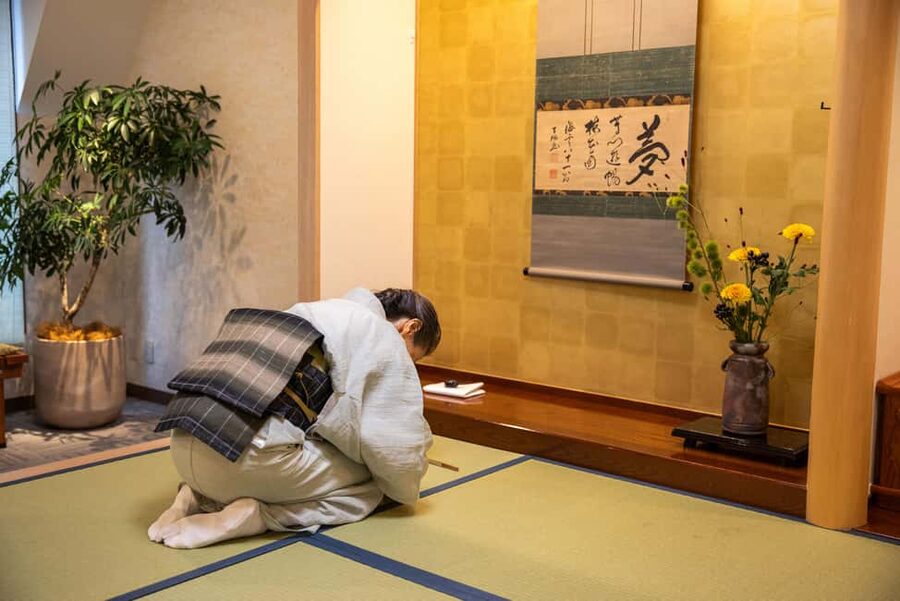
The host explains the meaning behind each stage, from pouring the water to presenting the finished bowl. This is important because the ceremony can otherwise seem like a string of precise hand movements with no clear reason.
The session introduces the idea of harmony and hospitality. Tea ceremony is concerned with the relationship between the person preparing the tea and the person receiving it. Clean movements, careful presentation, and attention to the moment all help create that feeling.
You also get a short lesson in the place of matcha within Japanese society and culture. One session explanation covered where matcha comes from, why it matters, and how it relates to daily and cultural life in Japan.
I find this cultural context more useful than a list of dates or technical terms. It gives you a way to notice similar ideas elsewhere in Japan, such as care in presentation, respect for shared spaces, and the value placed on hospitality.
The relaxed style makes the subject easier to approach. You can ask why a movement is performed, how the tea is made, or what a particular item is used for. Photos are also allowed during the experience, so you can record the demonstration without treating the ceremony like a silent performance.
Same city, a very different cup:
- Matcha Making Class in Tokyo with Authentic Japanese Sweets Set
★ 5.0 · 744 reviews - Dynamic Tokyo: Tokyo Tower, Tea Experience, Bay Cruise Day Tour
★ 4.5 · 521 reviews - Tokyo: Matcha Making Experience with Mochi Sweets in Asakusa
★ 4.9 · 388 reviews - Asakusa Cultural Walk & Matcha Making Tour
★ 5.0 · 245 reviews
A small group with room for questions
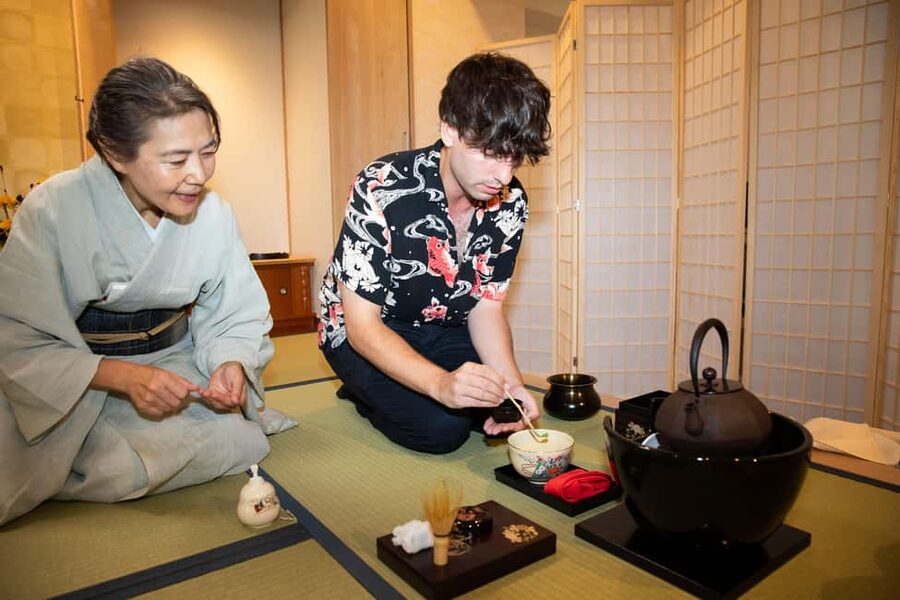
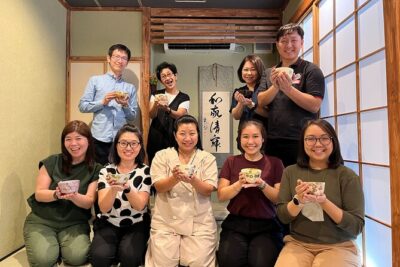
The group is limited to eight participants. That is a useful size for a practical lesson. You can see the demonstration, follow along, and ask something without having to speak across a large room.
A bigger group might make the experience feel less personal, especially during the part where everyone prepares tea. Here, the host has a better chance to notice if you need help with the whisk or want another explanation of a gesture.
The trade-off is that your experience can still be shaped by the other people in the group. One group may ask many questions, while another may move more quickly. The activity is designed to be flexible and friendly, but the one-hour schedule places a natural limit on how far the discussion can go.
That makes this a good choice for a first introduction. If you already study tea ceremony or want to observe a highly formal school-specific ritual, you may want a longer and more specialized class. For most people visiting Tokyo, the informal approach is likely to be more useful and comfortable.
How the price compares with the experience
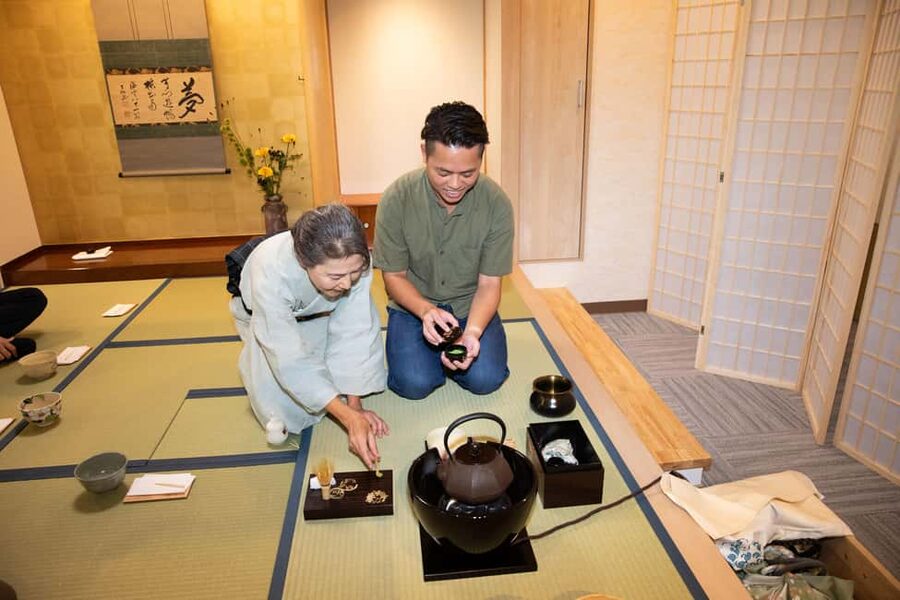
At $25 per person, this is a reasonably priced cultural activity in Tokyo. The cost includes the tea ceremony, an English-language matcha lesson, traditional Japanese sweets, and guided instruction.
The value comes from participation. You are not paying only to sit and watch someone prepare tea. You receive an explanation, a demonstration, your own chance to whisk matcha, and time to taste it.
The one-hour length also helps with planning. You can fit the activity into a morning or afternoon in Asakusa without giving up most of your day. It works well beside other sightseeing, though I would avoid scheduling something that requires an exact arrival immediately afterward. A relaxed activity is easier to enjoy when you are not checking the clock.
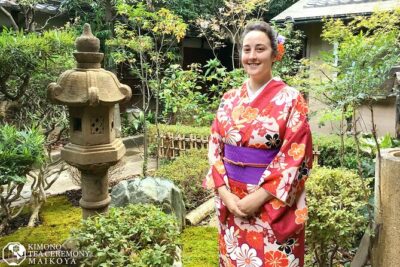
The price does not include a kimono rental. That is worth noting if you have seen photos of formal tea ceremonies and expect traditional clothing to be part of the package. You can book this specifically for the tea and cultural explanation, but you should arrange kimono rental separately if wearing one is important to you.
Who will enjoy this activity most
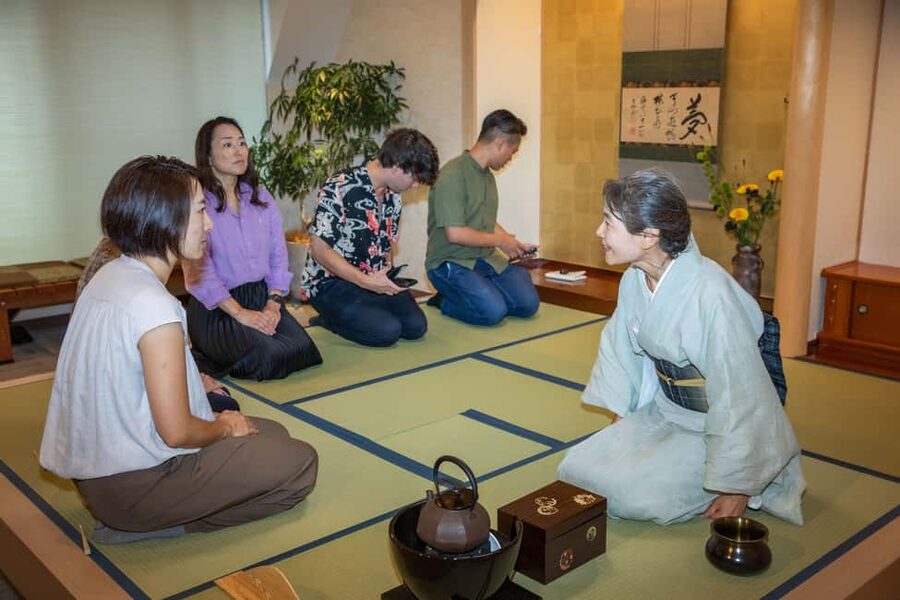
I would recommend this experience to first-time visitors who want a manageable introduction to Japanese culture. It is also useful for repeat visitors who have seen temples and markets but want a quieter activity with direct instruction.
Families and mixed-age groups may appreciate the relaxed rules. The format welcomes questions and allows photos, rather than expecting silent observation. It also works for solo participants, couples, and small groups of friends.
People who are curious about food will get more from the matcha lesson than from a simple tasting. You learn how the drink is made and how the sweet changes the tasting experience.
The activity is wheelchair accessible, which makes it a practical option for many visitors. The provided information does not give further details about the building entrance, lift, or room layout, so anyone needing specific access arrangements should confirm those points before booking.
English is the listed teaching language. If you need another language, this may not be the right choice. The available information identifies English instruction only.
Practical tips for meeting in Asakusa
Use Google Maps and type Tokyo Tourist Lounge Asakusa exactly. The meeting point is on the fifth floor of the building, and the coordinates are 35.7103757, 139.796744.
I would allow extra time to locate the building and reach the correct floor. The activity lasts only one hour, so arriving late could cut into the demonstration and the time available for making your own tea.
Wear something comfortable enough for sitting and handling the whisk. No special clothing is required, and kimono rental is not included. Since the ceremony is beginner-friendly, you do not need to practice the movements in advance.
Bring your questions. The experience is specifically designed to let you ask about matcha, the ceremony, and Japanese culture. A quiet curiosity will serve you better than worrying about getting every gesture right.
You can take photos during the session. Still, be considerate when the demonstration is underway and keep your phone from distracting you from the explanation. The best memory may be the bowl you prepare yourself, not just the picture of it.
Booking flexibility and timing
You can cancel up to 24 hours in advance for a full refund. You can also reserve now and pay later, which helps if your Tokyo schedule is still changing.
Starting times vary, so check availability for your date. Since the class lasts one hour, it is easy to place between other plans, but I would leave a little breathing room around it for finding the building and moving on afterward.
The small group limit means spaces may be limited at popular times. If you are traveling with several people and want to sit together, booking ahead is sensible.
The main strengths and limitations
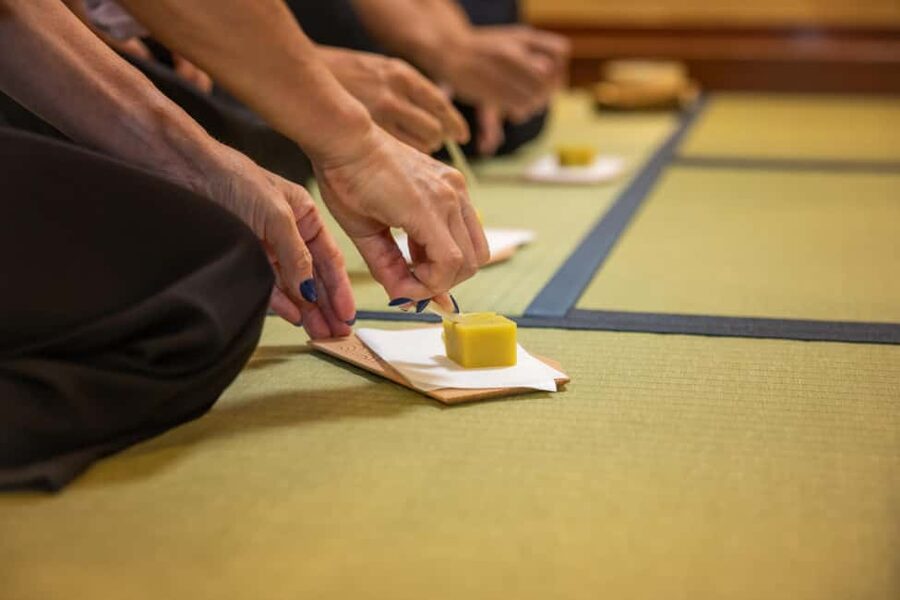
The strongest part of this activity is the balance between explanation and practice. You learn why the tea ceremony works as it does, then put the lesson into action by whisking your own matcha.
The hosts are another important part of the experience. Midori, Madori, and Kaz are identified as instructors for the activity, and the available comments repeatedly point to kindness, clear teaching, and careful explanations. That matters in a ceremony where a warm guide can make unfamiliar customs feel natural.
The main limitation is the short duration. One hour gives you a taste of the tradition, not a full study of tea ceremony. You will learn the basic flow, prepare one bowl, enjoy a sweet, and ask questions, but you should not expect an extensive lesson in tea schools, utensils, or advanced etiquette.
The lack of included kimono rental may also disappoint anyone seeking a full dress-up experience. I see this as a separate issue rather than a flaw in the tea lesson itself. The low price is easier to understand when you treat it as a matcha and culture class, not a complete costume package.
Should you book this tea ceremony?
Book it if you want a short, friendly, hands-on introduction to Japanese tea ceremony in Asakusa. The $25 price is fair because you receive a guided explanation, a traditional sweet, and the chance to prepare your own matcha rather than simply watch.
Skip it if you want a long, highly formal ceremony or if wearing a kimono is central to your plans. For everyone else, this is a calm way to slow down for an hour, learn the meaning behind familiar Japanese customs, and leave with a practical memory you made yourself.
FAQ
How long does the tea ceremony last?
The experience lasts one hour.
How much does the activity cost?
The price is $25 per person.
Where is the meeting point?
Meet at Tokyo Tourist Lounge Asakusa, located on the fifth floor of the building. The coordinates are 35.7103757, 139.796744.
Is the experience offered in English?
Yes. The instructor language is English.
Can I make my own matcha?
Yes. You learn how to whisk matcha and then prepare your own bowl during the session.
Are traditional Japanese sweets included?
Yes. Traditional Japanese sweets are included with the tea ceremony.
Is kimono rental included?
No. Kimono rental is not included.
Can I cancel for a full refund?
Yes. You can cancel up to 24 hours in advance for a full refund.
Fresh tea listings around Tokyo
- Authentic Japanese tea tasting: sencha, matcha and gyokuro★ 5.0 · 12 reviews
- At an Antique Shop, Tea Ceremony and Japanese Sweets Forming★ 5.0 · 5 reviews
- Mochi Matcha Gluten Free Japanese Sweets Class near Shibuya area★ 5.0 · 26 reviews
- Tokyo: Two Types of Japanese Sweets Making and Tea Ceremony★ 4.6 · 26 reviews
- Japanese Matcha Tea Ceremony and Kimono Experience in Hanayaka★ 5.0 · 26 reviews
- Matcha Experience with of Japanese Tea Tasting in Tokyo★ 5.0 · 31 reviews
- EDOCCO Tea House–A Quick Dive into Japanese Traditional Culture★ 5.0 · 34 reviews
- Tokyo:Genuine Tea Ceremony, Kimono Dressing, and Photography★ 5.0 · 33 reviews
Tea Ceremony Experiences, compared.
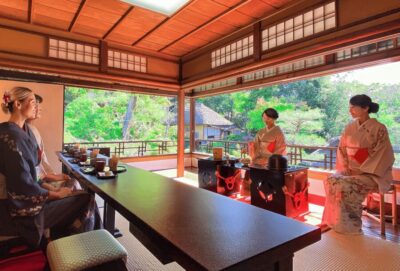
Kyoto: Tea Ceremony in a Traditional Tea House in Kiyomizu
Read our review →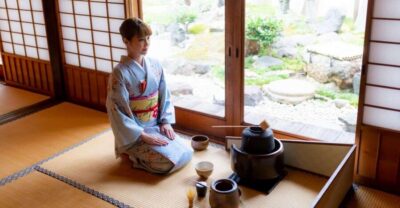
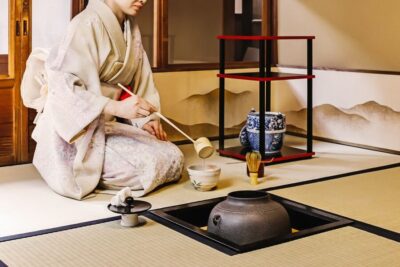
Kyoto: 45-Minute Tea Ceremony Lesson Experience
Read our review →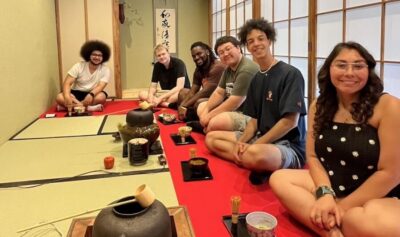
Kyoto: Table-Style Tea Ceremony at a Kyo-Machiya
Read our review →
Browse the lists this tour appears in