
Review · TOKYO TEA TOURS
EDOCCO Tea House–A Quick Dive into Japanese Traditional Culture
EDOCCO Tea House packs an appealing amount into one hour: you prepare matcha, watch a Japanese dance, try on kimono, write calligraphy, and fold origami. It is less a quiet, formal tea ceremony than a lively introduction to several Japanese arts in one sitting. English guidance makes it easy for first-time visitors, and staff members including Ori and Mr. Bambu help give the session a personal feel.
I especially like the variety and the fact that you leave with practical memories, not just photographs. The tea preparation gives you a taste of ceremony, while calligraphy and origami let you make something yourself. The main consideration is time: the dance performance can last less than 10 minutes, so anyone hoping for a full-length traditional show may find it brief.
Key Points at a Glance
- Four traditions in one hour: Matcha, Japanese dance, kimono dressing, calligraphy, and origami are combined in a compact session.
- Hands-on rather than purely observational: You prepare tea, write a kanji character, fold paper, and dress in Japanese clothing.
- English explanations: Staff explain the cultural meaning behind the activities and dance.
- Small-group setting: The session accepts a maximum of 20 people, with some departures operating with only a few participants.
- Family-friendly format: Children have plenty to do, especially during the kimono, origami, and calligraphy portions.
- Central Tokyo location: EDOCCO STUDIO is at 2-chome-16-2 Sotokanda, near public transportation.
A Short, Lively Introduction to Japanese Tradition
Many Tokyo cultural activities focus on one subject. EDOCCO takes the opposite approach. In about an hour, you move through several familiar symbols of Japan, each presented in a simple, approachable way.
That makes this a useful first-day activity. You do not need prior knowledge of tea ceremony etiquette, brush writing, paper folding, or traditional dance. The instructors explain what you are doing, then let you try it.
The setting is designed to combine old and new. You get traditional clothing, sweets, tea tools, dance, and brushwork, but the format is brisk and easy for international visitors. I would not call it a formal tea school or an extended performance. Think of it as a friendly cultural sampler with enough hands-on work to keep the hour moving.
The experience ends where it begins, at EDOCCO STUDIO. That simple arrangement matters in Tokyo. You can fit it between visits to Akihabara, Ochanomizu, Ueno, or other parts of central Tokyo without spending half your afternoon crossing the city.
More tea experiences around Tokyo if you are still choosing
- Matcha Making Class in Tokyo with Authentic Japanese Sweets Set
★ 5.0 · 744 reviews - Kimono Tea Ceremony at Tokyo, Asakusa Maikoya
★ 5.0 · 638 reviews - Tokyo: Traditional Tea Ceremony with a Tea Master
★ 5.0 · 528 reviews
Preparing Matcha With a Japanese Sweet
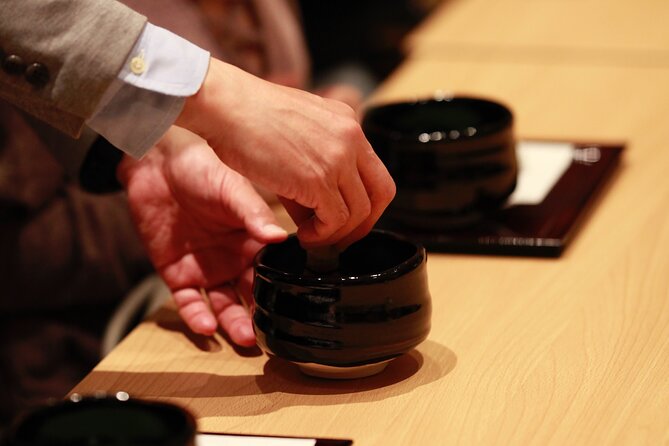
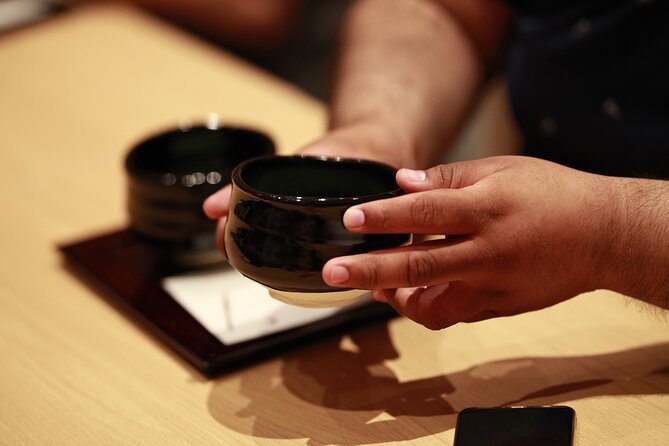
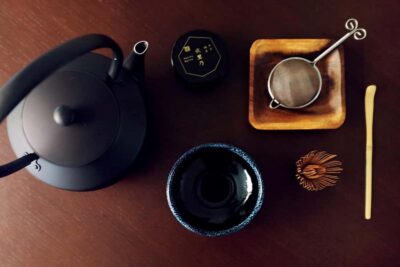
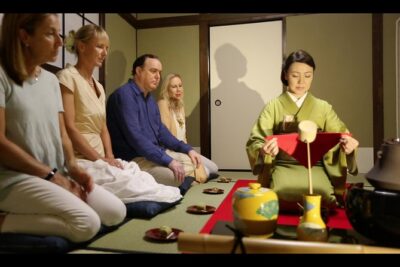
The tea portion is the anchor of the session. An instructor guides you through preparing and serving matcha, the finely ground green tea used in Japanese tea culture. You receive a matcha snack set with Japanese sweets, and the tea itself is part of the included experience.
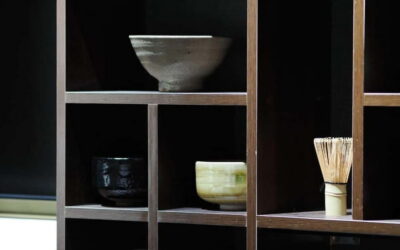
You will learn the basic motions rather than observe from a distance. That hands-on element makes the process more memorable. Matcha preparation involves a small set of tools and deliberate movements, so even a simple first attempt gives you a sense of the care behind the custom.
The accompanying sweet is not just a snack. In Japanese tea practice, sweetness helps balance the strong, grassy taste of matcha. The pairing also gives the instructor a natural way to explain how tea and sweets work together.
I like this section because it gives you something real to do without demanding a long lesson. You can enjoy the calm rhythm of the preparation, then move on before the ceremony becomes too formal for young children or tired sightseers.
If you want to continue the hobby at home, a matcha set with a tea bowl, matcha powder, bamboo whisk, and other tools is available for purchase. That set is not included in the admission price, so treat it as an optional souvenir rather than part of the basic package.
A Brief Japanese Dance Performance
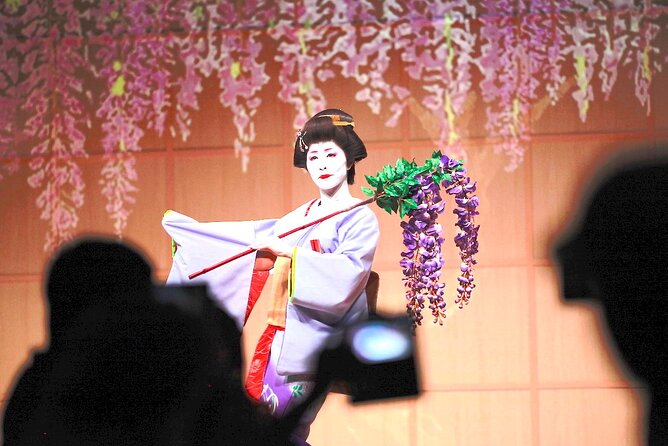
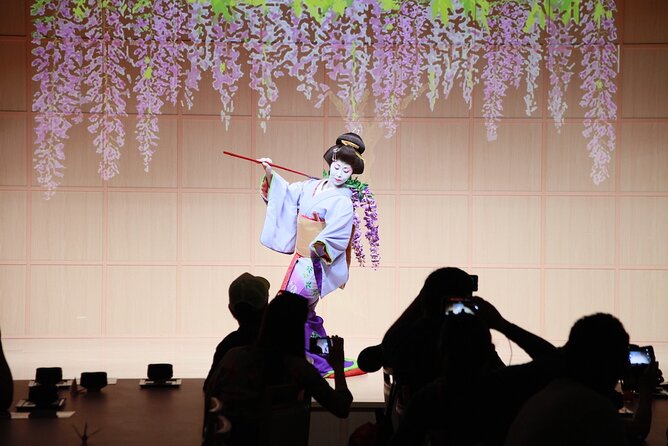
The dance performance brings a change of pace. After the quiet concentration of the tea activity, you watch a traditional Japanese dance presented with English explanation. The performance is often described as a geisha dance, and the instructor explains the meaning behind the gestures and movements.
This context is important. Without explanation, traditional dance can be beautiful but difficult to read. Learning why a fan is used, how a movement is shaped, or what the posture conveys gives you more to notice.
The dance is the most performance-based part of the hour, but it is also the shortest. Some sessions include less than 10 minutes of dancing. That is enough to offer a graceful sample, not enough to satisfy anyone seeking a full stage program.
I would set your expectations accordingly. You are not buying a theater ticket. You are adding a live artistic element to a broader workshop. For many first-time visitors, that balance works well because it keeps the activity varied. If the dance is your main reason for booking, look carefully at the scheduled format and consider a dedicated performance elsewhere in Tokyo as well.
Wearing Kimono for an Edo-Style Photo
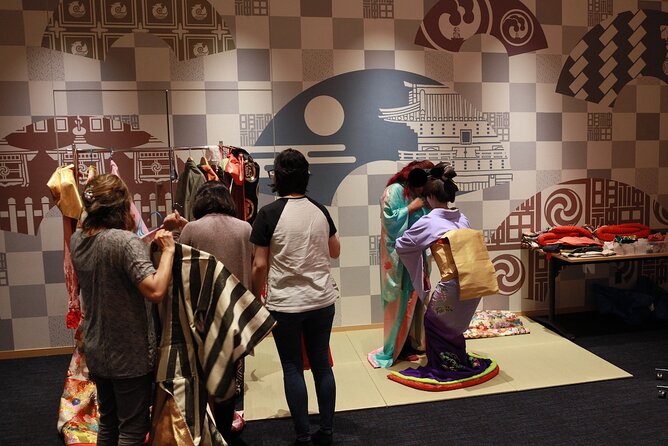
The kimono portion lets you step into the visual world of old Tokyo. You can put on Japanese dress, pose for photographs, and enjoy the change from ordinary sightseeing clothes.
This is described as cosplay, so it is best understood as a cultural dress-up activity rather than a full formal kimono fitting. The value is in the atmosphere and the chance to see how clothing changes your posture and movement.
For families, this can be the most immediately fun part. Children can take part without needing to sit quietly for a long lecture, and adults get a memorable photograph. It also links naturally with the dance segment, since you can see how traditional clothing and controlled gestures work together.
I would avoid treating the kimono as a costume with no cultural meaning. The instructors use the activity to help you connect clothing, dance, and Japanese tradition. At the same time, the short format means you should not expect an extended lesson on kimono construction, regional styles, or formal dressing rules.
Same city, a very different cup:
- Dynamic Tokyo: Tokyo Tower, Tea Experience, Bay Cruise Day Tour
★ 4.5 · 521 reviews - Tokyo: Matcha Making Experience with Mochi Sweets in Asakusa
★ 4.9 · 388 reviews - Asakusa Cultural Walk & Matcha Making Tour
★ 5.0 · 245 reviews - Tokyo: Matcha and Kimono Experience
★ 4.7 · 219 reviews
Writing Kanji With Brush and Ink
The calligraphy workshop is one of the best take-home parts of the experience. Under guidance, you learn basic brush strokes and create a Japanese character of your own.
Japanese calligraphy looks simple until you try it. The brush must be held in a particular way, pressure changes the line, and the order of strokes matters. A beginner can produce something attractive, but the process also shows why shodo is treated as a disciplined art.
The instructors are patient with first attempts, and the activity works well for adults and children. It is a quiet counterpoint to the dance and kimono portions. You have time to concentrate, make mistakes, and try again.
You should not expect a full calligraphy course in this setting. The point is to learn the basic feel of the brush and understand that each mark has shape, balance, and direction. The character you create becomes a useful memento because it records your own participation rather than simply carrying a shop logo.
Folding Paper Into Origami
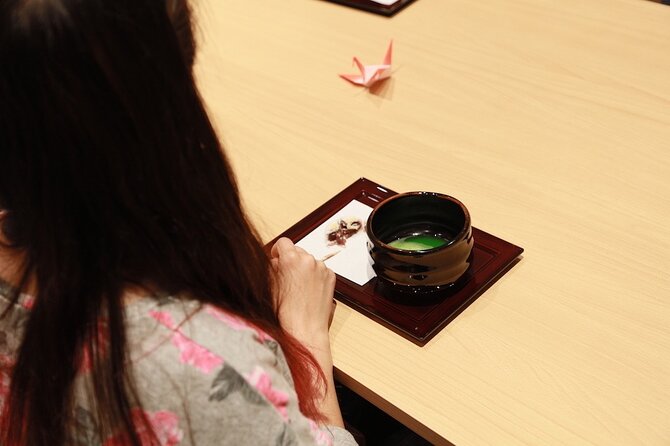
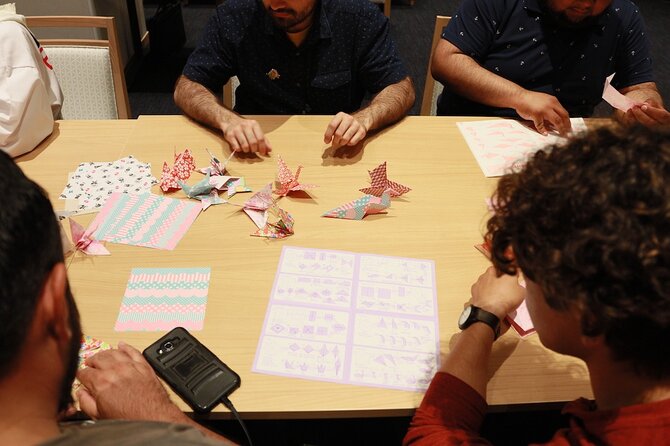
Origami provides another hands-on lesson, this time with a material almost anyone can handle. The instructor shows you how a flat sheet becomes a recognizable form through folds. The activity may begin with a simple crane or another basic design before moving to more involved shapes.
This is especially useful for families. Paper folding requires attention, but it does not depend on language alone. You can watch, copy, and ask for help. Younger children may need assistance with precise folds, while older children and adults can enjoy the challenge of getting the sequence right.
Origami also gives the hour a relaxed finish. After trying tea tools, watching dance, dressing in kimono, and using a brush, you have a quieter craft that lets you work at your own pace.
The workshop is introductory. You will learn a traditional craft and complete a small design, but this is not a specialist paper-art class. Its strength is accessibility, especially for people who want to do something rather than sit through a cultural talk.
Why the One-Hour Format Works
At first, one hour may seem too short for five activities. In practice, the compact schedule is part of the appeal. You receive a taste of each tradition without committing a full morning or afternoon.
The session moves through the activities in an organized order, and the staff guide you from one section to the next. That helps the experience feel full without becoming difficult to follow. Families can get a cultural introduction before attention spans run out, and busy sightseers can fit it between larger Tokyo plans.
The tradeoff is depth. You will not master matcha preparation, become skilled at calligraphy, or learn a complete dance. You will get a clear first impression of each activity and a better understanding of how tea, clothing, movement, writing, and craft fit into Japanese culture.
For a first visit to Japan, I think that is a fair exchange. The experience gives you useful context for things you may see later, from tea shops to temple events and traditional performances.
English Support and Personal Attention
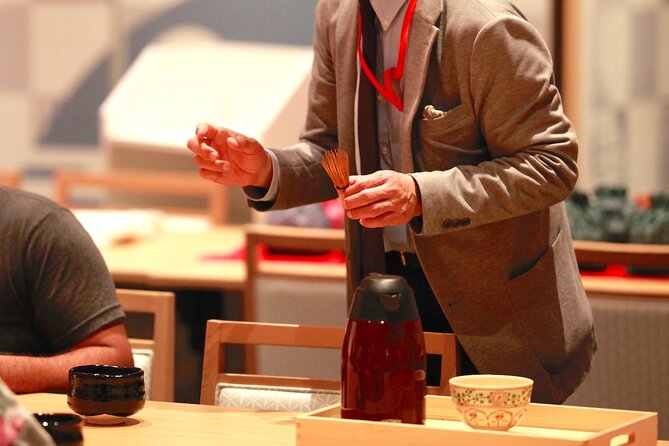
English explanation is a major practical advantage. The activities are easier to enjoy when you understand what the gestures mean and why the steps are done in a certain order.
The staff also make room for questions. Instructors including Ori and Mr. Bambu are named by participants as especially warm, clear, and helpful. Their roles can vary by session, but the overall format includes guidance during the tea, brushwork, and paper-folding activities.
The maximum group size is 20 people. That is not an intimate private lesson, but it is small enough for an instructor to demonstrate and help beginners. Some departures may have only one booking or a very small number of people, and the program can still operate when that happens.
That flexibility may suit couples and solo visitors who dislike large coach tours. It also means the atmosphere can change from session to session. A full group will feel more social, while a tiny group may provide more direct help.
Is $72.48 a Fair Price?
At $72.48 per person, this is not a bargain-priced craft class. The value depends on how you compare it.
You are paying for several activities, an English-led cultural presentation, matcha and Japanese sweets, staff instruction, a dance performance, and the use of the venue. If you tried to arrange separate lessons in tea, calligraphy, origami, and traditional dance, the total cost and planning time would likely be higher.
The strongest value is convenience. In one booking, you get a broad introduction in a central Tokyo location. That is useful for first-time visitors who want cultural content but do not have room for a longer formal program.
The weaker value is depth. If you already attend tea ceremony events, practice calligraphy, or have seen Japanese dance performances, some sections may feel basic. You are paying for variety and access, not specialist training.
I consider the price reasonable for families, couples, and first-time visitors who want an organized cultural activity. Solo visitors should decide based on interest rather than trying to maximize the number of attractions per dollar. The experience is worthwhile when you value instruction and participation.
Getting There and Planning Your Visit
The meeting point is EDOCCO STUDIO at 2-chome-16-2 Sotokanda, Chiyoda City, Tokyo 101-0021. The venue is near public transportation, which makes it practical to pair with other central Tokyo stops.
Allow enough time to find the building and arrive before the start. Tokyo addresses can be hard to read quickly, especially in busy areas, and the activity is short enough that arriving late could mean missing one of the sections.
The experience uses a mobile ticket. Confirmation is normally sent when you book, though reservations made within one day of departure may be confirmed as soon as possible and depend on availability.
Free cancellation is available until 24 hours before the start time for a full refund. Changes or cancellations inside that window are not accepted for a refund. The activity also lists a weather requirement and a minimum number of participants. If the provider cancels for either reason, you can choose another date or receive a full refund.
It is commonly booked about 17 days ahead, so I would reserve early if your Tokyo schedule is tight. That matters most for families or small groups that need a particular date.
Who Should Book EDOCCO Tea House?
I would recommend this experience to:
- First-time visitors who want a gentle introduction to several Japanese traditions
- Families with children who need variety and hands-on activities
- Couples looking for a cultural activity with photographs and souvenirs
- Solo visitors who appreciate English instruction and a small-group setting
- Anyone with only an hour to spare near central Tokyo
I would be more cautious if you want a long, formal tea ceremony or a substantial dance performance. The activities are brief and designed for beginners.
Should You Book It?
Book EDOCCO Tea House if you want to try Japanese traditions rather than simply watch them. The mix of matcha, dance, kimono, calligraphy, and origami gives you a lively introduction, and the English guidance helps you understand what you are doing.
The main limitation is the short schedule. The dance is brief, and each workshop offers only a first lesson. Still, that is also why the experience fits so neatly into a Tokyo itinerary.
For most first-time visitors, families, and anyone who wants a friendly cultural starting point, I think the $72.48 price is defensible. If you want specialist instruction, choose a longer single-subject class instead.
FAQ
Where does the EDOCCO Tea House experience start and finish?
It starts and ends at EDOCCO STUDIO, located at 2-chome-16-2 Sotokanda, Chiyoda City, Tokyo 101-0021, Japan.
How long does the experience last?
The activity lasts approximately one hour.
What activities are included?
You receive a matcha and Japanese sweet set, Japanese dance show appreciation, a calligraphy experience, an origami experience, and a Japanese dress cosplay experience.
Is the matcha-making equipment included?
The matcha activity is included, but a separate matcha set with a tea bowl, matcha powder, bamboo whisk, and other tools is available for purchase and is not included in the basic experience.
How many people can join the activity?
The maximum group size is 20 people.
Can I cancel for a full refund?
Yes. You can cancel at least 24 hours before the experience start time for a full refund. Cancellations or changes made less than 24 hours before the start time are not refunded.
Fresh tea listings around Tokyo
- Authentic Japanese tea tasting: sencha, matcha and gyokuro★ 5.0 · 12 reviews
- At an Antique Shop, Tea Ceremony and Japanese Sweets Forming★ 5.0 · 5 reviews
- Mochi Matcha Gluten Free Japanese Sweets Class near Shibuya area★ 5.0 · 26 reviews
- Tokyo: Two Types of Japanese Sweets Making and Tea Ceremony★ 4.6 · 26 reviews
- Japanese Matcha Tea Ceremony and Kimono Experience in Hanayaka★ 5.0 · 26 reviews
- Matcha Experience with of Japanese Tea Tasting in Tokyo★ 5.0 · 31 reviews
- Tokyo:Genuine Tea Ceremony, Kimono Dressing, and Photography★ 5.0 · 33 reviews
- Tokyo: Tea Ceremony Experience in Asakusa★ 5.0 · 36 reviews
Tokyo Tea Tours, compared.

Matcha Making Class in Tokyo with Authentic Japanese Sweets Set
Read our review →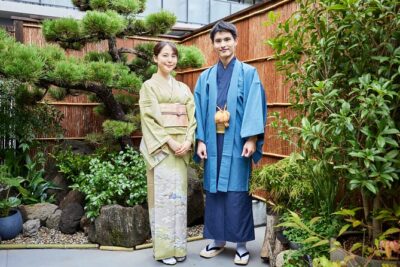
Tokyo: Traditional Tea Ceremony with a Tea Master
Read our review →
Dynamic Tokyo: Tokyo Tower, Tea Experience, Bay Cruise Day Tour
Read our review →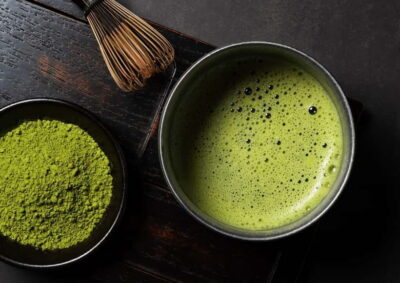
Tokyo: Matcha Making Experience with Mochi Sweets in Asakusa
Read our review →
Tea Ceremony Workshop in Tokyo by the Experienced Instrucor
Read our review →Browse the lists this tour appears in