
Review · TEA CEREMONY EXPERIENCES
Tea ceremony experience in Japanese-style room 60min
The most appealing part of this experience is that you do not just sit quietly while someone else prepares tea. At Wasako, you choose your matcha bowl and Japanese sweet, watch Ryouko demonstrate the ceremony, then make your own matcha. It is a hands-on introduction to a ritual that can otherwise seem mysterious.
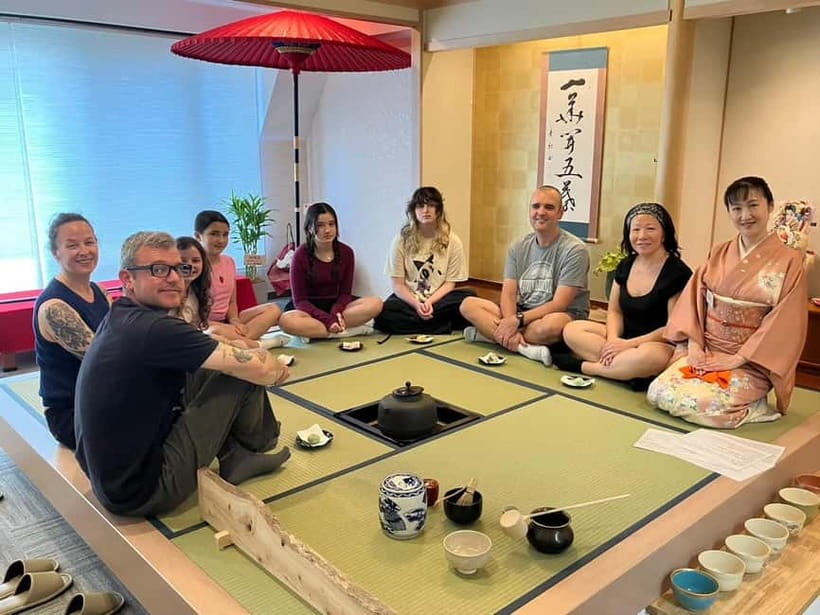
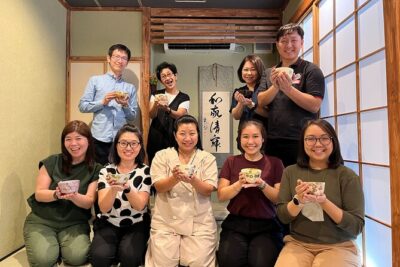
I like the calm setting inside Charyo-Ichimatsu, a building designated as a registered tangible cultural property, and I like the personal attention of a group limited to seven people. Hosts Ryouko and Akiko are also happy to explain the room, utensils, scrolls, and customs, and they often help take photos.
The main caution is timing. The experience is advertised as 45 to 60 minutes, while the broader booking information lists a possible duration of 45 minutes to four hours. One booking finished in about 40 minutes, so this may feel brief if you expect a long formal ceremony or extensive cultural instruction.
Key points at a glance
- Choose your own bowl and sweet: Each matcha bowl has a different design, and the host explains its character before you use it.
- Make the tea yourself: You watch the demonstration, then learn how to whisk your own matcha.
- Historic Japanese setting: The tea room is inside Charyo-Ichimatsu, a registered tangible cultural property with plenty of photo spots.
- Small English-friendly groups: Sessions are limited to seven participants, with instruction in English or Japanese.
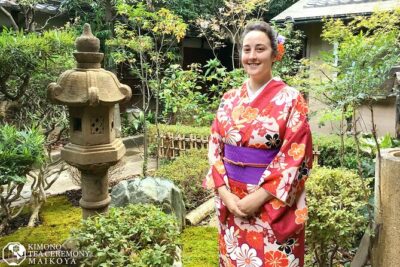
- Optional kimono experience: Several bookings added kimono dressing, with Ryouko and Akiko helping guests put on the many layers.
- Bring socks: Shoes are not allowed indoors, and socks are required for stepping onto the tatami. Socks can be purchased for 500 yen if needed.
Entering Wasako near Asakusa
Wasako is located inside the Charyo-Ichimatsu restaurant, a short walk from two useful subway stations. From Tawaramachi Station on the Tokyo Metro Ginza Line, use Exit 3 and allow about five minutes. From Asakusa Station on the Toei Asakusa Line, Exit A4 is about ten minutes away.
The directions deserve a little care. Signage can be easy to miss, so I would not arrive at the last minute. Look for the green signs marked Tea ceremony experience. The tea room is on the fifth floor, and one useful landmark is a doorway connected with an incense shop. The detailed directions supplied for the venue place the entrance close to Asakusa Station Exit 4, so check your booking confirmation against the station you plan to use.
Once inside, you remove your shoes. Bring clean socks, since shoes are not allowed indoors and socks are needed on the tatami. If you forget them, the venue sells socks for 500 yen. This is a small point, but it can prevent an awkward start.
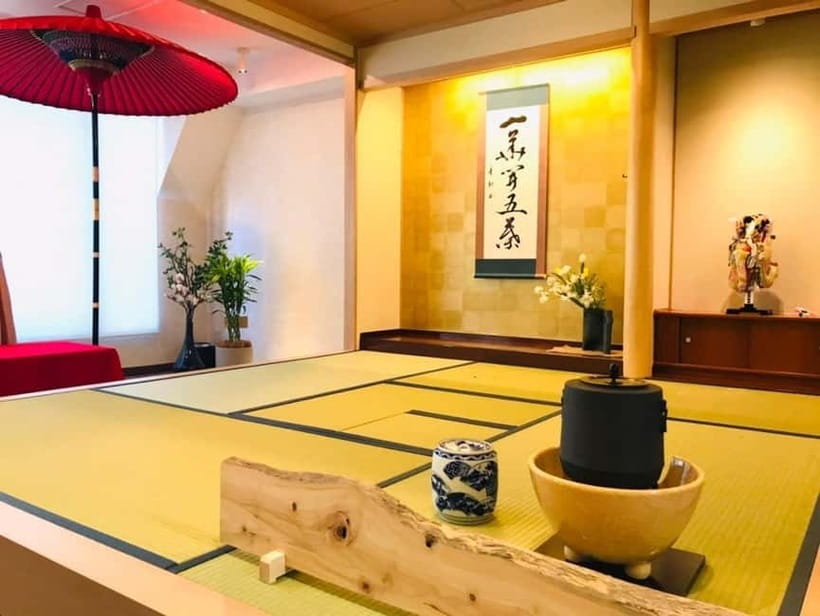
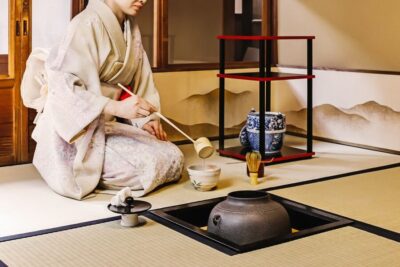
The room itself is part of the experience. You are not simply in a modern classroom with a few Japanese decorations added for effect. The furnishings, hanging scrolls, tea tools, and room arrangement all help show how much meaning is packed into a traditional tea setting.
More Tea Ceremonies in Tokyo
- Kimono Tea Ceremony at Tokyo, Asakusa Maikoya
★ 5.0 · 638 reviews - Tokyo: Traditional Tea Ceremony with a Tea Master
★ 5.0 · 528 reviews - Tea Ceremony Workshop in Tokyo by the Experienced Instrucor
★ 5.0 · 189 reviews
Choosing a bowl, sweet, and place in the room
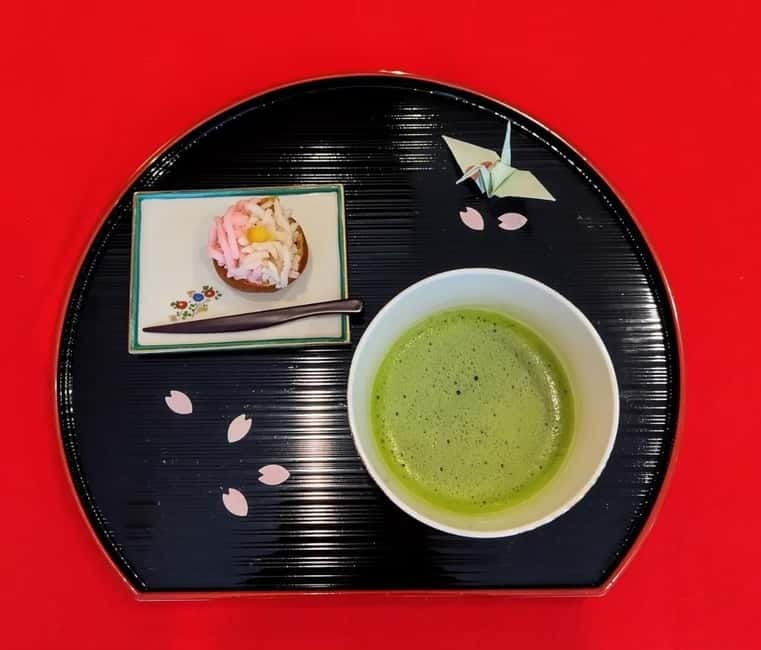
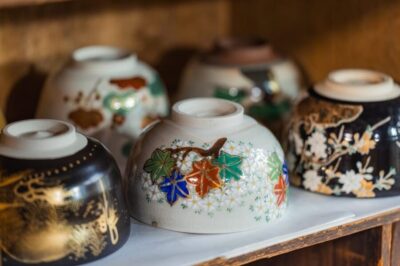
The session begins with a choice. You select the Japanese sweet you will eat with the tea, then choose the matcha bowl that will be used during the ceremony. The bowls have individual designs, and the host explains them one by one.
This is a good detail for first-time visitors. The bowl is not treated as a disposable cup. Its shape, decoration, and feel are part of the experience, and the explanation gives you a simple way to pay attention to objects you might otherwise overlook.
The sweet is also more than a snack. Japanese tea sweets are served to balance the bitter taste of matcha, so eating it at the right point helps the tea taste smoother. You do not need to know the rules in advance. The host guides you through the order and explains what to do.
The atmosphere is quiet and careful without being stiff. Ryouko has a warm, gentle manner, and the instruction is designed for people who have never attended a tea ceremony. You can ask questions, take photos, and in many cases record parts of the demonstration. It is still polite to follow the host’s directions before reaching for your phone.
Watching Ryouko prepare the matcha
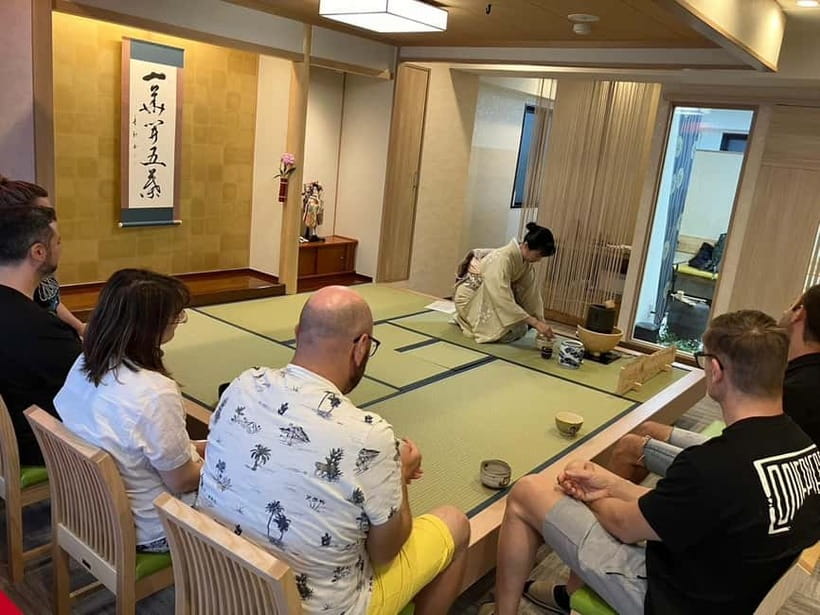
The demonstration is the heart of the first half. Ryouko prepares the matcha with measured movements, using the traditional tools and explaining what she is doing as she goes. She also discusses the meaning of selected furnishings, the hanging scrolls, and parts of the ceremony’s background.
The value here is not only learning how to make a green drink. The ceremony gives you a window into Japanese ideas about attention, hospitality, season, and respect for the setting. Small gestures matter. The way the bowl is handled, the order of the tools, and the presentation of the tea all have a purpose.
English instruction is available, though the amount of explanation can depend on the group and the pace of the session. If you want more cultural context, ask questions as the ceremony proceeds. One participant enjoyed the experience but wished there had been more historical explanation, so visitors hoping for a lecture should make that clear at the start.
You will eat the sweet and drink the prepared matcha during this part of the session. The tea has a strong, grassy flavor and a creamy foam when whisked correctly. If you are new to matcha, do not worry about judging it like a coffee tasting. The host will show you how the sweet and tea are meant to work together.
Whisking your own matcha
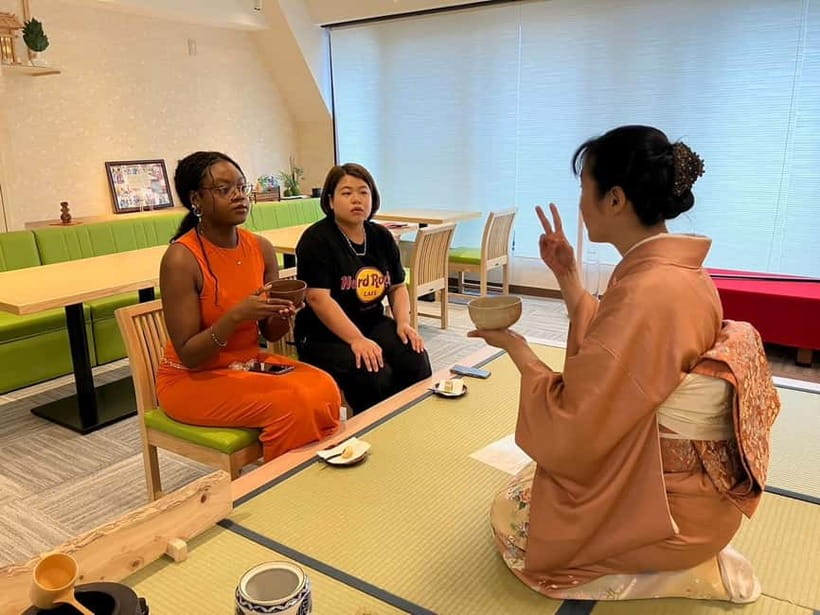
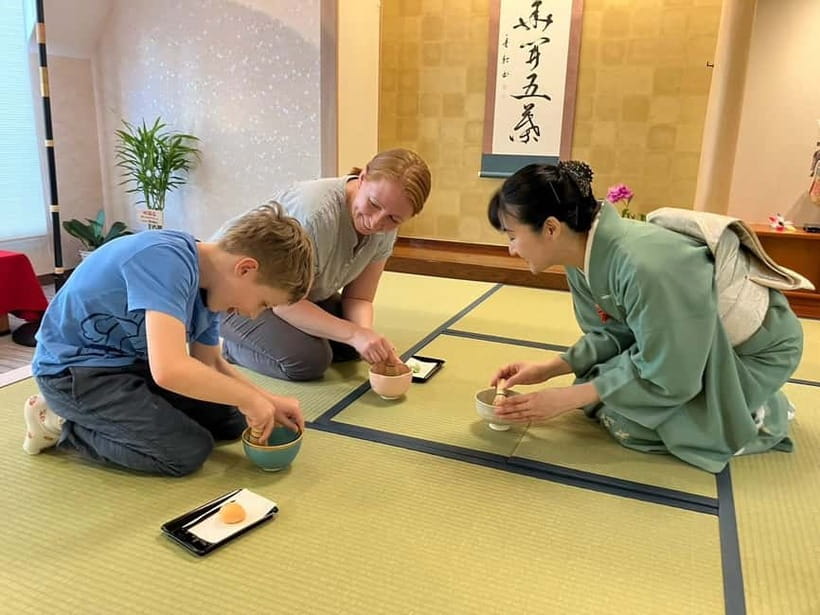
After watching the demonstration, you get your own turn. The host teaches you how to use the bamboo whisk and prepare matcha yourself. This practical step makes the ceremony easier to remember because you are not only observing the movements, you are performing them.
You will be shown the basic process, including how to work the whisk through the tea. The aim is not to turn you into a tea master in one visit. It is to help you understand the care behind the drink and give you a respectful way to take part.
I especially like this format for couples, families with older children, and friends who want more than a photo opportunity. Children under six are not suitable for the activity, but teenagers and adult children can take part. The small group size also means you should have a chance to see the tools clearly and receive help when it is your turn.
If you are the only booking at your time, the lesson may feel more personal. A solo participant described receiving especially kind attention, and private-feeling sessions can allow more time for questions and photos. The tradeoff is that the experience may still remain short, even when the group is tiny.
Same city, a very different cup:
- Matcha Making Class in Tokyo with Authentic Japanese Sweets Set
★ 5.0 · 744 reviews - Dynamic Tokyo: Tokyo Tower, Tea Experience, Bay Cruise Day Tour
★ 4.5 · 521 reviews - Tokyo: Matcha Making Experience with Mochi Sweets in Asakusa
★ 4.9 · 388 reviews - Asakusa Cultural Walk & Matcha Making Tour
★ 5.0 · 245 reviews
A traditional room made for photos
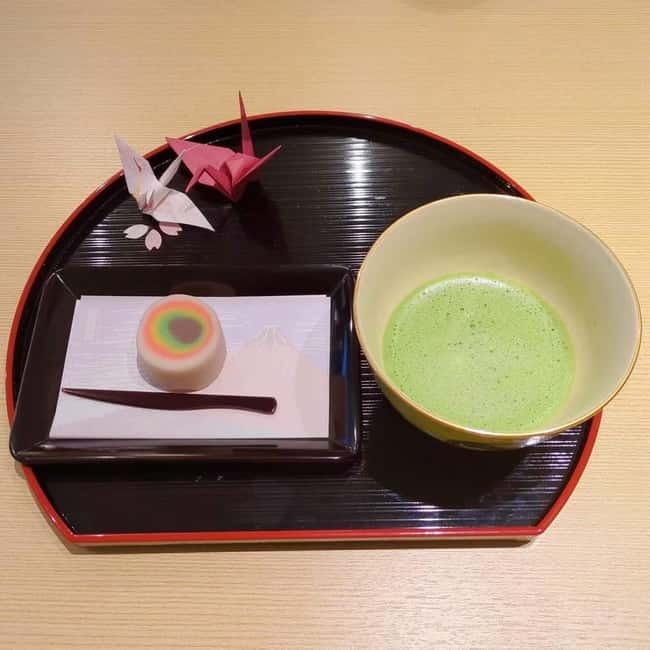
The setting is one of the strongest reasons to book this activity. Charyo-Ichimatsu is a registered tangible cultural property in Japan, and the building offers several attractive places for photographs. The tea room, traditional furnishings, selected bowls, and formal movements all give your pictures a clear sense of place.
The staff are notably helpful with photography. Ryouko and Akiko may take pictures for you during the ceremony, which is useful if you are traveling alone or want photographs showing the full process. You can also take your own pictures and, when permitted, film parts of the demonstration.
Several bookings added kimono dressing to the visit. In that arrangement, a selection of kimonos was laid out, and Ryouko and Akiko helped with the layers and dressing. A kimono can make the visit feel more special and gives you a stronger portrait session, but it is an optional addition rather than part of the basic tea ceremony price. Confirm availability and cost before booking if this is important to you.
The room is peaceful, but it is not a museum display where you simply look at objects from behind a barrier. You are using the space as intended, within the rules of the ceremony. That makes the photos more meaningful, though you should be ready to sit properly and handle the furnishings with care.
Is $45 a fair price?
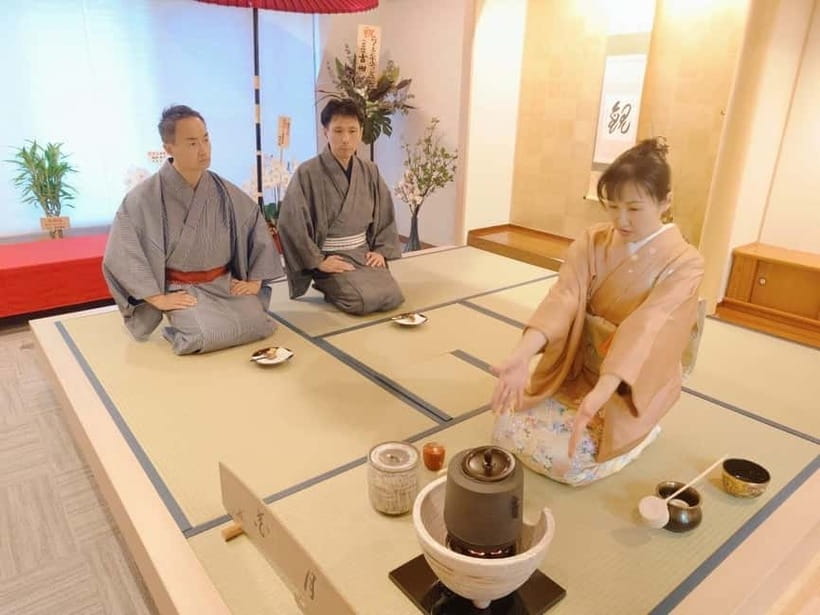
At $45 per person, the basic experience includes the tea sweet, matcha, the demonstration, instruction in making your own tea, and the use of the traditional room. For a short cultural activity in central Tokyo, I consider that a reasonable price if you value personal instruction and a historic setting.
The value is strongest for first-time visitors to Japan who want a gentle introduction to tea ceremony without committing to a long formal event. You get to select objects, ask questions, taste matcha, practice the preparation, and take photos. Those are several layers of activity packed into one booking.
The value is less convincing if you expect a full-length ceremony lasting several hours. The stated duration can range from 45 minutes to four hours depending on availability and booking conditions, but the core session is described as roughly 45 to 60 minutes. One participant found the event lasted about 40 minutes including an early arrival and felt the price was high for that length.
I would look at this as a focused cultural lesson, not an all-day program. If a kimono option is available and you want professional-looking personal photos, the added cost may make the visit feel more worthwhile. If you only want to watch a ceremony and leave quickly, you may find the price harder to justify.
Scheduling your visit
There are four regular start times: 10:00, 11:30, 13:30, and 15:00. These slots fit well into an Asakusa day, especially if you pair the tea ceremony with nearby sightseeing before or after it.
The morning sessions can be useful if you want a quiet start before a busy day. The afternoon times work well after exploring the Asakusa area, but leave enough time to find the building. The signage is not always obvious, and the venue is inside a larger building rather than presented as a large street-front attraction.
The group is limited to seven participants. That is small enough for direct help, though the experience will feel different depending on whether you are alone, with one other person, or in a full group. A full group can make the room feel more social, while a solo or couple booking may allow longer questions and more personal photos.
Booking flexibility is helpful. You can reserve now and pay later, and cancellation is free up to 24 hours in advance for a full refund. The stated cancellation terms also say a 50 percent fee applies to cancellations made the day before and 100 percent on the day itself, so read the final booking conditions carefully when selecting your date.
Who will enjoy this most
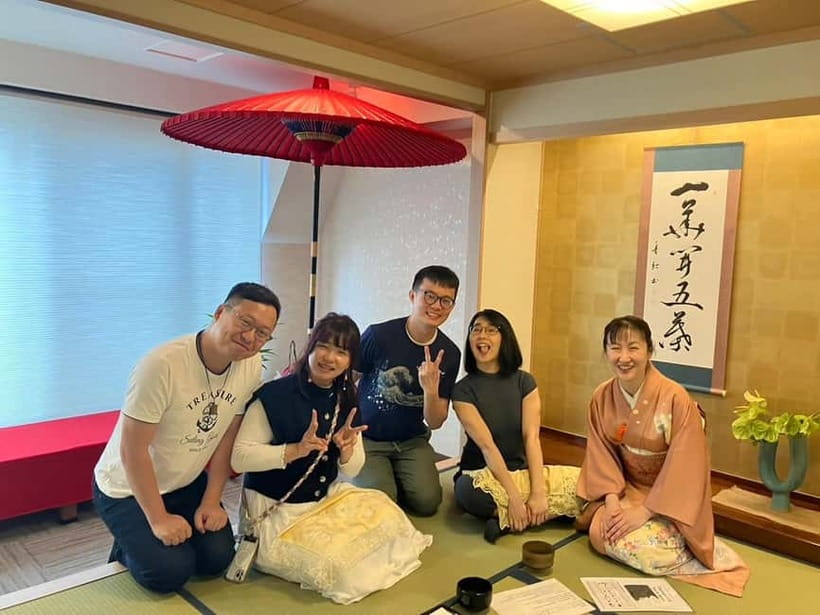
I would choose this experience if you want a cultural activity that is calm, practical, and easy to fit into a Tokyo itinerary. It suits first-time visitors, couples, families with children over six, photographers, and anyone curious about Japanese customs but unsure about attending a highly formal ceremony.
It is also a good choice if you want a personal introduction rather than a large demonstration. Ryouko is praised for her patience, warmth, and care, and her enthusiasm for sharing Japanese culture comes through in the teaching.
You may want another option if you use a wheelchair, since the activity is not suitable for wheelchair users. It is also not ideal if you dislike sitting on tatami, cannot remove your shoes, or want a long academic talk about tea ceremony history.
The experience works best when you arrive ready to slow down. You are not rushing between attractions. You are noticing a bowl, eating a sweet before bitter tea, watching the host’s hands, and trying the movements yourself.
Should you book the Wasako tea ceremony?
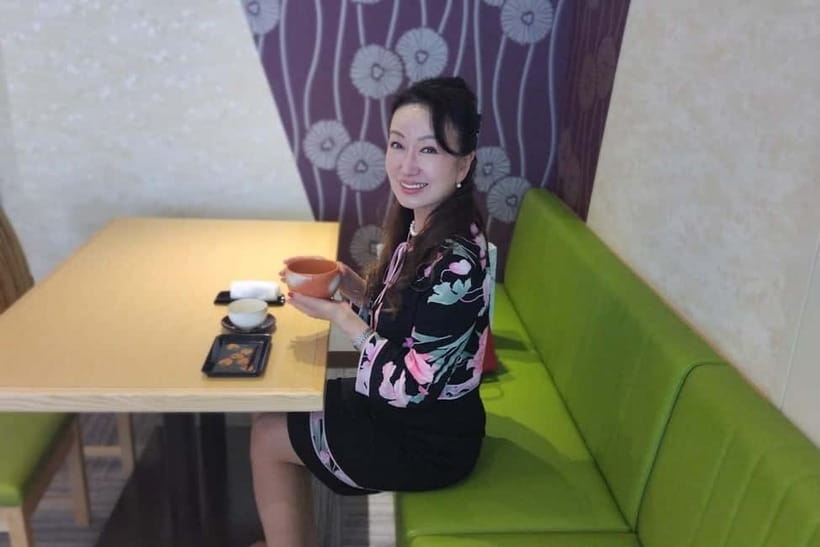
I would book it if you want a short, hands-on cultural experience near Asakusa, especially if you like the idea of choosing your own bowl and sweet and making matcha yourself. The historic room, small group format, English instruction, and photo help add real value.
I would pause if your main goal is a long formal ceremony with extensive historical discussion. In that case, ask about the exact session length and what level of explanation is planned before paying. Bring socks, arrive early enough to find the entrance, and ask about the optional kimono arrangement if photographs matter to you.
For most visitors, this is a friendly first meeting with Japanese tea ceremony rather than a final word on the subject. At its best, it gives you a quiet hour, a new skill, and a better understanding of why the details matter.
FAQ
Where is the tea ceremony held?
It is held in the Japanese-style room of Wasako, inside the Charyo-Ichimatsu restaurant in Tokyo, on Honshu.
How do I reach the meeting point?
The venue is about five minutes from Tawaramachi Station Exit 3 on the Tokyo Metro Ginza Line, or about ten minutes from Asakusa Station Exit A4 on the Toei Asakusa Line. Look for green signs marked Tea ceremony experience.
What start times are available?
The listed start times are 10:00, 11:30, 13:30, and 15:00. Availability can vary, so check the date you want to book.
How long does the experience last?
The core tea ceremony is described as lasting about 45 to 60 minutes. Booking information gives a possible duration of 45 minutes to four hours, so confirm the exact timing for your selected session.
Is the experience offered in English?
Yes. Instruction is available in English and Japanese.
What should I bring?
Bring socks. Shoes are not allowed indoors, and socks are required for stepping onto the tatami. If you do not have socks, the venue sells them for 500 yen.
Can children or wheelchair users participate?
Children under six are not suitable for this activity, and the experience is not suitable for wheelchair users.
Fresh tea listings around Tokyo
- Authentic Japanese tea tasting: sencha, matcha and gyokuro★ 5.0 · 12 reviews
- At an Antique Shop, Tea Ceremony and Japanese Sweets Forming★ 5.0 · 5 reviews
- Mochi Matcha Gluten Free Japanese Sweets Class near Shibuya area★ 5.0 · 26 reviews
- Tokyo: Two Types of Japanese Sweets Making and Tea Ceremony★ 4.6 · 26 reviews
- Japanese Matcha Tea Ceremony and Kimono Experience in Hanayaka★ 5.0 · 26 reviews
- Matcha Experience with of Japanese Tea Tasting in Tokyo★ 5.0 · 31 reviews
- Tokyo:Genuine Tea Ceremony, Kimono Dressing, and Photography★ 5.0 · 33 reviews
- EDOCCO Tea House–A Quick Dive into Japanese Traditional Culture★ 5.0 · 34 reviews
Tea Ceremony Experiences, compared.
Kyoto: Tea Ceremony in a Traditional Tea House in Kiyomizu
Read our review →
Kyoto: 45-Minute Tea Ceremony Lesson Experience
Read our review →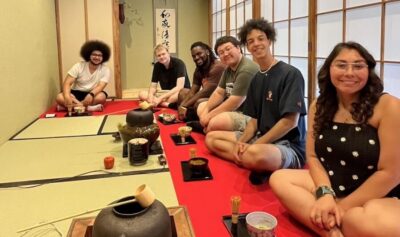
Kyoto: Table-Style Tea Ceremony at a Kyo-Machiya
Read our review →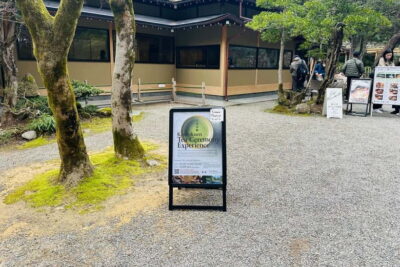
Browse the lists this tour appears in