
Review · MATCHA EXPERIENCES
Kyoto: A Walking Tour of Four Spring Waters, Tofu Lunch & Matcha
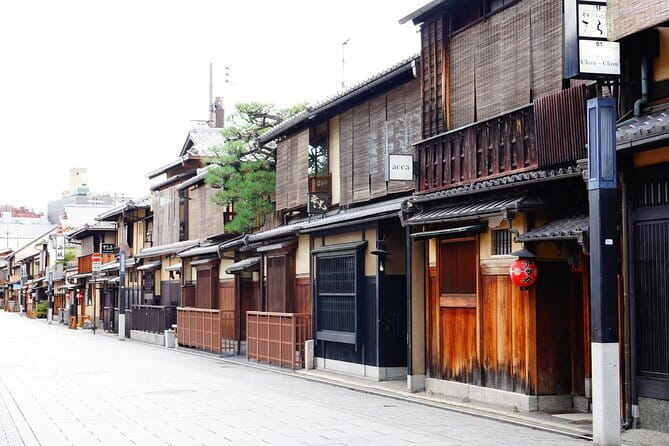
Kyoto’s spring-water traditions give this small-group tour its special angle. You’ll eat a tofu and Kyoto obanzai lunch, visit three shrine springs tied to protection, beauty, learning, and fire prevention, then finish with matcha and sweets at an old confectionery. It is a gentle way to see Kyoto through local customs rather than only famous monuments.
I like the six-person maximum, which should make the walking and shrine stops easier to manage. I also like the food pairing: tofu at midday, then Kyoto sweets and matcha prepared with spring water. The main consideration is that the route includes three named spring-water shrines, despite the four-spring title, and Kiyomizu-dera is not part of the current plan.
Key points to know before booking
- A food-centered Kyoto morning: Begin with tofu and Kyoto obanzai, then end with sweets and matcha.
- Three named spring-water stops: Visit Yasaka Shrine, Nishiki Tenmangu Shrine, and Hiyoke Tenmangu.
- A small group: The tour accepts no more than six participants.
- A traditional finale: Kameya Yoshinaga, founded in 1803, provides the final confectionery stop.
- Good value for a compact half-day: The $130 price includes lunch, matcha, sweets, transportation during the tour, and admission fees.
- Plan around the route carefully: Start at Kyoto Station at 11 a.m., return there at the end, and allow extra time for delays.
Why Kyoto’s spring water makes this tour different
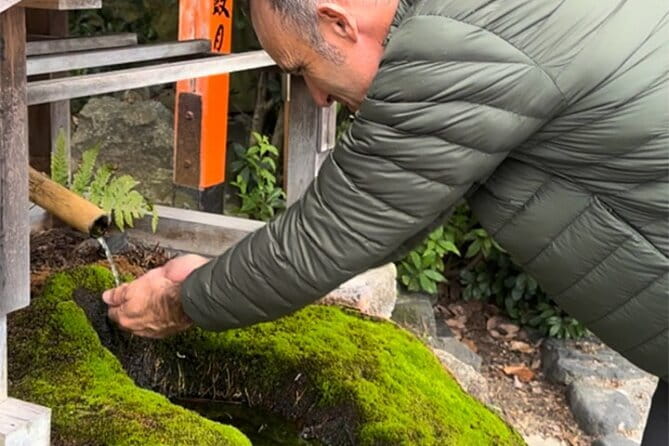
Many Kyoto tours focus on temples, gardens, and food markets. This one follows a quieter idea: water as part of the city’s spiritual and culinary life. You are not simply looking at a shrine. You are learning what a particular spring means, tasting the water, and seeing how it connects with local belief.
The route begins with lunch rather than sightseeing. That makes sense for an 11 a.m. start and gives the experience a relaxed rhythm. You will eat first, walk afterward, and finish with a sweet course rather than rushing from one landmark to the next.
The tour’s title refers to four spring waters, but the route information names three spring-water shrines: Yasaka Shrine, Nishiki Tenmangu Shrine, and Hiyoke Tenmangu. The final tea and sweets at Kameya Yoshinaga are also made with spring water, which may explain the broader title. If tasting four separate sources is important to you, ask the operator to clarify the current arrangement before booking.
More Matcha Experiences in Kyoto
- Kyoto: Tea Ceremony Meditation – Make Matcha with Tea Master
★ 4.8 · 406 reviews - Kyoto: Kimono Tea Ceremony with Matcha and Sweet
★ 4.9 · 249 reviews - Kyoto: Arashiyama Bamboo, Temple, Matcha, Monkeys & secret spots
★ 5.0 · 219 reviews
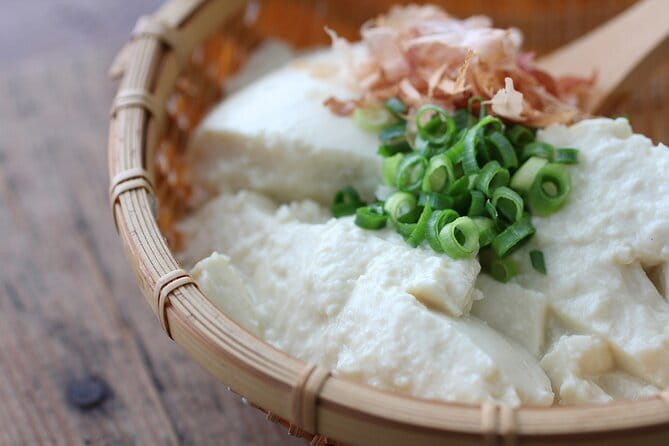
Tofu and Kyoto obanzai at the opening meal
The first stop lasts about 1 hour and 20 minutes. You will sit down for a tofu and Kyoto obanzai meal, with the restaurant subject to seasonal and other changes.
Tofu is one of Kyoto’s best-known foods, especially in meals built around soy milk and yuba, the delicate skin that forms during tofu production. Obanzai refers to home-style Kyoto cooking, usually served in several modest dishes rather than one large plate. The appeal is variety: a little tofu, vegetables, simmered items, and other everyday foods prepared in a restrained style.
The meal is included in the $130 price, so you do not need to budget separately for lunch. That helps the tour’s value, particularly because the experience also covers the final matcha, sweets, transportation fees during the tour, and admission or activity fees.
Set your expectations correctly. This is not presented as a grand restaurant event or a free-choice food crawl. It is a planned tofu meal that introduces a Kyoto specialty before the walking portion. One meal received mixed feedback about how the yuba was prepared and presented, so diners who already know and love yuba may find the food presentation less polished than expected.
Still, the meal gives the tour a useful local focus. You get more than a snack between sights, and the tofu theme returns later through Kyoto’s broader connection to careful, seasonal food.
Yasaka Shrine and the eastern guardian legend
The walking section begins at Yasaka Shrine, with about 20 minutes scheduled here. Yasaka is linked in Kyoto tradition to the four Shijin, divine creatures associated with the city’s four directions. The east is protected by the dragon, and a pond beneath the shrine’s main hall is said to be that creature’s lair.
The spring water connected with this place is called Gion Shinsui, or Power Water. Local belief gives it a protective role, and the ritual continues with Biyomizu, or beauty water, from a shrine dedicated to beauty. The stated custom is to drink the power water and then apply a few drops of the beauty water.
This is the most layered stop on the route because it brings together geography, legend, ritual, and the modern appeal of wellness. You are likely to get more from the visit if you treat the spring as a living custom rather than expecting a dramatic natural spring in an untouched setting.
The route may be busy around Yasaka and the surrounding streets. You should be ready to wait briefly at popular spots and follow the guide through public areas. The small group limit helps, but this is still central Kyoto, not a silent country path.
Nishiki Tenmangu and water linked to learning
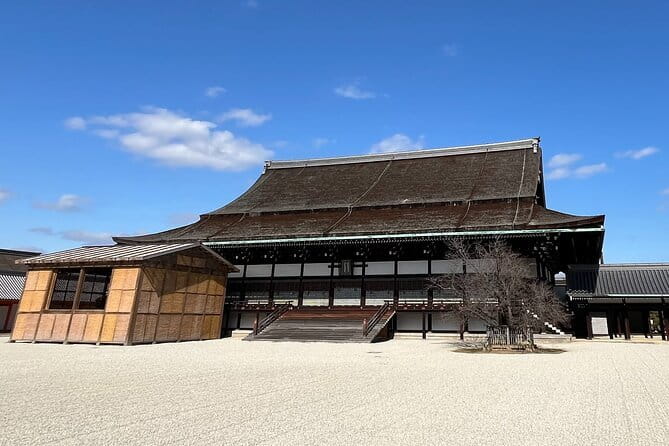
The next spring stop is Nishiki Tenmangu Shrine, scheduled for about 10 minutes. Its water is said to be blessed by Tenjin, the deity associated with learning.
The spring carries several wishes at once: protection from misfortune, wisdom, and success in academic pursuits. That makes this a particularly meaningful stop for families, students, or anyone interested in Japan’s shrine traditions around study and achievement.
The short timing tells you what kind of visit to expect. You will hear the story, see the shrine, and sample the water, but this is not a long temple exploration. The value lies in the guide’s explanation and the connection between the water and the deity.
This stop also puts you near Kyoto’s commercial center. The walk offers a mix of modern shops, traditional streets, and small religious sites. One useful tip is to stay alert to the route and the meeting point, since urban Kyoto can feel crowded and the shrines themselves may be compact.
Same city, a very different cup:
- Kyoto: Tea Ceremony in a Traditional Tea House in Kiyomizu
★ 4.9 · 3,519 reviews - Kyoto: Tea Ceremony Ju-An at Jotokuji Temple
★ 4.9 · 3,207 reviews - Kyoto: 45-Minute Tea Ceremony Lesson Experience
★ 4.3 · 2,378 reviews - Kyoto: Table-Style Tea Ceremony at a Kyo-Machiya
★ 4.9 · 1,211 reviews
Hiyoke Tenmangu and Kyoto’s fire-protection story
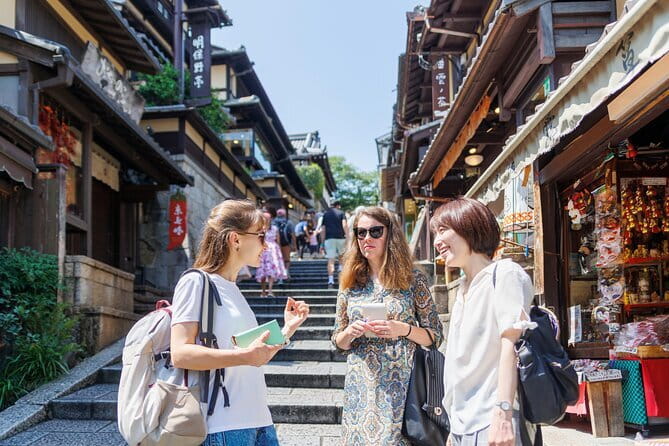
Hiyoke Tenmangu is another brief stop, with about 10 minutes scheduled. The shrine is revered as a fire-preventing deity, and its spring water is tied to a story from the late Edo period.
During the Hamaguri-gomon Incident, a major fire affected parts of Kyoto, while this area is said to have escaped the flames. The shrine’s reputation for protection against fire grew from that event, along with later stories of divine protection.
This stop gives the tour a useful historical dimension without turning into a long lecture about Kyoto’s past. You see how a city that suffered repeated fires developed strong religious traditions around safety and protection.
The visit is short, so do not expect an expansive shrine complex or a long period of quiet reflection. Its appeal is the specific story. It also shows how each spring on the route has a different purpose: power, beauty, learning, and fire prevention.
Kameya Yoshinaga and a matcha finish
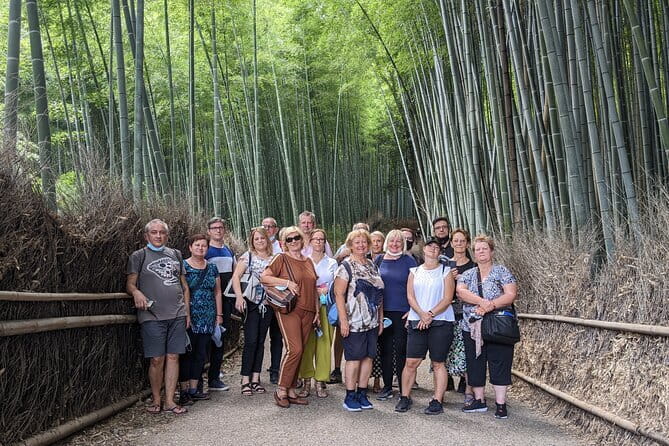
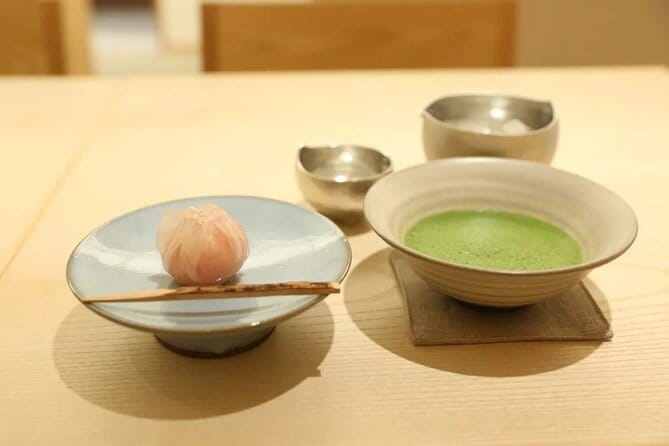
The final stop is Kameya Yoshinaga, a Kyoto confectionery founded in 1803. Here, you will have sweets and a bowl of matcha made with spring water. About 30 minutes is scheduled for this part of the tour.
This is likely to be the most memorable food moment for anyone interested in Japanese confectionery. Kyoto sweets can be small and subtle, with texture and presentation carrying as much weight as sweetness. Matcha adds a slightly bitter counterpoint, and the use of spring water ties the final course back to the morning’s theme.
The age of the confectionery gives the stop a sense of continuity, but you should not confuse an old business with a museum visit. The purpose is to sit, taste, and rest after the walking route.
This final break was one of the strongest aspects of the experience for me to recommend. The confectionery provides a clear ending, and it gives you time to think about the different meanings attached to the water you sampled. It is also a welcome pause after moving through central Kyoto streets.
How much walking and crowding should you expect?
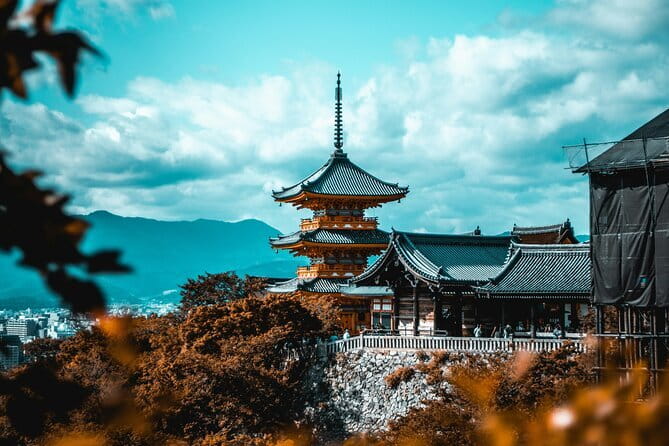
The activity lasts about 4 hours and 40 minutes, beginning at 11 a.m. and ending back at Kyoto Station. The route includes several short shrine visits and urban walking between them. Exact walking distances are not provided, so you should be comfortable being on your feet for much of the afternoon.
The setting is not consistently peaceful. The route passes through parts of Kyoto where people gather, and the shrines and arcades can be busy. One account of the experience describes queues at some points and a lively mix of modern and traditional Kyoto along the way.
That mix is part of the appeal. You see religious sites in the middle of ordinary city life rather than visiting isolated monuments one after another. At the same time, anyone seeking a quiet retreat should know that the word wellness here refers mainly to food, water traditions, and a measured pace. It is not a spa treatment or a countryside escape.
Transportation fees during the tour are included, but private transportation is not. Hotel pickup and drop-off are also not included. You begin and finish at Kyoto Station, which keeps the arrangement simple but means you must reach the station independently.
Is $130 a fair price?
At $130 per person, this is not a cheap walking tour. Its value comes from combining several paid elements into a small, organized experience.
The price includes:
- Tofu and Kyoto obanzai lunch
- Matcha and traditional sweets
- Transportation fees during the tour
- Admission and activity fees
- A guide-led route through three spring-water shrine sites
A self-guided version would cost less, especially if you visited the shrines without a planned meal. But you would need to research the water traditions, arrange lunch, work out the route, and decide how to connect the locations. The guide’s role is important here because the springs are meaningful mainly through their stories and rituals.
The six-person maximum also matters. You are paying for a focused small-group format rather than joining a large sightseeing bus. If the restaurant meal and confectionery visit appeal to you, the price is easier to justify. If you mainly want famous temples or long shrine visits, you may find better value elsewhere.
Who will enjoy this experience most?
I would recommend this tour to you if you like food, folklore, small shrines, and local customs. It suits someone who wants to see a softer side of Kyoto and prefers a planned half-day to a long list of major monuments.
It is also a good match for repeat visitors who have already seen some of the city’s headline sights. The route offers a different theme, and the stories about protection, beauty, study, and fire give the stops a clear purpose.
Families may appreciate the short visits and the learning connection at Nishiki Tenmangu. Food-minded visitors will enjoy the tofu lunch and the confectionery finale. The small group should also appeal to you if you prefer the chance to ask questions without competing with a large crowd.
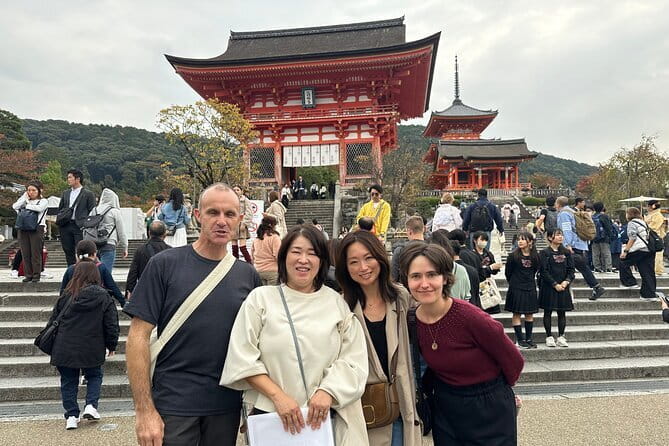
I would think twice if you want Kiyomizu-dera, extensive temple sightseeing, or a quiet nature walk. Kiyomizu-dera is specifically not included in the current route, and the setting remains urban. The food may also be less satisfying if you expect a refined yuba tasting rather than a wholesome set meal.
The experience requires at least two participants to operate and accepts a maximum of six. If the minimum is not reached, cancellation notice is provided four days before departure and a full refund is issued. Otherwise, the cancellation policy is strict: the booking is non-refundable and cannot be changed for any reason.
Should you book this Kyoto spring-water tour?
Book it if you want a compact, food-based introduction to Kyoto’s spiritual customs, especially if the combination of tofu, shrine water, matcha, and traditional sweets sounds more appealing than another major-temple circuit.
The best reasons to go are the small group, the unusual theme, and Kameya Yoshinaga’s final tea stop. The biggest cautions are the $130 cost, possible crowds, the uncertain distinction between three named shrine springs and the advertised four, and the fact that Kiyomizu-dera is absent.
Before paying, confirm how the operator is counting the four waters and ask about the current lunch restaurant. If those details match what you want, this can be a thoughtful and well-paced way to spend an afternoon in Kyoto.
FAQ
How much does the tour cost?
The tour costs $130 per person.
How long does the experience last?
The scheduled duration is approximately 4 hours and 40 minutes.
What time does the tour begin?
The tour begins at 11 a.m.
Where does the tour start and finish?
It starts at Kyoto Station and ends back at the meeting point.
What food and drink are included?
The experience includes a tofu and Kyoto obanzai lunch, plus matcha and sweets at the final confectionery stop.
Which spring-water locations are visited?
The route names Yasaka Shrine, Nishiki Tenmangu Shrine, and Hiyoke Tenmangu as the three spring-water stops.
Is Kiyomizu-dera included?
No. Kiyomizu-dera is not included in the current itinerary.
How many people can join the tour?
The maximum group size is six participants. At least two participants are required for the tour to operate.
What happens if the tour is canceled because too few people book?
You will be notified four days before departure and offered a full refund if the minimum number is not reached.
More Walking Tours in Kyoto
- Kyoto Tea Ceremony & Kiyomizu-dera Temple Walking Tour
★ 5.0 · 115 reviews - The Way of Tea: Kyoto Crafts, Hidden Temples & Wabi-Sabi Walk
★ 5.0 · 41 reviews - Matcha Grinding Experience and Walking Tour in Uji Kyoto
★ 5.0 · 26 reviews - Kyoto Gion Tea ceremony & Wabi-sabi Walking Tour
★ 4.5 · 7 reviews
More Lunch Experiences in Kyoto
- Kyoto Walking Tour with Kimono Rental Lunch and Tea Ceremony
★ 5.0 · 3 reviews - Active Volcano, Rice Field, Hot Spring, Fruit market, Tea Plantation with Lunch
★ 5.0 · 513 reviews - Bandung: White Crater Hotspring Tea Plans And Lunch Included
★ 4.9 · 419 reviews - São Miguel: Furnas Volcano & Tea Plantation Tour with Lunch
★ 4.9 · 375 reviews
Fresh tea listings around Kyoto
- Traditional Tea Ceremony in Kyoto★ 4.5 · 3 reviews
- Kyoto: Authentic Tea Ceremony in a Small Group★ 5.0 · 7 reviews
- Uji Walking Tour – Byodo-in temple and Tea Ceremony from Kyoto★ 3.5 · 3 reviews
- Tea Ceremony Experience in Traditional Kyoto Townhouse★ 5.0 · 19 reviews
- Tea Ceremony in 150 Years Old Townhouse with Tables and Chairs★ 5.0 · 22 reviews
- Tea ceremony at Kyoto’s Zen Temple Teahouse★ 5.0 · 2 reviews
- Sencha-do the Japanese Tea Ceremony Workshop in Kyoto★ 5.0 · 21 reviews
- Silent Beauty of Kyoto Zen Walk and Tea Experience★ 5.0 · 2 reviews
Matcha Experiences, compared.
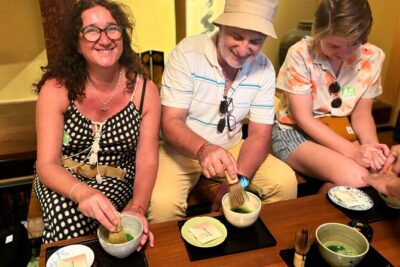
World Heritage Kyoto & Nara Uji Authentic Matcha Experience
Read our review →
Matcha Making Class in Tokyo with Authentic Japanese Sweets Set
Read our review →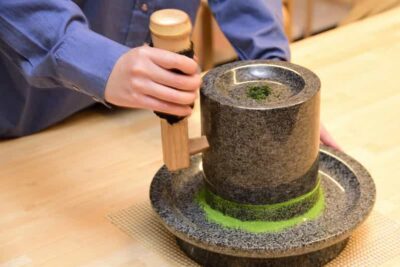
Kyoto: Tea Museum Tickets and Matcha Grinding Experience
Read our review →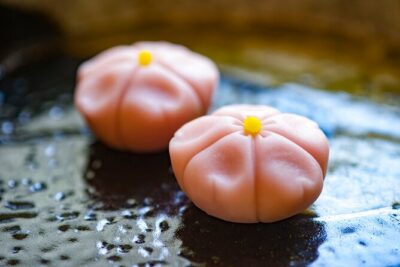
Matcha Making Class in Osaka with Authentic Japanese Sweets Set
Read our review →
Kyoto: Tea Ceremony Meditation – Make Matcha with Tea Master
Read our review →
Tokyo: Matcha Making Experience with Mochi Sweets in Asakusa
Read our review →
Kyoto: Kimono Tea Ceremony with Matcha and Sweet
Read our review →
Browse the lists this tour appears in