
Review · TEA CEREMONY EXPERIENCES
Shibuya Authentic Tea Ceremony with experienced instructor
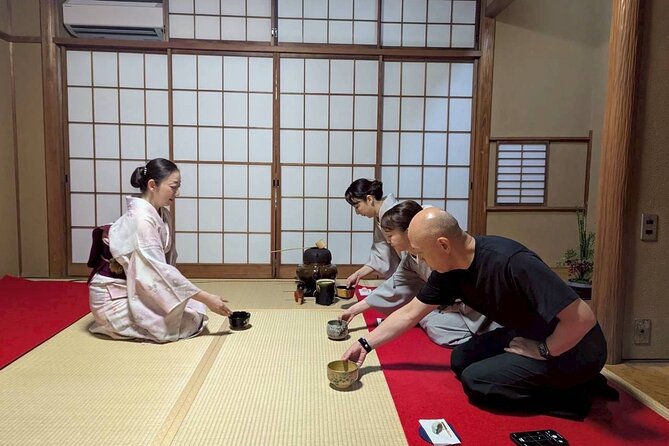
The most appealing part of this small-group tea ceremony is the setting: a quiet, old-style tea house tucked on a side street in Shibuya. In about 50 minutes, you move from a short lesson on Japanese tea to a formal demonstration, a traditional sweet, and your own bowl of matcha.
I like the hands-on preparation, since you do more than watch a ritual from a distance. I also like the calm pace and the chance to choose a chawan, or matcha bowl, before making your tea. The main consideration is time: this is a compact introduction, not a long formal tea-school lesson.
Key details before you book
- Small group of no more than eight: You get a closer look at the tea master’s movements and a better chance to ask questions.
- A 50-minute cultural break: The session fits neatly into a day of Shibuya sightseeing without taking over your schedule.
- Matcha made with traditional tools: You see a small stone mill and later whisk your own tea.
- A formal tea ritual: The demonstration draws on more than 500 years of tea-making tradition.
- Nerikiri with freshly prepared matcha: The sweet gives you a classic pairing rather than tea alone.
- A central Shibuya location: The meeting point is on Dōgenzaka, close to the area’s major sights and easy to combine with other plans.
A quiet tea house on Shibuya’s Dōgenzaka
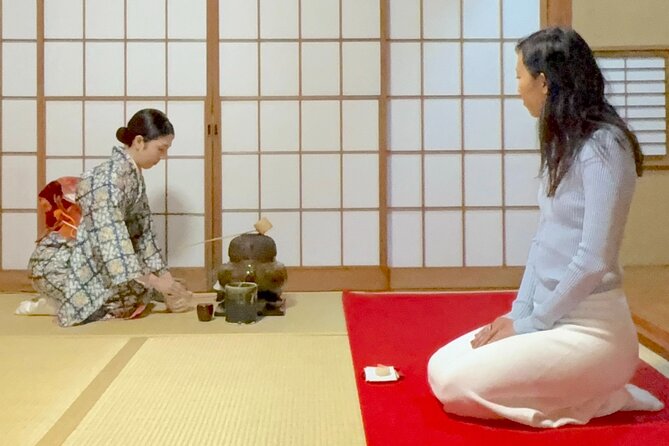
Shibuya is famous for flashing screens, crowded crossings, shopping, and late-night energy. This experience offers a sharp change of pace. The meeting point is at 1-chōme 15 Dōgenzaka, in a small building on a side street, where the tea room provides a quieter setting than the surrounding district.
That contrast is part of the appeal. You do not need to travel to a remote temple or spend half a day outside central Tokyo to encounter Japanese tea culture. You can fit the session between visits to Shibuya Crossing, nearby shops, or other Tokyo plans.
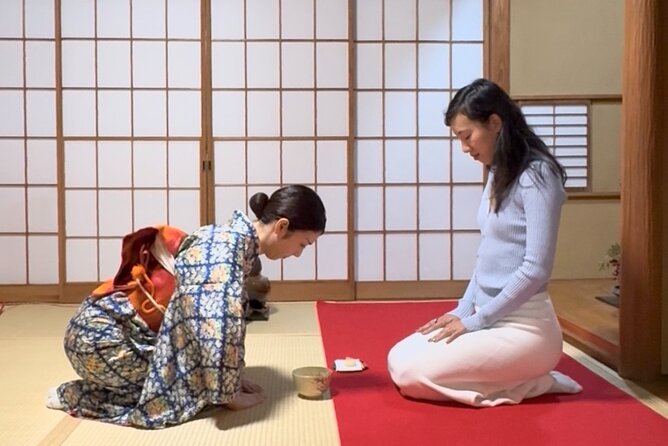
The setting is described as an old and original little tea house, with a peaceful atmosphere that lets you step away from the noise for a short while. Details such as the building’s age, seating style, and whether you sit on the floor are not specified, so you should not book this expecting a full temple ceremony or a lengthy formal course. Think of it as a focused introduction in a traditional-feeling room.
The group limit of eight matters here. Tea ceremony involves small movements, careful gestures, and tools that are easy to miss in a large class. With fewer people, you should have a clearer view of the demonstration and a more personal connection with the instructor.
More Tea Ceremonies in Tokyo
- Kimono Tea Ceremony at Tokyo, Asakusa Maikoya
★ 5.0 · 638 reviews - Tokyo: Traditional Tea Ceremony with a Tea Master
★ 5.0 · 528 reviews - Tea Ceremony Workshop in Tokyo by the Experienced Instrucor
★ 5.0 · 189 reviews
The first lesson: how tea became part of Japanese culture
The session begins with a short explanation of tea’s history in Japan. This gives the ceremony some useful context before you see the tools in action.
The lesson is not described as a long lecture, and that is a good fit for a short activity. You get enough background to understand why the ceremony values deliberate movements, presentation, and attention to the tea itself. If you are new to matcha, this opening helps turn a bowl of green tea from a novelty into part of a wider cultural practice.
You also get to see a small traditional stone mill used in the production of matcha. This is one of the more distinctive details of the experience. Matcha is powdered green tea, and the mill offers a physical reminder that the tea begins as leaves and becomes the fine powder used in the bowl.
I appreciate this kind of explanation because it links the final drink to the process behind it. You are not simply handed a bright green beverage. You see one of the tools connected to its preparation, then watch the tea master continue the process with the utensils used in the ceremony.
The history segment is short, so people looking for detailed instruction on tea farming, regional tea types, or Japanese ceramics may want a longer specialist class. For most first-time visitors, though, the introduction should be enough to make the rest of the session more meaningful.
Watching the tea master perform the ritual
Next, an experienced tea master performs a traditional tea-making ritual. The ceremony has a history of more than 500 years, and the value here is in seeing the movements presented in the proper order rather than rushing straight into your own attempt.
Pay attention to the small actions. The tea master handles the bowl, whisk, and other tools with care, showing how the preparation is as much about method and presentation as it is about taste. You can observe the rhythm before picking up the utensils yourself.
This demonstration is likely to be the most formal part of the experience. It gives you a chance to watch without worrying about doing anything correctly. That matters because tea ceremony can look simple at first, but the order and handling of each item carry importance.
The instructor is described as friendly, polite, and well informed about Japanese tea culture. One host named Mai is singled out for creating a peaceful and welcoming session. The supplied information does not confirm that Mai leads every departure, so you should not assume a specific instructor when booking. Still, the experience is designed around guidance from a Japanese tea master rather than a basic self-service matcha class.
You may find that the quiet pace feels almost meditative. That is not because the activity is long or difficult. It comes from focusing on a few deliberate steps in a room removed from Shibuya’s busy streets.
Matcha and nerikiri, a classic pairing
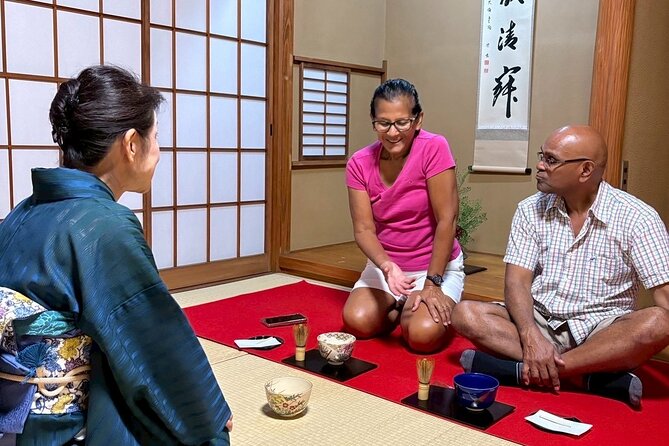
After the demonstration, you drink the freshly prepared matcha with nerikiri, a traditional Japanese sweet. Nerikiri is made for tea settings and is typically shaped with care, so it gives the tasting a more distinctly Japanese character than a standard snack would.
The pairing also helps balance the tea. Matcha has a strong, grassy flavor and can taste bitter if you are not used to it. The sweet offers a contrasting taste and makes the serving feel like part of a complete tea moment rather than a quick drink.
You should keep your expectations practical. The focus is on learning and participating, not on a large food tasting or a full meal. The information mentions matcha and one traditional sweet, with no other food or drink included.
For me, this is a good example of why the experience works best as a cultural stop. You learn a little, watch a formal ritual, taste a familiar Japanese pairing, and then try the technique yourself. Each part supports the next.
Same city, a very different cup:
- Matcha Making Class in Tokyo with Authentic Japanese Sweets Set
★ 5.0 · 744 reviews - Dynamic Tokyo: Tokyo Tower, Tea Experience, Bay Cruise Day Tour
★ 4.5 · 521 reviews - Tokyo: Matcha Making Experience with Mochi Sweets in Asakusa
★ 4.9 · 388 reviews - Asakusa Cultural Walk & Matcha Making Tour
★ 5.0 · 245 reviews
Whisking your own bowl of matcha
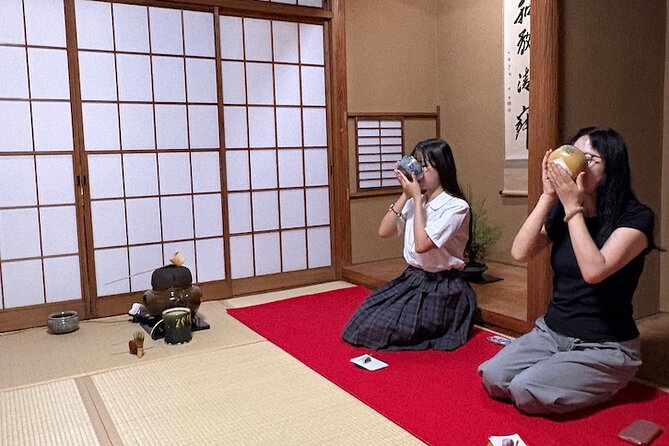
The final stage puts the whisk in your hands. You prepare your own bowl of matcha with traditional tools under the instructor’s guidance.
This is the part most likely to stay with you after the session. Watching an expert is useful, but whisking the tea yourself makes the technique easier to remember. You get a direct feel for the process and can see how your movements affect the texture of the drink.
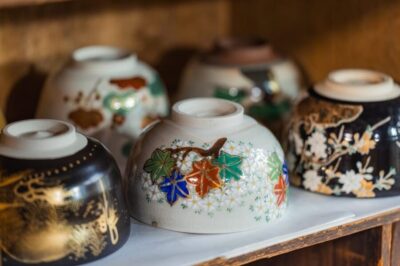
The activity also lets you choose your favorite chawan from a selection of beautiful matcha bowls. That small choice adds a personal touch. The bowl is not just a container, since its shape, color, and decoration form part of the presentation. Choosing one makes your serving feel more intentional.
You do not need prior experience. The point is to learn the basic method, not to produce a perfect bowl on your first try. The instructor demonstrates the process and gives you the traditional tools, so you can follow along rather than guess.
If you enjoy practical classes, this part makes the price easier to justify. You are paying for a guided cultural activity, not only for a cup of tea. You leave with a technique you can try again at home, provided you can find matcha, a whisk, and a suitable bowl.
What the 50-minute format gives you
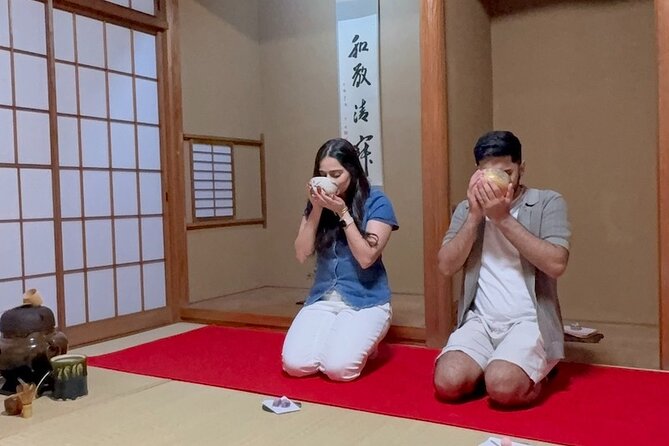
Fifty minutes is enough to cover the main elements without making the activity feel like a major commitment. You learn the background, see the stone mill, watch the formal ceremony, eat nerikiri, and prepare your own tea.
The short format is especially useful in Tokyo. You can schedule it during a day in Shibuya, then continue to shopping, dining, or sightseeing. The activity ends at the same meeting point, so there is no complicated transfer at the end.
There is also a tradeoff. A short session cannot cover every detail of tea ceremony etiquette, Japanese tea schools, seasonal customs, or the history of individual utensils. If you already know a lot about chanoyu, you may find the introduction basic.
For a first encounter, I think the length is sensible. You get the essential experience, but you are not asked to sit through a long explanation after a full day on your feet.
Is $25.76 good value?
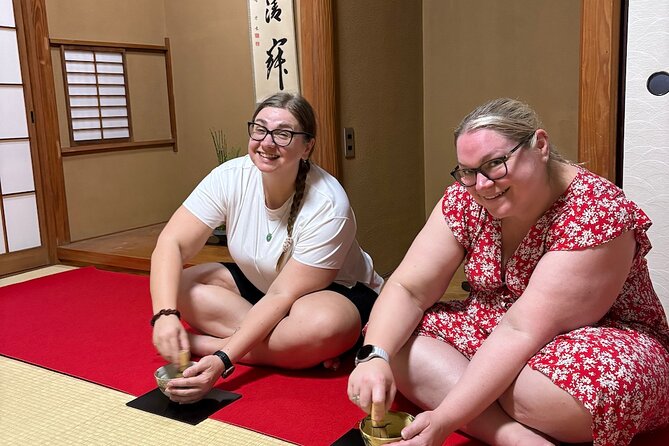
At $25.76 per person, this is a reasonably priced way to add a focused cultural activity to a Tokyo itinerary. The value comes from several elements bundled into one short visit: instruction from a tea master, a formal demonstration, a sweet, traditional utensils, and the chance to make your own matcha.
The price also compares favorably with the time involved. You are not paying for a half-day commitment, long transport, or an elaborate meal. If you already plan to be in Shibuya, the central location keeps the experience practical.
Still, the value depends on what you want. If you mainly want to drink matcha, a café will cost less and take less time. If you want a long, highly formal tea ceremony with extensive etiquette instruction, this session may feel too brief.
I would choose this experience for its balance: more personal and educational than a café visit, but easier and less demanding than a full ceremonial course. The group limit of eight strengthens that value because the session should feel more direct than a crowded demonstration.
Who will enjoy this experience most?
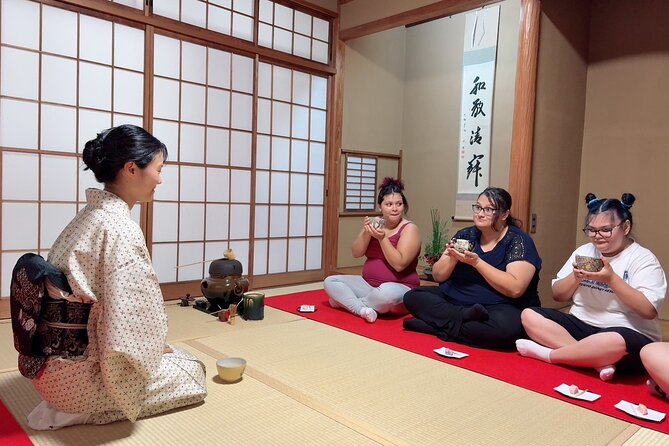
This activity suits first-time visitors to Japan who want a clear introduction to tea ceremony without leaving central Tokyo. It also works well for couples, families, and small groups who enjoy trying a traditional activity together.
You will likely appreciate it if you prefer a calm cultural experience over another shopping stop. The tea house offers a short pause from Shibuya’s noise, and the hands-on section gives everyone something to do.
It is also a good choice for anyone curious about matcha but unsure what a formal tea experience involves. You can watch first, taste the prepared tea, then try it yourself with help.
The activity may be less suitable if you dislike tea, have very little time to reach the meeting point, or want a long, highly detailed history lesson. The format is compact and centered on the core steps.
The description does not provide specific accessibility information, seating arrangements, language details, or dietary alternatives for the nerikiri. If any of those points matter to you, contact the provider before booking rather than guessing.
Practical planning for your Shibuya day
You receive confirmation at the time of booking, and the ticket is available on your mobile. The activity begins and ends at the Dōgenzaka meeting point, so plan to return to that location after the tea session if you have another appointment.
Because the class has a maximum of eight people, check the meeting instructions carefully and allow enough time to find the building. The tea house is described as being on a small side street, close to Shibuya’s main attractions and easy to find, but central Tokyo buildings can still be easy to pass if you are rushing.
The activity offers free cancellation if you cancel at least 24 hours before the local start time. Cancellations or changes made less than 24 hours ahead are not refunded or accepted, so check your Tokyo schedule before committing.
I would place this experience earlier in your Shibuya plans rather than at the very end of a tight evening. That gives you room to locate the meeting point and enjoy the session without watching the clock.
Should you book this tea ceremony?
Book it if you want a short, personal introduction to Japanese tea culture in central Tokyo. The best reasons are the small group, the old tea-house setting, the formal demonstration, the nerikiri pairing, and the chance to whisk your own matcha with a bowl you choose.
At $25.76, it offers good value for a 50-minute activity that includes both explanation and participation. It is particularly useful for a first visit to Japan, when you want an authentic cultural experience but do not want to spend half a day away from Tokyo’s main sights.
Skip it if you only want a quick drink, need a fully detailed tea-school course, or require accessibility and dietary information that has not been confirmed. For most curious visitors already spending time in Shibuya, this is a thoughtful way to trade a little noise for a little calm.
FAQ
Where does the tea ceremony take place?
It takes place in Shibuya, Tokyo, at 1-chōme 15 Dōgenzaka, postal code 150-0043. The meeting point is in a small tea house on a side street.
How long does the experience last?
The tea ceremony lasts approximately 50 minutes.
How many people can join?
The activity has a maximum of eight participants.
What happens during the first part?
You hear a short explanation about the history of tea in Japan and see how matcha is made with a small traditional stone mill.
Will I see a formal Japanese tea ceremony?
Yes. A tea master performs a traditional tea-making ritual with a history of more than 500 years.
Is food included?
You receive nerikiri, a traditional Japanese sweet, to enjoy with freshly prepared matcha.
Can I make my own matcha?
Yes. You use traditional tea tools to prepare your own bowl of matcha, and you can choose a chawan from a selection of bowls.
What is the cancellation policy?
You can cancel for a full refund up to 24 hours before the experience start time. Cancellations or changes made less than 24 hours before the local start time are not refunded or accepted.
Fresh tea listings around Tokyo
- Authentic Japanese tea tasting: sencha, matcha and gyokuro★ 5.0 · 12 reviews
- At an Antique Shop, Tea Ceremony and Japanese Sweets Forming★ 5.0 · 5 reviews
- Mochi Matcha Gluten Free Japanese Sweets Class near Shibuya area★ 5.0 · 26 reviews
- Tokyo: Two Types of Japanese Sweets Making and Tea Ceremony★ 4.6 · 26 reviews
- Japanese Matcha Tea Ceremony and Kimono Experience in Hanayaka★ 5.0 · 26 reviews
- Matcha Experience with of Japanese Tea Tasting in Tokyo★ 5.0 · 31 reviews
- Tokyo:Genuine Tea Ceremony, Kimono Dressing, and Photography★ 5.0 · 33 reviews
- EDOCCO Tea House–A Quick Dive into Japanese Traditional Culture★ 5.0 · 34 reviews
Tea Ceremony Experiences, compared.
Kyoto: Tea Ceremony in a Traditional Tea House in Kiyomizu
Read our review →
Kyoto: 45-Minute Tea Ceremony Lesson Experience
Read our review →
Kyoto: Table-Style Tea Ceremony at a Kyo-Machiya
Read our review →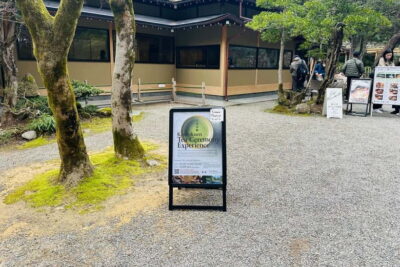
Browse the lists this tour appears in