
Review · KIMONO & TEA CEREMONY
Kyoto Walking Tour with Kimono Rental Lunch and Tea Ceremony
Kyoto’s old customs come together nicely here: you can dress in a proper kimono, walk through former Imperial grounds, visit one of the city’s oldest shrines, and finish with matcha and wagashi. I like the way the day mixes cultural sights with hands-on activities, rather than keeping you on a bus moving from one photo stop to the next.
I also like the private format and the chance to hear about daily life in Japan from an expat guide. The strongest praise centers on the combination of food, tea, sightseeing, and personal cultural insight. The main consideration is time: eight hours is a full day, and lunch is not included in the $117.06 price. The kimono option also needs to be selected when booking.
Key points at a glance
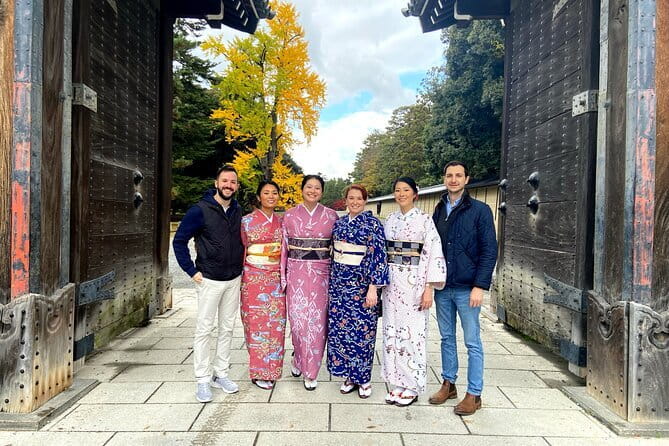
- Kimono dressing begins the day: Licensed professionals dress you in a traditional kimono, with basic hairstyling included.
- Three very different Kyoto sights: You visit former Imperial grounds, the Old Mitsui Family Shimogamo Villa, and Shimogamo Jinja.
- Lunch takes place in a machiya: Choose from Japanese meal options in a renovated traditional Kyoto house.
- The tea ceremony is intimate: A host and guide explain the matcha ritual and serve wagashi.
- Private tour format: Only your own group participates, which allows for a more personal pace and conversation.
- Plan for extra costs: Lunch is separate, and the kimono experience is an option that must be selected.
Why this Kyoto day works well
This experience is built around contrast. You begin with the visual pleasure of traditional dress, then move through quiet cultural sites before sitting down to eat and watch tea being prepared. That variety keeps the day from feeling like a string of shrine visits.
The tour also gives you several ways to understand Kyoto. The villa shows how a prominent Japanese family lived. The shrine connects you with religious tradition. Lunch introduces classic food in a traditional house, while the tea ceremony focuses on manners, movement, and attention to detail.
I would choose this tour if you want more than landmark photographs. You will still see important places, but the day gives you structured contact with Japanese customs. The private setting is especially useful if you want to ask questions about culture, food, or life in Japan without worrying about holding up a large group.
There are limits. The schedule covers a lot in eight hours, and some stops are fairly short. The Old Mitsui Family Shimogamo Villa receives about 30 minutes, as does Shimogamo Jinja. That is enough for an introduction, but not enough for a slow, detailed study of every room, garden, or religious feature.
More Kimono and Tea Ceremonies in Kyoto
- Kimono Tea Ceremony at Kyoto Maikoya, NISHIKI
★ 5.0 · 911 reviews - Kyoto: Kimono Tea Ceremony at Orizuruya Gion
★ 4.9 · 618 reviews - KYOTO Tea Ceremony with kimono near by Imamiya Jinjya Shrine
★ 5.0 · 343 reviews
Starting at Ume Sakura with a kimono
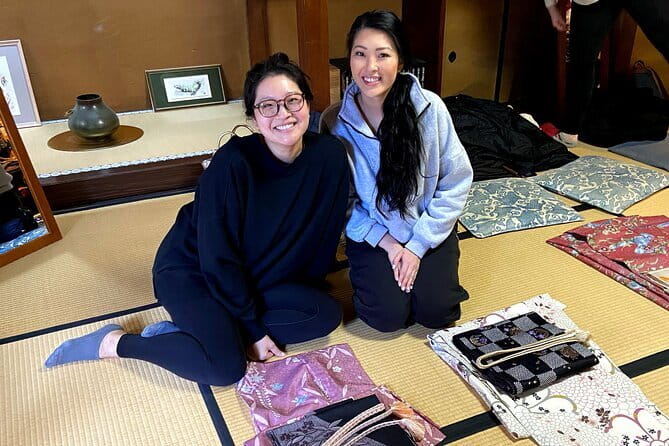
The day starts at Ume Sakura, at 38 Fujikicho in Kyoto’s Nakagyo Ward, at 10:30 a.m. If you select the kimono option, licensed professionals dress you in a traditional garment. Basic hairstyling is included, but you need to do your own makeup before arriving.
That detail matters. The dressing process takes about an hour, so this is not a quick costume change for a single photograph. The clothing is presented as high-quality kimono of the sort favored by local wearers, rather than standard tourist fare. Still, you should check the exact kimono option and price before booking, since the dressing stop is listed separately from the included admissions.
Kimono can make the rest of the day feel more special, but it also changes how you move. Walking in traditional clothing may feel less casual than wearing everyday clothes, particularly during a long day. The tour does not give specific footwear or weather advice, so ask the provider if you have concerns about comfort or seasonal conditions.
If you skip the kimono option, the tour still includes the same general sightseeing, lunch, and tea ceremony plan. If you choose it, arrive ready for the full hour and have your makeup finished beforehand.
Former Imperial grounds and Kyoto’s open spaces
After dressing, you stroll through the grounds of a former Imperial family home. The gardens are used for festivals and other activities throughout the year, with spring and autumn noted as especially attractive times to visit.
This stop gives the day some breathing room. Kyoto can feel dense and busy, but former Imperial grounds offer a broad setting where you can appreciate garden design and the scale associated with the old court. The seasonal note is useful: spring and autumn may provide the most appealing garden scenery, while other times of year will have a different look.
The provided schedule does not assign a separate time to this walk, so the exact length may depend on the day’s pace. That flexibility can be helpful in a private tour, but it also means you should not expect a fixed, museum-style visit with a detailed list of rooms and exhibits.
Thirty minutes at Old Mitsui Family Shimogamo Villa
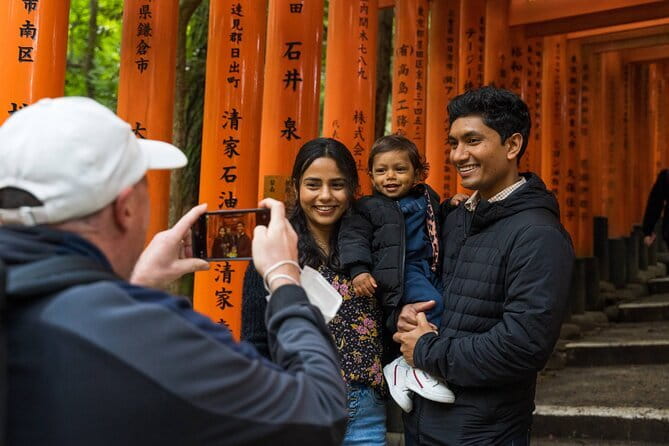
The Old Mitsui Family Shimogamo Villa is one of the clearest architectural stops on the route. This preserved Japanese villa once belonged to one of Japan’s prominent families, giving you a chance to see a more domestic side of elite life.
You have about 30 minutes here, and admission is included. That makes this a worthwhile part of the price, particularly if you enjoy traditional buildings and want more context than a shrine gate alone can provide.
Keep your expectations in line with the timing. Half an hour allows for a focused visit, but it is a short window for a villa and its grounds. Your guide can help point out what matters most, which is one reason the private format has value. You will not need to decide on your own what to notice first.
More Tea Ceremonies in Kyoto
- Kyoto: Tea Ceremony in a Traditional Tea House in Kiyomizu
★ 4.9 · 3,519 reviews - Kyoto: Tea Ceremony Ju-An at Jotokuji Temple
★ 4.9 · 3,207 reviews - Kyoto: 45-Minute Tea Ceremony Lesson Experience
★ 4.3 · 2,378 reviews - Kyoto: Table-Style Tea Ceremony at a Kyo-Machiya
★ 4.9 · 1,211 reviews
A short visit to Shimogamo Jinja
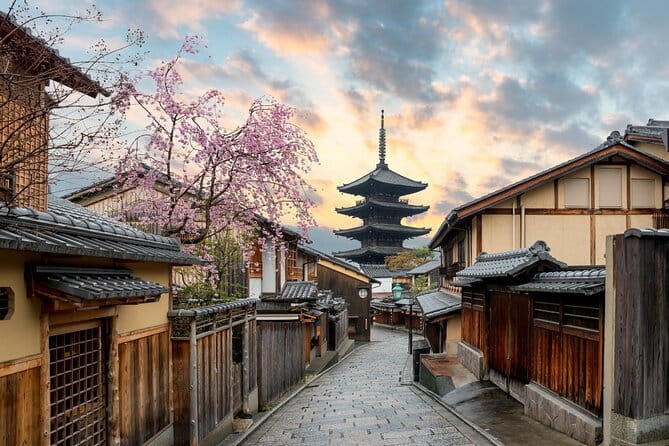
Shimogamo Jinja, also called Shimogamo Shrine, is one of Kyoto’s important shrines and has more than 1,000 years of history. Admission is free, and the visit lasts about 30 minutes.
This stop adds religious meaning to a day that might otherwise focus mostly on architecture, gardens, and food. Your guide can explain the role of the shrine and help you understand the customs you are seeing. If you have never visited a Shinto shrine, this kind of orientation is useful because the gestures and layout may not be obvious at first.
Again, the time is brief. You will see the shrine and receive an introduction, but this is not a long independent exploration. If Shimogamo Jinja is a top priority for you, note that the tour’s schedule gives it only half an hour.
Lunch in a renovated machiya
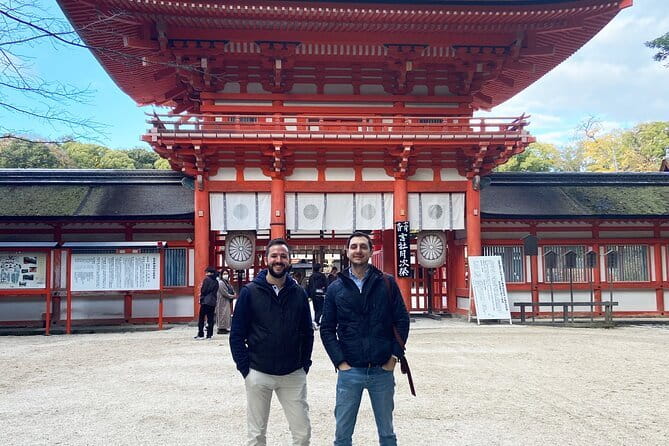
Lunch takes place at Kyoto cuisine Teramachi Yoshikura, a Japanese restaurant in a renovated machiya. A machiya is a traditional Kyoto townhouse, so the setting is part of the experience, not just a place to sit between attractions.
You will be invited to choose from meal options. That choice is helpful, especially if you have preferences about the type of Japanese food you want. Lunch itself is not included in the tour price, so budget for it in addition to the $117.06 booking cost.
Dietary restrictions must be stated in advance. The provider notes that some requests may not be possible, so do not wait until the day of the tour to explain an allergy or special diet. The available information does not specify the menu, meal price, or how many choices you will receive. Ask before booking if those details affect your decision.
The one-hour lunch stop is a good length for a proper meal and conversation. It also breaks up the walking. Since this is a private tour, lunch may be a useful time to ask your guide about Japanese dining customs or daily life in Kyoto.
Matcha and wagashi at Chisato
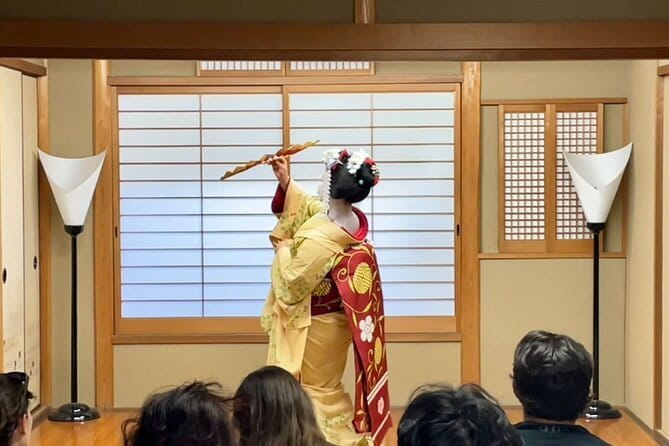
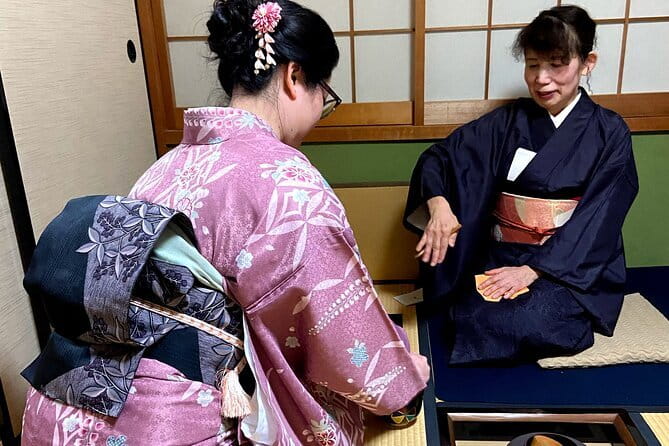
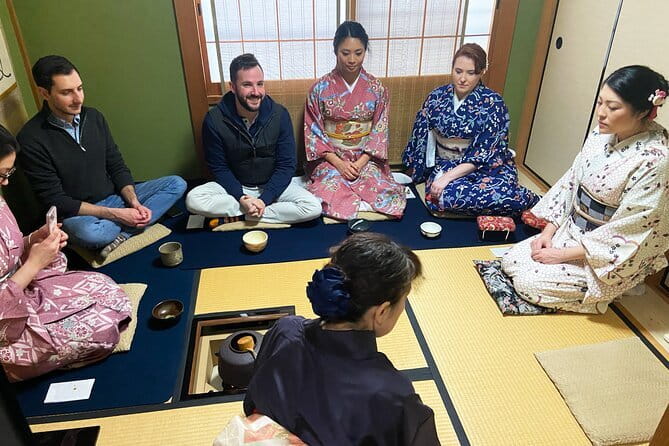
The tea ceremony at Chisato is the day’s most focused cultural activity. You watch and take part in a matcha tea ceremony in an intimate setting, with explanations from the host and guide. Wagashi, traditional Japanese sweets served with tea, are included in the experience.
This is more than simply drinking green tea. The value comes from learning why the preparation, serving, and quiet attention matter. If you are new to the ceremony, having the host explain what is happening can make the ritual easier to appreciate rather than leaving you unsure about what to do.
The tea session lasts about one hour, and admission is included. That is enough time for the activity to feel substantial without taking up the whole afternoon. It also gives you a calm ending after the walking and sightseeing.
One published experience described the day as especially successful because it combined the tea ceremony, food, sightseeing, and personal insight from an expat guide about life in Japan and Japanese culture. That is a useful clue about the tour’s strength: the value is not just in the formal activities, but in the conversation tying them together.
How the private format changes the day
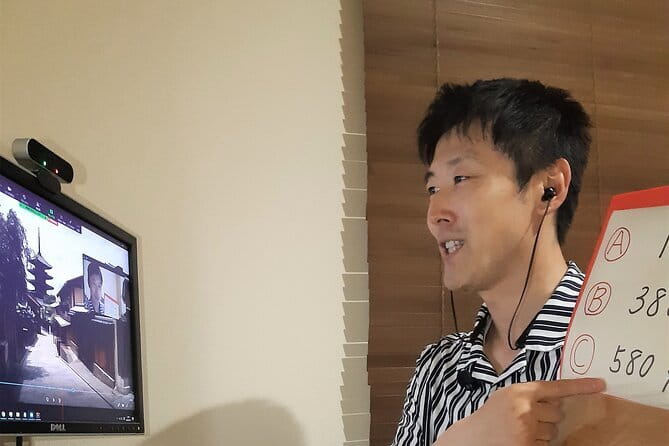
This is a private activity, so only your own group participates. That is a major advantage if you want to ask questions, take photographs at a reasonable pace, or talk openly with the guide. Families and small groups can also avoid the stop-and-start feel that often comes with a large walking tour.
The tour is near public transportation, though the supplied information does not specify which stations or routes are used. The activity begins and ends at the Ume Sakura meeting point, so you will need to make your own way there and back. The listed duration is about eight hours, beginning at 10:30 a.m.
The schedule is full but not frantic on paper. Kimono dressing takes an hour, the villa and shrine each take 30 minutes, lunch takes an hour, and the tea ceremony takes an hour. The remaining time covers walking, the former Imperial grounds, and movement between stops.
Most people can participate, according to the activity details. No special mobility information is supplied, so ask the provider directly if your group needs specific assistance.
Is $117.06 a fair price?
At $117.06 per person, the price is reasonable if you use the included elements. Admission to the Old Mitsui Family Shimogamo Villa is included, as is the tea ceremony and wagashi. You also receive a private guide for a full day of sightseeing and cultural activities.
The price is less simple once you add the extras. Lunch is separate, and kimono dressing is an option that must be selected. Since the kimono price is not specified here, check the total before paying. The same applies if your group has dietary needs and wants to confirm what lunch will cost.
Compared with a basic walking tour, this experience offers more structure and more included activity. Compared with a full kimono photo session or a dedicated food tour, it spreads its attention across several parts of Kyoto culture. I see the best value for someone who wants one balanced day rather than a highly specialized tour.
The small number of published ratings should also encourage realistic expectations. The feedback is very positive, but there is not a large body of commentary to establish how the tour performs in every season or with every type of group.
Who should book this experience?
I would recommend it to first-time Kyoto visitors who want an easy introduction to traditional customs. It suits couples, families, and small private groups who appreciate having a guide explain what they are seeing.
It is also a good match for anyone interested in photography, provided you understand that the kimono option involves an hour of professional dressing and basic hairstyling. The former Imperial grounds, villa, shrine, machiya, and tea setting give you plenty of distinct backdrops.
You may want a different tour if you prefer a slow museum visit, a long shrine exploration, or a food-focused day. The itinerary moves across several themes, so no single stop receives the depth of a specialist experience.
Book with care if you have strict dietary requirements. State them ahead of time and confirm that they can be met. Also check the kimono supplement, meal cost, and any details about clothing comfort before you commit.
Practical booking advice
The experience is usually booked about 64 days ahead, so reserve early if you need a particular date. Confirmation is provided when you book, and the ticket is mobile.
You can cancel for a full refund up to 24 hours before the local start time. Changes or cancellations inside that 24-hour window are not accepted for a refund. That policy gives you some flexibility, but Kyoto weather and personal plans should still be considered before booking the kimono option.
The tour ends back at the starting point. Since the activity lasts about eight hours and begins at 10:30 a.m., plan for most of the day to be committed to this experience.
Should you book it?
Book this Kyoto walking tour if you want a private, full-day introduction to traditional dress, gardens, architecture, shrine customs, Japanese food, and matcha. Its best feature is the mix, especially the personal cultural conversation that can connect each stop.
Skip it if you want a slow, specialist visit or if the extra cost of lunch and kimono rental makes the advertised price misleading for your budget. For most first-time visitors who want a well-rounded day and are happy to keep moving, it offers a thoughtful way to meet Kyoto on several levels.
FAQ
Where does the Kyoto walking tour start?
It starts at Ume Sakura, 38 Fujikicho, Nakagyo Ward, Kyoto, 604-0992, Japan.
What time does the tour begin?
The start time is 10:30 a.m.
How long does the experience last?
The tour lasts approximately eight hours.
Does the tour end at the starting point?
Yes. The activity ends back at the meeting point.
Is kimono rental included in the price?
Kimono dressing is an available option that must be selected when booking. The supplied information does not state its separate price, so confirm the total before booking.
Is lunch included?
No. Lunch at Kyoto cuisine Teramachi Yoshikura is not included in the tour price.
What is included in the tour?
The tea ceremony and admission to the Old Mitsui Family Shimogamo Villa are included.
Can dietary restrictions be accommodated?
Dietary restrictions must be stated in advance. Some requests may not be possible, so confirm with the provider before booking.
Can I cancel for a full refund?
Yes. You can cancel at least 24 hours before the local start time for a full refund. Cancellations or changes made less than 24 hours before the start are not accepted for a refund.
More Walking Tours in Kyoto
- Kyoto Tea Ceremony & Kiyomizu-dera Temple Walking Tour
★ 5.0 · 115 reviews - The Way of Tea: Kyoto Crafts, Hidden Temples & Wabi-Sabi Walk
★ 5.0 · 41 reviews - Matcha Grinding Experience and Walking Tour in Uji Kyoto
★ 5.0 · 26 reviews - Kyoto Gion Tea ceremony & Wabi-sabi Walking Tour
★ 4.5 · 7 reviews
More Lunch Experiences in Kyoto
- Kyoto: A Walking Tour of Four Spring Waters, Tofu Lunch & Matcha
★ 4.5 · 2 reviews - Active Volcano, Rice Field, Hot Spring, Fruit market, Tea Plantation with Lunch
★ 5.0 · 513 reviews - Bandung: White Crater Hotspring Tea Plans And Lunch Included
★ 4.9 · 419 reviews - São Miguel: Furnas Volcano & Tea Plantation Tour with Lunch
★ 4.9 · 375 reviews
Fresh tea listings around Kyoto
- Traditional Tea Ceremony in Kyoto★ 4.5 · 3 reviews
- Kyoto: Authentic Tea Ceremony in a Small Group★ 5.0 · 7 reviews
- Uji Walking Tour – Byodo-in temple and Tea Ceremony from Kyoto★ 3.5 · 3 reviews
- Tea Ceremony Experience in Traditional Kyoto Townhouse★ 5.0 · 19 reviews
- Tea Ceremony in 150 Years Old Townhouse with Tables and Chairs★ 5.0 · 22 reviews
- Tea ceremony at Kyoto’s Zen Temple Teahouse★ 5.0 · 2 reviews
- Silent Beauty of Kyoto Zen Walk and Tea Experience★ 5.0 · 2 reviews
- Sencha-do the Japanese Tea Ceremony Workshop in Kyoto★ 5.0 · 21 reviews
Kimono & Tea Ceremony, compared.
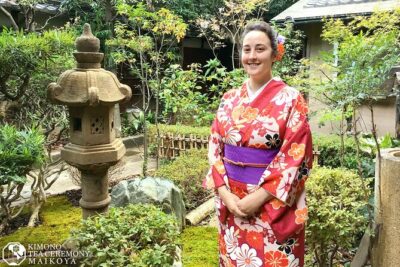
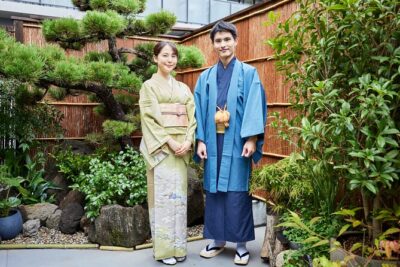
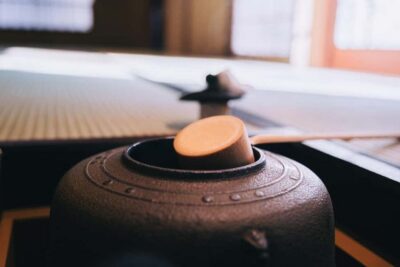
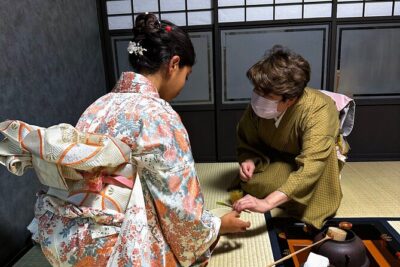
KYOTO Tea Ceremony with kimono near by Imamiya Jinjya Shrine
Read our review →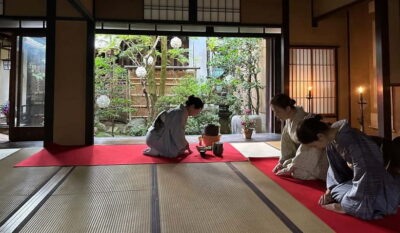
Kyoto: Kimono and Tea Ceremony Experience at Cultural Asset
Read our review →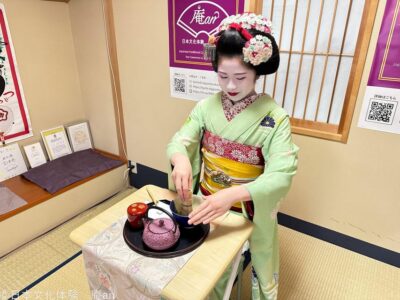
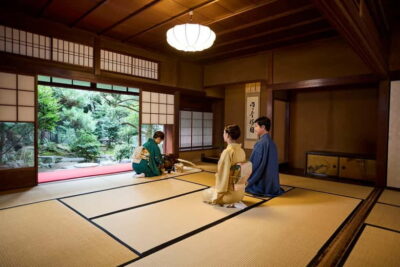
Kyoto: Kimono Tea Ceremony with Matcha and Sweet
Read our review →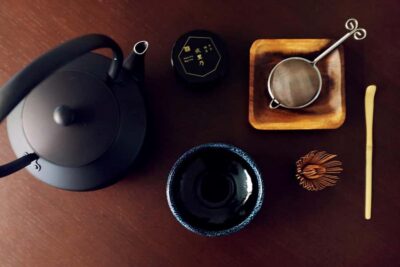
Browse the lists this tour appears in