
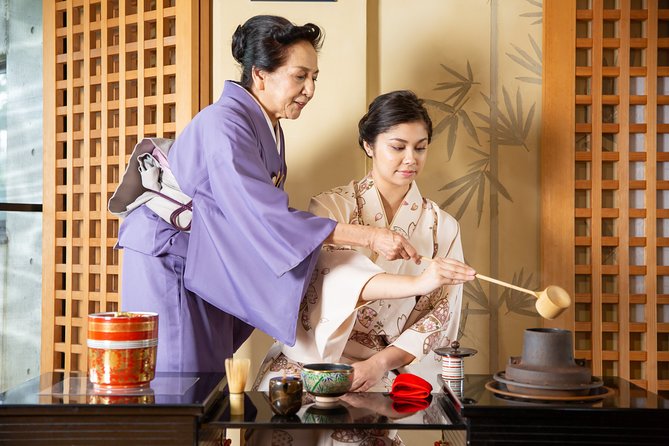
Review · KIMONO & TEA CEREMONY
Tea Ceremony experience with simple kimono in Okinawa
The most memorable part of this Okinawa experience comes before the tea is even poured. You put on a simple kimono, pass through the small entrance of a traditional tea room, and learn why that humble doorway matters. The ceremony then shifts to a Ryu-Rei-style table, where you can sit in a chair rather than kneel on the floor.
I like the careful introduction to the tea tools and the chance to make your own matcha, not just watch a tea master do it. I also like the local touch: Okinawan sweets appear alongside Japanese sweets, giving the ceremony a clear sense of place. The main consideration is that this is a quiet, manners-focused cultural lesson, not a fast photo stop, and the experience requires at least two people.
Key points
- Enter through a traditional tea-room doorway: Learn the meaning and manners behind the small entrance before the ceremony begins.
- Wear a simple kimono: The rental is included, along with time for photos before you change back.
- Sit at a Ryu-Rei-style table: Chairs make the ceremony more comfortable for visitors who do not sit easily on the floor.
- Taste Okinawan and Japanese sweets: The sweets come before the bitter matcha, balancing the flavors in the traditional order.
- Prepare your own green tea: Learn how to handle the tools, clean them with a silk cloth, and whisk your own matcha.
- Keep the group small: A maximum of six participants allows close instruction in English or Japanese.
Why this tea ceremony feels different in Okinawa
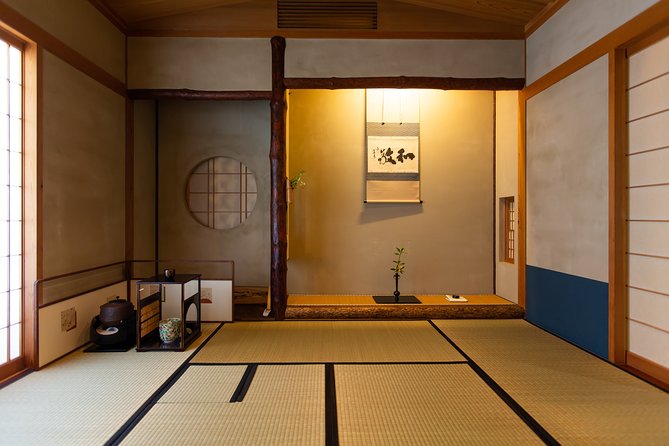
Most visitors come to Okinawa for beaches, island scenery, and the culture of the Ryukyu Kingdom. This experience gives you a quieter look at Japanese tea culture in a setting described as unusual for Okinawa: a traditional tea room made for the ceremony itself.
That setting matters. Tea ceremony is not simply a way to prepare a drink. The entrance, the hanging scroll, the flowers, the placement of the utensils, and the way you greet the room all carry meaning. You are taught to slow down and notice these details before you ever touch the tea bowl.
The session is led in English and Japanese. An interpreter helps explain the steps when needed, and the instruction is designed for beginners. You do not need prior knowledge of tea ceremony, Japanese etiquette, or matcha preparation.
The group limit is six people. That is a useful size for this kind of activity because the instructor can watch how you hold the tools and correct small mistakes without making the session feel like a lecture. The minimum booking is two people, so this is better suited to couples, friends, and families traveling together than to someone hoping to join alone.
More Tea Ceremonies in Japan:
- Kyoto: Tea Ceremony in a Traditional Tea House in Kiyomizu
★ 4.9 · 3,519 reviews - Kyoto: Tea Ceremony Ju-An at Jotokuji Temple
★ 4.9 · 3,207 reviews - Kyoto: 45-Minute Tea Ceremony Lesson Experience
★ 4.3 · 2,378 reviews
Changing into a simple kimono
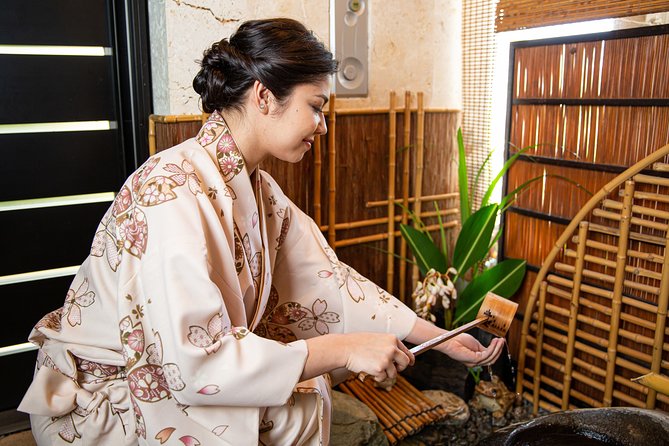
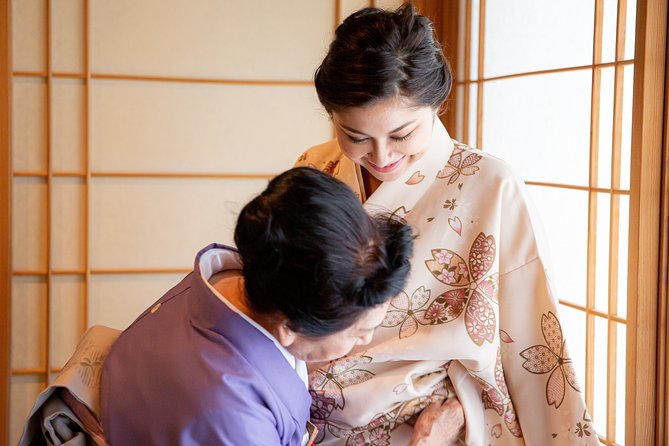
The experience begins with a change into a simple kimono. The kimono rental is included in the $83 price, so you do not pay extra for the outfit or the tea equipment.
The word simple is important. This is a cultural experience with traditional clothing, not a full formal dressing appointment or a long photo session. You will wear the kimono while learning the ceremony and will have a chance to take photos near a gold folding screen before changing back.
I like this approach because it gives you the atmosphere of the ceremony without turning the entire visit into a costume rental. The clothing helps you pay attention to posture and movement, while the short format keeps the focus on tea culture.
You should allow a little patience during the changing process. The advertised duration is 90 minutes, and the step-by-step program describes about 75 minutes of activity, followed by changing clothes. The exact pace may depend on the group, the interpreter, and how many questions you ask.
The small doorway and first tea-room lesson
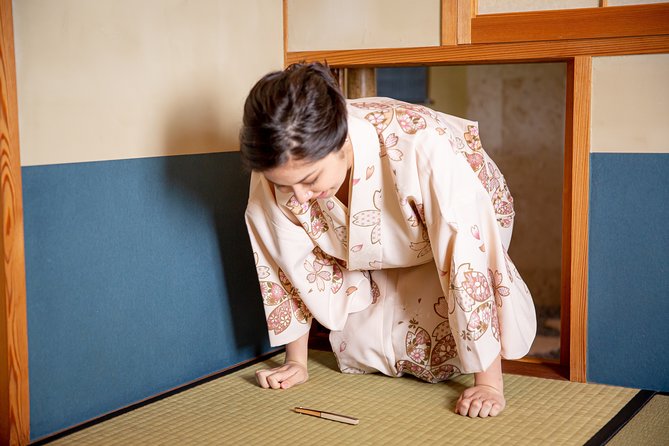
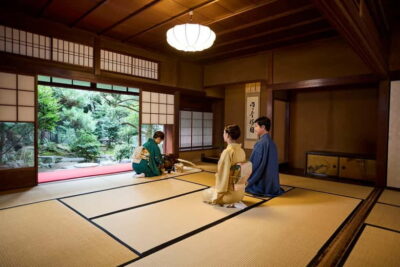
Once dressed, you cleanse your hands and prepare to enter the tea room. You are shown how to pass through the small entrance, an action that helps set the tone for the ceremony.
The doorway is not just a quirky feature for photos. Its low, narrow design asks everyone to enter with care and humility. In a traditional tea setting, the room is meant to leave ordinary status and outside distractions behind. Even in a short class, this simple action makes the experience feel more thoughtful than a standard demonstration.
Inside, the instructor introduces the tea utensils. You learn to appreciate the hanging scroll, flowers, and arrangement of the room before moving on. These details can be easy to miss if you rush in, take a picture, and wait for the tea to appear. Here, they form part of the lesson.
The atmosphere is relaxed, with plenty of smiles and clear explanations. That balance is useful for first-time visitors. Tea ceremony has precise rules, but the session is not presented as a test. You are encouraged to watch, ask questions, and repeat the steps under the host’s guidance.
Sitting comfortably at the Ryu-Rei table
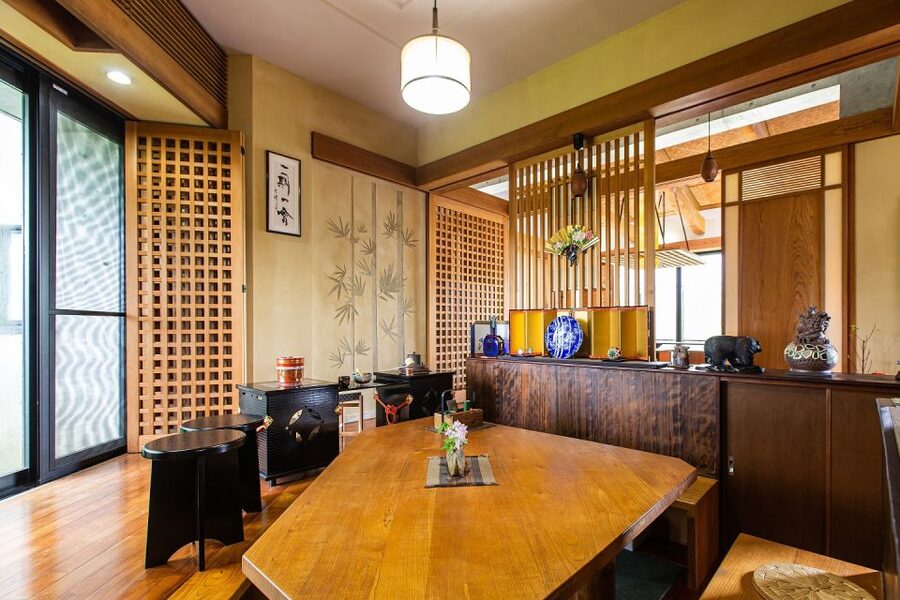
After the opening lesson, you move to a separate room with a Ryu-Rei-style tea table. This setup uses tables and chairs rather than requiring you to sit on the floor.
That is one of the best practical features of the experience. Traditional tea ceremony is often associated with kneeling or sitting in a formal position. Some people find that uncomfortable, especially during a 90-minute cultural activity. The chair-based arrangement lets you focus on the tools, sweets, and tea instead of worrying about your legs.
The change in room also gives the session a natural rhythm. You first learn how to enter and observe the traditional tea room. Then you move to a more comfortable area to taste sweets and practice making tea.
The experience is not suitable for wheelchair users, so the physical layout should be checked carefully before booking. Children under three are not permitted. No other age restriction is provided, but the quiet, careful pace will suit older children and adults who can follow instructions.
More Kimono and Tea Ceremonies in Japan:
- Kimono Tea Ceremony at Kyoto Maikoya, NISHIKI
★ 5.0 · 911 reviews - Kimono Tea Ceremony at Tokyo, Asakusa Maikoya
★ 5.0 · 638 reviews - Kyoto: Kimono Tea Ceremony at Orizuruya Gion
★ 4.9 · 618 reviews - KYOTO Tea Ceremony with kimono near by Imamiya Jinjya Shrine
★ 5.0 · 343 reviews
Okinawan sweets before the bitter matcha
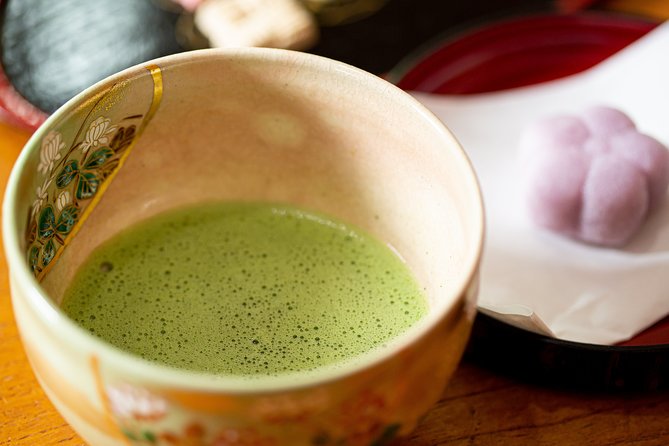
Before making tea, you taste Okinawan and Japanese sweets. This follows the logic of the ceremony: sweetness prepares your mouth for the strong, bitter flavor of matcha.
The Okinawan sweets are a welcome local touch. They keep the activity from feeling like a generic tea class that could happen anywhere in Japan. You get a small taste of regional food culture alongside the broader Japanese tradition.
Do not expect a large meal. The sweets are part of the ceremony and flavor lesson, not lunch. If you are hungry, eat beforehand. The price includes the sweets and matcha, but the information provided does not promise a substantial serving or additional food.
I like the way this part makes the tea easier to understand. Matcha can surprise first-time drinkers because it is earthy and bitter. Having a sweet first gives the drink a clearer contrast and helps you appreciate why the order matters.
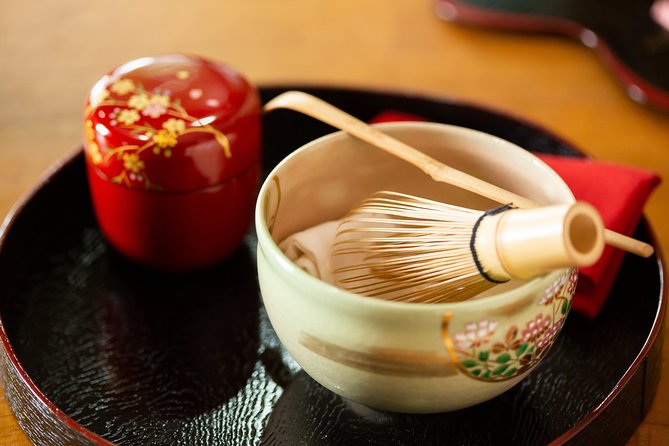
Learning the tools before making matcha
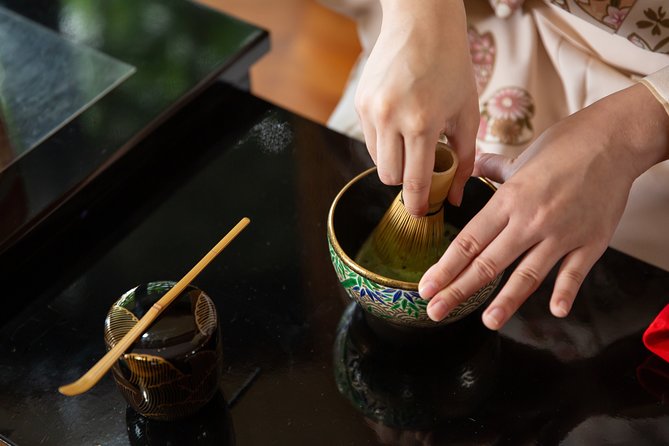
The most hands-on section comes next. You learn how to handle the silk cloth and cleanse the tea utensils. Then you add matcha powder and hot water to the tea bowl and prepare your own green tea.
This is where the activity earns its place on an Okinawa itinerary. You are not simply watching a tea master perform a polished routine. You are learning the motions yourself, with the host keeping an eye on your technique.
The tools may look simple, but the ceremony gives each one a purpose. The cloth is handled in a particular way. The bowl must be treated with care. The utensils are cleaned as part of the process, not because they are dirty, but as a formal act of preparation and respect.
You will probably notice that making matcha takes more attention than stirring a cup of ordinary green tea. The instructor explains the handling of each tool, then lets you prepare your own bowl. The English support is especially useful here, since small movements and order of operations matter.
The finished tea may not look as smooth as the tea made by a trained tea master. That is part of the point. The value comes from understanding the process and tasting something you prepared yourself.
What the English instruction is like
The class is offered in English and Japanese. The English support is helped by an interpreter, so you should expect explanations of the ceremony and assistance during the practical steps.
This is important because the etiquette can be exact. Instructions about entering the room, handling the silk cloth, cleaning the utensils, and preparing matcha are easier to follow when someone can explain not only what to do, but also why.
The teaching style is professional but relaxed. You will be guided closely, and the session is suitable for people who have never attended a tea ceremony. The small group limit also helps. With no more than six participants, you should have a reasonable chance to see the demonstration and receive help when it is your turn.
The experience may feel less private if all six places are filled. Still, six people is a modest group for a hands-on activity, and the shared setting can make the ceremony less intimidating for beginners.
Photos, the gold folding screen, and the final change
After you drink your self-made matcha, you have time for photographs in front of a gold folding screen. This gives you a clear souvenir of the kimono portion of the visit without making photography the main event.
The photo opportunity is included, as is the use of the tea tools. An origami crane souvenir is also provided. These details add value to the experience because you leave with both a picture and a small handmade reminder.
You then change out of the kimono. Since the full booking window is 90 minutes, the clothing change and photos are part of the overall timing. The listed ceremony steps describe 75 minutes, so you should not expect a long free period after the tea lesson.
The gold screen is a traditional-looking backdrop, but remember that the strongest part of the experience is the ceremony itself. If your main goal is a large number of posed photographs, a dedicated kimono photo session may be a better match. If you want photographs tied to a cultural lesson, this format works well.
Is $83 a fair price?
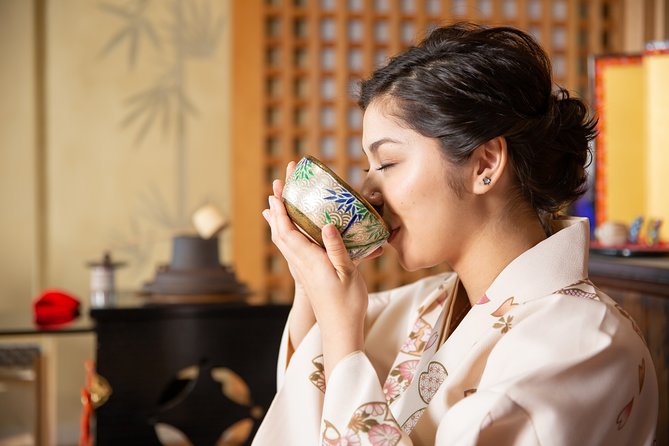
At $83 per person, this is not the cheapest way to spend 90 minutes in Okinawa. The price makes more sense when you count what is included: simple kimono rental, tea utensils, instruction, Okinawan and Japanese sweets, matcha, photography, and an origami crane souvenir.
You are also paying for a small class rather than a crowded demonstration. The interpreter and tea instructor are part of the value, especially if you want to understand the etiquette instead of simply copying a few movements.
I would call the price fair for visitors who care about cultural context and personal instruction. It is less compelling if you only want to taste matcha or put on a kimono for a quick picture. You can find cheaper food and photo activities, but they would not include the traditional entrance, tea-room appreciation, utensil lesson, and preparation of your own tea.
The free-cancellation policy allows cancellation up to 24 hours before the experience for a full refund. You can also reserve and pay later, which helps if your Okinawa schedule is still shifting. A reservation is required at least three days before the chosen date, so this is not a last-minute activity.
Who should book this experience?
I would recommend it to first-time visitors who want a calm cultural activity between sightseeing days. It suits couples, friends, and small family groups who enjoy learning by doing.
It is also a good choice if you have been to Japan before and want a more focused experience than a general cultural show. The Okinawan sweets and Okinawa setting give the ceremony a regional connection, even though tea ceremony itself is a wider Japanese tradition.
You may want to skip it if you dislike structured activities, quiet rooms, or careful instruction. The ceremony has manners to learn, and the experience works best when you are willing to slow down.
I would also think twice if you need wheelchair access. The activity is specifically listed as unsuitable for wheelchair users. Children under three cannot join, and the group must contain at least two people.
My verdict on this Okinawa tea ceremony
Book this if you want more than a photo in traditional clothing. The strongest parts are the small tea-room entrance, the close teaching, the chair-based Ryu-Rei format, and the chance to prepare your own matcha.
At $83, it is a considered purchase, but the inclusions are solid. You receive clothing, food, instruction, tea, photos, and a souvenir in a small group. For a first encounter with Japanese tea ceremony, that is a useful package.
I would choose it for a quiet morning or afternoon when you want to understand a piece of Japanese culture rather than rush between attractions. Just reserve at least three days ahead, bring at least one other person, and make sure the traditional tea-room setting suits your mobility needs.
FAQ
How long does the tea ceremony experience last?
The advertised duration is 90 minutes. The listed activity steps describe 75 minutes, including the ceremony, sweets, tea preparation, photographs, and changing clothes.
Where does the experience take place?
It takes place in Okinawa, Japan, in a traditional tea room and a separate room with a Ryu-Rei-style table and chairs.
What does the $83 price include?
The price includes simple kimono rental, use of the tea tools, instruction, Okinawan and Japanese sweets, matcha green tea, photography, and an origami crane souvenir.
Is the kimono rental included?
Yes. A simple kimono rental is included in the price, and you change into it at the beginning of the experience.
Can I make my own matcha?
Yes. You learn how to handle the tea tools, clean them with a silk cloth, add matcha and hot water to the tea bowl, and taste the tea you prepare.
Is the experience offered in English?
Yes. The experience is available in English and Japanese, with an interpreter helping explain the ceremony when needed.
How many people can join?
The minimum is two people and the maximum is six participants.
Can I book for one person?
No. At least two people are required for a reservation.
Can wheelchair users join?
No. The activity is listed as unsuitable for wheelchair users.
What is the cancellation policy?
You can cancel up to 24 hours in advance for a full refund. You can also reserve now and pay later.
Fresh tea listings around Japan
- Yokohama : Tea Ceremony with Sweets and Souvenir★ 5.0 · 5 reviews
- Walking Tour: Yanaka,Nezu& Sendagi: Tea Ceremony & Old Tokyo★ 5.0 · 3 reviews
- Visit local home for music and tea ceremony near Disney★ 4.9 · 13 reviews
- Yokohama: Sushi & Gyoza Cooking with Matcha & GreenTea Experience★ 5.0 · 3 reviews
- Trip to Kamakura & Enoshima: Shrines, Seaside, Temples &Tea★ 5.0 · 11 reviews
- Uji: Private immersion into Kyoto’s tea and reglious culture★ 5.0 · 17 reviews
- Uji Tea Ceremony and UNESCO Heritage Walking Tour★ 5.0 · 20 reviews
- Kyoto tea town for matcha lovers★ 5.0 · 16 reviews
Kimono & Tea Ceremony, compared.
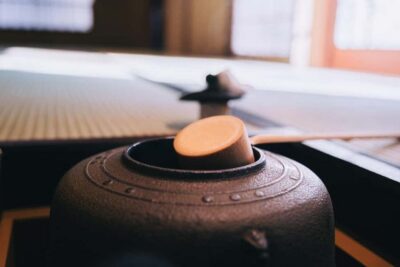
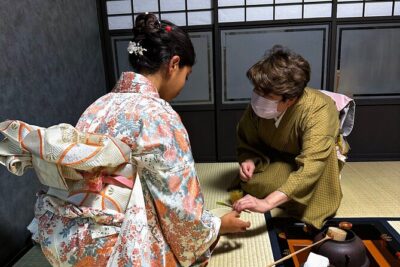
KYOTO Tea Ceremony with kimono near by Imamiya Jinjya Shrine
Read our review →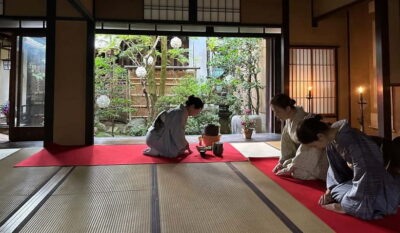
Kyoto: Kimono and Tea Ceremony Experience at Cultural Asset
Read our review →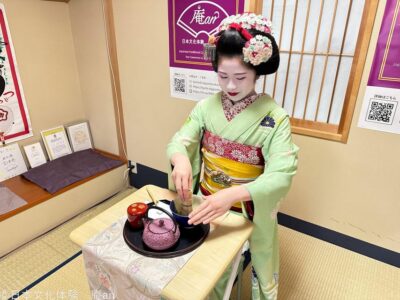
Kyoto: Kimono Tea Ceremony with Matcha and Sweet
Read our review →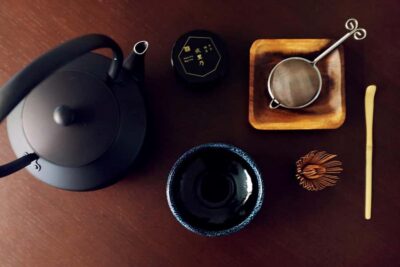
Browse the lists this tour appears in