
Review · MATCHA EXPERIENCES
Japanese Traditional Sweets making with Tatedashi Matcha
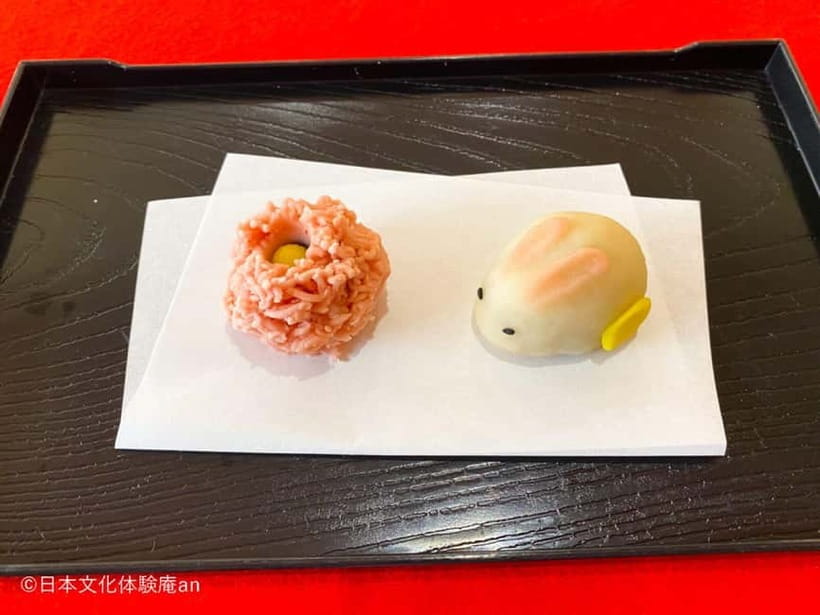
Japanese wagashi can look more like tiny flowers than food, and this short class lets you make two of them yourself. You shape seasonal nerikiri from white and red bean paste supplied by long-established Kyoto shops, then eat your work with Tatedashi Matcha.
I like the low $14 price and the easy location, just one minute from Gojo Station. I also like that the class gives you a real taste of Japanese confectionery rather than only a demonstration. The main drawback is that the group may feel crowded, and the activity can seem a little like working with play dough if you want a detailed lesson about ingredients or technique.
Key points before you book
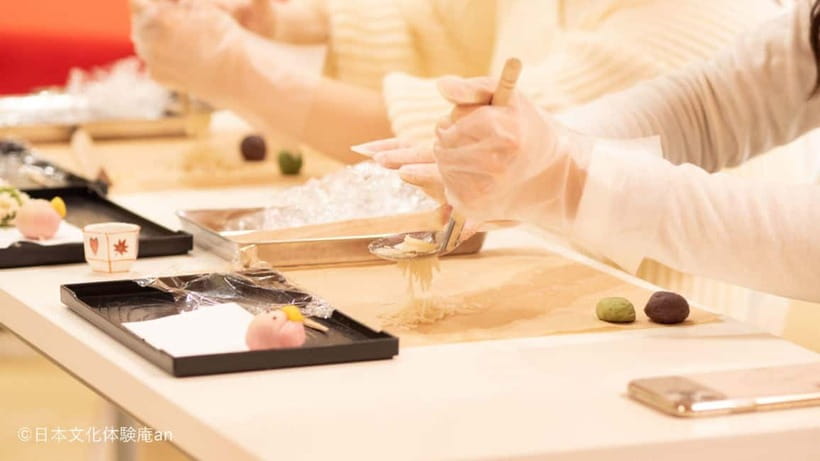
- Two seasonal nerikiri sweets: You make one flower-shaped sweet and one kinton-style sweet.
- Kyoto bean paste: The class uses white and red bean paste made by long-established Kyoto shops.
- Matcha included: Tatedashi Matcha is served after the sweets are finished.
- 65-minute schedule: About 55 minutes goes to making and photos, followed by 10 minutes for eating and drinking.
- Gojo Station location: The venue is one minute from Exit 1 of the Subway Karasuma Line.
- English support by request: The instructor teaches in Japanese, with English translation provided as much as possible.
A Kyoto sweets class with a small price tag
At $14 per person, this is one of the easier Kyoto activities to fit into a busy day. You are not paying for a long tour or a full meal. You are paying for a short, hands-on craft session, two sweets, and matcha in a central location.
That makes the value strongest for you if you want a cultural activity between sightseeing stops. The class takes only 65 minutes, so it does not consume half a day. It also gives you something to do with your hands, which can be a welcome change after walking through temples, shops, and train stations.
The price is less compelling if you expect a formal pastry lesson. You will shape prepared bean paste rather than cook it from raw ingredients. The class focuses on forming and decorating nerikiri, not on the full production process.
That distinction matters. Nerikiri requires skill, but this experience presents it in an approachable way. You can create something attractive without needing previous cooking experience. At the same time, you should not arrive expecting a long lecture on wagashi history or professional confectionery methods.
More Matcha Experiences in Kyoto
- Kyoto: Tea Ceremony Meditation – Make Matcha with Tea Master
★ 4.8 · 406 reviews - Kyoto: Kimono Tea Ceremony with Matcha and Sweet
★ 4.9 · 249 reviews - Kyoto: Arashiyama Bamboo, Temple, Matcha, Monkeys & secret spots
★ 5.0 · 219 reviews
Why nerikiri is more than a sweet snack
Nerikiri is a traditional Japanese confection made with a smooth outer layer, usually based on white bean paste, and a filling that may include red bean paste. Its appearance often changes with the season. Flowers, leaves, autumn colors, and other natural forms are common subjects.
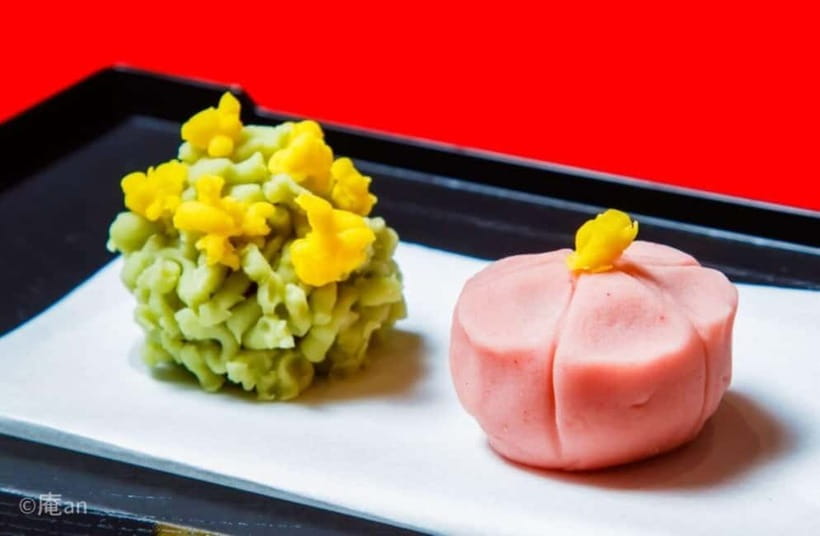
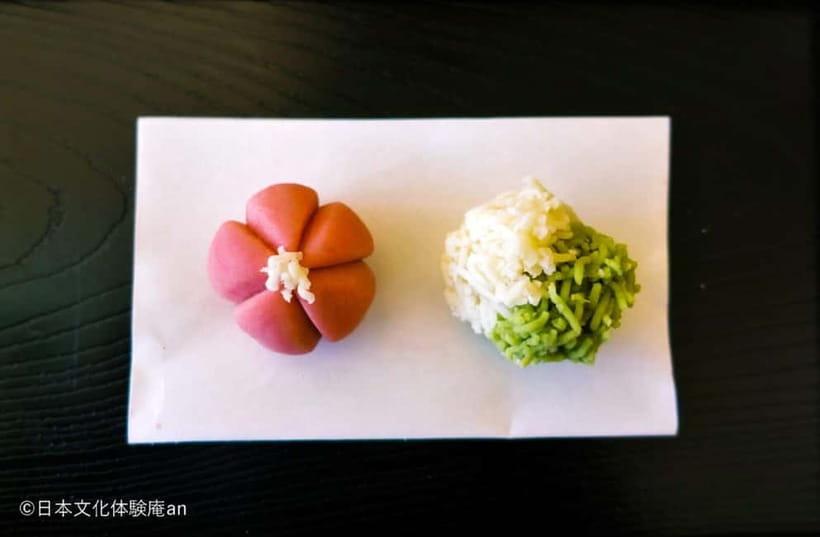
Here, you make two seasonal designs. One is a flower-shaped nerikiri. The other is a kinton nerikiri, a style made to look more textured and delicate. The exact seasonal appearance can change, which is part of the appeal. Your sweets are tied to the time of year rather than being fixed souvenirs available all year.
The use of Kyoto-made bean paste is an important detail. You are not simply pressing colored dough into a mold. The paste comes from long-established Kyoto shops, so the class connects a simple craft activity with the city’s confectionery tradition.
Still, the lesson may feel tactile before it feels educational. One person described the activity as similar to a play dough class and felt that the ingredients were not explained enough. If you want to understand the food as well as shape it, ask questions during the instruction and request English help before the class begins.
What happens during the 65-minute class
The schedule is clear and compact. You begin with an explanation of Japanese traditional sweets, followed by the two making sessions, a photo period, matcha, and time to eat.
The opening explanation
The first part introduces Japanese traditional sweets and sets up the work ahead. The instructor teaches in Japanese, and English translation is provided as much as possible if you request it.
Because the available language is limited, I would keep your expectations practical. This is not advertised as a fully English-led class. If you need detailed explanations, contact the provider in advance and ask for English support to be added.
The opening is also your chance to watch the instructor’s hand movements. For a craft like nerikiri, seeing how the paste is handled may tell you more than a long verbal explanation. Pay attention to how the shape is formed and how the surface is given its final pattern.
More Tea and Sweets Making in Kyoto
- Kyoto: Japanese Traditional Sweets Making and Tea Ceremony
★ 4.4 · 314 reviews - Kyoto: Traditional Tea Ceremony with Matcha & Sweets in Gion
★ 4.9 · 27 reviews - 2 Types of Japanese Sweets making and Tea Ceremony
★ 4.6 · 17 reviews - Kyoto near Fushimiinari Wagashi making&Small Group Tea Ceremony
★ 5.0 · 14 reviews
Making the flower-shaped nerikiri
Your first project is a flower-shaped nerikiri. This gives you a clear starting point because the design has a recognizable form, yet it still leaves room for small differences in how you shape it.
The appeal is immediate: a plain portion of bean paste becomes a decorative sweet through simple handwork. Do not worry about producing a perfect professional result. The finished item is meant to be eaten, and the activity is designed so beginners can take part.
The first sweet also helps you understand the texture. It is soft enough to shape, but you still need to handle it carefully. If you press too hard, the design may lose its clean lines. If you work too slowly, the surface may become harder to manage.
Making the kinton nerikiri
The second project is a kinton nerikiri. Its texture and appearance differ from the flower design, so you are not simply repeating the same task twice.
This is where the seasonal idea becomes especially useful. The kinton form can suggest a natural scene or seasonal color, turning the sweet into a small edible artwork. The experience description makes clear that the possible designs are open-ended, although the instructor will guide you through the planned seasonal version.
The class is not about speed. You have enough time to make both sweets, but the schedule is still structured. If you spend too long on the first piece, you may feel rushed during the second. Listen to the instructor’s timing and keep moving.
Photographing your finished sweets
After both sweets are complete, you have picture time. This is a smart part of the schedule because nerikiri is at its best before it is eaten, when the shape and color are fresh.
Take your photos before touching the matcha. You can arrange the sweets on a plate and record the finished result as a small piece of Kyoto craft. The class describes the completed plate as artwork, and that is a fair way to think about it. The value is not only in the taste. It is also in seeing a traditional form created by your own hands.
If you want to take the sweets away, a box costs 100 JPY. Otherwise, you eat them at the venue.
Matcha and the tasting period
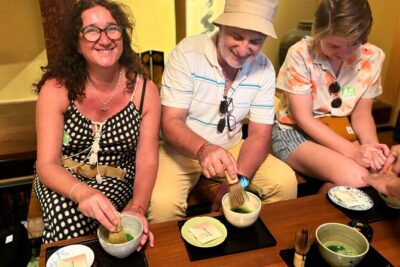
At about the 55-minute mark, the making portion ends. Tatedashi Matcha is then provided, and you have time to eat the sweets and drink the tea before leaving at about 65 minutes.
This final section gives the class a natural finish. The sweets are not just craft objects. You get to taste them while the experience is still fresh. One of the strongest points in the feedback was that the sweets were tasty, and another person found the activity simple but exciting as a break from a busy sightseeing day.
The tasting period is brief, so think of it as a small tea break rather than a full tea ceremony. The information does not promise a formal ceremony or an extended lesson in tea preparation. What you get is a chance to pair your handmade nerikiri with matcha and enjoy the result on the spot.
The best part is the balance of craft and food
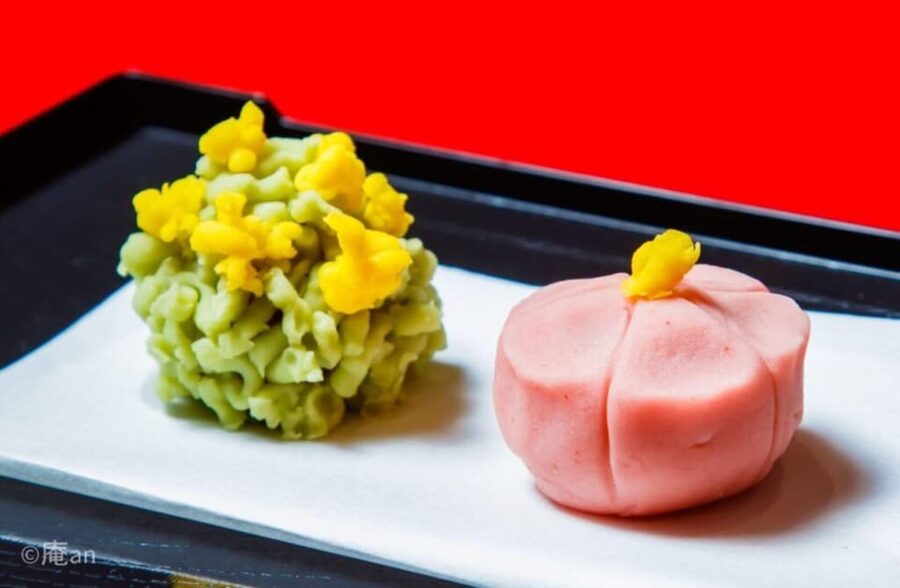
I like activities that let you make something and then use or eat it. This class gets that balance right. You do not leave with only a photograph, and you do not merely watch an expert prepare sweets. You take part in the shaping, then taste the finished work.
That format also works well for families and small groups. Children under two who sit on a parent’s lap are free, although everyone else who participates needs a reservation. People joining the group without taking part are not allowed to enter, so plan accordingly.
The activity can also suit solo participants. You do not need to bring a partner to make the experience worthwhile. The short format gives you a focused task, and the photo period means you can document the result without needing to rely on someone else.
Still, the class may feel less satisfying for adults who want a serious culinary lesson. The low price and short duration explain why. You are learning by doing, but not receiving a full technical study of Japanese confectionery.
Group size and the risk of a crowded room
One clear concern is the number of people in a class. A participant found the session fun but felt there were too many people. The experience details do not give a maximum group size, so you cannot use the booking information to predict how much personal attention you will receive.
That matters in a hands-on class. If the room is crowded, it may be harder to see the instructor’s demonstration or get help at the exact moment your paste starts to lose its shape. It may also make picture time feel less relaxed.
You can reduce the risk by choosing a less busy start time if availability allows, but the provider does not promise a private or small-group class. If close instruction is your top priority, contact AN KYOTO before booking and ask about the expected group size for your date.
The crowding concern should not erase the positives. The instructor received strong praise for being good at the job, and the class remains simple enough for most people to follow. Just view it as a shared workshop rather than a private lesson.
Location near Gojo Station
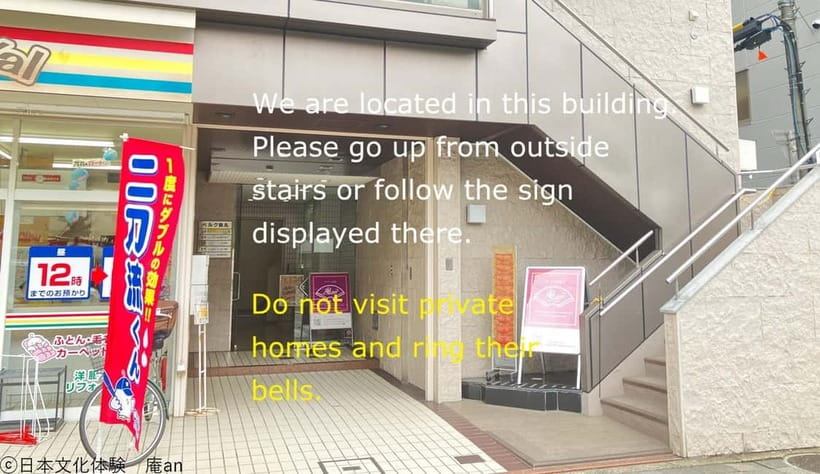
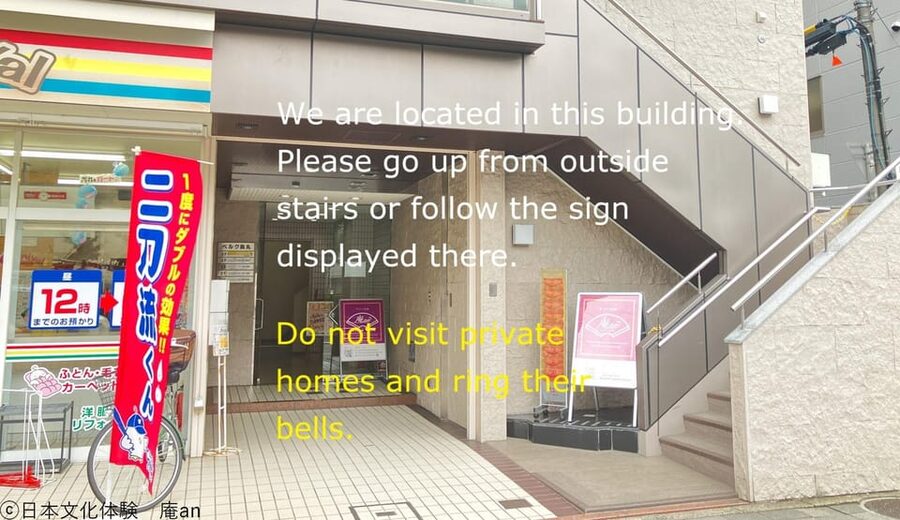
The meeting point is one minute from Exit 1 of Gojo Station on the Subway Karasuma Line. The entrance faces Gojo-dori, the main street, which should make the final approach easier than an address hidden down a small lane.
For Kyoto sightseeing, that location is useful. You can place the class between other plans without adding a long transfer. The activity lasts 65 minutes, and the station is close, so it works well as a morning stop, an afternoon pause, or a short indoor plan when you need a break.
Arrive on time. The class will not be held for delayed participants, no matter the reason. That means you should allow time to find Exit 1, identify the entrance facing Gojo-dori, and reach the correct room before the scheduled start.
There is no elevator in the building, and you need to use stairs to reach the venue. The activity is marked wheelchair accessible, but that stair information creates an important practical question. If you use a wheelchair or have difficulty with stairs, contact the provider before booking and confirm how access will work for your specific session.
Language, timing, and small extra costs
The instructor’s language is Japanese. English translation is available as much as possible if you request it, but it is not presented as a guaranteed full English class.
You should contact the provider ahead of time if language support is important to you. This is especially useful if you want to ask about the bean paste, the seasonal designs, or the cultural meaning of the sweets. Without that preparation, you may understand the hand movements more easily than the explanations.
The activity operates from 10:00 to 17:00. Reservations received after 17:00 are processed the next day, so do not expect an immediate response to a late-evening request.
The listed price includes the sweets-making session and Tatedashi Matcha. A takeout box costs 100 JPY, and a completion certificate costs 300 JPY. Neither is necessary, but the box is a sensible small extra if you want to keep your sweets for later.
Free cancellation is available up to 24 hours in advance. After that point, cancellation charges apply, and changing the date or time after a fee has begun can bring another specified charge. The provider does not compensate you for transportation costs if you cancel, so keep your booking and transport plans realistic.
Who will enjoy this activity most
I would recommend this class to you if you want a short cultural activity with a clear result. It suits first-time visitors who want to try wagashi without committing to a long workshop, and it works well for couples, families, and solo participants.
It is also a good choice if you value location and price. At $14, the class is inexpensive enough to add to a Kyoto day without making it the main event. The two sweets and matcha give you a defined experience rather than a vague drop-in craft session.
You may want to choose something else if you need guaranteed English instruction, a quiet private setting, or a detailed account of the ingredients. The activity is practical and hands-on, not a full course in Japanese confectionery.
The feedback reflects that range. The instructor and taste earned high marks, while the main concerns were crowding and the simple, childlike feel of shaping the paste. I would treat those comments as useful expectations rather than warning signs. This is a light cultural break, not an advanced cooking class.
Should you book Japanese Traditional Sweets Making with Tatedashi Matcha?
Book it if you want to make two seasonal Kyoto sweets, eat them fresh, and spend only 65 minutes and $14. The nearby Gojo Station location makes it easy to fit into a sightseeing day, and the use of Kyoto-made bean paste gives the activity a real connection to local confectionery.
Before booking, ask about group size and English support if either point matters to you. Also confirm stair access if you need wheelchair access, since the venue is described as wheelchair accessible but the building has no elevator.
For most people, this is a pleasant, affordable introduction to nerikiri. You will not leave as a confectioner, but you may leave with two edible flowers, a cup of matcha, and a better sense of why Japanese sweets are designed to be admired before they are eaten.
FAQ
How long does the Japanese sweets-making experience last?
The full experience lasts 65 minutes. About 55 minutes is used for explanations, making the two sweets, and taking photos, followed by matcha and eating time before departure.
Where does the activity meet?
It meets one minute from Exit 1 of Gojo Station on the Subway Karasuma Line. The entrance faces Gojo-dori, the main street.
What sweets will I make?
You will make two seasonal Japanese sweets called nerikiri. The planned designs include a flower-shaped nerikiri and a kinton nerikiri.
Is matcha included in the price?
Yes. Tatedashi Matcha is included and served after you finish making the sweets.
Is English instruction available?
The instructor teaches in Japanese. English translation will be provided as much as possible if you request it, so contact the provider before the class if you need English support.
Can I take the sweets home?
You can purchase a sweets takeout box for 100 JPY. If you do not buy a box, you can eat the sweets at the venue.
Fresh tea listings around Kyoto
- Uji Walking Tour – Byodo-in temple and Tea Ceremony from Kyoto★ 3.5 · 3 reviews
- Traditional Tea Ceremony in Kyoto★ 4.5 · 3 reviews
- Kyoto: Authentic Tea Ceremony in a Small Group★ 5.0 · 7 reviews
- Tea Ceremony Experience in Traditional Kyoto Townhouse★ 5.0 · 19 reviews
- Tea Ceremony in 150 Years Old Townhouse with Tables and Chairs★ 5.0 · 22 reviews
- Tea ceremony at Kyoto’s Zen Temple Teahouse★ 5.0 · 2 reviews
- Sencha-do the Japanese Tea Ceremony Workshop in Kyoto★ 5.0 · 21 reviews
- Silent Beauty of Kyoto Zen Walk and Tea Experience★ 5.0 · 2 reviews
Matcha Experiences, compared.
World Heritage Kyoto & Nara Uji Authentic Matcha Experience
Read our review →
Matcha Making Class in Tokyo with Authentic Japanese Sweets Set
Read our review →
Kyoto: Tea Museum Tickets and Matcha Grinding Experience
Read our review →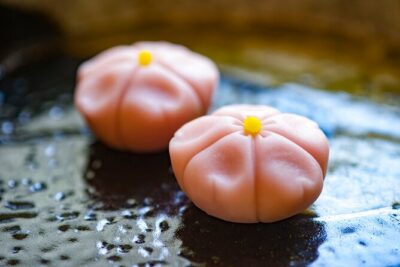
Matcha Making Class in Osaka with Authentic Japanese Sweets Set
Read our review →
Kyoto: Tea Ceremony Meditation – Make Matcha with Tea Master
Read our review →
Tokyo: Matcha Making Experience with Mochi Sweets in Asakusa
Read our review →
Kyoto: Kimono Tea Ceremony with Matcha and Sweet
Read our review →
Browse the lists this tour appears in