
Review · MATCHA EXPERIENCES
Hokkaido Seafood Sushi Rolls Experience with Matcha, in Sapporo
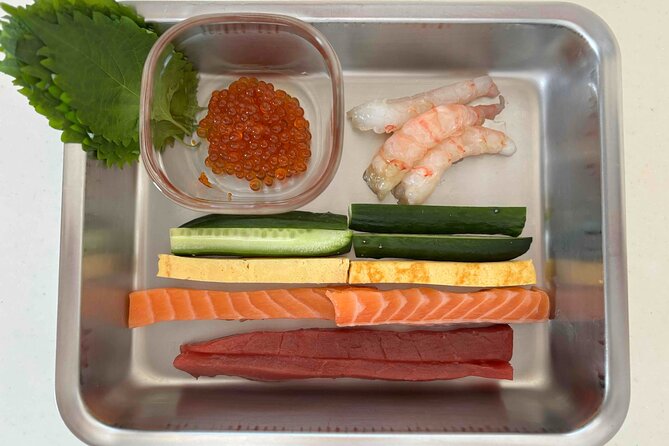
The best part of this Sapporo experience is its setting: you cook Hokkaido seafood in a small, home-style kitchen rather than watching a chef work from a distance. You’ll shape sushi rolls, fry tempura, sit down for the meal, then finish with matcha and traditional Japanese sweets.
I like the tiny group size, limited to two or three people, and the clear mix of cooking and tea culture. I also like the location, about 15 minutes by car from Sapporo Station and within walking distance of Hokkaido Shrine and Maruyama Zoo.
The main thing to consider is the price, $97.55 per person, which is a serious spend for a two-and-a-half-hour class. Hotel pickup and drop-off are not included, so you’ll need to plan your own way there unless the pickup option is confirmed directly.
Key points to know before booking
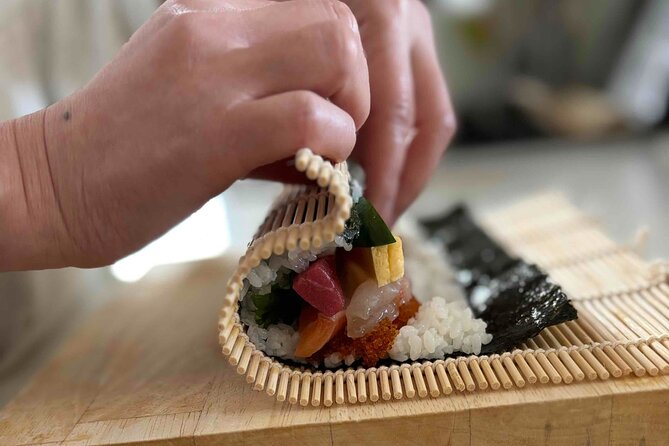
- Make two classic Japanese dishes: Prepare seafood sushi rolls with fresh Hokkaido seafood and cook light, crispy tempura.
- Small private setting: The class is limited to two or three people, and only your group participates.
- Matcha comes at the end: The final 30 minutes focus on matcha, Japanese sweets, and basic tea culture.
- A useful Sapporo location: The studio is near public transportation and close to Hokkaido Shrine and Maruyama Zoo.
- Allow two and a half hours: Cooking and eating run from 10:15 a.m. to noon, followed by tea until 12:30 p.m.
- Book ahead: The experience is typically reserved about 16 days before the date.
Cooking Hokkaido seafood in a Sapporo home kitchen
This class gives you a practical way to understand Hokkaido food. You are not simply served seafood and told that the island is famous for it. You handle the ingredients, assemble the sushi, cook the tempura, and then eat what you made.
That difference matters. Sushi rolls can look simple until you try to spread the rice evenly, place the filling neatly, and roll everything firmly without squeezing out the contents. Tempura has its own small tricks, too. The appeal here is not a formal culinary qualification. It is learning enough to make two familiar Japanese dishes with guidance close at hand.
Tomoko’s Japanese Cooking runs the experience in a quiet residential part of Sapporo. That gives the class a more personal feel than a large cooking school in a commercial district. You get a glimpse of ordinary neighborhood life, while still being close to major sights.
The class is listed as a private activity for your group alone. The small size is especially useful if you want to ask questions, need a little extra help with rolling sushi, or prefer not to cook in front of a crowd.
More Matcha Experiences in Japan:
- World Heritage Kyoto & Nara Uji Authentic Matcha Experience
★ 5.0 · 1,573 reviews - Matcha Making Class in Tokyo with Authentic Japanese Sweets Set
★ 5.0 · 744 reviews - Kyoto: Tea Museum Tickets and Matcha Grinding Experience
★ 4.9 · 739 reviews
The 10:00 a.m. introduction to Hokkaido food
Your morning begins at 10:00 a.m. with a short introduction to the class and Hokkaido’s food culture. This opening is brief, which is a good choice for a cooking activity. You get some context, then move quickly to the part most people came for: preparing lunch.
Hokkaido is known across Japan for seafood, and this class puts that reputation to work through the dishes you prepare. The introduction should help connect the food on your work surface with the region around you, rather than treating the recipes as generic Japanese cooking.
The meeting point is 26 Chome-2 Odorinishi in Chuo Ward. The studio is near public transportation, and the activity information places it about 15 minutes by car from Sapporo Station. Since the class begins promptly at 10:00 a.m., allow time to find the meeting point and get settled.
Pickup is shown as an available feature, but hotel pickup and drop-off are not included. Treat that as something to clarify before you book. The safest plan is to arrange your own transport and confirm the exact meeting instructions.
Making seafood sushi rolls from 10:15 a.m.
From 10:15 a.m. until noon, you take part in the cooking and tasting portion. The seafood sushi roll is the first major skill, and it offers more than a quick lunch.
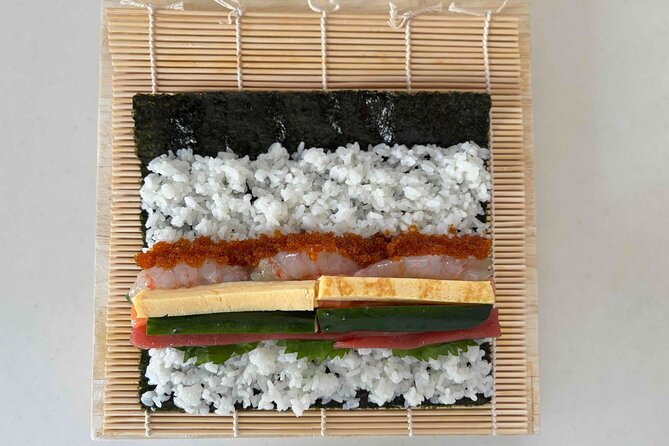
You’ll learn how to make attractive rolls using fresh seafood from Hokkaido. The focus is on appearance as well as flavor. That makes the class a good fit if you enjoy food presentation, want to improve your kitchen confidence, or simply like the satisfaction of making something that looks good on the plate.
The experience is hands-on, so expect to participate rather than watch a demonstration for most of the morning. A rental apron and hand towel are supplied, which keeps the practical side simple. You can concentrate on the food instead of worrying about bringing kitchen gear.
The source information does not name the seafood varieties or provide a menu that changes by season. That is worth asking about if you have allergies, strong dislikes, or a particular interest in Hokkaido shellfish or fish. The class is built around seafood, so dietary concerns should be discussed before arrival.
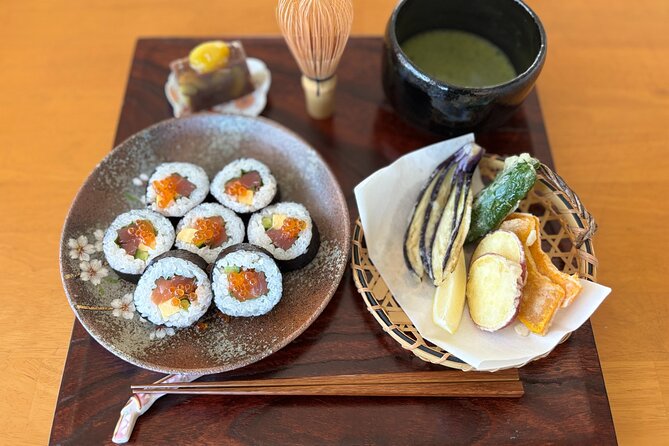
After preparing the rolls, you eat the meal together at the table. This shared meal is one of the more appealing parts of the experience. You get to taste the results while the steps are still fresh in your mind, and the meal becomes a natural time to talk with the host and the other people in the class.
Learning light, crispy tempura
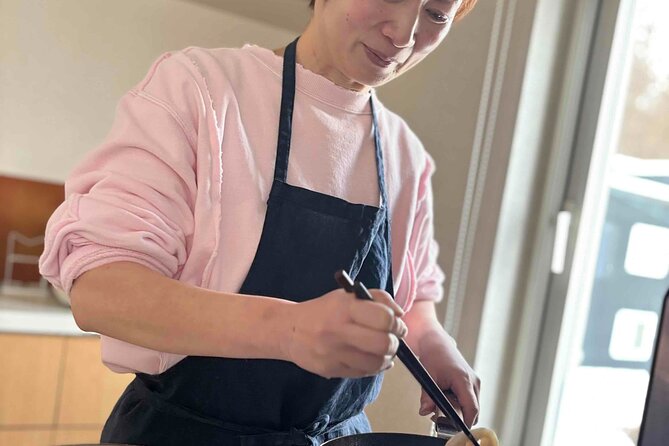
Tempura adds a useful contrast to the sushi. Sushi rolls call for careful assembly and neat shaping. Tempura brings heat, timing, and texture into the picture.
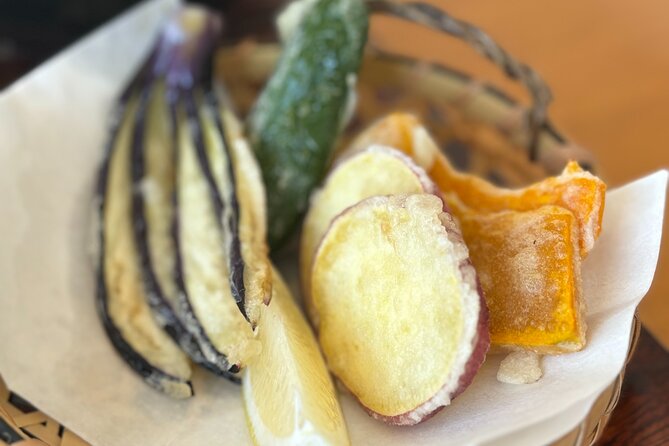
You’ll learn how to cook crisp tempura alongside the seafood rolls. The class description calls it light and crispy, which points to the texture the lesson aims for, but exact ingredients are not provided. Ask about the tempura items if you have food restrictions.
For you, the value is in learning a second basic Japanese cooking method in the same session. You are not paying for one recipe alone. You get a compact lesson in preparing a chilled or room-temperature seafood dish and a fried dish, followed by the chance to eat both.
The cooking period lasts about one hour and 45 minutes, including tasting. That gives the class enough room to feel unhurried without taking up an entire day of sightseeing. Still, this is not a full professional cooking course. If you want a long lesson with several recipes, this class may feel limited. If you want a manageable introduction during a Sapporo visit, the length works well.
More tea experiences around Japan if you are still choosing
- Kyoto: Tea Ceremony in a Traditional Tea House in Kiyomizu
★ 4.9 · 3,519 reviews - Kyoto: Tea Ceremony Ju-An at Jotokuji Temple
★ 4.9 · 3,207 reviews - Kyoto: 45-Minute Tea Ceremony Lesson Experience
★ 4.3 · 2,378 reviews - Osaka: Tea Ceremony Experience
★ 4.9 · 1,426 reviews
Matcha and sweets from noon to 12:30 p.m.
The final half-hour shifts from cooking to tea. From noon to 12:30 p.m., you’ll experience matcha with traditional Japanese sweets and learn the basic ideas behind Japanese tea culture.
This is a thoughtful ending. The sushi and tempura portion is active and social. Matcha gives you time to slow down and consider a different part of Japanese food tradition. The class presents tea culture in an approachable way, focusing on its spirit and basic ideas rather than requiring you to attend a formal tea ceremony.
You should expect an introduction, not an exhaustive study of tea history or ceremony rules. That makes it suitable for first-time visitors who want context without a highly structured ritual. The sweets also provide a clear contrast with the savory meal.
If your main goal is cooking, the tea section may feel like a short add-on. If you enjoy cultural activities and want your food class to include more than recipes, it gives the morning a stronger sense of place.
Why the two or three person format matters
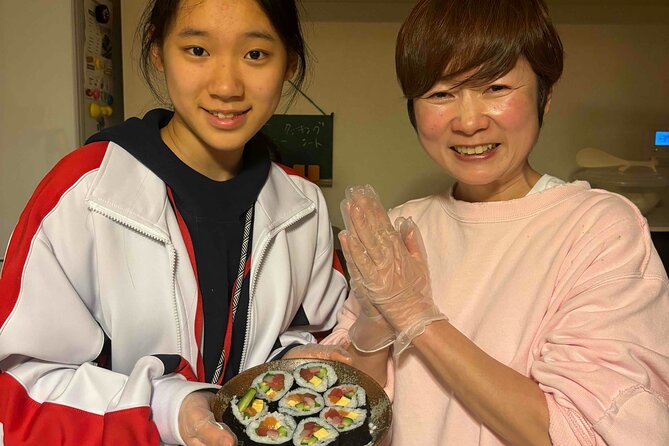
A class with two or three people has a different rhythm from a large group. You can ask for help as you roll the sushi or work with tempura, and the instructor has a better chance to see what you are doing.
The small format also helps create the homely atmosphere promised by the experience. You are cooking and then sitting down together, rather than moving through a crowded room with several dozen participants.
There is one trade-off. A very small class can feel more personal, but it offers less anonymity. If you prefer to quietly watch and avoid conversation, a private home-style setting may require more social participation than a large workshop.
The experience is described as private, meaning only your group participates. That is useful for couples, friends, or a small family group that wants to share the class without strangers at the table.
The Sapporo location and what to pair with it
The studio sits in a quiet residential area of Chuo Ward. This is part of the appeal. You get away from the most commercial parts of central Sapporo and see a more everyday side of the city.
The location is also practical for a sightseeing day. It is near Hokkaido Shrine and Maruyama Zoo, both named as nearby attractions. You could plan the cooking class as a morning activity, then continue to one of those places afterward. The class itself ends back at the meeting point at about 12:30 p.m.
Because the studio is around 15 minutes by car from Sapporo Station, do not assume it is right outside the station. Public transportation is nearby, but the exact route and travel time from your accommodation are not provided. Check the meeting instructions before the morning of the class.
The neighborhood is described as stylish and pleasant. That makes the area worth noticing rather than treating it as a simple transfer point. Give yourself enough time to arrive without rushing, especially if you plan to use local transport.
Is $97.55 good value?
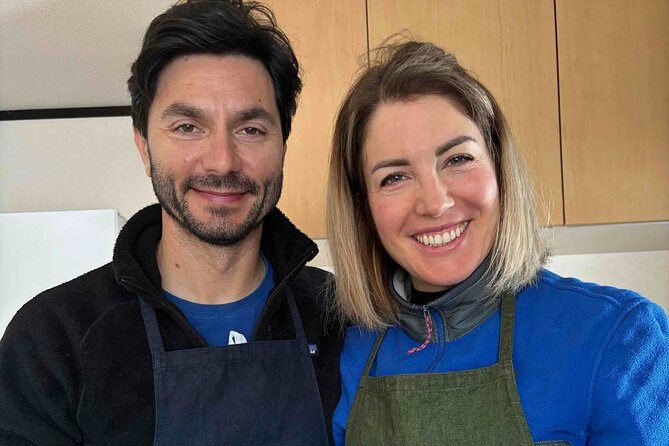
At $97.55 per person, this is not a budget lunch. You are paying for food, instruction, a private or very small class, an apron and hand towel, the matcha experience, and the time of the host.
The value is strongest if you would otherwise pay for several separate activities. You receive a meal, a cooking lesson, and a short cultural introduction in one morning. The small group also changes the calculation. One-to-three-person instruction usually offers more direct help than a large demonstration.
The price is less appealing if you only want to eat excellent sushi. Sapporo has many places to buy seafood without spending nearly $100 on a class. This experience makes sense when you value participation and personal contact as much as the food itself.
There are no hotel transfers included, so transportation costs are extra. On the other hand, the activity lasts only about two and a half hours, leaving the rest of your day open for Sapporo sights.
Who should book this experience
I would recommend it to couples, friends, solo visitors who enjoy small classes, and families looking for a practical cultural activity. It also suits people who like to understand a dish by making it, not just eating it.
The class may appeal to first-time visitors because the schedule is clear and the techniques are familiar enough to feel approachable. The tea portion gives you another point of contact with Japanese culture without requiring a full-day commitment.
It is less suitable if you dislike seafood, want a large social group, or expect a long list of dishes. It may also be a poor fit for anyone who needs firm information about ingredients before booking, since the specific seafood and tempura items are not listed.
The booking pattern suggests planning ahead. It is commonly reserved around 16 days before the date, so leaving it until the last minute could limit your choices. Confirmation is received at booking, and the experience has free cancellation up to 24 hours before the start time. Changes or cancellations inside that window are not refunded, and poor weather can lead to a new date or a full refund.
My take on Tomoko’s Japanese Cooking
This is a focused Sapporo food experience with a clear rhythm: learn a little, cook a lot, eat together, then finish with matcha and sweets. Its strongest features are the two or three person setting, the chance to prepare both sushi rolls and tempura, and the home-style setting near Hokkaido Shrine and Maruyama Zoo.
The price requires a deliberate choice. You should book if you want personal instruction and a cultural experience built around food, not simply a restaurant meal. If you mainly want affordable seafood, spend the money at a sushi shop instead.
For the right visitor, this class gives you a useful morning and a story to carry home: you did not just taste Hokkaido seafood, you learned how to turn it into lunch.
FAQ
How long does the Hokkaido seafood sushi class last?
The experience lasts about two hours and 30 minutes, from 10:00 a.m. to 12:30 p.m.
What time does the activity start?
The class starts at 10:00 a.m.
What food will I prepare?
You will prepare seafood sushi rolls using fresh Hokkaido seafood and cook crispy tempura.
Is matcha included?
Yes. Matcha and traditional Japanese sweets are included during the final 30 minutes.
How many people attend the class?
Classes are held in small groups of two to three people. The activity is private, so only your group participates.
Are hotel pickup and drop-off included?
No. Hotel pickup and drop-off are not included. Pickup is shown as an available feature, so confirm the exact arrangement before booking.
Where does the experience take place?
The meeting point is 26 Chome-2 Odorinishi, Chuo Ward, Sapporo, Hokkaido 064-0820, Japan. The studio is near public transportation.
Can I cancel for a full refund?
Yes, if you cancel at least 24 hours before the experience start time. Cancellations or changes made less than 24 hours in advance are not refunded. If poor weather causes the activity to be canceled, you will be offered another date or a full refund.
Fresh tea listings around Japan
- Yokohama : Tea Ceremony with Sweets and Souvenir★ 5.0 · 5 reviews
- Walking Tour: Yanaka,Nezu& Sendagi: Tea Ceremony & Old Tokyo★ 5.0 · 3 reviews
- Visit local home for music and tea ceremony near Disney★ 4.9 · 13 reviews
- Yokohama: Sushi & Gyoza Cooking with Matcha & GreenTea Experience★ 5.0 · 3 reviews
- Trip to Kamakura & Enoshima: Shrines, Seaside, Temples &Tea★ 5.0 · 11 reviews
- Uji: Private immersion into Kyoto’s tea and reglious culture★ 5.0 · 17 reviews
- Uji Tea Ceremony and UNESCO Heritage Walking Tour★ 5.0 · 20 reviews
- Kyoto tea town for matcha lovers★ 5.0 · 16 reviews
Matcha Experiences, compared.
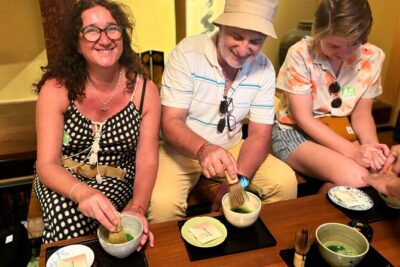
World Heritage Kyoto & Nara Uji Authentic Matcha Experience
Read our review →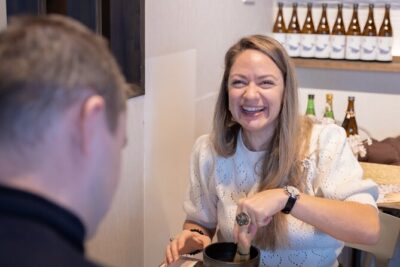
Matcha Making Class in Tokyo with Authentic Japanese Sweets Set
Read our review →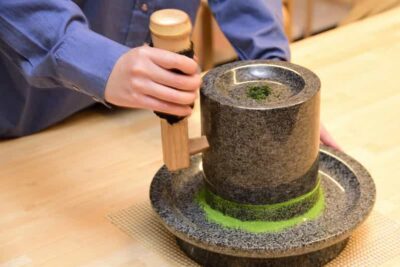
Kyoto: Tea Museum Tickets and Matcha Grinding Experience
Read our review →
Matcha Making Class in Osaka with Authentic Japanese Sweets Set
Read our review →
Kyoto: Tea Ceremony Meditation – Make Matcha with Tea Master
Read our review →
Tokyo: Matcha Making Experience with Mochi Sweets in Asakusa
Read our review →
Kyoto: Kimono Tea Ceremony with Matcha and Sweet
Read our review →
Browse the lists this tour appears in