
Review · TEA CEREMONY EXPERIENCES
A perfect Japanese experience: Tea Ceremony and Mochi Forming
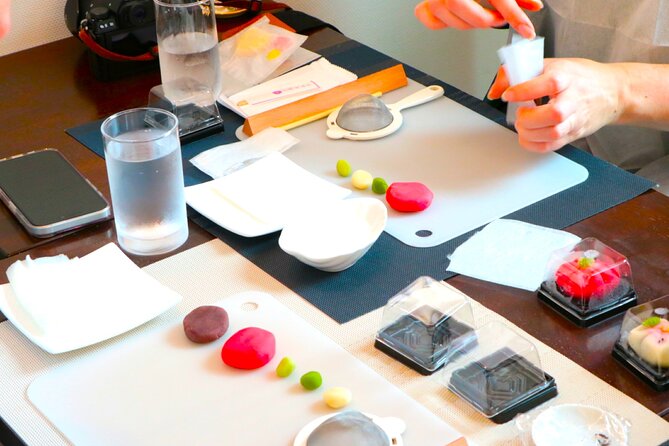
The setting makes this experience special before the sweets even appear. You meet at a century-old antique store in Yanaka, look over old Japanese tableware, then work with colorful nerikiri dough before moving into a dedicated tea room for matcha.
I like the small maximum of five people, which gives the artisan room to show each person how to shape the sweets. I also like the mix of craft and ceremony: you do not just watch a tea ritual, you eat your own handmade confection with real matcha. The main caution is that the host is an artisan rather than a polished commercial guide, so English explanations may be limited and the pace may feel informal.
Key points to know
- A century-old Yanaka antique shop: The venue gives the activity a sense of place that a standard classroom cannot match.
- Seasonal nerikiri sweets: You form colorful Japanese confections inspired by the time of year.
- Two connected activities: The workshop leads into a chair-based tea ceremony with matcha and sweets.
- A very small group: The experience accepts no more than five participants.
- Everything is supplied: Tools, ingredients, tea, and tasting sweets are included.
- Plan carefully: The session lasts about 1 hour 40 minutes, starts at 6-chome-2-40 Yanaka, and does not wait for late arrivals.
Entering the antique store in Yanaka
Your meeting point is 6-chome-2-40 Yanaka, Taito City, Tokyo. The activity ends at the same place, and the venue is near public transportation. You should allow enough time to find the address, since being late does not extend the scheduled session.
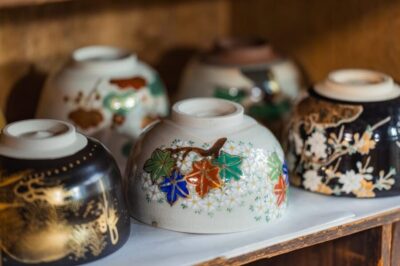
The first part of the visit is not a rushed check-in. You have time to look at antique tableware in the store. That small detail matters. Japanese tea culture is tied to the bowl, tray, container, and serving piece as much as it is to the drink itself. Seeing the objects first helps you notice the visual care that goes into the ceremony later.
The shop setting also gives you a more grounded experience than a generic activity room. You are not simply sitting at a table prepared for tourists. You are working inside a place connected to Japanese objects and craft. The surroundings may be compact, but that is part of the appeal. With a maximum of five participants, the room should feel personal rather than crowded.
The setting is also the first point where expectations matter. This is not a large cultural performance with a scripted presentation. The host is described as a Japanese artisan who may not speak English fluently. Instructions are made as clear as possible, but you should be ready to watch carefully, follow demonstrations, and ask for help with simple words or gestures.
More Tea and Sweets Making in Tokyo
- Matcha Making Class in Tokyo with Authentic Japanese Sweets Set
★ 5.0 · 744 reviews - Tokyo: Matcha Making Experience with Mochi Sweets in Asakusa
★ 4.9 · 388 reviews - Make Traditional Nerikiri Sweets & Matcha experience in Shibuya
★ 5.0 · 130 reviews
Shaping four seasonal wagashi sweets
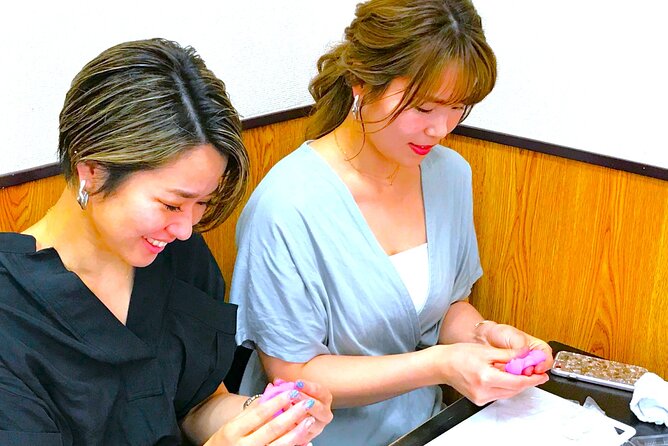
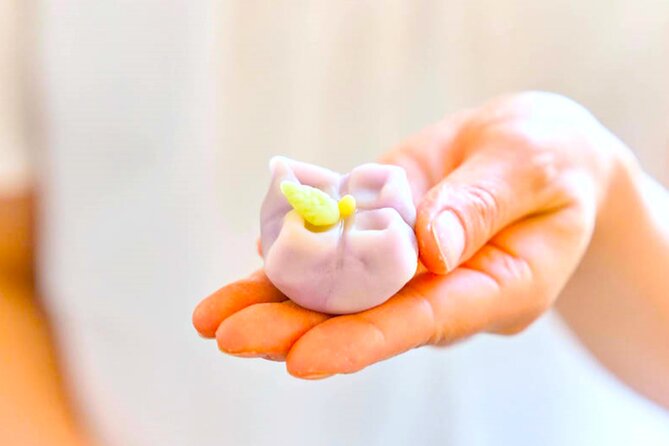
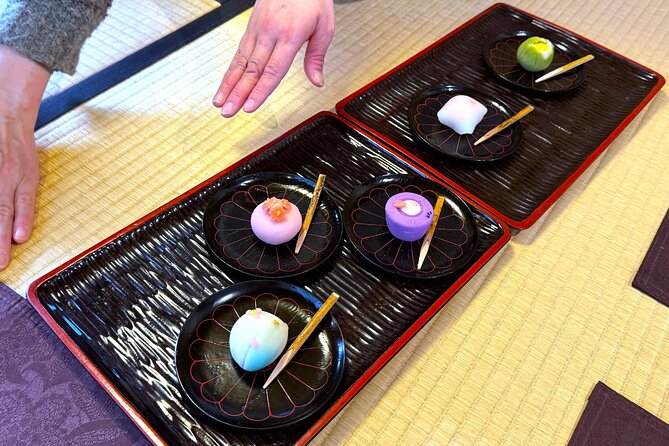
The main hands-on activity focuses on wagashi, Japanese sweets traditionally designed to look as appealing as they taste. Here, the specific style is called nerikiri, a soft confection shaped into flowers, fans, and other seasonal forms.
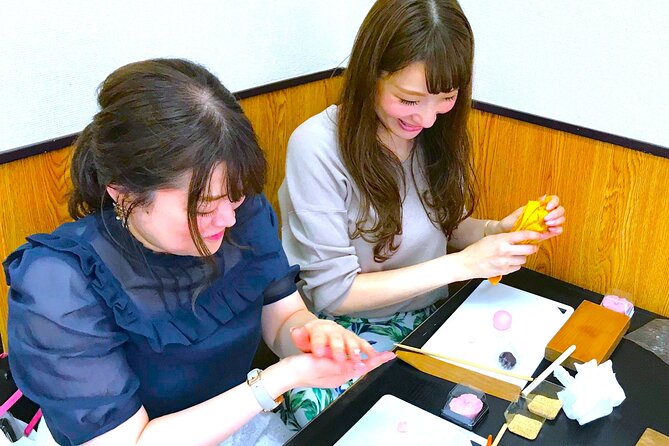
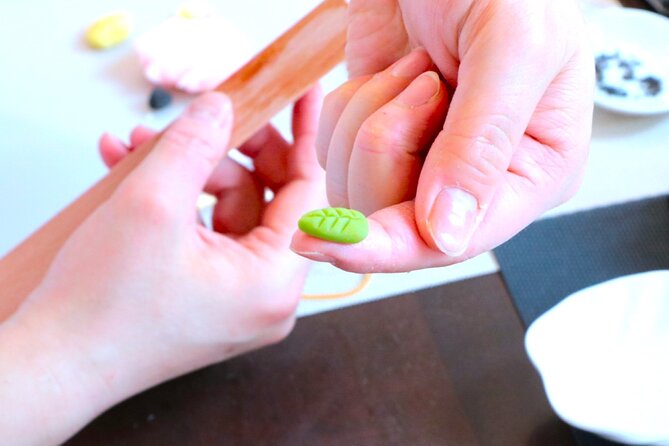
The material is colorful and workable, making the activity feel a little like clay modeling. You use your hands and the supplied tools to form the pieces into a target design. The supplied description identifies mochi flour as the main ingredient, and the sweets are made without artificial additives.
The workshop is suitable for people who enjoy arts and crafts as much as food. You do not need professional cooking skills. The point is not to produce a perfect pastry on your first try. It is to learn how color, shape, texture, and season connect in Japanese confectionery.
The number and style of designs can vary. The experience is described as teaching four different styles of seasonal sweets, while examples from actual sessions include two finished designs, such as a plum and a hydrangea, or a fan and a flower. That suggests the lesson may adjust the number of finished pieces or designs based on the session and season. You should expect variety, but do not book it with one fixed flower or motif in mind.
Seasonal change is one of the best parts of the activity. Spring may bring cherry blossom themes, while other times of year can bring different flowers or natural forms. The sweets are made to reflect the calendar, so the lesson gives you a small introduction to the Japanese idea of enjoying a season through food.
The teacher demonstrates the shaping process, then you copy the movements. You may find that the final details require patience. A slight change in pressure can alter the shape, and small ridges or petals make the difference between a plain sweet and one that resembles a flower. That is where the small group helps. There are fewer hands competing for attention, and the artisan can correct your technique.
Why the sweets are part of Japanese culture
Nerikiri is not just a snack with bright colors. Its appearance often carries a seasonal meaning. A flower, fan, or plant can suggest a particular month, celebration, or change in the natural world.
That connection gives the activity more depth than a simple dessert class. You learn why Japanese sweets are made with such careful shapes. The sweet is meant to be appreciated before it is eaten, which explains why your finished piece may look almost too delicate to touch.
The experience also shows the value Japanese culture places on restraint. A nerikiri sweet is small. It does not rely on a large portion or a heavy flavor. Its appeal comes from the balance of color, shape, sweetness, and the setting in which it is served.
The recipe information supplied for this activity is practical, too. Because the sweets contain no artificial additives, they last only about two days when kept refrigerated. If you plan to take one back to your hotel, do not expect it to become a long-lasting souvenir. It is best enjoyed during the activity or soon afterward.
Moving into the tea room
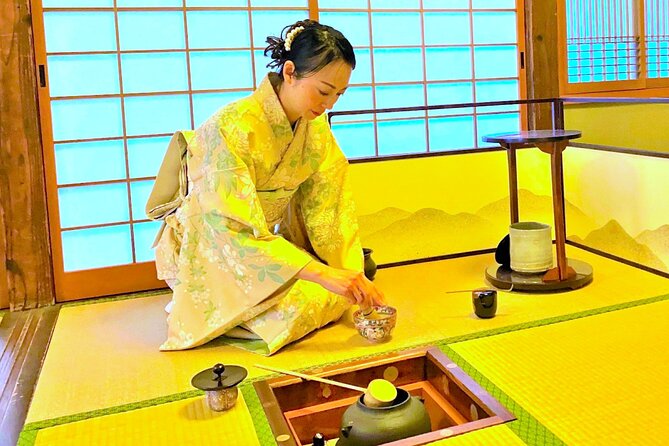
After the forming session, you move to a dedicated tea room. The room is arranged for sitting in a chair, which is helpful if you are not comfortable kneeling on the floor. That design keeps the ceremony accessible without changing its formal character.
The host serves a confection first, followed by real matcha. The matcha is not sweetened, so expect a distinct, earthy taste rather than a dessert drink. Eating a sweet before the tea helps you understand the pairing. The confection softens matcha’s bitterness, while the tea keeps the sweet from becoming cloying.
The ceremony is not described as a long formal performance. Instead, it gives you a chance to take part in a traditional sequence and notice the etiquette surrounding the bowl and serving process. Watch the host’s movements, listen to the explanation, and take your time. The value comes from the care of the routine, not from rushing to the next activity.
This part also gives the workshop a satisfying finish. You have just shaped the sweets yourself, and now you see how they are presented in a tea setting. That link between making, serving, and tasting is one of the strongest reasons to choose this experience over a tea ceremony alone.
More Tea Ceremonies in Tokyo
- Kimono Tea Ceremony at Tokyo, Asakusa Maikoya
★ 5.0 · 638 reviews - Tokyo: Traditional Tea Ceremony with a Tea Master
★ 5.0 · 528 reviews - Tea Ceremony Workshop in Tokyo by the Experienced Instrucor
★ 5.0 · 189 reviews - Asakusa: Kimono Tea Ceremony with Matcha and Sweet
★ 4.9 · 153 reviews
What the 1 hour 40 minutes feels like
The total duration is about 1 hour 40 minutes. That is long enough for a proper activity without taking over half your day in Tokyo.
The session has a clear rhythm:
- You arrive at the antique store and look at the tableware.
- The artisan introduces wagashi and the nerikiri forming process.
- You make seasonal sweets with the provided ingredients and tools.
- You move into the chair-based tea room.
- You eat a confection and drink unsweetened matcha.
- You finish back at the meeting point.
The exact balance between demonstration, hands-on work, and tea may vary. A small group can make the class feel more conversational, but it can also mean the pace depends heavily on the artisan and the participants. Give yourself enough time before the start, since the scheduled end does not move for late arrivals.
The activity is designed for people age 13 and older. Anyone under 18 must be with an adult. You should also arrive well enough to participate. Anyone unwell or under the influence of alcohol will not be admitted, with no refund.
Is $55.38 a fair price?
At $55.38 per person, this is not the cheapest way to drink tea in Tokyo. It is also more than a simple sweets tasting. You are paying for a small-group lesson, ingredients, equipment, handmade confections, tea, and access to a distinctive antique-shop setting.
I consider the price reasonable if you want a cultural activity with something to do with your hands. The four seasonal styles add variety, and the tea ceremony gives the class a second part rather than ending after the craft session. The small group is another useful part of the value. A maximum of five people means your fee supports a more personal demonstration than you would get in a large workshop.
The value is weaker if you only want to taste wagashi or watch a tea ceremony. You may find less expensive tea experiences elsewhere, and a confectionery shop may satisfy a simple sweet tooth for less money. This activity earns its price through participation and setting.
It is booked, on average, about 16 days ahead. That gives you a useful planning guide, especially if you have fixed dates in Tokyo. Confirmation arrives within 48 hours of booking, subject to availability. Since the booking is non-refundable and cannot be changed, wait until your schedule is firm before paying.
Who will enjoy this experience most
I would choose this for you if you like small workshops, Japanese design, seasonal food, or quiet cultural activities. It suits couples, solo visitors, and families with teenagers who enjoy making things rather than only looking at them.
It is also a good break from Tokyo’s major sights. After temples, department stores, and busy streets, shaping a small flower from colored dough gives you a slower hour. The activity asks you to focus on a few careful movements instead of trying to see everything at once.
People with a serious sweet tooth will enjoy the tasting, but the workshop is not only about sugar. The forming process is the heart of it. You will get more from the class if you care about craft, presentation, and the meaning of seasonal designs.
I would think twice if you need fluent English instruction, a highly polished production, or a fully flexible booking. The host may have limited English, late arrival is not accommodated, and the non-refundable terms are strict. Those are not deal breakers, but they should shape your decision.
Practical details before you book
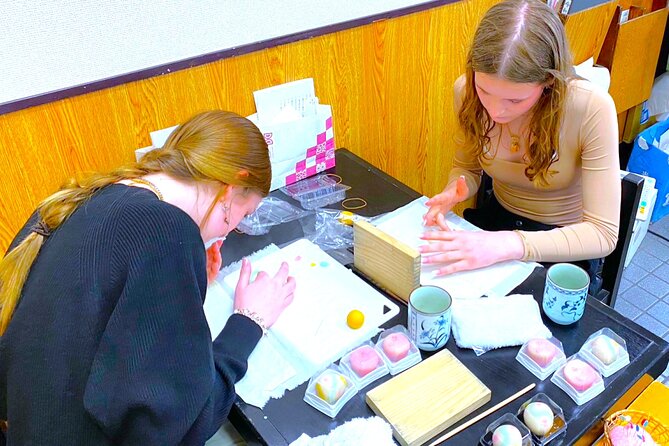
You do not need to bring tools or ingredients. Everything required for the workshop is supplied, including the materials used to form the sweets.
The activity is offered with a mobile ticket, and public transportation is nearby. Check the meeting address carefully: 6-chome-2-40 Yanaka, Taito City, Tokyo 110-0001. You return to the same location at the end.
Only paying participants may enter the venue. If someone in your party plans to watch without taking part, that person must still pay the activity fee.
Because the sweets contain no artificial additives, keep them refrigerated and eat them within two days. They are not ideal for carrying around Tokyo all afternoon or packing into luggage.
The group size is limited to five people. That is good for personal attention, but it also means spaces may be limited on your chosen date. Book ahead, then avoid making other plans that could cause you to arrive late.
Should you book the tea ceremony and mochi forming?
Book it if you want a hands-on Japanese experience in a real antique-shop setting, not just a photo stop or a quick tasting. The combination of seasonal nerikiri, a tiny group, antique tableware, and chair-based tea ceremony gives you a clear sense of Japanese craft and hospitality within a manageable 1 hour 40 minutes.
Skip it if you want a fully English-led class, a flexible cancellation policy, or a bargain tea tasting. For everyone else, the price is fair for the setting and personal instruction. Come on time, bring patience, and expect the artisan’s teaching style to be warm and traditional rather than slick.
FAQ
Where does the tea ceremony and mochi forming experience take place?
It takes place at 6-chome-2-40 Yanaka, Taito City, Tokyo 110-0001, Japan. The activity ends back at the meeting point.
How long does the experience last?
The activity lasts approximately 1 hour and 40 minutes.
How many people can join the activity?
The maximum group size is five participants.
What age do participants need to be?
Participants must be at least 13 years old. Anyone under 18 must be accompanied by an adult.
Are tools and ingredients provided?
Yes. All tools and ingredients needed for the wagashi forming activity are included.
Can the handmade sweets be kept?
The sweets contain no artificial additives and last about two days when refrigerated.
Fresh tea listings around Tokyo
- Yokohama : Tea Ceremony with Sweets and Souvenir★ 5.0 · 5 reviews
- Walking Tour: Yanaka,Nezu& Sendagi: Tea Ceremony & Old Tokyo★ 5.0 · 3 reviews
- Private Mochi・Matcha sweets Making Class Near Shibuya Area★ 5.0 · 22 reviews
- Private Kimono and tea ceremony at local home near Tokyo Disney★ 5.0 · 6 reviews
- 2 Hours Mochi &Nerikiri Making & Matcha Class in Bunkyo★ 5.0 · 21 reviews
- Kimono and Tea Ceremony in Asakusa Private Food Tour With Guide★ 5.0 · 4 reviews
- Tokyo: Tea Ceremony & Japanese Sweets Making★ 5.0 · 10 reviews
- Tokyo Sweets Tour: Hidden Gems & Matcha at an Old Tea House★ 5.0 · 6 reviews
Tea Ceremony Experiences, compared.
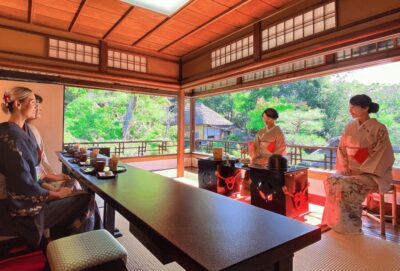
Kyoto: Tea Ceremony in a Traditional Tea House in Kiyomizu
Read our review →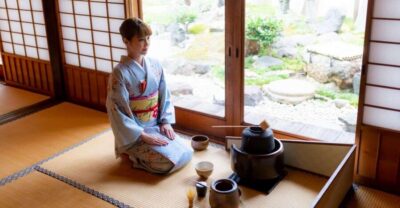
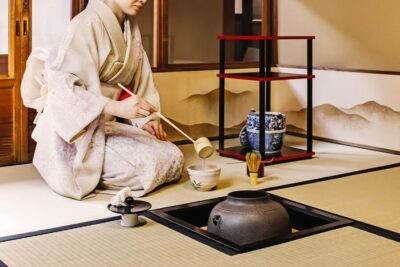
Kyoto: 45-Minute Tea Ceremony Lesson Experience
Read our review →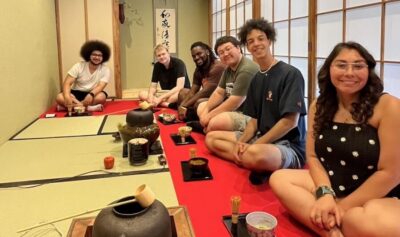
Kyoto: Table-Style Tea Ceremony at a Kyo-Machiya
Read our review →
Browse the lists this tour appears in