
Review · TEA CEREMONY EXPERIENCES
Supreme Sencha: Tea Ceremony & Making Experience in Hakone
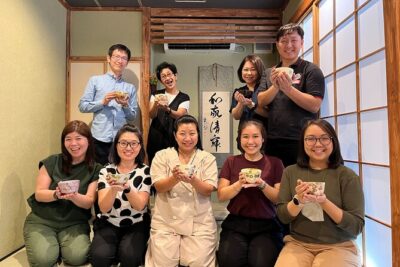
The most interesting part of this Hakone experience is that you do not simply watch a formal tea ritual from the sidelines. After seeing the ceremony, you handle the utensils yourself and brew green tea leaves from scratch. That makes sencha-do feel less like a performance and more like a lesson you can take part in.
I like the hands-on brewing and the chance to compare tea made by you with tea made by your companions. I also like the small cultural details: Japanese sweets, careful presentation, and instruction from a fifth-generation tea master of the Higashi Abe school. The main consideration is the price, $130.82 per person, which is a serious spend for a two-hour activity.
Key points to know before booking
- Sencha-do uses brewed green tea leaves, not powdered matcha.
- You handle the tea utensils, an unusual feature in many ceremony workshops.
- A fifth-generation tea master leads the class, with English instruction available.
- Japanese sweets are served during the ceremonial portion.
- The group can have up to 20 people, so the setting may not feel private.
- The meeting point is in Gōra, and the activity returns to the same location.
Why sencha-do feels different from a matcha ceremony
Many visitors first hear about Japanese tea ceremony through matcha, the finely ground green tea whisked into hot water. This experience takes a different route. Sencha-do uses loose green tea leaves and careful infusion, so the taste, tools, and preparation have their own character.
That difference matters if you want to understand how broad Japanese tea culture is. You are not learning the one famous tea ritual and calling it done. You are seeing another school of practice, with its own movements and attention to water, leaves, utensils, and timing.
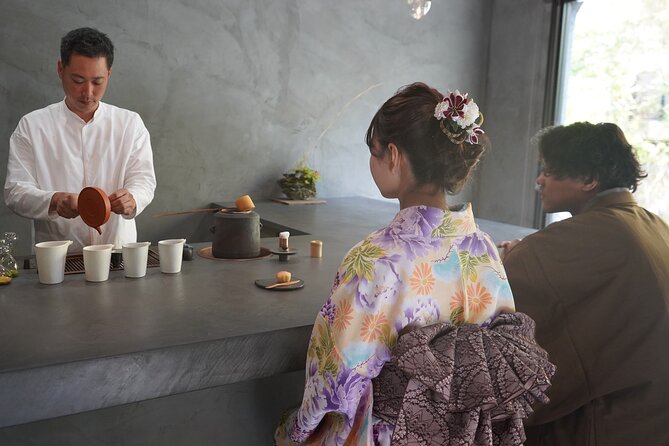
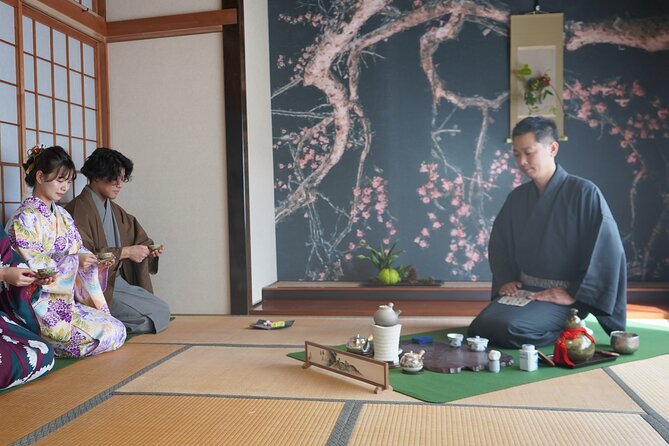
The first part is observational. You sit and watch the master prepare the tea, giving you a chance to notice the pace and atmosphere before you try anything yourself. The ceremony is paired with Japanese sweets, which provide a simple but important part of the experience. Tea and sweets are meant to be enjoyed together, so this is not just a tasting with a snack on the side.
I appreciate that the workshop does not rush straight into instructions. Watching first gives you a cultural frame. You can see how the utensils are used and how the tea is presented before your own hands enter the process.
More Green Tea Tours in Japan
- Experience all of Japanese culture and Japanese food experience classes “origami, udon, Japanese food, green tea, calligraphy” in 4 hours
★ 5.0 · 105 reviews - Uji: Green Tea Tour with Byodoin and Koshoji Temple Visits
★ 4.8 · 72 reviews - Scenic Green Tea Fields of Hidden Kyoto & Local Tea Exp (Private)
★ 5.0 · 32 reviews
Watching the master in Gōra
The activity begins at Chaseki, located at 1300-307 Gōra in Hakone’s Ashigarashimo District. The experience is near public transportation, but you should still allow time to reach the address without hurrying. Gōra is one of Hakone’s main visitor areas, and a calm arrival will put you in the right mood for a ceremony built around patience.
The instructor is a master of the Higashi Abe school. The information provided for this experience also describes the teacher as a fifth-generation tea master. That lineage gives the lesson a useful connection to a continuing family tradition, rather than a general demonstration assembled only for sightseeing.
English instruction is another practical strength. One family account specifically describes the tea master’s English as impeccable. You should still expect some terms and customs to need explanation, but you are not being left to guess what each movement means.
The group size can reach 20 people. That is small enough for a structured class, though it may not have the quiet, personal feel of a private ceremony. If you are hoping for extended one-on-one coaching, the maximum group size is worth keeping in mind.
The ceremony, sweets, and the value of watching first
The master begins by showing you how sencha-do works. This is the part where you get a feel for the ceremony’s pace and cultural meaning. You may notice that the focus is not only on drinking tea. The way the utensils are held, the order of preparation, and the care given to serving all form part of the lesson.
Japanese sweets are served during this portion. They help you pay attention to the tea’s flavor and give the ceremony a traditional food pairing. The sweets are also a welcome pause before the more active part of the class.
I would not treat this opening as filler. If you start with the practical steps and skip the demonstration, you might learn how to make tea without understanding why the process is so deliberate. Watching first helps you recognize the difference between a quick cup of green tea and a formal act of hospitality.
The ceremony may also appeal to people who enjoy quiet cultural activities. There is no need to race from one sight to another. For about two hours, the focus stays on tea, tools, sweets, and instruction.
Making your own tea with real utensils
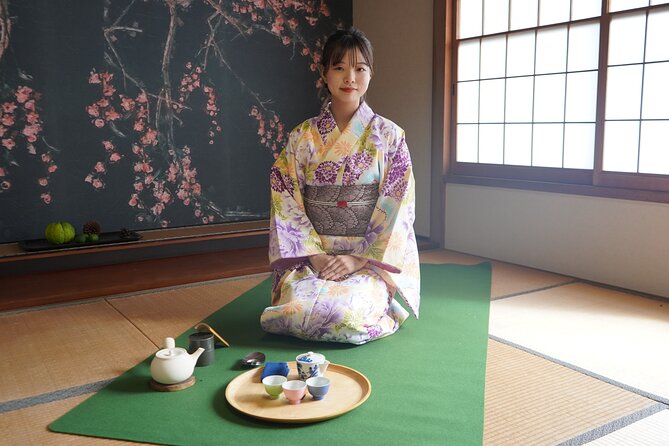
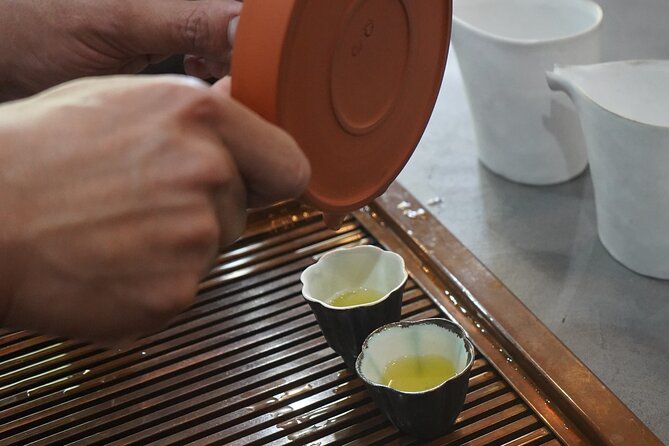
The key feature comes after the demonstration. You are allowed to touch and use the tea utensils, then follow the process of brewing your own sencha. That is a major difference from workshops where visitors remain seated and only observe.
The instructor teaches the process from the beginning, so you do not need to arrive with prior tea experience. You will learn by watching the technique, following the steps, and tasting the result. The aim is not to produce a perfect cup on your first try. It is to notice how your choices affect the tea and to discover what the leaves taste like when you prepare them yourself.
This hands-on element gives the $130.82 price more weight. You are paying for a cultural lesson, an instructor-led activity, tea, sweets, and the chance to use the equipment, not just ten minutes of observation. The price will still feel high if you want only a quick taste of Japanese tea. It makes more sense if you value a focused class and direct contact with the craft.
You can also compare your tea with the cups made by friends or family. That adds a light, social edge to a formal subject. It may reveal small differences in how each person follows the steps, and it gives you something concrete to discuss after the ceremony.
More Tea Ceremonies in Japan:
- Kyoto: Tea Ceremony in a Traditional Tea House in Kiyomizu
★ 4.9 · 3,519 reviews - Kyoto: Tea Ceremony Ju-An at Jotokuji Temple
★ 4.9 · 3,207 reviews - Kyoto: 45-Minute Tea Ceremony Lesson Experience
★ 4.3 · 2,378 reviews - Osaka: Tea Ceremony Experience
★ 4.9 · 1,426 reviews
Photos, presentation, and the small details
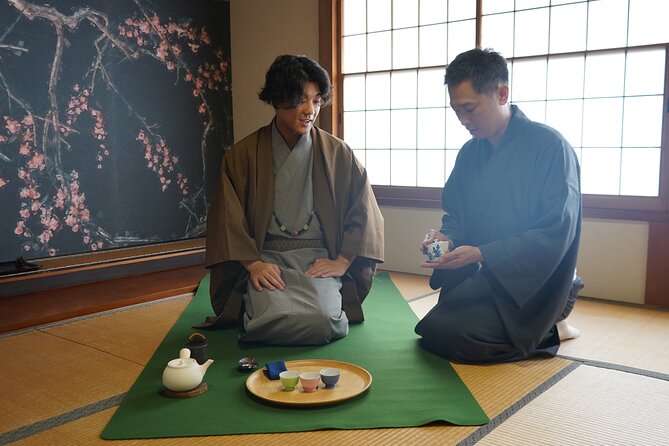
Photography is welcome throughout the experience. That is useful because tea ceremonies can be visually striking, from the utensils to the way the tea and sweets are arranged. You can record the process without treating the class as something you must simply remember later.
I would still keep your camera work polite and secondary to the lesson. The value here comes from paying attention to the preparation, not from collecting a large set of pictures. Since the activity welcomes photos, you have room to capture a few useful moments while remaining present.
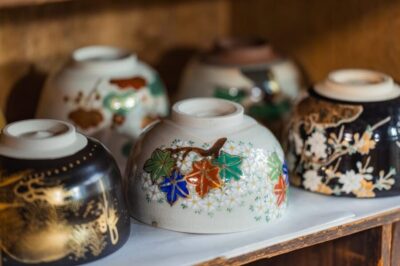
The careful presentation also matters. One family account describes the tea as very good and everything as carefully arranged. That matches the nature of sencha-do, where the setting and manner of preparation are part of the experience. Details that might seem small at first help show why Japanese tea culture treats an everyday drink with such care.
Kimono help and a family-friendly format
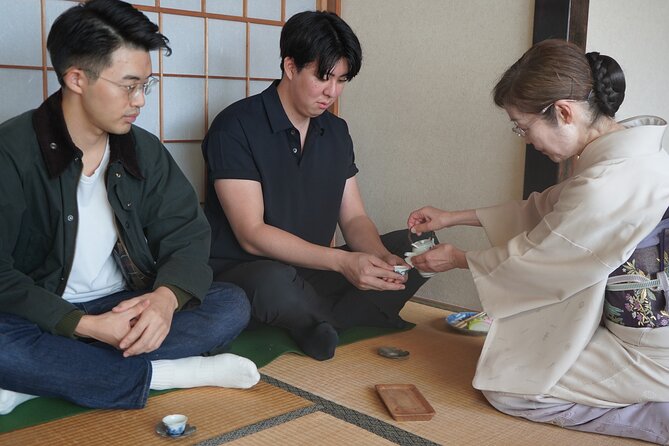
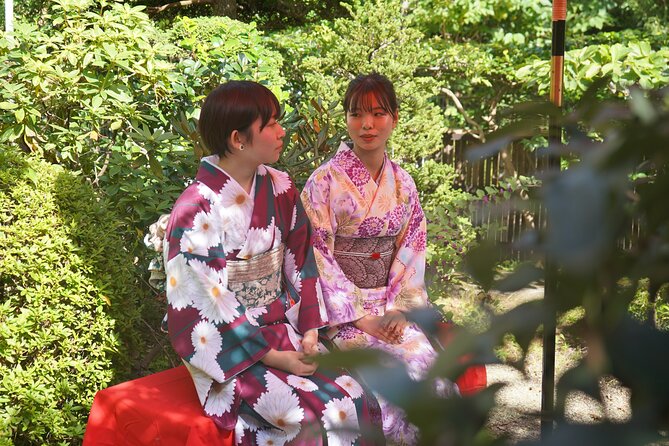
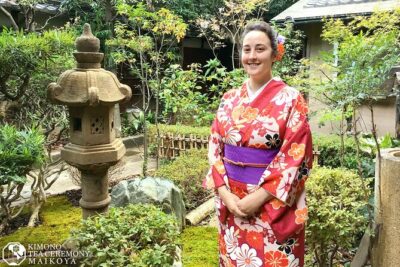
The experience can also include contact with kimono, based on the description of kind helpers assisting with beautiful kimono. The exact extent of this element is not specified, so you should not assume that a full kimono dressing session is guaranteed. Still, it suggests that the activity may offer a stronger visual and cultural setting than a simple seated tea tasting.
The age range in one family group was wide: an 83-year-old mother, adults in their twenties, and a 13-year-old. That makes this a promising choice for a multigenerational outing, especially if your group wants an activity that does not depend on strenuous walking.
The two-hour format is also manageable for families. Younger participants may enjoy the chance to use the tools, while older family members can focus on the ceremony and conversation. The class has a clear structure, which helps when you are planning a shared activity for people with different interests.
The main caution is that handling delicate utensils requires care. Children and teens may enjoy the practical part, but you will want to make sure they can follow instructions and treat the equipment respectfully.
Who gets the most from this two-hour class
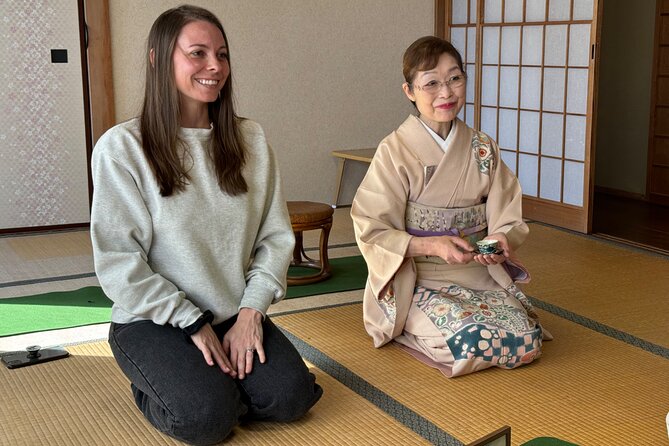
I would recommend this experience to you if you want more than a standard sightseeing stop in Hakone. It suits people who enjoy learning by doing, especially those who want a cultural activity with a clear beginning, middle, and end.
It is a good fit for:
- First-time visitors who want an introduction to Japanese tea culture.
- Families looking for a calm, shared activity.
- Couples or friends who want to compare the tea they prepare.
- Visitors interested in the difference between sencha and matcha.
- People who value instruction from a teacher with a long family connection to the school.
- Anyone who wants photos of a formal Japanese setting.
I would think twice if you have very little time in Hakone and only want a quick attraction. The class takes about two hours, and the price is not minor. It also may not suit you if you prefer a private lesson, since the group can include up to 20 participants.
Price, timing, and practical value
At $130.82 per person, this is one of the pricier short cultural activities you might add to a Hakone itinerary. The strongest case for the cost is the combination of a formal demonstration and actual participation. You are not only tasting tea. You are learning the method, using the utensils, sampling sweets, and comparing the result with your companions.
The value depends on what you want from the afternoon. If you care about authentic instruction and a slower cultural encounter, the price can be reasonable. If your main goal is to drink green tea or take a few photos, you can probably find less expensive ways to do that.
The experience is usually booked about 31 days ahead, which suggests that you should not leave it until the last moment if it is important to your plans. Confirmation is normally sent at booking. If you book within one day of the activity, confirmation comes as soon as possible and depends on availability.
The mobile ticket is convenient. You can keep the booking on your phone rather than carrying a printed voucher. The activity starts and ends at the same Gōra meeting point, so you do not need to arrange a separate return transfer.
The experience requires good weather and a minimum number of participants. If poor weather or low enrollment causes cancellation, you are offered another date or experience, or a full refund. You can cancel for a full refund up to 24 hours before the start time. After that point, refunds are not available and late changes are not accepted.
How it fits into a Hakone day
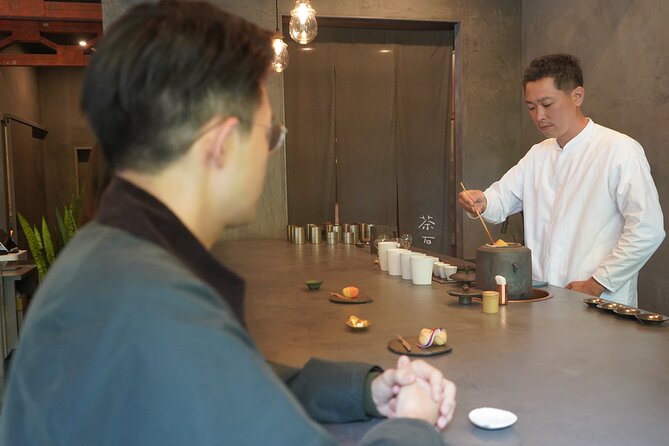
Because the class lasts around two hours and returns to its starting point, it can work as one planned stop in a larger Hakone day. You should allow extra time for getting to Gōra and avoid scheduling another fixed activity too tightly against it.
The activity is near public transportation, which helps if you are moving around Hakone without a car. The available details do not specify exact train, bus, or walking instructions, so check the route to Chaseki before setting out. Having the address ready on your phone will make the arrival easier.
I would place this experience on a day when you want a pause from busy sightseeing. Tea ceremony is not something to squeeze between two rushed connections. Give yourself time to arrive, settle in, and stay focused during the demonstration.
Is Supreme Sencha worth booking?
Book this if you want a genuine lesson in brewed-leaf tea, not just a staged tea tasting. The hands-on use of utensils is the strongest reason to choose it, and the fifth-generation master, English instruction, Japanese sweets, and chance to compare your tea add real substance.
I would especially recommend it for families, first-time visitors, and anyone curious about the difference between sencha-do and matcha ceremony. Skip it if $130.82 feels too high for a two-hour class, or if you need a private, highly personalized session. For the right visitor, this is a thoughtful way to spend part of a Hakone day, with a cup of tea you helped create as the souvenir.
FAQ
Where does the tea ceremony take place?
It takes place at Chaseki, 1300-307 Gōra, Hakone, Ashigarashimo District, Kanagawa 250-0408, Japan.
How long does the experience last?
The activity lasts approximately two hours.
Does the activity use matcha?
No. Sencha-do uses green tea leaves that are brewed by infusion rather than powdered green tea.
Can I make tea myself?
Yes. After watching the ceremony, you can handle the tea utensils and learn how to brew the tea from the beginning.
Who teaches the class?
The instructor is a master of the Higashi Abe school. The teacher is also described as a fifth-generation tea master, and English instruction is available.
Are Japanese sweets included?
Yes. Japanese sweets are served during the ceremony.
Can I take photographs?
Yes. Photography is welcome during the experience.
How many people can join the activity?
The maximum group size is 20 people.
What happens if I need to cancel?
You can cancel up to 24 hours before the start time for a full refund. Cancellations or changes made less than 24 hours before the start time are not accepted for a refund.
Fresh tea listings around Japan
- Yokohama : Tea Ceremony with Sweets and Souvenir★ 5.0 · 5 reviews
- Walking Tour: Yanaka,Nezu& Sendagi: Tea Ceremony & Old Tokyo★ 5.0 · 3 reviews
- Visit local home for music and tea ceremony near Disney★ 4.9 · 13 reviews
- Yokohama: Sushi & Gyoza Cooking with Matcha & GreenTea Experience★ 5.0 · 3 reviews
- Trip to Kamakura & Enoshima: Shrines, Seaside, Temples &Tea★ 5.0 · 11 reviews
- Uji: Private immersion into Kyoto’s tea and reglious culture★ 5.0 · 17 reviews
- Uji Tea Ceremony and UNESCO Heritage Walking Tour★ 5.0 · 20 reviews
- Kyoto tea town for matcha lovers★ 5.0 · 16 reviews
Tea Ceremony Experiences, compared.
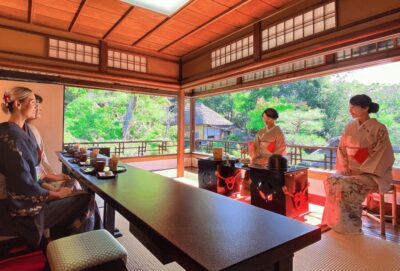
Kyoto: Tea Ceremony in a Traditional Tea House in Kiyomizu
Read our review →
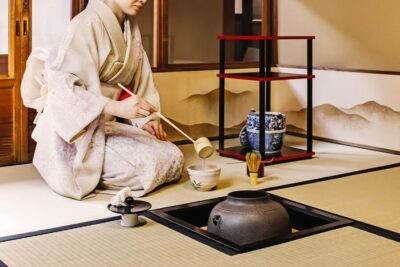
Kyoto: 45-Minute Tea Ceremony Lesson Experience
Read our review →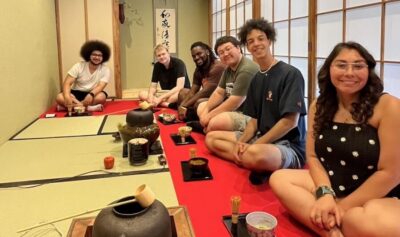
Kyoto: Table-Style Tea Ceremony at a Kyo-Machiya
Read our review →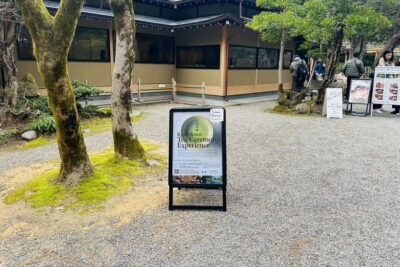
Browse the lists this tour appears in