
Review · TEA CEREMONY EXPERIENCES
Tokyo Vegan Tour : Miso Making, Tea Ceremony, Rickshaw Ride
This tour puts you to work before it puts food in front of you. You make miso or onigiri with Japanese ingredients, taste five kinds of amazake, then move into a matcha ceremony at Kōdōin. I like the hands-on cooking and the short walks between stops, which keep the afternoon focused rather than padded with bus rides. The ten-minute rickshaw ride near Tokyo Tower and Zojoji Temple adds a playful local touch.
The main thing to watch is the price structure. The listed cost is $62 per person, but making both miso and onigiri, adding the matcha experience, or taking a rickshaw ride longer than ten minutes may cost extra. The private format is a strong plus, and guide Konomi earned special praise for clear English and a warm manner.
Key points at a glance
- A real food workshop: Make miso with rice koji from a 150-year-old fermentation shop, or shape onigiri with Tokyo-grown rice and fresh nori.
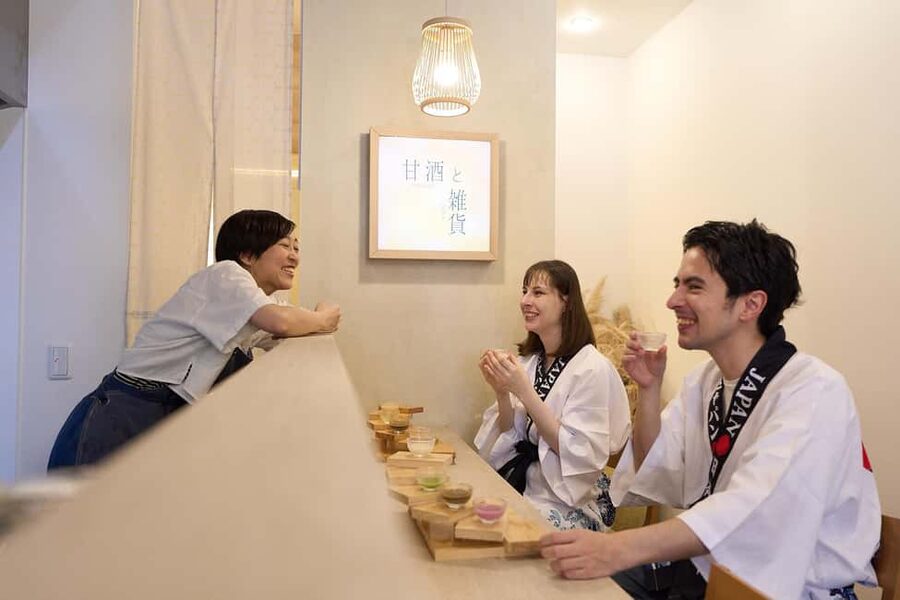
- Five amazake tastings: Compare several versions of this traditional Japanese drink after eating your own rice balls.
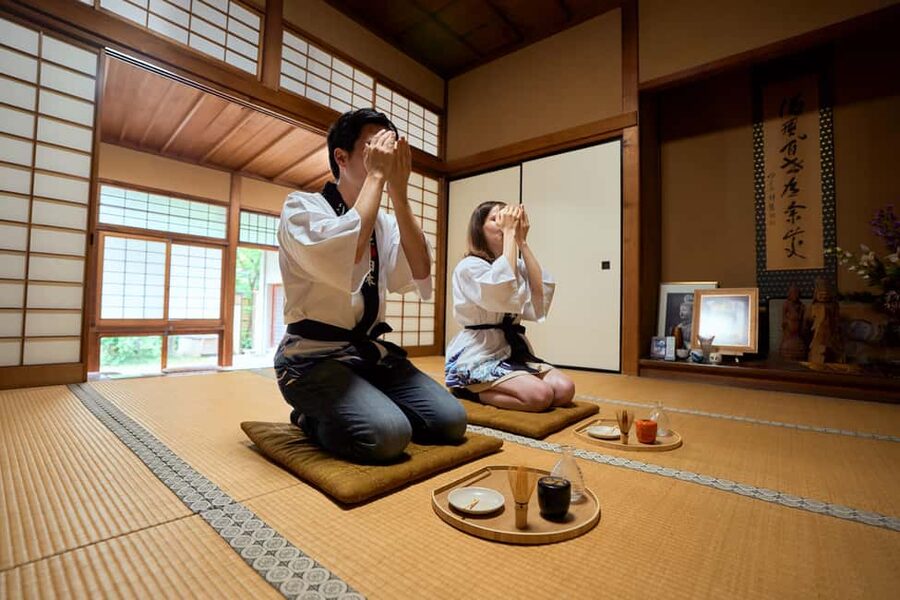
- A quiet temple setting: Visit Kōdōin, a historic sub-temple of Zojoji, for a 45-minute matcha experience.
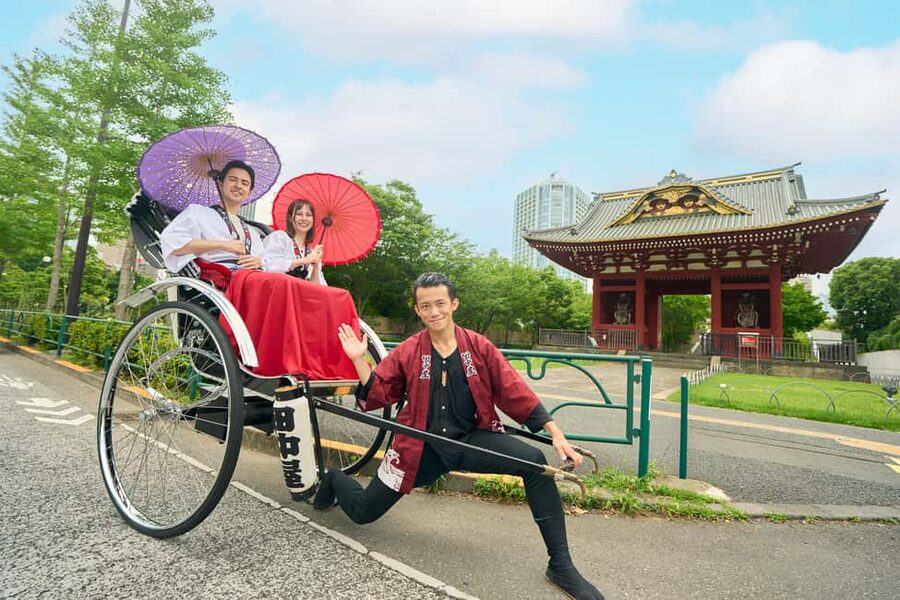
- Tokyo Tower by rickshaw: Take a ten-minute ride through the Zojoji and Tokyo Tower area, with longer rides available for an extra fee.
- Rare city sake stop: Sample premium sake at Minato Shuzo, described as the only sake brewery within Tokyo’s 23 special wards.
- Private and English-speaking: The tour is designed for a private group, with guidance in English and Japanese.
Why the food workshop is the heart of the tour
The first 90 minutes are spent in Minato City on food preparation. This is not simply a tasting stop where someone hands you a small sample and sends you on your way. You take part in the process, which gives the meal more meaning and helps you understand two everyday Japanese foods.
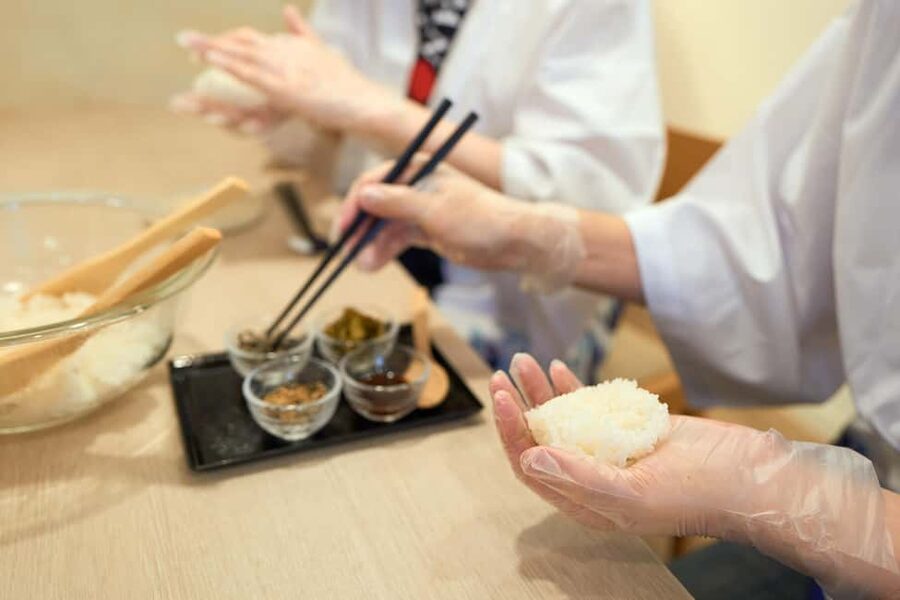
You can choose a miso-making workshop, an onigiri workshop, or both. If you have only a passing interest in Japanese food, onigiri is likely the more immediate choice. You shape rice balls yourself, using Tokyo-grown rice and freshly harvested nori seaweed, then eat what you have made. The result is simple, filling, and connected to the ingredients in front of you.
Miso making is a different sort of experience. The workshop uses high-quality rice koji sourced from a fermentation shop with 150 years of experience. Koji is central to many Japanese fermented foods, so this session gives you a useful look at an ingredient that often stays invisible behind the finished product. You will not just taste miso as a seasoning. You will see part of the method behind it.
The trade-off is that the base price may not cover every food option. Check the exact selection and optional fee before you pay. If the idea of making both appeals to you, do not assume both are included just because the tour features both foods.
More Tea Ceremonies in Tokyo
- Kimono Tea Ceremony at Tokyo, Asakusa Maikoya
★ 5.0 · 638 reviews - Tokyo: Traditional Tea Ceremony with a Tea Master
★ 5.0 · 528 reviews - Tea Ceremony Workshop in Tokyo by the Experienced Instrucor
★ 5.0 · 189 reviews
Five amazake samples and a meal you helped make
After the onigiri work, you eat your own rice balls and taste five different types of amazake. That makes this section more substantial than a quick snack. You have a small meal, then compare a traditional drink in several forms.
Amazake is often described as a sweet Japanese drink, but the point here is not just sweetness. Tasting five versions gives you a chance to notice differences in flavor and texture. The tour uses plant-based ingredients throughout, so you can take part without worrying about hidden animal products in the food workshop or tastings.
I like this part for practical reasons. You are likely to leave with a better sense of what you enjoy, which can help when you see amazake elsewhere in Japan. The onigiri also gives the afternoon a proper food break before the temple visit.
Still, this is not a full restaurant lunch. Think of it as a hands-on meal and tasting session. If you need a large meal, plan accordingly around the four-hour schedule.
Kōdōin and a 45-minute matcha ceremony
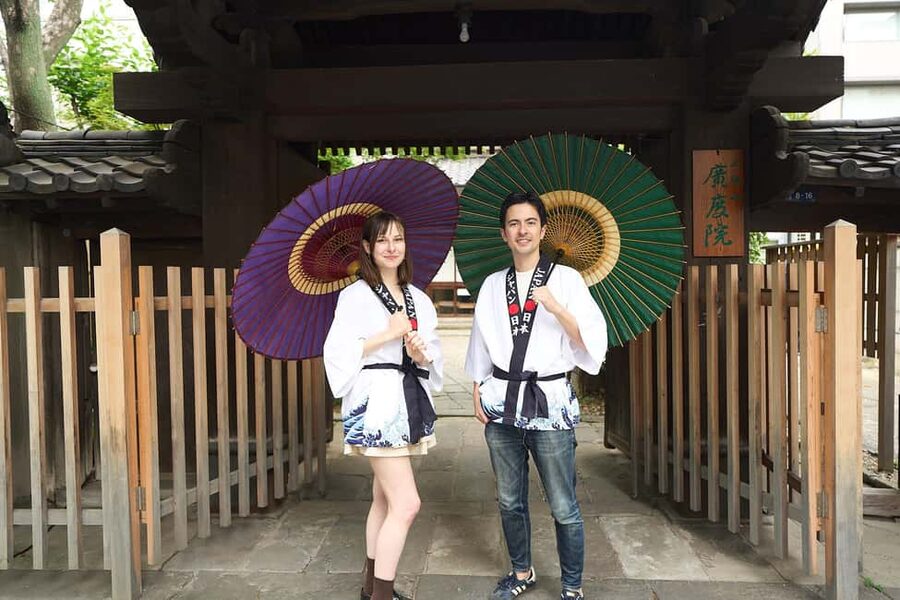
From the food workshop, you walk about five minutes to Kōdōin, a historic sub-temple of Zojoji. The short transfer matters. You move from food preparation to a quieter religious setting without losing time to traffic or a long train ride.
The matcha experience lasts about 45 minutes and includes an explanation of tea and the Zojoji area. You can expect a traditional ceremony presented in a friendly, guided way rather than being left to guess what to do. That is useful if you have never taken part in a tea ceremony, since small gestures and proper handling of the tea can otherwise feel mysterious.
The setting does much of the work. Kōdōin offers a calm change of pace after the cooking class, and the nearby Zojoji area gives the guide a clear cultural setting for explaining the neighborhood. This is one of the stronger parts of the experience for anyone who wants more than food samples.
There is one detail to confirm when booking: the inclusions describe the matcha experience as optional, while the main program includes a visit to Kōdōin and a tea ceremony. Ask what your selected package covers so there is no surprise fee.
A ten-minute rickshaw ride by Tokyo Tower
After another five-minute walk, you spend around 30 minutes sightseeing in the Minato City area before taking a ten-minute pedicab or rickshaw ride. The ride covers the Tokyo Tower and Zojoji Temple area.
A rickshaw gives you a different view of a familiar Tokyo scene. You sit above street level, move at a gentle pace, and let the puller handle the route while you look around. It is a good fit for this tour because the food and tea sections are quiet and hands-on, while the rickshaw adds motion and a bit of theater.
The included ride is only ten minutes, so keep your expectations in check. It is a short introduction, not a full neighborhood tour from a rickshaw. A longer ride is available for an additional charge, but the supplied details do not state the longer duration or exact cost. Ask before extending the ride.
One useful point is comfort. A participant described the ride as surprisingly comfortable despite the obvious effort required from the person pulling the vehicle. You may feel a little self-conscious at first, but the ride is intended as a sightseeing experience, not a test of stamina.
Same city, a very different cup:
- Matcha Making Class in Tokyo with Authentic Japanese Sweets Set
★ 5.0 · 744 reviews - Dynamic Tokyo: Tokyo Tower, Tea Experience, Bay Cruise Day Tour
★ 4.5 · 521 reviews - Tokyo: Matcha Making Experience with Mochi Sweets in Asakusa
★ 4.9 · 388 reviews - Asakusa Cultural Walk & Matcha Making Tour
★ 5.0 · 245 reviews
Sake at Minato Shuzo
The final tasting takes place at Minato Shuzo, described as the only sake brewery within Tokyo’s 23 special wards. You spend about 15 minutes tasting premium sake.
That location gives the final stop a strong sense of place. Tokyo is often associated with towers, department stores, and dense streets, so a brewery within the city wards offers a useful reminder that production and tradition still have room in the capital.
The tasting is brief. You should expect a focused sample rather than a long brewery tour or a full lesson in sake production. The program also includes an English-speaking guide, which helps if you want to ask about what you are drinking.
The sake stop may not suit you if you do not drink alcohol. The tour is built around food and drink, and the provided information does not mention a nonalcoholic replacement for the sake tasting. The vegan guarantee applies to the ingredients used in the experience, but vegan food does not mean the alcoholic tasting is optional unless the operator confirms it.
Why the private format matters
This is a private-group experience, and that changes how the afternoon can feel. Cooking activities work better when you can ask questions without waiting for a large group to move along. A private format also suits people who want a slower explanation of miso, koji, tea etiquette, or sake.
The guide leads the transitions, while specialists handle parts of the program such as cooking and the tea ceremony. That division gives you both a personal point of contact and access to people who focus on their own craft.
Guide Konomi received particularly strong praise for approachable communication and excellent English. Another participant described the afternoon as exclusive to their party, with clear explanations at each stage and no unanswered questions. Those details matter because this tour moves through several distinct activities. A weak guide could make it feel chopped up. A good one keeps the pieces connected.
The listed languages are English and Japanese. The tour is conducted in English, so it suits you best if you want explanations without relying on translation apps.
Price, timing, and practical value
At $62 per person, the base price is reasonable for a four-hour private experience that combines a workshop, temple visit, matcha, a rickshaw ride, amazake, and sake. The value is strongest if you want several small cultural experiences in one afternoon and would otherwise pay separately for food activities and tastings.
The optional charges need attention. The information says you may pay extra to make both miso and onigiri, and the rickshaw ride costs more if you go beyond ten minutes. Matcha is also marked optional in the included details. Before booking, confirm exactly which food workshop, tea experience, and rickshaw duration come with your price.
The meeting point is Daimon Station, Exit A6. That gives you a clear starting point in Minato City. The movement afterward is modest: about five minutes on foot to the temple, another five minutes on foot later, and a short rickshaw ride. You spend most of the four hours doing or tasting something, rather than sitting in transit.
The schedule is fairly full. You will switch from kitchen work to temple manners, then sightseeing and sake. If you prefer a slow afternoon with long breaks, this may feel brisk. If you like variety and a clear sequence, the pace should suit you.
Free cancellation is available up to 24 hours before the start for a full refund, and you can reserve now and pay later. Starting times vary, so check availability when you choose a date.
Who will get the most from this afternoon
I would recommend this for you if food is your best route into a new culture. You do not need to be an experienced cook. The onigiri activity is approachable, while the miso session offers a closer look at fermentation and Japanese pantry staples.
It also suits couples and small private groups who want an afternoon built around shared activities. The private setup lets you ask basic questions without feeling rushed, and the rickshaw ride adds a memorable group moment.
Vegans and people seeking a fully plant-based food experience have a clear reason to consider it. All ingredients used are 100 percent plant-based and vegan-friendly. That covers the cooking and tasting program, while the sake itself is, of course, an alcoholic drink rather than a food ingredient.
You may want to skip it if you are looking for major Tokyo landmarks, extensive temple touring, or a long rickshaw route. Tokyo Tower and Zojoji appear as part of the setting and sightseeing, but this is mainly a food and culture experience. The sightseeing portions are shorter than the workshop and tea sections.
Should you book it?
Book this tour if you want to make food, taste several Japanese drinks, sit for matcha at a temple, and add a short rickshaw ride in one well-organized afternoon. The private group format, English guidance, and four-hour length make it especially useful for a first visit or a compact day in Minato City.
Before paying, check three points: if you want both miso and onigiri, confirm the added cost; verify if matcha is part of your chosen package; and decide if ten minutes in the rickshaw is enough. If those terms suit you, $62 offers a good mix of participation, local food, and cultural context.
FAQ
Where does the tour start?
The meeting point is Daimon Station, Exit A6.
How long does the experience last?
The tour lasts four hours.
What languages are available?
English and Japanese are available, and the tour is conducted in English.
Is the tour private?
Yes. It is offered for a private group.
Are all the ingredients vegan?
Yes. All ingredients used in the experience are 100 percent plant-based and vegan-friendly.
Can I make both miso and onigiri?
Yes, you may choose one or both. Making both requires an optional fee.
What food is used for the onigiri?
The onigiri uses Tokyo-grown rice and freshly harvested nori seaweed.
How many amazake varieties can I taste?
The experience includes tasting five different types of amazake.
How long is the included rickshaw ride?
The included rickshaw ride is ten minutes. A longer ride is available for an additional fee.
Can I cancel for a full refund?
Yes. You can cancel up to 24 hours in advance for a full refund.
More Food Tours in Tokyo
- Experience all of Japanese culture and Japanese food experience classes “origami, udon, Japanese food, green tea, calligraphy” in 4 hours
★ 5.0 · 105 reviews - Kimono and Tea Ceremony in Asakusa Private Food Tour With Guide
★ 5.0 · 4 reviews - Jakarta: Volcano, Tea/Rice Fields, Hot Spring, Local Food
★ 4.9 · 515 reviews - SF’s Chinatown: Tea & Dim Sum Food Tour – Includes full meal, 3hr
★ 5.0 · 153 reviews
More Vegan and Vegetarian Tours in Tokyo
- Hue Retreat: Tea and Meditation with Vegetarian Meal
★ 5.0 · 9 reviews - Hue Retreat: Tea and Meditation Tour with Vegetarian Meal
★ 5.0 · 4 reviews
Fresh tea listings around Tokyo
- Yokohama : Tea Ceremony with Sweets and Souvenir★ 5.0 · 5 reviews
- Walking Tour: Yanaka,Nezu& Sendagi: Tea Ceremony & Old Tokyo★ 5.0 · 3 reviews
- Private Mochi・Matcha sweets Making Class Near Shibuya Area★ 5.0 · 22 reviews
- Private Kimono and tea ceremony at local home near Tokyo Disney★ 5.0 · 6 reviews
- 2 Hours Mochi &Nerikiri Making & Matcha Class in Bunkyo★ 5.0 · 21 reviews
- Kimono and Tea Ceremony in Asakusa Private Food Tour With Guide★ 5.0 · 4 reviews
- Tokyo: Tea Ceremony & Japanese Sweets Making★ 5.0 · 10 reviews
- Tokyo Sweets Tour: Hidden Gems & Matcha at an Old Tea House★ 5.0 · 6 reviews
Tea Ceremony Experiences, compared.
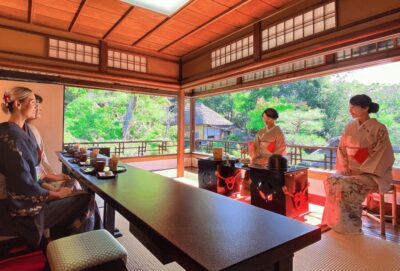
Kyoto: Tea Ceremony in a Traditional Tea House in Kiyomizu
Read our review →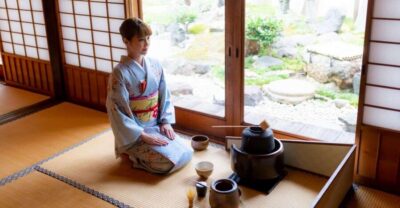
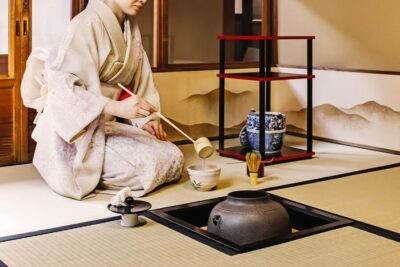
Kyoto: 45-Minute Tea Ceremony Lesson Experience
Read our review →
Kyoto: Table-Style Tea Ceremony at a Kyo-Machiya
Read our review →
Browse the lists this tour appears in