
Review · TEA CEREMONY EXPERIENCES
Tokyo: Two Types of Japanese Sweets Making and Tea Ceremony
The most appealing part of this Tokyo class is its three-part look at Japanese tea culture: you shape wasanbon ohigashi, create two seasonal nerikiri sweets, and prepare matcha. It is a hands-on way to learn why Japanese sweets are made to please the eye as much as the palate.
I like the use of white and red bean paste from long-established Kyoto shops, and I like that the matcha comes from a single origin rather than being treated as a generic green powder. The instructor is Japanese, explains the background of the sweets and tea, and provides English help as much as possible.
The main consideration is language. English support is available, but it is not listed as a full English-language class. Nerikiri also takes a little finger control, so this is a making class, not simply a tasting session.
What makes this class worth two hours
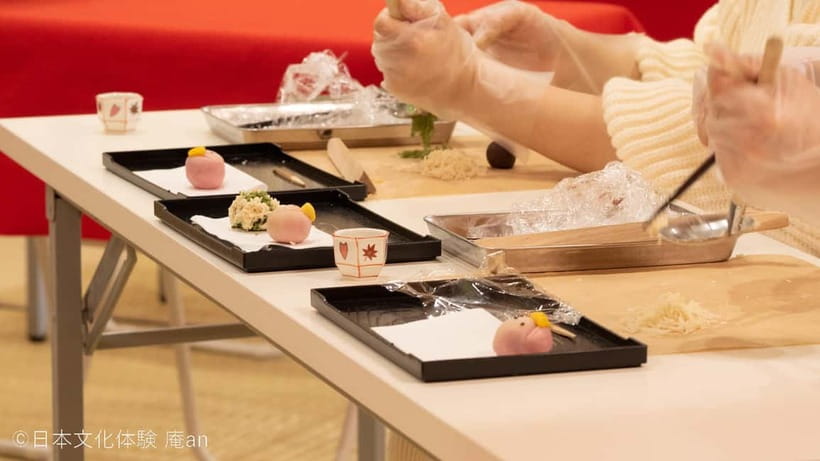
- Three linked activities in 125 minutes: Make wasanbon ohigashi, two seasonal nerikiri sweets, and matcha.
- Kyoto bean paste: Use white and red bean paste produced by long-established Kyoto shops.
- Seasonal designs: Shape a flower-style nerikiri and a kinton nerikiri that reflect the time of year.
- Single-origin matcha: Grind matcha as part of the demonstration, then prepare your own bowl.
- Casual tea ceremony: Learn the basic experience without needing prior knowledge of tea etiquette.
- Good value at $28: The price includes the full three-part class, with only a few small optional charges.
Ohigashi: a small lesson in Japanese sugar
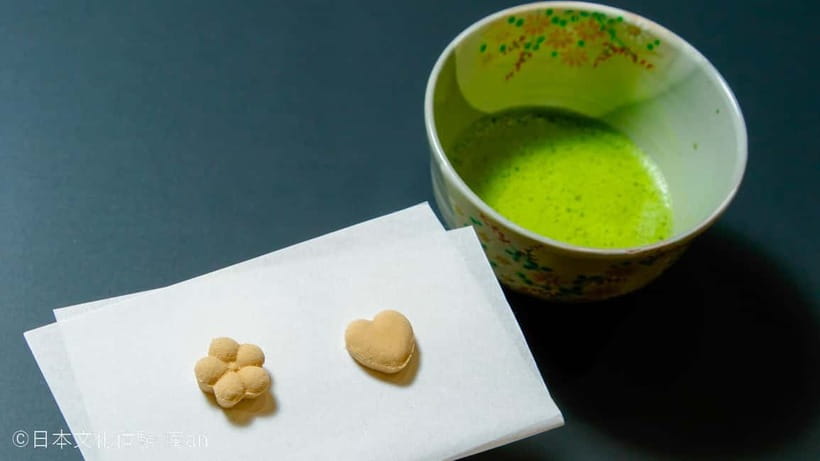
The class begins with an explanation of traditional Japanese sweets before you make ohigashi. This dried-style sweet is made with wasanbon, a refined Japanese sugar known for its fine texture and delicate sweetness.
Ohigashi is a good opening activity because it is relatively simple. One participant described it as the easiest of the three making tasks, which matches the nature of the sweet: you are working with a firm, molded mixture rather than a soft bean paste that needs careful shaping.
This first step also gives you useful context. Japanese sweets are not all soft cakes or filled pastries. Ohigashi belongs to a more formal confectionery tradition, where the shape, color, and sweetness are meant to support the tea being served.
I like that the class does not rush straight to matcha. By starting with wasanbon, you see one side of the tea table before dealing with the more delicate nerikiri. You also get an early success, which helps if you are new to food-making classes.
The schedule allows about 20 minutes for the first activity, followed by a short break. That pause matters. Three practical activities in one class could feel crowded, but the built-in breaks give you a chance to reset your hands and look at what you have made.
More Tea and Sweets Making in Tokyo
- Matcha Making Class in Tokyo with Authentic Japanese Sweets Set
★ 5.0 · 744 reviews - Tokyo: Matcha Making Experience with Mochi Sweets in Asakusa
★ 4.9 · 388 reviews - Make Traditional Nerikiri Sweets & Matcha experience in Shibuya
★ 5.0 · 130 reviews
Flower nerikiri takes more care
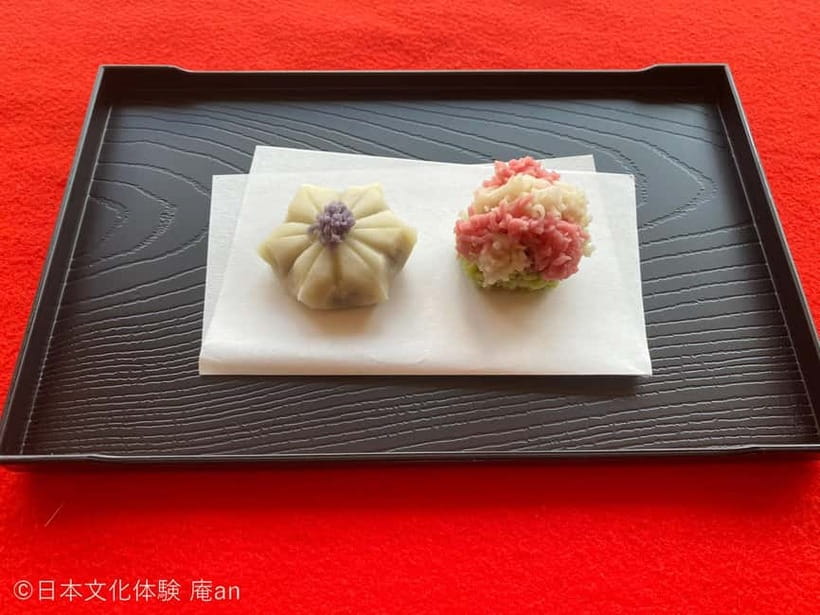
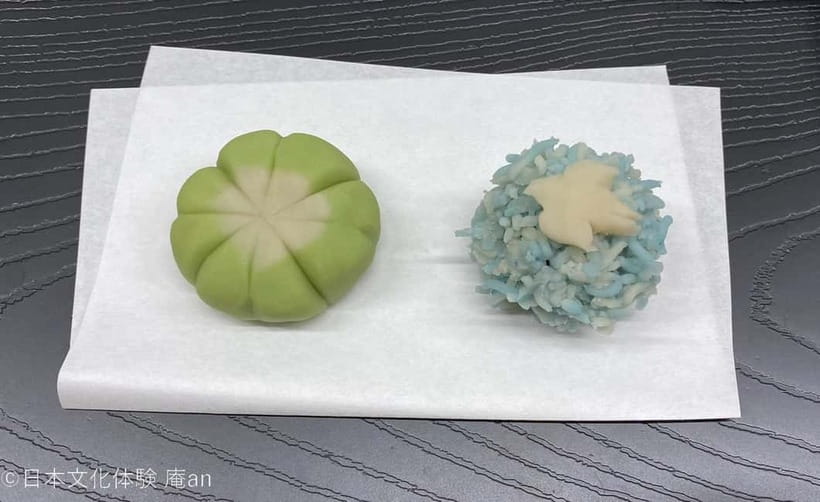
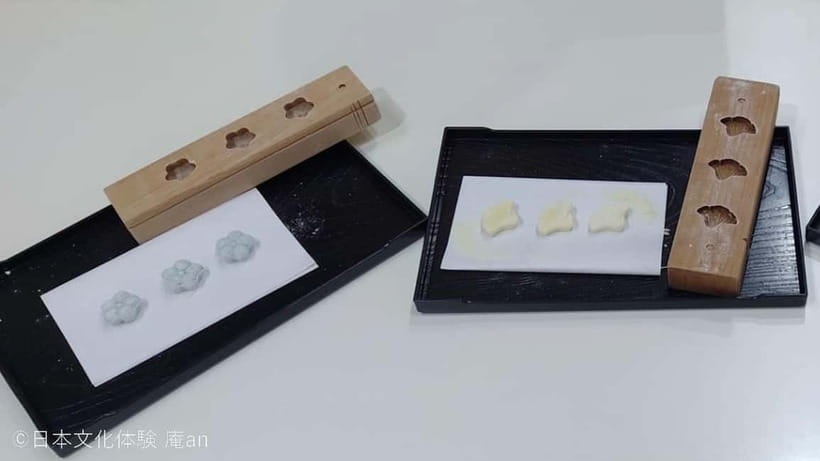
Next comes the more delicate part: making seasonal nerikiri. You create two sweets, including a flower-shaped design and a kinton nerikiri.
Nerikiri is made from white and red bean paste, and the quality of that filling matters. The paste used here comes from established Kyoto shops, giving the class a direct connection to one of Japan’s best-known confectionery traditions. You are not simply decorating a ready-made sweet. You work with the paste and shape it into an object associated with the season.
The flower design is likely to be the first point where you need a little patience. The paste is soft, and the finished shape depends on gentle pressure and controlled movements. You may get a slightly lopsided flower. That is part of the fun, though perfection matters more to the confectioner than to the person eating it.
The second piece is a kinton nerikiri. Kinton designs use fine strands or textured pieces of paste to create a different look from the smooth flower. That change gives you two useful lessons in handling the same basic material.
Allow about 55 minutes for this section, with a break afterward. The timing is generous compared with ohigashi, and that is sensible. Nerikiri requires more fine motor control, especially if you want the surface to look neat.
I would pay close attention to the demonstration before touching the paste. The class is not described as a professional pastry workshop, but you will get more from it if you copy the instructor’s hand position and pace instead of trying to hurry. One practical tip: treat the shaping as a quiet craft activity, not a race.
The seasonal design is one of the best reasons to book this class at a particular time of year. Your sweets are not just souvenirs from a generic Tokyo activity. Their forms are linked to the season, which is central to Japanese tea culture.
Matcha after the sweets
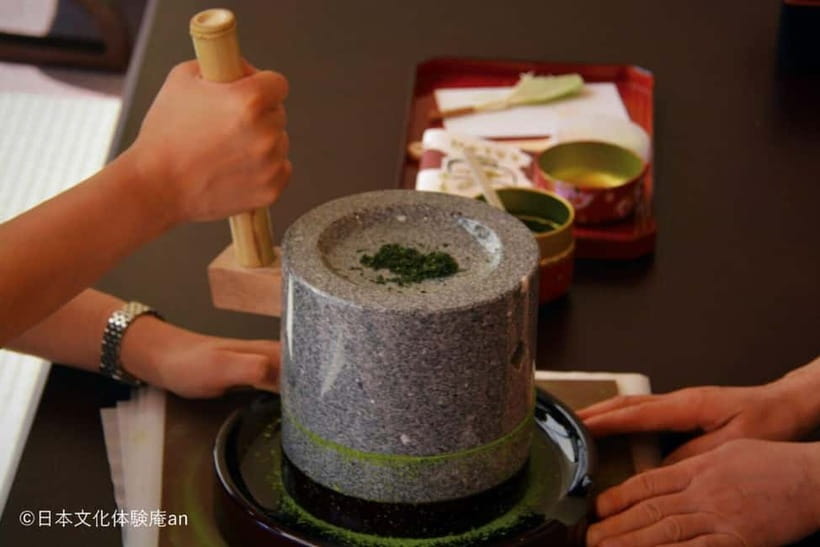
After the nerikiri work, the focus shifts to tea. You receive an explanation of tea before seeing a matcha-grinding demonstration and taking part in the tea ceremony experience.
The schedule gives around 10 minutes to the tea explanation and demonstration, followed by the tea ceremony and picture time. The tea preparation itself is presented casually, so you do not need to arrive with knowledge of formal tea etiquette.
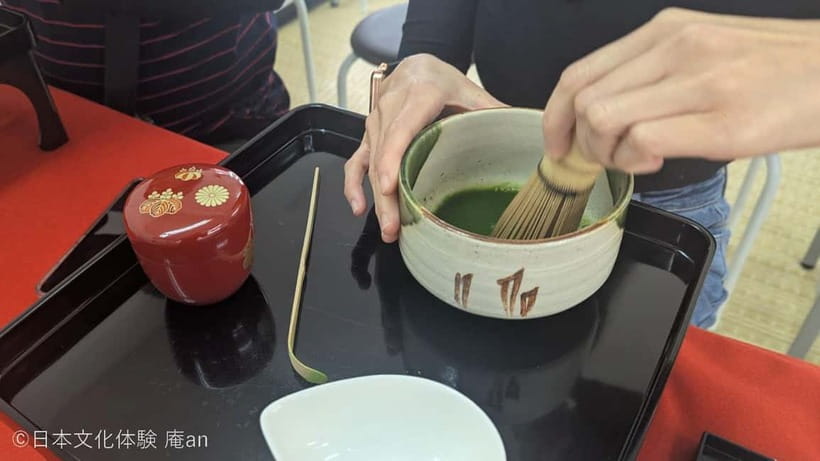
You make your own matcha and learn to whisk it. This is a useful distinction from a standard tea tasting, where someone else prepares everything. Here, you take part in the process and see how the powder changes when water and whisking bring it together.
The class uses single-origin special matcha. That does not mean every person will prefer its taste, but it gives the tea portion a clear point of focus. You can pay attention to the tea itself rather than treating it as a simple drink at the end of a dessert workshop.
The whisking is described as easy compared with the nerikiri work. That makes the order of the class work well. After concentrating on detailed sweet shapes, you finish with an activity that is more rhythmic and forgiving.
The tea ceremony is casual rather than a strict formal performance. That suits a short introductory class. You get an idea of the gestures and sequence without spending the whole session memorizing rules.
The picture time is also practical. Your finished sweets and tea make better souvenirs in a photograph than a plain participation certificate would. If you want a certificate, it costs an additional 300 yen.
Why the three parts belong together
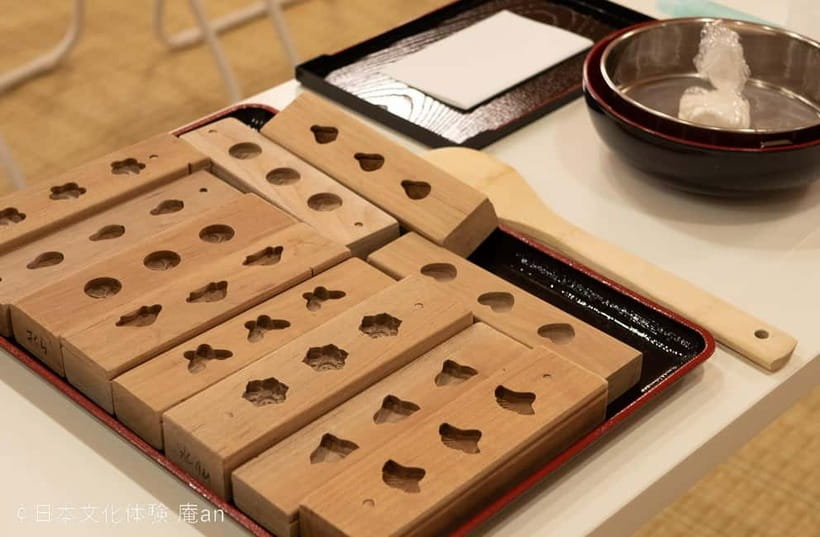
At first glance, ohigashi, nerikiri, and matcha might look like three separate activities packed into one booking. They make more sense when viewed as parts of one tea setting.
Ohigashi shows you a dry confection made from wasanbon. Nerikiri introduces bean paste and seasonal form. Matcha gives you the drink that traditionally brings the sweets together. Each part has a different texture, skill level, and role.
I particularly like this structure for first-time visitors. A tea ceremony by itself can sometimes leave you watching more than doing. A sweets class by itself can miss the reason these confections are shaped so carefully. This program gives you something to make, something to eat, and something to practice.
It is also a better choice for people who want a cultural activity with a clear finish. By the end, you have made several sweets, prepared matcha, and had time for pictures and eating. The final 10 minutes are set aside for eating and drinking before departure.
Do not expect a full professional lesson in wagashi production or a long formal tea ceremony. The strength here is range. In just over two hours, you sample several connected parts of Japanese food culture.
More Tea Ceremonies in Tokyo
- Kimono Tea Ceremony at Tokyo, Asakusa Maikoya
★ 5.0 · 638 reviews - Tokyo: Traditional Tea Ceremony with a Tea Master
★ 5.0 · 528 reviews - Tea Ceremony Workshop in Tokyo by the Experienced Instrucor
★ 5.0 · 189 reviews - Asakusa: Kimono Tea Ceremony with Matcha and Sweet
★ 4.9 · 153 reviews
English help and the pace of the class
The listed language is Japanese, with English translation provided as much as possible. That wording is important. You should be comfortable with some explanation being supported by demonstrations, gestures, and visual learning.
The instructor’s manner is one of the strongest parts of the experience. The class leader is described as kind and careful, with useful explanations about the different types of Japanese sweets and the difference between green tea and matcha. That background is valuable because it turns the activity into more than a recipe lesson.
If you have questions, ask them early and clearly. The language support may work best for simple instructions and key explanations rather than for a long technical discussion. You can also learn a great deal by watching the instructor’s hands during the shaping and tea preparation.
The session is paced in stages:
- Start with an explanation of Japanese traditional sweets.
- Make wasanbon ohigashi.
- Take a short break.
- Make the flower-shaped nerikiri.
- Make the kinton nerikiri.
- Take another break.
- Hear about tea and watch the matcha-grinding demonstration.
- Prepare matcha and take part in the tea ceremony.
- Take pictures.
- Eat and drink before leaving.
That clear order makes the class easy to follow. It also gives you natural pauses instead of requiring nearly two hours of constant concentration.
The $28 price and the small extra charges
At $28 per person, this is a strong value if you want an active cultural class rather than a short sampling. The price includes the three-part experience: ohigashi making, two nerikiri preparations, and tea ceremony practice.
The included materials are the main reason the cost works. You are not paying just for a bowl of matcha or a finished sweet. You are paying for instruction, ingredients, several hands-on stages, and time to eat and drink what you made.
There are three optional charges to note:
- A take-out box for the sweets costs 100 yen.
- Adding color costs 200 yen.
- A completion certificate costs 300 yen.
The take-out box is the most useful extra if you want to keep your sweets for later. Nerikiri can be delicate, so carrying it loose in a bag would not be wise. Color may help if you want more control over the appearance of your sweets, but it is not part of the base price.
The certificate is mainly a souvenir. I would choose the box before the certificate, especially if you are planning a full day in Tokyo after the class.
Children under two years old who sit on a parent’s lap are free. Anyone who takes part in the class needs a reservation, and people who are not participating cannot enter the experience.
Timing, cancellations, and practical planning
The total duration is 125 minutes. Operation hours are from 10:00 to 17:00, and you need to choose an available starting time when booking.
Build in enough time to reach AN TOKYO Japanese Culture Experience. The class cannot be held for late arrivals, and travel costs are not compensated if you miss the session or the activity is canceled. That makes punctuality more important than it might be for a casual museum visit.
The cancellation policy is friendly: you can cancel up to 24 hours in advance for a full refund. You can also reserve now and pay later, which helps if you are still arranging your Tokyo schedule.
I would book this for a day when you can arrive early and leave without a tight connection. The activity has several distinct stages, and arriving late would affect more than just your own first few minutes.
Who will enjoy this Japanese sweets class
This experience suits you if you want to make something with your hands, learn a little cultural background, and finish with food you prepared yourself. It is especially good for first-time visitors who want a gentle introduction to Japanese sweets and matcha without committing to a long formal ceremony.
It also works well for couples, friends, and families with older children who can follow careful instructions. The nerikiri portion requires some finesse, so younger children may need help from an adult. Only children under two sitting on a parent’s lap are specifically listed as free.
You may prefer another activity if you want a fully English-led class, a serious wagashi training session, or a long traditional tea ceremony with strict etiquette. This program is casual and broad by design.
The class can also appeal to people who are more interested in Japanese food than in sightseeing. You leave with a better sense of how sugar, bean paste, seasonality, and tea fit together. That is a more lasting lesson than simply buying a box of sweets at a department store.
Should you book it?
Book this class if you want a reasonably priced, hands-on Tokyo activity that combines seasonal sweets and matcha in one sitting. The Kyoto bean paste, single-origin matcha, kind instruction, and clear three-stage format give the session more substance than a basic dessert workshop.
Go in knowing that English translation is provided as much as possible, not guaranteed for every detail, and that nerikiri takes patience. Arrive early, consider the 100 yen take-out box, and leave room in your schedule after the 125-minute session.
For a first look at Japanese tea culture with plenty to do and eat, this is a smart choice. For a formal tea school experience or advanced confectionery lesson, choose something narrower and more specialized.
FAQ
How long does the Japanese sweets and tea experience last?
The experience lasts 125 minutes, or just over two hours.
Where does the experience take place?
It takes place at AN TOKYO Japanese Culture Experience in Tokyo.
How much does the experience cost?
The listed price is $28 per person.
What sweets will I make?
You will make wasanbon ohigashi, a dried-style Japanese sweet, plus two seasonal nerikiri sweets. The nerikiri include a flower-shaped design and a kinton design.
What is used to make the nerikiri?
The experience uses white and red bean paste produced by long-established shops in Kyoto.
Is matcha included?
Yes. You will learn about tea, watch a matcha-grinding demonstration, prepare your own matcha, and take part in a casual tea ceremony experience.
What language is the class conducted in?
The instructor is Japanese, and English translation will be provided as much as possible. The listed language for the activity is Japanese.
Are any parts of the experience extra?
The main three-part experience is included. A sweets take-out box costs 100 yen, adding color costs 200 yen, and an experience completion certificate costs 300 yen.
Can children join for free?
Children under two years old who sit on their parents’ laps are free. Anyone who participates in the experience must be included in the booking.
What happens if I arrive late?
The event cannot be held to accommodate delays. You should plan to arrive at the meeting point before the scheduled start time.
Fresh tea listings around Tokyo
- Authentic Japanese tea tasting: sencha, matcha and gyokuro★ 5.0 · 12 reviews
- At an Antique Shop, Tea Ceremony and Japanese Sweets Forming★ 5.0 · 5 reviews
- Mochi Matcha Gluten Free Japanese Sweets Class near Shibuya area★ 5.0 · 26 reviews
- Japanese Matcha Tea Ceremony and Kimono Experience in Hanayaka★ 5.0 · 26 reviews
- Matcha Experience with of Japanese Tea Tasting in Tokyo★ 5.0 · 31 reviews
- Tokyo:Genuine Tea Ceremony, Kimono Dressing, and Photography★ 5.0 · 33 reviews
- EDOCCO Tea House–A Quick Dive into Japanese Traditional Culture★ 5.0 · 34 reviews
- Tokyo: Tea Ceremony Experience in Asakusa★ 5.0 · 36 reviews
Tea Ceremony Experiences, compared.
Kyoto: Tea Ceremony in a Traditional Tea House in Kiyomizu
Read our review →
Kyoto: 45-Minute Tea Ceremony Lesson Experience
Read our review →
Kyoto: Table-Style Tea Ceremony at a Kyo-Machiya
Read our review →
Browse the lists this tour appears in