Review · TEA CEREMONY EXPERIENCES
Tea Ceremony Experience in a Private Tea Room in Shibuya
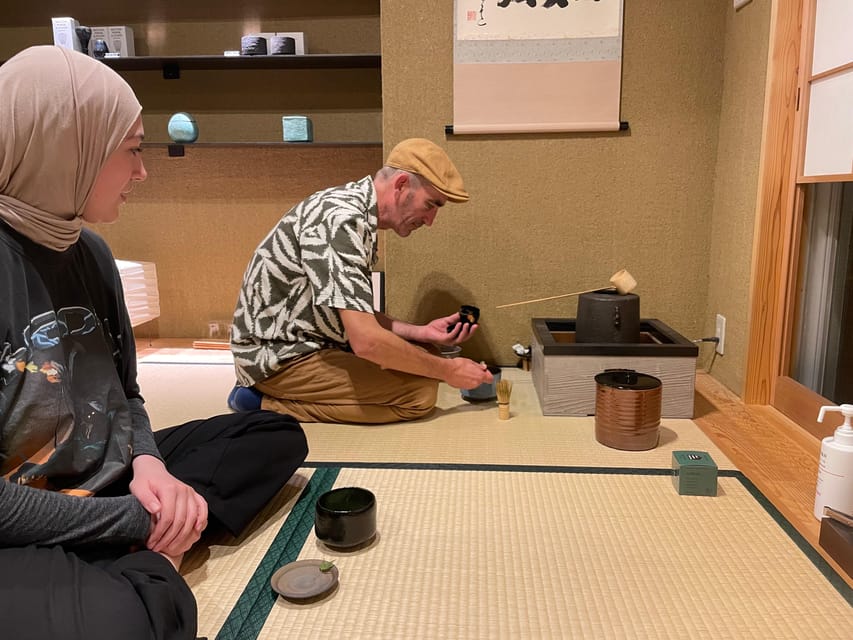
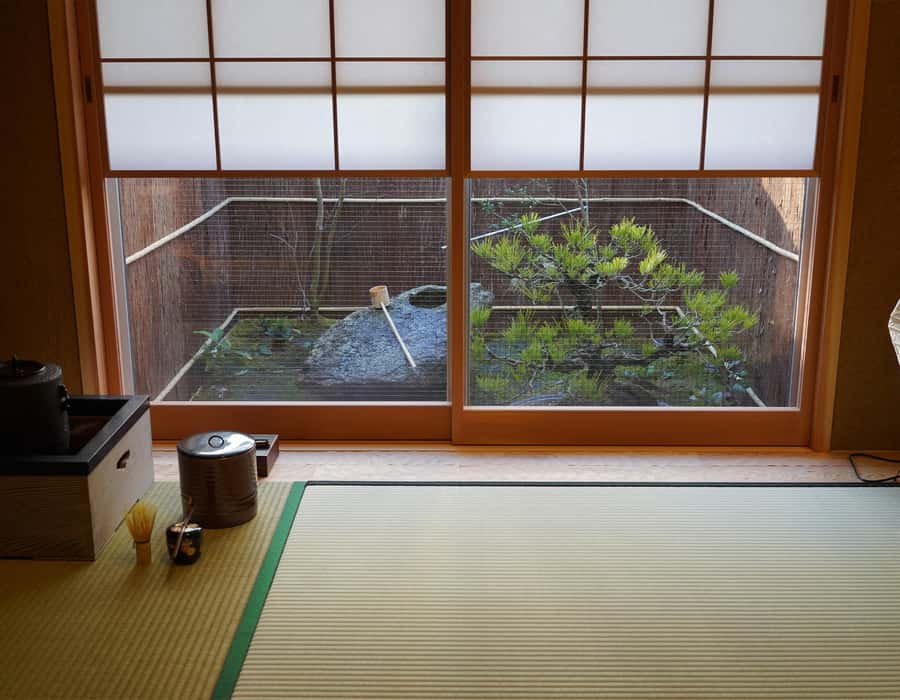
A quiet tea room inside an apartment building may seem an unlikely find in central Shibuya, but that contrast is the heart of this experience. Tatsuya, also called Tatsu, leads you from the noise of Tokyo into a calm room where every movement, object, and sip has a purpose.
I like the personal teaching style and the chance to prepare your own matcha rather than simply watch a demonstration. I also like the rare organic tea, said to represent only about 2 percent of Japan’s total circulation, served with sweets from a wagashi shop with more than 200 years of history.
The main consideration is the setting. The tea room is private and peaceful, but it is in an apartment complex, not a grand old teahouse, and there is no toilet inside. Matcha contains caffeine, and the activity is not considered suitable for children under 10, pregnant women, or babies under 1.
Key points
- Eight-minute walk from Shibuya Station: Meet outside The OneFive Tokyo Shibuya, near Hachiko, Shibuya Scramble Crossing, and other major sights.
- Tatsuya leads the ceremony: He explains tea customs, matcha production, and the meaning of the ceremony in English or Japanese.
- Premium organic matcha: You taste a high-grade tea produced in limited quantities, paired with traditional Japanese sweets.
- Hands-on preparation: After watching the formal preparation, you whisk your own matcha with guidance.
- A calm private room: The small setting gives you time to ask questions and focus on the details.
- Souvenirs are available: You can buy organic matcha and original tea tools after the session.
From Shibuya streets to a private tea room
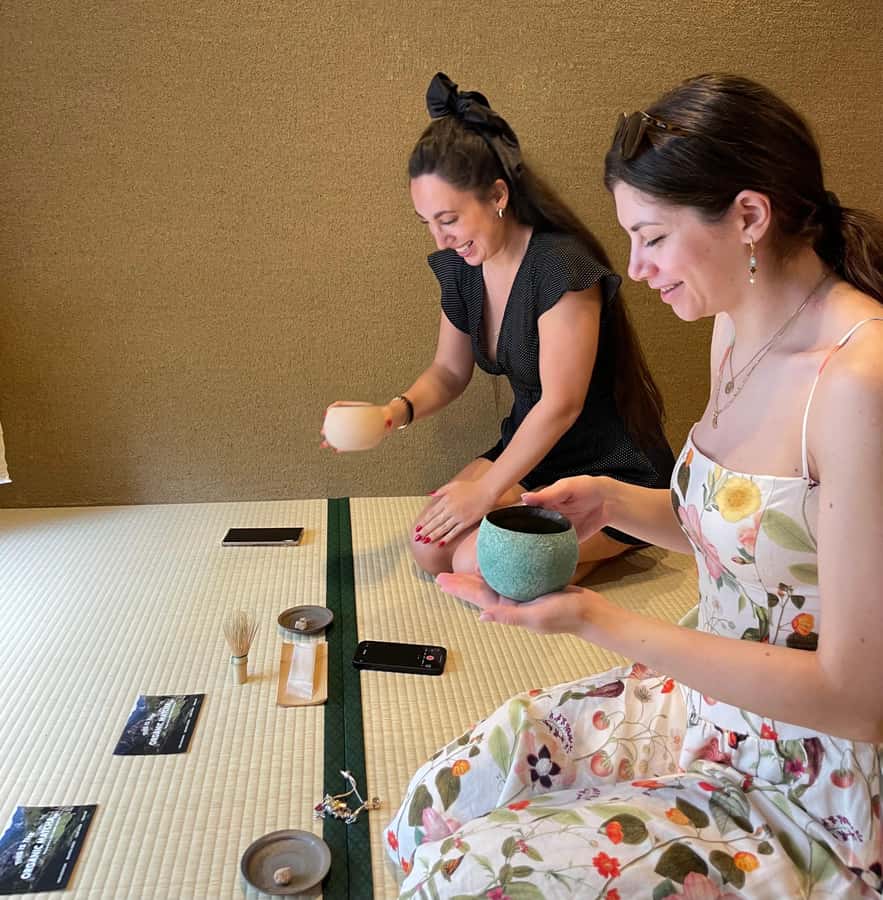
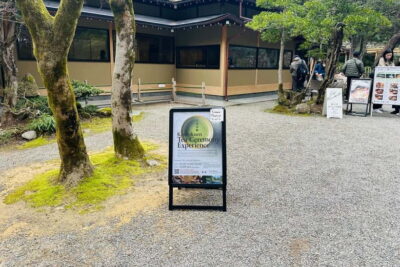
The meeting point is in front of The OneFive Tokyo Shibuya hotel at 1-8-11 Jinnan, Shibuya-ku. Look for the guide holding a sign marked TEA ROOM KAKOI. From Shibuya Station, the walk takes about eight minutes, making this an easy addition to a day around the station.
That location is useful for two reasons. First, you do not need to spend an hour crossing Tokyo to reach a traditional tea setting. Second, you can pair the activity with Shibuya’s best-known sights, including the Hachiko Statue and Shibuya Scramble Crossing. Meiji Shrine and the Pokémon Center are also nearby in the wider area.
The transition from street-level Shibuya to the tea room is part of the charm. You begin in one of Tokyo’s busiest districts, then enter a much smaller and quieter space. Do not expect a large cultural center or a formal historic building. The room is inside an apartment block, and that may surprise you at first. Once inside, the simple setting helps keep attention on the tea and the host.
More Private Tea Experiences in Japan
- Private Tea Ceremony and Sake Tasting in Kyoto Samurai House
★ 5.0 · 163 reviews - Kyoto: Private Tea Ceremony with a Garden View
★ 4.9 · 61 reviews - Kyoto Private Tea Ceremony with Tea Master at Home
★ 5.0 · 58 reviews
What Tatsuya explains before the tea is served
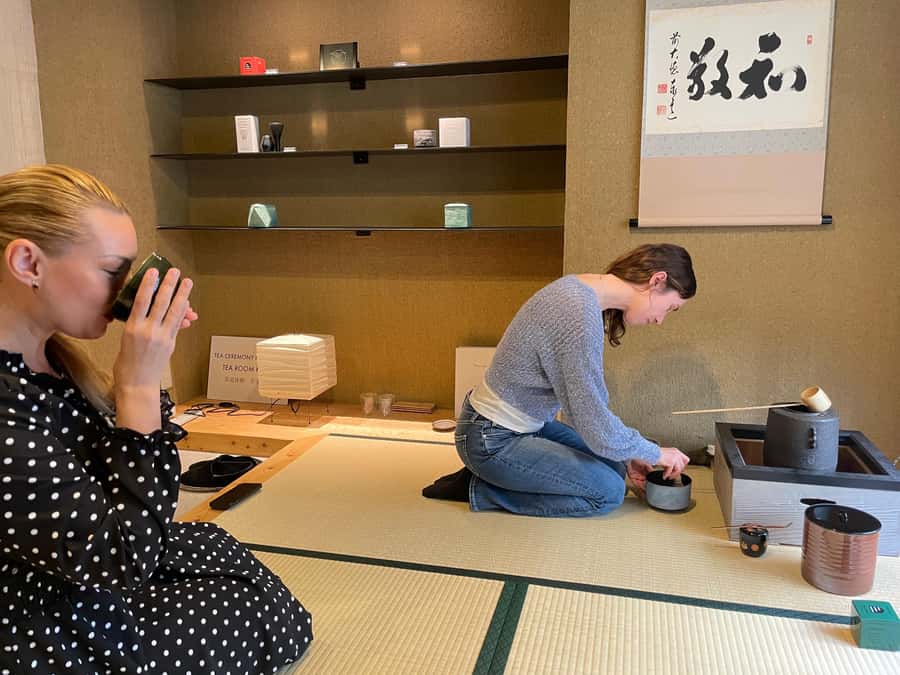
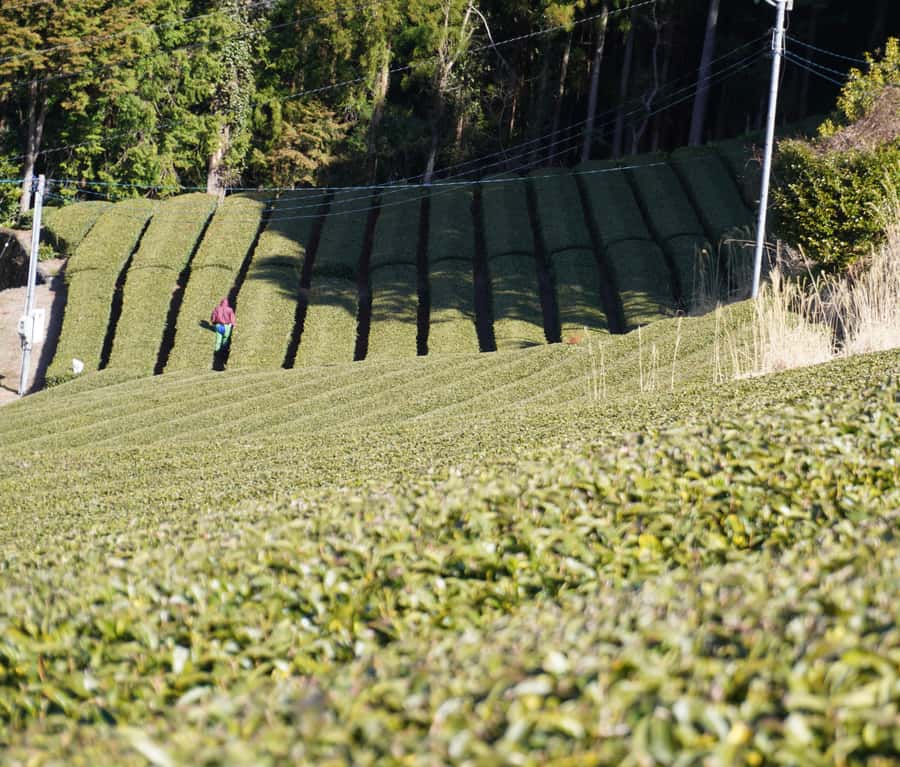
The session begins with an introduction to Japanese tea ceremony customs and the background of matcha. Tatsuya explains how matcha is produced and why this powdered green tea has become known far beyond Japan.
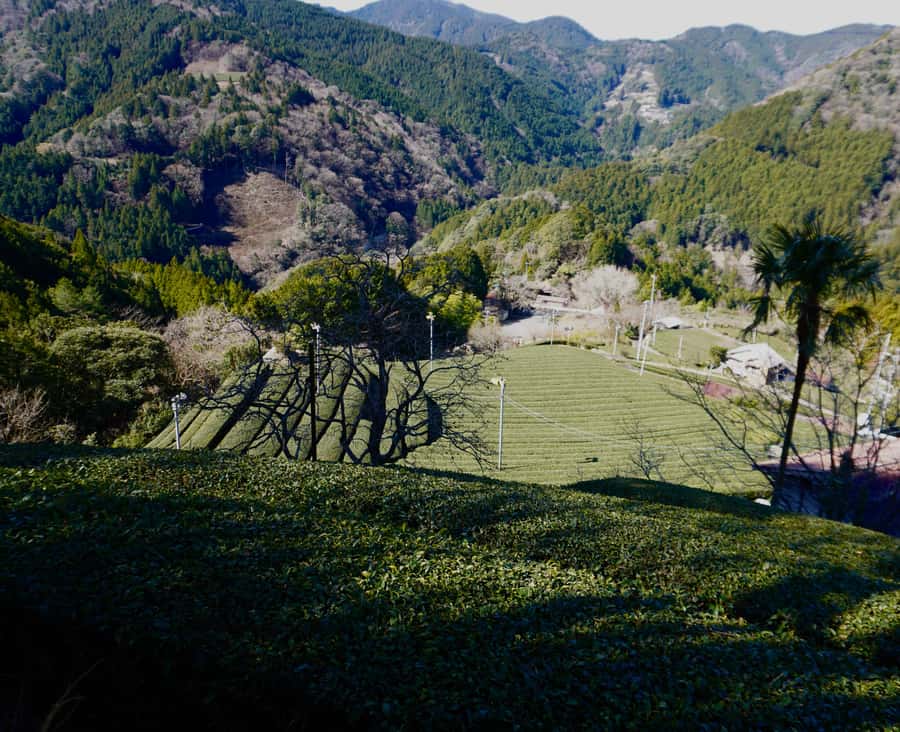
The useful part is that the talk connects the drink in your bowl to the work behind it. You learn about the tea itself, not only the correct way to hold a cup. Tatsuya’s family connection to tea farming adds a personal angle. He has spoken about two generations of family tea farms, so the subject is not just a script learned for visitors.
You also learn why the ceremony moves slowly. The pace gives you time to notice the utensils, the tea bowl, the sweets, and the way each item is handled. The point is not to memorize a long list of rules. It is to understand the care given to the host, the guest, the tea, and the tools.
The instruction is available in English or Japanese. For English-speaking visitors, this matters because the ceremony has many small customs that would otherwise be easy to miss.
The formal preparation and the first bowl
After the introduction, Tatsuya prepares matcha in the formal tea ceremony style and serves it to you. This is the part where the room becomes especially quiet and focused.
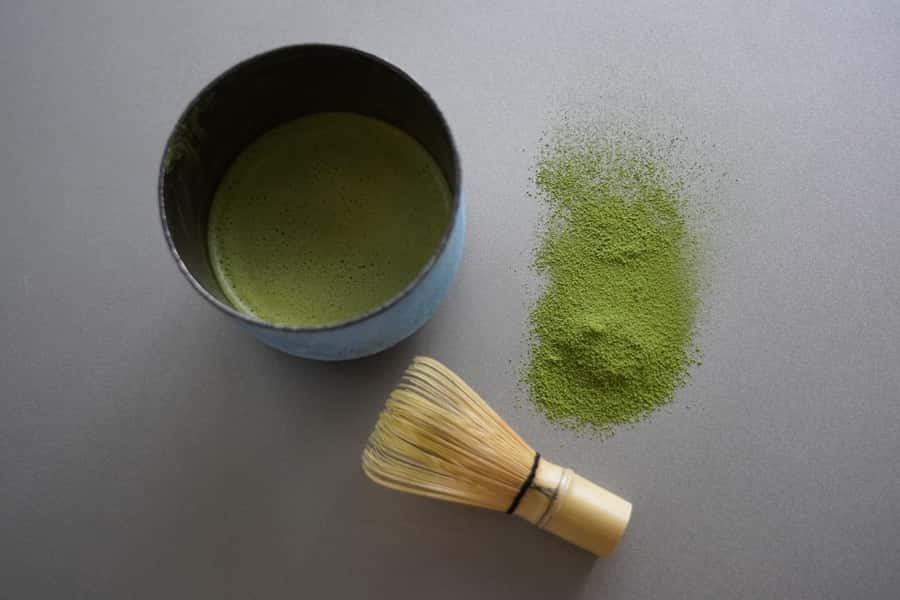
The tea used here is premium organic matcha from EAST GREEN MATCHA. The provider describes it as a rare, high-grade tea that makes up only around 2 percent of the total circulation. That description matters because matcha can vary widely in quality. The powder you receive is presented as a ceremonial-grade product rather than an everyday café ingredient.
You also receive a traditional Japanese sweet from a wagashi shop with more than two centuries of history. The sweet is not simply a snack on the side. In tea practice, sweetness helps balance the sharp, vegetal flavor of matcha, so you can appreciate the tea without treating it like a sugary latte.
Tatsuya explains how to drink the tea properly and why the guest shows respect to the bowl and other objects. You will not be left to guess when to drink, how to handle the cup, or what the gestures mean. That patient explanation is one of the strongest reasons to choose this activity over ordering matcha at a café.
Making your own matcha
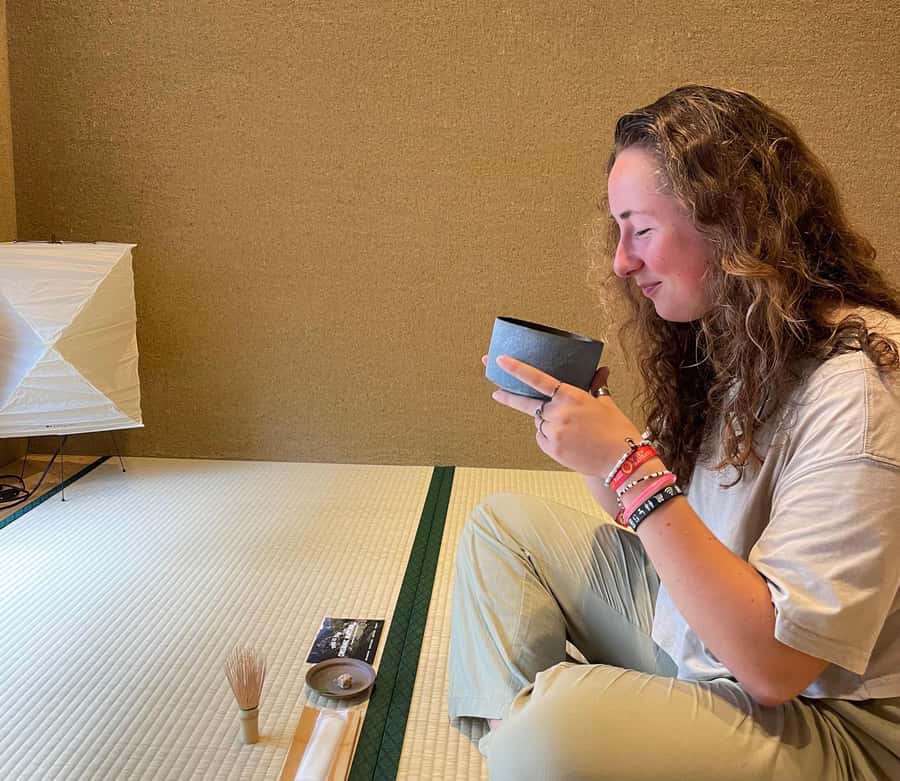
The hands-on portion follows the demonstration. Tatsuya guides you through preparing your own bowl, explaining the techniques and the meaning behind them as you work.
This is a good feature for first-time visitors because it turns an observation into a skill. You get to see how the tea is mixed, then try the process yourself. The goal is not perfection. It is learning how the powder, water, whisk, and movement work together.
The activity keeps the process approachable. You do not need prior tea experience, and the host is described as patient and professional. If you are unsure about the whisking motion or the way to hold an item, you can ask and try again.
The session also gives you a better sense of why matcha preparation is different from making an ordinary cup of tea. You are not steeping leaves and removing them later. You are consuming the powdered tea itself, which makes quality, texture, and preparation especially important.
More Tea Ceremonies in Tokyo
- Kimono Tea Ceremony at Tokyo, Asakusa Maikoya
★ 5.0 · 638 reviews - Tokyo: Traditional Tea Ceremony with a Tea Master
★ 5.0 · 528 reviews - Tea Ceremony Workshop in Tokyo by the Experienced Instrucor
★ 5.0 · 189 reviews - Asakusa: Kimono Tea Ceremony with Matcha and Sweet
★ 4.9 · 153 reviews
Why the small room works
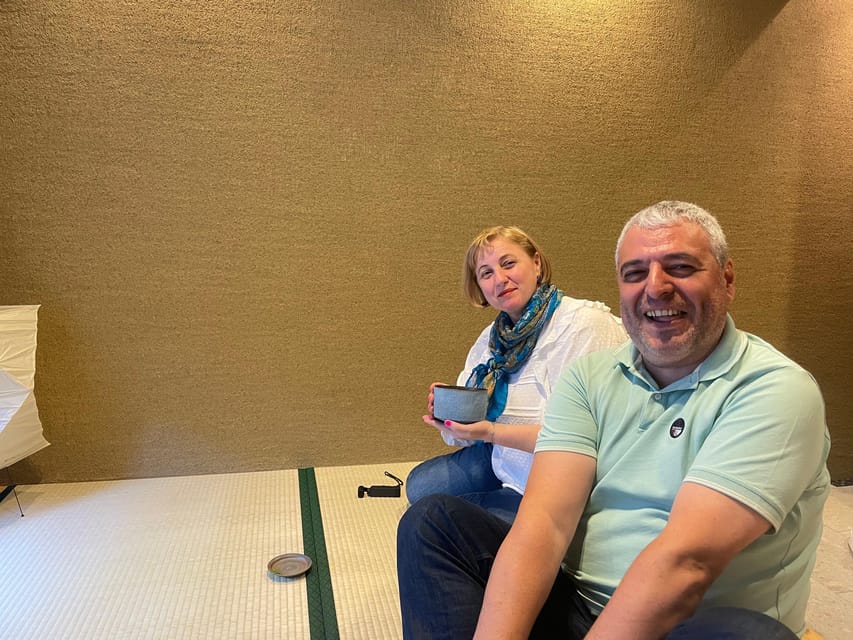
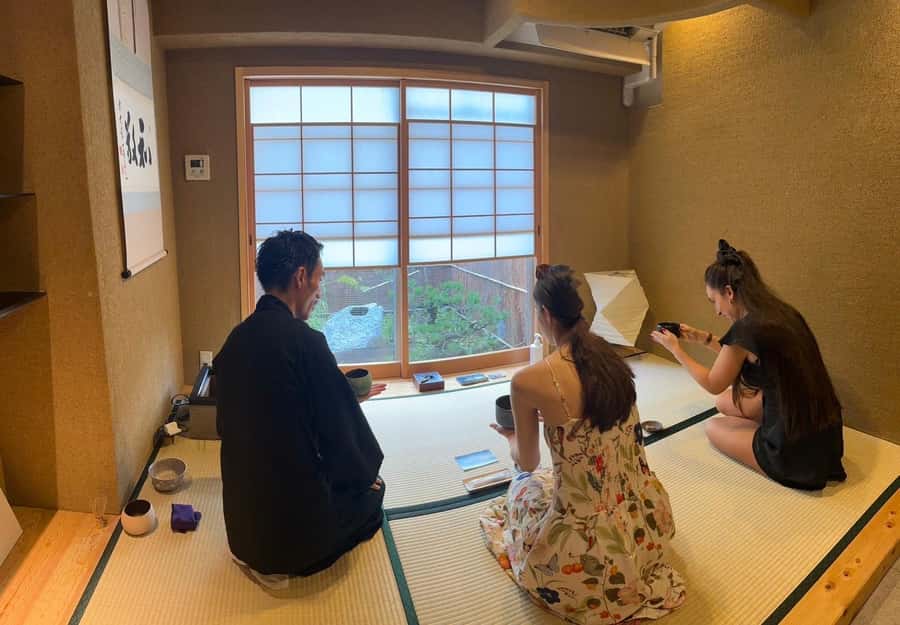
The private tea room is one of the most praised parts of the activity. It is described as beautifully decorated, authentic, calm, and peaceful. That does not mean it is spacious. In fact, the small scale is part of the setting, so this is best for people who prefer close instruction to a large group presentation.
The room creates a clear change of mood. Outside, Shibuya is full of signs, crowds, traffic, and fast movement. Inside, the focus narrows to the host’s explanation and the objects on the mat. You get a short period away from the city without leaving the city.
Some people may find the apartment setting less grand than expected. If you are looking for a famous temple, a historic garden, or a large traditional building, this will not provide that backdrop. The value here comes from the instruction, the quality of the tea, and the private atmosphere.
I see that as a fair trade for the location and price. At $30 per person, you are paying for a guided cultural activity, premium organic matcha, a traditional sweet, and your own preparation session. It is not merely a cup of tea, but it is also not a long formal ceremony at a major heritage site. The price fits best if you want a focused introduction rather than an elaborate half-day program.
Time for questions and tea purchases
The final part gives you free time to ask about matcha and Japanese tea ceremony customs. Use it. This is your chance to ask about the differences between teas, how matcha is produced, or why a particular gesture or tool matters.
You can also purchase high-quality organic matcha and original tea tools as souvenirs. That option is useful if you want to continue the ritual at home. It also gives you a chance to buy directly from the source rather than choosing an unfamiliar tin in a busy shop.
There is no pressure to buy anything. The purchase option is simply a practical extra for people who want to repeat the experience after returning home.
Plan your toilet stop before entering the tea room. There is no toilet inside, and the meeting point is a short walk from the station and nearby facilities.
What the experience feels like for different types of visitors
This activity suits you if you are curious about Japanese customs but want a relaxed introduction. You get context, a demonstration, tasting, and practice in one compact visit.
It is especially useful for:
- First-time visitors who want more than a quick matcha drink
- Tea lovers interested in production and preparation
- Couples or small groups seeking a quiet break in Shibuya
- Visitors who prefer English-language cultural instruction
- People who want an easy activity near major Shibuya sights
- Anyone interested in buying matcha or tea tools after learning how to use them
It may not suit you if you dislike powdered green tea, need to avoid caffeine, or want a grand historic setting. Matcha contains caffeine, and the provider does not recommend the activity for children under 10, pregnant women, or babies under 1 year.
The session is also not designed as a broad tour of Japanese culture. It concentrates on tea, matcha production, ceremony etiquette, and the objects used in the room. That narrow focus is a strength if tea is your main interest, but a limitation if you want a general cultural show.
Practical details before you reserve
The activity begins and ends at the meeting point outside The OneFive Tokyo Shibuya. The guide holds the TEA ROOM KAKOI sign at the entrance. Keep the address handy: 1-8-11 Jinnan, Shibuya-ku, Tokyo, 150-0041.
The experience is offered in English and Japanese. You can reserve now and pay later, which helps if your Tokyo plans are still changing. Cancellation is allowed up to 24 hours in advance for a full refund.
Pets are not allowed, although assistance dogs are permitted. The supplied information does not give a fixed duration, so check the current booking details before reserving if you need to fit the tea session between timed attractions.
You should arrive ready to sit quietly and follow close instruction. Comfortable clothing is sensible, though no special dress code is given. The key preparation is mental rather than physical: slow down, listen, and allow the small gestures to matter.
How it compares with a matcha café visit
A café visit is faster and often cheaper, but it usually gives you little context. You drink the tea, perhaps watch it being whisked, and move on.
Here, you learn why matcha is prepared in a particular way, how the ceremony developed, and how to handle the tea properly. Tatsuya’s family connection to tea farming gives the talk a personal link to production. The traditional sweet and tea tools add detail that a standard café stop does not provide.
The trade-off is time and formality. You need to meet the guide, enter a private room, listen to an explanation, and take part in the preparation. If you only want a quick caffeine stop, this is more than you need. If you want to understand what you are drinking, the extra structure is worthwhile.
Is the Shibuya tea ceremony worth booking?
I would book this if you want a compact, hands-on introduction to Japanese tea in a central Tokyo location. The strongest reasons are the calm private room, Tatsuya’s patient teaching, the rare organic matcha, and the chance to whisk your own tea.
Go with realistic expectations. You are not entering a famous temple or a lavish old tea house. You are meeting a tea specialist in an apartment-based room near Shibuya Station. For many people, that informal setting makes the lesson easier to follow and the questions easier to ask.
At $30, the value is good for anyone who cares about tea, Japanese etiquette, or cultural context. Skip it if you avoid caffeine, need a toilet on site, or want an activity aimed at very young children. For everyone else, this offers a thoughtful pause in central Tokyo and a clear way to understand matcha beyond its bright green color.
FAQ
Where does the tea ceremony meet?
Meet in front of The OneFive Tokyo Shibuya hotel at 1-8-11, Jinnan, Shibuya-ku, Tokyo, 150-0041. The guide holds a sign marked TEA ROOM KAKOI.
How far is the meeting point from Shibuya Station?
The tea room is about an eight-minute walk from Shibuya Station.
Who leads the tea ceremony?
Tatsuya, also referred to as Tatsu, leads the session. He explains the ceremony, matcha production, and preparation techniques.
What language is the activity offered in?
The experience is available in English and Japanese.
What is included in the price?
The experience includes premium organic matcha, traditional Japanese sweets, the matcha-making session, and everything needed for the activity.
Can I make my own matcha?
Yes. After watching the formal preparation, you receive guidance on making your own matcha.
Is there a toilet in the tea room?
No. There is no toilet in the tea room, so plan accordingly before the session.
Are children allowed to attend?
The activity is not suitable for children under 10 years old. It is also not suitable for pregnant women or babies under 1 year.
Can I cancel for a full refund?
Yes. You can cancel up to 24 hours in advance for a full refund.
More Private Tea Experiences in Tokyo
- One-Day Hangzhou Dragon Well Tea Culture & West Lake Private Tour
★ 5.0 · 98 reviews - Tangier Private Tour with a Local Writer (Includes Tea & Sweet)
★ 5.0 · 52 reviews - Osaka: Private Tea Ceremony and Calligraphy Experience
★ 5.0 · 50 reviews - Private Tour: Royal High Tea At Kensington Palace Gardens
★ 5.0 · 39 reviews
More Afternoon Tea in Tokyo
- Tokyo: Tea Ceremony Experience in a small tea room
★ 4.9 · 53 reviews - London: Afternoon Tea Cruise on the River Thames
★ 4.4 · 3,274 reviews - Afternoon Tea Bus Tour in Dublin
★ 5.0 · 2,791 reviews - London: Afternoon Tea Bus Tour – 1960s Routemaster Bus
★ 4.5 · 2,032 reviews
Fresh tea listings around Tokyo
- Authentic Japanese tea tasting: sencha, matcha and gyokuro★ 5.0 · 12 reviews
- At an Antique Shop, Tea Ceremony and Japanese Sweets Forming★ 5.0 · 5 reviews
- Mochi Matcha Gluten Free Japanese Sweets Class near Shibuya area★ 5.0 · 26 reviews
- Tokyo: Two Types of Japanese Sweets Making and Tea Ceremony★ 4.6 · 26 reviews
- Japanese Matcha Tea Ceremony and Kimono Experience in Hanayaka★ 5.0 · 26 reviews
- Matcha Experience with of Japanese Tea Tasting in Tokyo★ 5.0 · 31 reviews
- EDOCCO Tea House–A Quick Dive into Japanese Traditional Culture★ 5.0 · 34 reviews
- Tokyo: Tea Ceremony Experience in Asakusa★ 5.0 · 36 reviews
Tea Ceremony Experiences, compared.
Kyoto: Tea Ceremony in a Traditional Tea House in Kiyomizu
Read our review →
Kyoto: 45-Minute Tea Ceremony Lesson Experience
Read our review →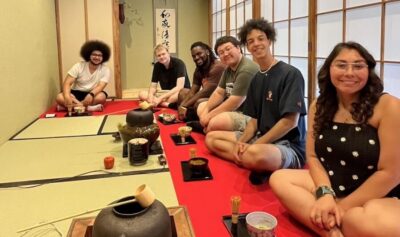
Kyoto: Table-Style Tea Ceremony at a Kyo-Machiya
Read our review →