
Review · TEA CEREMONY EXPERIENCES
Kyoto Private Tea Ceremony with Tea Master at Home
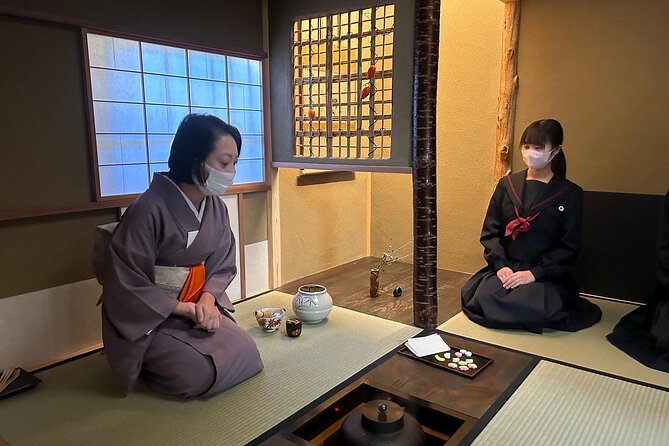
Kyoto’s best cultural experiences often happen behind an ordinary door. Here, tea master Aya Ito welcomes you into a private home near Nijo Castle, where the focus is on the careful movements, seasonal sweets, handmade bowls, and quiet manners of tea. You watch a formal demonstration, then whisk your own matcha.
I like the small private setting, which gives you room to ask questions without a crowd watching. I also like the three seasonal wagashi from a long-established Kyoto confectioner, especially since they are vegan and gluten-free. The main consideration is the one-hour length: it offers a thoughtful introduction, but not a full study of tea ceremony.
Key points to know before booking
- Private tea room near Nijo Castle: Your group alone takes part at Sakura Experience Japanese Culture Nijo Home.
- Two bowls of matcha: You watch the traditional preparation and make tea yourself with a bamboo whisk.
- Three seasonal wagashi: The handmade sweets are vegan and gluten-free, with flavors and shapes that change by season.
- Aya Ito leads the session: She is a certified tea ceremony instructor who explains the ritual clearly in English.
- Dress rules matter: Wear socks, long trousers or a long skirt, and a sleeved top. Avoid perfume.
- No kimono rental: This is a tea lesson in a home, not a costume session.
Entering a Kyoto home near Nijo Castle
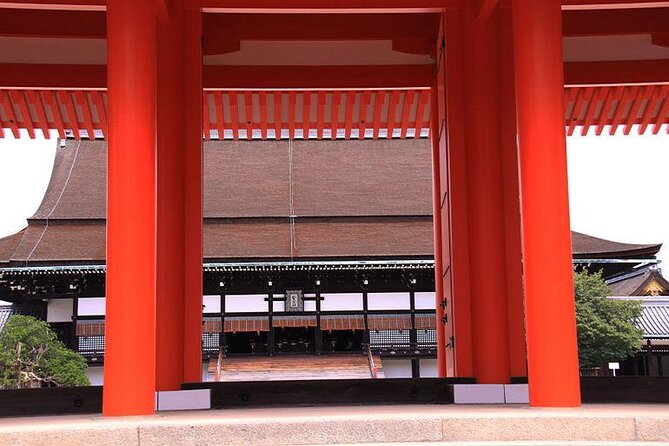
The experience begins at Sakura Experience Japanese Culture Nijo Home, at 660 Izumicho in Kyoto’s Nakagyo Ward. The meeting point is close to public transportation and near Nijo Castle, so you can pair the class with a visit to the castle afterward.
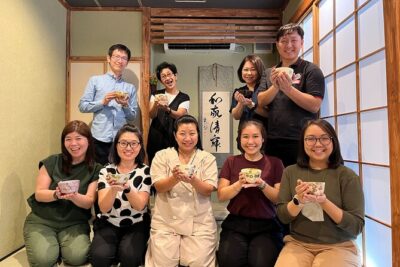
This is not a large cultural center with a stage and rows of seats. You enter a private home and move into one of its traditional tea rooms, called Koma and Hiroma. That setting changes the mood right away. The room is designed for attention: the bowl, whisk, sweets, flowers, and gestures all matter.
The home has welcomed cultural figures, museum professionals, and dignitaries, but the tone remains personal. Aya’s husband, Manabu, has sometimes helped with photographs during the session. You may receive pictures of the experience afterward when photography support is available, but the main point is to focus on the ritual rather than your camera.
Plan your arrival carefully. The address is in a residential area, and arriving more than 15 minutes late means you cannot take part. You also need to wear socks because bare feet are not allowed on the tatami mats. If you forget, socks can be purchased at the home.
More Private Tea Experiences in Japan
- Private Tea Ceremony and Sake Tasting in Kyoto Samurai House
★ 5.0 · 163 reviews - Kyoto: Private Tea Ceremony with a Garden View
★ 4.9 · 61 reviews - Stunning Private Tea Ceremony: Camellia Garden Teahouse
★ 5.0 · 28 reviews
What the one-hour tea ceremony includes
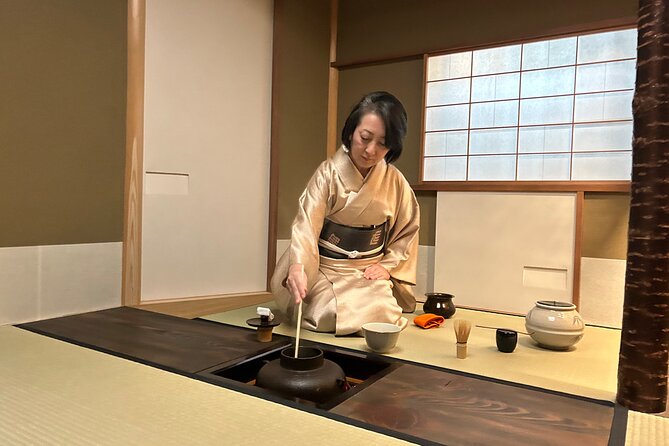
The session follows a clear pattern. Aya first explains the background and spirit of Japanese tea ceremony, then demonstrates the proper movements. You learn why the host handles each object with care, how the bowl is presented, and how the person receiving tea responds.
You are not expected to know the etiquette before arriving. The instructions are intended for first-time participants, and the hands-on section gives you a chance to repeat the steps at your own pace.
The demonstration is followed by your own preparation of matcha. You use a bamboo whisk to mix powdered green tea with hot water, working the whisk until the tea becomes smooth and lightly frothy. This is a simple action, but it helps you understand why tea ceremony is more than pouring a drink into a cup.
You receive two bowls of matcha, prepared with an original blend from Uji. Uji, just south of Kyoto, is one of Japan’s best-known tea-growing areas. The tea is served in bowls selected for the occasion, including pieces commissioned from Kiyomizu and Raku potters.
The experience does not treat the bowl as a disposable container. You are shown how to hold it, appreciate its shape, and turn it respectfully before drinking. These small details are where the lesson gains value. You leave with a better sense of how Japanese hospitality links food, objects, season, and behavior.
The seasonal sweets are part of the lesson
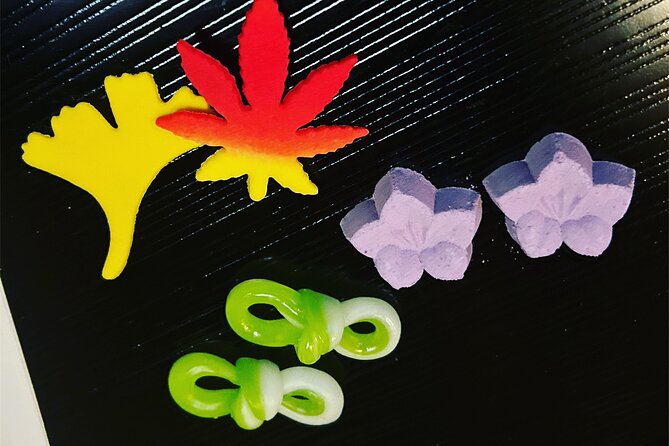
The tea is served with three types of seasonal wagashi. These Japanese sweets come from a long-established Kyoto confectioner and are chosen to balance the bitterness of matcha.
Wagashi are not merely snacks. Their colors, shapes, and ingredients often reflect the season, so the sweets help connect the tea room to the time of year. One visit may feature a different selection from another. That seasonal change gives the session a sense of place rather than making it feel like a fixed demonstration repeated without thought.
The sweets are vegan and gluten-free, which makes the booking easier for many people with dietary restrictions. Still, if you have a serious allergy or a concern beyond those two dietary categories, it is wise to contact the provider before arrival. The supplied information confirms the sweets are vegan and gluten-free, but it does not list every ingredient.
Eat the sweet before drinking the matcha. Its sweetness prepares your mouth for the strong, grassy flavor of the tea. If you normally add milk or sugar to green tea, expect something different. Matcha is concentrated, earthy, and made to be taken in a few deliberate sips.
Why the private format matters
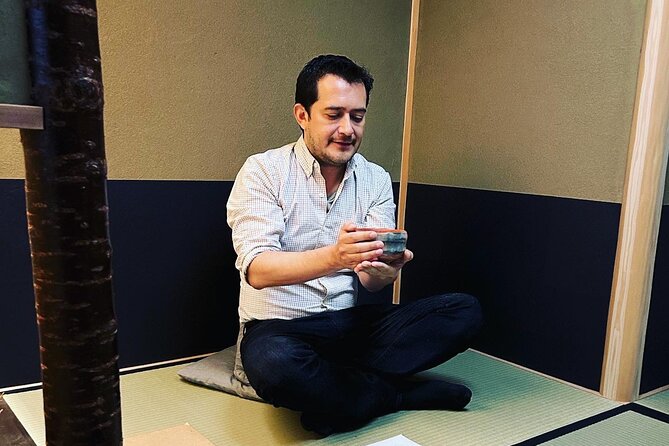
A tea ceremony can be presented as a quick photo opportunity, but that is not the purpose here. The private format gives Aya time to explain the meaning behind the movements and answer questions from your own group.
This matters most if you are curious about the small rules. You can ask why the bowl is turned, how the host chooses a sweet, or what the guest should do after drinking. In a large class, those questions can get lost. Here, the pace is quieter and more personal.
The experience is also a good fit for people who dislike staged entertainment. The activity takes place in a real home, with traditional rooms and objects used to teach the practice. It is refined, but not flashy.
That calm setting may not suit everyone. If you want a lively performance, elaborate costumes, or a long list of photo stops, this is probably too restrained. The session rewards patience and attention. You are asked to sit, listen, observe, and follow etiquette.
Small chairs are available for anyone who needs them, but you should notify the provider in advance. The seating arrangement is based around a traditional tea room, so tell the provider about mobility needs before the day of the class.
More Tea Ceremonies in Kyoto
- Kyoto: Tea Ceremony in a Traditional Tea House in Kiyomizu
★ 4.9 · 3,519 reviews - Kyoto: Tea Ceremony Ju-An at Jotokuji Temple
★ 4.9 · 3,207 reviews - Kyoto: 45-Minute Tea Ceremony Lesson Experience
★ 4.3 · 2,378 reviews - Kyoto: Table-Style Tea Ceremony at a Kyo-Machiya
★ 4.9 · 1,211 reviews
Aya Ito’s teaching style and English support
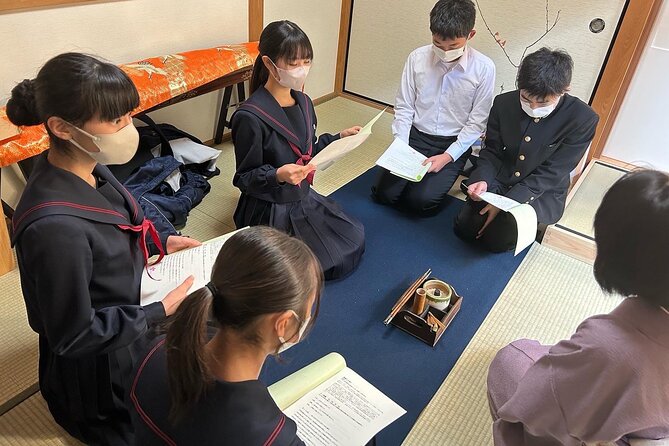
Aya Ito is the named tea master for this experience, and the session is led by a licensed or certified instructor. The supplied details describe her as a teacher of tea ceremony, ikebana, and calligraphy.
Her approach is especially useful for international visitors. She explains not only what to do, but why the action matters. You can expect a mixture of history, etiquette, demonstration, and practice rather than a silent ritual where you are left guessing.
Her English has been described as clear, and communication before the visit may take place through WhatsApp. That can be useful when you are finding a private residence rather than a large attraction with a prominent entrance.
The teaching is gentle and patient. You are not being tested. If your whisking technique looks uneven, the point is to learn the motion and understand the ritual, not to perform like a professional tea practitioner after one lesson.
The tea rooms, bowls, and Uji matcha
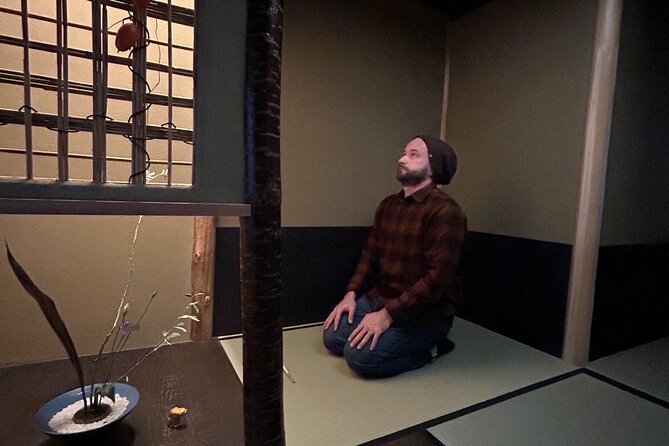
The experience takes place in traditional tea rooms called Koma and Hiroma. Each room gives the activity a more genuine setting than a hotel lounge or tourist classroom.
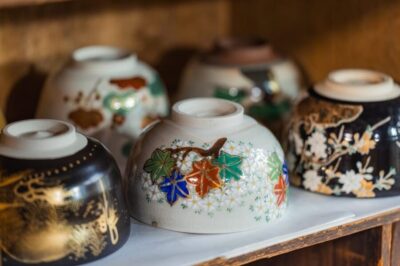
The tea bowls are another distinctive feature. Some are custom-made by potters connected with Kiyomizu and Raku traditions. These names carry weight in Kyoto pottery, but you do not need prior knowledge to appreciate the difference. Aya can draw your attention to the shape, glaze, weight, and feel of a bowl as you hold it.
The matcha comes from historic tea gardens in Uji and is served as an original blended tea. The wording does not identify specific farms or grades, so you should not book this expecting a tea-tasting course with several powdered teas. Instead, you receive a carefully selected matcha as part of the ceremony.
That distinction is important. The activity teaches the ritual and spirit of tea, with the flavor of the matcha supporting the lesson. It is not built around comparing tea varieties or buying large quantities to take home.
What you take home afterward
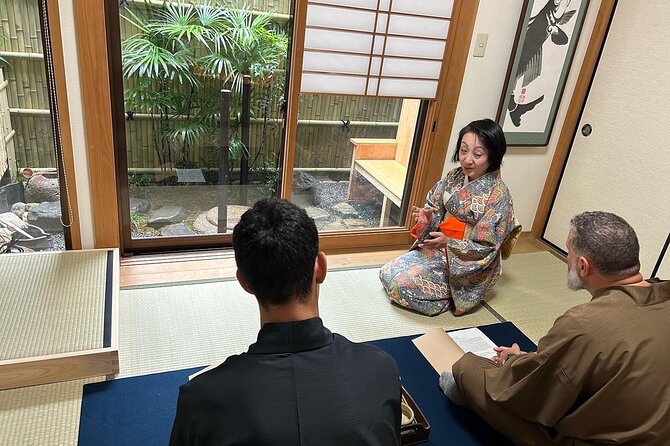
The included tea ceremony booklet is a useful touch. It is described as a concise guide to the spirit and etiquette of tea, so it gives you something to consult after the class.
Do not expect a large textbook. The booklet is best viewed as a reminder of the gestures and ideas introduced during the session. It can help you recreate a quieter tea ritual at home, or at least remember why the ceremony treats ordinary acts with such care.
The experience itself does not include a tea bowl. Some people have purchased a beautiful cup afterward, but that is separate from the listed inclusions. If you see a bowl or other craft item you like, ask about availability and price directly rather than assuming it comes with the booking.
Kimono rental is not included. In fact, the provider previously offered kimono but changed the program to focus more closely on tea and cultural explanation. Wear normal, respectful clothing instead of booking this as a costume experience.
Price, timing, and practical value
The listed price is $99.08 per person, with group discounts available. For a private one-hour session, that is not a bargain-basement cultural activity, but the price includes more than a cup of matcha.
You are paying for a private instructor, access to a tea room in a local home, two bowls of Uji matcha, three seasonal sweets, hands-on preparation, and a booklet. The private format is the strongest part of the value. A larger group class may cost less, but it will not offer the same room for questions or the same personal attention.
The short duration is both an advantage and a limit. One hour fits neatly into a busy Kyoto schedule, especially before or after Nijo Castle. It is long enough to understand the basic sequence and prepare tea yourself. It is not long enough to explore every school of tea ceremony, study pottery in detail, or experience an extended formal gathering.
This activity is booked an average of 48 days in advance, so it is wise to reserve early if your Kyoto dates are fixed. Free cancellation is available up to 24 hours before the start time. Inside that window, the payment is not refunded and changes are not accepted.
Clothing, manners, and age rules
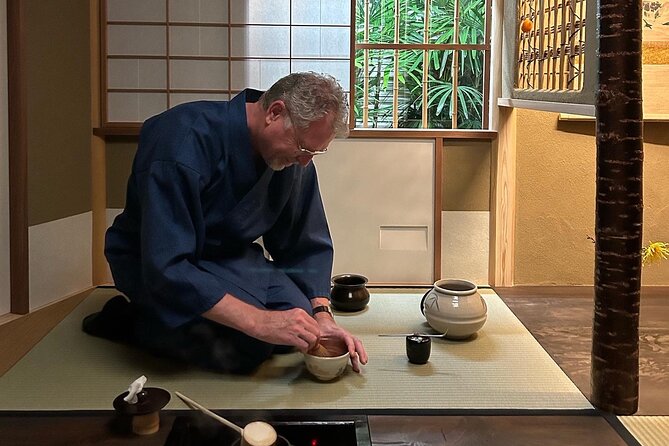
The clothing requirements are simple but firm. Wear long trousers or a long skirt and a top with sleeves. Shorts, mini skirts, and sleeveless tops are not permitted.
Socks are required to protect the tatami. Choose clean, comfortable socks and avoid arriving barefoot. Perfume, including musk-based scents, should be avoided because fragrance can interfere with the atmosphere and the aroma of the tea.
Children aged 13 and under cannot join this class. The minimum permitted age is therefore 14, and bringing a younger child without prior notice means you cannot participate and will not receive a refund.
These rules may seem strict if you are used to casual sightseeing activities. Here, they protect the room and help preserve the quiet character of the ceremony. Treat them as part of the experience rather than an annoyance.
Who will enjoy this Kyoto experience most
I would choose this for someone who wants cultural explanation plus hands-on practice. It works well for couples, families with older teenagers, and small private groups who prefer a calm hour over a busy tour.
It is also a good pick if you have never attended a Japanese tea ceremony. You receive enough guidance to follow the ritual without feeling embarrassed, and you get to practice the central skill yourself.
This is less suitable if you need a highly flexible arrival time, want to wear a kimono, or prefer a long activity with several locations. The late-arrival rule is strict, the format is quiet, and the visit stays at the tea master’s home.
For visitors with reduced mobility, ask about the available small chairs before booking. The provider can prepare them, but the request should be made ahead of time.
Should you book it?
Book this tea ceremony if you want to understand the manners and meaning behind matcha, not just taste green tea in a pretty room. Aya Ito’s private home, the seasonal wagashi, handmade bowls, Uji matcha, and patient instruction give the hour real substance.
Skip it if your main goal is a kimono photo session, a large theatrical presentation, or an in-depth tea course. At $99.08, the value depends on wanting privacy and cultural context.
For most first-time visitors to Kyoto, this is a smart one-hour addition to a Nijo Castle day. Arrive early, wear socks and modest clothing, leave the perfume at the hotel, and allow yourself to slow down.
FAQ
Where does the tea ceremony take place?
It takes place at Sakura Experience Japanese Culture Nijo Home, located at 660 Izumicho, Nakagyo Ward, Kyoto, near Nijo Castle and public transportation.
How long does the experience last?
The tea ceremony lasts approximately one hour and ends back at the meeting point.
How many people take part?
This is a private activity, so only your own group participates.
What food and drink are included?
You receive three seasonal types of handcrafted wagashi and two bowls of matcha made with an original blend from Uji.
Are the Japanese sweets suitable for vegan and gluten-free diets?
Yes. The included sweets are described as vegan and gluten-free.
Is kimono rental included?
No. Kimono rental is not included, and the experience requires appropriate everyday clothing instead.
What should I wear and bring?
Wear socks, long trousers or a long skirt, and a top with sleeves. Do not wear perfume. Arrive on time, since arrivals more than 15 minutes after the start cannot participate.
More Private Tea Experiences in Kyoto
- Tea Ceremony Experience in a Private Tea Room in Shibuya
★ 4.9 · 125 reviews - One-Day Hangzhou Dragon Well Tea Culture & West Lake Private Tour
★ 5.0 · 98 reviews - Tangier Private Tour with a Local Writer (Includes Tea & Sweet)
★ 5.0 · 52 reviews - Osaka: Private Tea Ceremony and Calligraphy Experience
★ 5.0 · 50 reviews
Fresh tea listings around Kyoto
- Cycling Tour at Uji’s Matcha Green Tea Fields and Heritage★ 5.0 · 10 reviews
- Authentic Tea Ceremony & Sushi in The Museum of Kyoto★ 5.0 · 3 reviews
- Kyoto Fushimiinari:Wagashi Making & Small Group Tea Ceremony★ 5.0 · 14 reviews
- 2 Types of Japanese Sweets making and Tea Ceremony★ 4.6 · 17 reviews
- Kyoto Hidden Riverside Zen Mediation and Uji Matcha Experience★ 5.0 · 9 reviews
- Whisk Your Own Matcha: A Zen Matcha Experience at Temple★ 3.6 · 7 reviews
- Kyoto: Nighttime Zen Meditation and Matcha Tea Experience★ 5.0 · 7 reviews
- Matcha Grinding Experience and Walking Tour in Uji Kyoto★ 5.0 · 26 reviews
Tea Ceremony Experiences, compared.
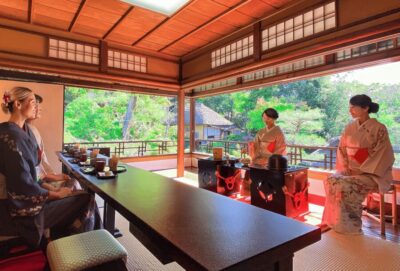
Kyoto: Tea Ceremony in a Traditional Tea House in Kiyomizu
Read our review →
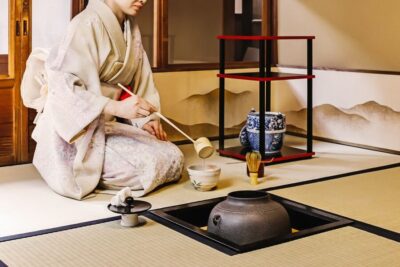
Kyoto: 45-Minute Tea Ceremony Lesson Experience
Read our review →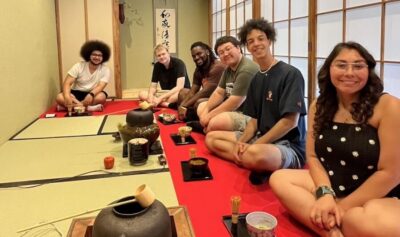
Kyoto: Table-Style Tea Ceremony at a Kyo-Machiya
Read our review →
Browse the lists this tour appears in