Review · MATCHA EXPERIENCES
Tokyo: Private Tea Ceremony with Matcha and Sweet
A bowl of matcha can look simple, but this one-hour private ceremony shows how much care sits behind it. At Toyosu Cultural Center, an English-speaking Urasenke instructor demonstrates the steps, explains the manners, and then lets you prepare your own tea with organic matcha made mainly from Uji tea in Kyoto.
I like the balance between watching and doing, especially the chance to taste seasonal wagashi before making matcha yourself. I also like the friendly, personal format, with guide Mariko singled out for her warm introduction to the tradition. The main consideration is the short running time: this is a polished introduction, not a full study of tea ceremony.
Key points to know before booking
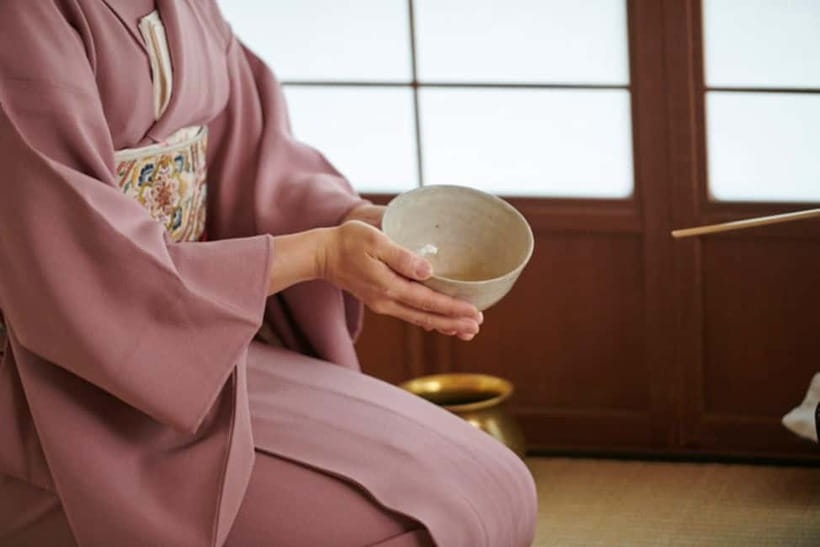
- Private tea room near teamLab Planets: The ceremony takes place on the eighth floor of Toyosu Cultural Center, close to two Toyosu train lines.
- English-speaking Urasenke instructor: You learn from a certified instructor connected with the world’s largest school of tea ceremony.
- You make the matcha yourself: After the demonstration, you prepare organic matcha and learn the difference between strong and weak tea.
- Seasonal Japanese sweets included: Traditional wagashi from famous confectioners add sweetness before the tea’s grassy, bitter notes.
- A private one-hour format: The setting suits couples, families with older children, and anyone who prefers a focused cultural activity.
- Comfort matters more than formal posture: You may sit in a way that feels manageable, and socks are required.
A quiet cultural stop beside Toyosu’s modern attractions
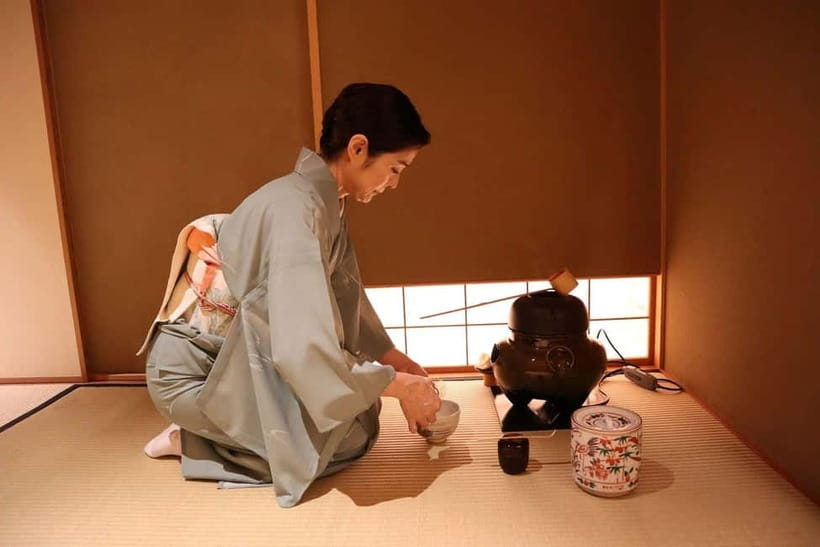
Toyosu is best known to many visitors for teamLab Planets and its newer waterfront attractions. This tea ceremony gives you a different side of the area, one built around careful movement, taste, and attention rather than spectacle.
The meeting point is the Toyosu Cultural Center, in a tea room on the eighth floor. That location is practical. The room is one minute from exit 7 of Toyosu Station on the Tokyo Metro Yurakucho Line, and one minute from Toyosu Station on the Yurikamome New Transit Line. You do not need to arrange a separate ride from the station, but transportation to the activity is not included.
I like this pairing with teamLab Planets because the two activities offer a clear contrast. One uses light and technology; the other asks you to slow down and notice the scent, texture, color, and taste of a single bowl of tea. You can plan them on the same day if the available start time fits your schedule, but allow yourself enough breathing room rather than treating this as a rushed add-on.
More Matcha Experiences in Tokyo
- Matcha Making Class in Tokyo with Authentic Japanese Sweets Set
★ 5.0 · 744 reviews - Tokyo: Matcha Making Experience with Mochi Sweets in Asakusa
★ 4.9 · 388 reviews - Asakusa Cultural Walk & Matcha Making Tour
★ 5.0 · 245 reviews
What happens during the one-hour ceremony
The experience begins with a short lesson on the background of tea ceremony, its manners, and the role of matcha. You learn how to drink the tea and why certain gestures matter. The instructor also discusses the tea’s nutritional side and the difference between strong and weak matcha.
That explanation is useful because Japanese tea ceremony can seem mysterious if you only watch the formal motions. Here, the English-language instruction gives you a way to understand what you are seeing. You are not simply asked to copy a set of movements. You receive the basic context needed to take part with confidence.
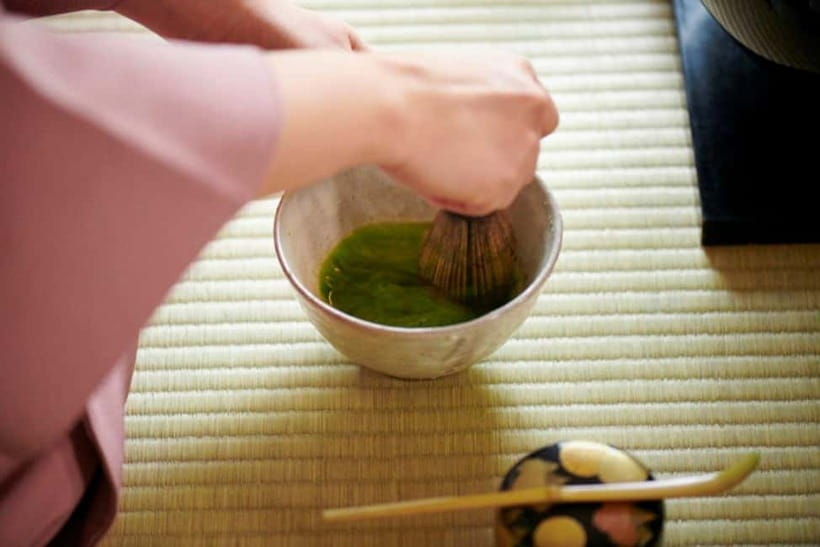
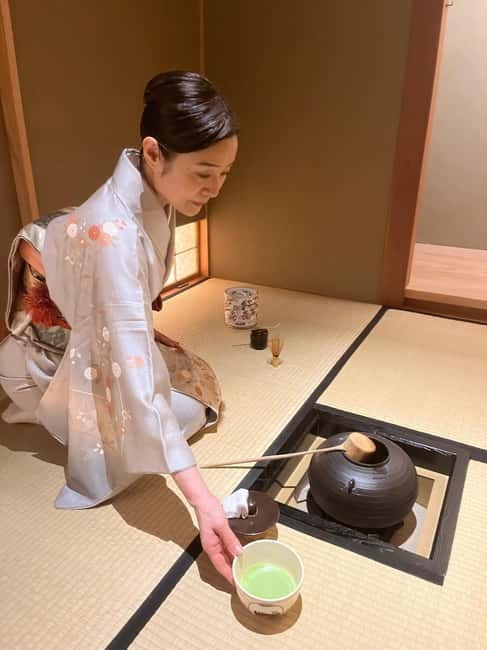
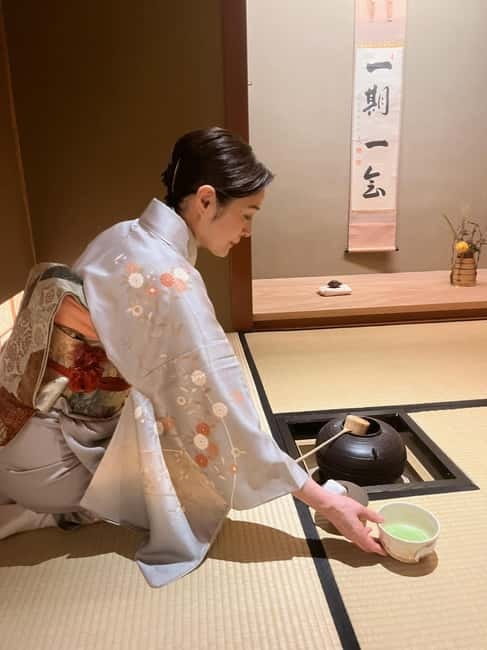
Next comes the demonstration. The instructor prepares the tea while showing the order of the ceremony and the handling of the bowl. Pay attention to the rhythm. The appeal is not speed or showmanship. It is the controlled pace and the small details that make an ordinary drink feel deliberate.
You then make matcha yourself. The matcha is described as organic and made from carefully selected tea, mainly from Uji in Kyoto, one of Japan’s best-known tea-producing areas. You can expect real matcha with a noticeable aroma, sweetness, and bitterness rather than a mild green-tea drink.
The final hands-on part is a matcha dessert. You learn how the amount and strength of the tea change the result, which gives the activity a playful finish. It also helps you understand why matcha can taste soft and sweet in one preparation, then sharp and bitter in another.
Wagashi gives the tea its sweet partner
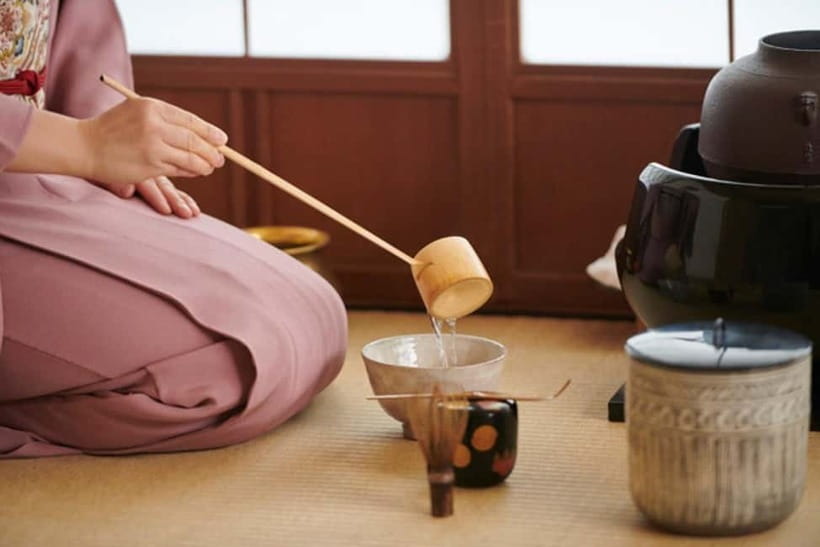
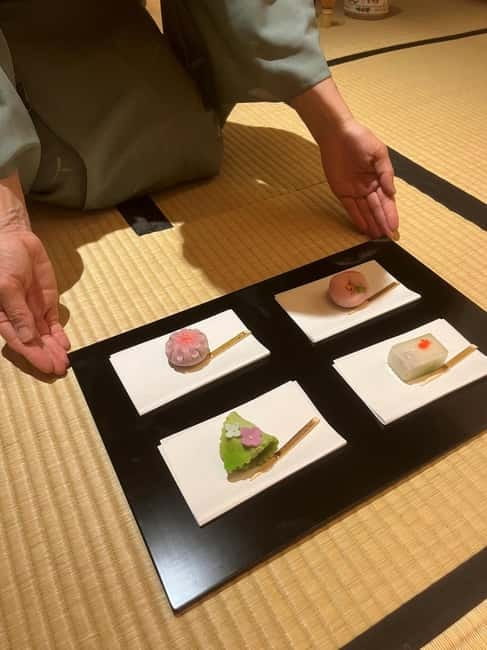
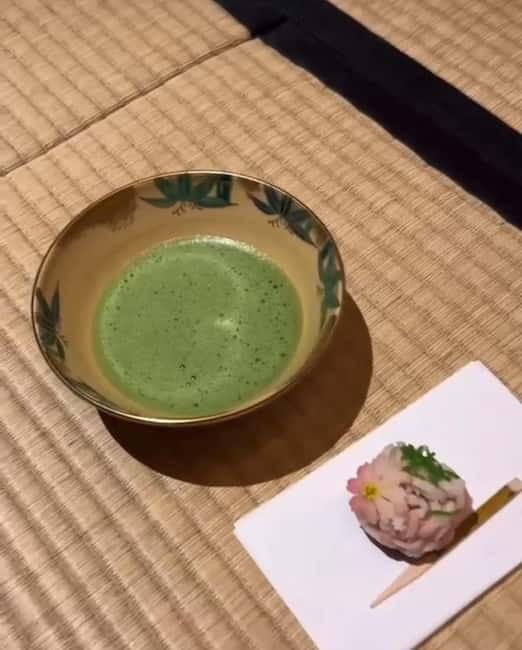
Traditional seasonal wagashi are included, with the sweets made by famous confectioners. Their purpose is not only decoration. The sweetness prepares your palate for matcha’s more earthy and bitter flavor.
Seasonal wagashi also show how Japanese food connects taste with appearance and time of year. The exact sweet is not specified, so you should not book expecting one particular shape or flavor. The important point is that a traditional sweet is part of the ceremony, not an optional extra you must buy afterward.
I like this part for practical reasons. If you are new to matcha, the sweet makes the first taste easier to appreciate. If you already drink matcha, it gives you a chance to notice the contrast between the confection and the tea.
The activity also lets you compare strong and weak matcha. That is a useful detail often missed in short cultural activities. You leave with a clearer idea of why one cup may taste smooth while another has a more forceful, bitter edge.
Why the private format matters
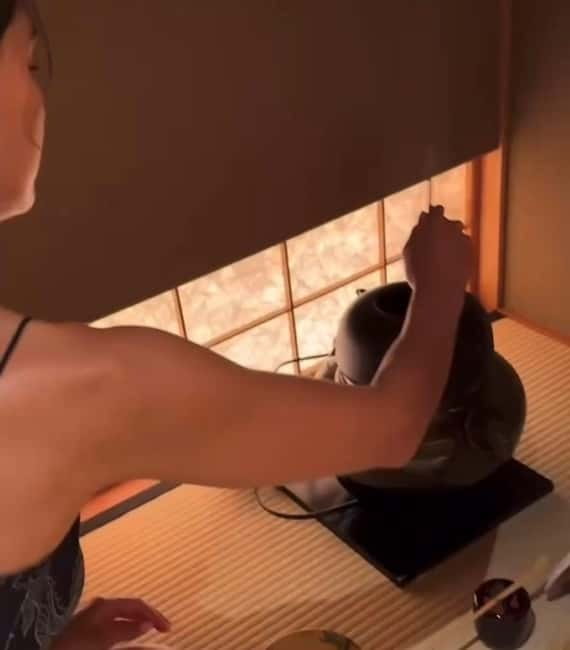
This is a private-group experience, so you do not have to perform in front of a large room of strangers. That matters during a ceremony where you may be learning unfamiliar manners and handling tea equipment for the first time.
A private setting also makes it easier to ask direct questions. You can clarify how to hold the bowl, how to drink, or what makes a preparation strong or weak. The supplied information does not promise a custom-length lesson, so keep your expectations realistic: private means personal group access, not an all-day apprenticeship.
The English instruction is another strong point. Tea ceremony has many details that can be lost when the explanation is limited to gestures. Here, the instructor covers the background, manners, nutrition, and practical enjoyment of matcha in English.
The experience is led by a certified instructor of Urasenke, the largest school of tea ceremony. That connection gives the lesson a clear traditional framework. It does not mean you need previous knowledge. The format is built for beginners.
Guide Mariko received special praise for being a lovely introduction to the tradition. That fits the experience’s purpose. You are not signing up for a strict examination of etiquette. You are getting a friendly first look at a formal Japanese art, with time to taste and participate.
More Private Tea Experiences in Japan
- Tea Ceremony Experience in a Private Tea Room in Shibuya
★ 4.9 · 125 reviews - Private Tea Ceremony and Sake Tasting in Kyoto Samurai House
★ 5.0 · 163 reviews - Kyoto: Private Tea Ceremony with a Garden View
★ 4.9 · 61 reviews - Kyoto Private Tea Ceremony with Tea Master at Home
★ 5.0 · 58 reviews
Sitting position, clothing, and small practical details
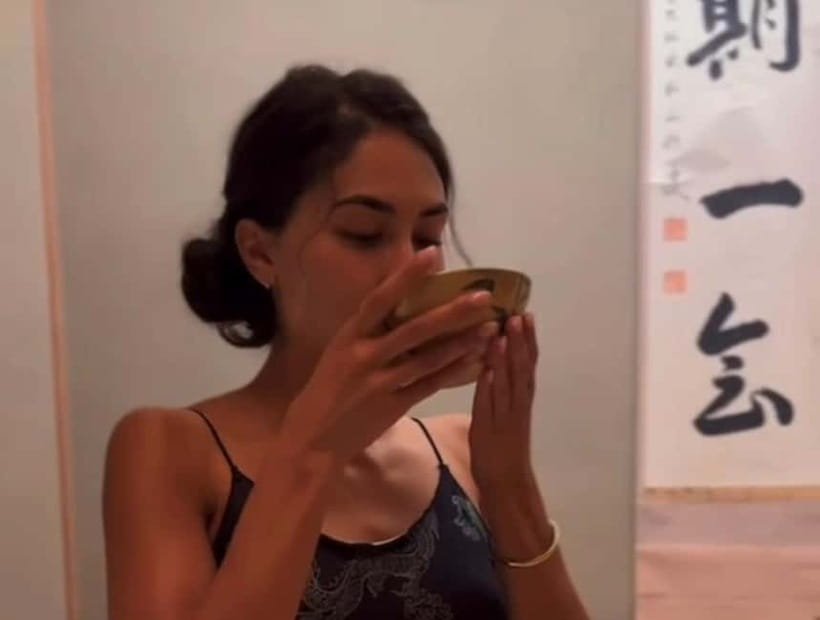
Tea ceremonies can make some people nervous because of the image of kneeling in a fixed posture. This experience specifically notes that it is fine if you cannot sit upright. That reassurance makes the activity more approachable for many people.
Wear comfortable clothes. You should also bring or wear socks. The information does not specify a particular dress code beyond comfort and socks, so there is no need to plan a special outfit.
Bring a camera if you want a record of the room, the tea, or the finished experience. A photo at the end is part of the activity, giving you a simple keepsake from the lesson. Ask before photographing any particular ceremony detail if you are unsure, and follow the instructor’s direction.
The activity lasts one hour and returns you to the same place, Toyosu Cultural Center. That short length works well between other Tokyo plans. It also limits the amount of material covered, so consider it an introduction rather than a complete course in Japanese tea practice.
Children under four are not accepted. Pregnant women and people with food allergies are also listed as unsuitable for this activity. The reason for the food restriction is clear: you will consume matcha, wagashi, and a matcha dessert. If you have an allergy or dietary concern, the supplied information does not promise substitutions, so this may not be the right booking.
Is $50 a fair price?
At $50 per person, this costs more than simply ordering matcha at a café. You are paying for a private room, an English-language lesson, a demonstration, guided preparation, seasonal wagashi, and the chance to make a matcha dessert.
The value depends on what you want from Tokyo. If your aim is the cheapest possible cup of tea, this is not the economical choice. If you want a structured cultural activity with an instructor and hands-on participation, the price is reasonable for a one-hour private session.
The private format is especially important when comparing it with larger group demonstrations. You are not only watching someone prepare tea. You are learning the manners, tasting the ingredients, preparing organic matcha, and comparing stronger and weaker versions.
I would see this as good value for a first introduction, particularly if you are already planning to visit teamLab Planets or spend time in Toyosu. The activity is short enough to fit into a busy Tokyo day, but substantial enough to give you a clear memory and a new understanding of matcha.
Who will enjoy this tea ceremony most?
This suits first-time visitors who want a cultural activity without committing half a day. The English explanation keeps the lesson approachable, and the hands-on section prevents it from becoming a passive lecture.
It is also a good choice for couples or a private family group with children over four. The relaxed note about sitting position makes it friendlier for people who are concerned about formal kneeling or maintaining a rigid pose.
Food lovers will appreciate the progression from seasonal wagashi to matcha and then a matcha dessert. The activity is not a cooking class, but you do get enough preparation experience to notice how technique affects flavor.
You should think twice if you dislike bitter drinks, cannot eat matcha or Japanese sweets, or want a long and highly formal ceremony. The experience focuses on access and participation. It does not promise an extensive historical lecture or a full traditional meal.
How to fit it into a Tokyo day
The activity begins and ends at Toyosu Cultural Center, so the plan is simple. Check the available starting times before booking, then allow enough time to reach the eighth-floor tea room. The two nearby train connections make the meeting point easy to find from other parts of Tokyo.
You can pair it with teamLab Planets because the tea room is nearby. Still, avoid booking both activities too tightly. The tea ceremony is only one hour, but train delays, finding the correct station exit, and reaching the building can eat into a narrow schedule.
The activity does not include transportation or personal expenses. Your tea, sweets, matcha-making, dessert-making, and lecture are included, but you should budget separately for getting to Toyosu and for anything else you do in the area.
Free cancellation is available up to 24 hours before the start time for a full refund. You can also reserve and pay later, which helps if your Tokyo schedule is still changing. Check the exact start time and availability when you choose your date.
The best reasons to book, and the reasons to skip it
I would book this if you want a compact, private introduction to Japanese tea ceremony with enough explanation to make the gestures meaningful. The strongest features are the English instruction, the Urasenke connection, the chance to prepare your own tea, and the tasting of both wagashi and matcha dessert.
I would also choose it for the personal touch. Mariko’s warm approach, noted in the feedback, suits a lesson that aims to welcome beginners rather than test them. The private format lets you ask questions and take part without the pressure of a large class.
I would skip it if you want a long ceremony, need guaranteed dietary adjustments, or are looking only for a quick drink. You will get more from the hour if you are willing to taste real matcha, including its bitterness, and follow the ceremony’s slower pace.
FAQ
Where does the tea ceremony take place?
It takes place in the tea room on the eighth floor of Toyosu Cultural Center in Tokyo.
How close is the meeting point to Toyosu Station?
The tea room is one minute from exit 7 of Toyosu Station on the Tokyo Metro Yurakucho Line. It is also one minute from Toyosu Station on the Yurikamome New Transit Line.
How long does the activity last?
The tea ceremony lasts one hour and returns you to Toyosu Cultural Center.
Is the activity conducted in English?
Yes. The instructor provides the activity in English.
Is this a private experience?
Yes. The group type is private, so the booking is for a private group rather than a large shared class.
Do I make my own matcha?
Yes. You watch a demonstration and then make your own organic matcha. You also learn the difference between strong and weak matcha.
Are Japanese sweets included?
Yes. Traditional seasonal wagashi are included, along with a matcha dessert-making experience.
What should I bring?
Bring a camera, wear comfortable clothes, and wear socks.
Who should not take part?
Children under four, pregnant women, and people with food allergies are listed as unsuitable for the activity.
More Private Tea Experiences in Tokyo
- One-Day Hangzhou Dragon Well Tea Culture & West Lake Private Tour
★ 5.0 · 98 reviews - Tangier Private Tour with a Local Writer (Includes Tea & Sweet)
★ 5.0 · 52 reviews - Osaka: Private Tea Ceremony and Calligraphy Experience
★ 5.0 · 50 reviews - Private Tour: Royal High Tea At Kensington Palace Gardens
★ 5.0 · 39 reviews
More Tea Ceremonies in Tokyo
- Kimono Tea Ceremony at Tokyo, Asakusa Maikoya
★ 5.0 · 638 reviews - Tokyo: Traditional Tea Ceremony with a Tea Master
★ 5.0 · 528 reviews - Tea Ceremony Workshop in Tokyo by the Experienced Instrucor
★ 5.0 · 189 reviews - Asakusa: Kimono Tea Ceremony with Matcha and Sweet
★ 4.9 · 153 reviews
Fresh tea listings around Tokyo
- Yokohama : Tea Ceremony with Sweets and Souvenir★ 5.0 · 5 reviews
- Walking Tour: Yanaka,Nezu& Sendagi: Tea Ceremony & Old Tokyo★ 5.0 · 3 reviews
- Private Mochi・Matcha sweets Making Class Near Shibuya Area★ 5.0 · 22 reviews
- Private Kimono and tea ceremony at local home near Tokyo Disney★ 5.0 · 6 reviews
- 2 Hours Mochi &Nerikiri Making & Matcha Class in Bunkyo★ 5.0 · 21 reviews
- Kimono and Tea Ceremony in Asakusa Private Food Tour With Guide★ 5.0 · 4 reviews
- Tokyo: Tea Ceremony & Japanese Sweets Making★ 5.0 · 10 reviews
- Tokyo Sweets Tour: Hidden Gems & Matcha at an Old Tea House★ 5.0 · 6 reviews
Matcha Experiences, compared.
World Heritage Kyoto & Nara Uji Authentic Matcha Experience
Read our review →
Matcha Making Class in Tokyo with Authentic Japanese Sweets Set
Read our review →
Kyoto: Tea Museum Tickets and Matcha Grinding Experience
Read our review →
Matcha Making Class in Osaka with Authentic Japanese Sweets Set
Read our review →
Kyoto: Tea Ceremony Meditation – Make Matcha with Tea Master
Read our review →
Tokyo: Matcha Making Experience with Mochi Sweets in Asakusa
Read our review →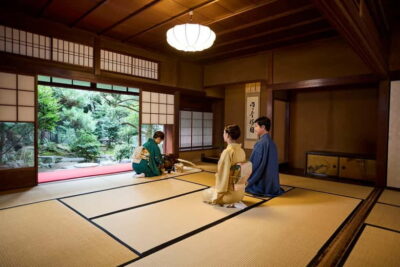
Kyoto: Kimono Tea Ceremony with Matcha and Sweet
Read our review →