
Review · TEA CEREMONY EXPERIENCES
Osaka: Tea Ceremony Experience
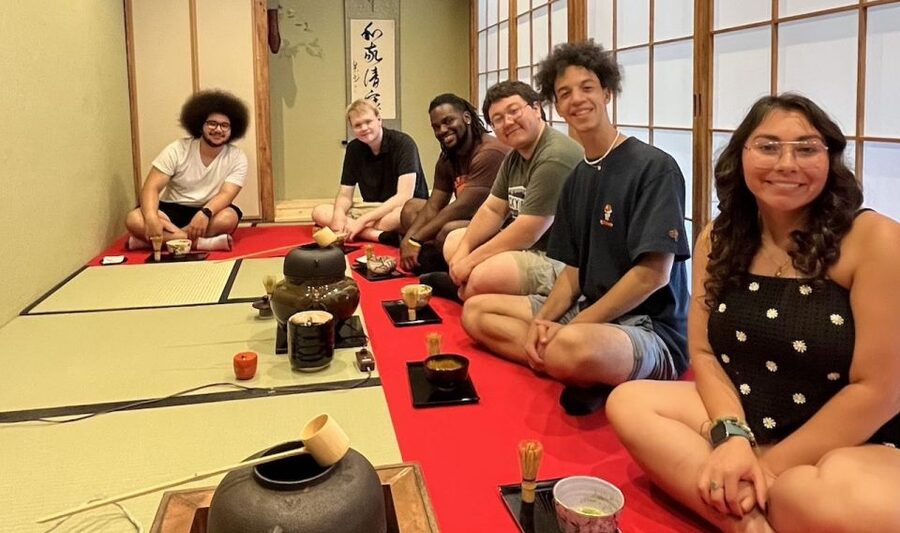
The most appealing part of this Osaka tea ceremony is that you do more than watch. After a calm demonstration in a traditional tatami room, you whisk your own bowl of matcha with the same kind of tools used in the ritual. I like the clear English instruction, and I like the way the ceremony is kept short enough to fit into a busy Osaka day.
The setting offers a welcome pause from Dotonbori’s bright signs and crowded streets. The main consideration is sitting on the floor for much of the 45 minutes, and the meeting point on the second floor can be tricky to find, so arrive early without arriving excessively early.
Key points at a glance
- Hands-on matcha making: You prepare and drink your own bowl using traditional tea tools.
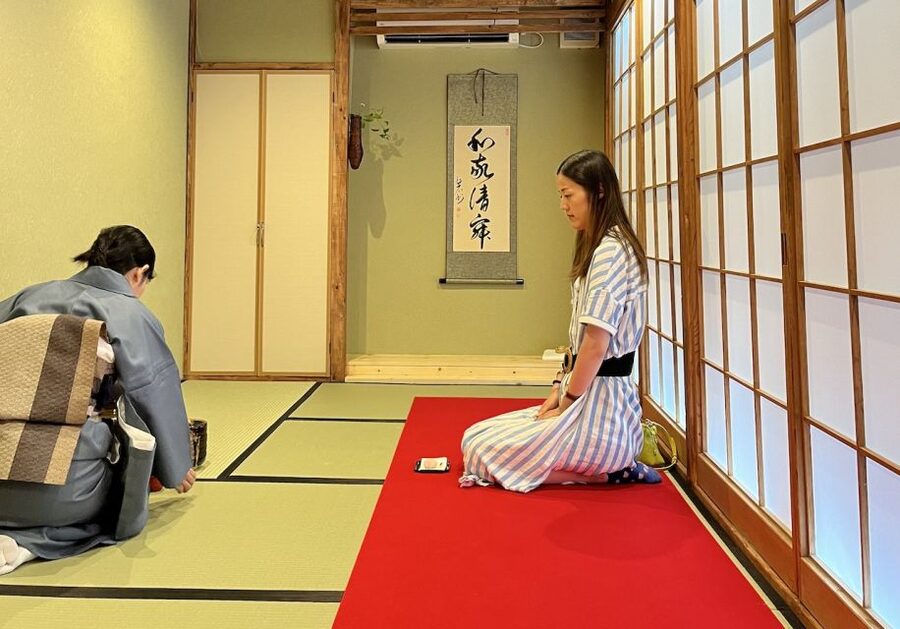
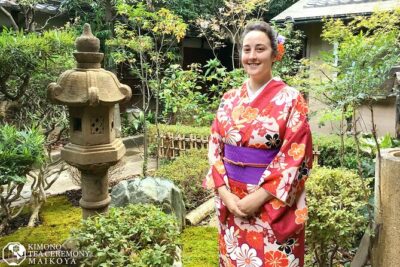
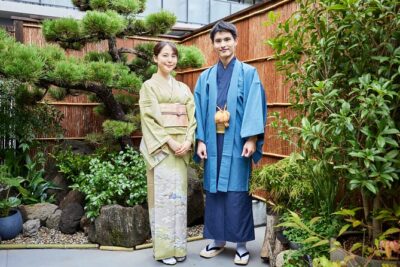
- Hosts in kimono: English-speaking Japanese instructors explain the ritual, history, tools, and manners.
- Seasonal sweets included: Small Japanese confections are served with the matcha to balance its bitter taste.
- Quiet tatami setting: The room gives you a calm cultural break in the middle of Dotonbori.
- Short and good value: At $25 per person, the 45-minute session offers both instruction and participation.
- Easy planning: You can cancel up to 24 hours ahead for a full refund and reserve without paying immediately.
A quiet tea lesson in the middle of Dotonbori
Osaka is known for food, shopping, neon, and noisy streets. This experience gives you a different side of the city without sending you far from the action. The tea ceremony takes place at Osaka-shi Chuo-ku Dotonbori 1-chome Higashi 5-26, on the second floor, close to the Dotonbori area.
Inside, the mood changes quickly. You sit in a traditional Japanese room with tatami flooring while an instructor in kimono welcomes you and explains what will happen. The contrast is part of the appeal: after a walk through one of Osaka’s most energetic districts, you get 45 minutes of stillness, careful movement, and quiet attention.
This is not presented as an advanced ceremony for specialists. It is designed as an introduction, so you do not need prior knowledge of tea etiquette or Japanese culture. The English-speaking hosts explain the purpose behind the actions rather than expecting you to copy a set of mysterious rules.
Hosts connected with the experience include Yuki, Akiko, Kazu, Mayumi, Kana, Hise, and other instructors. The teaching style can vary slightly by host, but the central pattern stays the same: welcome, explanation, demonstration, hands-on preparation, and tasting.
More Tea Ceremonies in Osaka
- Tea Ceremony Experience in Osaka Doutonbori
★ 5.0 · 754 reviews - Osaka: Tea Ceremony, Calligraphy, and Kimono Experience
★ 4.9 · 130 reviews - Osaka: Japanese Traditional Sweets Making and Tea Ceremony
★ 4.7 · 118 reviews
The opening welcome explains more than table manners
The session begins with an introduction to the tea ceremony and its place in Japanese culture. Your host explains the meaning and history of the practice before showing you the tools.
This opening matters because the ceremony can look formal if you only watch it from a distance. The bowl, scoop, whisk, and movements are not simply decorative. Your host gives you a reason for the gestures and explains the basic manners used when tea is served.
The English instruction is one of the strongest reasons to choose this activity. The instructors are Japanese, wear traditional kimono, and have more than 10 years of tea ceremony experience. They also leave room for questions, which helps if you want to understand why a particular action is performed in a certain way.
You should not expect a long academic lecture. The lesson is practical and accessible, with enough cultural background to make the demonstration meaningful. That balance suits most people who want a genuine introduction without spending half a day in a formal cultural course.
Watching the demonstration brings the ritual into focus
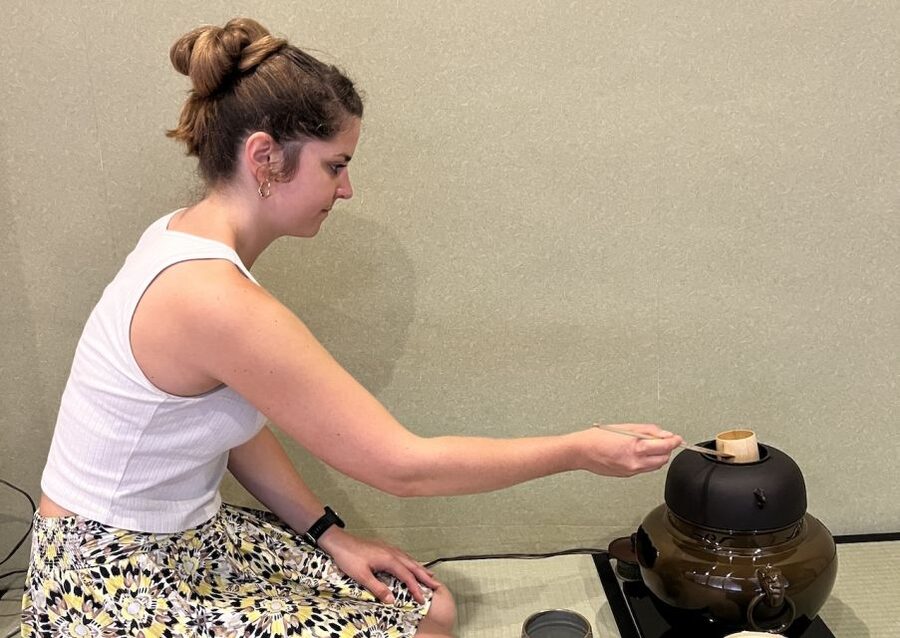
The demonstration is the most polished part of the session. Your host performs the ceremony while showing you how to use the tools and how tea is served.
The pace is deliberate. You will see the preparation of the matcha, the handling of the bowl, and the small manners that shape the presentation. The careful movements can feel calming, but the instructor continues to explain what you are seeing, so the session does not become silent theater.
A host such as Akiko may bring extra warmth and patience to the presentation, while Kazu has been praised for explaining the meaning of each stage and even the significance of the tea bowls. Mayumi is known for guiding visitors gently through the history and process. The exact host depends on the day, so it is best to think of these names as examples of the teaching style available rather than a promise of a particular instructor.
The bowls and tools add to the sense of occasion. You are not handed a paper cup of green tea in a modern café. You are introduced to the objects used in the preparation, then given the chance to handle them yourself.
Making your own matcha is the best part
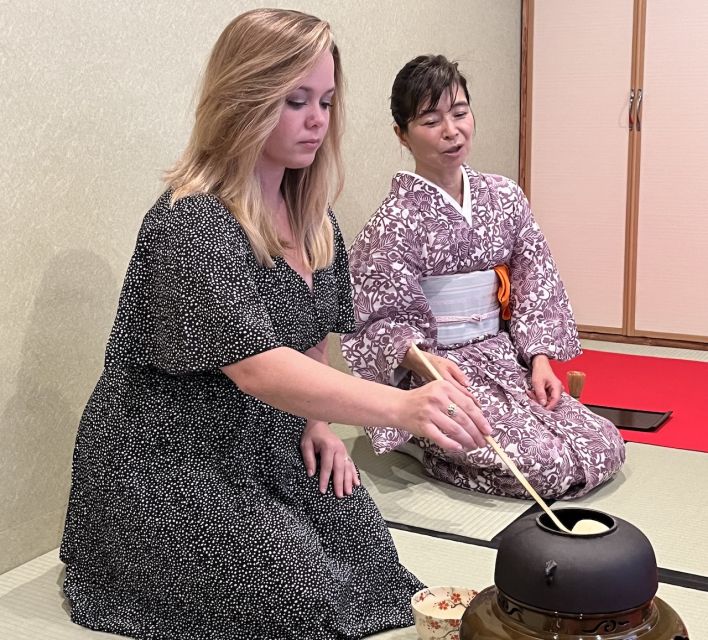
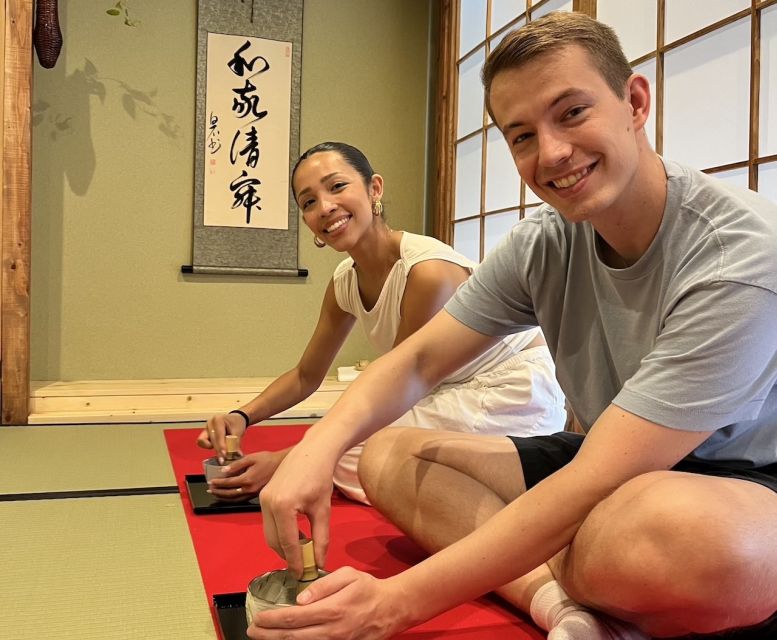
After watching the demonstration, you get to prepare your own matcha. This turns the session from a performance into a cultural activity you can remember and repeat.
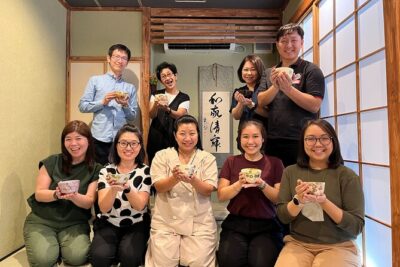
Your instructor shows you how to use the traditional whisk and how to mix the powdered tea. You then make your own bowl under guidance. Do not worry about producing a perfect froth on your first attempt. The point is to understand the process, feel the rhythm of whisking, and taste the result.
This hands-on stage is especially useful if you are curious about matcha but have only encountered it in sweet drinks or modern desserts. Traditional matcha has a stronger, more direct flavor. Some people leave with a new appreciation for it, while others enjoy the ceremony more than the tea itself. Both reactions are perfectly reasonable.
The activity may include drinking matcha more than once, first as part of the demonstration and then from your own preparation. The exact flow can vary, but you should expect to taste the tea and take part in its preparation.
Same city, a very different cup:
- Matcha Making Class in Osaka with Authentic Japanese Sweets Set
★ 5.0 · 509 reviews - Osaka: Matcha Making Experience with Japanese Sweets
★ 5.0 · 146 reviews - Osaka Temple Cool Foot Bath & Matcha Experience〈45min〉
★ 4.9 · 82 reviews - Samurai Show, Tea Ceremony, Japanese Traditional Activities
★ 5.0 · 56 reviews
Seasonal sweets make the bitter tea easier to appreciate
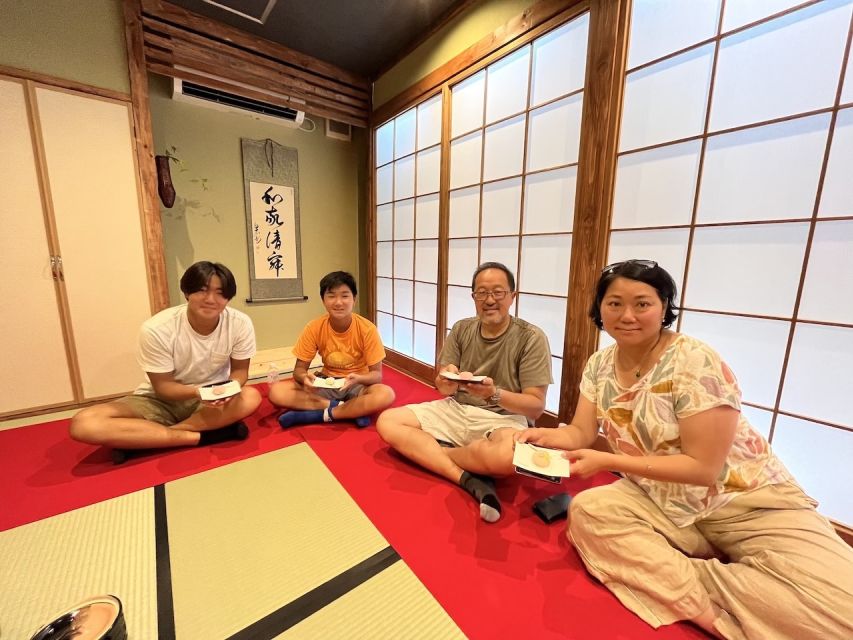
The matcha is paired with Japanese confections, often delicate seasonal sweets. These are not an afterthought. Their sweetness helps balance the earthy, slightly bitter flavor of the tea.
You usually eat the sweet before drinking the matcha, which makes the tea taste smoother by comparison. This simple pairing gives you a better sense of how Japanese tea service works. The sweets also add a visual and seasonal element to the session without turning it into a full food tour.
The included confections are one reason the $25 price feels fair. You receive the entrance, the instruction, the tea, the tools, and the sweets, all in one short activity. You should not book this expecting a meal, but the food element is enough to make the experience feel complete.
Food brought from outside is not allowed. That rule is easy to follow, since the activity already includes the matcha and confections you will taste.
Why the 45-minute length works well in Osaka
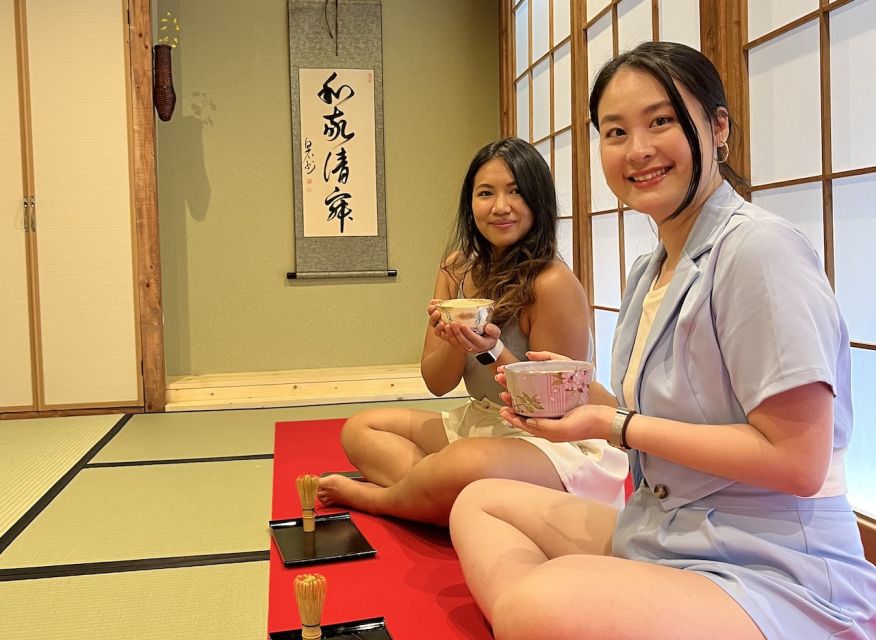
Forty-five minutes is a useful length for this activity. You get a clear beginning, a demonstration, and time to make your own tea without giving up a large part of your day.
I would place this between major sightseeing stops, perhaps before dinner in Dotonbori or during a break from shopping. The nearby streets can be hectic, so the quiet room creates a strong change of pace. It is also short enough for people who are unsure about committing to a longer cultural workshop.
The short format has a limit. You will receive an introduction rather than complete training in tea ceremony. If you want to study every rule, lineage, or regional variation, you will need a longer class. For a first encounter, though, the session gives you the important pieces without overloading you.
The experience is priced at $25 per person, which is modest for a guided cultural activity in central Osaka. Since matcha, sweets, entrance, and instruction are included, you are paying for participation rather than simply admission to a room. The strongest value comes from the host’s explanations and the chance to prepare the tea yourself.
Practical details that can affect your visit
Use Google Maps and search for tea ceremony osaka the osaka. The supplied address is written as 大阪市中央区道頓堀1丁目東5-26, and the room is on the second floor. The coordinates are 34.6688508, 135.5063291.
Allow extra time to locate the entrance. The meeting point can be difficult to spot, and arriving late may create problems because the ceremony depends on a quiet start. At the same time, there may be nowhere comfortable to wait if you arrive far too early. Aim to reach the area with enough time to find the building, then wait nearby if necessary.
The activity has English-speaking hosts or greeters, and an English audio guide is included. The live teaching is the important part, since you can ask questions and receive direct instructions.
You should expect to sit on the tatami floor for much of the session. One participant specifically noted that you may be sitting on the floor for about an hour, even though the listed duration is 45 minutes. If floor sitting is uncomfortable for you, contact the provider before booking and ask what arrangements are possible. Do not assume that chairs are available.
Strollers and baby carriages are not allowed, and noise, jumping, and outside food are prohibited. The age information needs careful attention: the conditions say children aged 5 and above need their own ticket, but also contain wording that says children over 5 cannot participate. Because those statements conflict, contact the provider before booking with a child. Children under 5 are specifically restricted, and anyone bringing a child under 4 is asked to contact the provider in advance.
The experience offers free cancellation up to 24 hours before the start time. You can also reserve now and pay later, which helps if your Osaka schedule is still changing.
Who will get the most from this ceremony
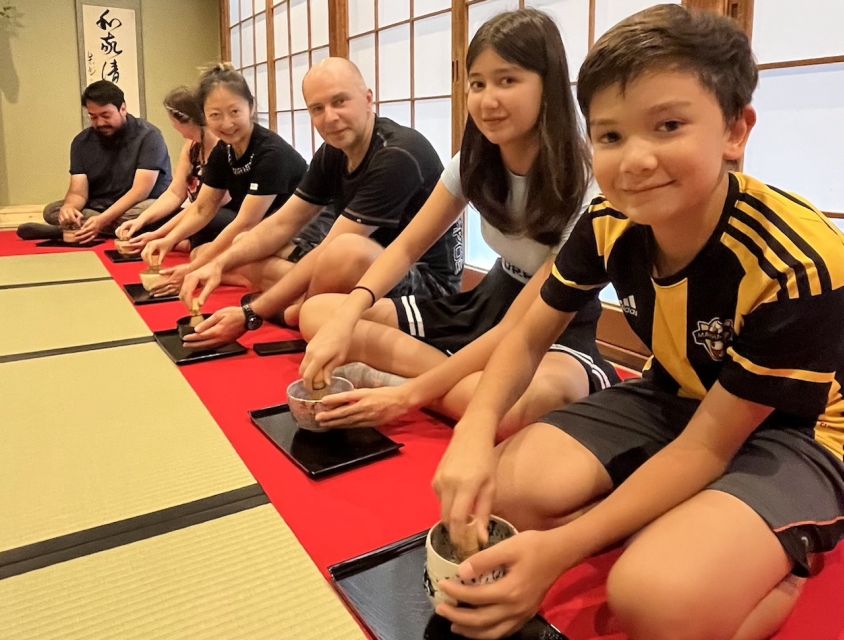
This is a strong choice for a first visit to Japan, especially if you want a cultural activity that is easy to understand in English. The hosts explain the meaning behind the ritual, and you get to take part instead of sitting quietly for the entire session.
It also suits couples and small groups who want a calm break from sightseeing. The setting is intimate in feel, and the pace gives you time to notice the bowls, tools, sweets, and gestures.
Families need to check the age rules carefully. Young children who cannot sit quietly or comfortably on the floor may not enjoy the format even if they meet the provider’s age requirements.
Matcha fans will appreciate the chance to use authentic tools, but you do not need to already like matcha. The session gives you a fair introduction to the flavor and explains how the sweets work with it.
I would skip it only if you dislike floor seating, have no interest in Japanese customs, or want a long and highly formal tea-school lesson. The experience is an accessible introduction, not a full professional course.
Should you book the Osaka tea ceremony?
For $25, this is an easy cultural addition to an Osaka itinerary. You get an English explanation, a kimono-clad host, a traditional room, seasonal sweets, and a hands-on matcha lesson in less than an hour.
Book it if you want to understand what a Japanese tea ceremony means, not just photograph one. The strongest reasons are the patient instruction, the chance to make your own tea, and the peaceful setting close to Dotonbori.
Before paying, check the start time, confirm the child policy if needed, and use the map coordinates to find the second-floor entrance. If you can manage floor sitting and arrive with a little spare time, this offers a thoughtful pause in a busy Osaka day.
FAQ
Where does the Osaka tea ceremony take place?
It takes place at 大阪市中央区道頓堀1丁目東5-26 in Osaka, on the second floor. The listed coordinates are 34.66885079999999, 135.5063291.
How long does the tea ceremony last?
The activity lasts 45 minutes. The experience includes an introduction, a demonstration, hands-on matcha making, and tasting.
How much does it cost?
The listed price is $25 per person.
Is the activity conducted in English?
Yes. The hosts or greeters speak English, and an English audio guide is included.
What is included in the price?
The entrance fee, matcha powdered green tea, and Japanese confections are included.
Will I get to make matcha myself?
Yes. After watching the demonstration, you will use traditional tea tools to prepare your own bowl of matcha.
Are sweets included?
Yes. Seasonal Japanese sweets are served with the matcha.
Can I cancel the booking?
You can cancel up to 24 hours in advance for a full refund. Reserve now and pay later is also available.
Can children participate?
The age information requires care. It says children aged 5 and above need their own ticket, but also includes wording that children over 5 cannot participate. Children under 5 are not allowed according to the conditions, and anyone bringing a child under 4 should contact the provider in advance. Confirm the rule directly before booking.
Fresh tea listings around Osaka
- Osaka Temple Head Spa &Matcha Facial – Refresh & Glow〈90min〉★ 5.0 · 24 reviews
- Premium Kimono Dressing, Tea Ceremony, Calligraphy, Samurai show★ 5.0 · 18 reviews
- Samurai dress-up and shows, plus Tea Ceremony & Calligraphy★ 5.0 · 27 reviews
- Osaka; Japanese Tea ceremony experience, Macha and Sencha★ 4.9 · 29 reviews
- Osaka: Private Tea Ceremony and Calligraphy Experience★ 5.0 · 50 reviews
- Samurai Show, Tea Ceremony, Japanese Traditional Activities★ 5.0 · 56 reviews
- Osaka Temple Cool Foot Bath & Matcha Experience〈45min〉★ 4.9 · 82 reviews
- Osaka: Japanese Traditional Sweets Making and Tea Ceremony★ 4.7 · 118 reviews
Tea Ceremony Experiences, compared.
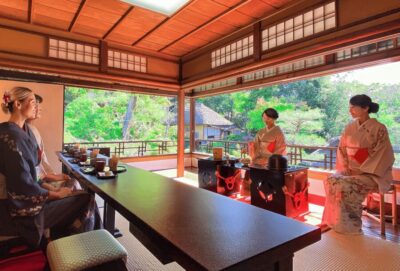
Kyoto: Tea Ceremony in a Traditional Tea House in Kiyomizu
Read our review →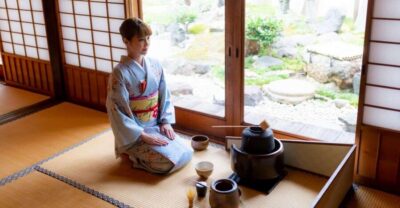
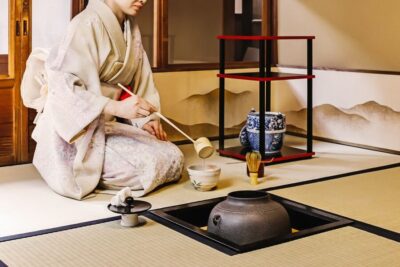
Kyoto: 45-Minute Tea Ceremony Lesson Experience
Read our review →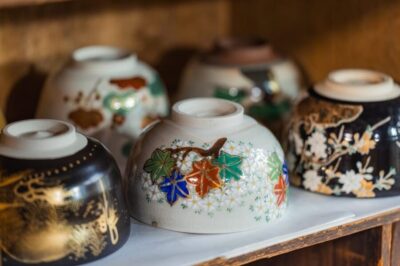
Kyoto: Table-Style Tea Ceremony at a Kyo-Machiya
Read our review →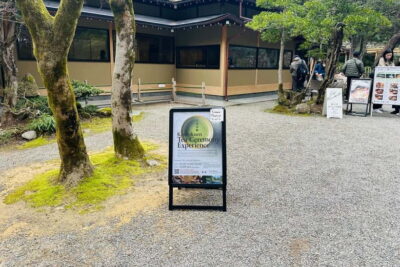
Browse the lists this tour appears in