
Review · TEA CEREMONY EXPERIENCES
Authentic Tea Ceremony & Sushi in The Museum of Kyoto
The sharpest pleasure here is the contrast: sushi prepared in front of you followed by a quiet tea ceremony in a traditional Japanese house below The Museum of Kyoto. You move from the chef’s precise knife work and fresh fish to measured gestures, garden views, and a bowl of premium matcha.
I like the excellent food-and-culture pairing, and I like that you do more than watch: you wear a haori, learn about tea utensils, whisk your own matcha, and eat a Kyoto sweet with it. The main consideration is the $133 price, which makes sense for a polished, small-scale cultural outing but may feel high if you want only a quick sushi meal or a short tea tasting.
Key details at a glance
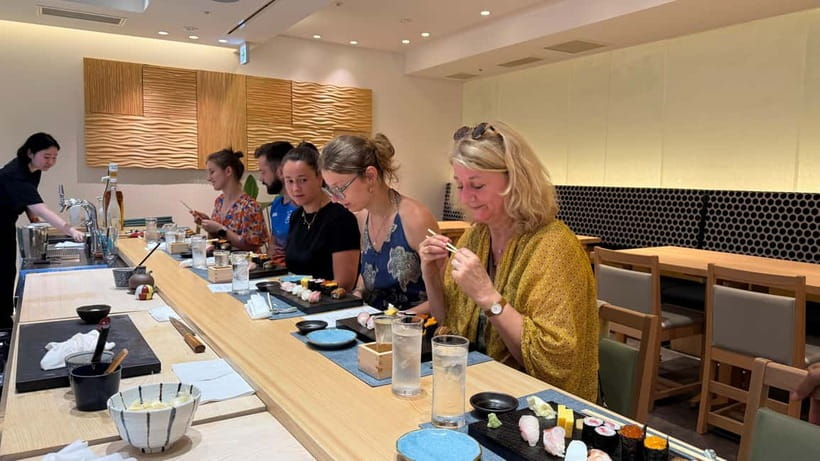
- Sushi made in front of you: A skilled master chef prepares the sushi as part of the experience.
- Two session times, two different orders: At 11:00, the tea portion comes before the sushi. At 13:30, sushi comes first.
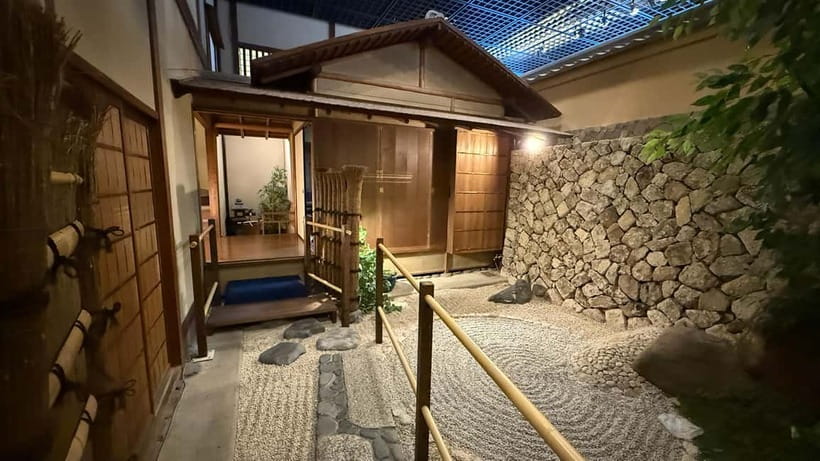
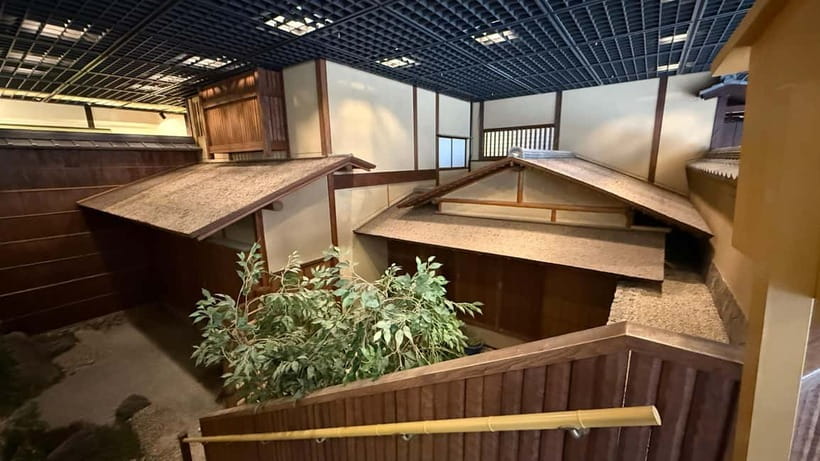
- A traditional house below the museum: The tea ceremony takes place in an Edo-period-style setting with a view of a carefully designed miniature garden.
- Hands-on matcha preparation: You whisk your own bowl of matcha after learning how the ceremony and utensils work.
- Premium matcha and Kyoto sweets: The tea is paired with a traditional sweet, giving the ceremony a proper taste element.
- A polished cultural setting: You wear a traditional haori and return to the starting point at the end.
Sushi Shin sets the tone inside The Museum of Kyoto
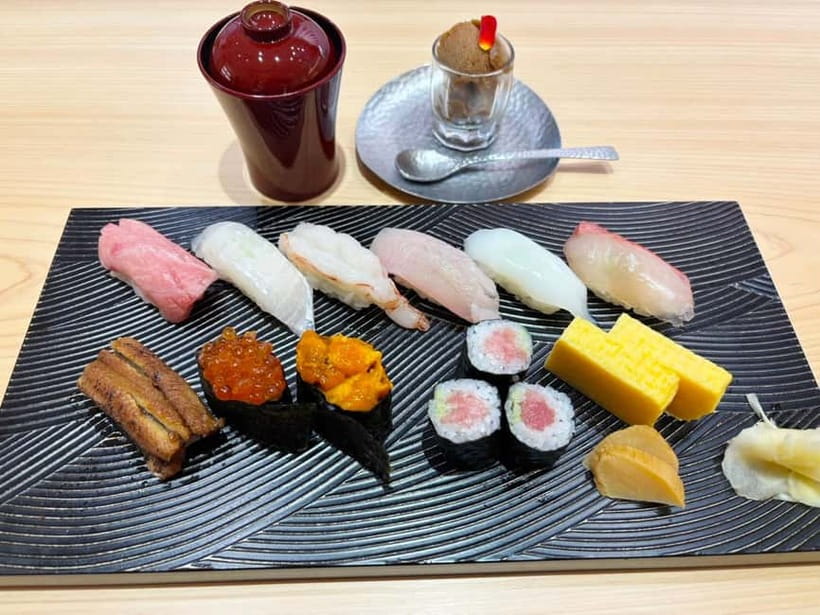
Your meeting point is Sushi Shin, the sushi restaurant inside The Museum of Kyoto. That detail matters. You are not being taken across Kyoto by bus or asked to find a second location after lunch. The food and tea experience begin and end within the museum setting.
The sushi is prepared by a chef with years of training, and the preparation happens directly in front of you. That gives the meal a sense of occasion that a plate of prearranged sushi cannot match. You can watch the careful work at close range, then eat the result while it is fresh.
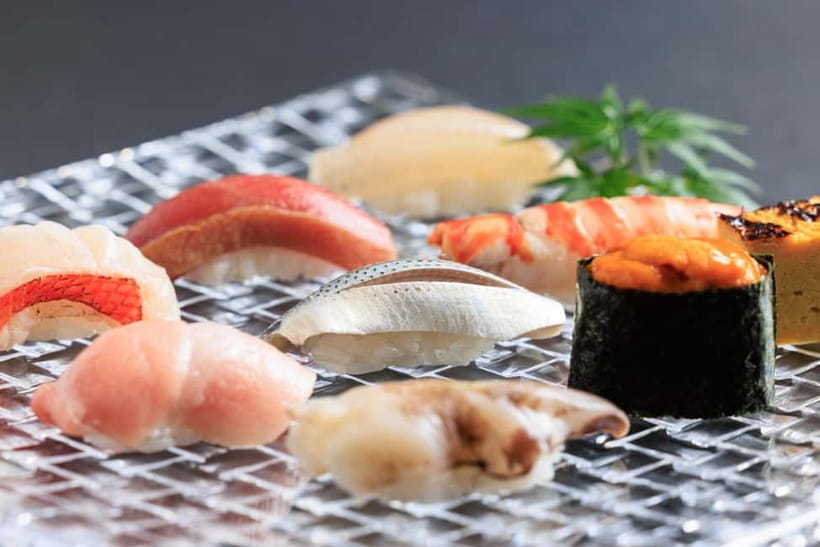
The food has earned some of the strongest praise attached to this outing. It is described as exceptionally fresh and very good, with the chef making each piece before you. If sushi is the part you care about most, the 13:30 session puts it at the beginning, when your appetite and attention are fresh.
The 11:00 session places sushi at the end. That order may appeal to you if you like to start with the tea ceremony and finish with a more substantial meal. The schedule is an important choice, not a small footnote, since the two times create a different rhythm.
The supplied details do not specify the exact sushi menu, number of pieces, or fish varieties. I would not book this expecting a particular type of tuna, shellfish, or seasonal course. Instead, book it for the combination of chef-prepared sushi and Japanese tea culture.
More Tea Ceremonies in Kyoto
- Kyoto: Tea Ceremony in a Traditional Tea House in Kiyomizu
★ 4.9 · 3,519 reviews - Kyoto: Tea Ceremony Ju-An at Jotokuji Temple
★ 4.9 · 3,207 reviews - Kyoto: 45-Minute Tea Ceremony Lesson Experience
★ 4.3 · 2,378 reviews
A basement tea house with an Edo-period mood
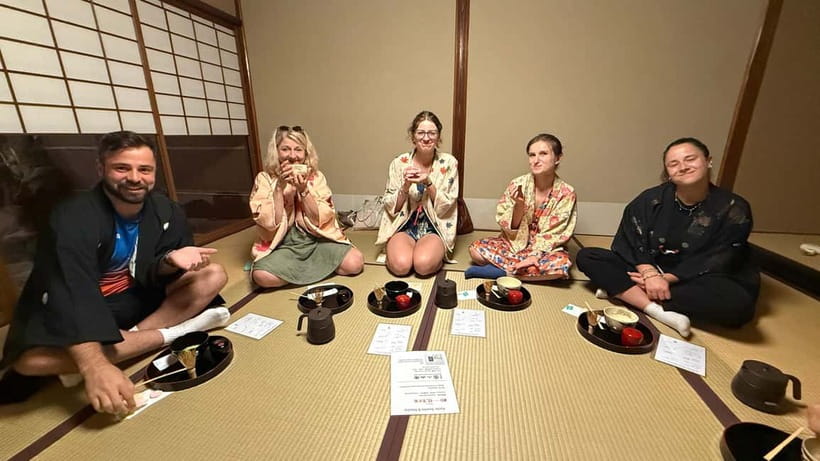
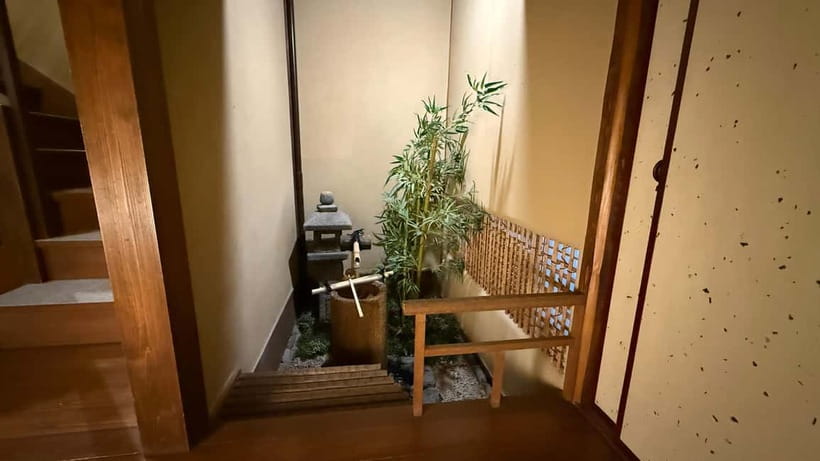
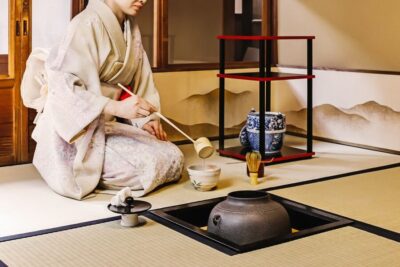
After, or before, the sushi portion, you are guided to a traditional Japanese house on the museum’s basement floor. The setting is described as carrying the elegant atmosphere of the Edo period, with a view into a meticulously designed garden.
This is not a broad outdoor garden visit. You are viewing a carefully made miniature garden from within the tea-house setting. That smaller scale suits the ceremony. Tea culture asks you to notice details: the arrangement of objects, the movement of the host, the bowl in your hands, and the quiet space around you.
The peaceful setting is one of the experience’s strongest features. The tea ceremony takes place in serene silence, so this is a good counterpoint to a full day of sightseeing in central Kyoto. You are given a pause, not another fast-moving attraction.
The basement location may surprise you if you expect a historic building in a separate garden district. The atmosphere is designed to feel traditional, but the activity remains inside The Museum of Kyoto. I see that as both a plus and a limit. You get an easy, controlled cultural setting, but not a long visit to a working tea district or a full historic tea-house neighborhood.
Wearing a haori makes the ritual feel personal
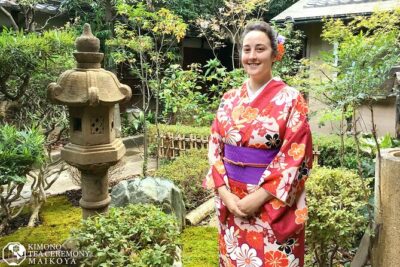
A traditional haori, a kimono-style jacket, is provided for you to wear. It is a simple touch, but it changes how the occasion feels. You are not just sitting down for a lesson and a drink. You are taking part in a presentation shaped by Japanese dress and etiquette.
The haori is not presented as a full kimono dressing session. You should think of it as a traditional outer layer for the ceremony, not a complete costume transformation. That distinction keeps expectations in check.
I like this feature because it gives the event a visual and physical marker. You put on the garment, enter the tea setting, and take your place in a ritual with its own pace. It also makes the activity feel more special than an informal matcha demonstration.
The experience is offered in English and Japanese. The available information does not name the guide or explain the exact group size, so I would not assume a private lesson or a certain level of personal attention. Still, the cultural explanation and hands-on tea preparation mean you are not expected to know the rules in advance.
What the chanoyu explanation adds
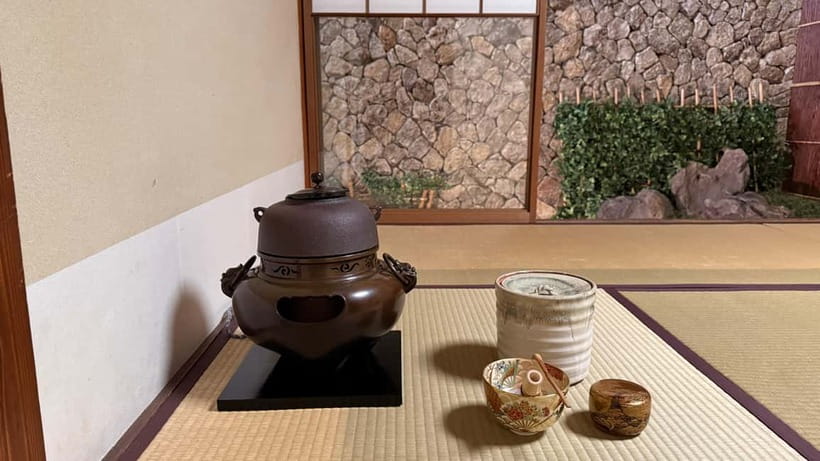
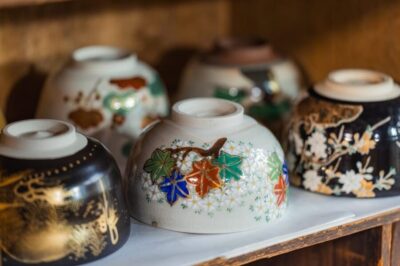
Chanoyu, the Japanese tea ceremony, is about far more than drinking powdered green tea. The experience includes a brief explanation of its history and cultural origins, along with an introduction to the traditional utensils used during the ceremony.
This background helps you understand why each tool and movement receives attention. Without an explanation, a tea ceremony can look like a series of slow gestures. With context, you can see the care given to preparation, presentation, and the relationship between host, guest, utensils, and setting.
The explanation is described as brief, so do not expect a long academic lecture. That is probably the right balance for a food-and-culture outing. You get enough context to follow the ritual, then move into the part that makes the lesson memorable: preparing the tea yourself.
The host guides you in whisking your own bowl of matcha. You then drink it with a traditional Kyoto sweet. This hands-on step matters. You are not only watching someone else make matcha perfectly. You get to feel the whisk, see the tea change, and take part in the basic preparation.
Your bowl may not look as smooth as the host’s, and that is part of the point. The ceremony is not a performance you must pass. It is a chance to try the process after seeing how the utensils and movements fit together.
Same city, a very different cup:
- Kyoto: Table-Style Tea Ceremony at a Kyo-Machiya
★ 4.9 · 1,211 reviews - Kimono Tea Ceremony at Kyoto Maikoya, NISHIKI
★ 5.0 · 911 reviews - Kyoto: Kimono Tea Ceremony at Orizuruya Gion
★ 4.9 · 618 reviews - Kyoto: Tea Ceremony in 100-year-old Kyo-Machiya Townhouse
★ 4.8 · 546 reviews
Premium matcha and a proper Kyoto sweet
The matcha is described as rare and very high quality. The information does not name the tea farm, cultivar, or region, so I would avoid treating the word premium as a guarantee of a specific origin. What you can expect is a matcha selected as a central part of the ceremony rather than an afterthought.
The taste can be a surprise if you are used to sweetened green tea drinks. Matcha has a strong, finely ground character, and the traditional sweet helps balance it. The pairing gives you a clearer idea of how Japanese sweets work with tea.
The Kyoto sweet is included, and it is served alongside the matcha you prepare. This makes the tea portion feel complete. You are not handed a plain cup and sent on your way.
Several aspects of the tea service received especially warm praise: the quality of the matcha, the clear explanation, and the chance to try the whisking yourself. Those are the details I would value most. A tea ceremony can be visually beautiful but distant. Here, the chance to participate gives you something practical to remember.
Choosing between the 11:00 and 13:30 sessions
The session time changes the order of the experience:
- At 11:00, the tea ceremony comes first and sushi is served at the end.
- At 13:30, sushi is served first and the tea ceremony follows.
The 11:00 option creates a gentle opening. You begin with the quiet tea setting, learn about chanoyu, prepare matcha, and then move to sushi. That may work well if you prefer a late breakfast style or want the meal to finish the activity.
The 13:30 option starts with sushi and ends with tea. I see this as the better fit if you want the meal while you are hungry and prefer to finish with a calm cultural ritual. The transition from sushi to matcha also gives the experience a clear sense of winding down.
No session duration is supplied, so I would leave room around the booking rather than schedule another timed attraction immediately afterward. The activity returns to the meeting point at the end, but the exact finish time is not stated.
Is $133 a fair price?
At $133 per person, this is not a bargain meal. You are paying for more than sushi: chef-prepared food, a traditional setting, a haori to wear, an explanation of chanoyu and its utensils, premium matcha, a Kyoto sweet, and a guided hands-on activity.
The value depends on what you want from your Kyoto day. If you want a memorable cultural occasion that combines food and tradition without arranging two separate bookings, the price is easier to justify. The setting and chef preparation give the outing a polished feel, and the tea ceremony adds an experience that a standard sushi lunch does not provide.
If your priority is simply eating as much sushi as possible, $133 may not suit you. The exact sushi quantity is not stated, and part of your payment covers the tea setting and cultural instruction. You are buying a combined experience, not an all-you-can-eat meal.
The strongest value comes from the balance of watching and doing. You watch an experienced chef work, then take part in preparing your own matcha. You also receive an explanation of the objects and customs, so the ceremony has meaning rather than being only a photo opportunity.
Who should book this Kyoto experience?
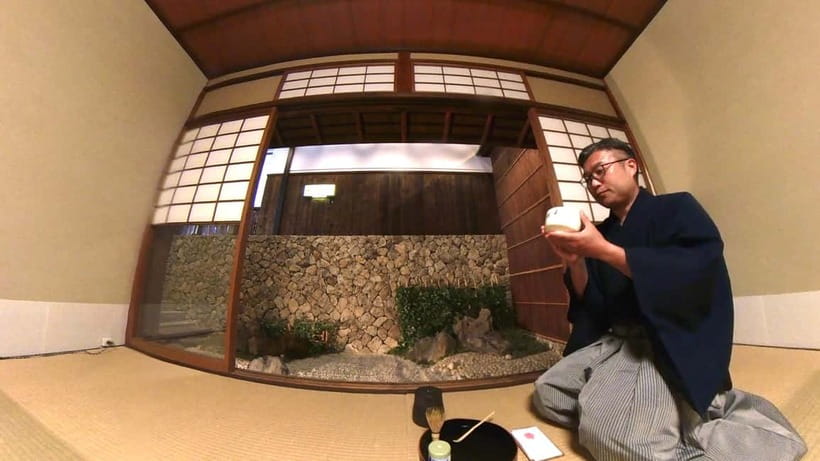
I would recommend it to adults and older children who enjoy Japanese food, design, etiquette, and quiet cultural activities. It suits a special day in Kyoto, a first introduction to chanoyu, or anyone who wants an experience with more structure than a meal.
It is not suitable for children under 10. It is also not suitable for vegans or vegetarians, which is important because sushi is a central part of the program. If you have allergies, tell the provider in advance. That is especially sensible with a chef-prepared meal where ingredients may vary.
The activity is also not suitable for people over 95. The supplied details do not explain the reason or provide fuller accessibility information, so anyone with mobility or seating concerns should confirm practical arrangements before booking.
The English and Japanese language options make the activity accessible to English speakers, but the precise language arrangement is not stated. If language support is a major factor in your decision, confirm which language will be used for your session.
The quiet side of Kyoto food culture
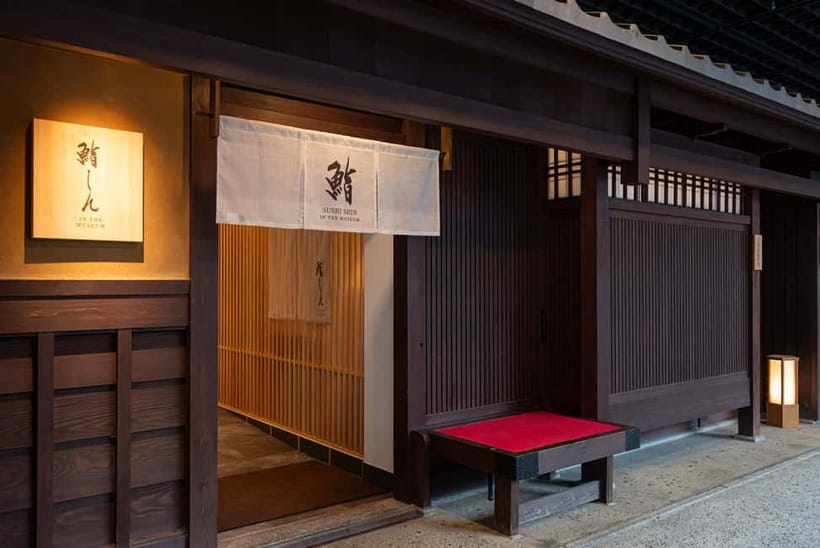
What I appreciate most here is the change of pace. Kyoto offers plenty of crowded sights and quick meals. This outing gives you a defined period of calm, with a small garden view, careful utensils, a traditional jacket, and the soundless focus of tea preparation.
The sushi keeps the experience grounded in taste. You are not only receiving a cultural talk. You are eating food made by a trained chef, then comparing that direct, precise preparation with the slower craft of matcha.
The setting also helps connect the two parts. Sushi and tea ceremony are not presented as unrelated activities across town. They share one venue, one meeting point, and one carefully arranged cultural mood. That makes the experience easy to understand and easy to remember.
Still, keep your expectations precise. The tea house is on the basement floor, the garden is a miniature garden viewed from inside, the explanation is brief, and the sushi details are not listed. Those facts do not weaken the experience, but they tell you what kind of activity you are booking.
Should you book it?
Book this if you want fresh sushi made before you, a quiet tea ceremony, premium matcha, and a chance to take part rather than only observe. Choose 11:00 if you want tea first and sushi afterward. Choose 13:30 if you prefer lunch first and a calm tea service at the end.
Skip it if you need a vegetarian or vegan meal, want a full kimono dressing experience, or are mainly looking for the cheapest sushi in Kyoto. At $133, it works best as a polished cultural occasion, with food and tradition given equal weight.
The small number of published ratings is uniformly positive, with the strongest praise focused on the fresh sushi, friendly presentation, peaceful setting, clear explanation, and excellent matcha. Those are exactly the points I would use to make the decision.
FAQ
Where does the experience begin?
It begins at Sushi Shin, the sushi restaurant inside The Museum of Kyoto.
Where does the experience end?
The activity ends back at the meeting point inside The Museum of Kyoto.
Is sushi served before or after the tea ceremony?
At the 11:00 session, sushi is served at the end. At the 13:30 session, sushi is served at the beginning.
Is the haori included?
Yes. A traditional haori, or kimono-style jacket, is included for you to wear during the experience.
Can I prepare my own matcha?
Yes. You receive an explanation of chanoyu and its utensils, then whisk your own bowl of matcha and enjoy it with a traditional Kyoto sweet.
Is the experience suitable for vegetarians or vegans?
No. The activity is not suitable for vegetarians or vegans. If you have allergies, inform the provider in advance.
More Museums in Kyoto
- Kyoto: Tea Museum Tickets and Matcha Grinding Experience
★ 4.9 · 739 reviews - Afternoon Tea at the British Museum
★ 4.2 · 511 reviews - Private Abu Dhabi Sheikh zayed mosque with Louver Museum & Emirates Place Tea
★ 5.0 · 173 reviews - London: National Gallery Guided Tour and Afternoon Tea
★ 4.5 · 64 reviews
Fresh tea listings around Kyoto
- Kyoto Hidden Riverside Zen Mediation and Uji Matcha Experience★ 5.0 · 9 reviews
- Whisk Your Own Matcha: A Zen Matcha Experience at Temple★ 3.6 · 7 reviews
- Kyoto: Nighttime Zen Meditation and Matcha Tea Experience★ 5.0 · 7 reviews
- Kyoto Fushimiinari:Wagashi Making & Small Group Tea Ceremony★ 5.0 · 14 reviews
- 2 Types of Japanese Sweets making and Tea Ceremony★ 4.6 · 17 reviews
- Matcha Grinding Experience and Walking Tour in Uji Kyoto★ 5.0 · 26 reviews
- Kyoto Matcha Green Tea Tour★ 4.7 · 28 reviews
- Kyoto: Traditional Tea Ceremony with Matcha & Sweets in Gion★ 4.9 · 27 reviews
Tea Ceremony Experiences, compared.
Kyoto: Tea Ceremony in a Traditional Tea House in Kiyomizu
Read our review →
Kyoto: 45-Minute Tea Ceremony Lesson Experience
Read our review →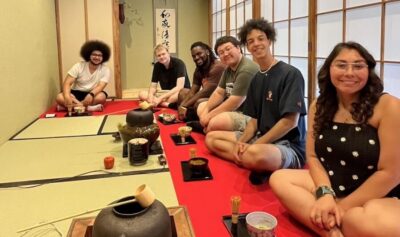
Kyoto: Table-Style Tea Ceremony at a Kyo-Machiya
Read our review →
Browse the lists this tour appears in