
Review · TEA CEREMONY EXPERIENCES
At an Antique Shop, Tea Ceremony and Japanese Sweets Forming
A 100-year-old roadside antique shop is an unusual place to learn about Japanese tea. Before the ceremony, you can look at tableware and choose the teacup you will use, including pieces that may be several hundred years old. The shop’s distinctive setting even drew CNN for an interview.
I like the hands-on wagashi lesson and the chance to ask questions during the tea service. I also like that the tea room uses chairs, so you are not expected to kneel on the floor. The main consideration is communication: the host is a Japanese artisan whose English may be limited, so this suits you best if you are patient and comfortable with a slower exchange.
Key points
- Century-old setting: Make sweets and drink matcha inside a working antique tableware shop rather than a plain rented room.
- Choose your teacup: Handle and select a cup from the shop’s collection, with some pieces several hundred years old.
- Make seasonal nerikiri: Shape colored mochi-based dough by hand, then add fine lines with small tools.
- Chair-based tea room: Take part in the ceremony while seated in a chair, not on the floor.
- Good for curious beginners: No cooking or creative background is needed, and the host guides you through each stage.
- Small practical limits: The activity is for ages 13 and up, is not wheelchair accessible, and requires comfortable clothing that covers the feet.
Why this antique shop changes the experience
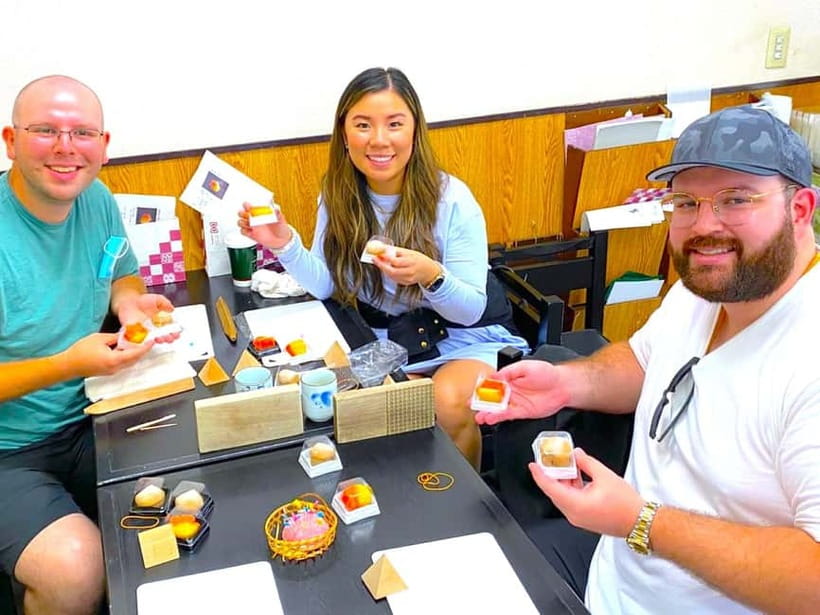
Many tea lessons take place in a plain studio or apartment room. Here, the setting does much of the teaching before the host says a word. You enter a century-old roadside shop filled with antique tableware, and the cups, bowls, and tools around you give the ceremony a real sense of place.
The shop has also attracted CNN, which is a useful clue about its unusual character. That does not make the activity a television production, but it does tell you this is not a standard classroom with a few old objects placed on a shelf.
I like this format because tea ceremony is closely tied to utensils. The cup is not just a container for matcha. Its shape, age, decoration, and feel in your hands all affect the moment. Being able to choose your own cup gives you a small but meaningful role in the ceremony.
Take time to look around when you arrive. You may find that the antiques become as interesting as the formal lesson. If you love tableware, you can also buy pieces from the shop, though purchases are not part of the $57 price.
More Tea and Sweets Making in Tokyo
- Matcha Making Class in Tokyo with Authentic Japanese Sweets Set
★ 5.0 · 744 reviews - Tokyo: Matcha Making Experience with Mochi Sweets in Asakusa
★ 4.9 · 388 reviews - Make Traditional Nerikiri Sweets & Matcha experience in Shibuya
★ 5.0 · 130 reviews
Starting with Japanese tableware near Nippori
The meeting point is about 10 minutes from Nippori Station. Exact location details are supplied after booking, so you will need to allow time to find the shop and arrive promptly.
Nippori is a useful base for this activity because the shop is close to the station without being described as a major sightseeing venue. You are going to a local-style business rather than a large attraction built for passing crowds. That makes the setting feel more personal, but it also means you should pay attention to the directions provided after reserving.
Once inside, begin by examining the antique tableware. You can see the objects that give the shop its identity before sitting down to make sweets. The chance to choose a teacup is one of the strongest details in the program, especially if you enjoy ceramics or Japanese design.
Some cups are several hundred years old. The information does not specify which cups you can handle or how the selection works, so listen carefully to the host before picking one up. In an antique shop, respect for the objects matters. Avoid treating the shelves like a souvenir display, and follow any handling instructions.
Making nerikiri from colored mochi dough
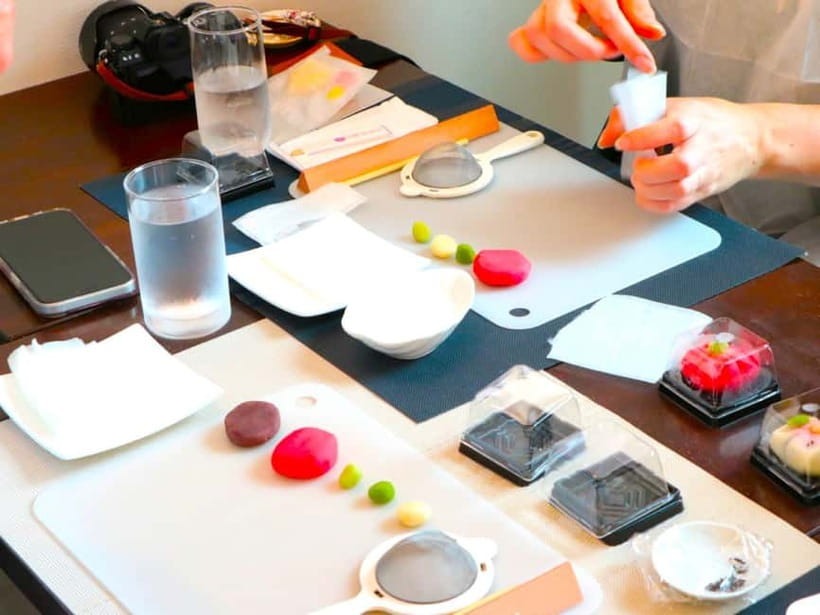
The sweet-making portion focuses on nerikiri, a Japanese wagashi made with mochi flour. You receive several colored materials and shape them by hand into the day’s seasonal design.
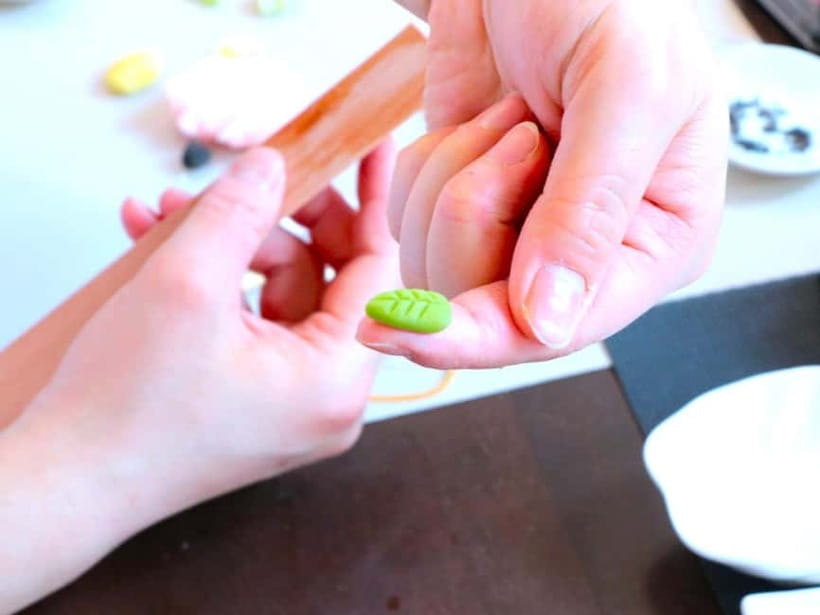
Think of this less as a cooking class and more as careful edible modeling. The lesson compares the process to working with colorful clay, which is a helpful way to picture it. You form the dough into different shapes, combine the colors, and use tools to add delicate lines and details.
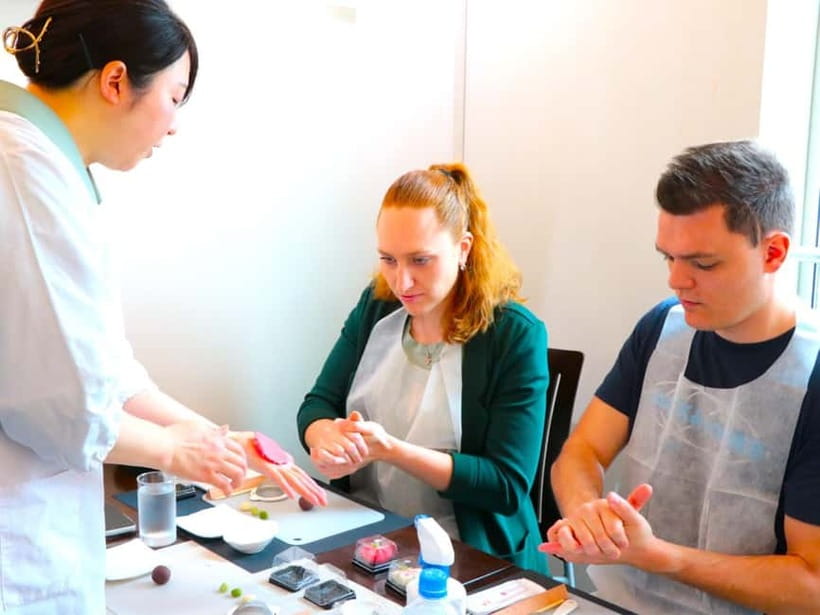
The activity is designed for beginners. You do not need a background in Japanese sweets, cooking, or art. The host explains each step and helps you form the pieces. The work is precise, but it is also forgiving. The point is not to produce a perfect professional sweet. You are learning how the shape, color, and small marks suggest the season.
That seasonal focus matters. Nerikiri is not simply a sugary snack made in a fixed shape. Its appearance often reflects flowers, leaves, weather, or another seasonal idea. The exact design changes, so the sweet you make depends on the day’s theme.
I would approach this part slowly. Rushing makes it harder to get clean lines and balanced shapes. You will have more fun if you treat the dough as a tactile craft rather than worrying about making a flawless piece.
The supplied feedback highlights this portion as one of the strongest parts of the activity. It was described as excellent, with the host offering friendly help despite English not being his first language. That combination is important: the lesson is practical enough to follow by watching and doing, even if every explanation is not perfectly fluent.
Moving into the chair-based tea room
After forming the wagashi, you move to a dedicated tea room. The room is arranged for a chair-based ceremony, so you can sit normally rather than kneeling on tatami for an extended period.
That detail makes the program easier for many people. Traditional tea settings can require floor seating, which is uncomfortable for anyone with stiff knees, limited flexibility, or little experience with Japanese customs. This arrangement keeps the ceremony formal without making posture the main challenge.
The host serves your confection first, followed by real matcha. The wording here matters: this is powdered green tea prepared for the tea ceremony, not a sweetened café drink. Matcha has a distinctive bitter taste, and the wagashi provides the sweet balance.
Eating your own nerikiri with the matcha gives the two parts of the lesson a clear connection. You are not simply making a sweet and then drinking tea as separate activities. You first learn how the confection is formed, then experience its place alongside tea.
The ceremony is also presented as a chance to ask questions. The host welcomes questions about the tea, the utensils, and the process, and conversation is treated as part of the experience. If you are curious, prepare a few simple questions in advance. Ask about the cup you chose, the seasonal shape, or how the matcha is prepared.
More Tea Ceremonies in Tokyo
- Kimono Tea Ceremony at Tokyo, Asakusa Maikoya
★ 5.0 · 638 reviews - Tokyo: Traditional Tea Ceremony with a Tea Master
★ 5.0 · 528 reviews - Tea Ceremony Workshop in Tokyo by the Experienced Instrucor
★ 5.0 · 189 reviews - Asakusa: Kimono Tea Ceremony with Matcha and Sweet
★ 4.9 · 153 reviews
What the host can and cannot provide in English
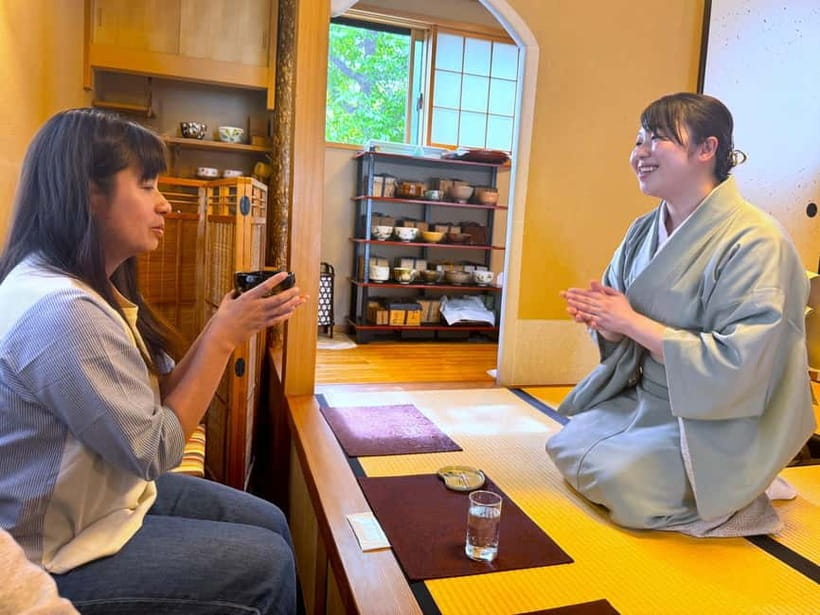
The activity is offered in English, but you should set your expectations carefully. The host is described as an artisan rather than a commercial tour presenter, and his English may be limited.
That can affect the rhythm of the lesson. You may need to watch demonstrations closely, follow hand movements, and ask short, clear questions. This is not necessarily a problem. In a craft lesson, seeing the action often explains more than a long speech.
The experience has been praised for the host’s patience and friendliness. That is especially useful during the wagashi portion, where a small demonstration can show you how to pinch, press, roll, or mark the dough. A calm attitude on your side will help the session go well.
If you need polished, fast-paced commentary in fluent English, this may not be your best choice. If you enjoy learning by observation and are happy with an artisan-led session, the communication style can feel more personal and less scripted.
What the $57 price includes
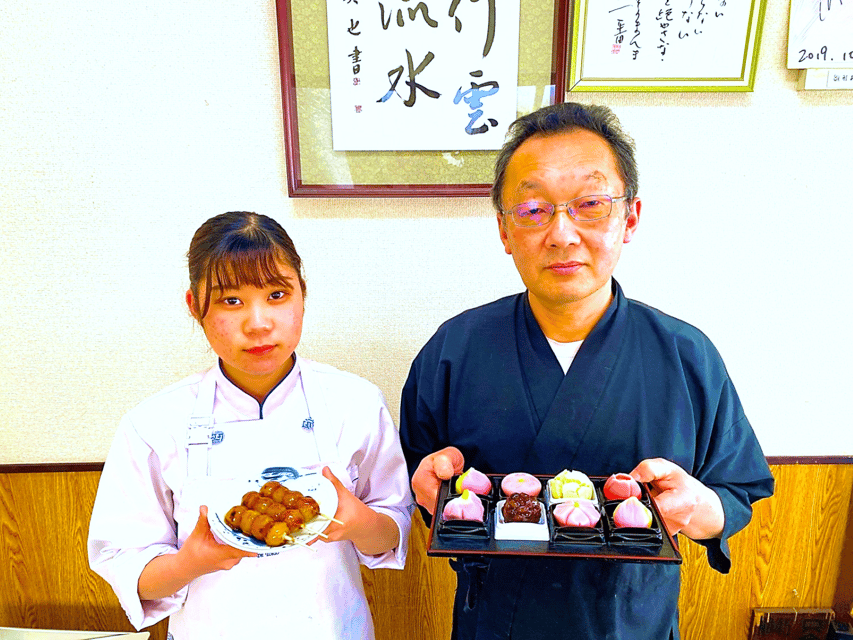
The $57 per-person price covers the experience fee, use of the shop and facilities, tools, materials for the wagashi, matcha, and consumption tax. You are not paying separately for the equipment used during the lesson.
The value comes from the combination of three elements: access to the antique shop, a guided confection-making activity, and a tea ceremony with the sweet you made. A basic tea demonstration might offer only the final drink and snack. A basic sweets class might take place in a generic room. This program joins both activities in a distinctive setting.
The price is easier to justify if you care about Japanese crafts, ceramics, or food traditions. It is also a good fit if you want a quiet cultural activity instead of another sightseeing stop. The value is less clear if you are mainly looking for a fast photo opportunity or a large-scale performance.
Antique purchases cost extra. You do not need to buy anything, and the activity fee does not include tableware. Still, the shopping option is convenient if you find a cup or bowl that appeals to you.
Who will enjoy this most
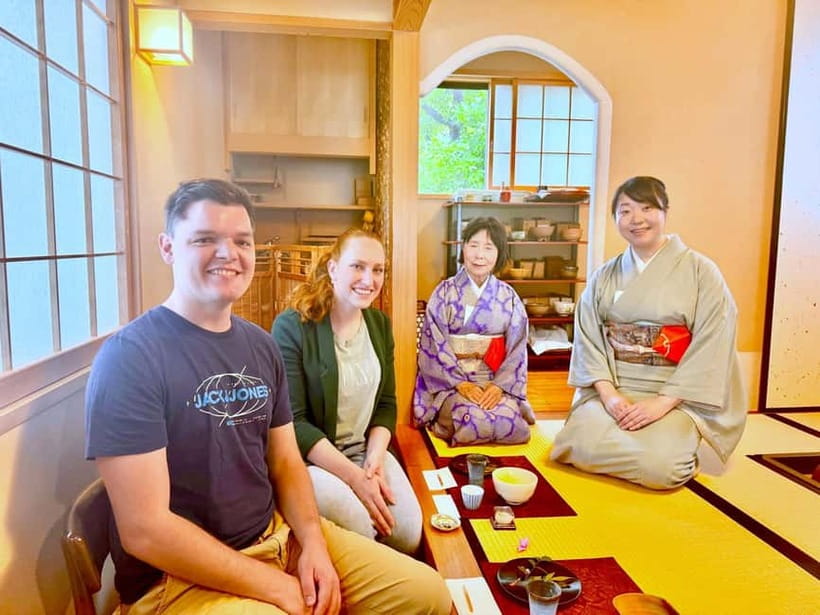
I would recommend this for people aged 13 and older who want a calm, hands-on introduction to Japanese culture. It works particularly well for:
- People interested in ceramics, antiques, and traditional tableware
- First-time visitors who want to make something rather than only watch
- Older teenagers and adults who enjoy food crafts
- Couples or friends looking for a quieter Tokyo activity
- Anyone curious about matcha but unsure about a formal floor-seated ceremony
It is not designed for young children. Participants must be at least 13, and anyone under 18 must be accompanied by an adult.
The activity is not suitable for wheelchair users, people with vertigo, people with epilepsy, or people with a cold. The restrictions are worth taking seriously because this is a small shop and tea room, not a large modern facility with broad access features.
Baby strollers and baby carriages are not allowed. Smoking, alcohol, drugs, intoxication, chewing gum, and bare feet are also prohibited. Wear clean, comfortable clothing that covers your feet, and arrive ready to sit, watch, and work with your hands.
Timing, punctuality, and the pace of the visit
The exact duration is not provided, so you should not plan a tightly timed activity immediately afterward. The program ends back at the meeting point, but the schedule remains fixed even if you arrive late.
That rule matters. A late arrival does not extend the lesson, and no refund is provided if someone is unwell or under the influence of alcohol. Give yourself extra time to reach the shop from Nippori Station and locate the entrance.
Because the setting is an antique shop, the pace is likely to feel more measured than a large commercial class. You will want time to look at the tableware, shape the wagashi, listen to the host, and drink the matcha without rushing.
Do not book this on a day when you need to run straight to another appointment. The tea ceremony works best when you can pay attention to small details, including the cup in your hands and the shape of the sweet you made.
The strongest reasons to book
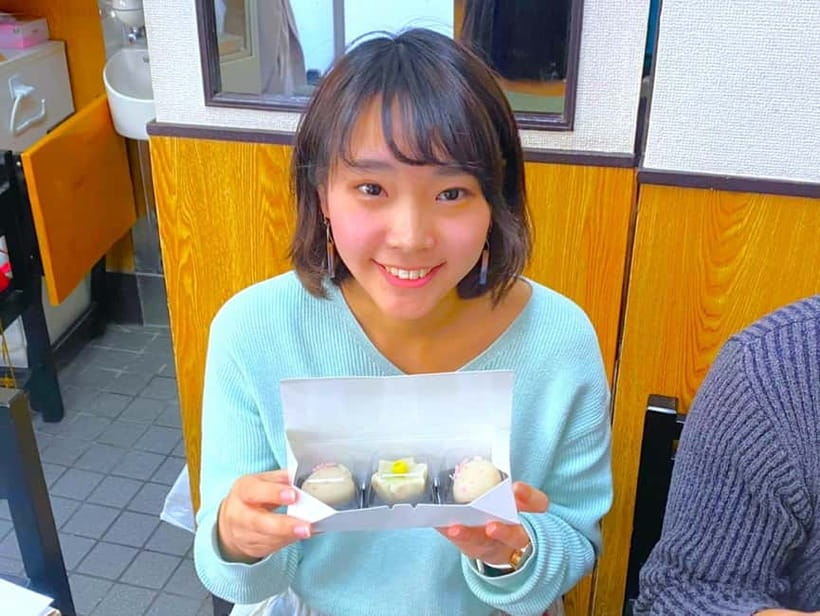
The best reason to book is the setting. A century-old antique tableware shop gives the lesson a physical connection to Japanese tea that a plain meeting room cannot match.
The second reason is the cup selection. Choosing a piece, possibly one several hundred years old, makes you more aware of the objects used in the ceremony. It turns a formal demonstration into something you participate in.
The third reason is the pairing of wagashi and matcha. You make the confection yourself, then eat it during the tea service. The lesson therefore has a satisfying beginning, middle, and end.
Finally, the activity is friendly to beginners. The host guides you through the dough work, and the chair-based tea room removes one common physical hurdle. You do not need to arrive with prior knowledge.
Should you book this tea and wagashi experience?
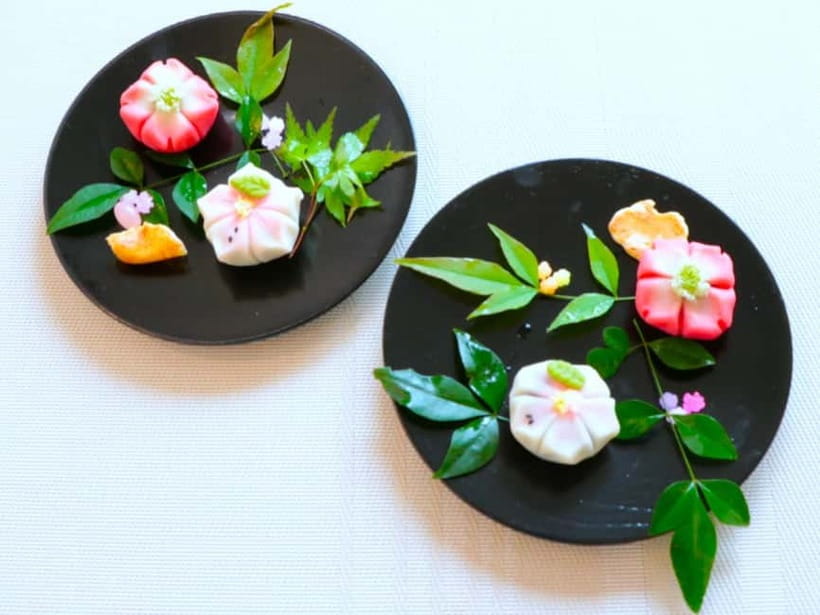
Book it if you want a small-scale cultural activity with real objects, hands-on work, and a calm pace. The combination of antique tableware, seasonal nerikiri, and matcha makes the $57 fee reasonable for someone who values context as much as entertainment.
Skip it if you need full wheelchair access, fluent rapid-fire English, child-friendly programming, or a precisely stated short duration. Also think twice if you dislike sweet bean or mochi-style confections, since nerikiri is central to the activity.
For the right person, this is a thoughtful Tokyo stop. You leave with more than a cup of tea: you have handled old tableware, shaped a Japanese sweet, and seen how the two belong together.
FAQ
Where does the tea ceremony and wagashi activity take place?
It takes place in a 100-year-old roadside antique tableware shop in Tokyo, Japan. The venue is about 10 minutes from Nippori Station.
What does the $57 price include?
The price includes the experience fee, facility use, tools, wagashi and matcha materials, and consumption tax.
Can I choose the teacup used during the ceremony?
Yes. You can choose the teacup you use, and some of the shop’s pieces are several hundred years old.
What kind of Japanese sweet will I make?
You will make nerikiri, a type of wagashi made with mochi flour. You shape colored materials by hand and add details with tools.
Do I need cooking or art experience?
No. The activity is designed for beginners, and the host guides you through the forming process.
Is the tea ceremony performed while sitting on the floor?
No. The dedicated tea room is designed for a chair-based ceremony.
Is the activity offered in English?
Yes, the activity language is English. The host is a Japanese artisan, and the available information notes that his English may be limited.
What is the minimum age?
Participants must be at least 13 years old. Anyone under 18 must attend with an adult.
Can I cancel for a full refund?
You can cancel up to seven days in advance for a full refund. Late arrival does not extend the scheduled activity, and anyone who is unwell or under the influence of alcohol will not be admitted without a refund.
Fresh tea listings around Tokyo
- Authentic Japanese tea tasting: sencha, matcha and gyokuro★ 5.0 · 12 reviews
- Mochi Matcha Gluten Free Japanese Sweets Class near Shibuya area★ 5.0 · 26 reviews
- Tokyo: Two Types of Japanese Sweets Making and Tea Ceremony★ 4.6 · 26 reviews
- Japanese Matcha Tea Ceremony and Kimono Experience in Hanayaka★ 5.0 · 26 reviews
- Matcha Experience with of Japanese Tea Tasting in Tokyo★ 5.0 · 31 reviews
- Tokyo: Tea Ceremony Experience in Asakusa★ 5.0 · 36 reviews
- Tokyo:Genuine Tea Ceremony, Kimono Dressing, and Photography★ 5.0 · 33 reviews
- EDOCCO Tea House–A Quick Dive into Japanese Traditional Culture★ 5.0 · 34 reviews
Tea Ceremony Experiences, compared.
Kyoto: Tea Ceremony in a Traditional Tea House in Kiyomizu
Read our review →
Kyoto: 45-Minute Tea Ceremony Lesson Experience
Read our review →
Kyoto: Table-Style Tea Ceremony at a Kyo-Machiya
Read our review →
Browse the lists this tour appears in