
Review · MATCHA EXPERIENCES
Kagoshima: Matcha Making Experience
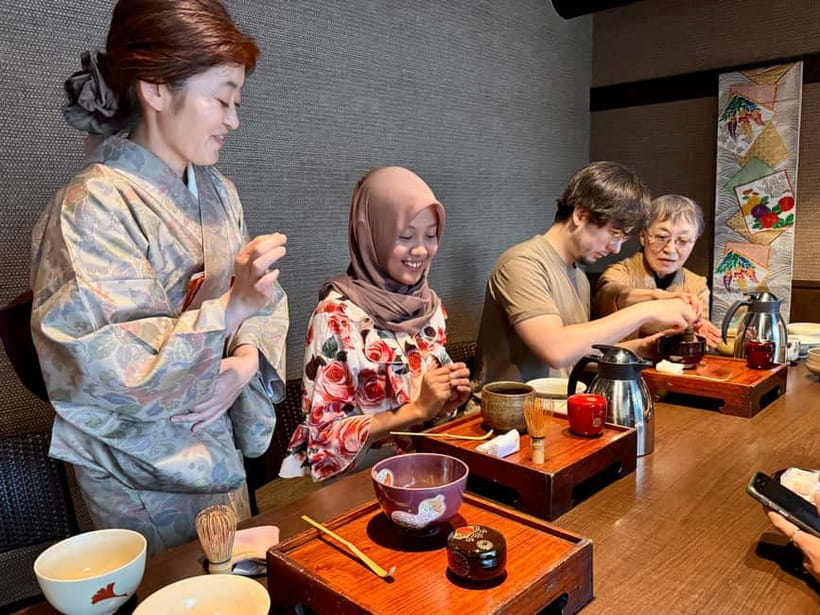
Kagoshima’s matcha workshop turns a formal-looking Japanese tradition into something you can actually use at home. You sit at a table, taste a bowl prepared by the instructor, then whisk your own matcha with local sweets on the side. It is a friendly introduction rather than a stiff tea ceremony.
I like the five-minute walk from Kagoshima-Chuo Station and the fact that both the tea powder and confectionery come from Kagoshima. I also like the patient, question-friendly teaching style associated with Junko and Ayako, plus the help available in English or German. The main drawback is practical: the private room is upstairs with no lift, and this is not suitable for wheelchair users or children under seven.
Key points at a glance
- Whisk your own bowl after watching a demonstration, so you learn by doing rather than only observing.
- Taste Kagoshima-made matcha and sweets, giving the hour a clear local connection.
- Learn at a table with chairs, a good choice if a tatami-room ceremony feels too formal or physically demanding.
- Ask questions about tea culture and history, with English or German assistance available when arranged.
- Walk only five minutes from Kagoshima-Chuo Station, making this easy to fit around train travel.
- Plan for stairs, caffeine, and possible allergens, since the room is upstairs and the sweets may contain eggs, yam, rice flour, sugar, or nuts.
A relaxed introduction near Kagoshima-Chuo Station
This one-hour session is designed for people who want to understand matcha without committing to a full formal tea ceremony. The setting is a private room in a Japanese restaurant, close to Kagoshima-Chuo Station. That location matters. If you are using Kagoshima as a base for southern Kyushu, you can add this activity before a train, after checking in, or during a short city visit without spending much time getting across town.
The price is $35 per person. For that, you receive an instructor-prepared bowl, a second bowl to make yourself, traditional Kagoshima sweets, guidance on the utensils, and an English or German-speaking assistant when needed. I consider that a fair price for a small-group cultural activity, especially if you value instruction rather than simply receiving a cup of tea.
You are not paying for a meal. You are paying for access to a teacher, a hands-on lesson, and a chance to repeat the process at home. The short duration also keeps the cost and time commitment under control. If you want an elaborate ceremony with robes, a tatami room, and extended etiquette, this is not that experience.
More Matcha Experiences in Japan:
- World Heritage Kyoto & Nara Uji Authentic Matcha Experience
★ 5.0 · 1,573 reviews - Matcha Making Class in Tokyo with Authentic Japanese Sweets Set
★ 5.0 · 744 reviews - Kyoto: Tea Museum Tickets and Matcha Grinding Experience
★ 4.9 · 739 reviews
First taste: the instructor prepares your matcha
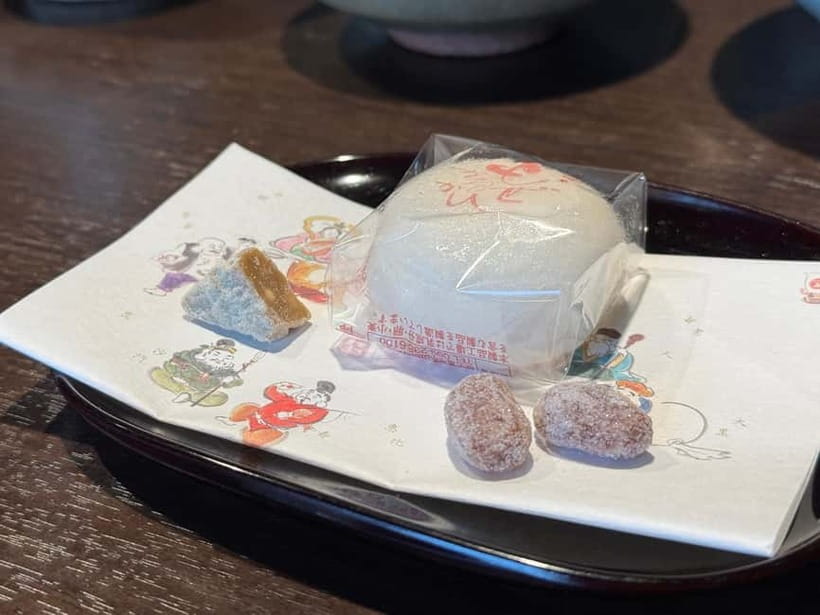
The session begins with a bowl of matcha whisked by the instructor. This is a useful first step because you can taste the drink before worrying about your own technique. You also receive a traditional sweet from Kagoshima, which gives you the familiar pairing of slightly bitter tea and a sweet bite.
The local sourcing is one of the best details here. The matcha powder and confectionery are produced in Kagoshima, so the lesson is connected to the place rather than presenting a generic tea demonstration. You get a small taste of regional food culture while learning a preparation method.
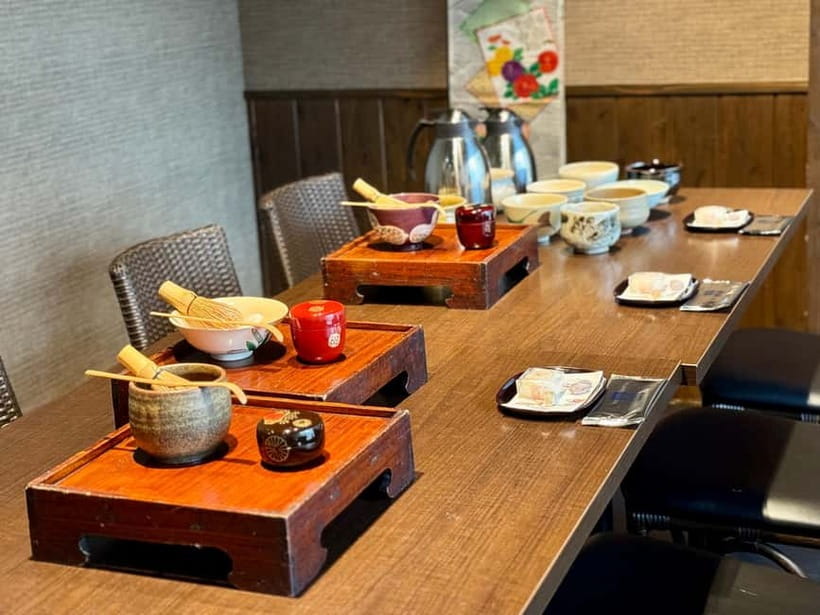
The instructor also introduces the utensils and explains what each one is used for. The supplied information does not specify every item by name, so you should not expect a museum-style catalogue of tea tools. The useful point is that you learn how the pieces work together and why they are handled in a particular way.
This opening bowl lets you focus on flavor and texture. Matcha is not ordinary steeped tea. The powder is whisked into water, so you drink the tea itself. That makes the preparation, water, whisking, and final texture more important than they are with a teabag.
Your turn with the whisk
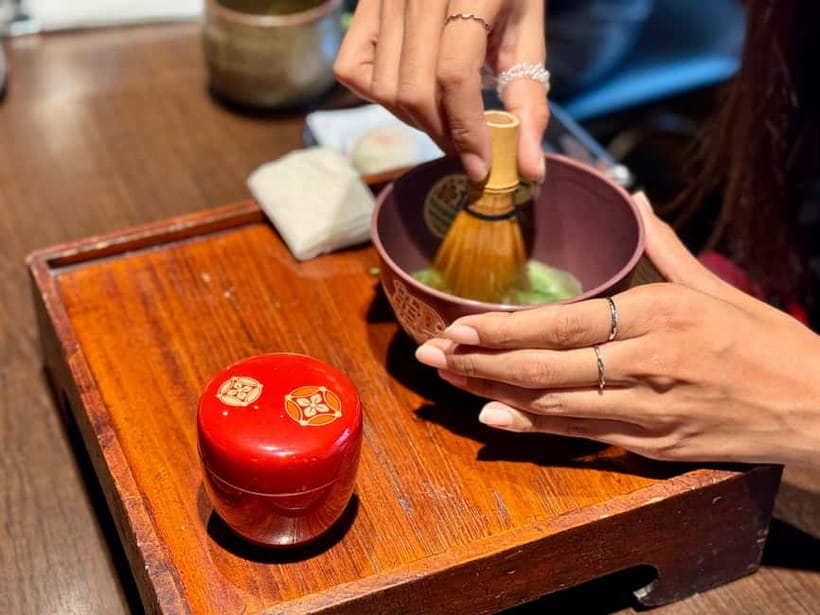
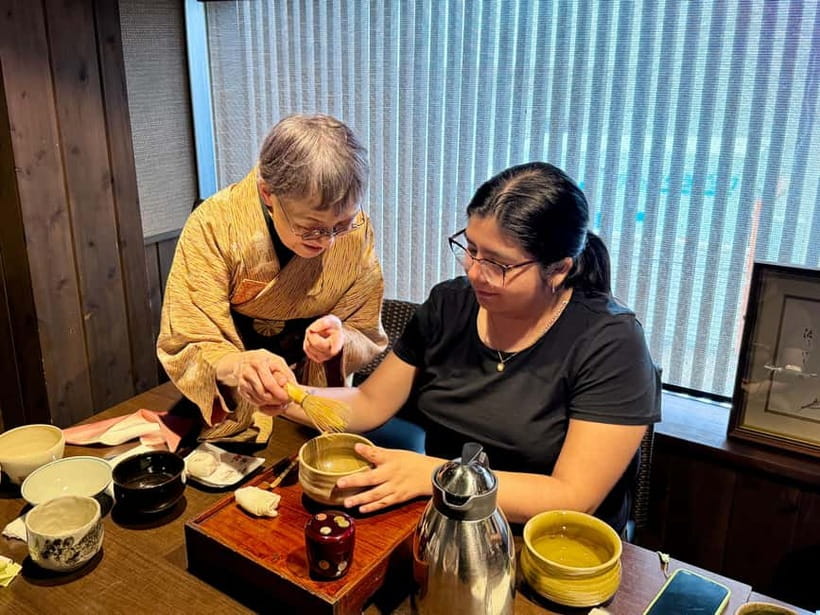
After the demonstration, you prepare a bowl yourself. This is the heart of the workshop. You handle the utensils, mix the powder, and try to create the proper texture under guidance. If your first attempt is not perfectly smooth, that is part of the point. You are learning a practical skill, not taking a test.
The teacher explains basic techniques and hospitality etiquette as you work. That combination is helpful. You learn not only what to do with the whisk, but also how matcha fits into the act of welcoming someone. The lesson stays approachable, so you can ask questions instead of silently copying a series of movements.
The workshop is conducted in Japanese, but an English or German-speaking assistant can support you. The activity information also lists German, Japanese, and English among the available languages. If language is important to you, confirm the support option when booking rather than assuming the instructor will conduct the entire lesson in English or German.
A particularly nice touch is the opportunity to choose your own cup or bowl, according to the details provided by one participant. That makes the activity feel more personal and gives you another small way to notice how Japanese tea presentation works. Availability and exact choices may depend on the session.
What the casual room changes
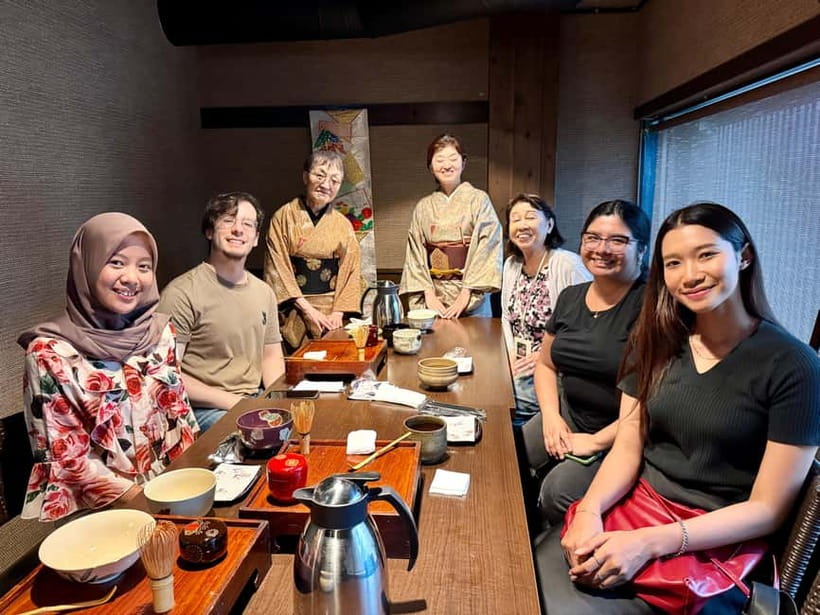
You sit on ordinary chairs at a table. That may sound like a minor detail, but it changes the mood and accessibility of the activity. You do not need to kneel on tatami, adjust to a formal tea-room posture, or worry about making a mistake in a ceremonial setting.
I would choose this workshop if you are curious about tea ceremony but want a softer introduction. It also suits anyone with limited time or anyone who prefers direct instruction over quiet observation. The private or small-group format should make it easier to ask questions and receive corrections while whisking.
The tradeoff is that the room does not provide the atmosphere of a traditional tea ceremony. There is no tatami-room setting, and kimono rental is not included. Transportation, meals, and clothing are also outside the price. You receive a focused lesson, not a full cultural performance.
That distinction is worth keeping clear when comparing activities in Kagoshima. This is best understood as a matcha-making class with tea etiquette, not as a formal ceremony. Its strength is its usefulness. You leave knowing more about how to prepare the drink, rather than simply having watched someone else do it.
More tea experiences around Japan if you are still choosing
- Kyoto: Tea Ceremony in a Traditional Tea House in Kiyomizu
★ 4.9 · 3,519 reviews - Kyoto: Tea Ceremony Ju-An at Jotokuji Temple
★ 4.9 · 3,207 reviews - Kyoto: 45-Minute Tea Ceremony Lesson Experience
★ 4.3 · 2,378 reviews - Osaka: Tea Ceremony Experience
★ 4.9 · 1,426 reviews
Kagoshima flavor in the cup and sweet
The local ingredients give the lesson a stronger sense of place. Kagoshima supplies both the matcha powder and the confectionery, so the taste is tied to the prefecture. You are not just learning a preparation method that could take place anywhere.
The sweet is served alongside the tea, as is common in matcha settings. Its role is practical as well as cultural. Matcha can have a pronounced bitter or savory edge, and the confectionery balances that flavor. If you are new to powdered green tea, tasting the pairing helps you understand why the sweet is part of the presentation.
You should check the ingredients if you have allergies or dietary restrictions. The sweets may contain sugar, eggs, yam, rice flour, and nuts. Matcha contains caffeine, so people who are sensitive to caffeine should take that into account before booking.
The activity information does not promise a choice of sweets or a custom menu. If you have a serious allergy, contact the provider in advance rather than relying on an explanation during the session. Strong fragrances are also discouraged, since perfume can interfere with your ability to notice the tea’s aroma and may affect other people in the room.
The lesson’s real value: making matcha at home
The most useful part of this experience comes after you leave Kagoshima. The instruction is aimed at helping you prepare matcha yourself at home. You learn the purpose of the utensils and the basic process, then practice it while the teacher is nearby.
That makes the workshop a better fit for curious home cooks and tea drinkers than for someone seeking only a photo opportunity. You can ask about the movements, the tools, and the etiquette in one sitting. The lesson gives you a starting point for buying matcha or using equipment you may already own.
You should keep your expectations sensible. The session lasts one hour, so it cannot cover every school of tea, every regional style, or the full development of Japanese tea culture. It gives you a practical foundation and a taste of the tradition.
The private or small-group format helps here. A large class could turn whisking into a follow-the-leader exercise. A smaller session gives you more room to ask why something is done and to repeat a step if your first try is awkward.
Timing, access, and the small details that matter
The meeting point can vary according to the option booked, so check the final instructions carefully. The venue is about five minutes from Kagoshima-Chuo Station, but the room is on the second floor in the Japanese floor-numbering system and there is no lift. You need to be comfortable using stairs.
Wheelchair users cannot take part, and the activity is not suitable for children under seven. The lack of a lift is also important for anyone with limited mobility, even if they do not use a wheelchair. This is the kind of detail that can make or break a booking, so plan around it rather than treating it as a footnote.
Pets and smoking are not allowed. Strong perfumes and fragrances should be avoided. That rule is not fussy theater. Matcha has a delicate aroma, and the experience depends partly on noticing how the tea smells as well as how it tastes.
The standard duration is one hour. Starting times depend on availability, so this can work well as a compact addition to a Kagoshima schedule. Allow extra time to find the room and climb the stairs, especially if you are meeting the group directly after arriving by train.
Free cancellation is available up to 24 hours before the activity for a full refund. You can also reserve and pay later, which is useful if your Kyushu plans are still changing. Those options make it easier to fit the class around weather, train schedules, and other bookings.
How the teaching style affects the experience
The teaching sounds warm and open to questions. Junko is identified as an instructor who introduces participants to Japanese matcha and tea customs, while Ayako is also associated with the session. English-speaking support can help explain cultural or historical questions, and German support is available as well.
That matters because matcha preparation has small movements that are easy to copy without understanding. A translator or assistant can explain the reason behind a gesture, clarify an unfamiliar term, and help you ask questions about Japanese hospitality.
The activity is private or offered to small groups. That should appeal to couples, families with older children, and friends who prefer a quieter lesson. Children under seven are excluded, so this is not a general family activity for very young children.
The strongest reason to book is the chance to participate twice in different ways: first by tasting a bowl prepared for you, then by making one yourself. The first bowl gives you a reference point. The second shows you what goes into producing it.
Is the $35 price worth it?
At $35, this is not the cheapest way to drink green tea in Kagoshima. You could buy a drink for far less. But the comparison is not really between a cafe beverage and this workshop.
The price covers instruction, two matcha servings in different roles, local confectionery, use of the utensils, and language support when arranged. You also gain a repeatable skill. If you plan to buy matcha at home or already enjoy Japanese tea, that practical lesson adds real value.
The price is less compelling if you mainly want a traditional ceremony atmosphere. Since there is no tatami tea room, kimono rental, meal, or transportation included, you should not book it expecting a full-day cultural package. The activity earns its cost through participation and teaching, not ceremony or luxury.
I would also factor in the station location. A short walk means you spend your money on the activity rather than taxis, and the one-hour length leaves room for other Kagoshima sights. For a compact city visit, that is a useful advantage.
Who should book this Kagoshima matcha class?
I would recommend it to first-time visitors who want a clear, hands-on introduction to matcha. It is also a good fit for tea drinkers, people interested in Japanese hospitality, couples looking for a small cultural activity, and anyone who wants to learn a skill they can repeat at home.
It is a weaker choice for someone seeking a formal tea ceremony in a traditional room. You may also want to skip it if stairs are difficult, if you need a wheelchair-accessible venue, or if you are very sensitive to caffeine and cannot have the listed sweet ingredients.
The workshop works best when you arrive ready to participate. Ask questions, pay attention to the utensils, and do not worry about producing a perfect bowl on the first try. The relaxed setting is meant to make the tradition approachable.
Should you book it?
Book this Kagoshima matcha experience if you want a useful, local, one-hour lesson near the main station. The locally made powder and sweets give it a genuine Kagoshima connection, while the table-and-chair setting removes much of the pressure found in formal ceremonies.
Skip it if your main goal is a tatami-room ritual, kimono, or a longer meal-based cultural program. Before booking, confirm language support, check the stairs, and disclose any allergies. For everyone else, $35 is a reasonable price for tasting matcha, preparing your own bowl, and taking home a skill rather than just a souvenir.
FAQ
How long does the Kagoshima matcha-making experience last?
The workshop lasts one hour. Starting times depend on availability.
Where is the workshop held?
It takes place in a private room in a Japanese restaurant about a five-minute walk from Kagoshima-Chuo Station. The exact meeting point may vary by booking option.
Is this a traditional Japanese tea ceremony?
No. The workshop is held at a table with chairs rather than in a traditional tatami tea room. It focuses on learning to prepare matcha in a relaxed setting.
Which languages are available?
The listed languages are Japanese, English, and German. An English- or German-speaking assistant can be provided for support.
What is included in the price?
The activity includes matcha preparation instruction, one bowl prepared for you, one bowl for your own practice, and traditional Kagoshima sweets. Transportation, meals, and kimono rental are not included.
Is the activity accessible for wheelchair users?
No. The venue is upstairs and has no lift, and the activity is not suitable for wheelchair users.
Are there age, fragrance, or allergy restrictions?
Children under seven cannot take part. Pets, smoking, and strong fragrances are not allowed. Matcha contains caffeine, and the sweets may contain sugar, eggs, yam, rice flour, and nuts, so check in advance if you have allergies or health concerns.
Fresh tea listings around Japan
- Yokohama : Tea Ceremony with Sweets and Souvenir★ 5.0 · 5 reviews
- Walking Tour: Yanaka,Nezu& Sendagi: Tea Ceremony & Old Tokyo★ 5.0 · 3 reviews
- Visit local home for music and tea ceremony near Disney★ 4.9 · 13 reviews
- Yokohama: Sushi & Gyoza Cooking with Matcha & GreenTea Experience★ 5.0 · 3 reviews
- Trip to Kamakura & Enoshima: Shrines, Seaside, Temples &Tea★ 5.0 · 11 reviews
- Uji: Private immersion into Kyoto’s tea and reglious culture★ 5.0 · 17 reviews
- Uji Tea Ceremony and UNESCO Heritage Walking Tour★ 5.0 · 20 reviews
- Kyoto tea town for matcha lovers★ 5.0 · 16 reviews
Matcha Experiences, compared.
World Heritage Kyoto & Nara Uji Authentic Matcha Experience
Read our review →
Matcha Making Class in Tokyo with Authentic Japanese Sweets Set
Read our review →
Kyoto: Tea Museum Tickets and Matcha Grinding Experience
Read our review →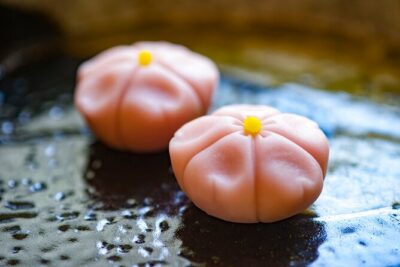
Matcha Making Class in Osaka with Authentic Japanese Sweets Set
Read our review →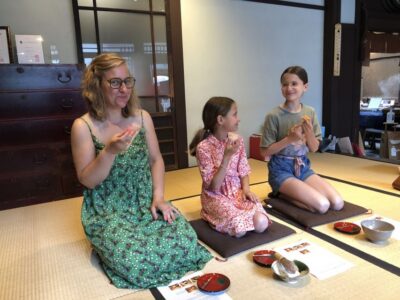
Kyoto: Tea Ceremony Meditation – Make Matcha with Tea Master
Read our review →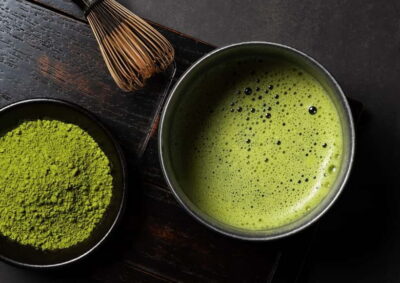
Tokyo: Matcha Making Experience with Mochi Sweets in Asakusa
Read our review →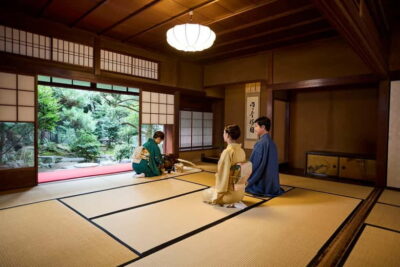
Kyoto: Kimono Tea Ceremony with Matcha and Sweet
Read our review →
Browse the lists this tour appears in