
Review · TEA CEREMONY EXPERIENCES
Japanese Traditional Sweets making and Tea Ceremony
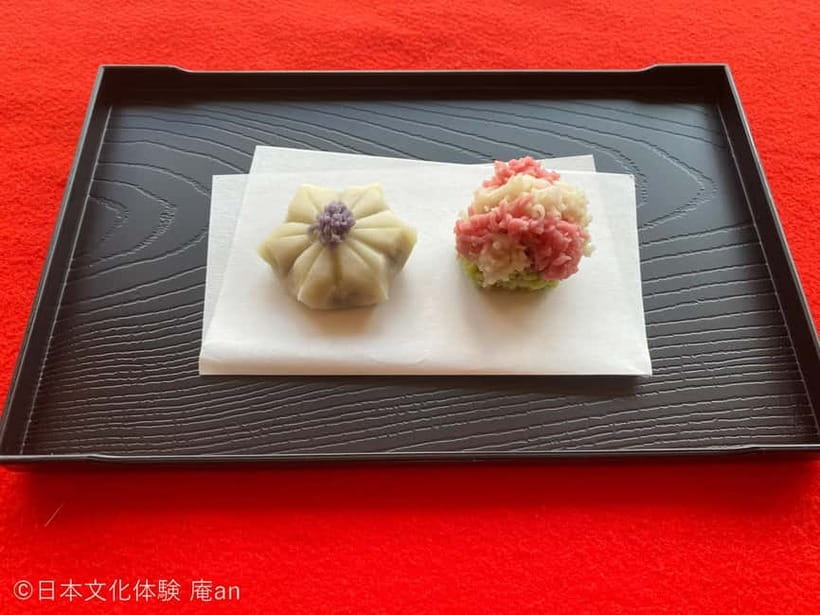
Japanese sweets here are not just snacks. They are tiny seasonal sculptures. In 95 minutes, you color white bean paste, shape a flower-style nerikiri, make a second kinton nerikiri, then prepare Uji matcha to drink with your work. The Kyoto-made bean paste and single-origin matcha give this short class a real connection to Japanese food craft.
I like the hands-on format, since you do not simply watch a tea ceremony from the sidelines. I also like the price: at $18 per person, this is an easy cultural stop to fit between larger Tokyo plans. The main caution is language and group size. The instructor is Japanese, English help is provided as much as possible, and one recent participant found it hard to hear and keep up in a crowded room.
Key points to know before booking
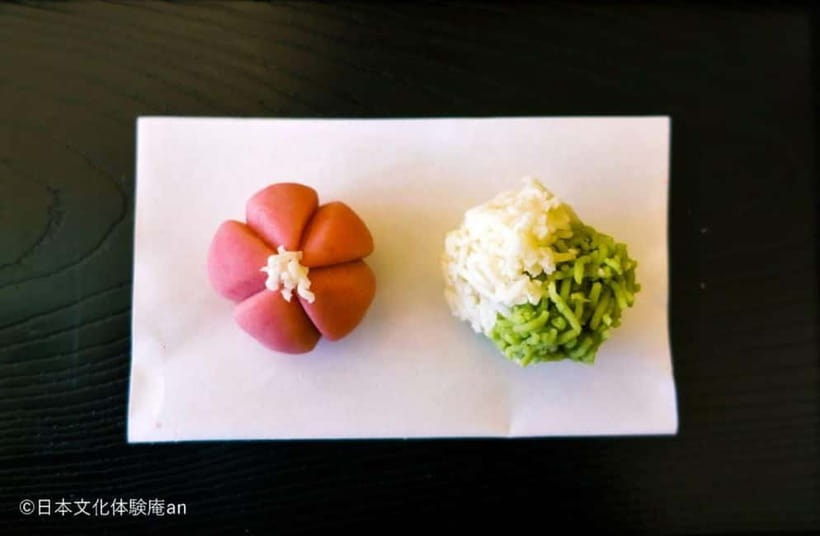
- Two seasonal nerikiri sweets: You make a flower-shaped sweet and a kinton-style sweet.
- Kyoto-sourced ingredients: The white and red bean pastes come from long-established Kyoto shops.
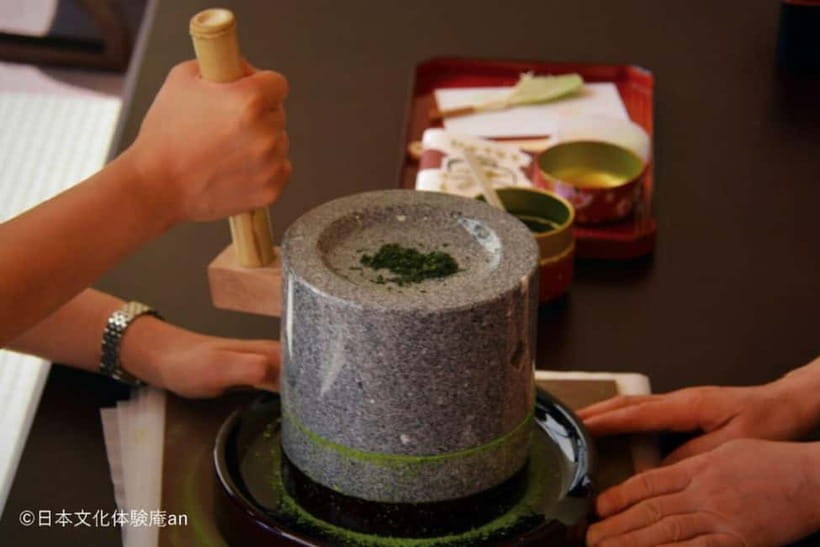
- Uji matcha preparation: You watch a grinding demonstration, then prepare your own tea.
- A short, good-value class: The experience lasts 95 minutes and costs $18 per person.
- Teaching relies on demonstration: English translation is available as much as possible, but the instructor’s main language is Japanese.
- Small extras cost extra: A take-out box is 100 JPY, and a completion certificate costs 300 JPY.
Making Kyoto-style sweets in central Tokyo
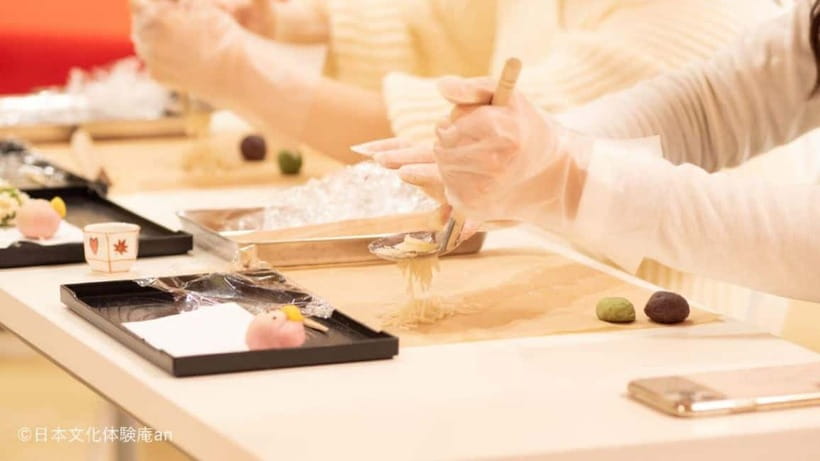
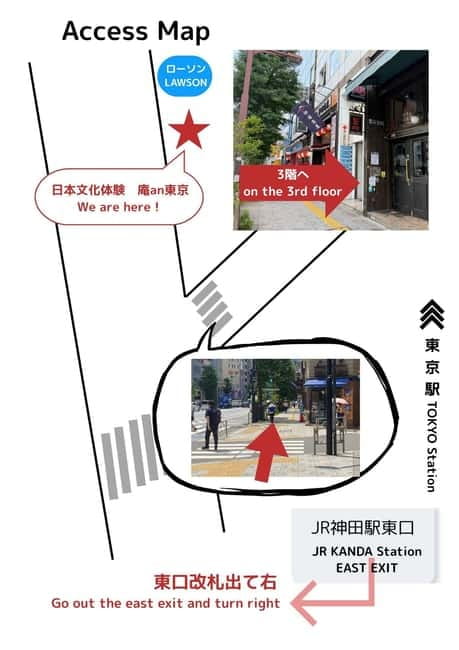
This experience gives you a taste of Kyoto food culture without requiring a trip to Kyoto. It takes place at AN TOKYO Japanese Culture Experience, at 35.6916541, 139.7715022 in Honshu. The setting lets you focus on technique: bean paste, color, shape, and tea.
The star of the first half is nerikiri, a refined Japanese sweet made from colored white bean paste. Unlike an everyday packaged confection, nerikiri is designed to suggest the season through its shape and color. The finished piece may resemble a flower or fruit, while the kinton style has a more textured look.
I like this kind of activity because it gives you a better way to notice Japanese sweets. You are not only tasting sugar and bean paste. You are learning how the appearance, season, and serving moment all matter. The process also leaves room for your own hands. Your sweet does not need to look exactly like the instructor’s example to be part of the experience.
The ingredients matter, too. The class uses white and red bean paste made by long-established Kyoto shops. That detail adds value to a low-cost activity, since the class is not built around generic ingredients alone. You get to handle the same basic material used in a respected Japanese confectionery tradition.
More Tea and Sweets Making in Tokyo
- Matcha Making Class in Tokyo with Authentic Japanese Sweets Set
★ 5.0 · 744 reviews - Tokyo: Matcha Making Experience with Mochi Sweets in Asakusa
★ 4.9 · 388 reviews - Make Traditional Nerikiri Sweets & Matcha experience in Shibuya
★ 5.0 · 130 reviews
The first 55 minutes: coloring and shaping nerikiri
The class begins with an explanation of traditional Japanese sweets. This opening should help you understand what you are about to make before your hands get busy. Since the teacher works in Japanese, pay close attention to the demonstrations and watch the hand movements carefully.
You then color the white bean paste. This is a small but important part of the craft. The color sets the mood of the sweet, and the amount of coloring affects how close it looks to a flower, fruit, or another seasonal design. It is also the point where you can express some personal taste, within the structure of the lesson.
Next comes the flower-shaped nerikiri. You work the paste into its final form, using the instructor’s model as your guide. The class is not a professional confectionery course, so the aim is not technical perfection. It is to understand how a soft paste can become a precise decorative sweet.
The second piece is kinton nerikiri. The schedule places both sweets before the 55-minute mark, giving you a little over half the class for the making portion. That timing matters. You get enough room to work, but the activity does not consume an entire afternoon.
A recent participant who enjoyed the class learned a new skill but wished the technique name had been made clearer in the activity description. That is useful advice for you: if you care about remembering the Japanese terms, ask the instructor to repeat or write them down. The process is easy to follow visually, but the vocabulary may pass quickly.
A short break before the tea lesson
After the sweets are prepared, there is a break around the 55-minute point. The tea portion begins at about 65 minutes. This pause separates two different kinds of activity: first, careful handwork with bean paste; then, a more formal preparation and drinking ritual.
I would use the break to look at your sweets and take any permitted photos. If you want to take them home, a box is available for 100 JPY. The sweets are intended to be enjoyed with the matcha at the end, but the box gives you a practical option if you are not ready to eat them immediately.
The room may feel busy at popular times. One participant specifically found the group too crowded and had trouble hearing the instructor, who continued without waiting. That is the clearest weakness to keep in mind. If you need frequent verbal explanation, the class may require patience and a willingness to follow by sight.
The positive side is that the demonstrations appear to carry much of the lesson. One American participant found the instructor’s English difficult but still understood the techniques well enough because the movements were shown clearly. This makes the class more workable for people who do not speak Japanese, though it does not remove the language limitation.
Uji matcha and the tea ceremony
The tea section begins with an explanation of tea, followed by a demonstration of matcha grinding. The experience uses single-origin special matcha, identified as Uji matcha. Uji, near Kyoto, is one of Japan’s best-known tea-producing areas, so the ingredient fits the Kyoto food theme.
You then prepare your own matcha. This is important: you are not simply handed a bowl and asked to drink it. The preparation gives you a practical introduction to the motions and rhythm of matcha making. Watch the instructor’s hands closely, since small details can be easier to understand visually than through translated speech.
The tea ceremony element adds a calm change of pace after the more playful sweet-making session. Matcha has a distinct bitterness and vegetal taste, while the bean paste brings concentrated sweetness. The two are meant to balance each other. If you normally find straight green tea too strong, the sweet is not an afterthought. It is part of the flavor design.
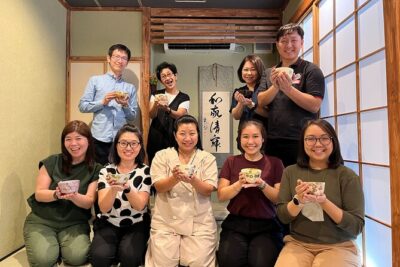
After the tea ceremony, there is time for pictures. Then, around the 85-minute point, the formal program ends and you have about ten minutes for eating and drinking before leaving at 95 minutes. That final period is brief, so do not expect a long meal or an extended tea gathering.
More Tea Ceremonies in Tokyo
- Kimono Tea Ceremony at Tokyo, Asakusa Maikoya
★ 5.0 · 638 reviews - Tokyo: Traditional Tea Ceremony with a Tea Master
★ 5.0 · 528 reviews - Tea Ceremony Workshop in Tokyo by the Experienced Instrucor
★ 5.0 · 189 reviews - Asakusa: Kimono Tea Ceremony with Matcha and Sweet
★ 4.9 · 153 reviews
What the $18 price really buys you
At $18 per person, this is one of the easier cultural activities to justify in a Tokyo itinerary. You receive instruction, ingredients, two handmade sweets, a matcha preparation, and a tea ceremony in less than two hours. The cost is especially reasonable if you prefer participating over simply buying a confection from a shop.
The value comes from the combination. A sweets class alone would teach you one craft. A tea ceremony alone might place you in the role of an observer. Here, the sweets you make become part of the tea experience, so the two halves connect.
There are small extra charges. A take-out box costs 100 JPY, and an experience completion certificate costs 300 JPY. The certificate can be issued with your name if you provide it in advance. Otherwise, the name area is left blank. These add-ons are optional, but the box could be useful if you want to preserve your sweets for later.
The class also offers reserve-now, pay-later booking, which helps if your schedule is still shifting. Free cancellation is available up to 24 hours in advance for a full refund. After that point, cancellation charges apply, and changing the date or time after a fee has started can bring another specified charge.
Language, group size, and the teaching style
The instructor’s listed language is Japanese. English translation is offered as much as possible if you contact the provider, but you should not assume a fully English-led lesson. The experience works best for you if you are comfortable learning through demonstration, repetition, and a few simple explanations.
The strongest teaching detail is patience and visual instruction. A participant praised the instructor for being helpful and patient, while also noting difficulty with English. That combination tells you what to expect: you can likely follow the handwork, but you may need to watch carefully and ask for clarification when a term or step is unclear.
Another participant had the opposite experience in a crowded session, reporting that the instructor could not always be heard and did not wait for everyone. This may depend on the group and the room, but it is a fair concern. If you have hearing difficulties or prefer a slow, discussion-heavy class, confirm the language support and group conditions before paying.
One presenter named Marie received particular praise for explaining wagashi and the tea ceremony. Since the provider does not present every session as led by a named instructor, do not assume Marie will teach your specific class. Still, her mention gives you a useful point of reference when asking about the session.
Who will enjoy this experience most
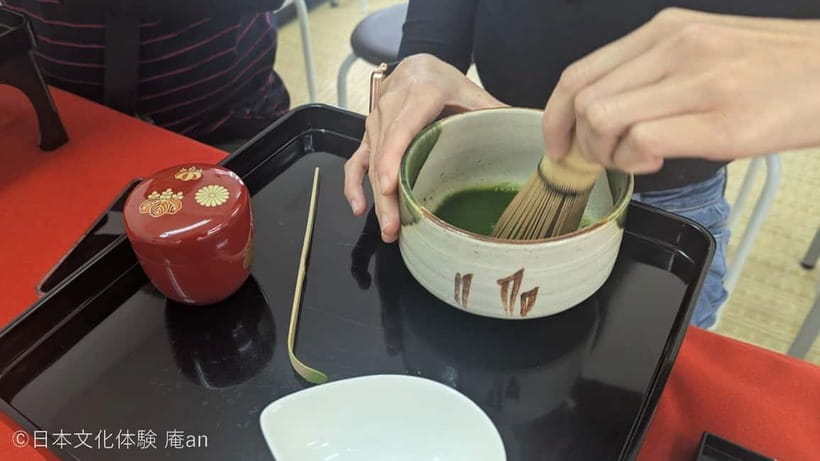
I would choose this for a first introduction to wagashi, especially if you want something more active than a standard cultural demonstration. It suits couples, families, solo visitors, and anyone who likes making things with their hands.
It also fits neatly into a Tokyo schedule. The activity lasts 95 minutes, and the operation hours are listed as 10:00 to 17:00. You can place it between sightseeing stops without giving up an entire day.
Families should note that children under two who sit on a parent’s lap are free. Anyone who participates must be included in the booking, and people who do not take part cannot enter the experience area.
This is less suitable if you want a fully formal tea ceremony with long periods of quiet observation. The class is also not ideal if your main goal is to take home a large amount of food. The sweets are made to be eaten with the matcha, and the take-out box is an optional small extra rather than the focus.
Practical timing and arrival advice
Arrive early. The provider will not hold the event for late arrivals, regardless of the reason, and missed travel costs are not compensated if you fail to attend. That policy matters in Tokyo, where even a short delay can upset a carefully planned day.
The meeting point is AN TOKYO Japanese Culture Experience. Use the supplied coordinates, 35.6916541, 139.7715022, when checking your route. Since the activity has fixed starting times and cannot wait for late participants, build in a cushion rather than aiming to arrive at the exact minute.
Reservations received after 17:00 are processed the next day. This is mainly useful to know if you are booking at the last minute. Operation hours run from 10:00 to 17:00, so arrange questions or language requests during that window whenever possible.
The class has a 4.7 rating from 50 submitted ratings, with several strong comments about learning wagashi, making bean-paste sweets, and receiving patient instruction. The lower experience described crowding and poor audibility, so the overall score should not hide the main variable: how comfortable you are with a visual, Japanese-led class.
My call: book it for hands-on culture at a modest price
I would book this if you want a compact cultural activity with real participation, good ingredients, and a clear connection between sweet-making and tea. The Kyoto bean paste, Uji matcha, two seasonal sweets, and $18 price make a persuasive package.
Book it with realistic expectations. You may need to follow demonstrations more than spoken English, the group may feel crowded, and the tea portion is short. Arrive early, ask for language help before the session, and add the 100 JPY box if you want a way to carry your sweets.
For a low-cost introduction to wagashi and matcha, this is a smart pick. For a quiet, highly formal tea ceremony or a fully English-speaking workshop, choose something else.
FAQ
Where does the Japanese sweets and tea ceremony take place?
It takes place at AN TOKYO Japanese Culture Experience in Honshu, Japan. The supplied meeting-point coordinates are 35.6916541, 139.7715022.
How long does the experience last?
The full experience lasts 95 minutes. The scheduled program ends around 85 minutes, followed by eating and drinking time before room departure at 95 minutes.
How much does the activity cost?
The listed price is $18 per person.
What sweets will I make?
You will make two seasonal Japanese sweets. The schedule identifies them as a flower-shaped nerikiri and a kinton nerikiri.
What ingredients are used?
The class uses white and red bean paste produced by long-established shops in Kyoto. The tea is single-origin special matcha identified as Uji Matcha.
Is English instruction available?
The instructor’s listed language is Japanese. English translation is provided as much as possible, and you can contact the provider if you would like to request additional English support.
Can I take the sweets home?
A sweets take-out box is available for 100 JPY. The activity information does not specify how many sweets the box holds.
Is a completion certificate available?
Yes. An experience completion certificate costs 300 JPY. If you want a nominative certificate, provide your name in advance. Otherwise, the name space is left blank.
Can I cancel for a full refund?
You can cancel up to 24 hours in advance for a full refund. Cancellation fees apply after that point, according to the stated policy.
Are very young children charged?
Children under two who sit on their parents’ laps are free of charge. Anyone who participates in the experience must be included in the booking.
Fresh tea listings around Tokyo
- Authentic Japanese tea tasting: sencha, matcha and gyokuro★ 5.0 · 12 reviews
- At an Antique Shop, Tea Ceremony and Japanese Sweets Forming★ 5.0 · 5 reviews
- Mochi Matcha Gluten Free Japanese Sweets Class near Shibuya area★ 5.0 · 26 reviews
- Tokyo: Two Types of Japanese Sweets Making and Tea Ceremony★ 4.6 · 26 reviews
- Japanese Matcha Tea Ceremony and Kimono Experience in Hanayaka★ 5.0 · 26 reviews
- Matcha Experience with of Japanese Tea Tasting in Tokyo★ 5.0 · 31 reviews
- EDOCCO Tea House–A Quick Dive into Japanese Traditional Culture★ 5.0 · 34 reviews
- Tokyo: Tea Ceremony Experience in Asakusa★ 5.0 · 36 reviews
Tea Ceremony Experiences, compared.
Kyoto: Tea Ceremony in a Traditional Tea House in Kiyomizu
Read our review →
Kyoto: 45-Minute Tea Ceremony Lesson Experience
Read our review →
Kyoto: Table-Style Tea Ceremony at a Kyo-Machiya
Read our review →
Browse the lists this tour appears in