Review · KIMONO & TEA CEREMONY
Private Tea Ceremony and Sake Tasting in Kyoto Samurai House
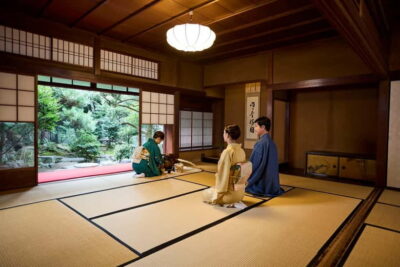
Kyoto’s most unusual tea ceremony may be the one held inside a 300-year-old samurai house, where the old family home is part of the experience, not just a backdrop. You sit in a traditional tea room, learn the manners behind matcha, and then move into a more playful session with a kimono, samurai robes, or a katana.
I like two things right away: the private booking gives your group room to ask questions, and the location is only an eight-minute walk from Kyoto Station. The high-grade organic matcha from Uji is another strong point. The main drawback is the short running time. At about 50 minutes, this is an introduction to tea culture, not a full afternoon study of the tea way.
Key points to know before booking
- A real family home: The house has remained with the same family for roughly 300 years and is connected to a samurai lineage.
- High-grade Uji matcha: You learn how to receive and prepare powdered green tea in a traditional room.
- Three tasting choices: Choose a hands-on matcha lesson, five sake samples, or two Japanese whisky samples if you are over 20.
- Private by design: Only your own party participates, making it easier to ask questions and take photos.
- Kimono and katana photos: Women may wear a silk wedding kimono for photos, while men and children may have samurai-style dress or sword poses.
- A few practical limits: The tea room is in an old house with one old toilet, and kimono wear during the ceremony costs extra and adds about 30 minutes.
Entering a 300-year-old samurai house near Kyoto Station
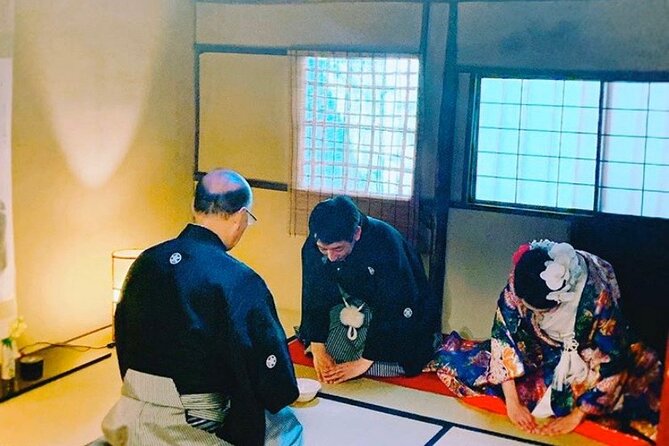
The address is Kyoto Samurai House at 384 Mongakucho, in Kyoto’s Shimogyo Ward. From Kyoto Station, the walk takes about eight minutes, which makes this a useful activity on a day when you want culture without crossing the whole city.
The setting matters. You are not entering a modern studio dressed up with a few antique objects. You are welcomed into an old residence that has stayed with the same family for centuries. Several people who have taken part describe the house as movie-like, and that is easy to understand: the rooms, grounds, and family connection give the ceremony a sense of place that a hotel tea demonstration cannot easily copy.
Your party has the property to itself for the activity. That private format is especially helpful if you are new to Japanese customs. You can ask why the bowl is handled in a certain way, how to turn it, or what the gestures mean without worrying about holding up a larger group.
The hosts are described as warm and comfortable speaking English. A tea master leads the formal part, while the family host explains the home, samurai connection, sake, whisky, and photo session. The available information does not provide their personal names, so you should expect a family-led experience rather than a tour with a named guide advertised in advance.
More Kimono and Tea Ceremonies in Kyoto
- Kimono Tea Ceremony at Kyoto Maikoya, NISHIKI
★ 5.0 · 911 reviews - Kyoto: Kimono Tea Ceremony at Orizuruya Gion
★ 4.9 · 618 reviews - KYOTO Tea Ceremony with kimono near by Imamiya Jinjya Shrine
★ 5.0 · 343 reviews
The tea ceremony and the quiet logic of matcha
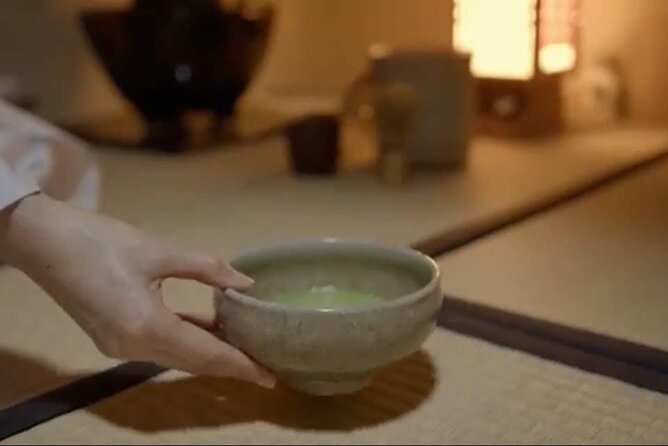
The tea portion begins with an explanation of the tea ceremony and its customs. You learn how matcha is received and enjoyed, rather than simply being handed a green drink in a pretty bowl.
That distinction is important. The point of the tea way is not speed. The movements, placement of utensils, and manner of drinking all ask you to slow down and pay attention. In a city where you may spend the morning rushing between temples, this short period in the tea room offers a welcome change of pace.
The tea is organic matcha sourced from Uji, the Kyoto-area town famous for green tea. You should expect a clean, concentrated cup with the characteristic bitterness of powdered tea, balanced by the traditional sweet served with it if provided during the ceremony. The supplied details do not specify every food item, so do not book this as a snack stop or meal replacement.
The ceremony is conducted in a traditional tea room inside the old house. You may sit in a formal position for part of the session, so anyone with knee or mobility concerns should keep that in mind and ask the hosts about arrangements before booking. The details do not promise chairs or special seating.
The tea master’s background has impressed people who attended, with reports of decades of practice and one account describing fourteen years of study. The exact length of training may vary by teacher, but the larger point is useful: this is presented as a proper tea ceremony, not a quick matcha-making demonstration.
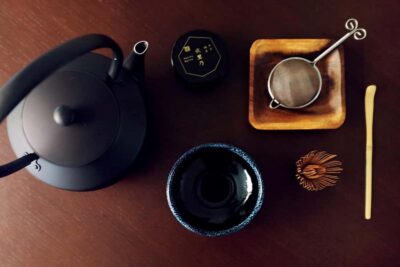
Making your own matcha with a bamboo whisk
After the formal ceremony, eligible participants can choose a hands-on lesson with a bamboo whisk, called a chasen. This is the best choice if you want to understand the physical work behind the drink.
You will have a chance to whisk powdered matcha yourself and see how different your result feels from the tea prepared by an experienced practitioner. A bamboo whisk looks simple, but making a smooth, light foam takes a little control. The activity turns an observation into something you can remember and repeat at home.
For children under 20, the matcha-whisking lesson follows the tea ceremony because alcohol is not offered to anyone under that age. This makes the experience suitable for families, especially since children can also take part in the dress-up and photo session.
Choose this option if you care more about tea culture than drinking alcohol. It is also the most fitting choice for anyone who does not drink, and it gives you a practical skill rather than just a tasting memory.
Choosing between five sake samples and two Japanese whiskies
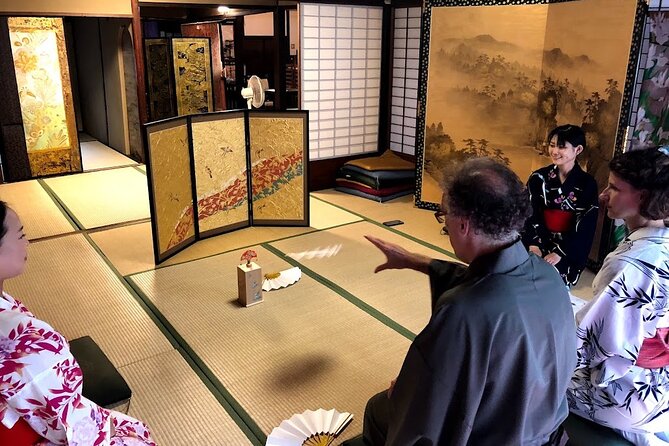
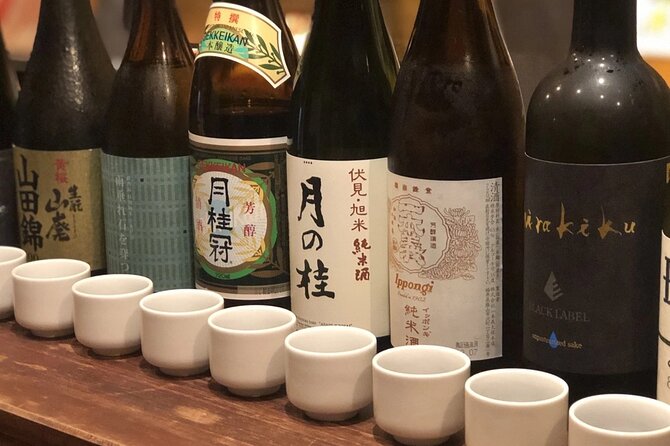
Participants over 20 can select a sake tasting of five shots or a Japanese whisky tasting of two shots. You need to choose one of the three options: matcha whisking, sake, or whisky.
The sake portion is more than a series of pours. The host explains differences in flavor and introduces locally produced spirits. The tasting can be lively after the calm tea ceremony, which gives the short experience a clear change of mood.
If you like Japanese whisky, the two-pour option offers a compact comparison. Accounts of the experience describe Japanese whisky being added to the tasting, including Yamazaki in one particularly memorable session. The exact bottles available can change, so you should not book expecting a specific rare whisky.
Five sake samples may suit you better if you want variety and a clearer sense of how sake styles differ. Remember that the pours are still alcohol, and the activity lasts only about 50 minutes. Take your time, especially if you have more sightseeing afterward.
The alcohol option is limited to people over 20. Children and younger adults receive the matcha lesson instead. This rule is stated clearly and should shape your choice when booking for a mixed-age family.
More Private Tea Experiences in Japan
- Kyoto: Private Tea Ceremony with a Garden View
★ 4.9 · 61 reviews - Kyoto Private Tea Ceremony with Tea Master at Home
★ 5.0 · 58 reviews - Stunning Private Tea Ceremony: Camellia Garden Teahouse
★ 5.0 · 28 reviews - Tea Ceremony Experience in a Private Tea Room in Shibuya
★ 4.9 · 125 reviews
Kimono, samurai robes, and katana photographs
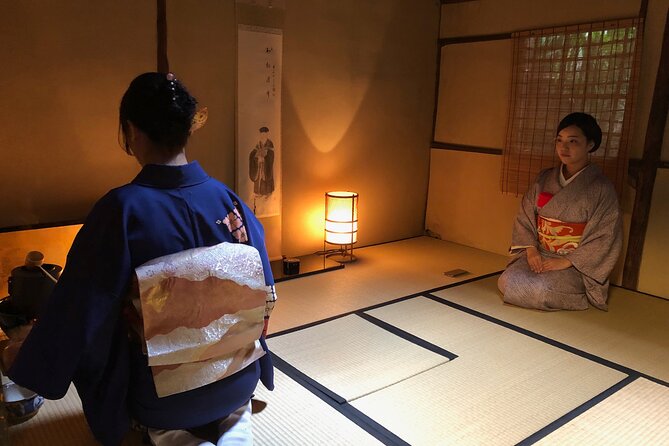
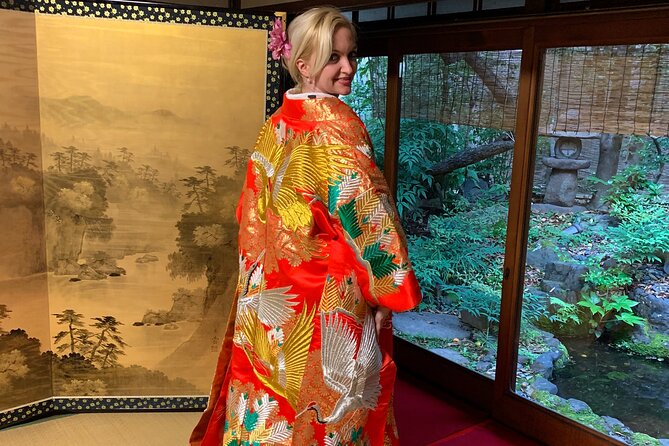
The photo session is one of the most popular surprises in the experience. Women can pose in an authentic silk wedding kimono, while men and children may wear samurai-style clothing or use a katana as a prop.
This is not a full-day kimono rental for walking around Kyoto. It is a focused photo opportunity inside the house. That is a plus if you want memorable pictures without spending hours dressed in formal clothing on city streets.
The wedding kimono is listed for women only. The supplied details do not promise the same garment choices for every person, so groups should confirm what clothing is available if this part matters most to them.
You are welcome to take photos during the visit, and the hosts may help direct poses. Several sessions included family members taking photos for the group, which is useful for couples and families who want pictures with everyone included.
If you want to wear a kimono during the tea ceremony itself, plan on an extra 30 minutes and an additional charge. That arrangement is limited to one group at the venue, and other time slots may be available only through the provider’s own website. For most people, the standard photo session is enough. It gives you the visual memory without turning a short tea visit into a longer dressing appointment.
Why the private format changes the experience
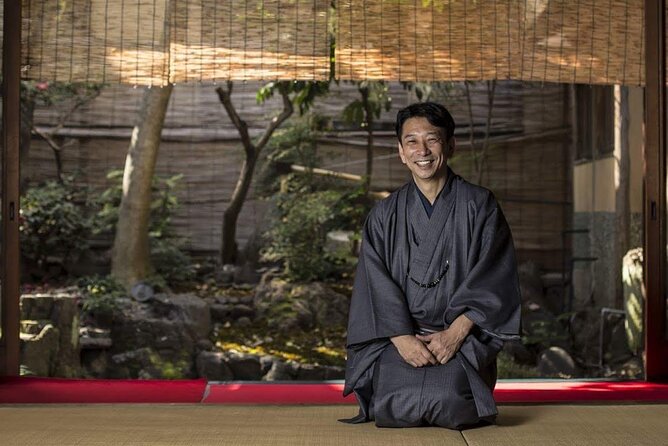
A private activity costs more than a basic group tea demonstration, but the $99 price can make sense for the right party. You are paying for access to a historic family residence, a private tea room, instruction, and a choice of tasting or hands-on tea preparation.
The value is strongest for couples, families, and small groups who want a personal cultural encounter. If you are traveling alone, note that the booking requires at least two people. The price may also feel high if you only want to drink matcha and take a quick photograph, since Kyoto offers simpler tea experiences at lower prices.
The private setting gives you flexibility in conversation. You can ask about samurai ancestry, the house, tea customs, sake, or the meaning of the utensils. The hosts have been described as warm and welcoming, and that personal contact is a central part of the value.
It is also a good choice for a first visit to Kyoto. You do not need deep knowledge of Japanese etiquette before arriving. The ceremony teaches you what to do, and the hosts can explain the reasons behind the actions.
Timing, comfort, and small practical details
The activity lasts approximately 50 minutes and ends back at the meeting point. Since the house is close to Kyoto Station, you can fit it before a train, after arriving in Kyoto, or between visits in the central area.
Plan to use a restroom before you arrive. The residence has only one old toilet, a limitation of the historic property. This is not a modern visitor center with extensive facilities.
The experience is not recommended for anyone weighing 120 kilograms or more. That note likely relates to the older rooms, clothing, and available space, so contact the provider if you are unsure about comfort or fit.
The booking is confirmed at the time of reservation, and mobile tickets are available. Group discounts may also be offered. The activity is non-refundable and cannot be changed after booking, so check your date, party size, age requirements, and tasting choice carefully.
The minimum booking is two people. If the operator cancels because the minimum number of participants is not met, you are offered another date or experience, or a full refund. That is different from canceling on your own, which receives no refund.
Who will enjoy this Kyoto experience most
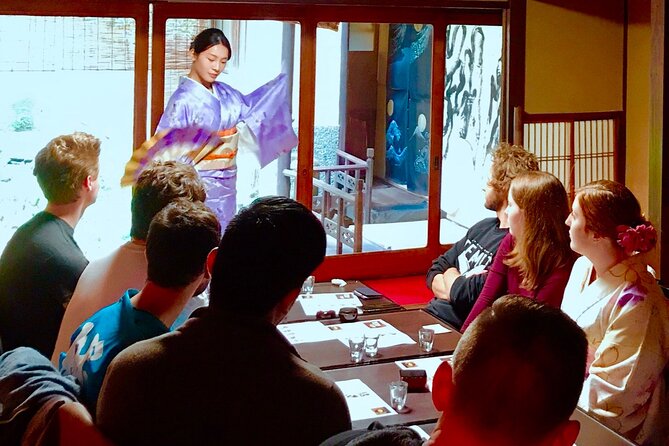
I would recommend it to couples looking for a quiet shared memory, families who want an activity beyond temples, and first-time visitors curious about Japanese etiquette. Children can take part in the tea lesson and photo session, while adults over 20 can choose sake or whisky.
It also suits anyone who wants a short activity near Kyoto Station. You do not have to give up half a day, and the old house supplies a strong sense of place in a compact visit.
Tea specialists may find the session too brief. The ceremony introduces the principles and gestures, but it does not provide the long training needed to understand every school, utensil, or seasonal rule. Likewise, visitors wanting to wear kimono all day should book a separate rental.
The alcohol tasting is a bonus, not the main reason to come. If you are mainly interested in sake, confirm that you want the five-sample option rather than the matcha lesson or whisky. If you prefer a quiet cultural activity, the whisking lesson keeps the tone focused and avoids the alcohol altogether.
Should you book the Kyoto Samurai House tea ceremony?
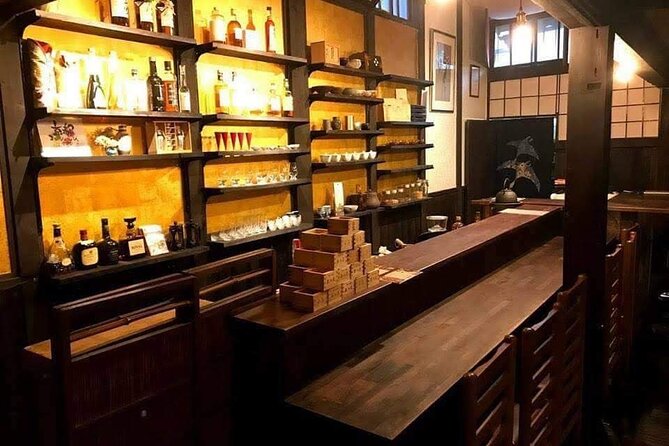
Book it if you want private access to an old family home, clear instruction, and a mix of calm ceremony and lighthearted photos. The combination of Uji matcha, a samurai setting, dress-up, and sake or whisky gives you several different sides of Kyoto in less than an hour.
Skip it if you need a low-cost activity, cannot sit comfortably in an old tea room, or want a full kimono day around the city. Also think twice before booking if your schedule may change, since the reservation cannot be canceled or amended.
For most couples and families, the strongest choice is the tea ceremony, kimono or samurai photographs, and then either the sake tasting or matcha lesson. It is short, personal, easy to reach, and memorable for reasons that go beyond a cup of green tea.
FAQ
How long does the private tea ceremony and tasting last?
The activity lasts approximately 50 minutes.
Where does the experience begin and end?
It begins and ends at Kyoto Samurai House, 384 Mongakucho, Shimogyo Ward, Kyoto, 600-8222, Japan.
How far is the samurai house from Kyoto Station?
The house is about an eight-minute walk from Kyoto Station.
Is the activity private?
Yes. Only your own group participates in the activity.
How many people are required to book?
A minimum of two people is required.
What matcha is served?
The experience serves high-grade organic matcha sourced locally from Uji in Kyoto.
Can I make my own matcha?
Yes. You can choose a matcha-whisking lesson using a bamboo whisk after the tea ceremony.
What alcohol options are available?
People over 20 can choose either five sake samples or two Japanese whisky samples.
Can children take part?
Yes. Anyone under 20 receives the matcha-whisking lesson instead of alcohol. Children may also take part in the photo session, depending on the available clothing and props.
Can I wear a kimono during the tea ceremony?
Kimono wear during the ceremony takes an additional 30 minutes and costs extra. It is limited to one group at the venue, while other time slots may be available through the provider’s website.
More Private Tea Experiences in Kyoto
- One-Day Hangzhou Dragon Well Tea Culture & West Lake Private Tour
★ 5.0 · 98 reviews - Tangier Private Tour with a Local Writer (Includes Tea & Sweet)
★ 5.0 · 52 reviews - Osaka: Private Tea Ceremony and Calligraphy Experience
★ 5.0 · 50 reviews - Private Tour: Royal High Tea At Kensington Palace Gardens
★ 5.0 · 39 reviews
More Tea Ceremonies in Kyoto
- Kyoto: Tea Ceremony in a Traditional Tea House in Kiyomizu
★ 4.9 · 3,519 reviews - Kyoto: Tea Ceremony Ju-An at Jotokuji Temple
★ 4.9 · 3,207 reviews - Kyoto: 45-Minute Tea Ceremony Lesson Experience
★ 4.3 · 2,378 reviews - Kyoto: Table-Style Tea Ceremony at a Kyo-Machiya
★ 4.9 · 1,211 reviews
Fresh tea listings around Kyoto
- Cycling Tour at Uji’s Matcha Green Tea Fields and Heritage★ 5.0 · 10 reviews
- Authentic Tea Ceremony & Sushi in The Museum of Kyoto★ 5.0 · 3 reviews
- Kyoto Fushimiinari:Wagashi Making & Small Group Tea Ceremony★ 5.0 · 14 reviews
- 2 Types of Japanese Sweets making and Tea Ceremony★ 4.6 · 17 reviews
- Whisk Your Own Matcha: A Zen Matcha Experience at Temple★ 3.6 · 7 reviews
- Kyoto Hidden Riverside Zen Mediation and Uji Matcha Experience★ 5.0 · 9 reviews
- Kyoto: Nighttime Zen Meditation and Matcha Tea Experience★ 5.0 · 7 reviews
- Matcha Grinding Experience and Walking Tour in Uji Kyoto★ 5.0 · 26 reviews
Kimono & Tea Ceremony, compared.
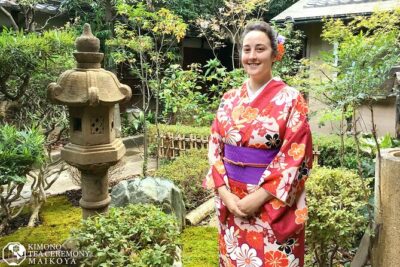
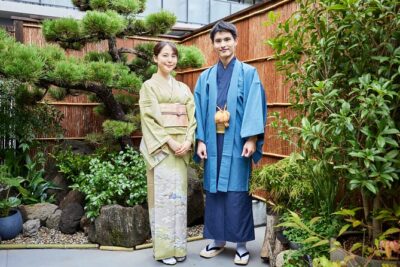
KYOTO Tea Ceremony with kimono near by Imamiya Jinjya Shrine
Read our review →
Kyoto: Kimono and Tea Ceremony Experience at Cultural Asset
Read our review →
Kyoto: Kimono Tea Ceremony with Matcha and Sweet
Read our review →