Review · MATCHA EXPERIENCES
Cycling Tour at Uji’s Matcha Green Tea Fields and Heritage
Uji’s best moments are not all on the main tourist street. This 270-minute bicycle tour takes you from the tea town’s famous sights to quiet river paths, forested lanes, old shrines, and places you could easily miss on foot. You ride a stylish Brompton with a local guide, identified as Takashi, who keeps the pace relaxed.
I especially like the combination of matcha culture and riverside cycling, and the way the small group, limited to six people, allows the route to respond to your interests. The main consideration is cost: at $160 per person, this is not a cheap way to see Uji, and entrance fees, food, and optional insurance come separately.
Key points to know before you book
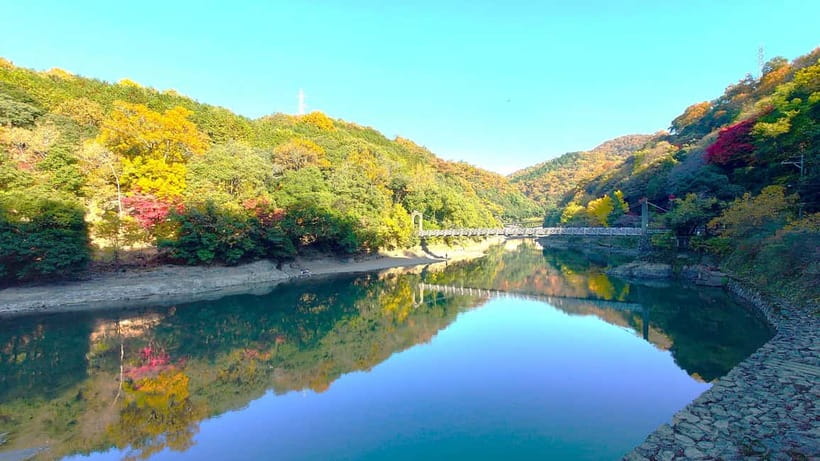
- Quiet Uji River riding: A calmer route takes you away from the busiest visitor areas and offers easy photo stops.
- Brompton bicycles included: The rental, helmet, transport bags, and other riding equipment are provided.
- Tea culture beyond the cafés: Chazuna and a specialty matcha shop add context and local food to the ride.
- Four historic stops: Uji Shrine, Ujigami Shrine, Kosho-ji Temple, and Byodoin Temple each show a different side of the town.
- Small and flexible: The group is limited to six, and the course can be adjusted according to your wishes.
- Extra costs to plan for: Chazuna costs 600 yen, the Byodoin Phoenix Hall costs 700 yen, insurance is an optional 500 yen, and snacks are not included.
Why a bicycle makes sense in Uji
Uji sits south of Kyoto and is known across Japan for matcha, the finely ground green tea used in drinks, sweets, and cooking. It is also an old cultural center, with temples and shrines dating back more than 1,000 years.
The town is walkable in its central areas, but a bicycle gives you more range without turning the day into a workout. You can move from the station to the river, then onward to shrines and temple grounds without repeatedly retracing your steps. The guide also takes you along quieter sections that are less obvious if you simply follow the main road from JR Uji Station to Byodoin.
The pace is deliberately slow. That matters if you are not a confident cyclist or if you want to stop for photos, tea, and conversation rather than chase a list of sights. One participant specifically noted that the guide was patient with a slow rider. That is a useful detail: this is not a sporty cycling excursion.
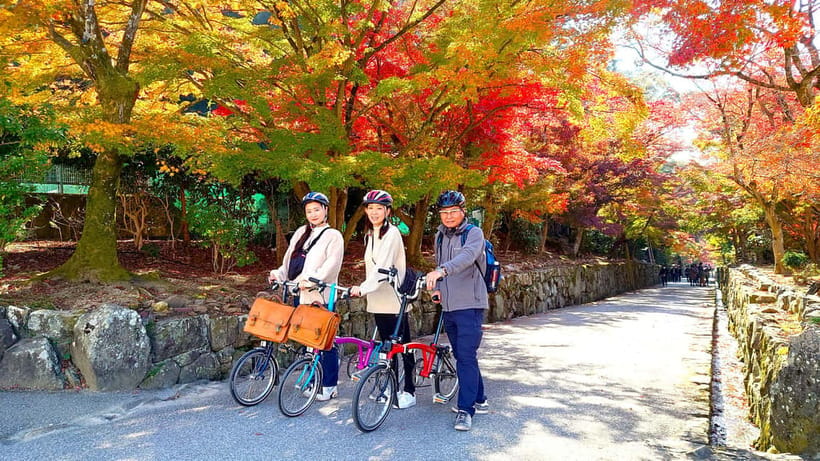
The route uses Brompton bicycles, compact folding bikes with a distinctive look. You do not need to bring riding equipment. The tour provides the bicycle, helmet, bags for wheeled transport, and other basic cycling gear. You can also take photos with the bike, which adds a little style to the day without changing its easygoing nature.
More Green Tea Tours in Japan
Meeting the guide beside the tea-jar post
You meet outside JR Uji Station, in front of the tea-jar-shaped post. Look for a navigator with a Brompton bicycle. This is a simple meeting point, but it is worth arriving with enough time to identify the guide and settle onto the bike before the ride begins.
The guide is listed as speaking Japanese and English. Takashi is the name connected with most of the personal praise for the guiding, though one account spells the name Takeshi. Either way, you are booking a guided outing rather than an independent rental. The local escort is there to explain the places you visit, suggest food stops, and adjust the course to your requests.
The group size is limited to six. That is one of the strongest reasons to choose this experience over a large bus tour. A small group is easier to manage on narrow paths, and it gives you a better chance to ask questions about tea, temples, and daily life in Uji.
Chazuna introduces Uji’s tea culture
The first stop is Chazuna, the Tea and Uji Town Exchange Centre. The planned visit includes about 30 minutes of cycling, with time at the center itself depending on the day’s pace and your chosen route.
Chazuna gives the tea part of the tour a useful starting point. Uji is not simply a place where cafés sell green tea desserts. Tea production, processing, preparation, and presentation are tied closely to the town’s identity. A stop here helps you understand that matcha is one part of a larger tea culture.
Entrance is optional and costs 600 yen. That extra charge is easy to overlook when comparing the headline price, so decide in advance if you want to include it. The guide can help you fit the visit into the day’s route.
Three historic stops, three different moods
The ride continues to Uji Shrine, Ujigami Shrine, and Uji Kosho-ji Temple. Each stop has roughly 20 minutes of cycling connected with it, though the exact timing can shift because this is a guided outing rather than a rigid transfer schedule.
Uji Shrine brings you into the town’s old religious setting. Ujigami Shrine adds another layer of history, and its quieter atmosphere is one reason this route works well for people who want more than the headline attraction. The shrines are a good counterpoint to matcha shops and souvenir browsing.
Kosho-ji Temple offers a more peaceful temple stop. The surrounding setting gives the ride a greener, quieter feel, and the route can include forested sections. You should not expect long, formal temple lectures at every stop. The value is in seeing several places in one connected ride, with a guide who can explain what you are looking at and help you decide where to linger.
Some travelers come to Uji only for Byodoin and the tea shops around the approach. This sequence shows you why the town works as a broader cultural visit. The shrines and temple are not filler between cafés. They help explain the old Uji that once served as a medieval villa area for the nobility.
More Matcha Experiences in Kyoto
- Kyoto: Tea Ceremony Meditation – Make Matcha with Tea Master
★ 4.8 · 406 reviews - Kyoto: Kimono Tea Ceremony with Matcha and Sweet
★ 4.9 · 249 reviews - Kyoto: Arashiyama Bamboo, Temple, Matcha, Monkeys & secret spots
★ 5.0 · 219 reviews - Kyoto: Traditional Tea Ceremony with Matcha & Sweets in Gion
★ 4.9 · 27 reviews
The quiet side of the Uji River
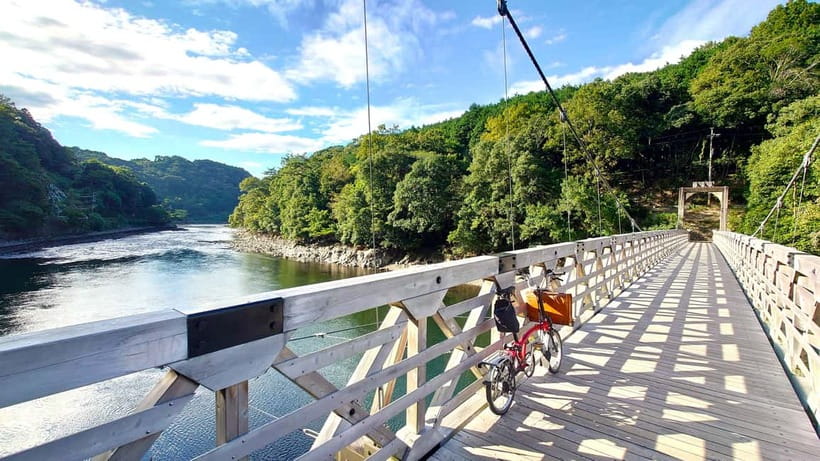
The river section is one of the clearest reasons to choose this tour. About 30 minutes are set aside for riding along the Uji River, followed by a similar amount of cycling around Tō-no-shima Island.
The route focuses on quieter stretches that many tourists do not reach. You get open views, water, bridges, and plenty of natural pauses for photographs. Several people singled out this part as a favorite, especially the calm pace and the chance to ride beside the river without the feel of a busy city route.
Tō-no-shima Island adds another scenic change. You are still close to central Uji, but the ride feels removed from the station and commercial streets. This is where the bicycle earns its keep. On foot, you might visit the river briefly before returning to the main sights. By bike, you can make the river a central part of the day.
Do keep your expectations sensible. This is a leisurely town ride, not a long countryside expedition. The appeal is quiet movement, short distances, and access to less obvious corners. If you want speed, hills, or a serious physical challenge, this is the wrong tour.
Byodoin and the Phoenix Hall
Byodoin Temple receives the longest scheduled visit, about one hour. It is Uji’s major cultural landmark and a UNESCO World Heritage Site, so this is the stop that gives the day its most famous image.
The Phoenix Hall is the feature most people associate with Byodoin. The complex provides a strong contrast with the earlier river and shrine sections: here, you are at the center of Uji’s best-known heritage site. The longer stop gives you time to see the temple area rather than simply cycle past it.
The Byodoin Phoenix Hall entrance fee is an optional 700 yen. The wording matters because visiting the temple area and entering the Phoenix Hall are not necessarily the same choice. If the hall is a priority, budget for the extra fee and allow enough time for the visit.
Byodoin can be the busiest part of the route. That is not a flaw in the tour, but it is a useful expectation. The earlier shrine and river sections provide the quieter moments, while Byodoin supplies the iconic sight.
Matcha snacks finish the ride
The final stop is a local snack break in Uji, planned for about 30 minutes before returning to the tea-jar post. Snacks are not included in the $160 price, but the guide suggests specialty shops and restaurants according to your wishes.
This flexibility is helpful because Uji’s tea products cover a wide range, from drinks to sweets and other local treats. You might want a simple refreshment, a proper meal, or matcha powder to take home. The guide can point you toward a suitable shop rather than leaving you to guess among the options.
The food stop also gives the day a relaxed finish. You are not rushed straight from Byodoin to the station. You can talk through what you have seen, try a local tea product, and decide what to buy for later.
One participant described finding an especially good matcha drink and buying matcha powder to take home. That is a practical tip for tea fans: save a little room in your bag and ask the guide about products that suit your taste and travel plans.
What the $160 price really covers
At $160 per person, this tour is priced as a private-feeling small-group experience rather than a basic bicycle rental. The fee includes the Brompton rental, riding equipment, an exclusive navigator, and English guidance. You are paying for local route planning and interpretation as much as for the bicycle itself.
The value is strongest if you want to reach several parts of Uji in one half-day and would not feel comfortable finding the quieter paths alone. The guide also removes much of the effort involved in planning a route that combines tea culture, temples, river paths, and food.
The total can rise with extras:
- Chazuna entrance: 600 yen
- Byodoin Phoenix Hall entrance: 700 yen
- Optional insurance: 500 yen
- Snacks and meals: extra
That means the optional fees can add 1,800 yen before food. If you are comparing this with a self-guided bicycle rental, include those costs and consider the value of the English-speaking guide and local navigation.
The experience is best value for visitors who care about context and access, not just transport. If you plan to spend only an hour at Byodoin and have no interest in the river or tea culture, the price will feel high.
Who will enjoy this Uji ride most
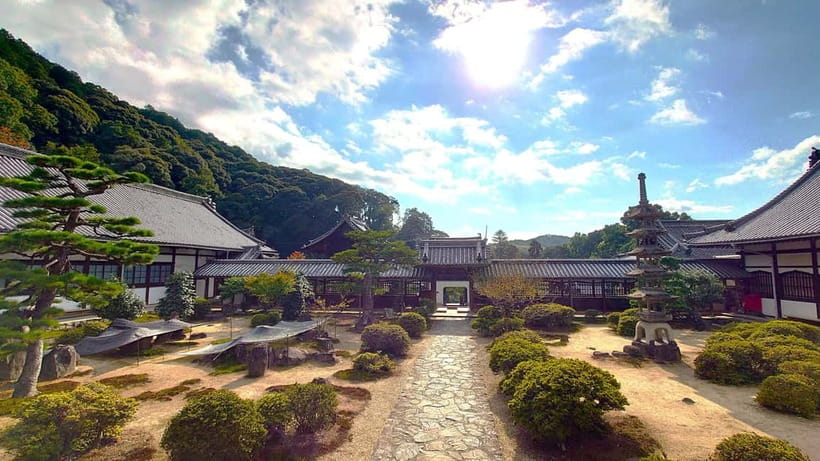
I would recommend this tour to anyone staying in Kyoto who wants a calmer half-day outside the city center. It suits couples, families with older children, and small groups who prefer a gentle pace and a guide who can adapt the day.
It is also a good choice for people who are unsure about cycling in Japan. The ride is slow, equipment is provided, and the guide stays with you. You still need to be able to ride a bicycle, but you do not need strong fitness.
Tea enthusiasts get extra value from the Chazuna visit, specialty shop suggestions, and the chance to buy matcha products in Uji itself. History fans benefit from the sequence of shrines, Kosho-ji, and Byodoin. Photographers will appreciate the river paths and the chance to take pictures with the Brompton bicycle.
You may want to skip it if you dislike guided activities, want complete control over every minute, or prefer a strenuous ride. The route is flexible, but it remains a guided tour with planned stops.
Free cancellation is available up to 24 hours before the start, and you can reserve now and pay later. Availability depends on the starting time you select.
Should you book this Uji cycling tour?
Book it if you want to see the quieter, more local-feeling side of Uji without giving up its famous sights. The strongest parts are the gentle Brompton ride, the Uji River, the small group, and the guide’s ability to connect tea culture with temples and everyday places.
The $160 price makes sense when you use the full package: bicycle, equipment, English-speaking navigator, route planning, and four and a half hours of access to places that are easy to miss on foot. Add the optional entrances and food to your budget.
If your Uji plan already includes a long visit to Byodoin and the main tea street, you may not need another paid experience. But if you want a relaxed ride, quiet scenery, local snacks, and a better sense of how Uji fits together, this is a well-focused choice.
FAQ
Where does the Uji cycling tour meet?
You meet in front of the tea-jar-shaped post just outside JR Uji Station. The guide can be identified by the Brompton bicycle.
How long does the tour last?
The experience lasts 270 minutes, or four and a half hours.
What languages does the guide speak?
The tour is offered in Japanese and English.
How many people can join the group?
The group is limited to six participants.
Is bicycle equipment provided?
Yes. The price includes the Brompton bicycle, helmet, bags for wheeled transport, and other bicycle equipment.
Which major sights are included?
The route includes Chazuna, Uji Shrine, Ujigami Shrine, Uji Kosho-ji Temple, the Uji River, Tō-no-shima Island, and Byodoin Temple.
Are entrance fees included?
No. Chazuna entrance costs 600 yen, and the Byodoin Phoenix Hall entrance costs 700 yen. Both are optional.
Are food and snacks included?
No. Snacks are extra. The guide suggests restaurants and specialty shops according to your wishes.
Can I cancel the booking?
You can cancel up to 24 hours in advance for a full refund. You can also reserve now and pay later.
More Tea Plantation Tours in Kyoto
- From Taipei: Thousand Island Lake and Pinglin Tea Plantation
★ 4.7 · 519 reviews - Active Volcano, Rice Field, Hot Spring, Fruit market, Tea Plantation with Lunch
★ 5.0 · 513 reviews - Furnas: Tea Plantations, Lake and Volcano Guided Tour
★ 4.8 · 511 reviews - São Miguel: Furnas Volcano & Tea Plantation Tour with Lunch
★ 4.9 · 375 reviews
More Green Tea Tours in Kyoto
- Uji: Green Tea Tour with Byodoin and Koshoji Temple Visits
★ 4.8 · 72 reviews - Osaka; Japanese Tea ceremony experience, Macha and Sencha
★ 4.9 · 29 reviews - Slow Cycling Tour at Uji’s Matcha Green Tea Fields and Heritage
★ 5.0 · 25 reviews - Authentic Japanese tea tasting: sencha, matcha and gyokuro
★ 5.0 · 12 reviews
Fresh tea listings around Kyoto
- Authentic Tea Ceremony & Sushi in The Museum of Kyoto★ 5.0 · 3 reviews
- Kyoto: Nighttime Zen Meditation and Matcha Tea Experience★ 5.0 · 7 reviews
- Kyoto Fushimiinari:Wagashi Making & Small Group Tea Ceremony★ 5.0 · 14 reviews
- 2 Types of Japanese Sweets making and Tea Ceremony★ 4.6 · 17 reviews
- Kyoto Hidden Riverside Zen Mediation and Uji Matcha Experience★ 5.0 · 9 reviews
- Whisk Your Own Matcha: A Zen Matcha Experience at Temple★ 3.6 · 7 reviews
- Matcha Grinding Experience and Walking Tour in Uji Kyoto★ 5.0 · 26 reviews
- Kyoto: Traditional Tea Ceremony with Matcha & Sweets in Gion★ 4.9 · 27 reviews
Matcha Experiences, compared.
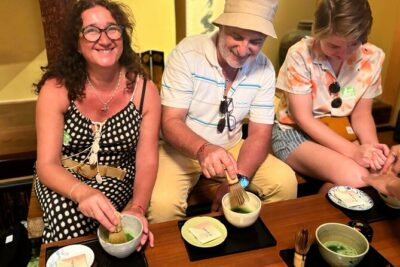
World Heritage Kyoto & Nara Uji Authentic Matcha Experience
Read our review →
Matcha Making Class in Tokyo with Authentic Japanese Sweets Set
Read our review →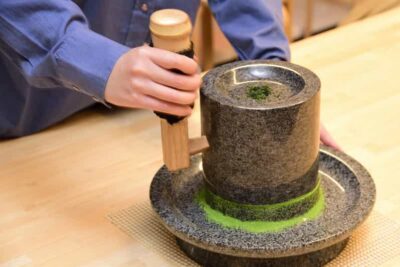
Kyoto: Tea Museum Tickets and Matcha Grinding Experience
Read our review →
Matcha Making Class in Osaka with Authentic Japanese Sweets Set
Read our review →
Kyoto: Tea Ceremony Meditation – Make Matcha with Tea Master
Read our review →
Tokyo: Matcha Making Experience with Mochi Sweets in Asakusa
Read our review →
Kyoto: Kimono Tea Ceremony with Matcha and Sweet
Read our review →