
Review · MATCHA EXPERIENCES
Kyoto: Matcha & Traditional Japanese Music Immersive Experience
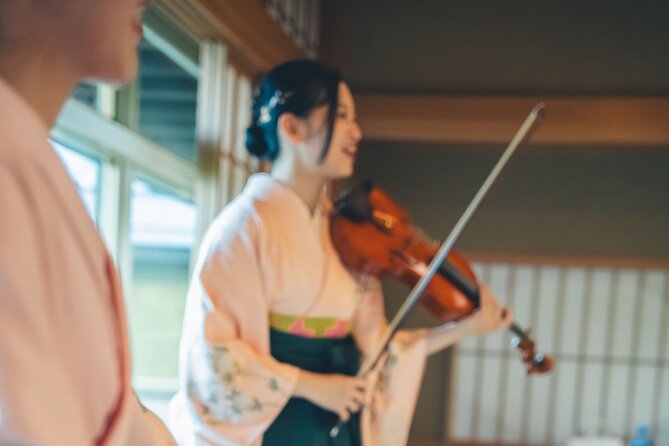
The most unusual part of this Kyoto experience is the pairing of the Japanese koto and Western violin. You’ll hear traditional melodies alongside anime and game music, then get a chance to play the koto yourself. It is a small cultural experience with a concert at its center, not just a cup of tea with background music.
I like the hands-on koto session because it turns an unfamiliar instrument into something you can understand through your fingertips. I also like the chance to meet the musicians afterward and hear about their dedication to instruments they have studied since childhood. The main drawback is the price: at $850 per person, this is a very expensive one-hour experience, so you’ll need to place a high value on the intimate music and personal access.
Key points to know before booking
- Koto and violin in one short concert: Hear traditional Japanese music, anime themes, game music, and original arrangements.
- You play the koto: Musicians guide you through a hands-on introduction to this long, stringed instrument.
- Matcha is included: The experience includes green tea, with a café and restaurant available separately downstairs.
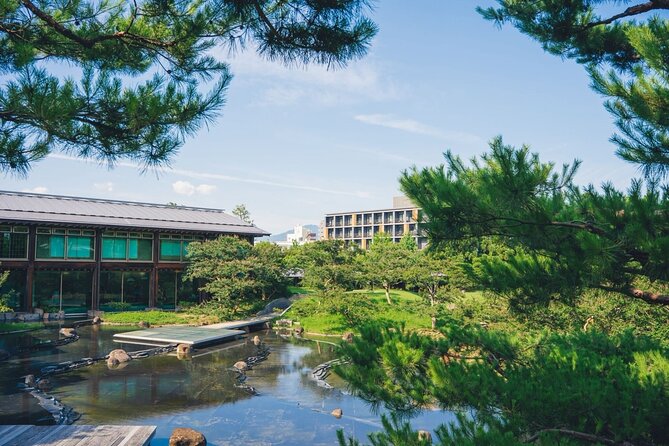
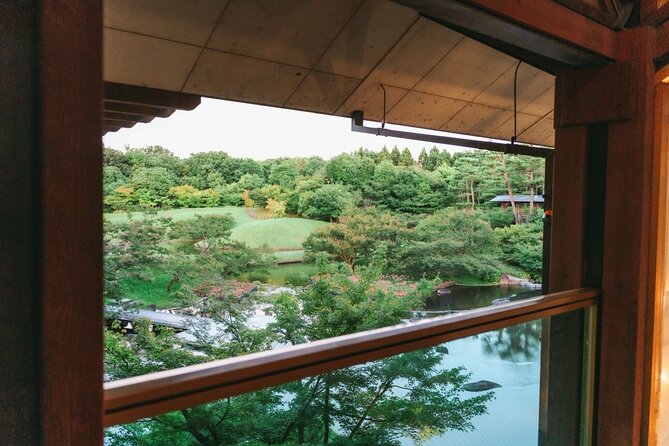
- Suzaku Garden setting: The venue includes tea rooms and Japanese-style spaces that add a quiet cultural frame to the music.
- Artist conversation after the show: You can ask about the instruments, the performers’ training, and how the arrangements are created.
- Allow 60 to 80 minutes: This fits neatly into a Kyoto day, but it is not a full tea ceremony or meal experience.
Why the koto and violin pairing works
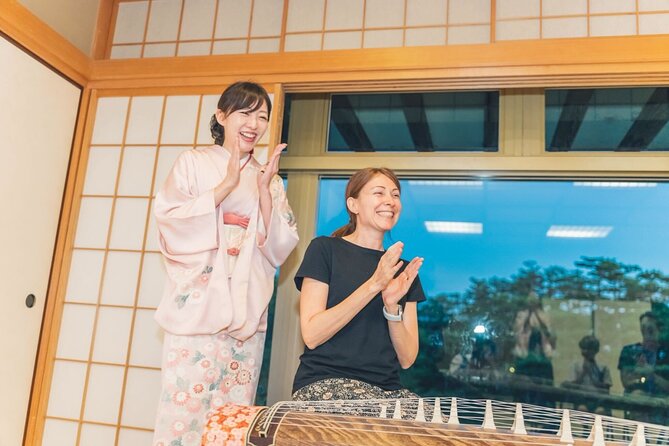
The koto has a delicate, ringing sound that immediately marks the music as Japanese. The violin brings a more familiar Western tone, with a wider range of expressive effects. Put together, the two instruments create a conversation between old and new rather than a simple demonstration of traditional music.
That contrast is the heart of the experience. One moment may center on a traditional melody, while another uses an anime or game theme that feels much closer to modern Japanese popular culture. The program also includes original arrangements, so you are not hearing only a museum-style presentation of old music.
I especially like this mix for visitors who are curious about Japanese culture but do not usually attend classical concerts. A purely traditional performance can feel distant if you do not know the instruments or musical forms. Familiar anime and game melodies give you an entry point, while the koto introduces you to a sound you may not encounter elsewhere.
The performance is indoors, which matters in Kyoto. You do not have to worry about summer heat, rain, or winter chill while listening. The short length also makes it easier to fit around temple visits, shopping, or an evening meal.
More Matcha Experiences in Kyoto
- Kyoto: Tea Ceremony Meditation – Make Matcha with Tea Master
★ 4.8 · 406 reviews - Kyoto: Kimono Tea Ceremony with Matcha and Sweet
★ 4.9 · 249 reviews - Kyoto: Arashiyama Bamboo, Temple, Matcha, Monkeys & secret spots
★ 5.0 · 219 reviews
What happens at Suzaku Garden
The experience takes place at Suzaku Garden, where the setting includes serene tea rooms and Japanese-style spaces. The surroundings help establish a calm mood before the music begins. You are not simply walking into a bare concert room and leaving again. The venue gives the performance a cultural setting connected to the tea and music traditions being presented.
The supplied details do not identify the musicians by name, so you should not expect a named celebrity performer or a formal guide introduction built around one individual. The focus is on the young artists as a group and on their commitment to passing traditional instruments to new audiences.
You can take time to notice the style of the space before or after the performance. Since the experience lasts roughly one hour to one hour and 20 minutes, there is enough time for the concert, the instrument activity, and conversation without turning the visit into a long half-day program.
A café and restaurant are located on the first floor. Meals are not included, so plan to pay separately if you want more than the included matcha. This is useful if you want to make the music session part of a larger stop, but do not assume the ticket covers lunch, dinner, or a full tea service.
The concert: traditional melodies, anime, and game music
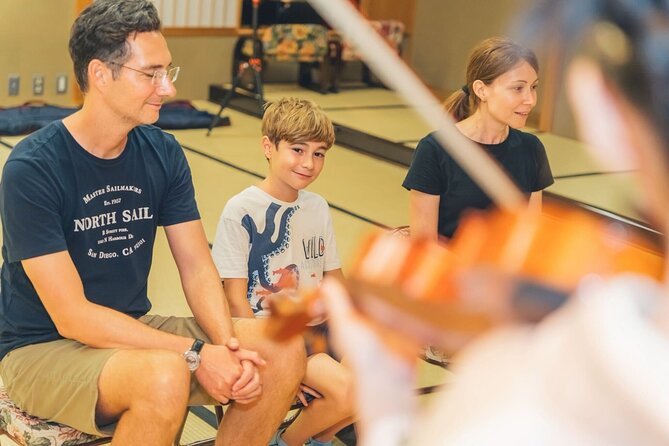
The live performance combines koto and violin in a program that moves across several musical styles. Traditional Japanese melodies provide the cultural foundation. Anime and game music make the program more approachable and show how these instruments can handle modern themes. Original arrangements give the artists room to shape the material in their own way.
That variety is a practical advantage. You do not need a background in Japanese music to follow the program. If you already enjoy anime or game soundtracks, some pieces may feel immediately familiar. If your main interest is traditional music, the koto remains the main reason to attend.
The performance also gives you a chance to hear the difference between the instruments. The koto is plucked, so its notes have a clear attack and a graceful fading sound. The violin can sustain notes and shift from a soft tone to something more dramatic. The contrast helps you notice how each instrument contributes to an arrangement.
The young musicians’ long training is part of what gives the performance meaning. The available information says the artists have trained since childhood and care deeply about the instruments they play. That does not turn the session into a formal lecture, but it gives you a reason to listen closely. You are hearing performers who are working to keep traditional instruments relevant, not simply displaying props from the past.
Because the event is relatively short, the program should appeal to you if you want a focused cultural activity rather than a full concert hall evening. The tradeoff is that there may not be room for a long set of pieces or extensive musical explanation. This is a compact introduction.
The koto session makes the music easier to understand
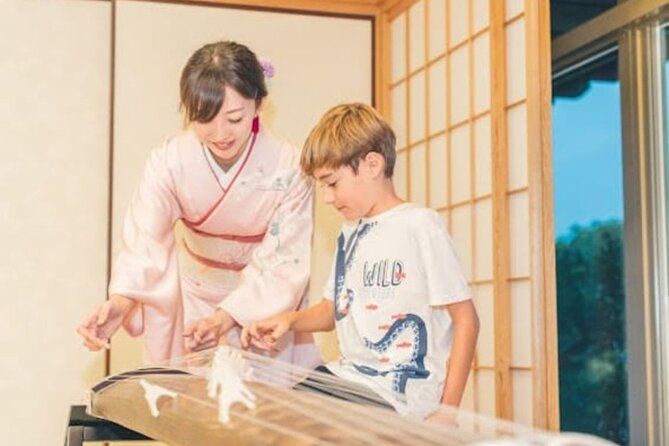
After hearing the koto, you get the chance to play it yourself. Musicians guide you through the basic experience, giving you direct contact with an instrument that can otherwise seem mysterious from a distance.
This is the strongest feature for families, first-time visitors, and anyone who learns best by doing. Even a short turn at the instrument can help you understand the spacing of the strings, the feeling of plucking, and the care needed to produce a clean note. You do not need to arrive with musical training. The point is not to perform a song at concert level. The point is to feel how the instrument works.
The koto experience also changes the way you hear the concert. After trying it, you may listen more carefully to the musicians’ timing and touch. A simple note becomes less simple once you have attempted to produce one yourself.
The exact length of each person’s turn and the size of the group are not specified. If you are booking mainly for extensive playing time, keep your expectations modest. This is a guided introduction built into a concert experience, not a private koto lesson.
Same city, a very different cup:
- Kyoto: Tea Ceremony in a Traditional Tea House in Kiyomizu
★ 4.9 · 3,519 reviews - Kyoto: Tea Ceremony Ju-An at Jotokuji Temple
★ 4.9 · 3,207 reviews - Kyoto: 45-Minute Tea Ceremony Lesson Experience
★ 4.3 · 2,378 reviews - Kyoto: Table-Style Tea Ceremony at a Kyo-Machiya
★ 4.9 · 1,211 reviews
Matcha, tea rooms, and the conversation afterward
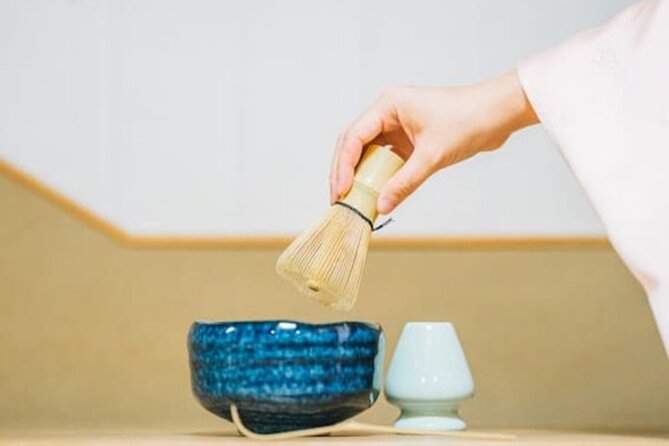
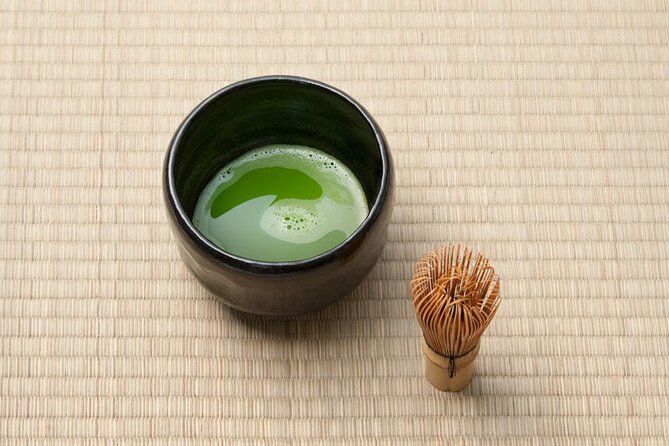
Matcha is included, adding a small tea element to the music program. It is best understood as part of the cultural atmosphere rather than a complete tea ceremony. One past participant described sharing an especially memorable moment with a family over a tea ceremony, but the core details supplied for this activity identify matcha as the included refreshment and do not promise a full formal ceremony every time.
That distinction matters. If your main goal is a traditional tea ceremony with a carefully explained sequence, you should check the exact format before booking. If you want a cup of green tea paired with music and a Japanese-style setting, the included matcha fits the experience well.
The post-concert conversation is another valuable feature. You can speak with the artists about the instruments and their creative process. Ask about the koto’s sound, how the violin is adapted to the arrangements, or how traditional music is paired with anime and game themes.
This conversation gives the event a human side. You are not only consuming a performance, then moving on. You can connect the music with the people who practice it. The information does not specify how long the discussion lasts or whether it is conducted in a particular language, so do not plan on a long seminar. Still, even a brief exchange can help you understand why these musicians want to carry the tradition forward.
How much value do you get for $850?
The listed price is $850 per person, which places this far above the cost of most short cultural activities in Kyoto. At that price, you are paying for a specialized, intimate experience rather than for duration alone.
The program lasts about 60 to 80 minutes. You receive admission to the performance, the koto activity, matcha, and the chance to speak with the musicians. A restroom is included among the listed amenities, and public transportation is nearby. Food beyond the matcha and transportation are not included.
From a strict time-per-dollar view, the price is difficult to justify. You could spend a full day visiting Kyoto temples and gardens for less. You might also find other concerts, tea experiences, or cultural demonstrations at a lower cost.
The value improves if the booking is for a private or highly limited occasion, though the available details do not state the group size or whether the booking is private. You should confirm those points before paying. The price may also make sense if you are specifically seeking direct contact with traditional instruments and artists, and if a standard sightseeing stop would not satisfy you.
I would not book this as a casual add-on. I would book it only if the koto, the artist conversation, and the hands-on portion are central to your Kyoto plans. For a music enthusiast, someone interested in Japanese instruments, or a visitor marking a special occasion, the personal format may be worth more than the clock suggests. For a budget-conscious visitor, the cost is the clear warning sign.
Timing, transport, and planning your Kyoto day
The experience is near public transportation, so you do not need private transportation. That keeps the logistics simple, especially if you are fitting the event between other Kyoto stops. The exact meeting instructions are not included in the supplied details, so use the mobile ticket and booking confirmation carefully when planning your route.
The duration makes this easy to place into a larger day. You might schedule it before dinner, after sightseeing, or during a break from outdoor attractions. Since the performance is indoors, it can also serve as a useful rainy-day plan.
The activity is suitable for most people. No special physical demands are identified, and the main activities are seated listening, playing the koto, drinking matcha, and talking with the artists. The available information does not give details about wheelchair access, so you should ask the provider if that is important for your party.
Confirmation is normally provided at booking. If you book within two days of the experience, confirmation may arrive within 48 hours and remains subject to availability. Since the experience is often booked about 27 days ahead, leaving this until the last minute may not be wise, especially if your Kyoto dates are fixed.
You can cancel for a full refund up to 24 hours before the start time. Changes or cancellations inside that 24-hour window are not accepted for a refund, and the cut-off follows local Kyoto time.
Who will enjoy this music experience most?
I would recommend it most strongly to you if one or more of these describe your plans:
- You want to hear a traditional Japanese instrument in a live setting.
- You enjoy anime or game music and like hearing familiar material arranged in a new style.
- You prefer a short, focused cultural activity to a long lecture or formal museum visit.
- You value meeting performers and asking questions after the show.
- You are comfortable paying a premium for a specialized experience.
- You want an indoor activity with matcha and a Japanese-style setting.
Families may appreciate the chance to play the koto, since the hands-on element gives children something active to do. The experience also works for couples and friends who want a quieter cultural stop. Music fans will likely get more from the arrangement choices and instrument pairing than someone who simply wants a conventional tea break.
I would hesitate to recommend it if your main goal is a full meal, a formal tea ceremony, a long concert, or a low-cost activity. None of those is what this experience promises. You also should not book it expecting extensive sightseeing at Suzaku Garden. The venue supports the music, but the concert and artist interaction are the main event.
The good and the limitations at a glance
The best feature is the combination of listening and participation. You first hear what skilled players can do with the koto and violin, then handle the koto yourself. That simple order gives the activity more depth than a performance alone.
The second major strength is the music selection. Traditional melodies, anime, game music, and original arrangements create a broad program that can appeal to different ages and musical tastes. You are not locked into one narrow style.
The setting and matcha add atmosphere without requiring a long ceremony. The artist conversation gives you a chance to connect the music with real people and their years of practice.
The limitations are just as clear. The price is very high for the length. The group size, language arrangements, and exact structure of the tea portion are not provided. If those details matter to you, ask before booking rather than assuming the most elaborate version.
Should you book this Kyoto koto experience?
Book it if you want a specialized music encounter and are willing to pay a premium for the chance to hear, play, and discuss the koto in one visit. The mix of koto, violin, anime, game music, matcha, and artist conversation gives you a compact introduction to both traditional and modern Japanese culture.
Skip it if you are measuring value by hours, looking for a full tea ceremony, or traveling on a tight budget. Kyoto offers many worthwhile cultural activities, and $850 requires a very specific interest to make sense.
For the right person, this is not simply a concert ticket. It is a short meeting with an instrument, a musical tradition, and the young artists working to keep that tradition in use. For everyone else, the price deserves careful thought before you click book.
FAQ
Where does the experience take place?
It takes place at Suzaku Garden in Kyoto, in an indoor venue with tea rooms and Japanese-style spaces.
How long does the experience last?
The experience lasts approximately one hour to one hour and 20 minutes.
What instruments are featured?
The live performance features the Japanese koto and Western violin.
What kind of music will I hear?
The program includes traditional Japanese melodies, anime music, game music, and original arrangements.
Can I play the koto?
Yes. The experience includes guided hands-on access to the koto.
Is matcha included?
Yes. Matcha, or green tea, is included. Meals are not included, although a café and restaurant are available on the venue’s first floor.
Can I cancel for a full refund?
Yes, if you cancel at least 24 hours before the experience start time. Cancellations or changes made less than 24 hours before the start time are not eligible for a refund.
Fresh tea listings around Kyoto
- Traditional Tea Ceremony in Kyoto★ 4.5 · 3 reviews
- Kyoto: Authentic Tea Ceremony in a Small Group★ 5.0 · 7 reviews
- Uji Walking Tour – Byodo-in temple and Tea Ceremony from Kyoto★ 3.5 · 3 reviews
- Tea Ceremony Experience in Traditional Kyoto Townhouse★ 5.0 · 19 reviews
- Tea Ceremony in 150 Years Old Townhouse with Tables and Chairs★ 5.0 · 22 reviews
- Tea ceremony at Kyoto’s Zen Temple Teahouse★ 5.0 · 2 reviews
- Silent Beauty of Kyoto Zen Walk and Tea Experience★ 5.0 · 2 reviews
- Sencha-do the Japanese Tea Ceremony Workshop in Kyoto★ 5.0 · 21 reviews
Matcha Experiences, compared.
World Heritage Kyoto & Nara Uji Authentic Matcha Experience
Read our review →
Matcha Making Class in Tokyo with Authentic Japanese Sweets Set
Read our review →
Kyoto: Tea Museum Tickets and Matcha Grinding Experience
Read our review →
Matcha Making Class in Osaka with Authentic Japanese Sweets Set
Read our review →
Kyoto: Tea Ceremony Meditation – Make Matcha with Tea Master
Read our review →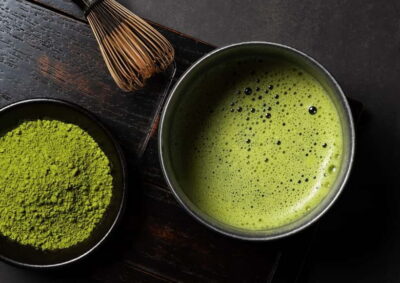
Tokyo: Matcha Making Experience with Mochi Sweets in Asakusa
Read our review →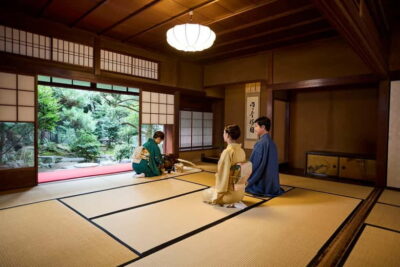
Kyoto: Kimono Tea Ceremony with Matcha and Sweet
Read our review →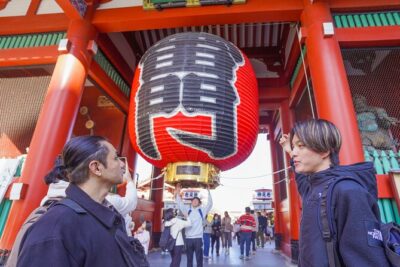
Browse the lists this tour appears in