
Review · MATCHA EXPERIENCES
Nerikiri and Matcha Making Class in Kyoto
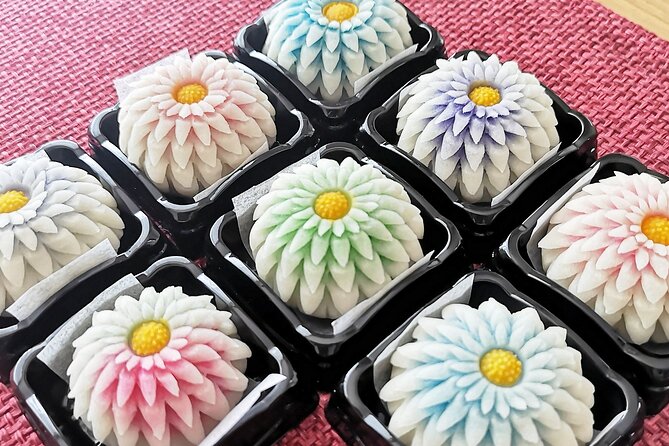
Kyoto’s nerikiri and matcha class turns a small Japanese sweet into a hands-on art lesson. You’ll shape five confections, learn several techniques, prepare matcha at a table, and enjoy the results in a peaceful home setting.
I like the small maximum of eight people, which gives the instructor room to guide your hands. I also like that you take leftover sweets home and receive two nerikiri dough recipes by email. The main catch is the firm, non-refundable cancellation policy, so book only when your Kyoto plans are settled.
Key points to know
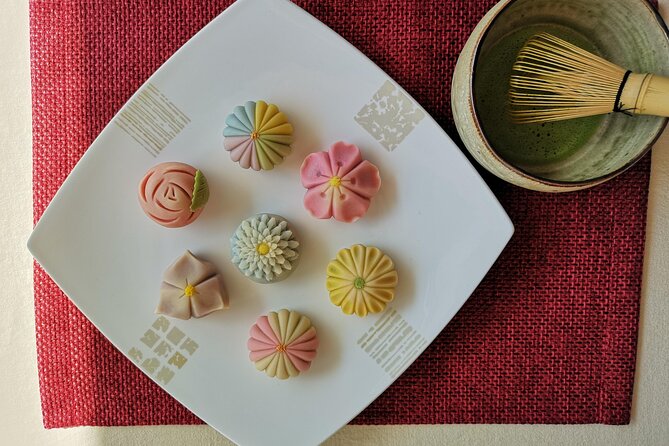
- Five nerikiri designs: You learn different shaping methods and use a range of nerikiri tools.
- Matcha made at the table: The class includes a practical tea-making session, followed by tasting.
- A home-based setting: The instructor welcomes you into her home, creating a quiet, personal feel.
- Small group of up to eight: The size suits a detailed craft lesson better than a large demonstration.
- Take-home treats and recipes: A container is provided, and two dough recipes are sent by email after class.
- Morning start near public transportation: Meet at Matsugasaki Station at 10:00 am for a class lasting about two and a half hours.
Making Kyoto sweets by hand
Nerikiri is a traditional Japanese confection served with tea. It is mainly made from sweet white beans, then shaped into careful designs with color, pressure, and simple tools. The finished sweets can look almost too neat to eat, which is part of the fun.
This class lets you see the work behind that polished appearance. You are not simply handed a finished sweet beside a cup of tea. You learn the basic dough process, then practice turning prepared dough into five different forms.
The instructor prepares the nerikiri dough before class. That keeps the session focused on shaping rather than spending much of the morning on a slow preparation step. You still receive an explanation of how the dough is made, and two versions of the dough recipe are sent by email afterward if you provide your address.
That arrangement works well for a short class. You get the useful background, then spend your limited time on the part that requires the most care: handling the dough and building the designs.
More Matcha Experiences in Kyoto
- Kyoto: Tea Ceremony Meditation – Make Matcha with Tea Master
★ 4.8 · 406 reviews - Kyoto: Kimono Tea Ceremony with Matcha and Sweet
★ 4.9 · 249 reviews - Kyoto: Arashiyama Bamboo, Temple, Matcha, Monkeys & secret spots
★ 5.0 · 219 reviews
What happens during the 2.5-hour class
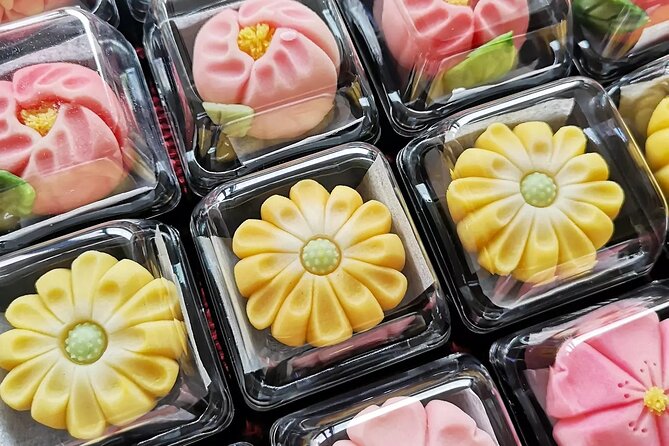
The class begins with an explanation of nerikiri dough. This is the foundation for everything that follows. You learn what the dough is made from and how it needs to be handled before shaping begins.
Next comes the main activity: making five nerikiri designs. The instructor explains each design step by step, showing how to use different techniques and tools. You then make the sweets yourself, with guidance available as you work.
This is a delicate craft, but the class is not presented as an advanced course reserved for confectioners. The instruction is organized so that someone new to nerikiri can follow along. At the same time, the focus on technique gives more experienced cooks something useful to take away.
Expect the work to reward patience. Small changes in pressure or shape affect the final result. That may sound demanding, but it is also why the activity feels more satisfying than a quick food demonstration. You get five attempts, not just one chance to produce a perfect sweet.
After the sweets are shaped, you make matcha using a table-style method. This keeps the tea portion practical and approachable. You do not need to take part in a full formal tea ceremony to enjoy the connection between the tea and the confection.
The final stage is tasting. You enjoy the matcha with your handmade nerikiri, then pack the remaining sweets in the provided container. The class ends back at the meeting point, so you do not need to arrange a separate return transfer.
Why the five designs matter
Making five pieces gives the class a useful rhythm. The first design helps you understand the basic movements. By the later designs, you have had time to adjust your grip, learn how much pressure to use, and see how different tools change the shape.
The designs also let you compare techniques rather than repeat one simple model. That variety matters if you are interested in taking the skill home and trying it again. A single finished sweet might make a nice souvenir, but five different forms give you a better sense of how nerikiri can be shaped.
You should not expect every piece to look exactly like the instructor’s. That is normal for a handmade craft, and the point is the process as much as the appearance. The guidance is precise and well organized, which helps keep the task manageable even when the details feel small.
I would treat the five designs as practice with an edible reward. Your finished sweets may have slight differences from one another, but those differences show what you learned. They also make the take-home container more personal than a standard box of purchased confectionery.
The calm appeal of a Kyoto home setting
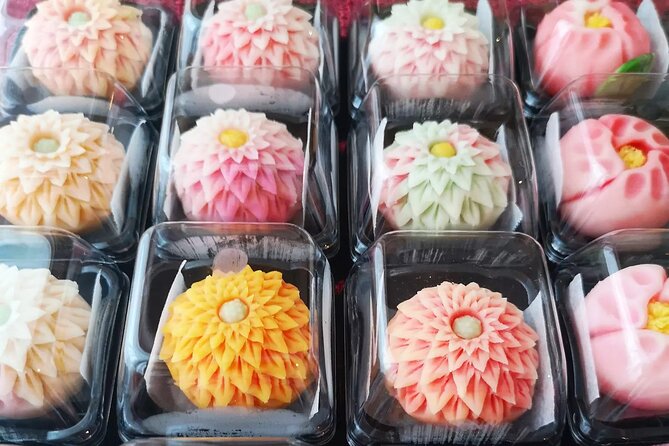
The class takes place in the instructor’s home, rather than in a large commercial kitchen or a crowded food studio. That setting gives the activity a more personal tone. You are being welcomed into someone’s everyday space for a lesson, not moved through a production line.
The home setting also fits the pace of nerikiri. The craft calls for attention and quiet concentration. The atmosphere is described as peaceful and therapeutic, and the small group supports that mood.
A home class is not the right fit for someone seeking a fast, highly polished attraction with constant activity. You spend time listening, shaping, correcting, and trying again. For many people, that slower pace is the reason to book.
The setting can also make the experience feel more connected to local life, though you should keep expectations sensible. This is a craft lesson in a home, not a broad tour of Kyoto culture or a guided visit through several neighborhoods. The value comes from the close instruction and the chance to make something yourself.
Same city, a very different cup:
- Kyoto: Tea Ceremony in a Traditional Tea House in Kiyomizu
★ 4.9 · 3,519 reviews - Kyoto: Tea Ceremony Ju-An at Jotokuji Temple
★ 4.9 · 3,207 reviews - Kyoto: 45-Minute Tea Ceremony Lesson Experience
★ 4.3 · 2,378 reviews - Kyoto: Table-Style Tea Ceremony at a Kyo-Machiya
★ 4.9 · 1,211 reviews
Matcha is part of the lesson, not an afterthought
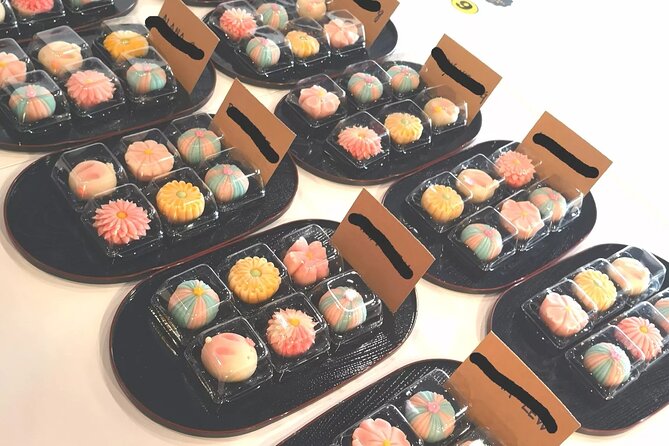
The tea portion gives the sweets their proper setting. Nerikiri is served with tea during Japanese tea ceremonies, so preparing matcha helps explain why the confection is made in such a careful style.
You make the matcha at the table, then taste it with the nerikiri. This is useful for anyone who wants more than a stand-alone cooking class. The session links the shape, texture, sweetness, and tea into one small food experience.
It also gives the class a welcome change of pace. After concentrating on five designs, you move to a simple tea-making ritual and have time to taste what you made. The class is therefore divided between instruction, handwork, and sitting down to enjoy the result.
The information provided does not promise a formal tea ceremony, so do not book it expecting a full ceremonial performance. Think of this as a practical introduction to preparing and enjoying matcha alongside a traditional sweet.
Price and what you receive for $84.92
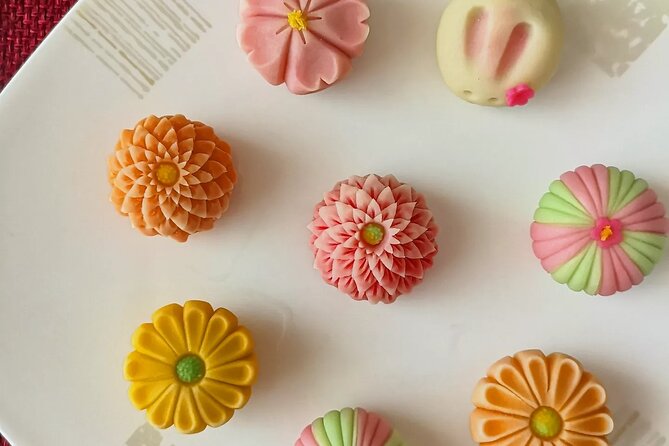
At $84.92 per person, this is not the cheapest food activity in Kyoto. The price makes more sense when you count the full package: about two and a half hours of instruction, five nerikiri, matcha, the tools and teaching needed to make the designs, a container for leftovers, and two dough recipes sent afterward.
You are also paying for a small class. With no more than eight participants, the instructor has a better chance to watch your technique and offer corrections. That matters far more in a delicate craft than it would in a simple tasting session.
The take-home portion adds real value. You do not just leave with a memory and a cup of tea. The remaining nerikiri can be carried away, and the recipes give you a route to practice the dough later.
Still, the value depends on your interests. If you mainly want to eat Japanese sweets, a confectionery shop will cost less and offer more choice. If you want to understand how these sweets are made and try the shaping yourself, the price is easier to justify.
The class is typically booked about 29 days in advance, which suggests that you should not leave it until the last day of a Kyoto visit. Availability is confirmed within 48 hours of booking, subject to availability, so allow time for confirmation before building other plans around it.
Getting there for the 10:00 am start
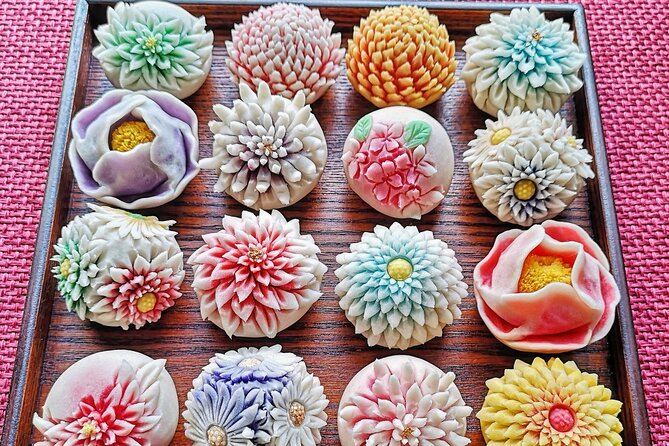
The meeting point is Matsugasaki Station, at Matsugasaki Rokunotsubocho in Sakyo Ward. The class is near public transportation, which makes the morning start easier than a meeting point reached only by taxi.
You need to arrive ready for a 10:00 am beginning. Since the class lasts about two and a half hours, plan for the activity to occupy most of your morning and finish around lunchtime, though the exact end time may vary.
The meeting point and return point are the same. That is helpful if you have afternoon plans elsewhere in Kyoto. You will not need private transportation, and private transportation is not included in the price.
A mobile ticket is provided, so keep the booking information available on your phone. The class does not include a sightseeing route through Kyoto, so allow separate time for getting to Matsugasaki Station and for whatever you plan to do afterward.
Who will enjoy this class most
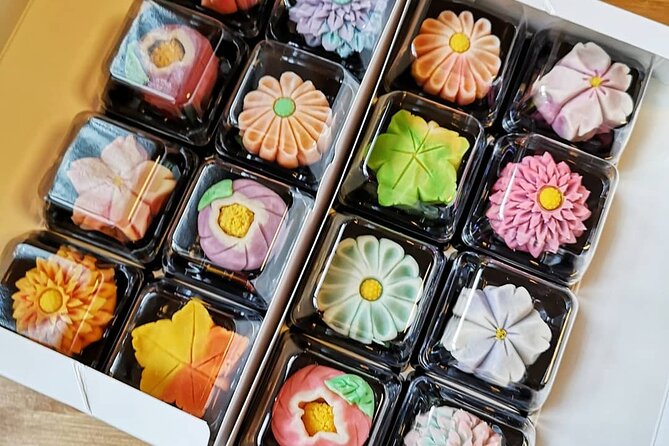
This is a strong choice for anyone who likes hands-on food activities, Japanese sweets, and quiet instruction. It suits people who want to make something rather than simply watch a demonstration.
It is also a good fit for cooks and craft-minded participants who want techniques they can revisit at home. The email recipes are useful here, although the dough itself is prepared before class. You learn the method, but you do not complete every stage from raw ingredients during the session.
Families can consider the class if all participating children are older than 10. Every person attending must take part because the space is limited. There are no spectators, so an adult who wants to watch without joining cannot sit in on the lesson.
The class may also suit couples, friends, or solo participants who prefer a small setting. With a maximum of eight, it should feel more like a shared lesson than a large group event.
I would be cautious about booking it for someone who dislikes fine handwork or sweet bean-based confections. The activity is not built around speed or spectacle. It asks you to focus on small details and accept that handmade results may not be perfect.
What the strong feedback tells you
The highest praise centers on the combination of fun, learning, and calm. That is a useful clue about the class. Its appeal is not one flashy moment. It is the way the pieces fit together: a welcoming home, careful instruction, five small projects, tea, and time to taste what you made.
The instructor’s teaching style also earns emphasis. The guidance is described as precise and well organized, which is important for a craft where the difference between a tidy shape and a misshapen one can come down to a small movement.
The class has been recommended by 100 percent of its 13 ratings, with an overall score of 5. That is a small sample, so I would not treat it as proof that every participant will have the same experience. Still, the praise is consistent around the points that matter most: the lesson feels unique, educational, relaxing, and manageable.
The invitation into the instructor’s home is another meaningful detail. It can help the activity feel warm and personal, though anyone who prefers a formal studio should know that this is a home-based class.
Practical limits to consider before booking
The cancellation policy is strict. The experience is non-refundable and cannot be changed for any reason, so you should wait until your schedule is firm before paying.
The age limit is clear: participants must be older than 10. There are no spectator places, and only people taking the class may attend because space is limited.
The instructor prepares the dough before you arrive. That is efficient, but it means this is primarily a shaping and tea-making class, not a complete from-scratch confectionery workshop. If preparing the dough is the part you most want to learn, make sure the emailed recipes meet your needs.
You should also provide an email address if you want the two dough recipes after class. The container for taking sweets home is provided, but private transportation is not.
Should you book the nerikiri and matcha class?
Book it if you want a quiet, personal Kyoto activity with real participation. The five designs, small group, table-style matcha, take-home sweets, and follow-up recipes make this more useful than a short tasting stop.
It is especially worthwhile for people who enjoy Japanese food culture, careful crafts, or learning a skill they can practice later. The setting in the instructor’s home adds warmth, while the organized instruction keeps the delicate work from becoming frustrating.
Skip it if you want a low-cost snack, a formal tea ceremony, or a full morning of sightseeing. At $84.92, the value rests in the lesson and the small-group attention, not in the amount of food you receive. For the right person, though, five handmade sweets and a cup of matcha can make a memorable Kyoto morning.
FAQ
Where does the nerikiri and matcha class meet?
The class meets at Matsugasaki Station, Matsugasaki Rokunotsubocho, Sakyo Ward, Kyoto, 606-0915, Japan.
What time does the class start?
The scheduled start time is 10:00 am.
How long does the experience last?
The class lasts approximately 2 hours and 30 minutes.
How many nerikiri designs will I make?
You will learn to make five nerikiri designs using different shaping methods and various nerikiri tools.
Can I take the sweets home?
Yes. You can take the remaining nerikiri home, and a container is provided.
Who can attend the class?
Participants must be older than 10. Only people taking part in the class may attend because space is limited, so spectators are not permitted.
Fresh tea listings around Kyoto
- Kyoto: Authentic Tea Ceremony in a Small Group★ 5.0 · 7 reviews
- Uji Walking Tour – Byodo-in temple and Tea Ceremony from Kyoto★ 3.5 · 3 reviews
- Traditional Tea Ceremony in Kyoto★ 4.5 · 3 reviews
- Tea Ceremony Experience in Traditional Kyoto Townhouse★ 5.0 · 19 reviews
- Tea Ceremony in 150 Years Old Townhouse with Tables and Chairs★ 5.0 · 22 reviews
- Tea ceremony at Kyoto’s Zen Temple Teahouse★ 5.0 · 2 reviews
- Sencha-do the Japanese Tea Ceremony Workshop in Kyoto★ 5.0 · 21 reviews
- Silent Beauty of Kyoto Zen Walk and Tea Experience★ 5.0 · 2 reviews
Matcha Experiences, compared.
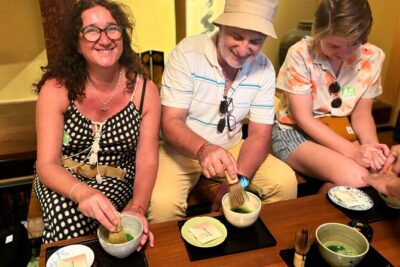
World Heritage Kyoto & Nara Uji Authentic Matcha Experience
Read our review →
Matcha Making Class in Tokyo with Authentic Japanese Sweets Set
Read our review →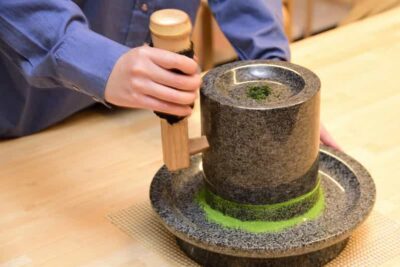
Kyoto: Tea Museum Tickets and Matcha Grinding Experience
Read our review →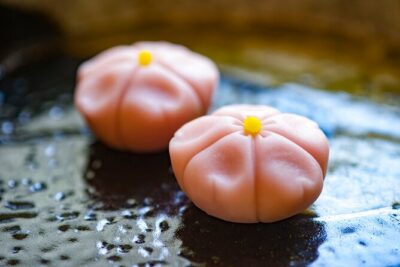
Matcha Making Class in Osaka with Authentic Japanese Sweets Set
Read our review →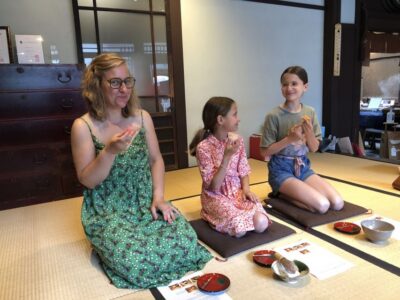
Kyoto: Tea Ceremony Meditation – Make Matcha with Tea Master
Read our review →
Tokyo: Matcha Making Experience with Mochi Sweets in Asakusa
Read our review →
Kyoto: Kimono Tea Ceremony with Matcha and Sweet
Read our review →
Browse the lists this tour appears in