
Review · TEA CEREMONY EXPERIENCES
Tokyo: Tea Ceremony in Shibuya Tokyo
The most rewarding part of this private Shibuya tea ceremony is that you do not only watch. An English-speaking teacher explains the customs, performs Otemae, and then lets you prepare matcha yourself. That hands-on step turns a formal Japanese ritual into something you can understand and remember.
I like the small group size, from one to four people, and the calm setting in a prestigious tea room. I also like the sensible order of events: learn the etiquette, watch the demonstration, taste a traditional sweet, then make your own tea. The main consideration is price. At $81 per person, this is not a quick, cheap cup of matcha, and kimono wear comes at an additional charge.
Key points to know before booking
- Private groups of one to four: You share the ceremony only with your own family or friends, not with a mixed group.
- English-speaking instruction: Teachers explain the ceremony, its background, and its etiquette in English.
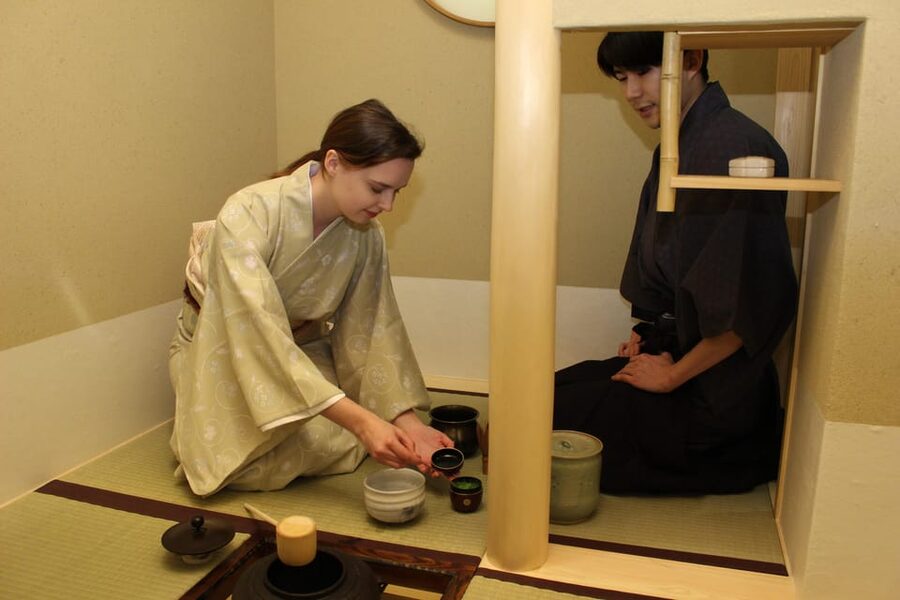
- You prepare your own matcha: After watching Otemae, you take your turn making the tea.
- Japanese sweets are included: Traditional sweets are served before you make and taste your matcha.
- A calm, compact Shibuya activity: A shorter one-hour option has been offered, though the exact duration depends on the plan you choose.
- Kimono and pickup are possible: Kimono wear costs extra, and pickup can be arranged if you contact the provider before booking.
A quiet tea room in the middle of Shibuya
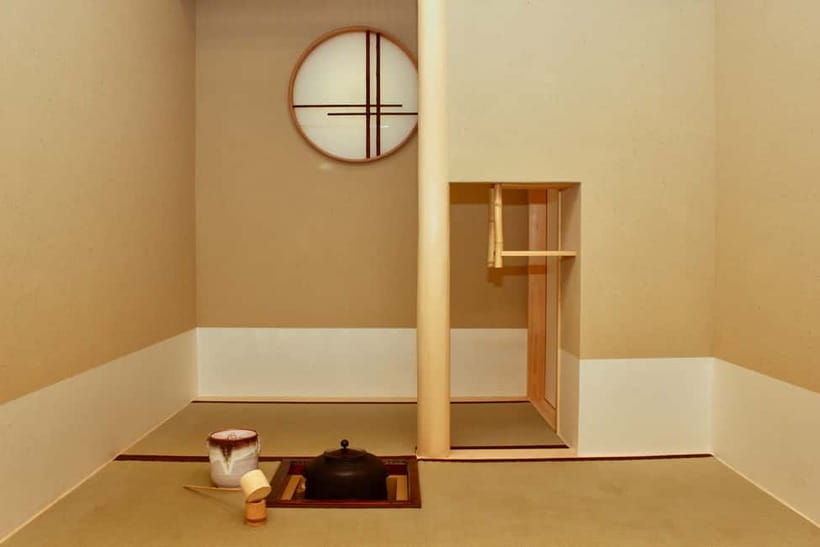
Shibuya is famous for its giant crossing, shopping, music, and bright city energy. This experience offers a very different side of the neighborhood. Inside a formal tea room, your attention shifts to the room, the utensils, the sweets, and the careful movement of preparing matcha.
The setting matters. A tea ceremony is not simply a lesson in making powdered green tea. The gestures, pauses, and manners are part of the experience. You are given a chance to see how a traditional ceremony works in a proper space, rather than treating matcha as a fast café drink.
The exact meeting details and available plans can change, so check the current schedule when you book. The provider also offers pickup if needed, but you should arrange that by email before making your reservation.
More Tea Ceremonies in Tokyo
- Kimono Tea Ceremony at Tokyo, Asakusa Maikoya
★ 5.0 · 638 reviews - Tokyo: Traditional Tea Ceremony with a Tea Master
★ 5.0 · 528 reviews - Tea Ceremony Workshop in Tokyo by the Experienced Instrucor
★ 5.0 · 189 reviews
The opening lesson explains more than tea
The ceremony begins with an explanation of its history, culture, and etiquette. This is an important part of the activity because the formal movements can otherwise seem mysterious. Your teacher explains what you are seeing and gives you the basic rules needed to take part respectfully.
You will learn that the ceremony is built around attention and courtesy. Even small actions have a purpose, from how the tea is presented to how you receive it. The lesson gives you enough context to appreciate the demonstration instead of simply watching a series of unfamiliar gestures.
The instruction is in English, which makes a real difference. You can ask questions and understand why each part is done. This is especially useful for first-time visitors who want more than a photo opportunity.
The pace is another strength. One account describes a shorter one-hour ceremony in which the historical background and the room were explained with calm care before the tea preparation began. That suggests a gentle format rather than a rushed performance, although you should confirm the length of the plan you select.
Watching Otemae, the formal tea preparation
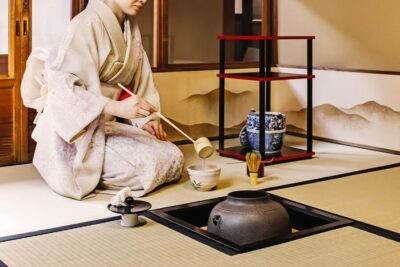
After the introduction, the teacher demonstrates Otemae, the preparation of matcha. This is the moment to watch closely. The point is not only the finished drink, but the method, order, and concentration behind it.
The teacher performs the process so you can see how the tea is made before trying it yourself. Having an experienced instructor demonstrate first helps remove the pressure from your turn. You know what to expect, and you can focus on following the movements rather than guessing.
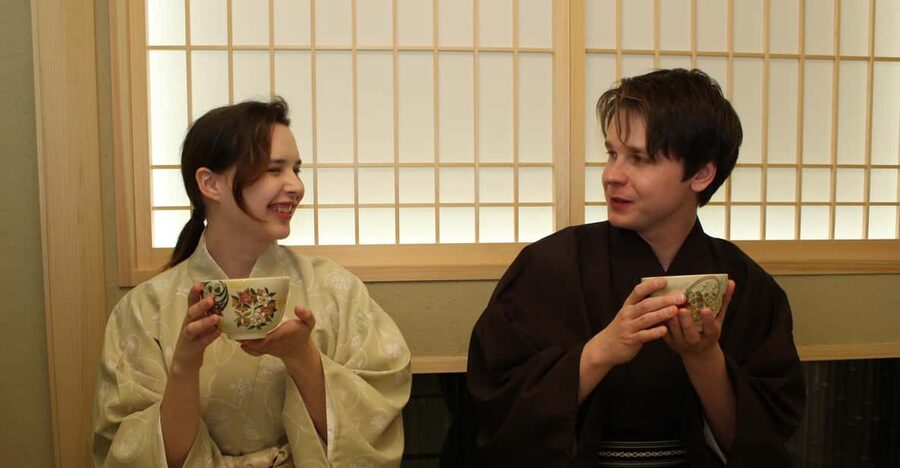
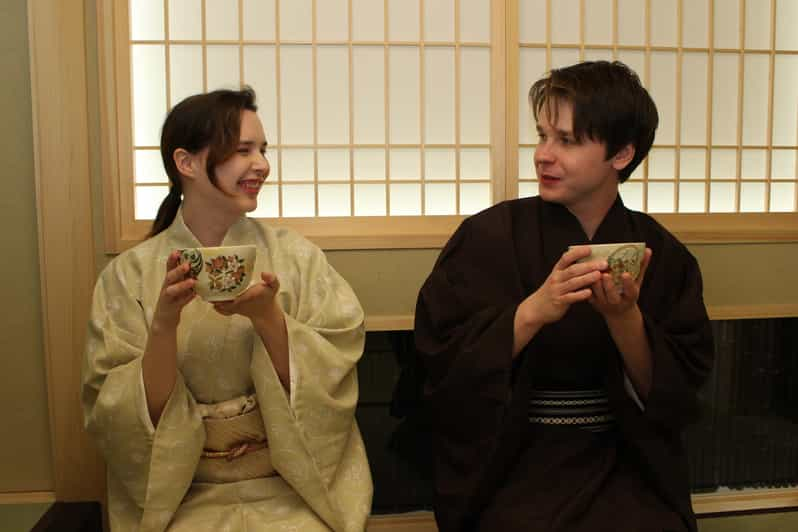
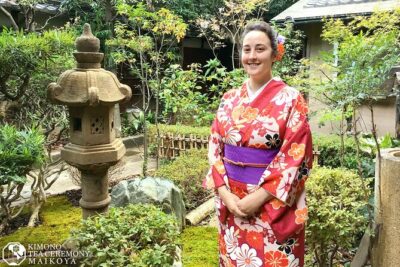
An instructor may wear a kimono during the ceremony, adding to the formal character of the setting. One participant also chose to wear a kimono during the activity, though this carries an extra charge. If dressing for the occasion matters to you, ask about that option before booking rather than assuming it is included in the $81 price.
This part suits people who enjoy craft and ritual. It is less about speed or spectacle, and more about noticing detail. If you prefer a quick tasting with no formal explanation, the ceremony may feel too deliberate. If you like learning how a cultural practice works, the demonstration is central to the value.
Japanese sweets come before your own matcha
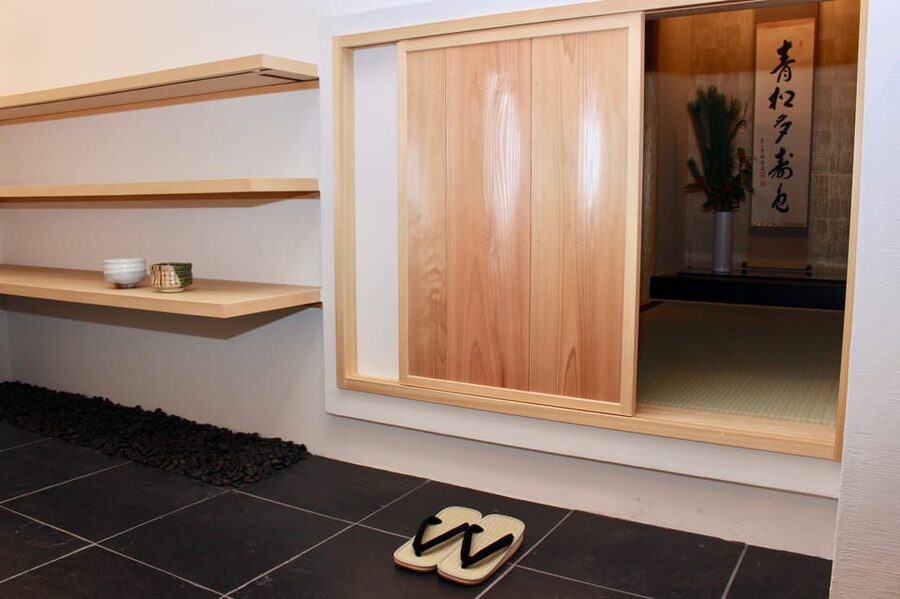
Before you prepare tea, you taste a traditional Japanese sweet. This is not just a snack added to the booking. The sweet balances the strong, grassy taste of matcha and forms part of the proper tea experience.
The contrast is useful for first-time matcha drinkers. Traditional matcha can taste earthy and bitter, while the sweet prepares your palate for it. The tea and sweets are included in the price, so you do not need to budget separately for this part.
The sweets also give the ceremony a small seasonal and cultural touch, although the exact type is not specified. You should not book this expecting a full meal. It is a tasting that accompanies the tea, not lunch or afternoon tea in the Western sense.
Same city, a very different cup:
- Matcha Making Class in Tokyo with Authentic Japanese Sweets Set
★ 5.0 · 744 reviews - Dynamic Tokyo: Tokyo Tower, Tea Experience, Bay Cruise Day Tour
★ 4.5 · 521 reviews - Tokyo: Matcha Making Experience with Mochi Sweets in Asakusa
★ 4.9 · 388 reviews - Asakusa Cultural Walk & Matcha Making Tour
★ 5.0 · 245 reviews
Your turn to make matcha
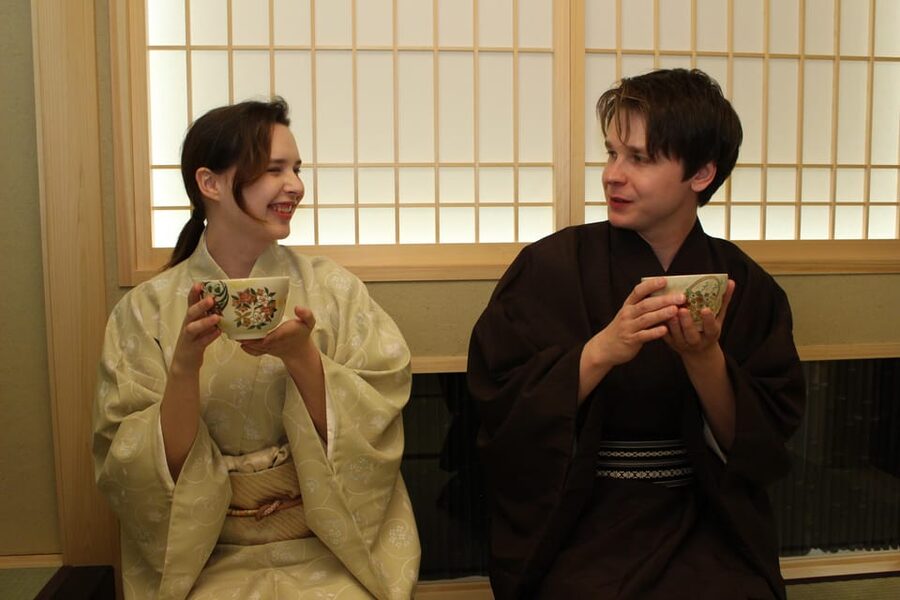
The activity becomes personal when you prepare your own tea. You take what you have just watched and try the process with the teacher’s guidance. This is the feature I would value most for a first visit to Japan, because it changes you from an observer into a participant.
You do not need to arrive with prior tea experience. The class is designed around explanation and demonstration, so the teacher leads you through the process. Your result may not look as polished as the instructor’s, and that is part of the fun. The goal is understanding the ritual, not passing a tea-making examination.
After making the matcha, you taste it with the Japanese sweet. That final cup has more meaning because you prepared it yourself. You have also seen the formal version, learned the manners, and understood the purpose of the steps.
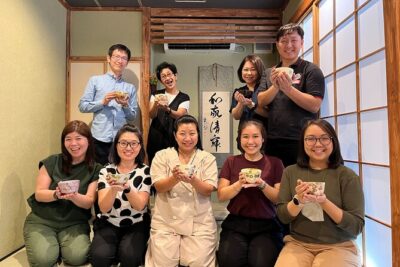
The activity is private for your group, with a maximum of four people and no mixed sessions. That makes it well suited to couples, families, and close friends. A private format also lets you ask questions without worrying about holding up a large class.
What the $81 price includes
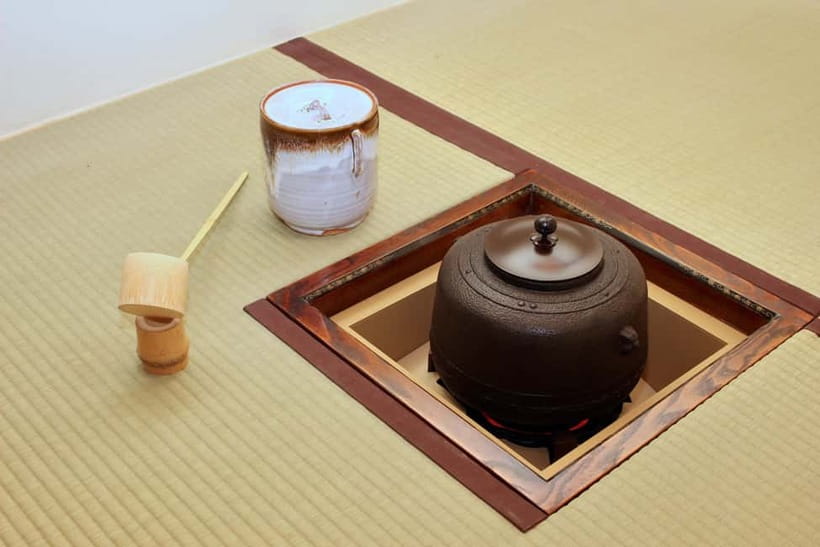
The $81 per-person price includes the tea, traditional sweets, facility charges, and taxes. That is a useful all-in figure, since you are not adding a separate room fee or tax at the end.
For value, compare this with the kind of visit you want. If you only want to drink matcha, a café will cost less and take less time. This booking makes more sense if you want a structured cultural lesson, a formal setting, personal instruction, and the chance to prepare the tea yourself.
The small private group is a major part of the price. You are paying not only for a drink, but for an English-speaking teacher’s time and a reserved experience for up to four people. For a family or group of friends, the cost may feel more reasonable when shared as a private cultural activity rather than four separate tickets to a public class.
Kimono wear is not included. One participant paid extra to wear one during the ceremony. Souvenirs are also available, including items such as Pokemon figures made from kimono material. These can be appealing if you want a small Tokyo keepsake, but treat them as optional purchases rather than part of the advertised value.
Who will enjoy this Shibuya tea ceremony
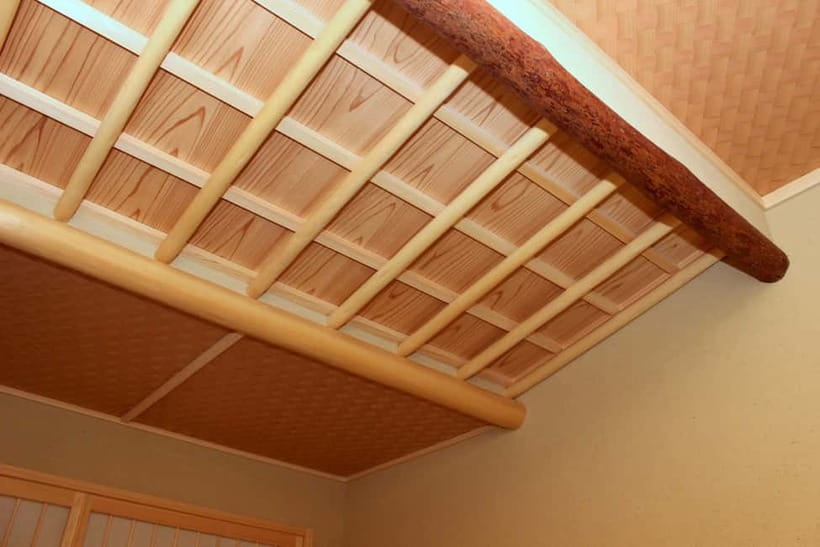
This activity is a good fit if you want a cultural experience that is easy to understand in English and does not require a full-day trip outside Tokyo. It works especially well for:
- First-time visitors who want context for Japanese tea customs
- Couples looking for a quiet shared activity
- Families who prefer a private class
- Small groups of friends
- Anyone interested in Japanese etiquette, craft, and traditional sweets
- Visitors who want to wear a kimono for an added fee
It is less suitable if you want a casual, drop-in tasting or a large social class. The ceremony has a formal rhythm, and the value comes from paying attention. It may also disappoint anyone expecting a substantial meal, since the included food is tea and traditional sweets.
Children can be part of a booking if the group remains within the stated limit of one to four people, but the supplied details do not specify an age policy. If you are booking for young children, ask the provider directly about suitability.
Clothing, pickup, and practical details
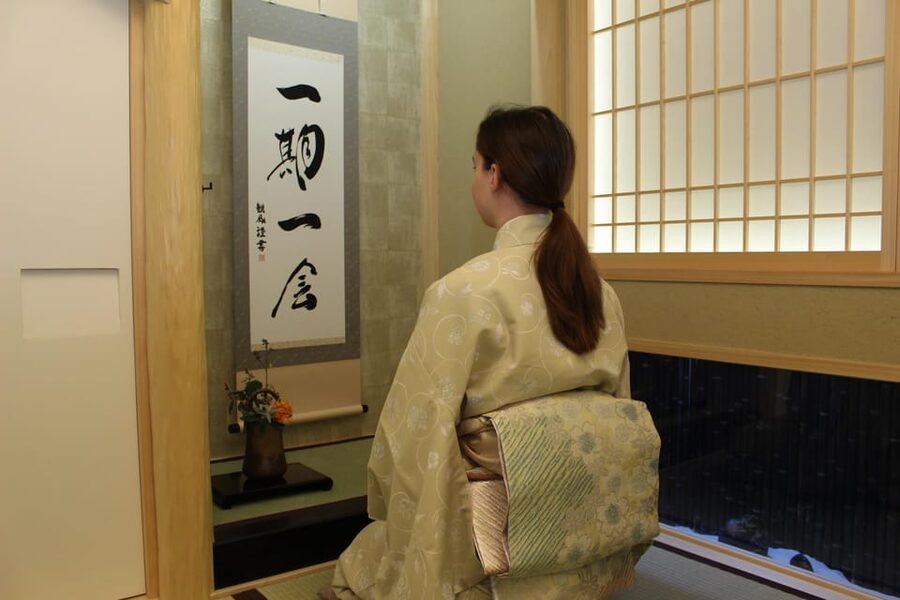
You do not need to bring special equipment. If possible, wear a skirt or trousers long enough to cover your knees. If your clothing is not suitable, the provider can lend you pants or a wrap skirt free of charge.
Pickup service is available if needed, but you must contact the provider by email before booking. The listed contact is [email protected]. This is worth arranging early if you are unfamiliar with Shibuya or want help reaching the tea room.
The activity is offered in English. The exact dates and plans may vary, so check the provider’s website at shibuya-travel.tokyo before you settle your schedule. Booking and payment are required in advance, but a reserve-now, pay-later option is available. You can cancel up to 24 hours ahead for a full refund.
These policies make the experience easier to fit into a busy Tokyo itinerary. Still, I would not leave it until the last minute if you have a fixed date, especially since the private format limits each booking to four people.
The teaching style and personal atmosphere
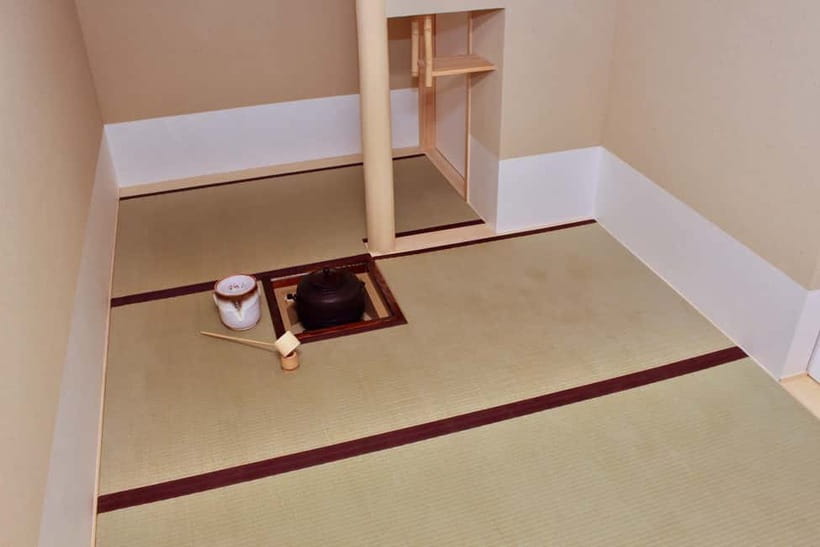
The strongest praise for this experience centers on the welcome, the calm instruction, and the feeling of stepping briefly into another rhythm of life. Mako-san is specifically praised as a charming and well-informed teacher, and her gentle approach is part of what makes the lesson memorable.
That personal touch matters in a tea ceremony. A stiff explanation could make the rules feel remote. A warm teacher helps you understand the meaning behind them and feel comfortable when it is your turn to make tea.
The setting is also described as taking participants back in time. That does not mean you should expect a museum display or a theatrical show. It means the room, dress, utensils, and formal preparation create a clear break from ordinary sightseeing.
I would set aside time afterward rather than rushing straight to another appointment. One of the pleasures of the activity is leaving in a calmer frame of mind. You will get more from it if you allow the experience to be more than another item to check off in Shibuya.
Is this private tea ceremony worth booking?
Book this experience if you want to understand the ceremony, not just taste matcha. The best reasons are the private group format, English instruction, traditional sweets, and the chance to prepare your own tea after watching the teacher.
At $81, it is a considered purchase. You are paying for privacy, teaching, the tea room, and a carefully guided cultural activity. If you are on a tight budget or only want a drink, choose a café instead. If you want a compact but meaningful introduction to Japanese tea culture, this is a strong choice for a couple, family, or small group.
The most useful booking tip is to confirm the plan length, ask about kimono availability and extra cost, and arrange pickup in advance if you need it. For a calm hour or so away from Shibuya’s louder attractions, this ceremony offers a thoughtful look at one of Japan’s most distinctive traditions.
FAQ
Where does the tea ceremony take place?
The experience takes place in a prestigious tea room in Shibuya, Tokyo, on Honshu, Japan.
How many people can join one booking?
Each private booking is for one to four people. Mixed sessions with other groups are not arranged.
Is the class taught in English?
Yes. The classes are led by English-speaking teachers experienced in tea.
What is included in the $81 price?
The price includes the tea, traditional Japanese sweets, facility charges, and taxes.
Do I need to bring anything?
You do not need to bring anything in particular. If possible, wear a skirt or pants that cover your knees. Suitable pants or a wrap skirt can be lent to you free of charge.
Is kimono rental included?
No. Kimono wear is available at an additional charge. Contact the provider before booking if you want to arrange it.
Fresh tea listings around Tokyo
- Yokohama : Tea Ceremony with Sweets and Souvenir★ 5.0 · 5 reviews
- Walking Tour: Yanaka,Nezu& Sendagi: Tea Ceremony & Old Tokyo★ 5.0 · 3 reviews
- Private Mochi・Matcha sweets Making Class Near Shibuya Area★ 5.0 · 22 reviews
- Private Kimono and tea ceremony at local home near Tokyo Disney★ 5.0 · 6 reviews
- 2 Hours Mochi &Nerikiri Making & Matcha Class in Bunkyo★ 5.0 · 21 reviews
- Kimono and Tea Ceremony in Asakusa Private Food Tour With Guide★ 5.0 · 4 reviews
- Tokyo: Tea Ceremony & Japanese Sweets Making★ 5.0 · 10 reviews
- Tokyo Sweets Tour: Hidden Gems & Matcha at an Old Tea House★ 5.0 · 6 reviews
Tea Ceremony Experiences, compared.
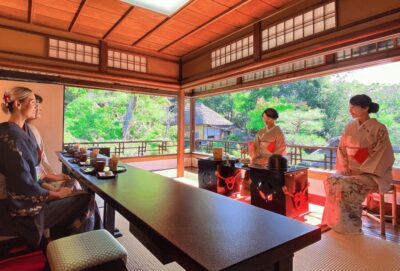
Kyoto: Tea Ceremony in a Traditional Tea House in Kiyomizu
Read our review →
Kyoto: 45-Minute Tea Ceremony Lesson Experience
Read our review →
Kyoto: Table-Style Tea Ceremony at a Kyo-Machiya
Read our review →
Browse the lists this tour appears in