
Review · TEA CEREMONY EXPERIENCES
Tokyo: Tea Ceremony Experience
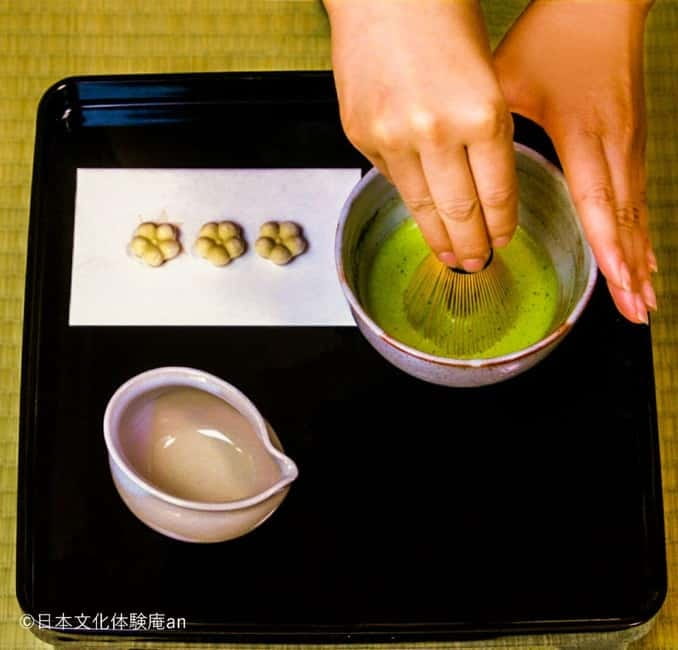
Tokyo’s tea culture becomes refreshingly simple here: you learn the basics, watch matcha being ground, then prepare your own cup instead of sitting through a long formal ceremony. The session costs only $7 and includes a Japanese ohigashi sweet, making it an easy cultural stop between sightseeing plans.
I especially like the single-origin matcha, which gives this short activity more character than a generic green-tea tasting. I also like the relaxed format, since you can come alone or with a group and still get a hands-on introduction. The main consideration is language: the instructor is Japanese, and English translation is offered as much as possible, not guaranteed throughout.
Key points at a glance
- A hands-on first taste: You make your own matcha after a short explanation.
- Single-origin tea: The experience uses special matcha rather than an unspecified powder.
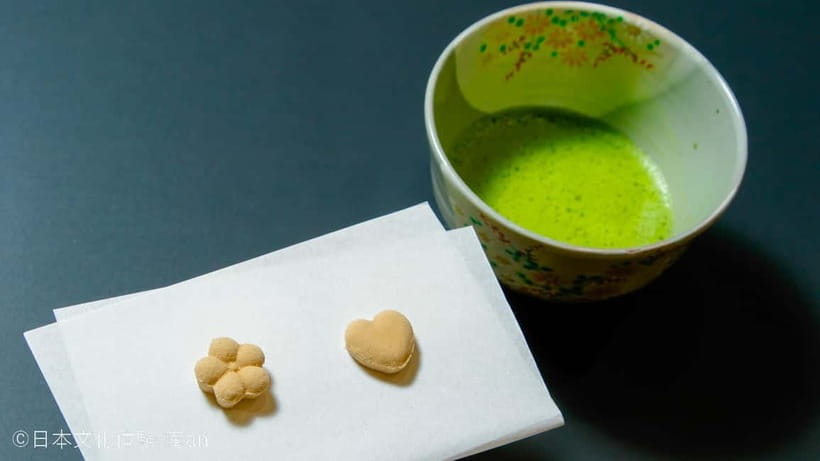
- A traditional sweet included: Your tea comes with ohigashi, a small Japanese confection.
- Only 30 minutes: It fits neatly into a day of Tokyo sightseeing.
- Good value at $7: The low price makes this an easy add-on for solo visitors and groups.
- Japanese-led instruction: Expect Japanese as the main language, with English assistance when possible.
A short tea lesson that keeps things moving
The appeal here is not a grand, formal tea ceremony lasting an hour or more. It is a compact introduction to the key ideas, followed by the pleasure of making and drinking matcha yourself.
The experience begins with an explanation of tea. This opening matters because matcha is more than an ordinary cup of green tea. The powder is whisked into water, so you drink the tea leaf itself rather than steeping and removing the leaves. Even a brief lesson helps you understand why the preparation looks different from making a normal cup of tea.
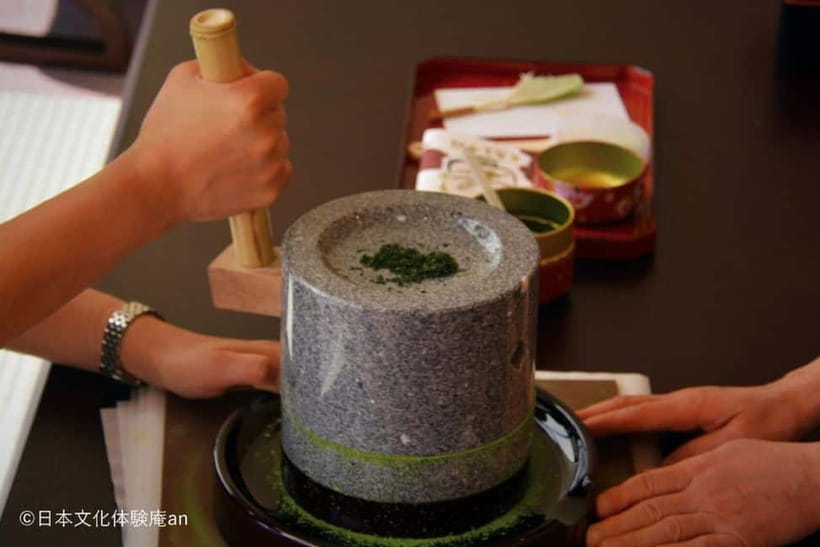
You then watch a demonstration of matcha being ground. That small detail gives the session a useful sense of process. You are not simply handed a prepared drink. You see one step behind the finished cup, then move on to the tea-ceremony experience and make your own matcha.
The description calls this OTE-MAE, the Japanese tea ceremony set. The format is casual, so you should not expect a full formal tea-school performance with an elaborate sequence of rituals. That is a benefit if you want a first taste of tea culture without needing to know the rules in advance.
More Tea Ceremonies in Tokyo
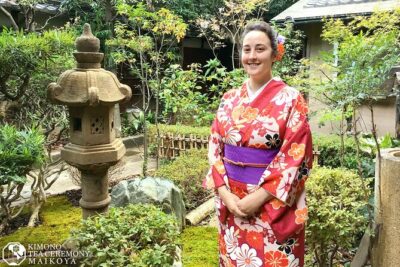
- Kimono Tea Ceremony at Tokyo, Asakusa Maikoya
★ 5.0 · 638 reviews - Tokyo: Traditional Tea Ceremony with a Tea Master
★ 5.0 · 528 reviews - Tea Ceremony Workshop in Tokyo by the Experienced Instrucor
★ 5.0 · 189 reviews
Making your own matcha
The hands-on part is the heart of the visit. After the explanation and grinding demonstration, you prepare your own matcha under instruction. This gives you something to do and remember, rather than turning the activity into a simple drink stop.
I like this format for first-time visitors because it removes some of the pressure that can come with formal Japanese customs. You are introduced to the process, then invited to take part. The word casually is important here. The experience aims to make matcha approachable, not intimidating.
The use of single-origin special matcha is another plus. The available information does not name the tea-growing region or provide tasting notes, so I would not book this expecting a detailed lesson in Japanese tea production. Still, the single-origin detail suggests more care than an anonymous powdered drink, and it gives you a clear point of comparison if you try matcha elsewhere in Japan.
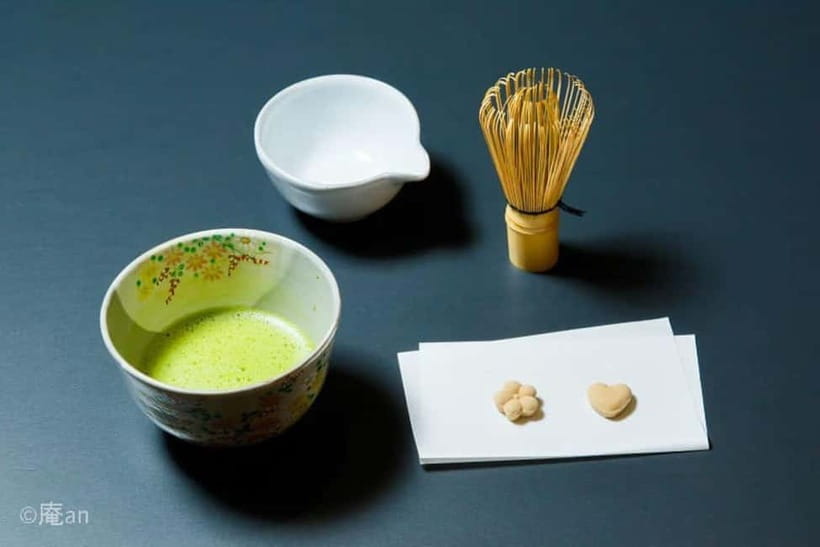
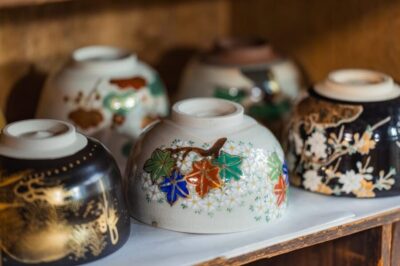
Your cup is paired with ohigashi, a traditional Japanese sweet. Ohigashi are generally made as dry sweets, often with a refined shape or design, and they are commonly served alongside tea. No specific flavor or design is given for this session, so the exact sweet may vary. Its role is clear, though: it gives you a small sweet bite with the matcha and shows how tea and confectionery are enjoyed together.
The 30-minute schedule
The timing is tightly arranged:
- At the start, you receive an explanation about tea.
- Next comes the matcha-grinding demonstration.
- You take part in the tea-ceremony experience.
- Picture time follows.
- Around 20 minutes, the formal activity ends and eating and drinking time begins.
- At 30 minutes, you leave the room.
This structure makes the activity easy to fit into a busy Tokyo day. You can schedule it between nearby plans without giving up half a morning or afternoon. The final 10 minutes are for enjoying the tea and sweet, taking pictures, and finishing without a rush inside the room.
Do not arrive late and expect the session to wait. The operator says the event cannot be held for delayed arrivals, regardless of the reason. Build in enough time to find AN TOKYO Japanese Culture Experience, especially if you are coming from a station or navigating an unfamiliar Tokyo neighborhood.
The exact group size is not provided, but the activity accepts individuals and groups. That makes it flexible for a solo visit, a couple, or a family outing. Children under two who sit on a parent’s lap are free, while anyone who takes part in the experience must be included in the booking.
What the language setup means for you
The instructor’s language is Japanese. English translation is provided as much as possible, and you can contact the operator if you would like English support added.
That wording calls for realistic expectations. You should be able to follow the physical demonstration and copy the preparation steps, even if every spoken detail is not translated. The activity is practical, and much of the learning comes from watching and doing. Still, if you want a detailed lecture about tea history, utensils, etiquette, or regional production, the language arrangement may limit how much explanation you receive.
A simple approach helps. Watch the demonstration closely, follow the instructor’s movements, and ask about English support in advance. The experience is likely to work best for you if you see it as a hands-on cultural introduction rather than a long, fully translated seminar.
The feedback supports that balance. One French-speaking participant described the explanations as quick but interesting. That is a fair way to picture the session: brief instruction, a clear activity, and little wasted time.
Same city, a very different cup:
- Matcha Making Class in Tokyo with Authentic Japanese Sweets Set
★ 5.0 · 744 reviews - Dynamic Tokyo: Tokyo Tower, Tea Experience, Bay Cruise Day Tour
★ 4.5 · 521 reviews - Tokyo: Matcha Making Experience with Mochi Sweets in Asakusa
★ 4.9 · 388 reviews - Asakusa Cultural Walk & Matcha Making Tour
★ 5.0 · 245 reviews
A kind response when plans go wrong
One useful detail came from a February 2026 booking. A visitor had transportation trouble and arrived late, yet described the guide as very lovely and helpful in that situation.
That is encouraging, but do not treat it as permission to arrive late. The formal rule says the event will not be held for delays. The practical lesson is simpler: the staff may be understanding when problems occur, but you should still plan to arrive on time and contact the operator if transport trouble affects you.
This small activity has a human side that matters. A tea ceremony can feel stiff if the host is distant or the instructions are hard to follow. A friendly instructor makes the short session easier, especially for people who are new to matcha or unsure about Japanese etiquette.
No guide names are provided, so you cannot request a particular instructor. The provider is listed as 日本文化体験 庵an東京, also written as AN TOKYO.
Why the $7 price is hard to beat
At $7 per person, this is one of the easier Tokyo cultural activities to justify. You get a short tea explanation, a matcha-grinding demonstration, your own tea-making experience, matcha to drink, an ohigashi sweet, and picture time.
The value comes from participation. If the session only gave you a cup of tea, the price would still be modest, but the hands-on preparation makes it more useful. You get a small activity, a cultural context, and a taste of a traditional pairing in one half-hour stop.
The 4.1 rating from 23 reviews suggests a generally positive response with some room for variation. The strongest praise centers on value, the friendly handling of a transport problem, and the activity itself being enjoyable. One person called it great value for money, while several gave it five stars and described it as very nice.
I would compare this price with the time you have, not with the cost of a full formal tea ceremony. If you want ceremony, detailed etiquette, a large setting, or a long host presentation, this is not the right comparison. If you want an affordable introduction that leaves room for other Tokyo plans, the price is excellent.
The best place for it in your Tokyo day
This activity works as a short cultural pause. You can place it between sightseeing stops, use it as a calm break after a busy morning, or book it early in your visit to give later tea experiences more context.
The operation hours are 10:00 to 17:00. Reservations received after 17:00 are processed the next day, so do not assume that a late-evening booking request will receive an immediate response.
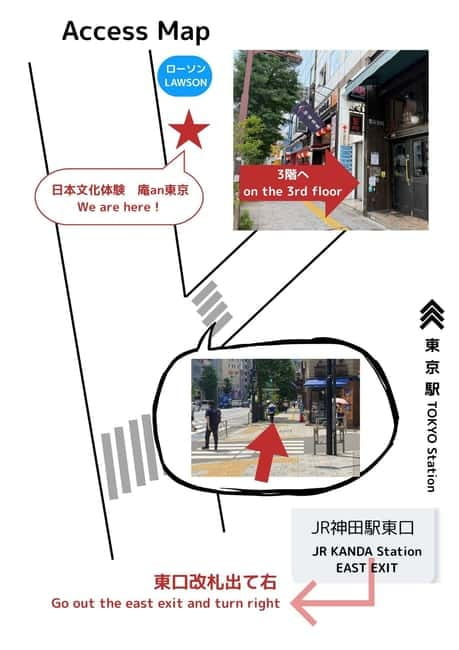
The meeting point is AN TOKYO Japanese Culture Experience at coordinates 35.6916541, 139.7715022. The supplied information does not name a nearby station or provide walking directions, so check the map carefully before setting out. Since the session is short and cannot wait for late arrivals, the meeting point deserves more attention than its low price might suggest.
The room departure at 30 minutes gives you a firm end time. That is useful if you have a timed restaurant booking, a museum entry, or another tour afterward. Allow extra time for finding the venue, since the stated 30 minutes covers the activity and room departure, not your journey to the meeting point.
Who will enjoy this most
I would recommend this to first-time matcha drinkers, people who want a small cultural activity, and anyone building a Tokyo schedule around short stops. It also suits couples, families with young children, and groups that want something everyone can do together.
Solo visitors should feel comfortable booking. The description specifically welcomes one person as well as a group, and the activity does not depend on bringing a large party.
It is also a good choice if you are curious about Japanese customs but do not want a highly formal setting. The instructor explains the tea, demonstrates grinding, and lets you prepare your own drink. You get a taste of the tradition without having to master every rule before you begin.
I would be more cautious if your main goal is advanced tea knowledge. The session is only 30 minutes, explanations can be quick, and Japanese is the main language. You may find it too short if you want a detailed account of tea-growing regions, utensils, school traditions, or the history of the ceremony.
Likewise, do not book it as a food tour. The included sweet is one ohigashi accompaniment, not a broader tasting menu.
Booking details worth knowing
You can cancel up to 24 hours in advance for a full refund. After that point, a cancellation fee applies, and changing the date or time after a fee has been incurred can bring another specified charge.
The operator also says it cannot compensate you for transport expenses if you cancel. That is a useful reminder to check your Tokyo route before booking, especially if your schedule depends on several train connections.
A completion certificate is available for an additional 300 JPY. If you want a nominative certificate, provide the names in advance. Otherwise, the name section will be left blank. The certificate is optional and is not part of the $7 experience.
Only people taking part may enter. If someone in your party plans to wait inside without participating, check with the operator first, since the stated rule does not allow nonparticipants to enter.
Should you book the AN TOKYO tea experience?
Book it if you want an inexpensive, hands-on introduction to matcha that fits into half an hour. The single-origin tea, ohigashi sweet, grinding demonstration, and chance to prepare your own cup give the session more substance than a quick café stop.
Skip it if you want a long, formal ceremony or detailed English instruction. The Japanese-led format and short explanations are the main limitations.
For $7, the risk is small, and the schedule is easy to fit into Tokyo sightseeing. Arrive early, confirm the meeting point, request English help in advance if needed, and treat the activity as a friendly first step into tea culture rather than a complete study of it.
FAQ
How long does the Tokyo tea ceremony experience last?
The full experience lasts 30 minutes. The main activity finishes around 20 minutes, followed by eating and drinking time, and room departure at 30 minutes.
How much does the experience cost?
The listed price is $7 per person. A completion certificate costs an additional 300 JPY.
What is included?
The experience includes a set of OTE-MAE, or Japanese tea ceremony, with tea instruction, a matcha-grinding demonstration, tea preparation, matcha, an ohigashi sweet, and picture time.
Is the matcha made by the participant?
Yes. After a brief explanation and a matcha-grinding demonstration, you can make your own matcha and enjoy it casually.
What language does the instructor speak?
The instructor is Japanese, and Japanese is the listed language. English translation is provided as much as possible, and you can contact the operator if you would like to request it.
Where does the activity meet?
It meets at AN TOKYO Japanese Culture Experience, at coordinates 35.6916541, 139.7715022.
What are the operating hours?
The operating hours are 10:00 to 17:00. Reservations received after 17:00 are processed the next day.
Can I cancel for a full refund?
Yes. You can cancel up to 24 hours in advance for a full refund. Cancellation fees apply after that point.
Are young children charged?
Children under two who sit on a parent’s lap are free. Anyone who participates in the experience must be included as a participant.
Fresh tea listings around Tokyo
- Yokohama : Tea Ceremony with Sweets and Souvenir★ 5.0 · 5 reviews
- Walking Tour: Yanaka,Nezu& Sendagi: Tea Ceremony & Old Tokyo★ 5.0 · 3 reviews
- Private Mochi・Matcha sweets Making Class Near Shibuya Area★ 5.0 · 22 reviews
- Private Kimono and tea ceremony at local home near Tokyo Disney★ 5.0 · 6 reviews
- 2 Hours Mochi &Nerikiri Making & Matcha Class in Bunkyo★ 5.0 · 21 reviews
- Kimono and Tea Ceremony in Asakusa Private Food Tour With Guide★ 5.0 · 4 reviews
- Tokyo: Tea Ceremony & Japanese Sweets Making★ 5.0 · 10 reviews
- Tokyo Sweets Tour: Hidden Gems & Matcha at an Old Tea House★ 5.0 · 6 reviews
Tea Ceremony Experiences, compared.
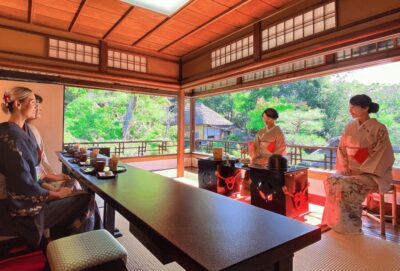
Kyoto: Tea Ceremony in a Traditional Tea House in Kiyomizu
Read our review →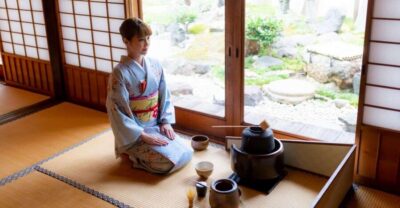
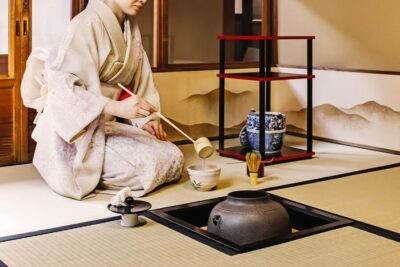
Kyoto: 45-Minute Tea Ceremony Lesson Experience
Read our review →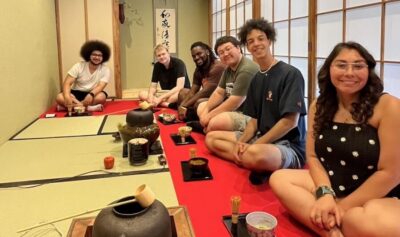
Kyoto: Table-Style Tea Ceremony at a Kyo-Machiya
Read our review →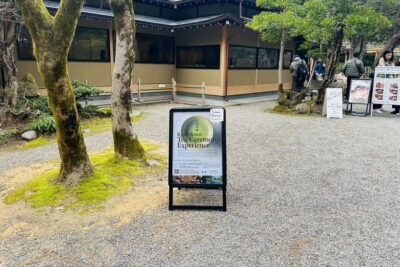
Browse the lists this tour appears in