
Review · TEA CEREMONY EXPERIENCES
Osaka: Traditional Tea Ceremony Experience
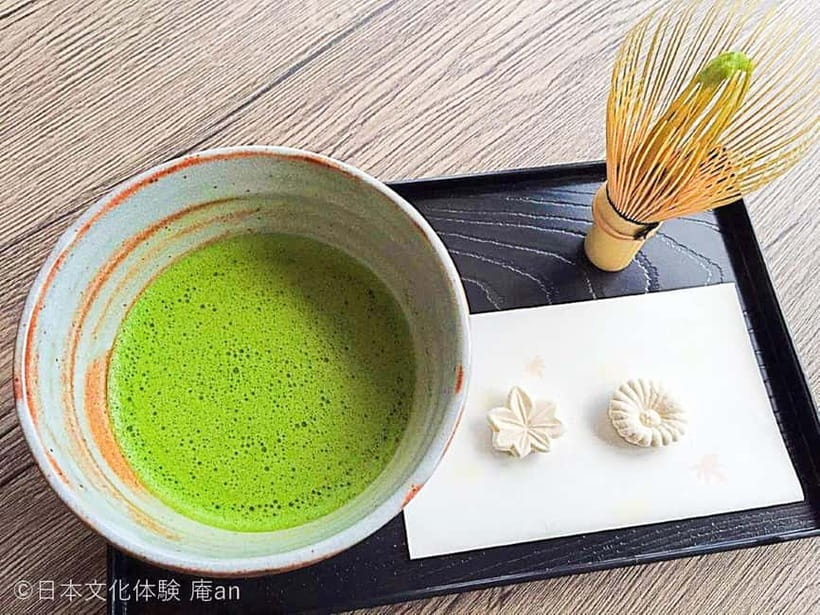
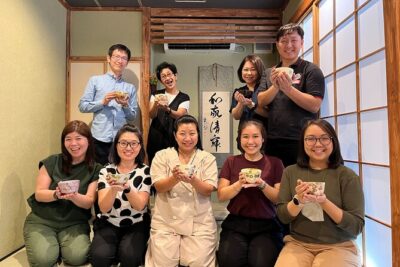
The best thing about this Osaka tea ceremony is its easy pace. In only 30 minutes, you learn the basic steps, watch matcha being ground, prepare your own cup, and enjoy it with a traditional Japanese sweet. You do not need prior tea knowledge or a long stretch of free time.
I especially like the use of single-origin special matcha, rather than treating the tea as a simple green drink. I also like the relaxed format, which lets you take part alone or with a group. The main drawback is that the instruction is officially in Japanese, though English translation can be provided as much as possible if you ask ahead.
Key points at a glance
- Make your own matcha: You prepare the tea yourself after a short explanation.
- Watch matcha being ground: The demonstration gives you a closer look at how the tea begins.
- Taste single-origin tea: The matcha is presented as a special, single-origin tea.
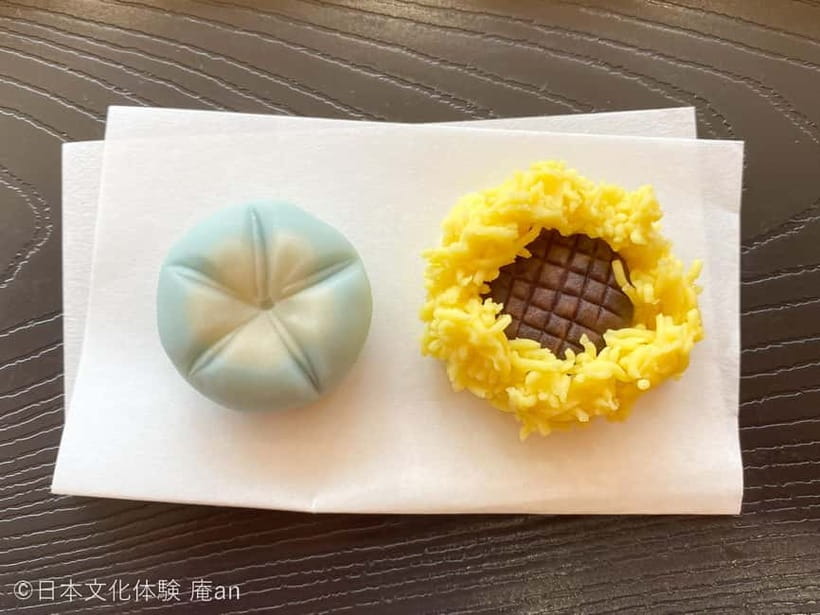
- Enjoy ohigashi sweets: Japanese dry sweets are served with the tea.
- Easy central location: The venue is one minute from Higobashi Station Exit 10.
- Only 30 minutes: This fits neatly into a busy day of sightseeing in Osaka.
Why This Tea Ceremony Works for a Busy Osaka Day
Many cultural activities ask you to set aside half a day. This one does not. The scheduled program takes 30 minutes from arrival through departure, making it a practical stop between museums, shopping, meals, or sightseeing around central Osaka.
That short length is not a weakness for everyone. If you want a formal, highly detailed study of tea ceremony traditions, this will feel brief. If you want a clear introduction and a chance to handle the tea yourself, the compact format is useful. You get the main elements without committing to a long sitting.
I would think of this as a cultural pause rather than a full ceremonial school. You are given an explanation, see how matcha is prepared, take part in the tea-making, and then have a little time to drink and eat. The tone is designed to make Japanese tea approachable, not intimidating.
The setting is AN Japanese Culture Experience, operated by B.B.Advisors Inc. AN OSAKA. The instructor is Japanese, and the official activity language is Japanese. English assistance is available as much as possible if you contact the provider, so make that request before the day of your visit rather than assuming every explanation will be in English.
More Tea Ceremonies in Osaka
- Osaka: Tea Ceremony Experience
★ 4.9 · 1,426 reviews - Tea Ceremony Experience in Osaka Doutonbori
★ 5.0 · 754 reviews - Osaka: Tea Ceremony, Calligraphy, and Kimono Experience
★ 4.9 · 130 reviews
The Opening Lesson: A Simple Introduction to Tea
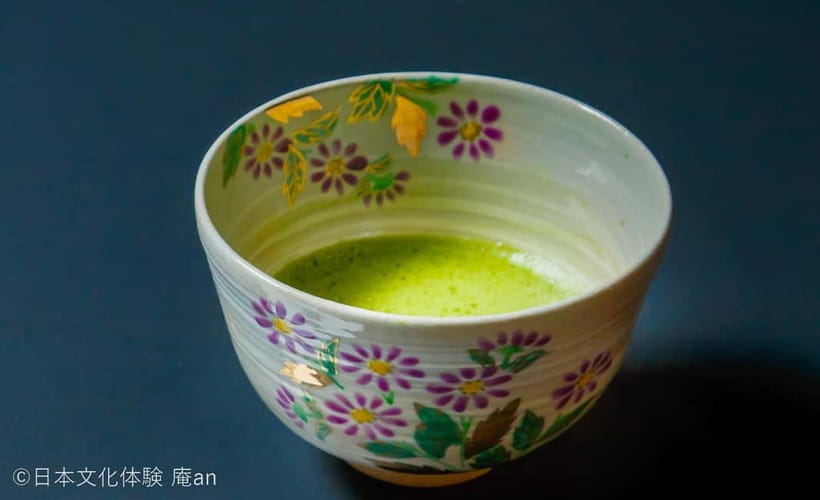
At the start, the instructor explains the tea portion of the activity. The supplied schedule does not give a full script, so the exact depth of the talk may vary, but you can expect a brief introduction before the practical part begins.
This opening matters because matcha is not simply poured from a packet into hot water. The preparation has its own order and movements, and the lesson gives you a framework for what you are about to do. Even a short explanation can help you notice the texture, color, and method instead of rushing straight to the first sip.
The experience is intended for beginners. You can attend by yourself or join as part of a group, and no prior tea ceremony training is required in the information provided. That makes it a good choice for families with older children, couples, solo visitors, and anyone who wants a small cultural activity without a formal background.
The activity is called an OTE-MAE Japanese tea ceremony experience. Here, that means you receive a set program that includes the tea lesson, matcha preparation, and the related tasting time. The format is casual enough for sightseeing, but still gives you a direct connection with a traditional Japanese practice.
Watching Matcha Being Ground
One of the more interesting parts is the matcha-grinding demonstration. Before you make your own tea, you can watch how the matcha is ground. This adds a useful visual step that many quick tea tastings leave out.
The demonstration helps show that matcha is made from tea leaves ground into a fine powder. You are not only handed a finished drink. You see part of the process behind it, then move on to the preparation yourself.
The information does not specify how long the demonstration lasts or whether each participant operates the grinder. I would not book this expecting a long workshop devoted entirely to grinding. It is one part of a short program, alongside the explanation, tea ceremony, and tasting.
Still, it gives the activity more substance than a simple cup of matcha at a cafe. You see the ingredient in a different form and can pay closer attention to the tea you later drink.
Making Your Own Cup of Matcha
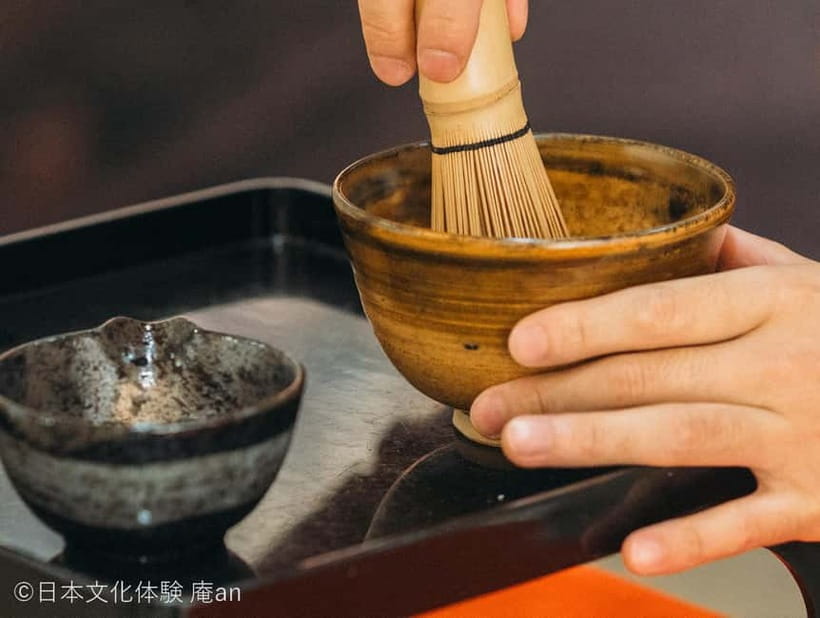
After the demonstration, you prepare your own matcha. This is the central hands-on part of the program. The instructor first gives you the basic method, then you put it into practice.
That personal involvement is important. Watching someone else make tea can be pleasant, but preparing your own cup makes the lesson easier to remember. You have a clear task, and the short format keeps the activity moving.
The tea used here is described as special single-origin matcha. The supplied information does not identify the farm, region, cultivar, or harvest date, so you should not expect a detailed tea-tasting lecture on those points. Still, the single-origin detail suggests that the tea is being presented as a distinct product rather than an unnamed powder.
You may notice the matcha’s strong flavor and powdery texture, especially if this is your first cup. That is part of the point. Matcha is different from the clear, steeped green tea many people know. The experience gives you a chance to try it in the setting where its preparation and presentation matter.
The approach is casual, not stiff. That makes it less stressful for beginners who worry about making a mistake. You are there to learn the basic process and enjoy the cup, not to pass an examination in tea etiquette.
Same city, a very different cup:
- Matcha Making Class in Osaka with Authentic Japanese Sweets Set
★ 5.0 · 509 reviews - Osaka: Matcha Making Experience with Japanese Sweets
★ 5.0 · 146 reviews - Osaka: Japanese Traditional Sweets Making and Tea Ceremony
★ 4.7 · 118 reviews - Osaka Temple Cool Foot Bath & Matcha Experience〈45min〉
★ 4.9 · 82 reviews
Ohigashi Sweets and the Tasting Time
The matcha comes with ohigashi, a type of Japanese dry sweet. These sweets are traditionally made to accompany tea, and their mild sweetness can balance matcha’s sharper, grassy flavor.
This small food pairing makes the tasting feel more complete. You are not simply drinking a beverage and leaving. You get a taste of how tea and sweets can work together in Japanese presentation.
The schedule places the main experience first, followed by eating and drinking time. The listed timing shows the tea portion beginning at the start, the formal experience ending around 20 minutes, and the remaining time used for eating, drinking, photos, and departure by the 30-minute mark.
That leaves a fairly quick window for enjoying the cup. If you like to sit quietly over tea, take many photographs, or ask long questions, you may find the half hour goes quickly. For most people, the limited length is the reason this activity fits so easily into an Osaka sightseeing plan.
Photo Time Without Losing the Main Experience
A photo period is included after the tea ceremony portion. This is useful if you want a record of the activity, your prepared matcha, or the setting.
The photo time also gives the program a relaxed finish. You do not need to take pictures while trying to follow the preparation steps. First pay attention to the lesson, then use the final minutes for photos and a last taste.
Because the venue has a fixed departure schedule, do not expect the session to wait for late arrivals or extend around your own plans. The provider states that the event cannot be held to accommodate delays. Arrive with enough time to find the building and climb the stairs.
The Location Near Higobashi Station
The venue is in central Osaka, with several useful train connections. The closest route is Higobashi Station on the Osaka Metro Yotsubashi Line. Exit 10 is about a one-minute walk from the activity.
You can also reach it from Watanabebashi Station on the Keihan Nakanoshima Line, about five minutes from Exit 7. Yodoyabashi Station is about seven minutes away from Exit 10 on the Osaka Metro or Keihan lines.
For JR users, Kitashinchi Station is about a 10-minute walk from Exit 11-5. Osaka Station is about 15 minutes away from its South Central Gate. These options make the activity easy to pair with other stops in the central city.
The address information identifies the venue at coordinates 34.6911523, 135.4958628. I would use the supplied map before setting out, especially if you are approaching from Osaka Station. Station exits can make a short walk feel confusing when you are in an unfamiliar part of the city.
There is no elevator in the building. You need to use stairs to reach the venue, so this is an important practical point for anyone who has difficulty with stairs or is carrying bulky luggage. If you drive, nearby coin parking is available, but the activity does not include parking.
What the $7 Price Really Buys You
At $7 per person, this is one of the easier cultural activities to fit into a Japan trip budget. The price includes the OTE-MAE Japanese tea ceremony experience, including the explanation, grinding demonstration, tea preparation, tasting, ohigashi, and photo time as part of the scheduled program.
The value comes from participation. You are paying for a guided introduction and the chance to prepare your own matcha, not simply for a pre-made drink. At this price, it works well as a low-risk way to try a traditional activity before deciding if you want a longer or more formal tea ceremony elsewhere.
There is one extra charge to note. An experience completion certificate costs 300 JPY and is not included. I would treat this as an optional souvenir rather than a required part of the visit. If you do not need proof of participation, you can skip the added cost.
The price is especially attractive for people with a tight schedule. A longer tea program may offer more detail, but it will also take more time and likely cost more. Here, the low price and short duration make it easy to add tea culture to a day already filled with Osaka sights.
Language, Group Size, and the Overall Tone
The official language is Japanese. English translation can be provided as much as possible when requested, and one recent English-language account describes an instructor who explained the preparation and drinking method in English with patience. Another account describes a very good experience despite the activity being conducted in Japanese, with a humorous and helpful presenter.
That gives you a useful expectation: English support may be available, but it is not guaranteed as a fully separate English-language class. Contact the provider in advance if clear English instruction is important to you.
The format works for one person or a group. The supplied information does not provide a maximum group size, so you should not assume a private session or a particular class size. The activity may feel more personal with a small class, but the exact arrangement can vary.
The teacher is described as Japanese, and the instructor’s name is not provided. If you want to know who will lead your session, ask the provider before booking. The available information points to a friendly, patient, and sometimes humorous teaching style, but the exact instructor may depend on the date.
Who Should Book This Osaka Tea Experience?
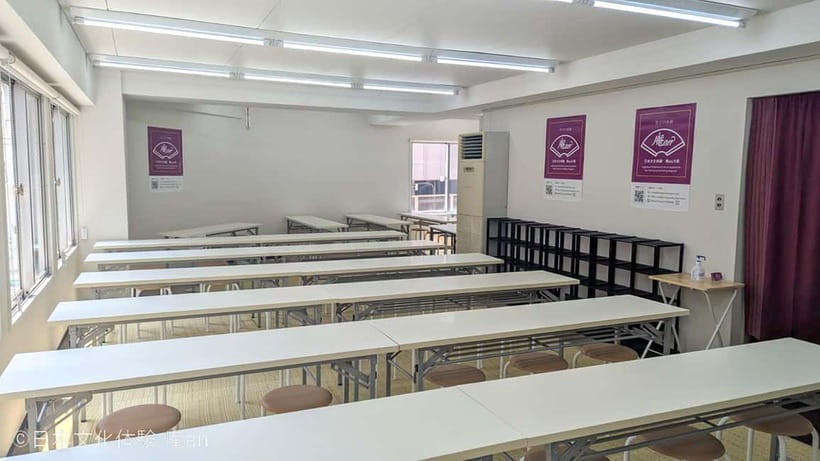
I would recommend it most strongly to you if you want a short cultural activity with direct participation. It is a good match for a first encounter with matcha, a quick break during sightseeing, or a simple introduction for someone who is curious but not ready for a long ceremony.
It also suits solo visitors. You do not need to gather a large group to make the booking worthwhile. Couples and small groups can enjoy preparing tea together, while parents can bring children under two who sit on a parent’s lap free of charge.
The activity may not suit you if you want a highly formal ceremony with extensive instruction, a long period of quiet reflection, or a guaranteed English-speaking teacher. The program is brief, the official language is Japanese, and the available English translation is offered as much as possible rather than promised in full.
You should also think carefully about the stairs. The building has no elevator, and all participants need to reach the venue by staircase. Visitors with accessibility concerns should contact the provider before paying.
Booking Timing and Practical Details
The operating hours are 10:00 to 17:00. Reservations received after 17:00 are processed the next day, so late-evening booking requests may not receive immediate handling.
Starting times depend on availability. Since the activity lasts only 30 minutes, you can place it between other plans, but leave room for the walk from the station and the building entrance. The provider will not hold the event for late arrivals.
If you need to cancel, you can receive a full refund when cancelling up to 24 hours in advance. A reserve-now-and-pay-later option is also available, which lets you keep plans flexible without paying at the time of booking.
Do not count on compensation for train fares, taxi costs, or other travel expenses if the activity is cancelled. Also, only participants may enter the venue, so someone accompanying you but not taking part cannot wait inside.
Is This $7 Tea Ceremony Worth Booking?
Yes, if you want a low-cost, hands-on introduction to matcha in central Osaka. The single-origin tea, grinding demonstration, ohigashi sweet, and chance to prepare your own cup give the 30-minute visit enough substance to feel like more than a quick drink stop.
I would book it for a first taste of Japanese tea culture, especially when your schedule is full. Contact the provider first if you need English instruction, and allow extra time for the stairs and station navigation.
Skip it if you are seeking an elaborate, traditional ceremony lasting an hour or more. For everyone else, this is a practical little cultural stop: inexpensive, easy to reach, and focused on doing rather than just watching.
FAQ
How long does the Osaka tea ceremony experience last?
The full activity lasts 30 minutes, including the tea lesson, matcha-grinding demonstration, tea preparation, photo time, and eating and drinking time.
How much does the experience cost?
The listed price is $7 per person. An experience completion certificate costs an additional 300 JPY.
Is matcha included?
Yes. The experience includes single-origin special matcha, which you prepare and enjoy during the session.
Are Japanese sweets included?
Yes. The tea is served with Japanese sweets called ohigashi.
Can I make my own matcha?
Yes. After the explanation and grinding demonstration, you prepare your own matcha.
Is the activity available in English?
The official activity language is Japanese. English translation can be provided as much as possible if you contact the provider and request it.
Where is the meeting point?
The venue is one minute on foot from Exit 10 of Higobashi Station on the Osaka Metro Yotsubashi Line. It is also about five minutes from Watanabebashi Station, seven minutes from Yodoyabashi Station, 10 minutes from Kitashinchi Station, and 15 minutes from Osaka Station.
Is the building accessible by elevator?
No. There is no elevator, and you need to use stairs to reach the venue.
Can children attend for free?
Children under two years old who sit on a parent’s lap are free of charge.
What happens if I need to cancel?
You can cancel up to 24 hours in advance for a full refund. The provider also offers a reserve-now-and-pay-later option.
Fresh tea listings around Osaka
- Osaka:Zen Tea Ceremony and Foot Bath Experience<45min>★ 5.0 · 7 reviews
- Nara Deer Park, Uji Matcha, & Hot Spring Full-Day Tour from Osaka★ 4.0 · 21 reviews
- Osaka: Tea Ceremony, Calligraphy, and Kimono Experience★ 5.0 · 6 reviews
- Osaka: Nara, Todaiji, Uji Matcha, and Hot Spring Tour★ 4.0 · 7 reviews
- Discover Japanese Tea Blending Techniques in Osaka★ 5.0 · 19 reviews
- Osaka Japanese Cooking And Matcha Class near Osaka Castle★ 5.0 · 22 reviews
- Craft Sushi and Matcha Ice Cream in Central Osaka (3-Course Meal)★ 5.0 · 2 reviews
- ZEN therapy | Shiatsu-style massage, EnergyTherapy & Japanese Tea★ 5.0 · 5 reviews
Tea Ceremony Experiences, compared.
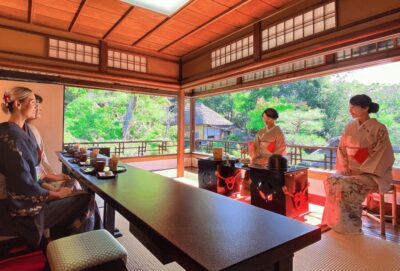
Kyoto: Tea Ceremony in a Traditional Tea House in Kiyomizu
Read our review →
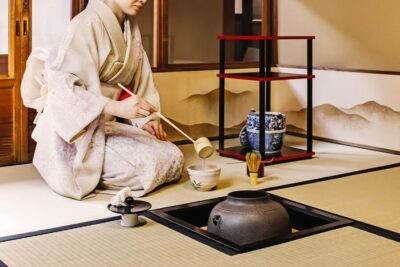
Kyoto: 45-Minute Tea Ceremony Lesson Experience
Read our review →
Kyoto: Table-Style Tea Ceremony at a Kyo-Machiya
Read our review →
Browse the lists this tour appears in