
Review · MATCHA EXPERIENCES
Nishio Matcha Story|Tea Ceremony & Matcha Kaiseki Journey
Nishio matcha is the star here, but the best part is that you do not simply drink it. You see how tea is made, grind it yourself, watch a formal ceremony, and then whisk your own bowl under a licensed tea master’s guidance. I like the hands-on work and the setting in the Former Konoe Residence, where tea culture feels tied to place rather than presented as a quick tourist display.
I also like the way the tour finishes with a seasonal kaiseki meal inspired by matcha, giving you a chance to taste the tea in a more subtle form. The main drawback is the price, $229.17 per person, which is a serious outlay for four hours and 15 minutes. The non-refundable policy also means you should be certain of your plans before booking.
Key points at a glance
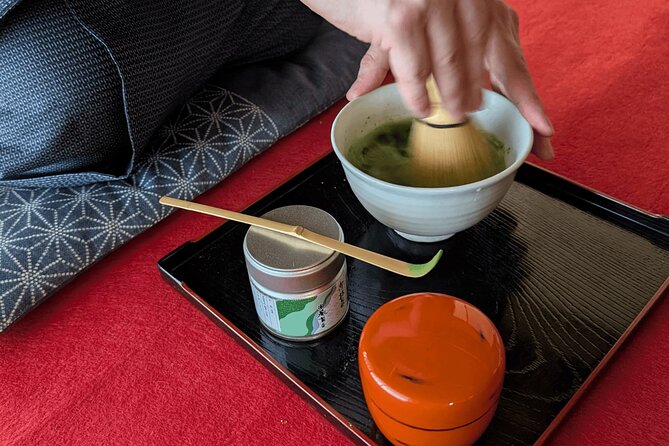
- Make your own matcha: Grind tea with a traditional stone mill and whisk your own bowl.
- Meet a licensed tea master: Watch a formal ceremony and learn the manners and meaning behind it.
- See Nishio beyond the teacup: Travel through the historic district after visiting the Former Konoe Residence.
- Finish with matcha kaiseki: Enjoy a seasonal multi-course meal shaped by the fragrance of Nishio tea.
- Keep the group small: The experience accepts a maximum of 10 people.
- Let the tour handle local taxis: Transport between the Nishio meeting point and the venues is included.
Why Nishio matcha gives this tour its purpose
Nishio has long been known in Japan for producing premium matcha. The area’s climate and pure water help create tea with strong umami and a vivid green color. That background matters because this is not simply a generic Japanese tea ceremony moved to a rural town. The experience is built around one particular local product and the place that shaped it.
I like tours that explain how a food or drink fits into its home region. Here, the story runs from cultivation to stone milling, then from preparation to formal presentation and finally to cooking. You get several ways to understand matcha, through sight, touch, taste, and conversation.
The format also suits you if your knowledge of tea is limited. One reviewer arrived with little understanding of Nishio matcha and found that the explanations made the tea they prepared themselves taste better. That makes sense. Once you have handled the leaves and learned something of their background, the bowl in front of you is no longer just a green drink.
Still, this is not the right choice if you want a fast sightseeing stop or a casual café visit. The ceremony asks you to pay attention to process, and the meal takes two hours. You will need to give the afternoon a steady block of time.
More Tea Ceremonies in Japan:
- Kyoto: Tea Ceremony in a Traditional Tea House in Kiyomizu
★ 4.9 · 3,519 reviews - Kyoto: Tea Ceremony Ju-An at Jotokuji Temple
★ 4.9 · 3,207 reviews - Kyoto: 45-Minute Tea Ceremony Lesson Experience
★ 4.3 · 2,378 reviews
Starting at Nishio Information Centre
The meeting point is the Nishio Information Centre at 4-64 Hananoki-cho, Nishio, Aichi 445-0852. You meet the English-speaking interpreter guide there, then use a taxi to reach the first main venue.
That arrangement is useful in a smaller Japanese city, where local transport can take more planning than it does in central Tokyo or Kyoto. You do not need to arrange separate taxis between the scheduled venues. The experience includes round-trip taxi transportation from the meeting point to the tour locations.
Your own transport to Nishio Information Centre is not included, so plan that part yourself. The centre is near public transportation, but the supplied details do not specify the best train connection from your starting point. Give yourself enough time to find the meeting point, especially if you are arriving in Nishio for the first time.
The group limit is 10 people. That is small enough for the tea master to give individual help during the whisking session, though the exact group size on your date can vary.
Grinding tea at the Former Konoe Residence
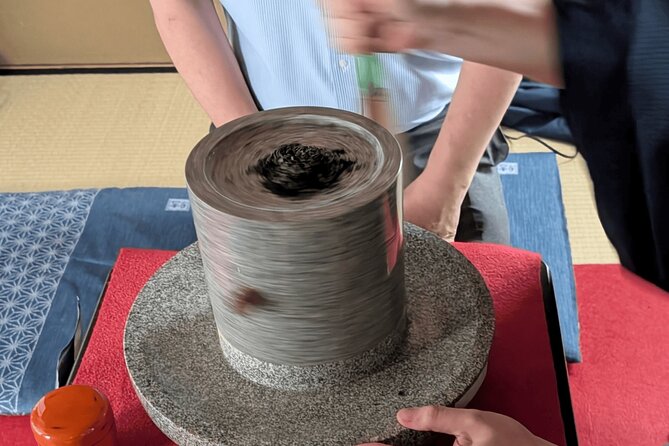
The Former Konoe Residence is where the tour becomes hands-on. You learn about matcha grinding with a traditional stone mill, and the experience also includes a mortar and pestle activity. These tools give you a physical sense of how much work sits behind a bowl of fine powdered tea.
Stone milling is slow by nature. That is part of the point. In a modern café, matcha arrives as a neat powder, ready for hot water. Here, the process makes you pause and consider the labor and care involved before the tea reaches the whisking bowl.
The tour also explains Nishio’s tea culture and production. The English-speaking guide helps connect the practical activity to the wider story, while the tea master handles the formal side of preparation. No guide’s personal name is provided in the tour details, but you will have both an interpreter guide and a certified tea professional involved.
The Former Konoe Residence adds atmosphere without requiring you to spend the day at a museum. It is a historic tea room in a noble family’s former home, according to the experience description. That setting gives the ceremony a sense of occasion, while the small group keeps it from feeling like a large public demonstration.
Watching a formal tea ceremony
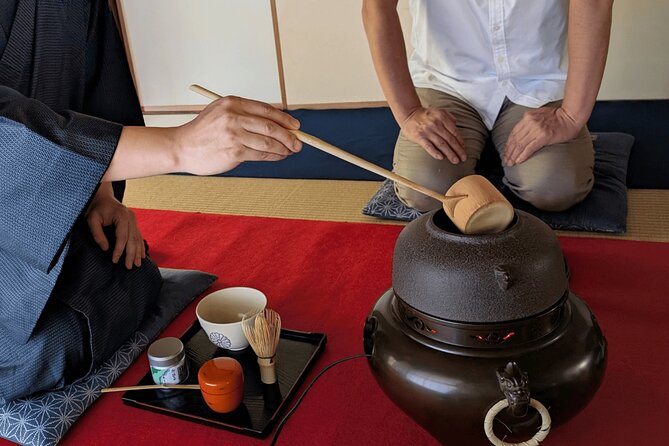
The tea ceremony demonstration is led by a licensed tea master. You can expect the focus to be on careful movement, presentation, and the cultural meaning of serving tea. The ceremony is not just a recipe for making a drink. It shows how objects, gestures, timing, and hospitality work together.
If you have never attended a tea ceremony, some of the quiet formality may feel unfamiliar. That is exactly why the guide’s interpretation matters. The ceremony becomes easier to appreciate when you understand what you are seeing rather than guessing at every movement.
The supplied information does not set out specific etiquette rules, so you should not worry about memorizing a long list before you arrive. Listen to the guide and tea master, follow their instructions, and treat the room and utensils with care.
After the demonstration, you whisk your own matcha. This is a useful contrast. First, you watch an expert prepare tea with practiced control. Then you try the same basic action yourself. Your bowl may not have the same smooth foam, but you will understand the technique more clearly after making it with your own hands.
One person described their first matcha experience as much more fun than expected. That reaction points to the strength of this format. The session has ceremony, but it is not only passive observation. You have something to do.
More Matcha Experiences in Japan:
- World Heritage Kyoto & Nara Uji Authentic Matcha Experience
★ 5.0 · 1,573 reviews - Matcha Making Class in Tokyo with Authentic Japanese Sweets Set
★ 5.0 · 744 reviews - Kyoto: Tea Museum Tickets and Matcha Grinding Experience
★ 4.9 · 739 reviews - Matcha Making Class in Osaka with Authentic Japanese Sweets Set
★ 5.0 · 509 reviews
A walk through Nishio’s historic district
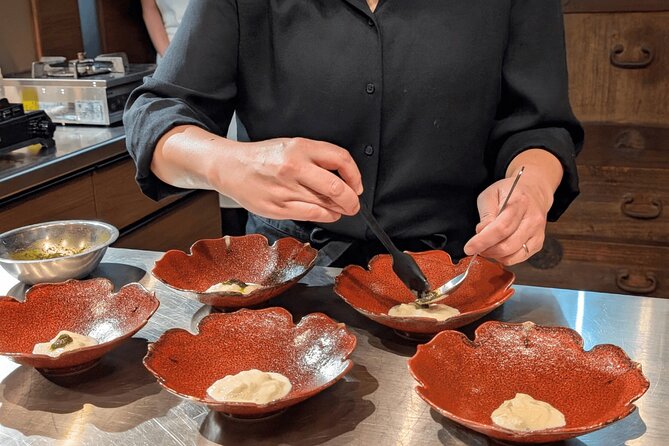
After the tea activities, the group strolls through Nishio City’s Historic District. The walk gives the tea room a wider setting and prevents the experience from becoming an isolated indoor lesson.
The supplied details do not promise a long sightseeing route or name individual buildings along the way. Think of this as a short cultural walk connected to the tea story, not a full city tour. You will have a chance to see more of Nishio before moving to the meal, but the main focus remains matcha.
This part will suit you if you enjoy linking food with local streets and older buildings. It may feel brief if you hoped for a major historical tour. The timing allows about one hour and 45 minutes for the residence, tea activities, and stroll combined, so the exact walking time will depend on the group and the pace of the session.
Matcha-inspired kaiseki at Mitsuyama
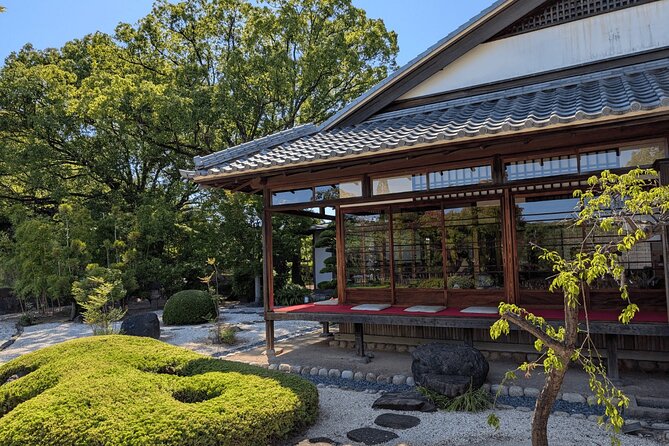
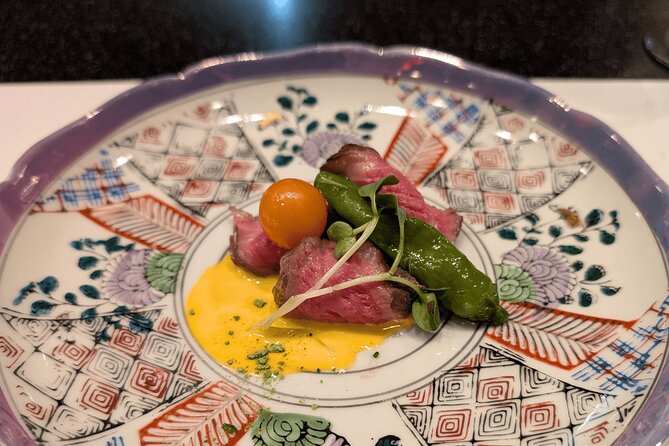
The final major stop is Mitsuyama, where you sit down to a Japanese kaiseki meal with the aroma of matcha. The meal is described as seasonal and multi-course, with Nishio matcha used as an inspiration across the menu.
Kaiseki is a thoughtful style of Japanese dining, so do not expect one large plate designed to fill you quickly. The appeal lies in a series of smaller courses, seasonal presentation, and careful balance. Here, matcha is not limited to a sweet dessert or a cup served at the end. Its fragrance and flavor influence the meal as a whole.
I like this ending because it tests your understanding of matcha in a different way. After grinding and whisking it, you can encounter the tea as part of a composed meal. You may notice more delicate flavors than the strong, direct taste of a bowl of matcha.
The meal lasts about two hours, making it nearly half the total tour. That is good news if dining is a major reason you are considering the experience. It is less appealing if you want to keep moving or prefer an informal lunch.
Drinks during dinner are not included. The schedule describes the stop as a meal, while the included details call it a seasonal kaiseki dinner. It is sensible to confirm the serving time and meal format when your booking is confirmed, especially if you have dietary needs or expect a particular number of courses.
A useful personal touch is the chance to speak with the chef. One account praised the meal and enjoyed talking with the chef afterward. That conversation can add context to the dishes, though the length and availability of that exchange will depend on the schedule.
Is $229.17 a fair price?
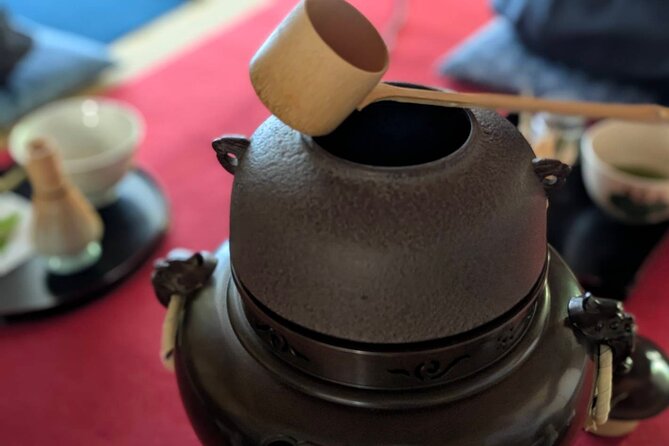
At $229.17 per person, this is not a budget tea activity. You are paying for more than a demonstration. The price includes an English-speaking guide, a licensed tea master, matcha grinding, guided whisking, a seasonal kaiseki meal, taxi transport between the meeting point and venues, and travel insurance.
The value depends on how many of those elements matter to you. If you want only to drink matcha, you can spend far less elsewhere. If you want a structured cultural experience that combines local history, a formal tea room, hands-on preparation, transport, and a multi-course meal, the price is easier to justify.
The small maximum group of 10 also helps. Private touring in Japan can become expensive quickly, while a small shared group gives you some personal attention without the full cost of a private booking.
The four-hour-15-minute length is another factor. The tour does not fill a full day, so you can still plan other activities around it. At the same time, the price is high enough that you should book it because you specifically want the complete matcha and kaiseki sequence, not because you need something to occupy an afternoon.
Timing, transport, and practical limits
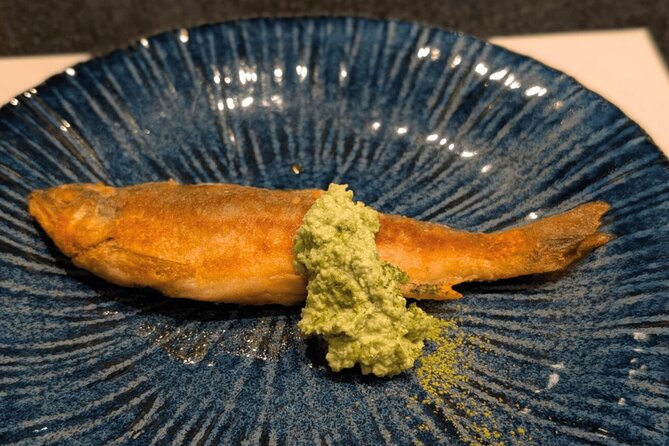
The listed schedule allows about 15 minutes at the starting point for meeting the guide and traveling by taxi, one hour and 45 minutes at the Former Konoe Residence and historic district, two hours at Mitsuyama, and another 15 minutes for the final taxi transfer.
The route description says the tour ends at Nishio Station after a taxi ride. Another part of the supplied information says the activity ends back at the meeting point. Since those details do not match, confirm the final drop-off point before the day of the tour. That small check matters if you are booking a train or another timed activity afterward.
A mobile ticket is available, which keeps the booking easy to carry on your phone. Confirmation is sent within 48 hours, subject to availability. The tour requires a minimum number of participants, so it can be canceled if that number is not reached. In that case, you are offered another date or experience, or a full refund.
Most people can take part, and the tour is near public transportation. The supplied information does not list accessibility details for the historic residence, tea room, or taxi transfers, so contact the provider if you need specific mobility arrangements.
The cancellation terms are strict. The experience is non-refundable and cannot be changed for any reason. Do not book this one casually if your schedule is uncertain.
Who will enjoy this Nishio experience most?
I would choose this for you if you enjoy food, craft, and local culture more than ticking off major sights. It works especially well for someone visiting Japan for the first time who wants a guided introduction to tea, as well as for a repeat visitor looking for a quieter regional experience outside the best-known cities.
It is also a good match for food-focused travelers. The kaiseki meal gives the tour a strong finish, and the connection between tea production and cooking makes the day feel coherent.
You should think twice if you dislike formal settings, long meals, or careful demonstrations. The tea ceremony is not designed for rushing, and the meal takes two hours. You may also find the cost hard to accept if you are mainly interested in tasting matcha rather than learning its story.
The tour is limited to a maximum of 10 people, but it is not advertised as private. If you want complete control over the pace or menu, ask the provider about available arrangements before paying.
Should you book the Nishio Matcha Story?
Book it if you want to understand matcha through several connected experiences: stone milling, tea ceremony, whisking, a historic residence, a local walk, and seasonal kaiseki. The strongest feature is the way you make the tea yourself, then meet it again as part of a carefully planned meal.
Skip it if you want a cheap cup of matcha, a short activity, or a flexible booking. The $229.17 price and non-refundable policy call for a firm commitment, and the day’s value rests heavily on your interest in Japanese tea culture and formal dining.
Before booking, confirm the final drop-off point, meal timing, and any dietary questions. If those details work for you, this is a focused way to spend half a day in Nishio, with more substance than a standard tea tasting.
FAQ
Where does the Nishio matcha experience begin?
It begins at Nishio Information Centre, Japan, 445-0852 Aichi, Nishio, Hananoki-cho 4-64.
How long does the experience last?
The total duration is approximately 4 hours and 15 minutes.
What activities are included?
The experience includes a tea ceremony led by a licensed tea master, matcha stone milling, hands-on matcha whisking, a seasonal kaiseki meal, an English-speaking guide, taxi transportation between the meeting point and venues, and travel insurance.
Is transportation included?
Round-trip taxi transportation between the meeting point and the tour venues is included. Transportation to Nishio Information Centre is not included.
How many people can join the tour?
The maximum group size is 10 people.
Can I cancel or change my booking?
The experience is non-refundable and cannot be changed for any reason. If the minimum number of participants is not reached and the provider cancels the tour, you will be offered another date or experience, or a full refund.
Fresh tea listings around Japan
- Yokohama : Tea Ceremony with Sweets and Souvenir★ 5.0 · 5 reviews
- Walking Tour: Yanaka,Nezu& Sendagi: Tea Ceremony & Old Tokyo★ 5.0 · 3 reviews
- Visit local home for music and tea ceremony near Disney★ 4.9 · 13 reviews
- Yokohama: Sushi & Gyoza Cooking with Matcha & GreenTea Experience★ 5.0 · 3 reviews
- Trip to Kamakura & Enoshima: Shrines, Seaside, Temples &Tea★ 5.0 · 11 reviews
- Uji: Private immersion into Kyoto’s tea and reglious culture★ 5.0 · 17 reviews
- Kyoto tea town for matcha lovers★ 5.0 · 16 reviews
- Kyoto Matcha Green Tea Tour★ 4.5 · 23 reviews
Matcha Experiences, compared.
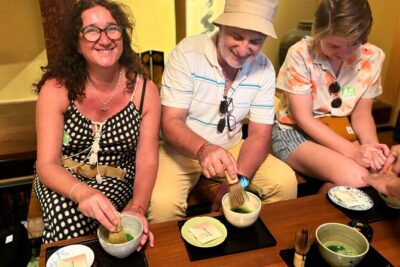
World Heritage Kyoto & Nara Uji Authentic Matcha Experience
Read our review →
Matcha Making Class in Tokyo with Authentic Japanese Sweets Set
Read our review →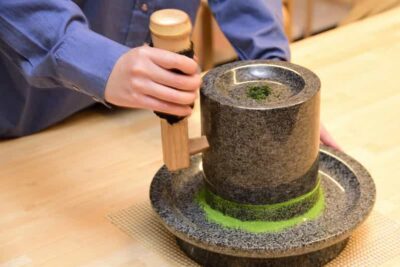
Kyoto: Tea Museum Tickets and Matcha Grinding Experience
Read our review →
Matcha Making Class in Osaka with Authentic Japanese Sweets Set
Read our review →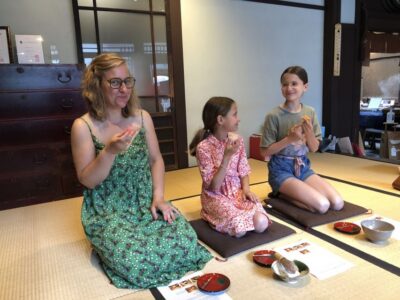
Kyoto: Tea Ceremony Meditation – Make Matcha with Tea Master
Read our review →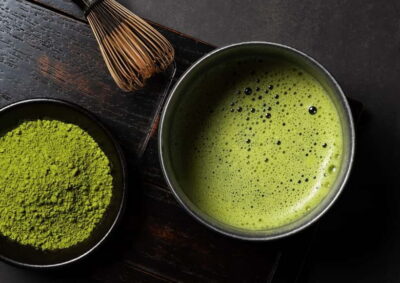
Tokyo: Matcha Making Experience with Mochi Sweets in Asakusa
Read our review →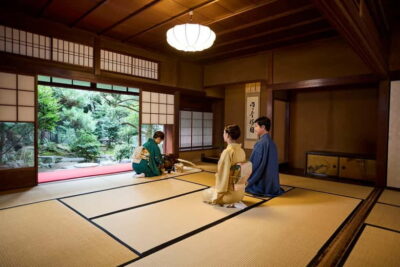
Kyoto: Kimono Tea Ceremony with Matcha and Sweet
Read our review →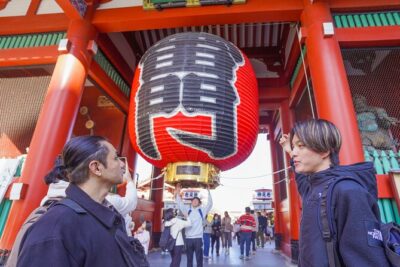
Browse the lists this tour appears in